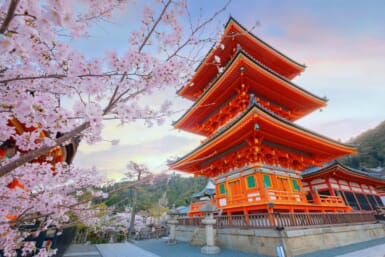

About 90 minutes from central Tokyo, the Isumi region opens like a long breath: Pacific swells rolling onto pale sand, cedar stands and river valleys giving way to patchworks of rice and vegetable fields. Small boats move across the nearshore, and local farms produce bamboo shoots, vegetables and dairy used in everyday cooking.
The Isumi region is renowned for its coastal beauty and for being home to an intricately carved temple said to have inspired Hokusai. Many visitors come for the food as well — a rich mix of authentic Japanese cuisine and modern gastronomy. But the region’s main charm lies in small, unmistakably local moments: the subdued bustle of its morning market, charming seaside lodgings, sake that carries the flavors of the land.
Fermentation is part of daily life here — the region stands apart due to its abundance of sake breweries and cheese factories. These crafts are passed down through generations, as practical as it is deliberate, tied to the rhythms of land and sea. That same respect for tradition has long guided the region’s artisans and builders, and continues on today, evident in its local cuisine, beautiful traditional lodgings and even its burgeoning coffee culture.
Below, a guide of what to see, do and eat in the region. (Two of Isumi’s finest restaurants double as hotels, should you want to make your trip an overnight one.)
What To Do in Isumi
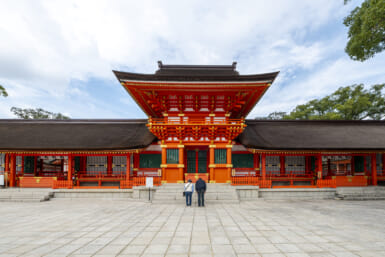
Appreciate the Beauty of Izunadera Temple
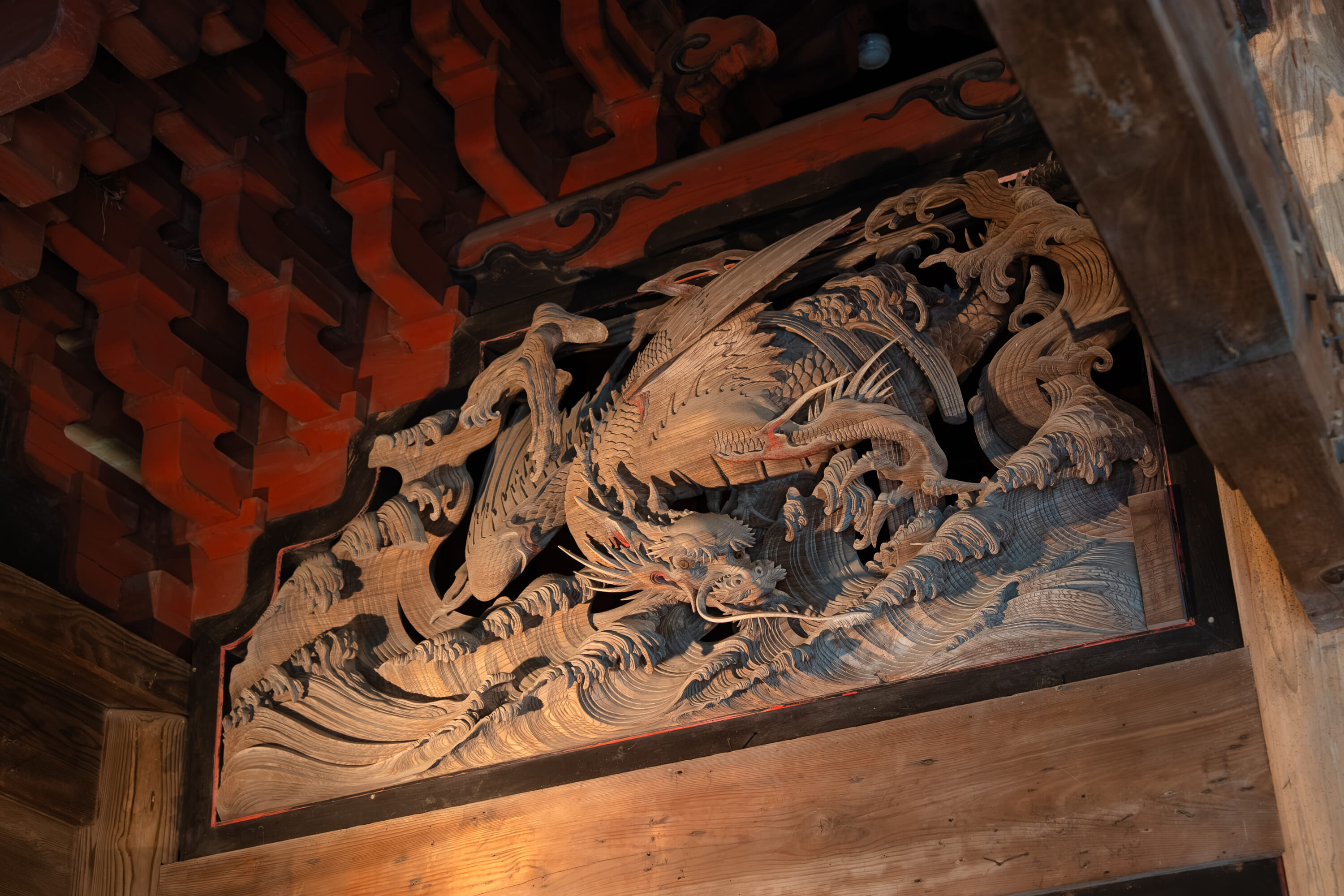
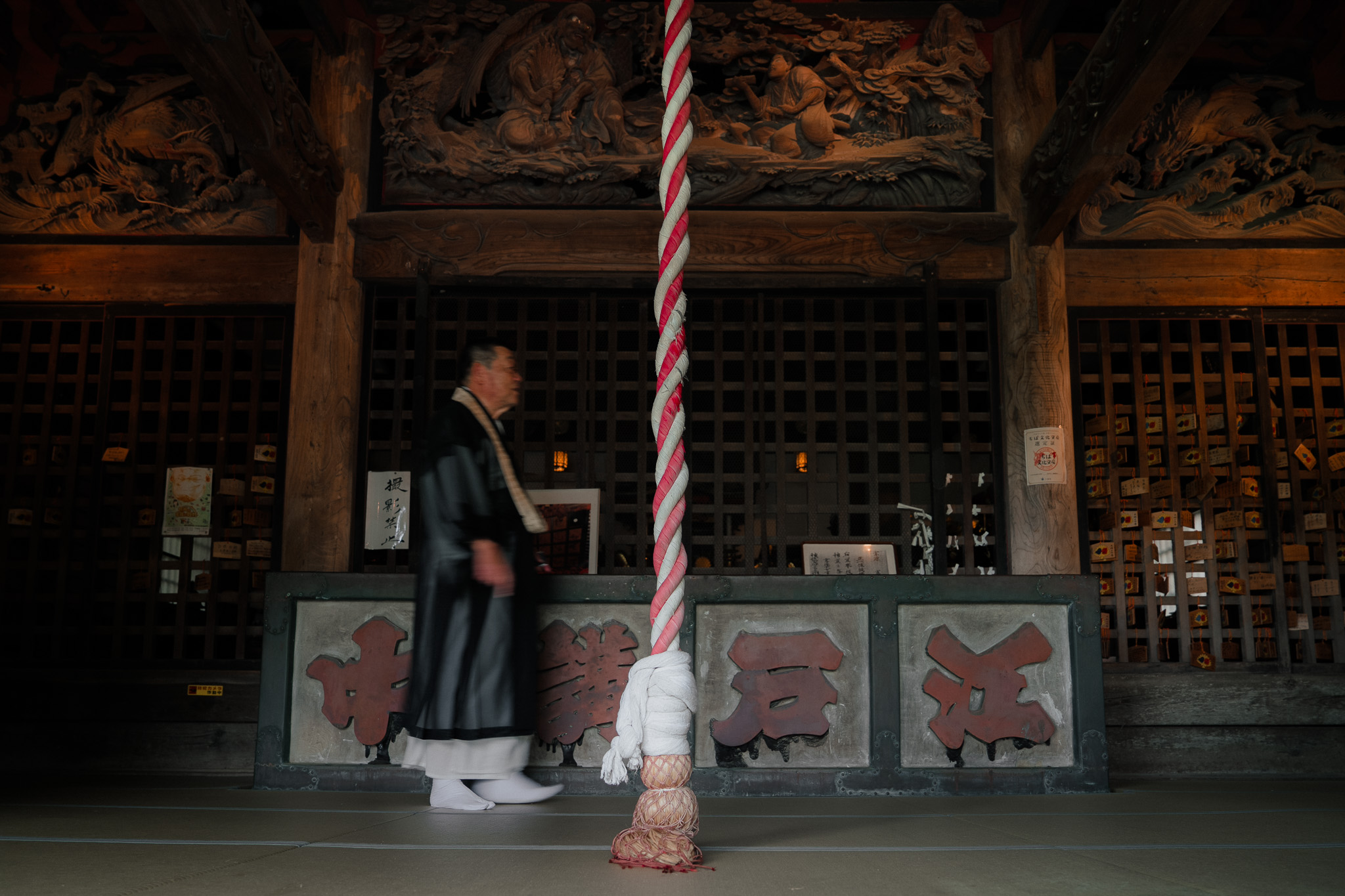
Located not far from the coast, Izunadera is best known for late-Edo transom carvings by the master Nobuyoshi Takeshi Ihachiro, who was nicknamed “Ihachi of the Waves.” Inside, wood turns kinetic — panels contrast serene, lapping lines with storm-tossed spray; a dragon seems to gather wind with its claws; and shallow relief reads as depth, a hallmark of Ihachi’s technique.
Local accounts say that Hokusai himself visited, and seeing Ihachi’s waves in person may have sharpened his eye toward the living surf we recognize in “The Great Wave off Kanagawa.” The influence can’t be proven, but under those panels the speculation feels reasonable. Ihachi reportedly spent well over a decade on the work. Every pass across the grain reveals another tendon, another eddy, another glint in the eye on a tengu mask catching light like wet lacquer. Expect to linger. (There’s a small ¥300 fee to view the interior, and no photography is allowed.)
More info
When: 10 a.m.–4 p.m.
Where: 2935-1 Izumi, Misakicho Isumi city, Chiba (15-min taxi from JR Sotobo Line Ichinomiya Station)
How much: ¥300 (cash)
Browse the Katsuura Morning Market
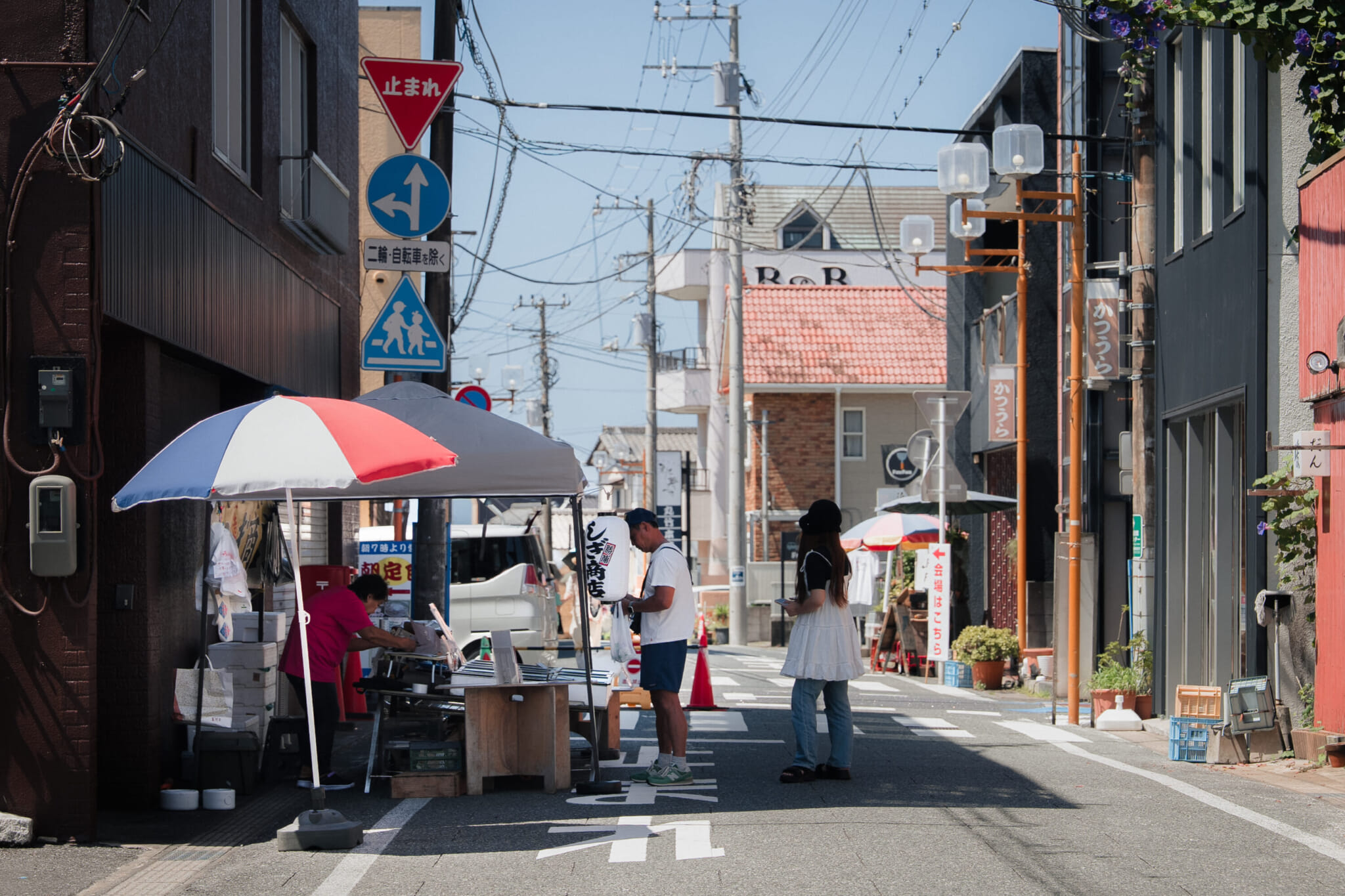
Just a short walk from Katsuura Station, the streets by the harbor come to life each morning (except Wednesdays) with the Katsuura morning market. The market shifts locations halfway through the month, but its atmosphere stays the same: warm, unhurried and welcoming. Stalls brim with fresh fruit, fish and vegetables, handmade goods and local treats like bonito flakes simmered in soy sauce, gelato, grape juice and dried fish. It feels both practical and friendly: not a staged spectacle, just a centuries-old habit that locals keep because it still works.
More info
When: ~6:30–11 a.m.; closed Wednesdays and Jan. 1; stalls may close early when sold out
Where: 1st–15th on Shimohoncho Asaichi-dori; 16th–end of month on Nakahoncho Asaichi-dori
How to get there: 10-minute walk from Katsuura Stn.
Explore Mitosaya Botanical Distillery and Garden
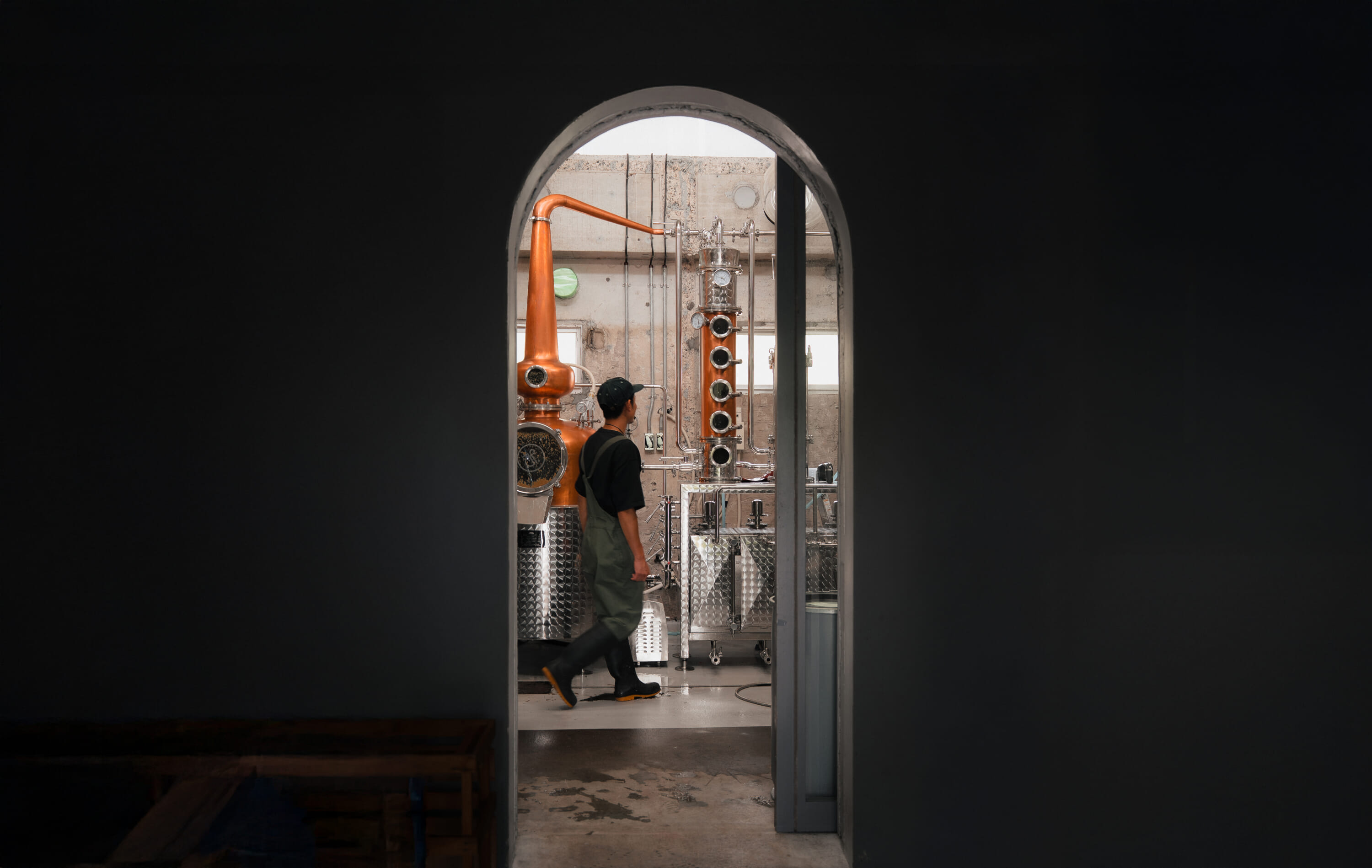
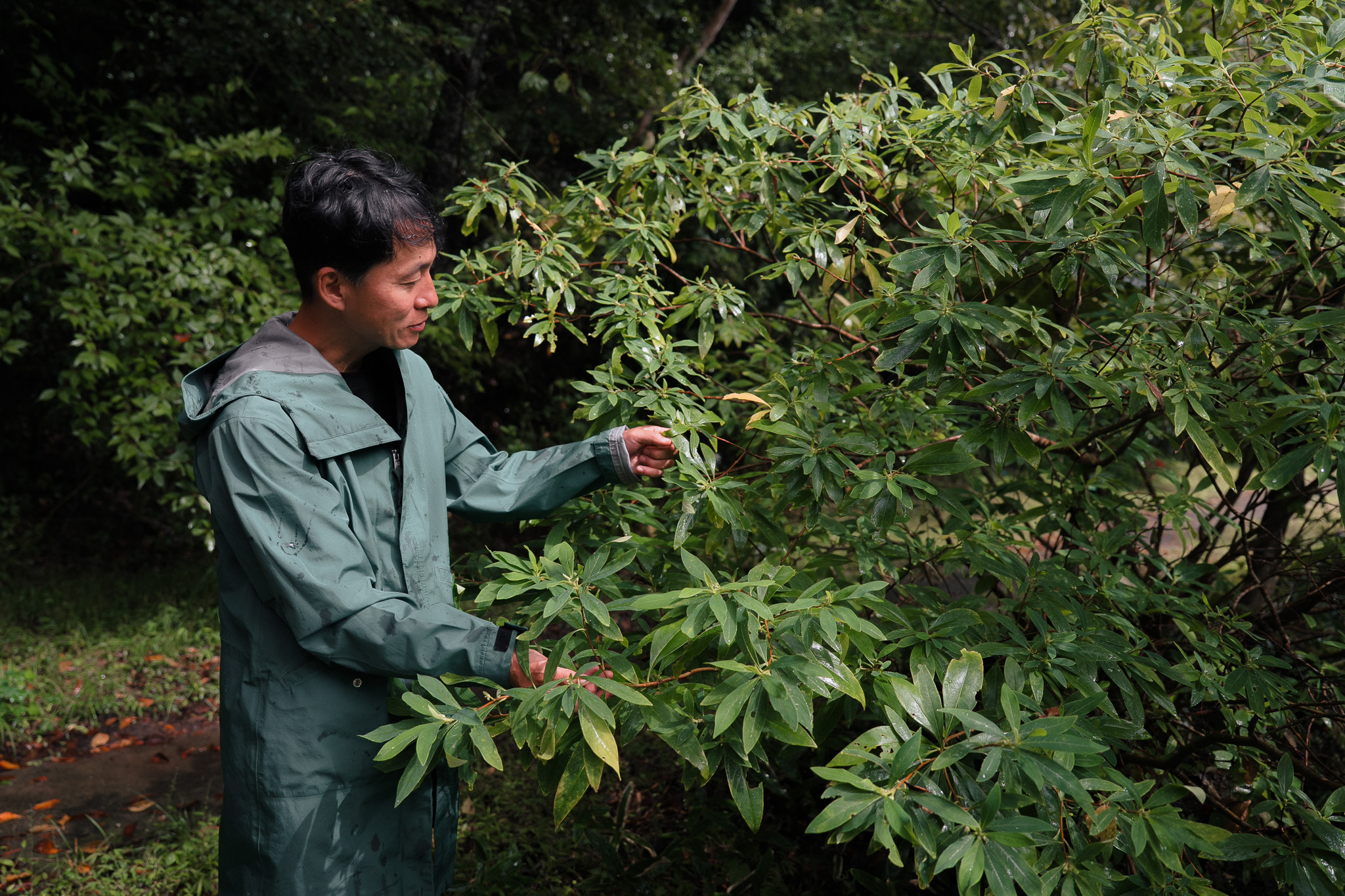
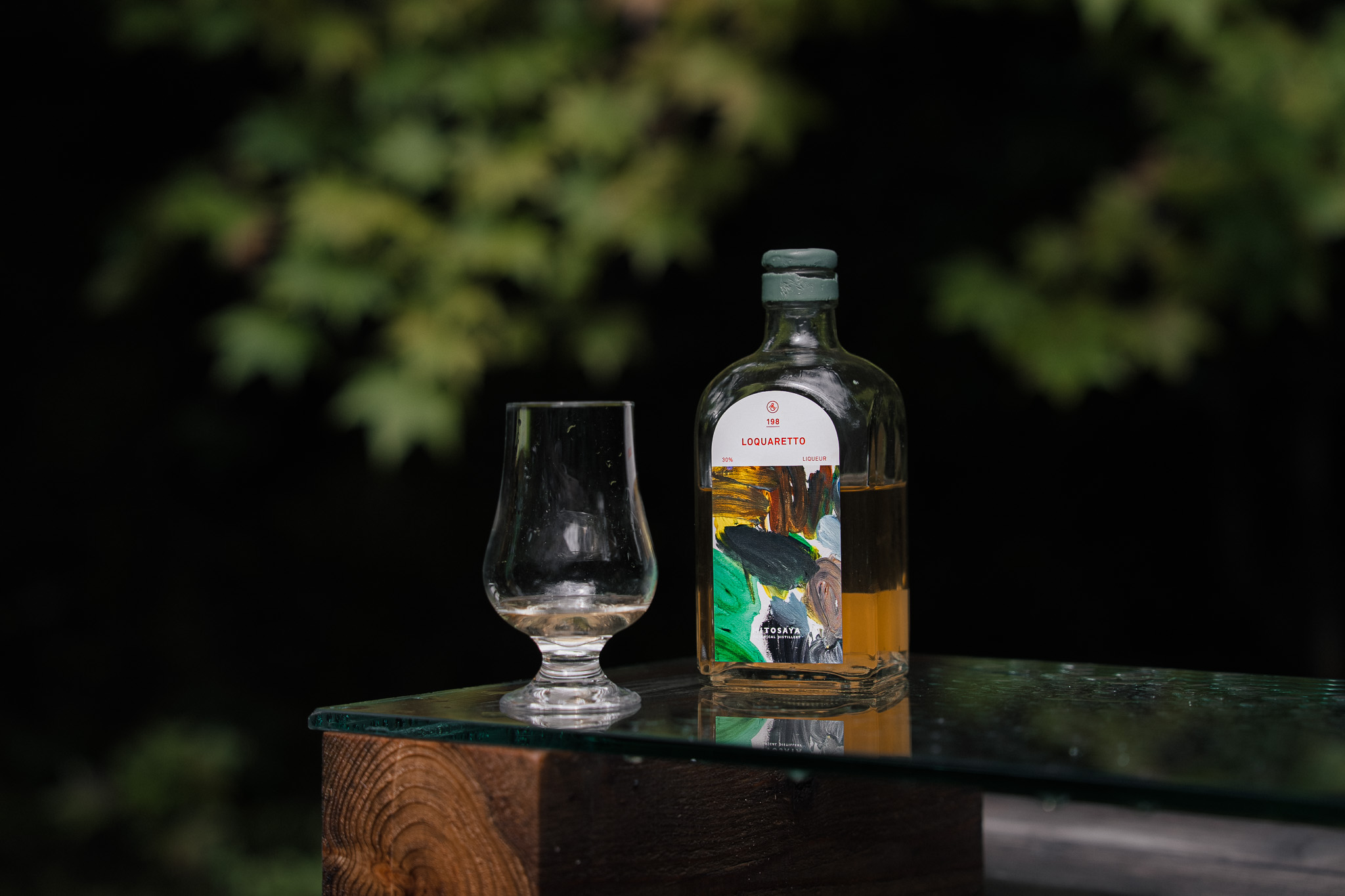
On the grounds of a former medicinal herb garden, Mitosaya treats flavor as a living landscape. Walk the beds of turmeric, tea flowers, guava and wild herbs, crush a leaf between your fingers, then see how those same plants become eaux-de-vie, liqueurs, teas and sauces. Fermentation and distillation happen in small vessels — glass, wood, earthenware — with decisions made batch by batch to honor each fruit or leaf.
The result is bright, transparent spirits and playful non-alcoholic sodas that taste like the garden itself. On open days you’re free to wander; guided tours add a concise primer on their process and finish with three thoughtful tastings (alcoholic or non-alcoholic).
More info
When: Open Fridays and Saturdays 10 a.m.–5 p.m.
Garden Tour 1:30–2:30 p.m. | Distillery tour 2:30–3:30 p.m. (both ¥3,300, reservation recommended)
Where: 486 Otaki, Otaki-machi, Isumi-gun
How much: Garden access free on open days; tours ¥3,300 with three tastings
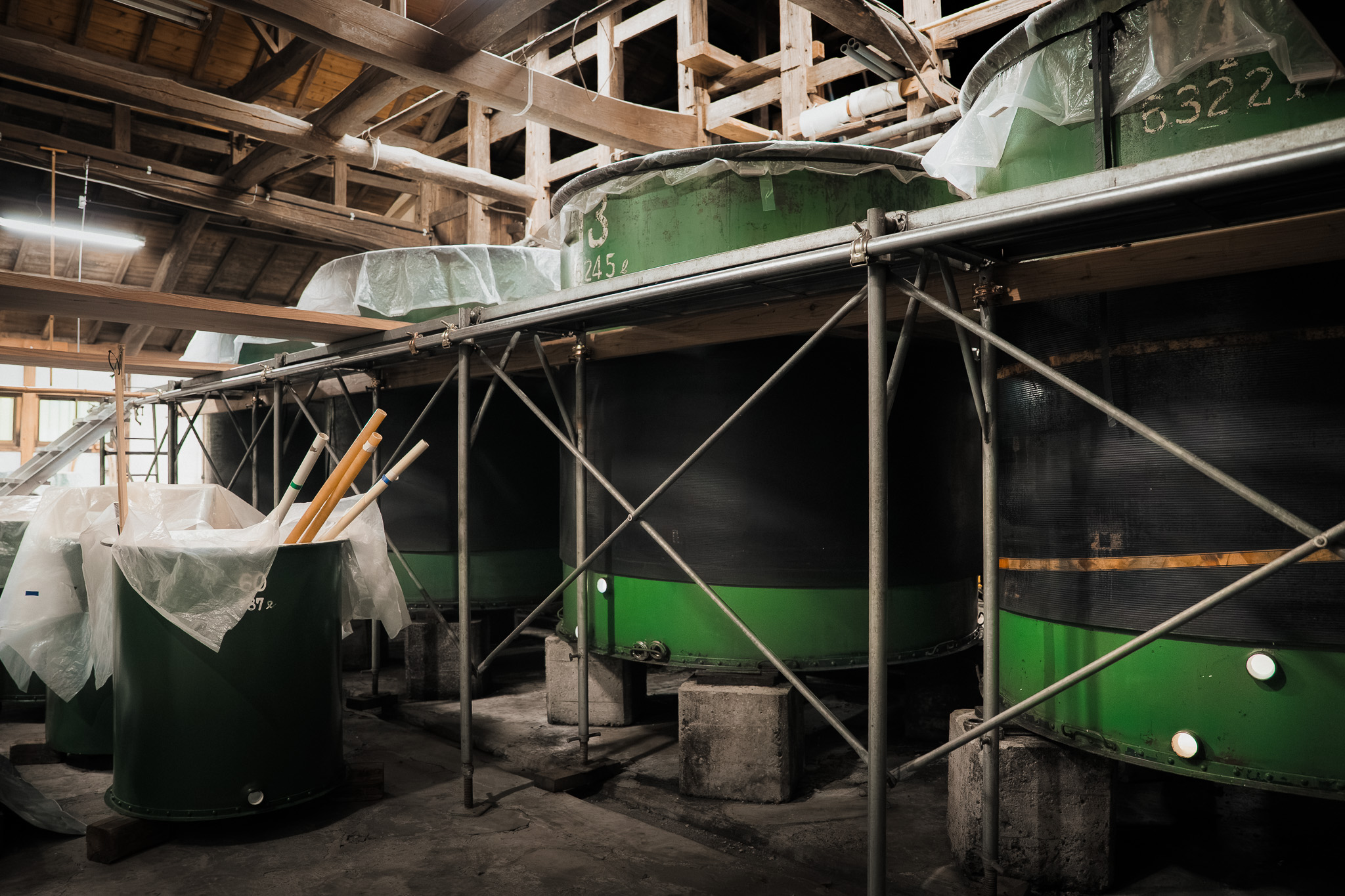
Try Some Local Sake at Iwase Brewery
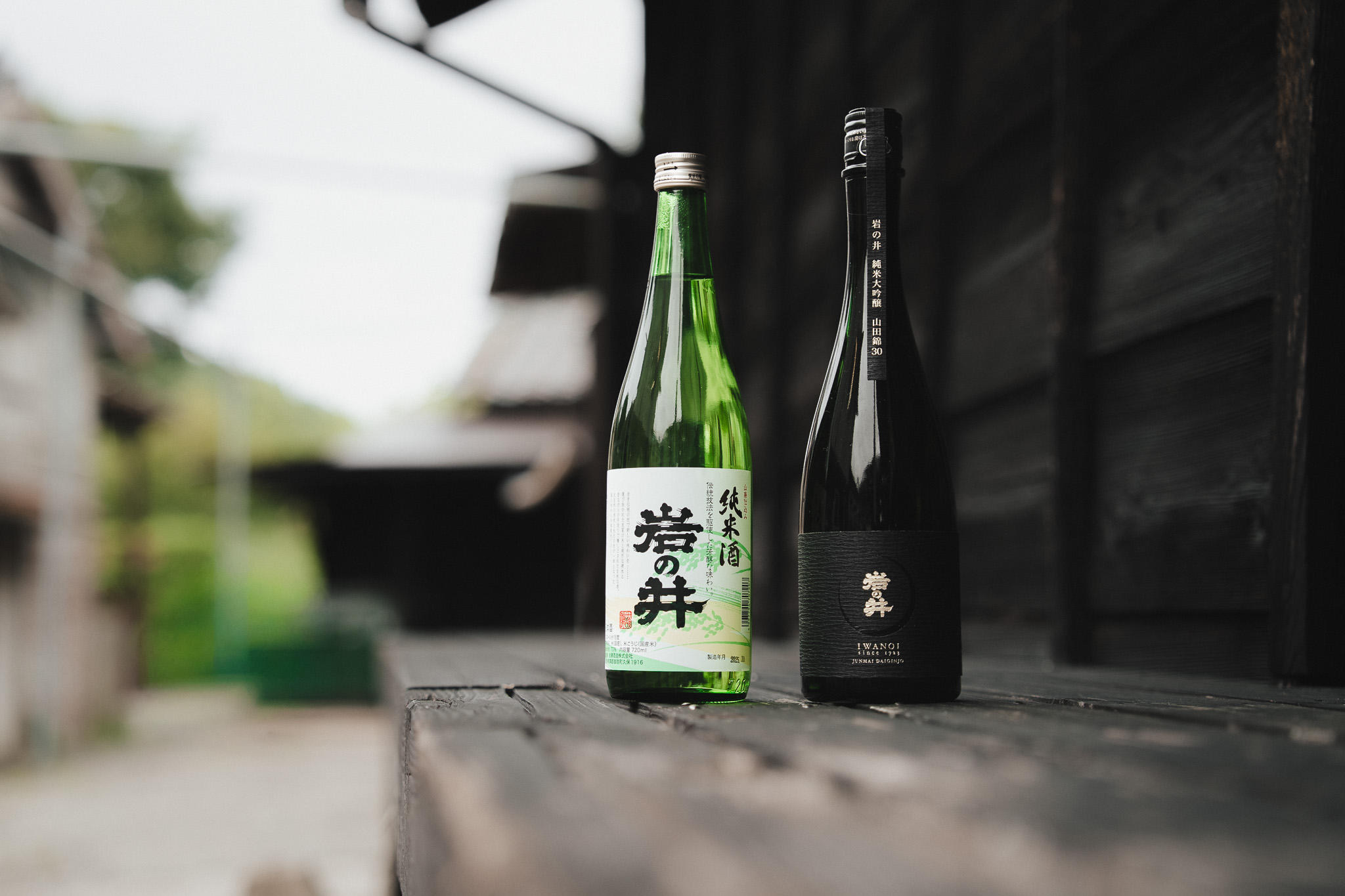
Ten minutes from the famed coast of Onjuku town, Iwase brews sake with unusually hard well water that filters through ancient shell strata. The minerals give the sake lively fermentations and a clean, food-friendly acidity. They’re also what allow the brewery to produce koshu — aged sake with amber color and rich, nutty, savory aromas that develop over years in the cellar.
The thatched main building hides another story: beams repurposed from a 17th-century Spanish galleon that wrecked off Onjuku and knit a brief, improbable friendship between coastal villagers and a foreign crew. Ask ahead for a look around. Their sakes are best when paired with local cheese or seafood to see how this sake leans into Western dishes as naturally as it does into washoku.
More info
When: Visits/tastings are best by prior arrangement; brewing season runs roughly late October–March (shop hours vary)
Where: 1916 Kubo, Onjuku-machi, Isumi-gun
How much: Tasting fees vary; call ahead
Where To Eat in Isumi (and Where To Stay)
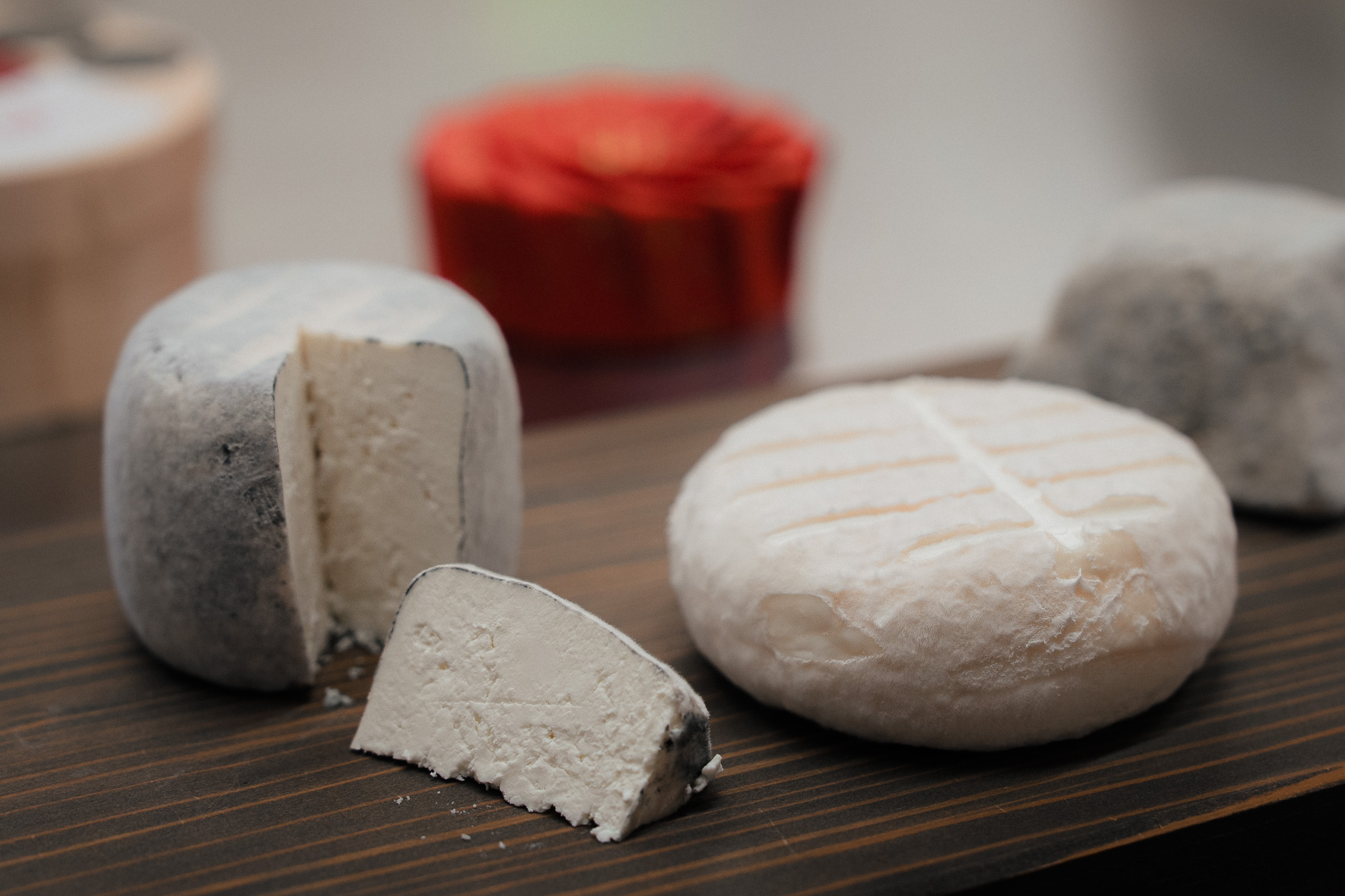
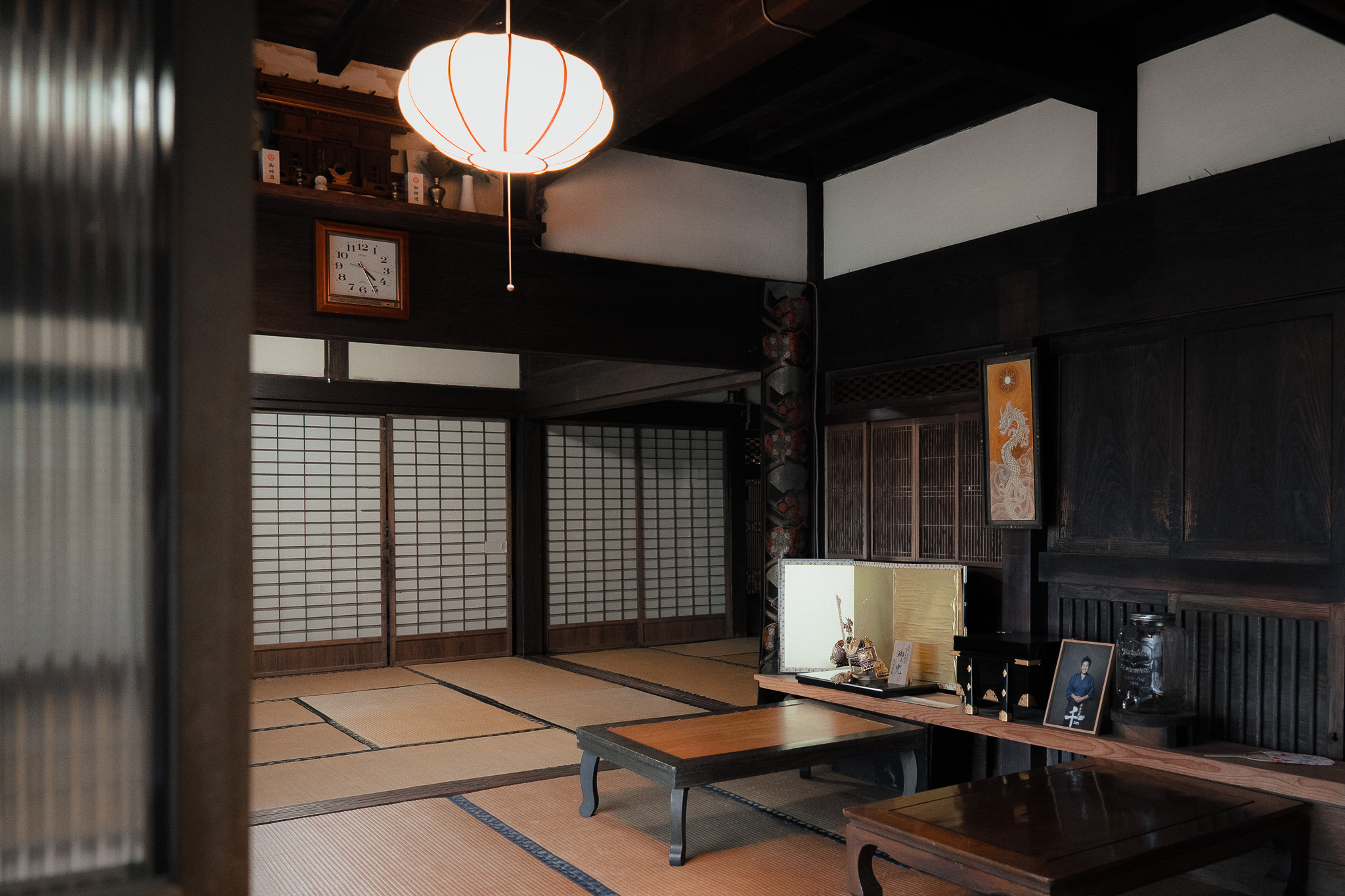
Cheese Kobo Sen: Award-Winning Artisanal Cheese
Open just one day a month, Cheese Kobo Sen in Otaki feels more like a listening room than a shop — quiet, warm and tuned to the slow tempo of cheese production. Rinds are tended patiently (some washed, some wrapped), textures run from supple to fudgy to brittle and flavors drift from meadowy to savory and back again.
Cheesemaker Chiyo Shibata’s washed-rind Kodou recently won gold in France, but that’s far from the only draw here. Stay and enjoy a few careful tastes, a short conversation, the thrill of finding a wheel that calls to you. It’s an intimate stop — arrive early, take your time and maybe plan a sake pairing later with Iwase to see the wheels open up in the glass.
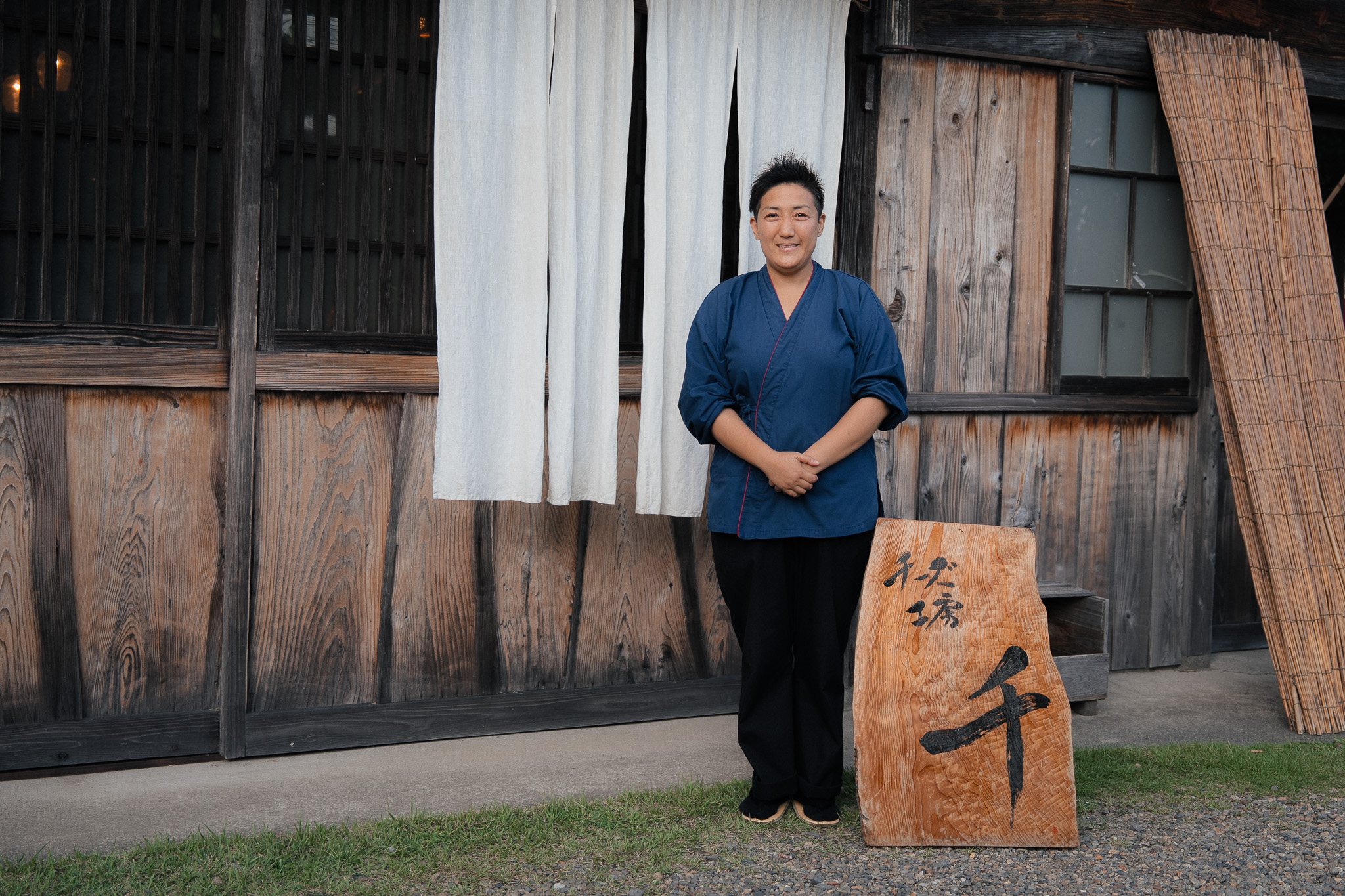
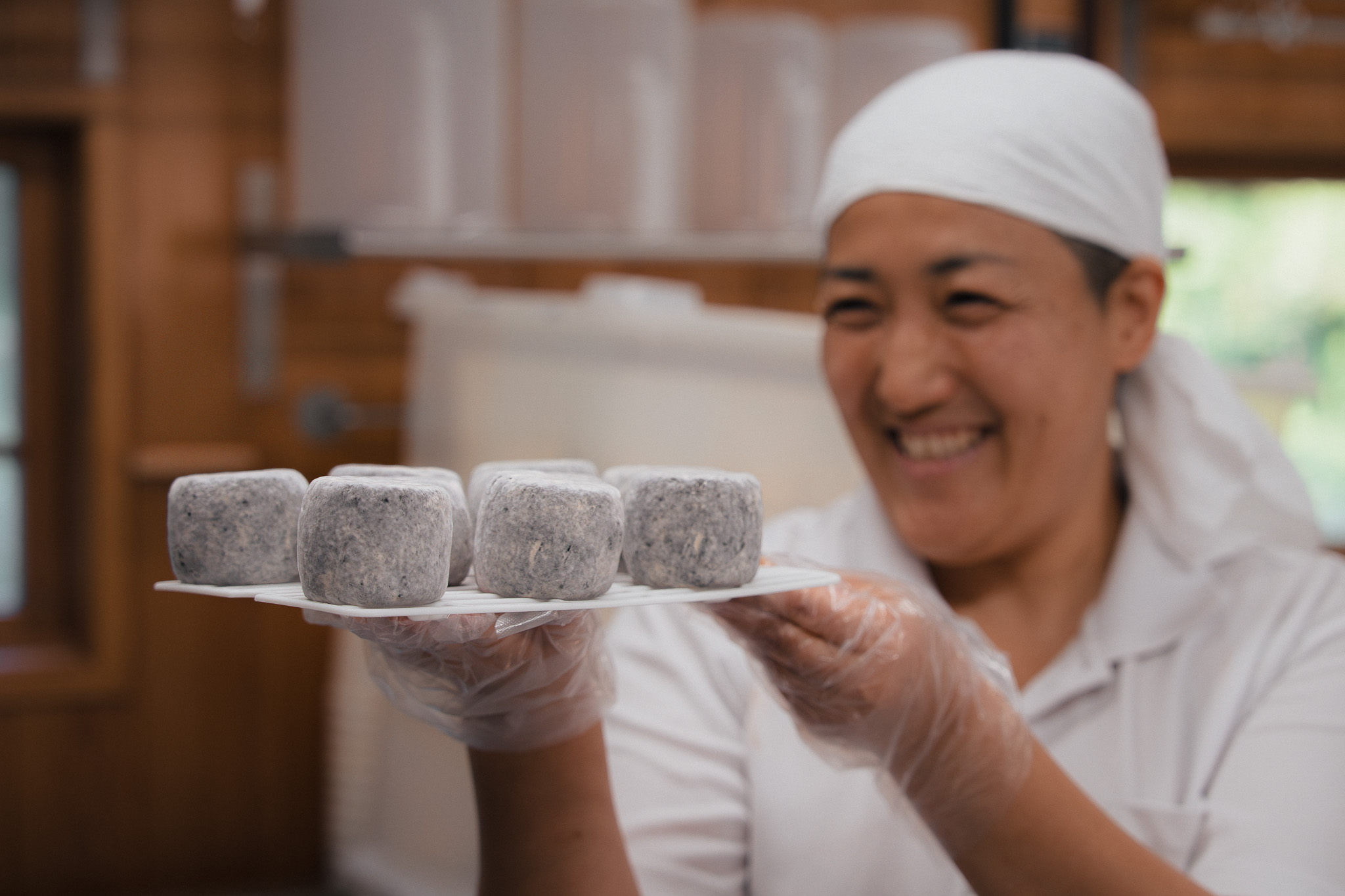
Every element of Shibata’s cheeses comes from Chiba Prefecture: milk from Takahide Dairy Farm, salt from the coastal town of Kujukuri, sake from Terada Honke and lactic acid bacteria collected locally. “I want to prove that we can make something world-class using only what’s here,” she says. In 2017 she became the first woman — and the first independent artisan in Kanto — to win the Minister of Agriculture’s top prize.
Shibata believes deeply in the power of small-scale work. “Even in the countryside, even alone, you can build something if you have passion and skill,” she says. That philosophy shapes everything she does — including her choice to open Sen just once a month.
“Cheese is a way of telling stories,” Shibata says. “Each wheel holds a piece of this place — its people, its land and the belief that even from a small town, you can reach the world.”
More info
When: First Sunday of each month, 10 a.m.–5 p.m. (very limited production; reserve early)
Where: 178 Babauchi, Otaki-machi, Isumi-gun
How much: Tastings/purchases a la carte; prices vary by wheel and size
Itsukiri and Itsukiri San: A Luxury Stay With Fine Dining
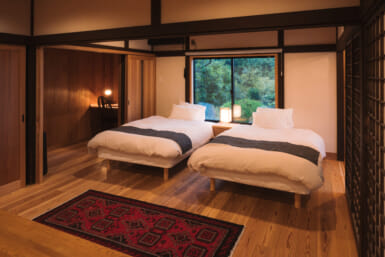
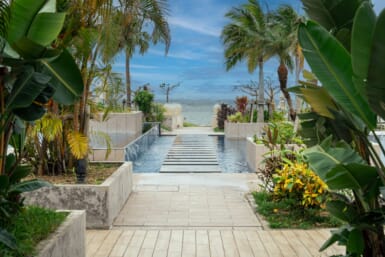
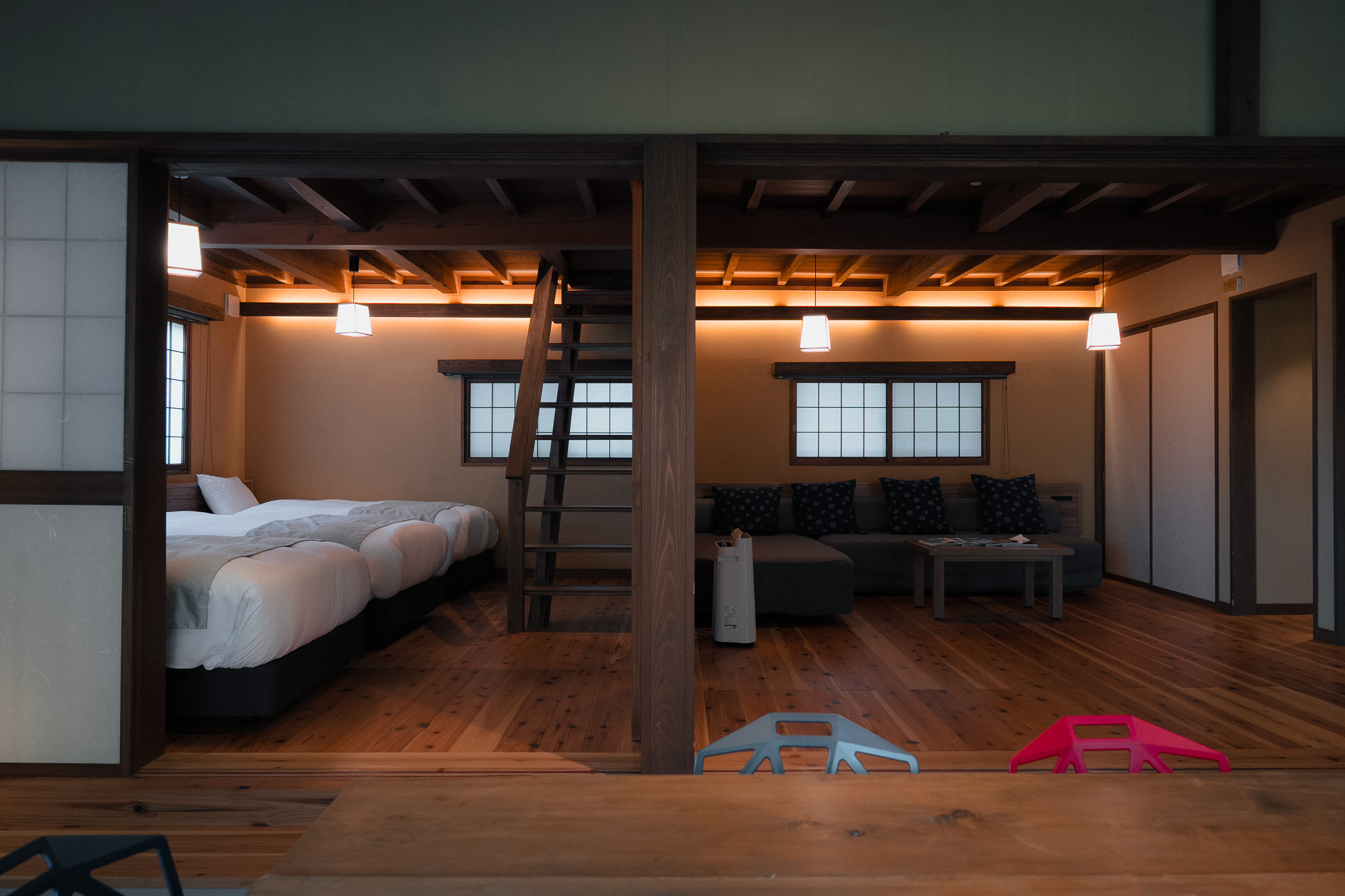
Set amid fields close to the sea, Itsukiri is a compact resort with several ways to stay — from private villa-style rooms with wood stoves to restored kominka (traditional farmhouses) reimagined as a high-comfort, whole-house retreat. Soaking tubs, saunas and seasonal pools make it easy to linger; a shuttle from Ohara Station keeps it reachable without a car.
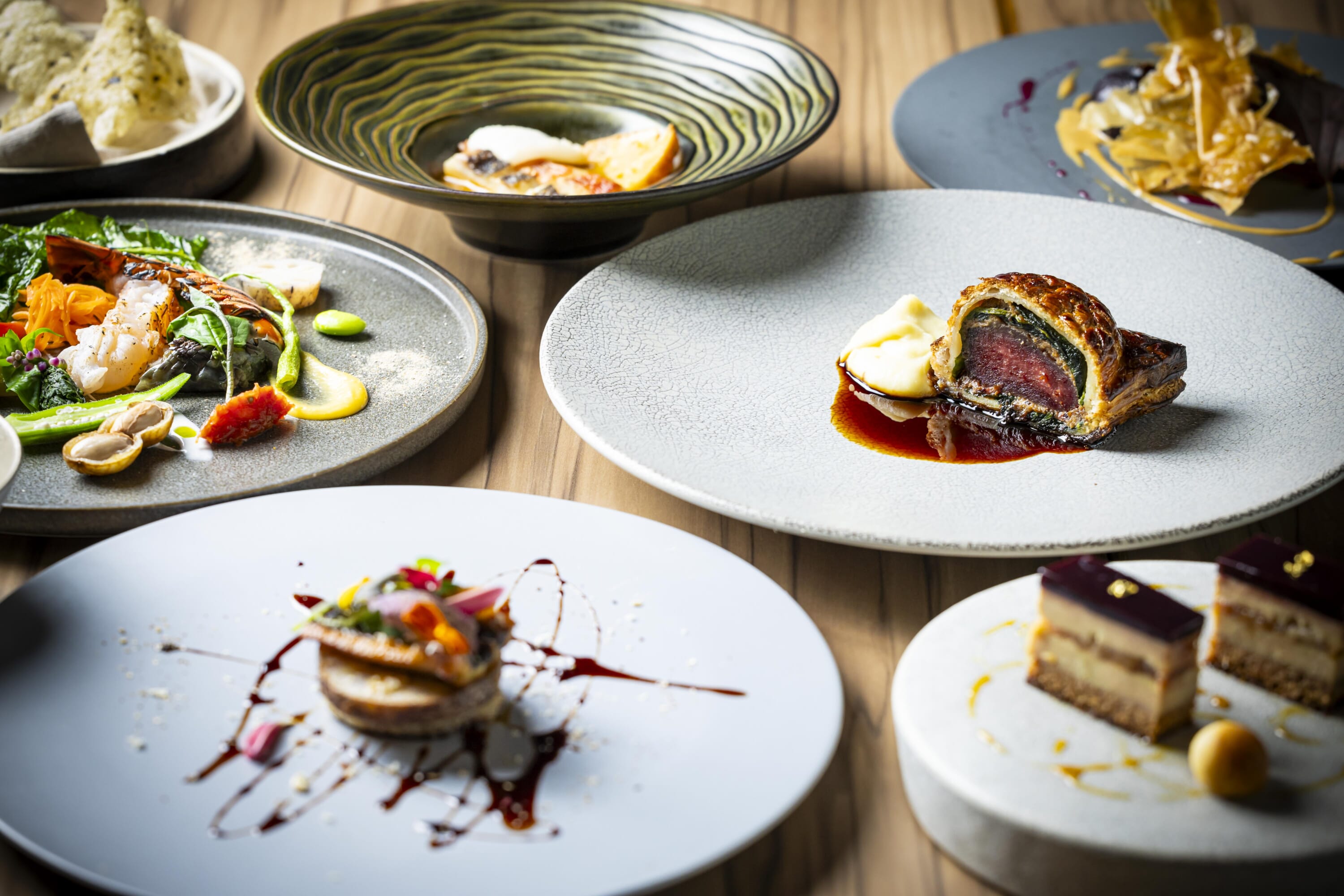
Dinner at the on-site restaurant Itsukiri San, led by chef Ai Kimura, reflects the region’s daily rhythms. Menus change with the catch and the harvest, highlighting whole fish, seasonal produce and skilled cooking that lets ingredients speak for themselves. “By being part of the process, I learn things I could never find online,” Kimura says. “I understand the sea, the land, the people — and that shapes how I cook.”
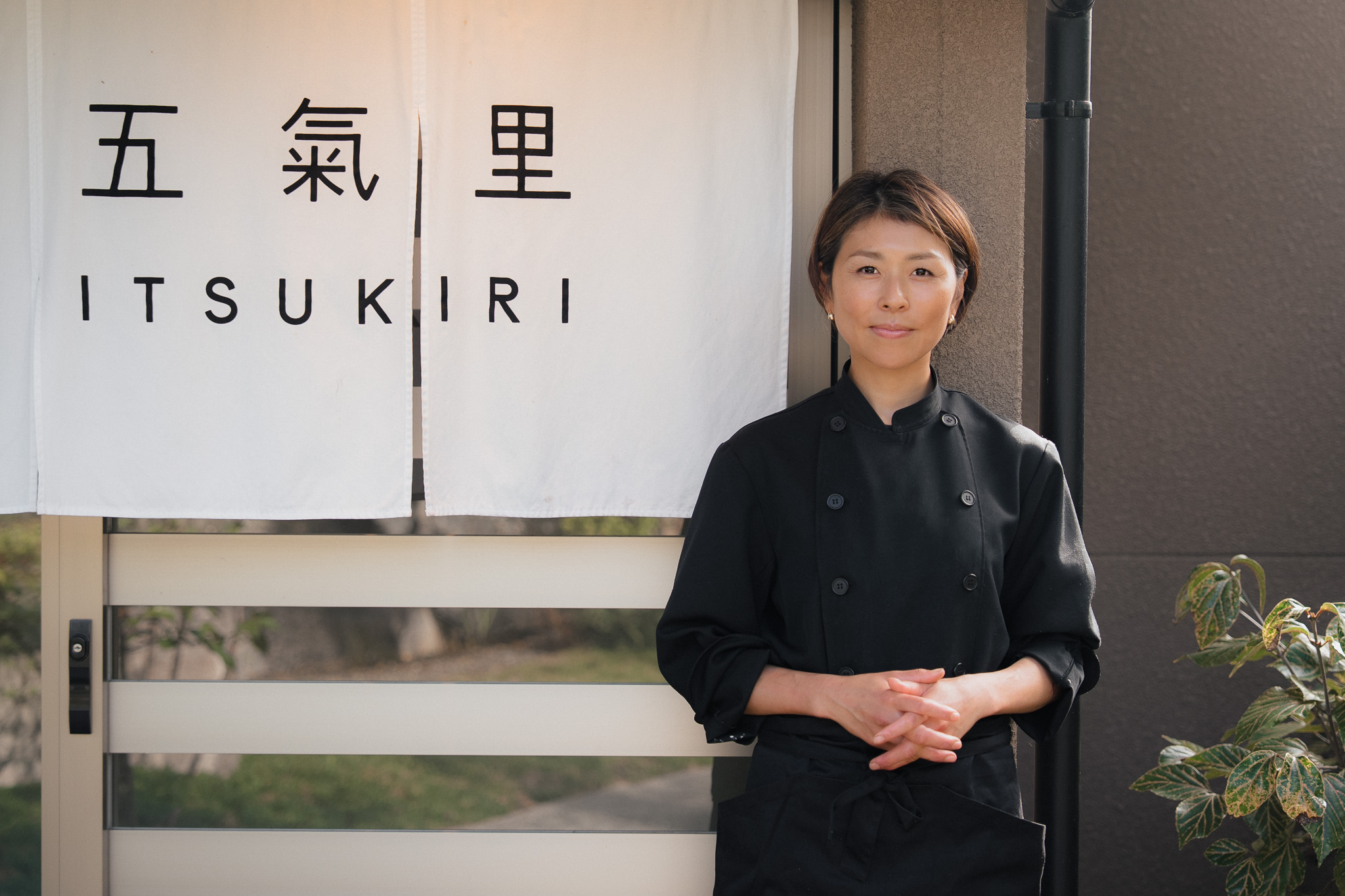
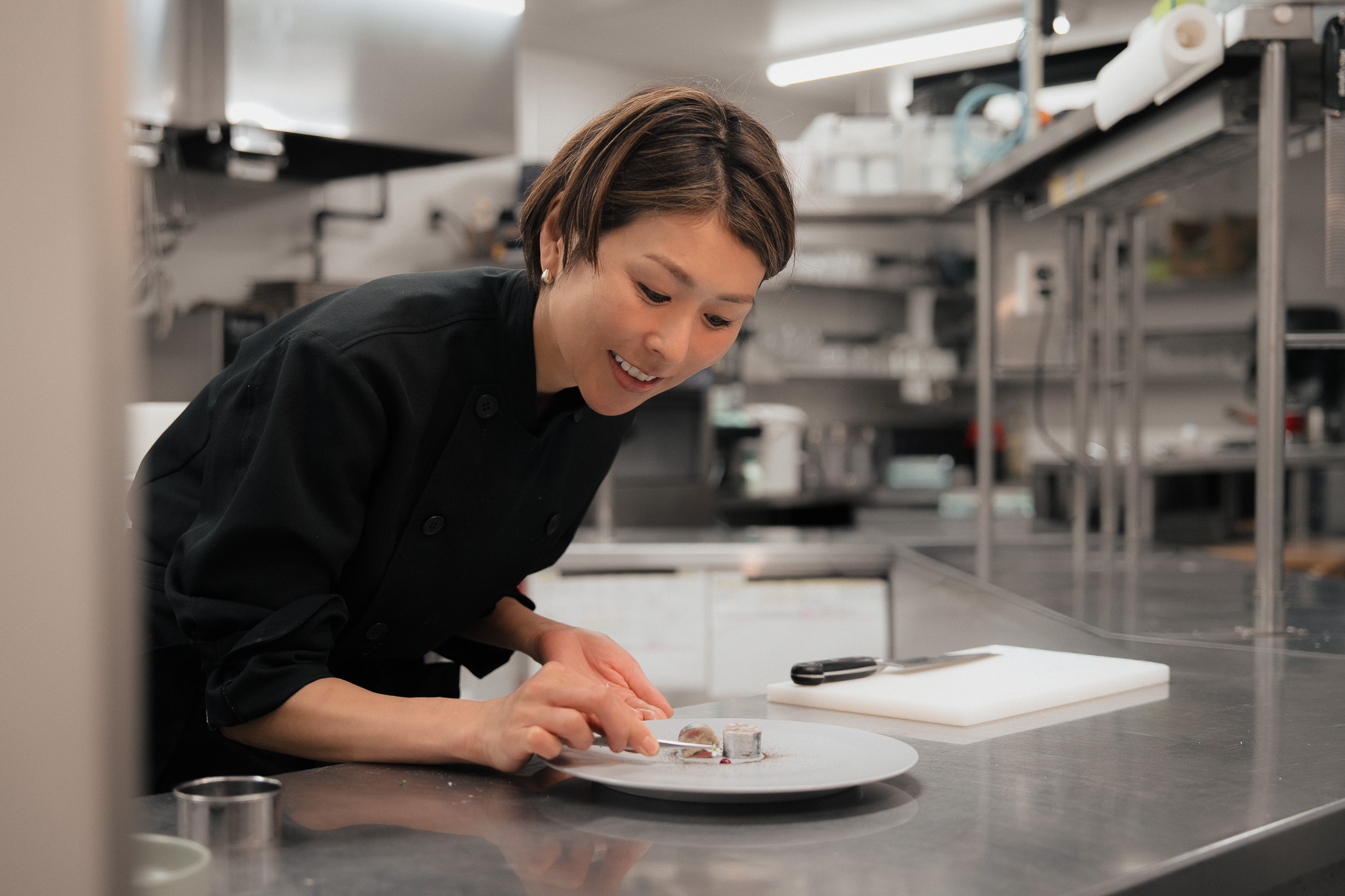
Kimura’s cooking is deeply rooted in her hometown. After studying at Le Cordon Bleu and training for over 10 years at renowned French restaurants, she opened her own restaurant, which was later awarded a Michelin Bib Gourmand. However, driven by her belief in cooking for her local community, she decided to return to Isumi.
In 2023, she was recognized with a bronze award from Cuisine Masters, the Ministry of Agriculture, Forestry and Fisheries’ chef recognition program. But accolades matter far less to her than sustaining the connections that make Isumi’s food culture possible. Through her work, she hopes to support small-scale producers, nurture future successors and even influence how local children experience food, from school lunches to seasonal tastes.
More info
When: Overnight stays year-round; restaurant dinner is available to non-staying guests as well (advance reservation required by 12 p.m. the day before)
Where: 2891 Shimofuse, Isumi city
Roven Otakimachi: A ‘Stay-able Bistro’
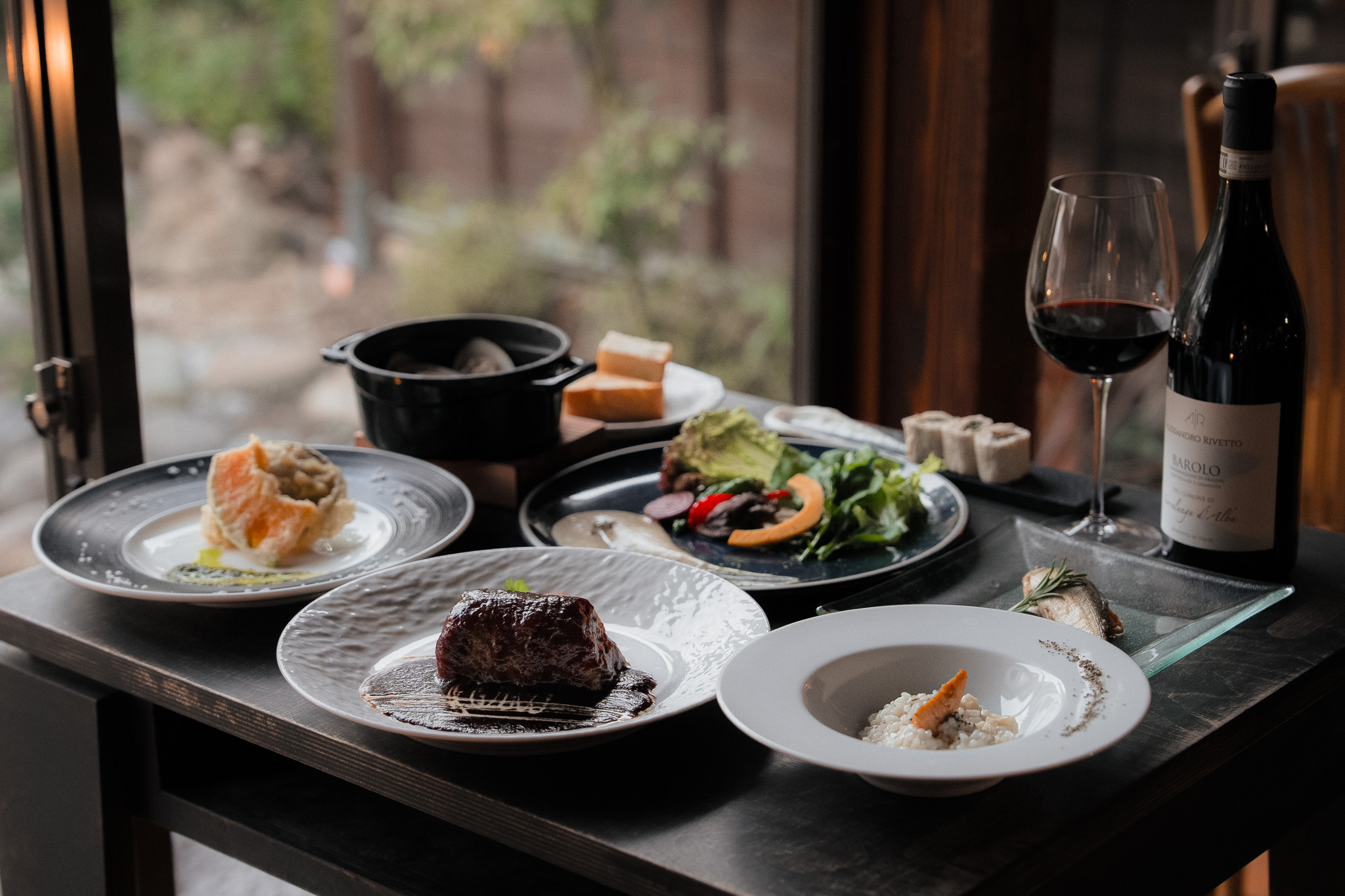
A Taisho-era property at the seam of castle town and rice fields has been revived as a “stay-able bistro.” Roven serves a deeply comforting, technique-driven cuisine: house veal-stock demi-glace, oven-finished rolled cabbage, seasonal plates built from Boso Peninsula vegetables, clams from Kujukuri and local mushrooms. Lunch is open to all; at night, a set dinner for overnight guests is on offer, along with wine that’s serious without being fussy.
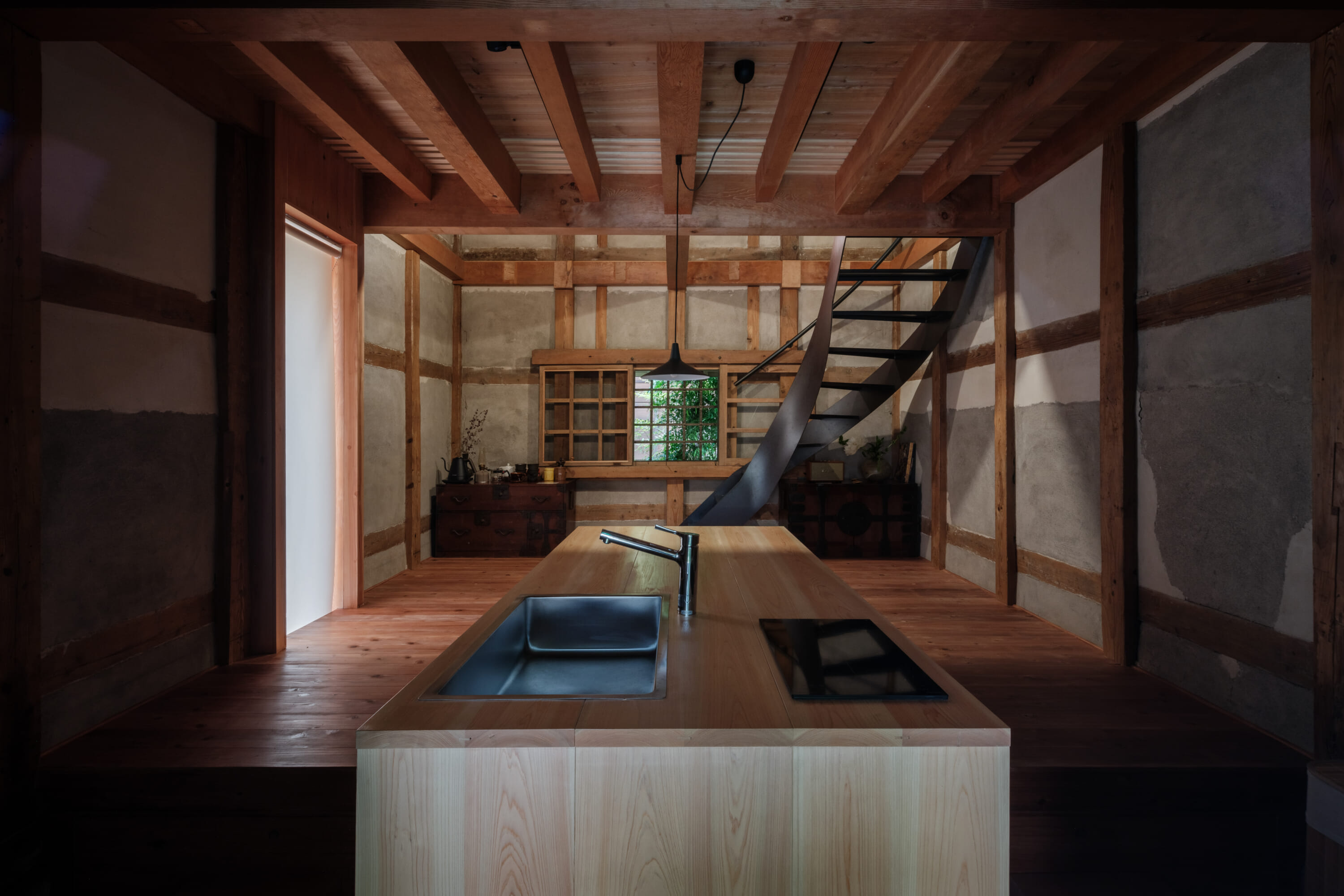
Two lodging options sit behind the restaurant: Kura-no-ma, a converted storehouse that feels like a private hideout for up to four, and Den’en-no-ma, a larger main-house renovation with a deck and garden that frames the countryside like a living scroll.
More info
When: Lunch 11:30 a.m.–2:30 p.m. (L.O. 2 p.m.), open to all
Cafe 10–11 a.m. / 2:30–5 p.m., open to all
Dinner for overnight guests or by advance reservation for groups of four or more
Where: 17-2 Shincho, Otaki-machi, Isumi-gun
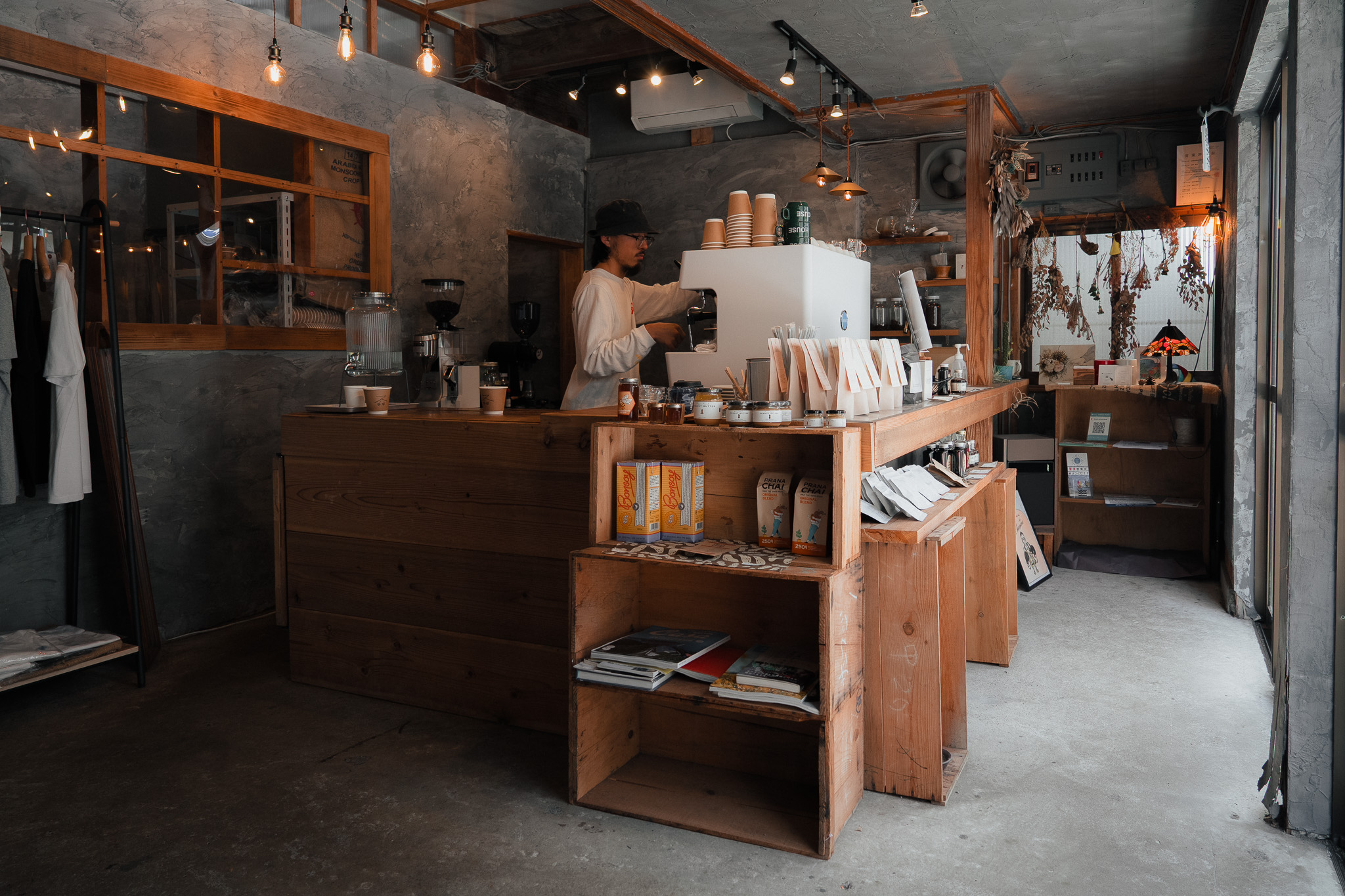
SPAiCE Coffee House and Edoya: Local Coffee Culture
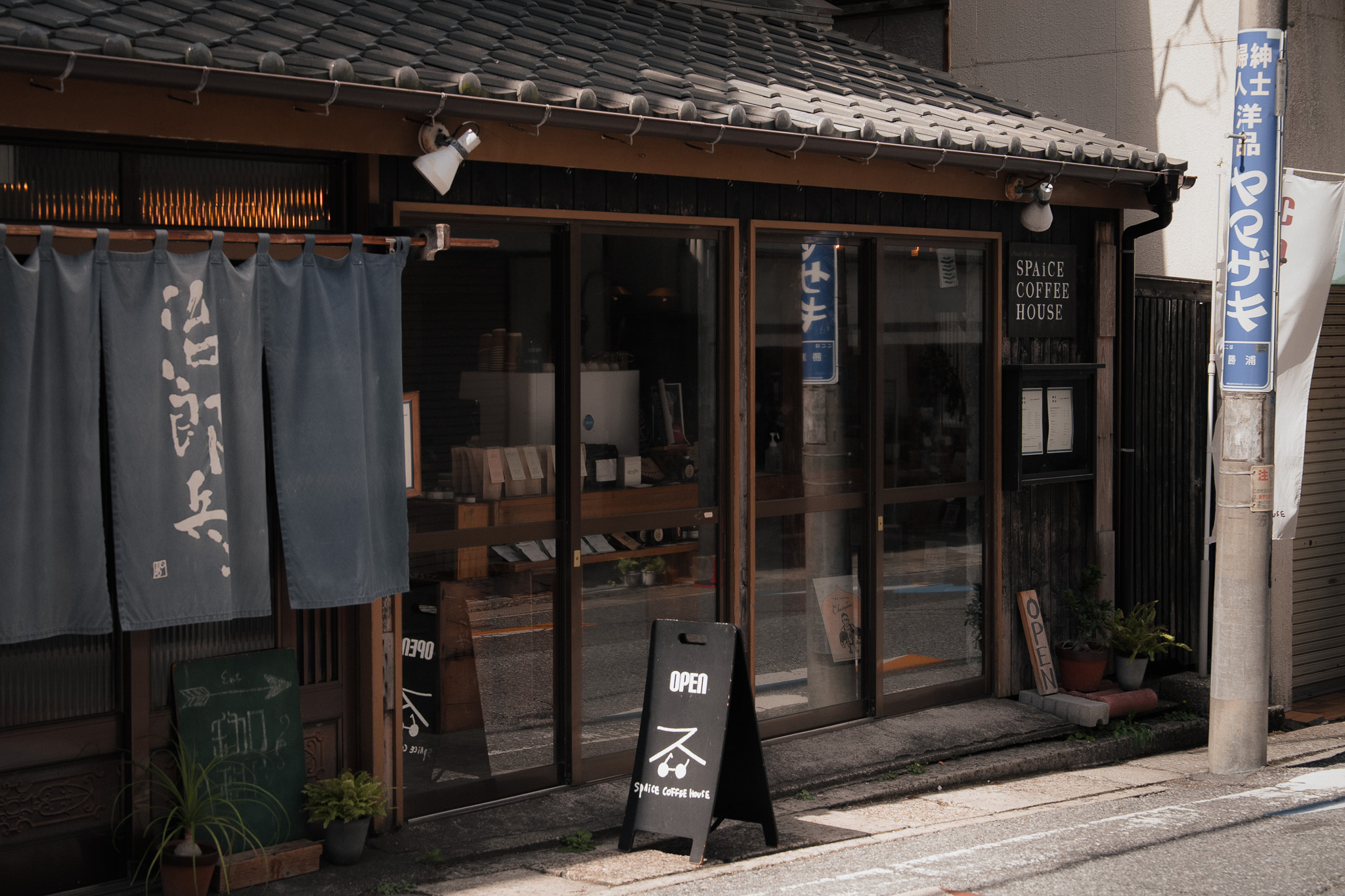
A few steps off the market route, SPAiCE Coffee House is small — think intimate counter, a few seats, espresso pulled by people who start their day at the market. The team’s roots are in a bicycle stand under a red parasol, which they still roll out on market mornings. The cafe gives that energy a daily address without losing the easy, neighborly feel. Drop by for a morning cafe latte or an afternoon filter and you’ll likely hear where the surf looks promising, which hillside has fireflies or what the boats brought in yesterday.
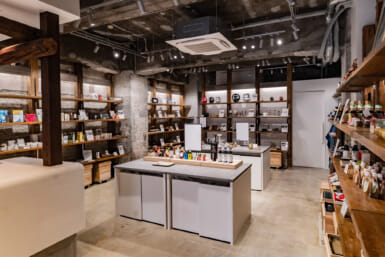
Around the corner sits its roastery, Edoya, which also operates as a select shop. It occupies what was once a beloved senbei storefront. Beans are roasted on-site, and shelves carry local pantry items, small-batch goods and the kind of gifts you’ll actually use.
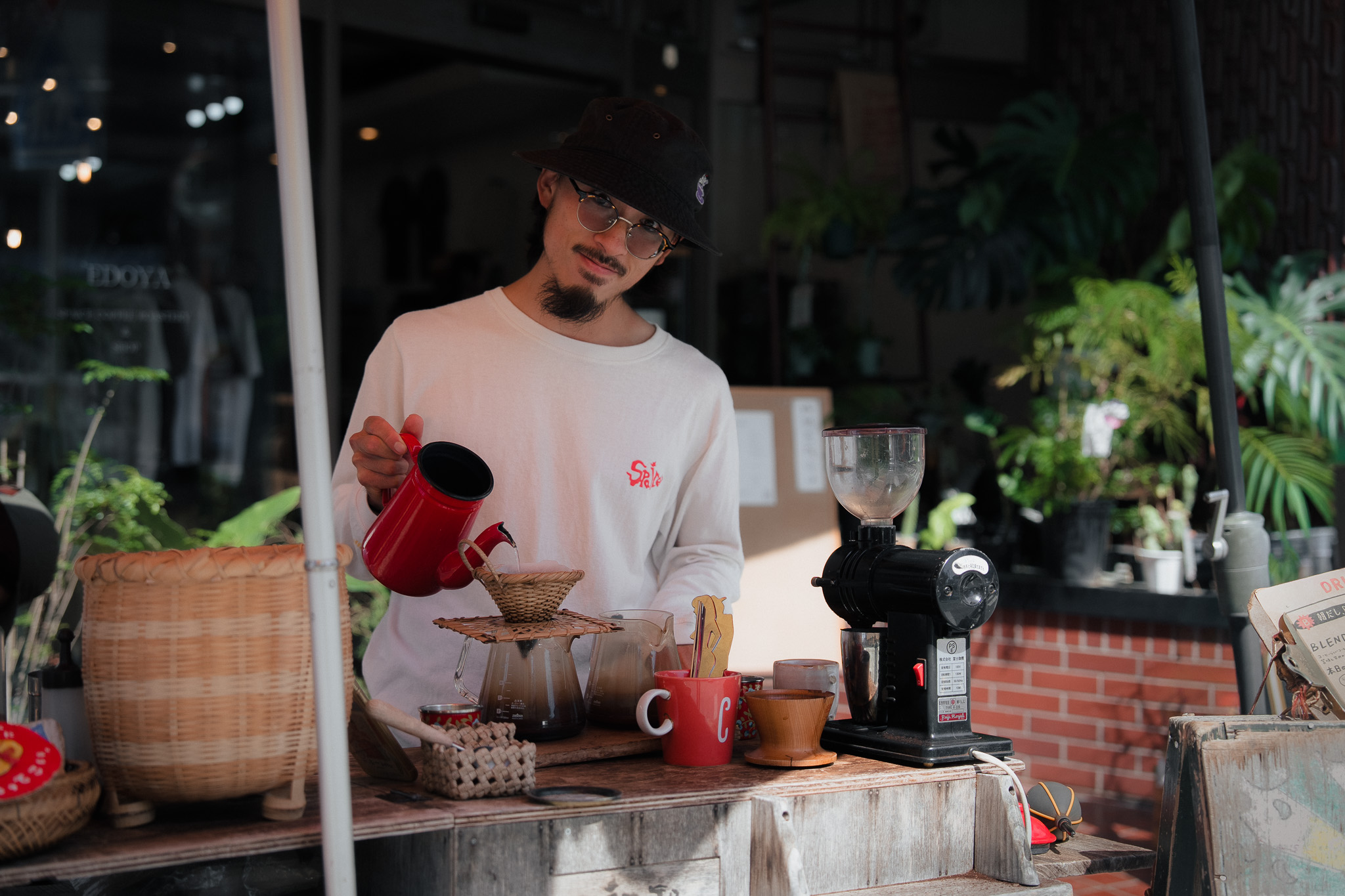
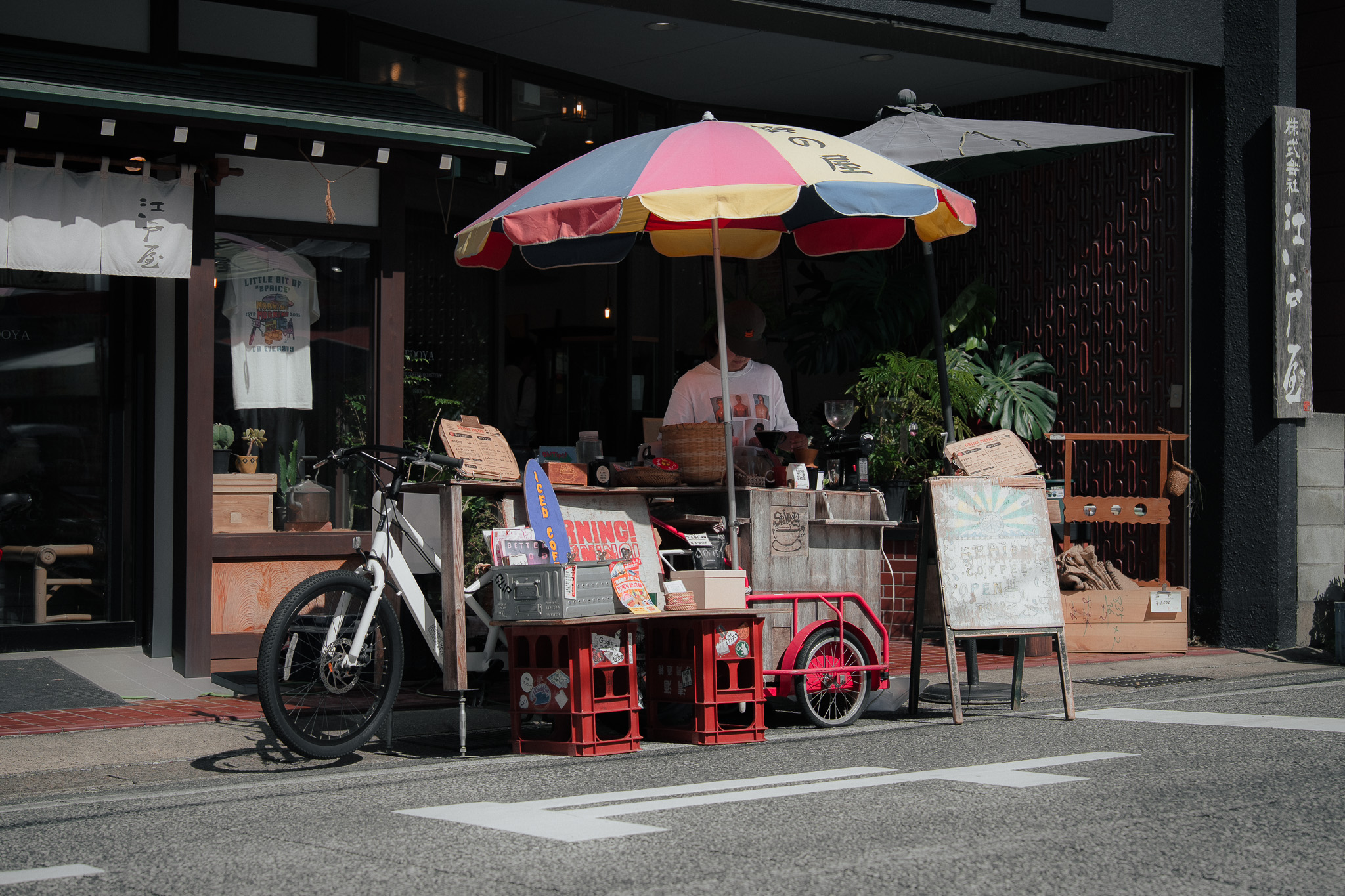
On market days, this is an easy waypoint — SPAiCE’s bicycle cart usually sets up in front of Edoya or along the active market street, and Edoya opens up as community space during market hours. Doors open early, and conversations spill in and out as people top up on beans or take a seat for a moment.
For founder Yuhei Konno, these projects are more than businesses — they are ways to nurture culture. “Katsuura may be small, but it’s full of stories and traditions,” he says. “If someone can feel that just by sipping coffee and watching daily life unfold, that’s enough.”
More info
When: Typically 8 a.m.–5 p.m. (check socials for seasonal changes) | Edoya closes at 4 p.m. and is closed Tuesday–Thursday
Where: 111 Katsuura, Katsuura city, Chiba
More Info
Learn more about Chiba’s Isumi region and what it has to offer here.