
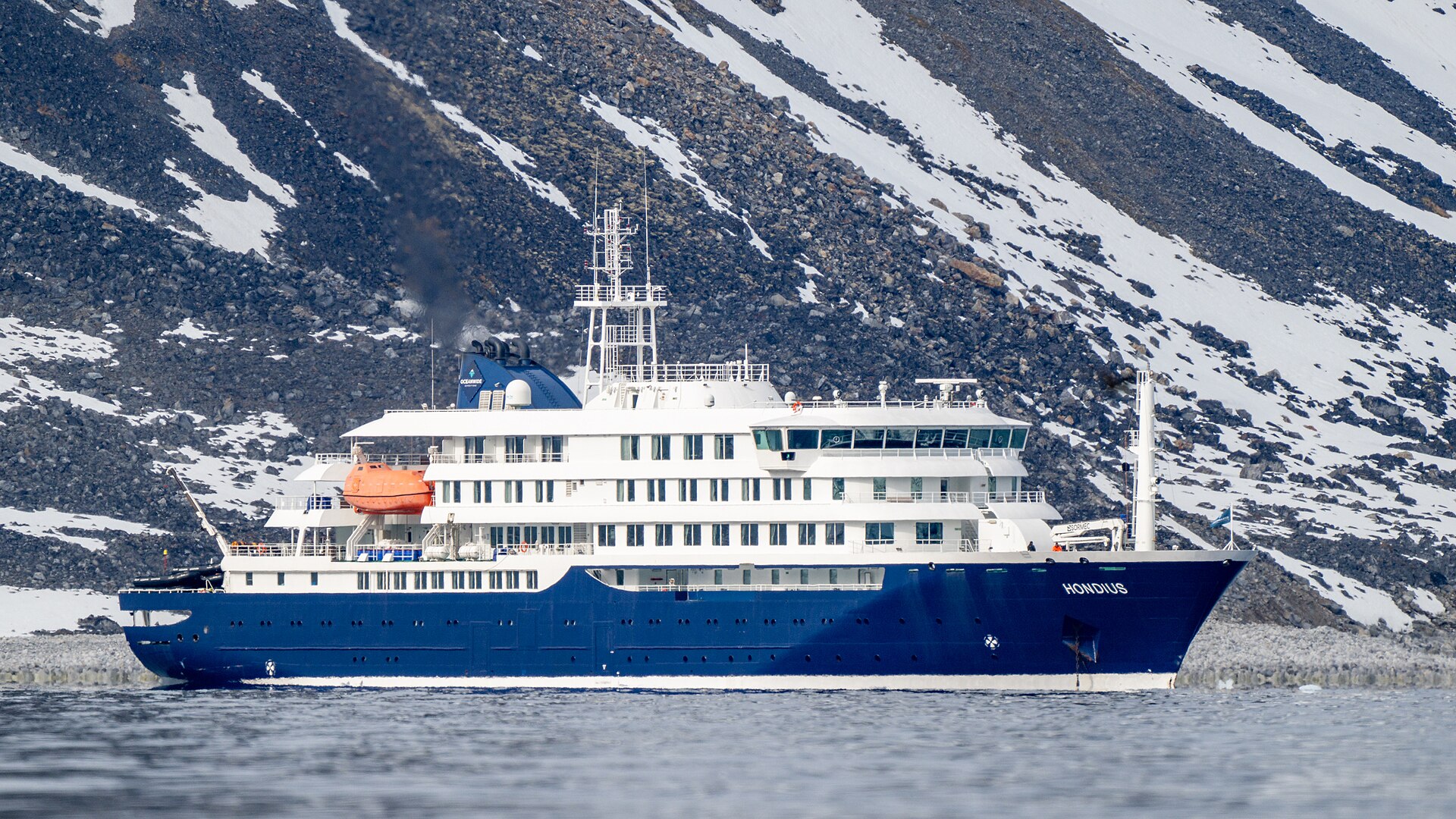
A Japanese national is among the passengers on the MV Hondius, the cruise ship on which a hantavirus outbreak occurred during a voyage in the Atlantic Ocean, the vessel’s operator said Monday. The person has not been confirmed to be infected, and the Japanese government is urgently gathering information.
The Outbreak Timeline on the MV Hondius
The Dutch cruise ship, carrying more than 140 passengers and crew, departed from Ushuaia, Argentina, often called the “southernmost city in the world,” on April 1. Five days into the voyage, a 70-year-old passenger began showing symptoms of hantavirus. He died on April 11.
The man’s 69-year-old wife then became sick after disembarking on St Helena island with his body on April 24. The following day, she briefly boarded a KLM flight scheduled to fly from Johannesburg to Amsterdam. However, the crew decided not to let her fly due to her medical condition.
The woman died on April 26. On Monday, the World Health Organization (WHO) confirmed she had been infected with hantavirus. The causes of death of her husband and a German national who died aboard the ship on May 2 have not been confirmed as hantavirus-related. Their deaths are under investigation.
On Wednesday, the WHO confirmed the number of hantavirus cases from MV Hondius had risen to five. Two of the confirmed cases were among three patients evacuated from the ship that day for medical treatment. The third evacuated patient was “closely associated” with the passenger who died on May 2.
About Hantavirus
Hantavirus is named after the Hantan River in South Korea, where the virus was first isolated and identified in the late 1970s. It refers to a group of viruses, of which more than 20 species are known. Nearly all are associated with infection from rodents, typically rats and mice, through exposure to dried urine and droppings.
One strain, known as Andes virus, is believed to be capable of human-to-human transmission. Although such transmission is very rare, it has been confirmed among passengers on the ship. The virus is primarily found in Argentina and Chile. In 2018, an outbreak in Argentina resulted in 11 deaths.
The WHO is urging people to remain calm. In a statement on Monday, the organization’s regional director for Europe, Hans Kluge, said, “The risk to the wider public remains low. There is no need for panic or travel restrictions.” He added that hantavirus infections were “uncommon and usually linked to exposure to infected rodents.”
As health authorities continue monitoring the situation, the ship has resumed its voyage. It left for Spain on Wednesday and is on track to dock in the Canary Islands by the weekend. Fernando Clavijo, regional leader of the Canary Islands, has expressed opposition to allowing the ship to dock there.
Related Posts
- New COVID-19 Strain KP.3 Is on the Rise in Japan
- COVID-19 Vaccine in Japan: Updates to the Waiting Game
- America Warns Citizens Not To Travel to Japan as COVID-19 Cases Continue To Spread
Updated On May 7, 2026