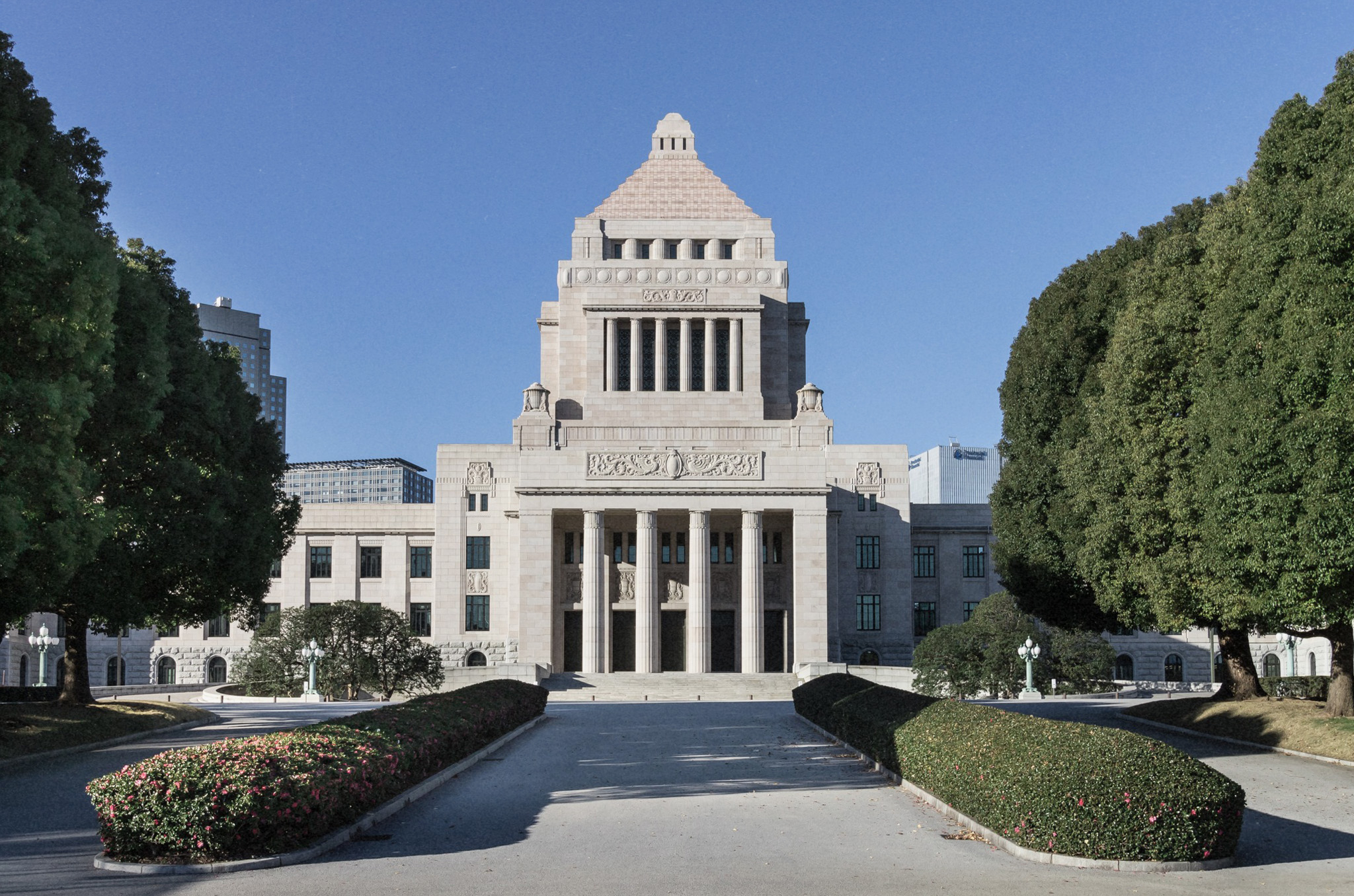
A record 26 million people voted in Sunday’s Upper House election, which fell in the middle of a three-day holiday. For the ruling coalition of the Liberal Democratic Party (LDP) and Komeito, 50 was the magic number. They needed to secure 125 seats for a majority, with 75 of those seats not up for election. In the end, they missed out by three.
It is a major blow for the ruling coalition which also lost control of the more powerful Lower House last October. For the first time in its 70-year history, the LDP leads a coalition that doesn’t control either house. They will now need the support of at least one opposition party to pass any piece of legislation. All the major opposition parties have refused to join them in an expanded coalition.
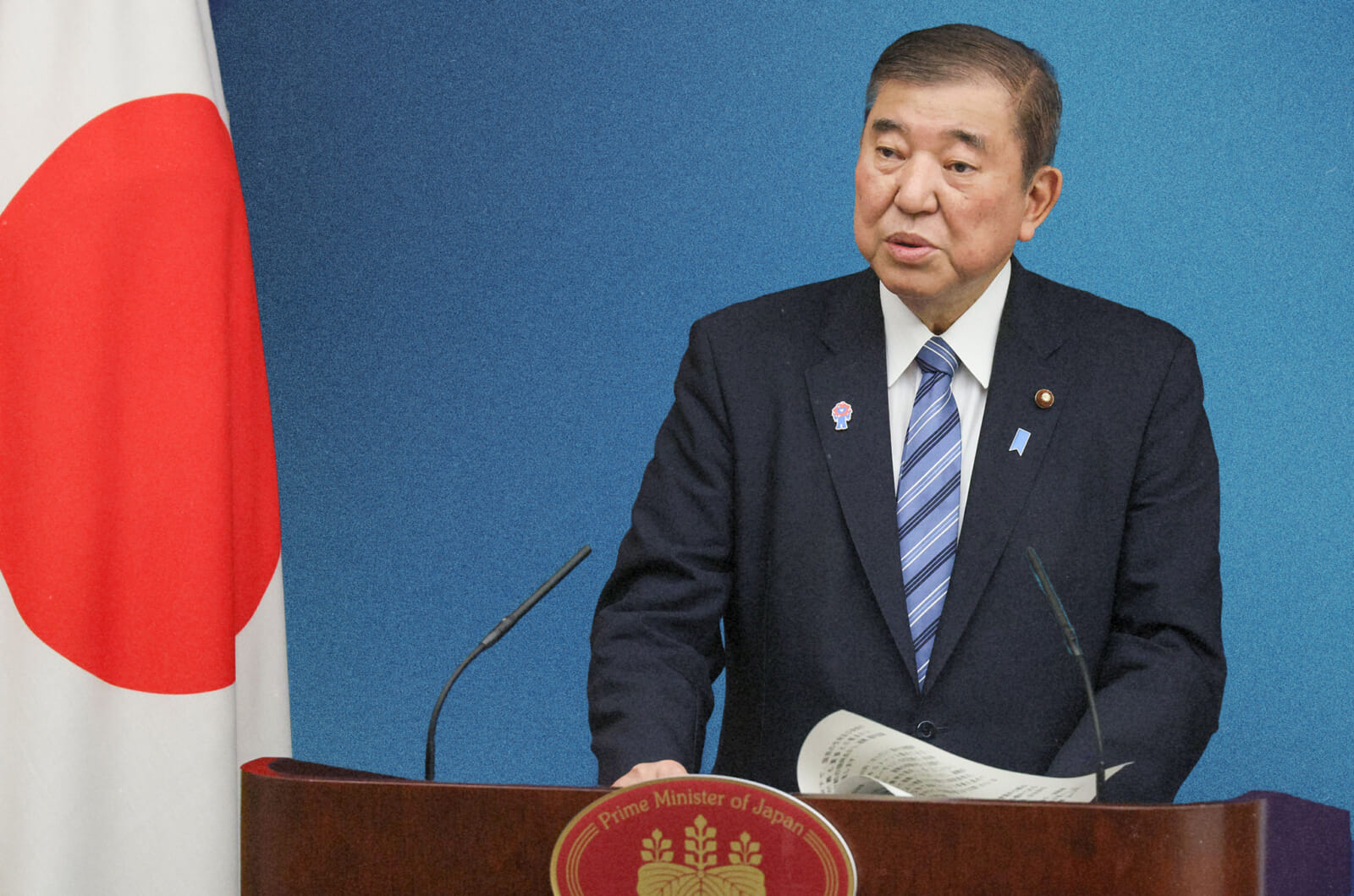
Ishiba To Fight On Despite Another Poor Result
Following two consecutive poor election results, there will, no doubt, be increasing calls for Prime Minister Shigeru Ishiba to step down. One of his most vocal critics within the party is Taro Aso, who served as PM from 2008 to 2009. He told TV Asahi that he “couldn’t accept” Ishiba staying on as prime minister. The man himself, however, insists that he is not ready to go just yet.
Speaking to NHK two hours after the polls closed, Ishiba said he “solemnly” accepted the “harsh result.” He later told TV Tokyo, “We are engaged in extremely critical tariff negotiations with the United States… We must never ruin these negotiations. It is only natural to devote our complete dedication and energy to realizing our national interests.” Asked whether he planned to continue as prime minister, he replied, “That’s right.”
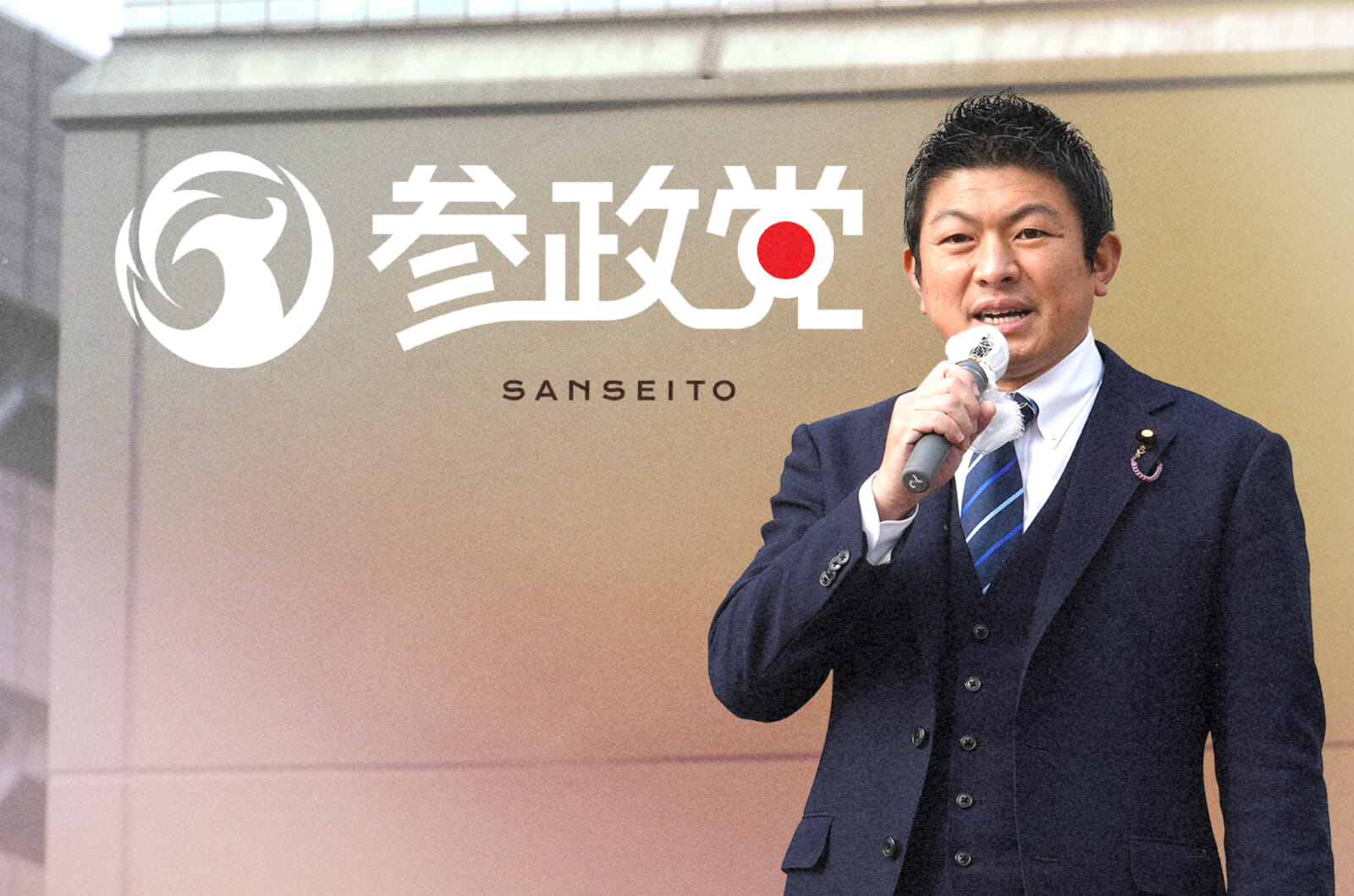
Sohei Kamiya and the Sanseito Party Logo | Wikimedia
The Rise of Populist Parties
The major opposition Constitutional Democratic Party of Japan, meanwhile, secured just 22 seats, down from 38. It was also a disappointing election for the Japan Innovation Party, which fell from 18 to seven. The notable gains in the election came for populist opposition parties like the Democratic Party for the People (DPFP) and Sanseito. The former now holds 17 seats, up from nine, while the latter secured 14. It held just one before the election.
Campaigning under the slogan of “Japanese First,” the ultraconservative right-wing party is led by Sohei Kamiya. “If Sanseito wins 50 or 60 seats in the next Lower House election, I think it may be possible to form a coalition government with small parties, like European (governments), in the future. (Sanseito) will aim to be a part of that,” said Kamiya at a press conference on Sunday night.
Having exceeded 10 seats, the party can now submit nonspending bills in the Upper House. Its target was 20 seats, the minimum requirement to submit budget bills. Kamiya has repeatedly stated that Sanseito is not a xenophobic party. Speaking at the FCCJ earlier this month, he said, “Please understand we’re not intending to exclude foreign workers who are here legally. We just believe cheap foreign labor’s not the right way.”
Related Posts
- Sanseito Explained: The Alarming Rise of Japan’s Far-Right Movement
- Why Japanese Leftists Are Using Melonpan to Mock Sanseito
- Sanseito Leader Says ‘Japanese First Approach Is Not Based on Xenophobia’
Updated On July 21, 2025