
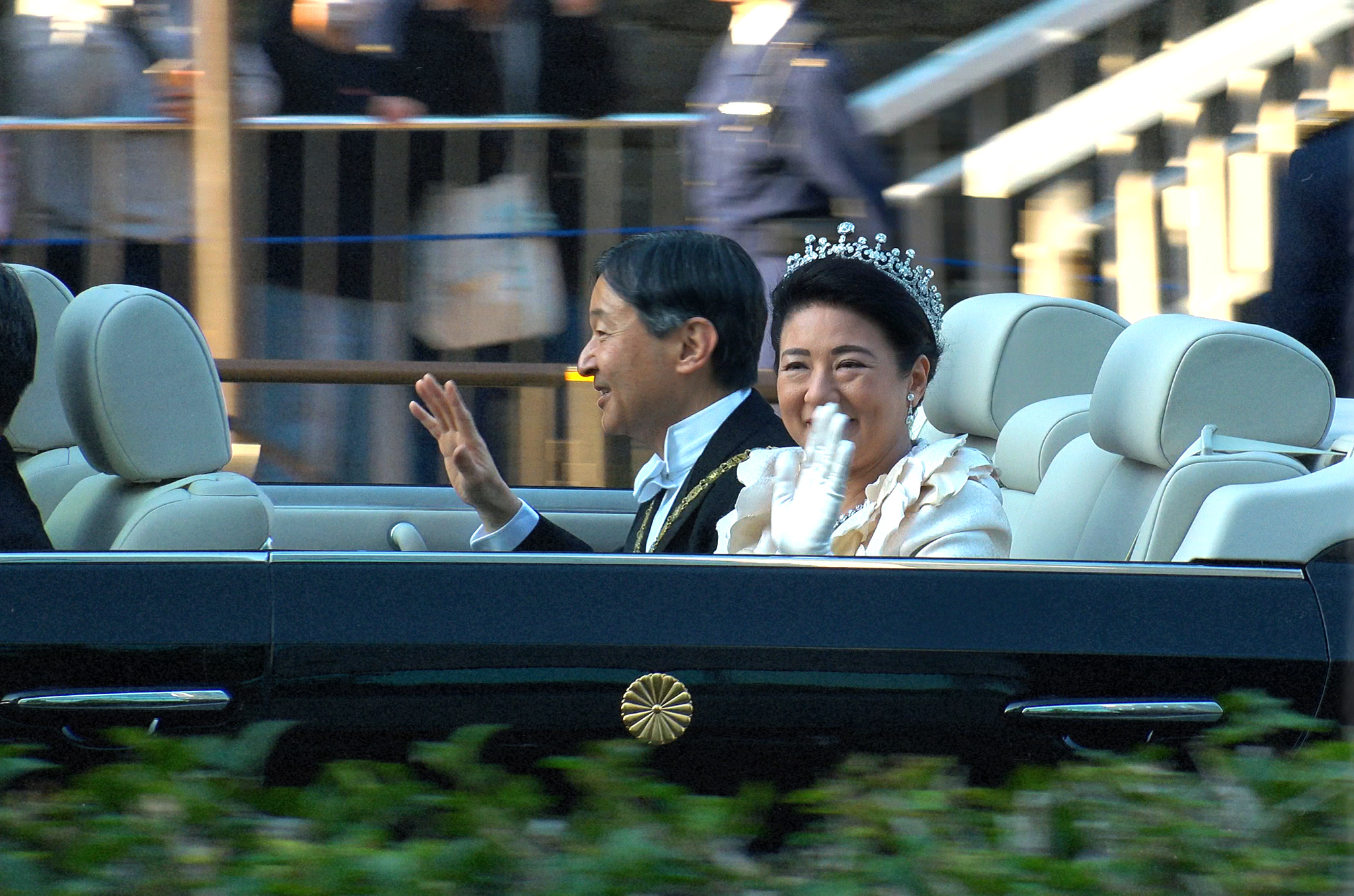
On Tuesday, the Japanese government adopted a bill to revise the Imperial House Law, a move aimed at addressing the shrinking size of the imperial family and securing its future stability. The proposed changes would allow female members to retain their status after marriage while also permitting the adoption of male, paternal-line descendants of former imperial branches that lost their status after World War II. The imperial revision does not, however, change the rules barring women from succeeding to the throne.
Imperial Revision Leaves Female Succession Debate Unresolved
The move comes amid a long-running debate over how Japan should address the future of the monarchy. Public support in Japan for allowing a woman to ascend the Chrysanthemum Throne remains strong. Recent polls by The Asahi Shimbun and The Mainichi showed that more than 70% of respondents favored allowing a woman to become emperor. Conversely, only 28% said they supported the government’s proposal to allow male-line descendants of former imperial branches to become members of the family through adoption.
Yet despite strong public support for female succession, conservatives within the Japanese ruling camp remain committed to preserving bansei ikkei — the unbroken male-line succession — which they regard as central to the monarchy’s tradition and identity. On Sunday, Hirofumi Nakasone, a senior lawmaker from the ruling Liberal Democratic Party (LDP), said Princess Aiko’s succession was “out of the question.” He argued that “there would be no one willing to marry her” if she became emperor and that she would face “tremendous pressure” to produce a male heir.
Expanding the Line
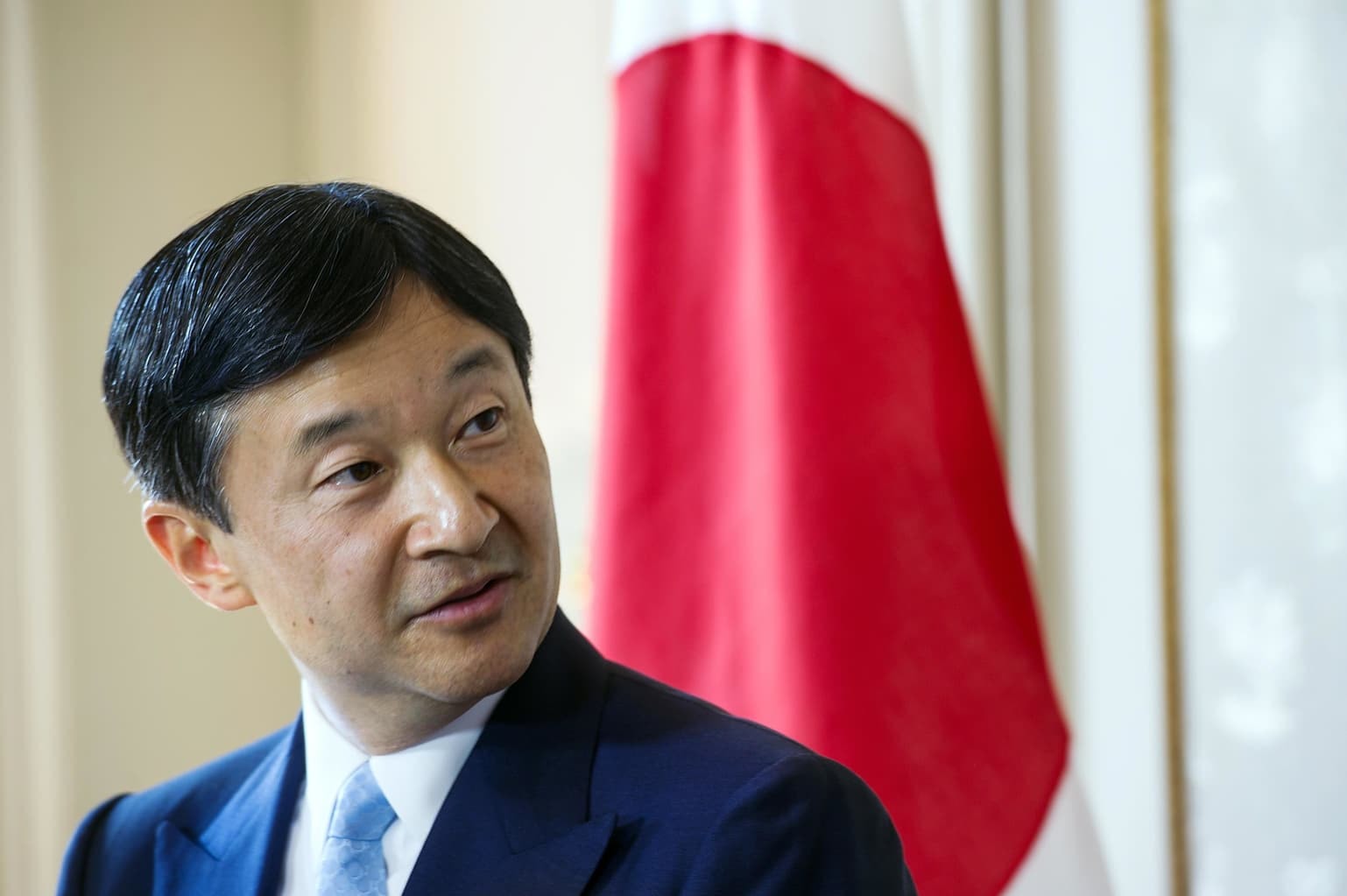
The dispute over how to preserve the monarchy is closely tied to a decision made almost eight decades ago. In 1947, 11 branches of the imperial household lost their status as part of postwar reforms under the Allied occupation, leaving the monarchy with a much smaller pool of eligible members. Under the proposed revision, the imperial family would be allowed to adopt unmarried, childless males aged 15 or older who are paternal-line descendants of those former branches, though succession rights would pass only to their male-line heirs.
Opposition parties have criticized the amendments, arguing that the proposal to bring male-line descendants of former imperial branches into the family through adoption was not included in earlier consensus drafts and was introduced without sufficient debate. “I cannot help but feel angry at the government and ruling party for presenting something that has not been discussed at all until now in a deceptive manner,” said Shunichi Mizuoka, leader of the Constitutional Democratic Party of Japan (CDP). Social Democratic Party leader Mizuho Fukushima called the move “reckless.”
The government is aiming to have the bill passed during the current Diet session, which is scheduled to end on July 17. The government is also calling for a review of the system every 30 years.