Tokyo is a place of parallel universes, a city of stratified subcultures. The automotive scene is perhaps the most layered of these, existing both in the open and in the shadows. It’s a world available to any who wish to explore it — at least to a degree. Because to understand just how deep it goes, some commitment is required.
Sometimes Tokyo’s car culture takes form in an open-air gathering by the bay on a Sunday morning, where European supercars, polished to an almost mirror finish and encircled by appreciative onlookers, glint in the Tokyo sun. Other times, it announces itself like a shout in the wind — a scream of exhaust in the night from a home-grown street machine on a distant freeway, en route to a gathering only known to those submerged in the scene.
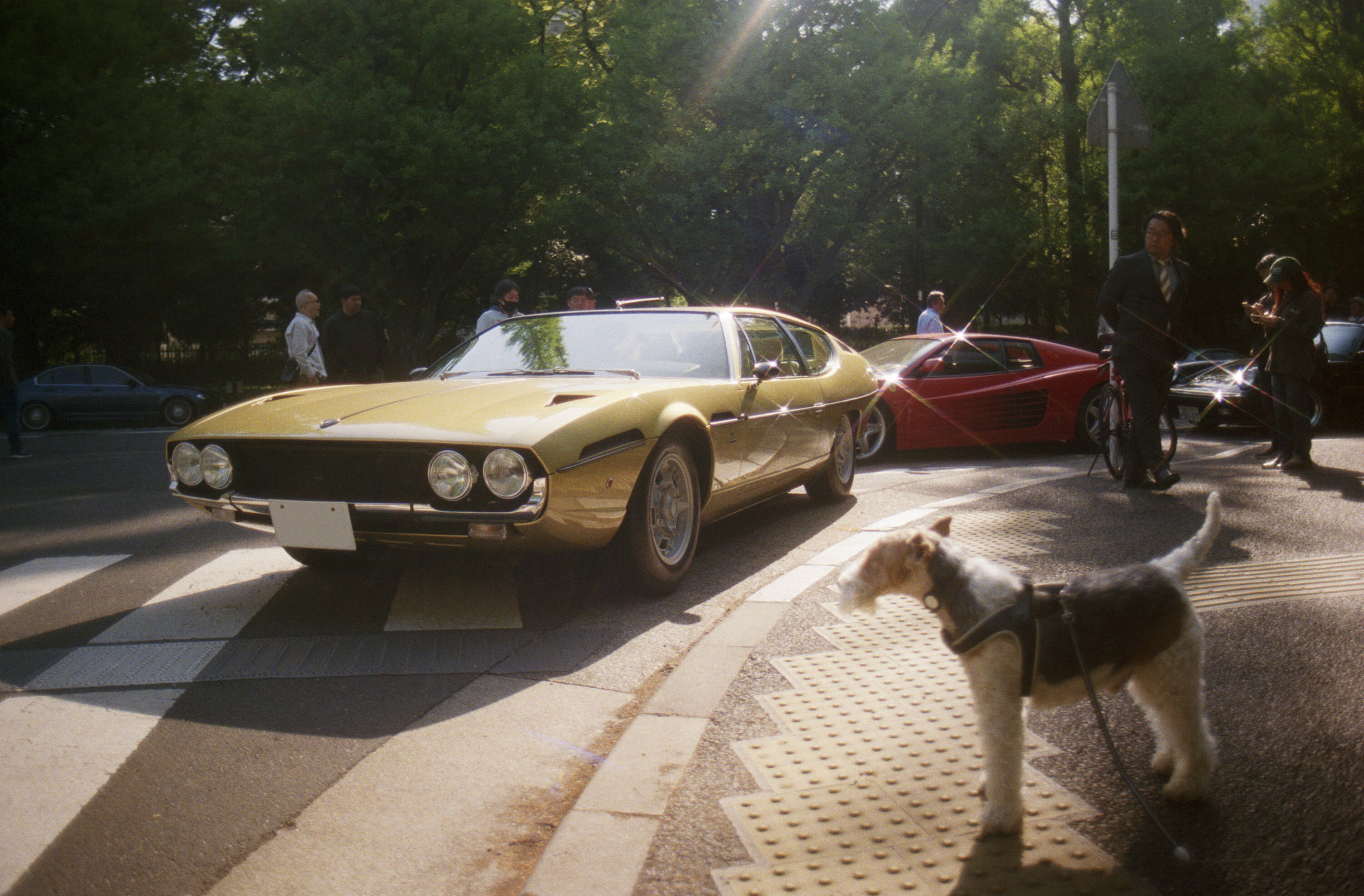
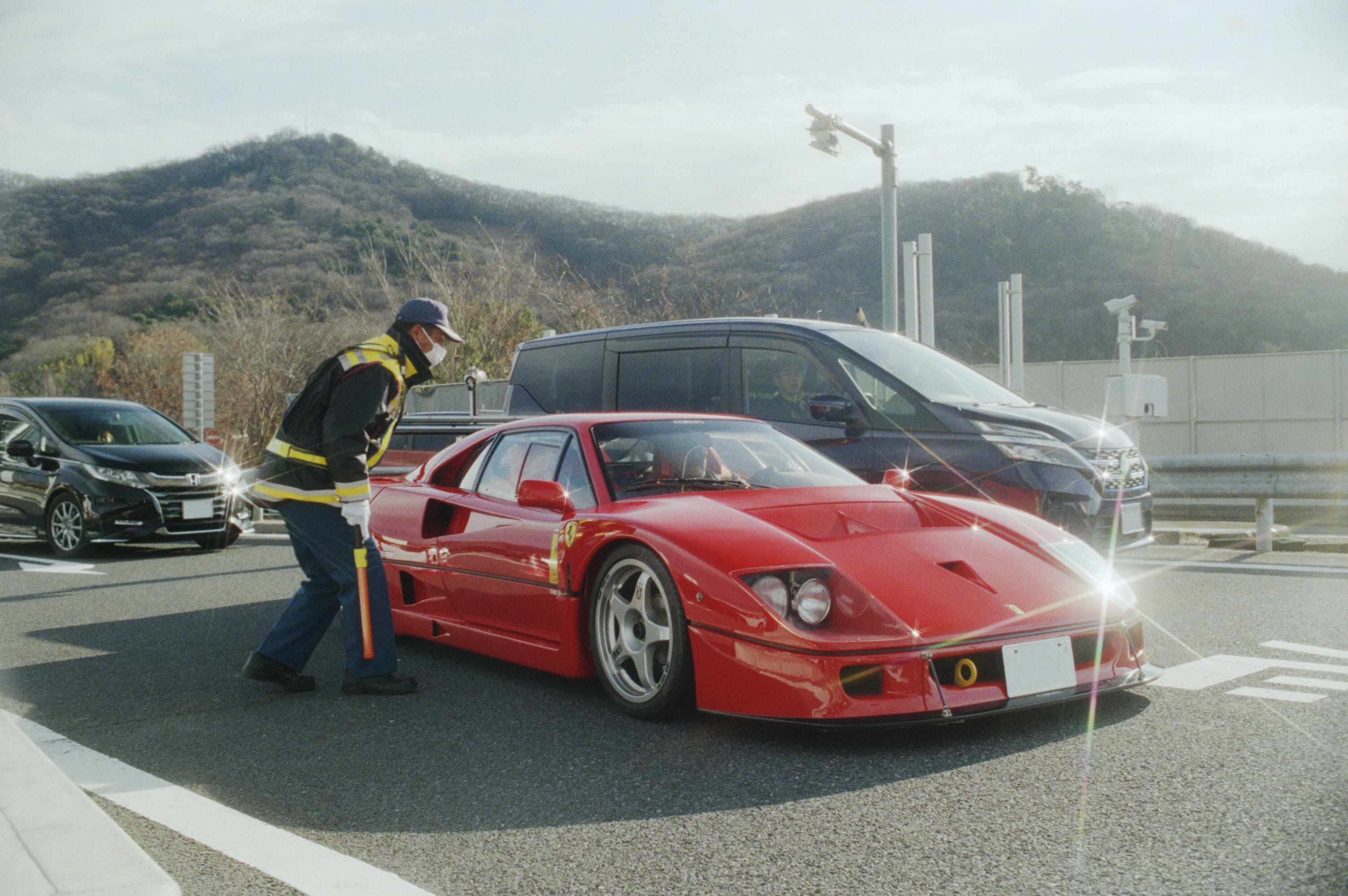
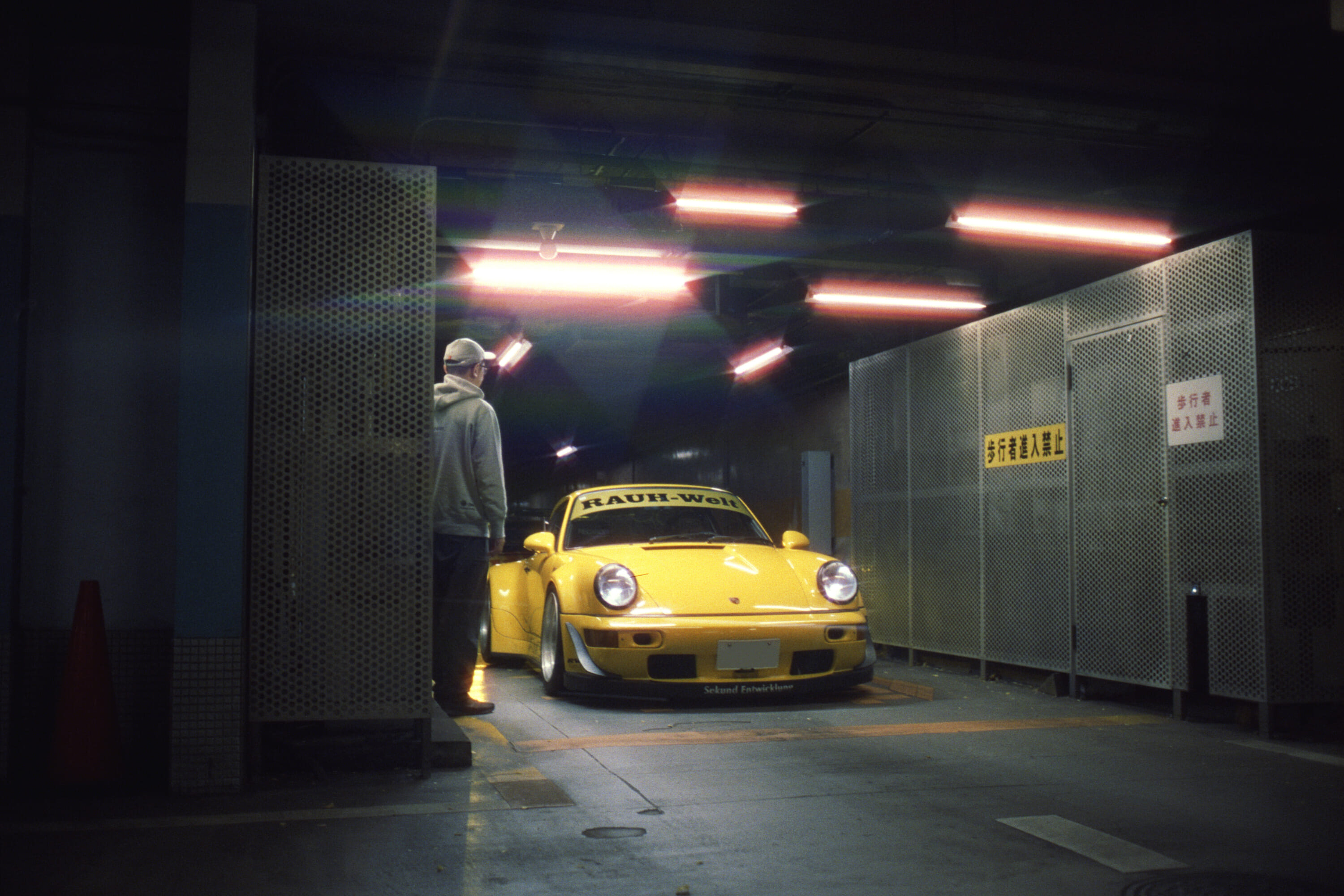
Denmark-born photographer Jonathan Taylor bridges the gap between this culture and the casual observer, with images that, rather than separating the cars from their home, uniquely reflect them as being one and the same.
An Unrivaled Influence
Japan’s contribution to the automotive world extends far beyond the cars it produces. The influence of the Japanese Domestic Market (JDM) — an umbrella term specifically referring to cars made in Japan, for Japan — cannot be overstated, with many of these vehicles becoming the hero car in everything from video games to print media to Hollywood films. For overseas automotive enthusiasts, particularly before the days of social media, these mediums became a window into a culture that didn’t seem to exist anywhere else.
This was the case for Taylor. “I’ve been interested in cars for almost as long as I can remember, but growing up in Denmark, there wasn’t much of a car scene, so most of my exposure to cars came from TV, games, magazines or the internet,” he reminisces. It was then at 6 or 7 years old that Taylor encountered Gran Turismo on the original PlayStation — a driving video game developed in Tokyo “which really got me hooked.” Shortly after that, the Fast and Furious franchise started coming out, leading him to the world of JDM.
The Gran Turismo series has held a place in the hearts of car enthusiasts and gamers alike since its initial release in 1997; over the years, the franchise has become known for some of the most accurate recreations of real-life cars and race tracks ever seen in a video game. A lesser-known aspect of the games, though, is photography. “My first real exposure to photography was actually in Gran Turismo 4, which had a surprisingly in-depth photo mode where you could mess around with focal length, aperture, shutter speed and various panning modes to get whatever kind of simulated car photo you could want,” says Taylor. “At the time, I didn’t understand what all of the settings were for, but it was enough to get me interested in photography.”
It was this digital pairing of cars and cameras that, unbeknownst to Taylor at the time, would become the blueprint for a creative future in Tokyo, turning game into reality.
A Style Found
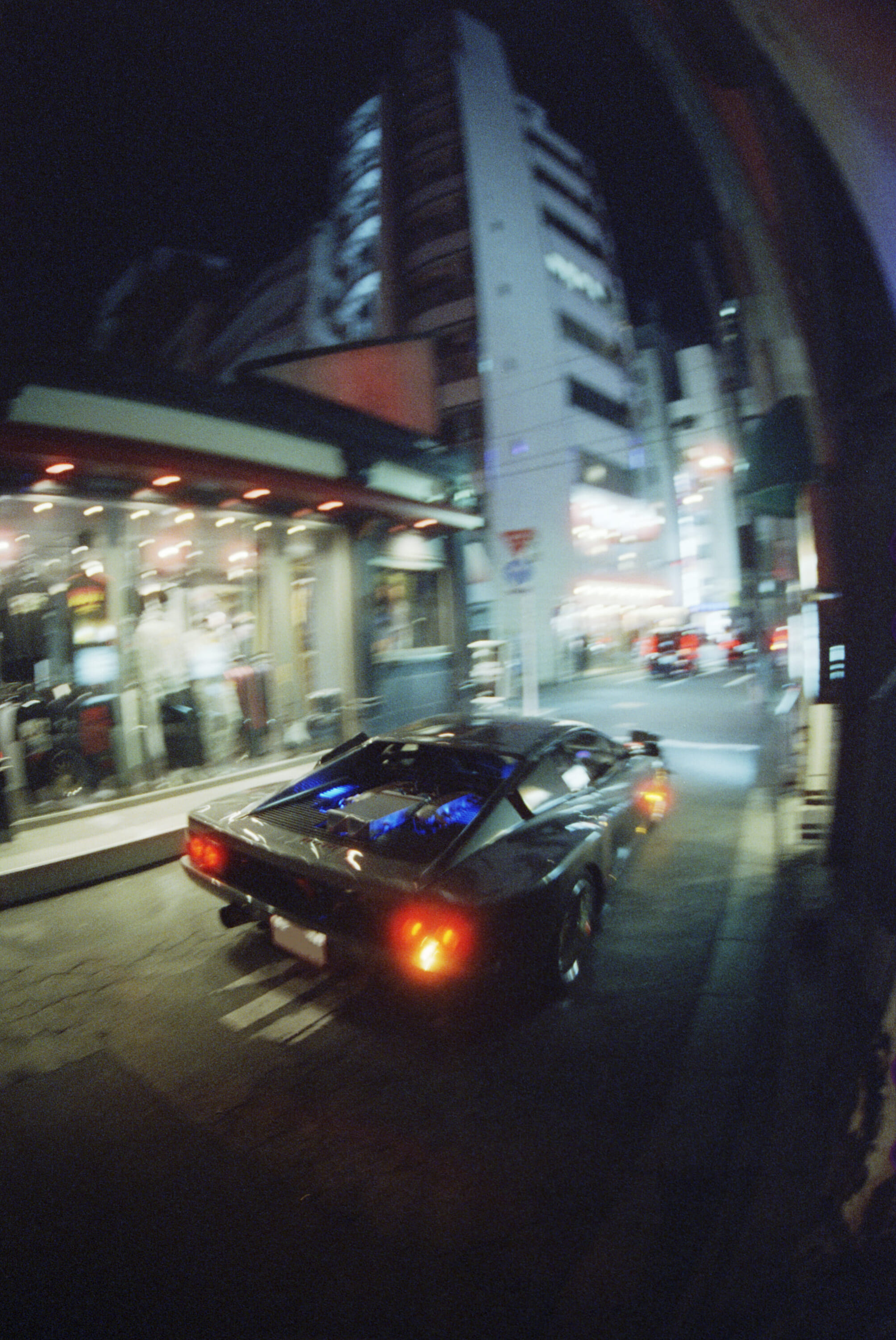
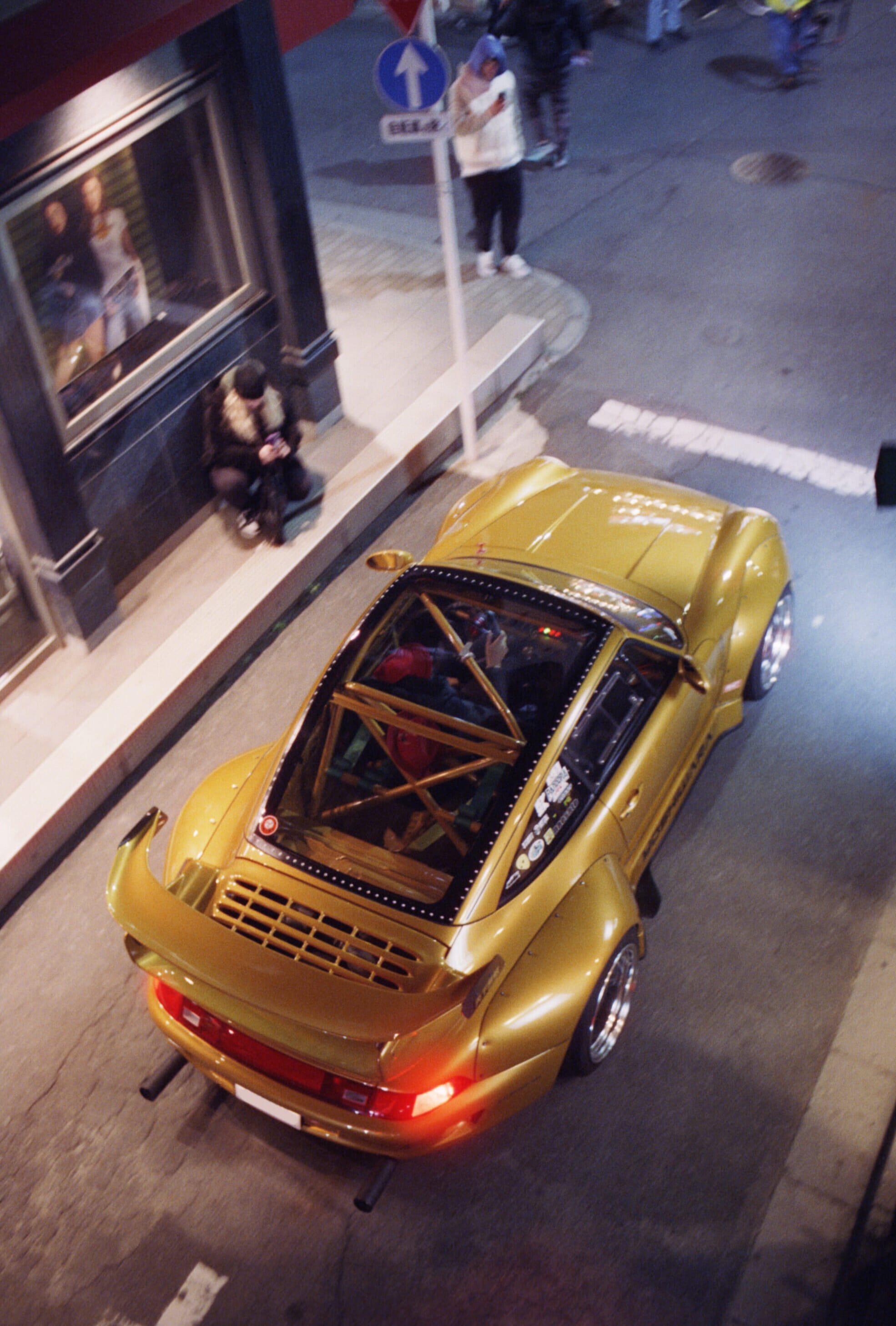
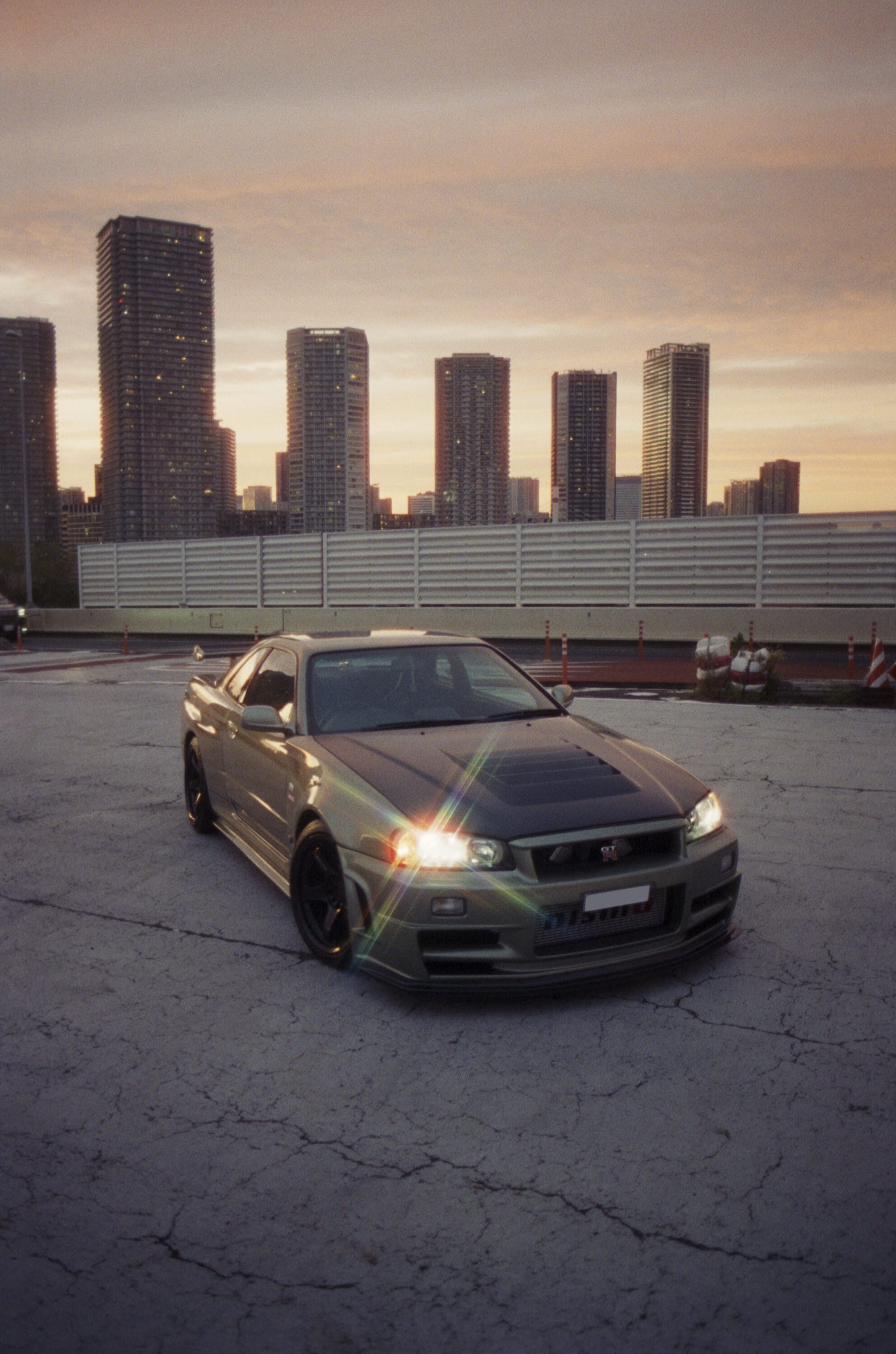
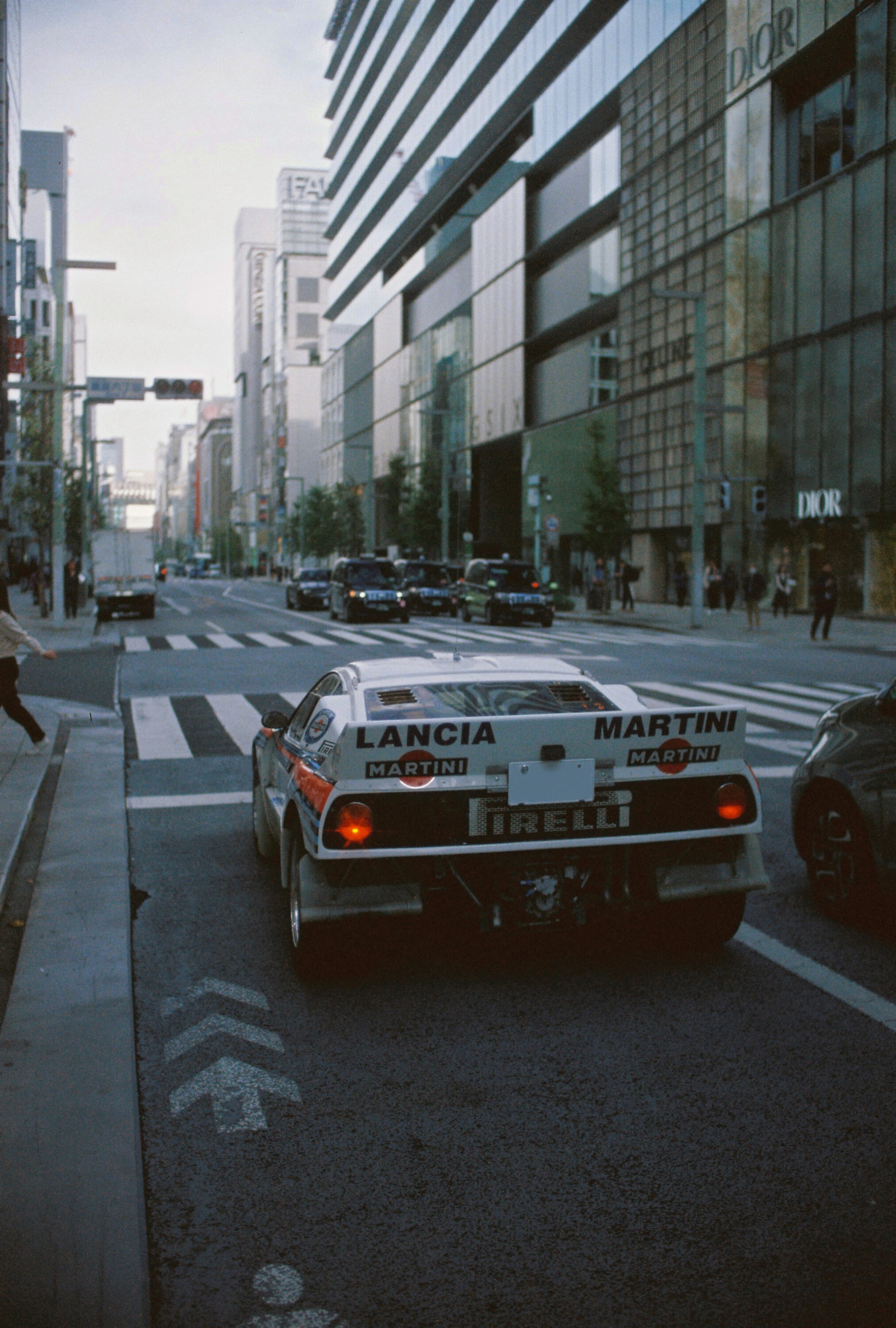
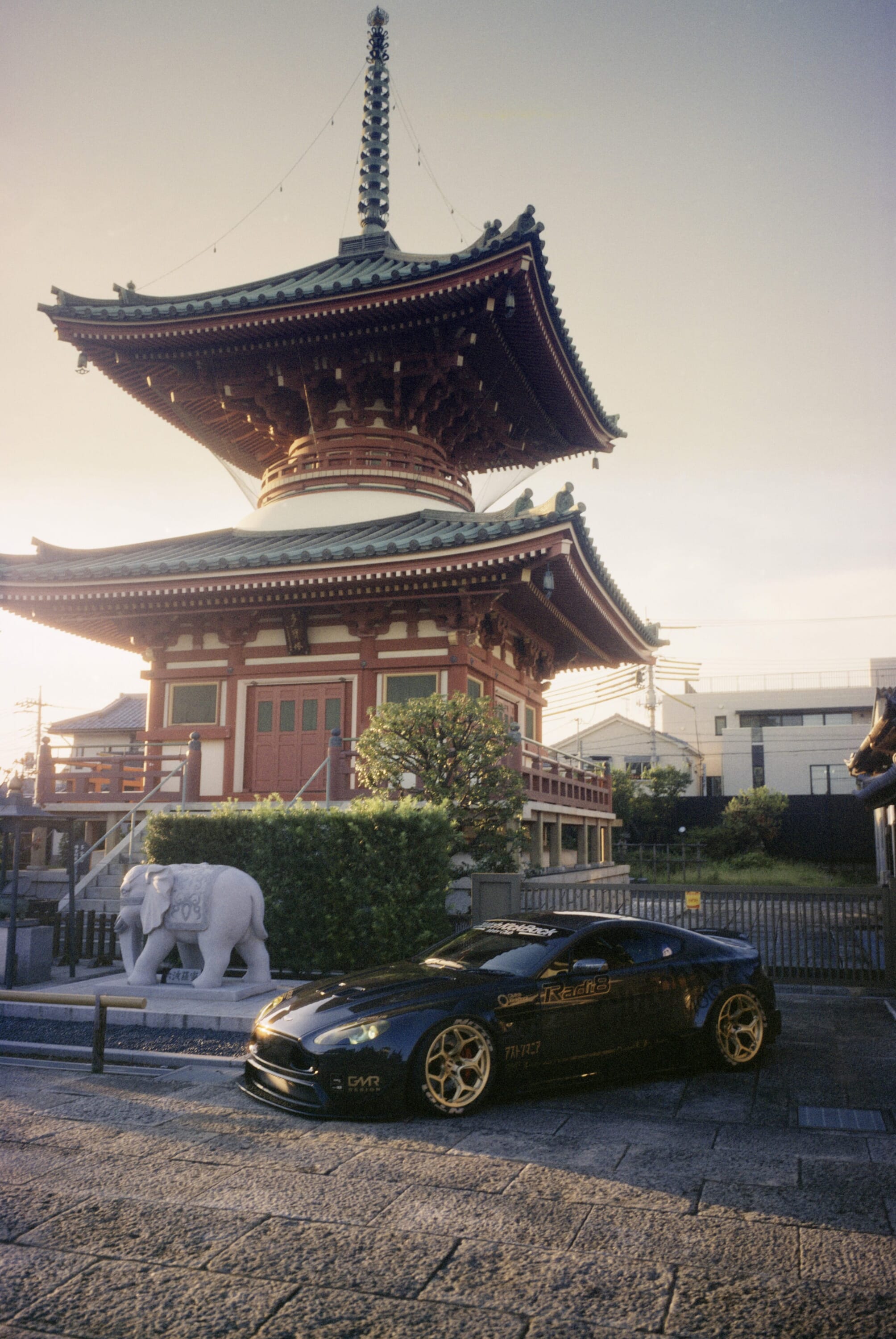
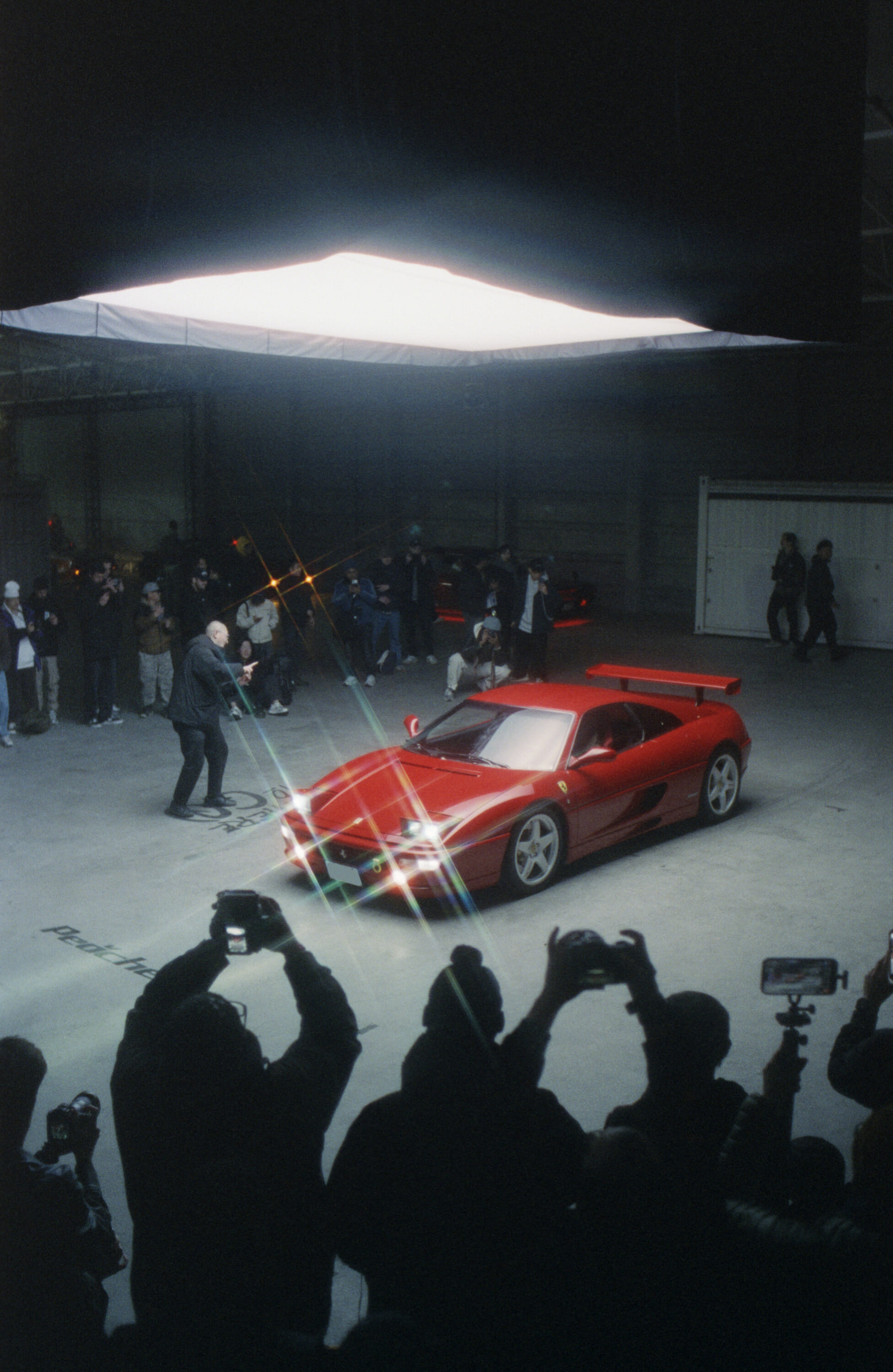
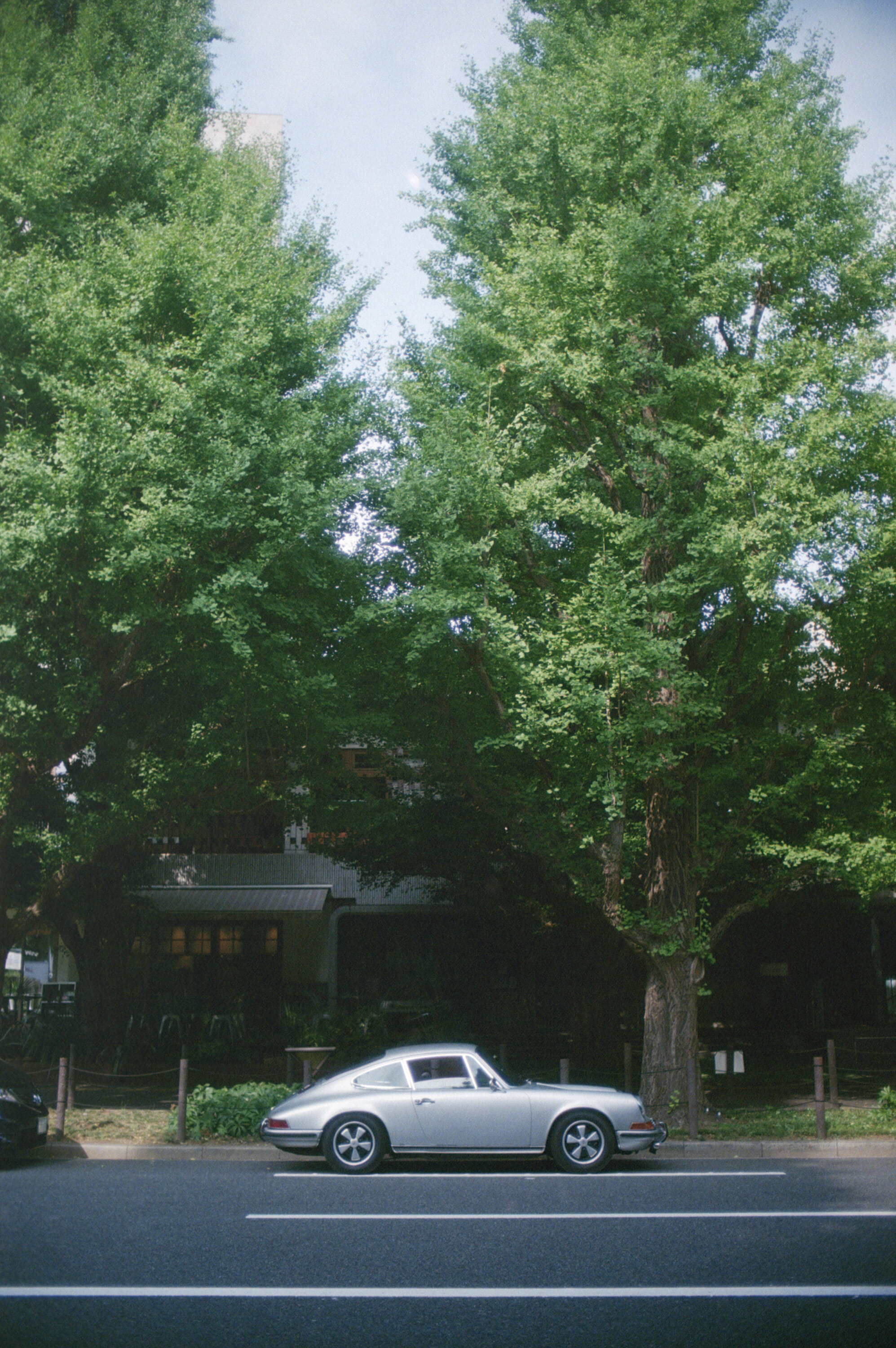
It only takes a quick glance to realize that there’s something different about Taylor’s approach to the car scene in Tokyo. Absent are the hard angles and in-your-face composition typical of automotive photography. Instead, Taylor’s work presents the vehicles in a larger context, in a way that combines them with their surroundings — situating an often fringe community squarely in the city it inhabits. These dream-like images, often brushed with a sense of commotion, make the cars appear as if they are both a part of everyday life and yet somehow separate from it, conveying the sense that they’re only seen when they want to be. His images capture a feeling. A vibe. That nameless thing that hangs in the air when a moment hits just right.
His approach to shooting amplifies that mood. In a world where modern technology takes almost all of the guesswork out of photography, he uses older hardware to achieve his signature style, shooting predominantly on a Nikon FA — an SLR film body made in the mid-80s — where the contemporary comforts of things like autofocus aren’t available, meaning that each image must be taken with great consideration.
“It wasn’t until I started shooting film that I began caring about settings and framing and such,” Taylor explains. “Film is too expensive to waste on bad photos.”
Observing the final product, one could be forgiven for thinking that the manipulation of light in many of Taylor’s photographs is a post-production edit. But the fractal-like, otherworldly blooms are also an analogue effect, created through the use of physical lens filters that force the camera to see the world exactly as it appears in the developed images. “Some filters I have bought online, but my favorites I’ve found by digging through the used filter section of various camera stores,” Taylor notes. “There are some really interesting out-of-production effect filters that can be found in vintage camera stores around Tokyo.”
A Dream Realized
Taylor’s days spent chasing cars across Tokyo are more than an aesthetic endeavor; in ways, his work also serves as a soft-spoken representation of an entire life, bridging a childhood obsession with a creative’s sense of passion and purpose. These two driving forces came together one morning while he was en route to a car spotting locale, fresh roll of film in hand.
“One of my favorite racing games growing up was Midnight Club II. The name and premise of the game is loosely lifted from the real-life Mid Night Racing Team, which is a group that used to illegally race late at night on the Bayshore Route connecting Tokyo to Yokohama,” the photographer explains.
“A few years ago, I was on the Bayshore Route when suddenly a white Porsche came blasting by me. The car didn’t seem to be racing anybody — just out for a brisk drive alone while traffic was light and temperatures were down. As I pulled up further ahead, I could see that the Porsche had parked up as well. Moving closer, I saw the distinctive ‘Mid Night’ stickers on the car. It was a true member of the Mid Night Racing Team.
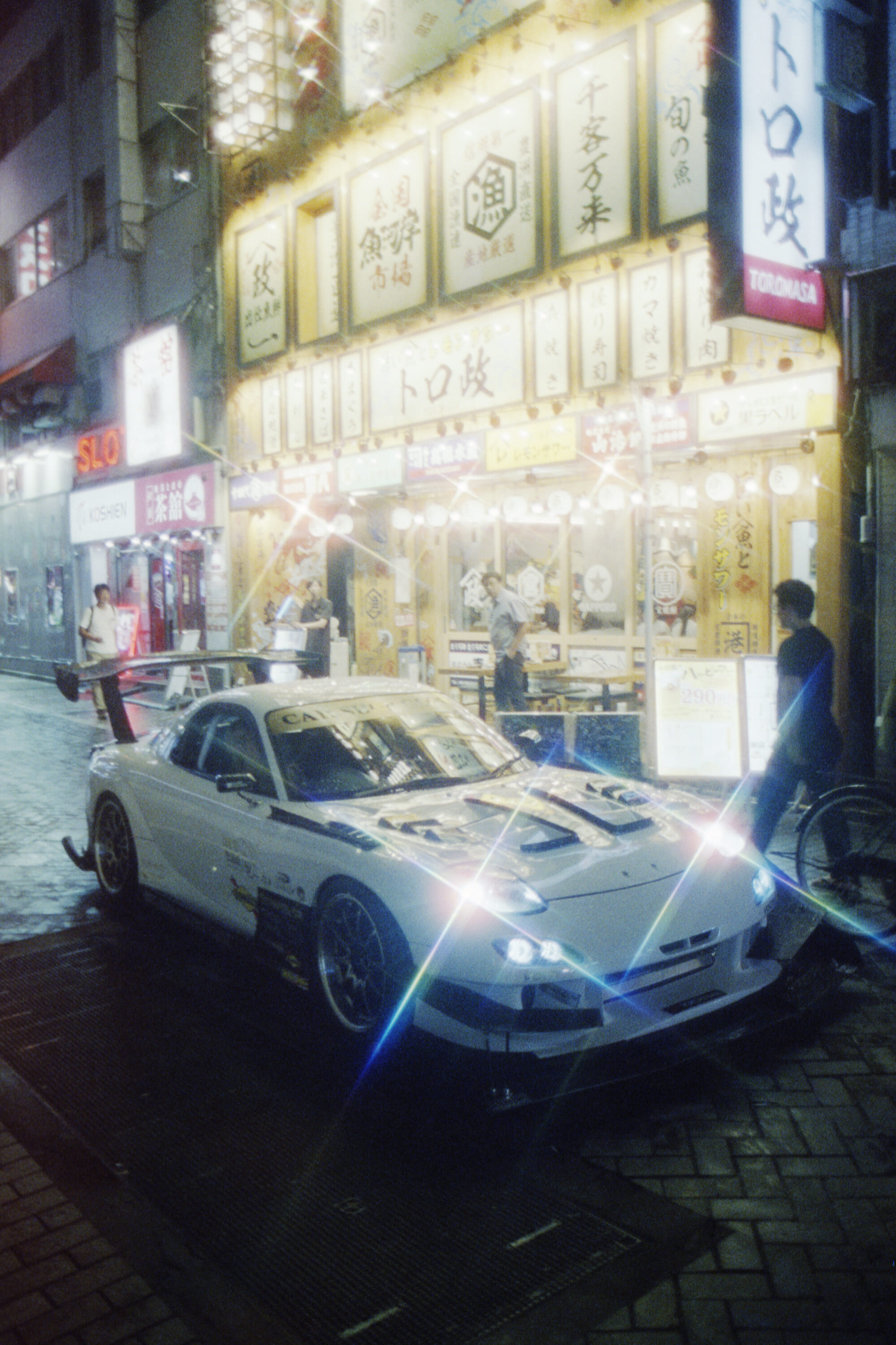
“Something that, as a kid, was just a video game fantasy was suddenly very real,” he reminisces. “That was the moment it really clicked for me that I was living a life that childhood me could’ve only dreamed of.”
Looking back on Taylor’s body of work with a moment like this in mind, his photography suddenly becomes all the more multidimensional. From one angle, it’s a documentation of automotive culture, while from another, it’s the representation of childlike wonder. It’s a window to one of Tokyo’s parallel universes and an analogue art form. It’s a world that exists on the periphery, made to sit still. A dream, caught on film.
More Info
You can follow Taylor and his work on Instagram.
Related Posts
- How The Clutch Kickback Became Tokyo’s Biggest Car Event
- Tokyo’s Street Dance Scene Comes Alive After Hours
- The Obsessed: The People Behind Japan’s Extreme Subcultures
Updated On April 22, 2026