
Clear skies are ahead in Japan’s baby name landscape. According to this year’s Tamahiyo Baby Name Ranking, released on October 30 by Benesse Corporation, parents are gravitating toward names that evoke brightness, warmth and blue hues. The findings, drawn from 166,011 babies born between January and September, reflect shifting priorities among new parents navigating a changing cultural and legal naming environment.

The Top 10 Baby Names in Japan for Boys and Girls
Sunny Tones in the 2025 Rankings
Though not necessarily a new trend, names inspired by the sky, weather and light have once again captured parents’ imaginations in 2025. For boys, Ao (碧) held the No. 1 spot for the second consecutive year, meaning “deep blue” or “azure.” Other sky-colored favorites included Asahi (朝陽) at No. 4 and Haru (晴) at No. 8, both having meanings tied to brightness and clear weather.
Girls’ names followed a similar trajectory, with Sui (翠) taking the crown for the first time since Tamahiyo began tracking trends in 2005. Himari (陽葵) ranked No. 2 and Hina (陽菜) rose from No. 12 to No. 5, both featuring the character 陽, which is associated with positivity and sunlight. This character appeared across multiple top names for both genders.
The Full Top 10 List
- Boys: Ao, Minato, Haruto, Asahi, Ren, Yuito, Nagi, Haru, Sora, Ritsu
- Girls: Sui, Himari, Rin, Mei, Hina, Aoi, Kotoha, Tsumugi, Yuzuki, Mio
Single Kanji Names on the Rise
Parents are increasingly choosing short, simple names, many built from a single kanji character. This shift reflects cultural changes as well as legal ones; the Revised Family Register Act, enacted in May 2025, aims to curb overly creative “kira-kira names” whose readings or meanings deviate from standard conventions.
As a result, parents are selecting kanji with clear symbolism and strong meanings. Sui (翠), the No. 1 girl’s name, is a great example of this trend, being minimalist yet flexible, traditional yet modern.
According to Tamahiyo’s survey, parents say the most important factors for choosing names are:
- Sound and overall impression of the reading (68.2%)
- Meaning of the kanji (51.3%)
- Stroke count, often tied to fortune and balance (48.1%)
Preference for meaningful kanji as a reason surpassed 50% for the first time, signaling a desire for names that feel rooted, auspicious and timeless.
Gender-Neutral Names Gain Traction
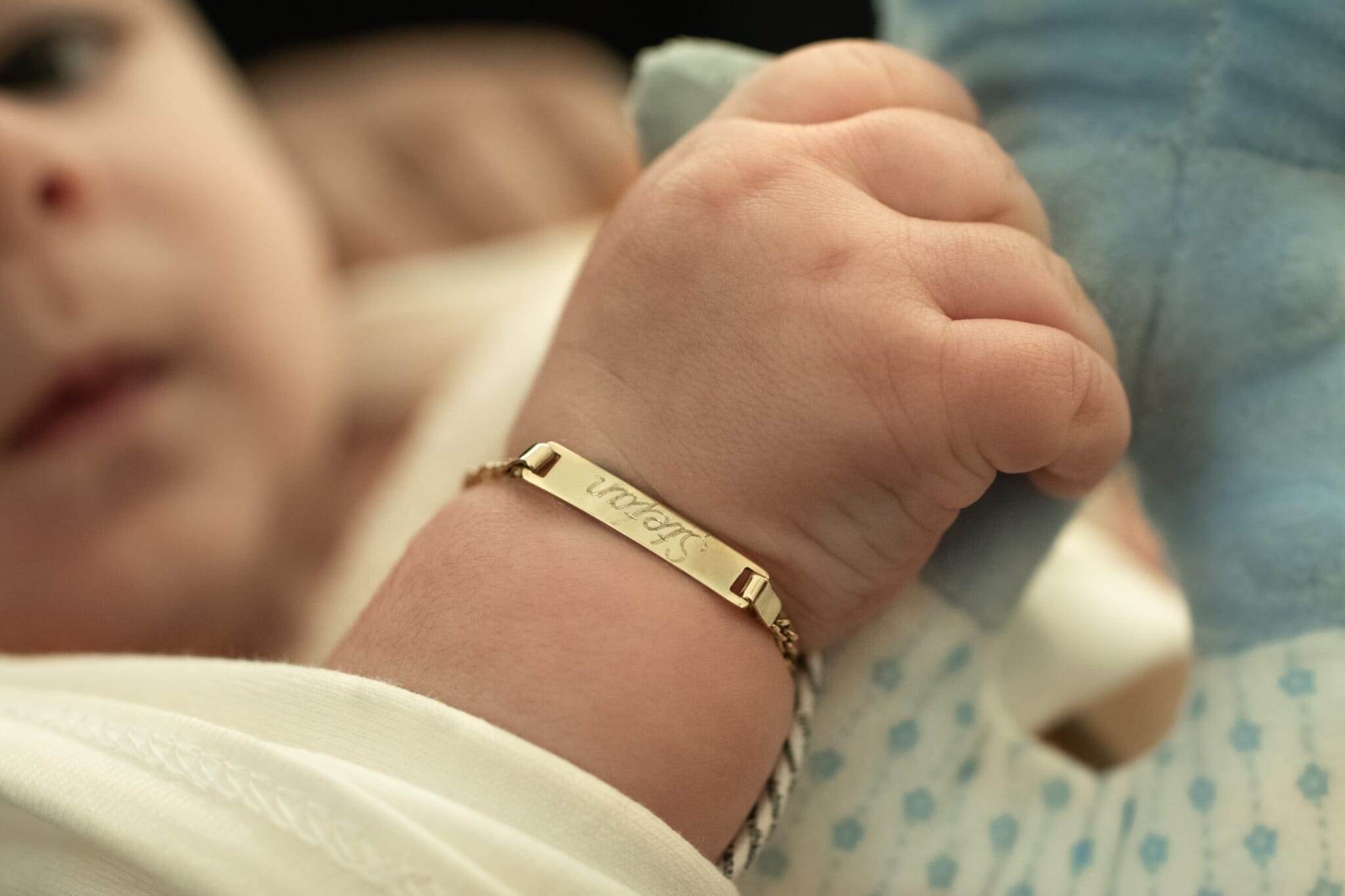
While single-kanji names rise in popularity, genderless names are also becoming increasingly common across Japan. This year’s top gender-neutral name was Sena, followed by long-standing favorites Aoi and Hinata. Because these readings can be paired with various kanji or left unassigned, they offer flexibility while avoiding gender-specific connotations.
These choices underscore a deeper shift: parents want names that feel calm, meaningful and future-proof for a generation born into rapidly changing times.
If the 2025 rankings are any indication, Japan’s newest generation will grow up under the banner of clarity and optimism — reflected in names inspired by sunlight and calming elements of nature.
Related Posts
- Japan Attempts To Ban Outlandish Kirakira Baby Names | News Roundup
- This Japanese Perfume Smells Like A Newborn Baby
- Giving Birth in Japan: 6 Realities No One Warns You About
Updated On November 25, 2025