Fukushima

A Tohoku treasure known for its onsen, samurai history and resilient spirit

Overview of Fukushima

Japan’s third-largest prefecture, Fukushima stretches over 150 kilometers from the Pacific coast deep into the mountainous interior of the Tohoku region. Divided into three distinct areas — Aizu, Nakadori and Hamadori — each zone offers a different flavor of the prefecture’s rich geography and culture.

The prefecture is known as “Fruit Kingdom” for its seasonal harvests available year-round, with peaches being its most celebrated crop. For ramen lovers, Kitakata ramen is widely regarded as one of the top styles in Japan, alongside Sapporo and Hakata.

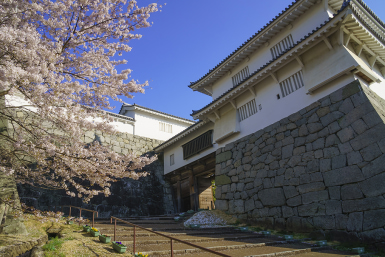
The Aizu-Wakamatsu area traces its roots back to the 4th century AD, and the castle town remains one of Fukushima’s most iconic destinations. The Edo-era post town of Ouchi-juku, designated as an Important Preservation District for a Group of Traditional Buildings in 1981, offers thatched-roof houses and car-free streets where visitors can lose themselves in another era.

Getting to Fukushima

Fukushima and Tokyo are connected by frequent Yamabiko and Tsubasa trains along the JR Tohoku Shinkansen. The one-way trip takes around 90 minutes. There are about 2 departures per hour, and the journey is covered by the Japan Rail Pass, JR East Pass and JR East South Hokkaido Pass.

Multiple bus companies operate daytime and overnight highway buses between Tokyo (Tokyo Station and Shinjuku Station) and Fukushima Station. A one-way trip takes around 5 hours.

Things to do in Fukushima