
Tokyo is one of the most exciting art capitals, and this spring, Artizon Museum proves why. On view until Sunday, May 24, “Monet: Questioning Nature” and “Katarium”, bring together Claude Monet’s Western Impressionist masterpieces and a thoughtful curation artwork with narrations — all within walking distance of Tokyo Station. Presented concurrently, the two exhibitions inspire a subtle dialogue across time and tradition.
Monet: Questioning Nature
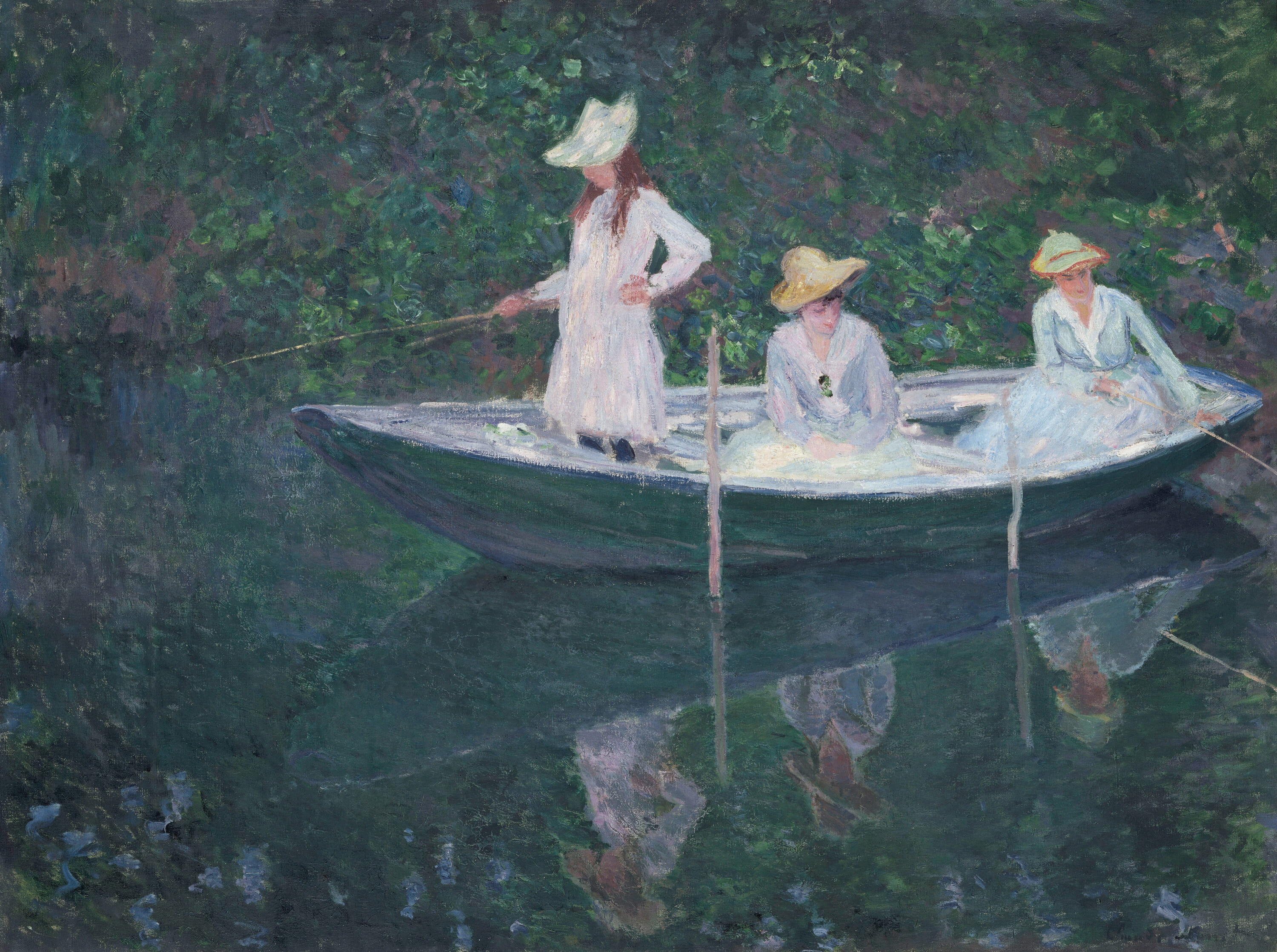
From the coastal atmosphere of Le Havre to Monet’s sanctuary in Giverny, “Monet: Questioning Nature” follows the artist’s life journey through the specific places that shaped his vision. This exhibition is also particularly special, as it marks the 100th anniversary of the artist’s passing. You’ll find an incredible lineup of 139 works, including a whopping 41 of 76 paintings by Monet from the Musée d’Orsay, which famously houses the world’s best Impressionist collection. It’s truly rare to see over half of d’Orsay’s prized Monet collection outside of Paris. Several of these beloved pieces are being exhibited in Japan for the first time, such as “The Luncheon” (c. 1873), “On the Cliff near Dieppe” (1897) and “Army of the Seine near Giverny” (1897). Each room of the gallery thoughtfully highlights his lifelong fascination with natural light, and unique ability to memorialize the shifting beauty of the world.
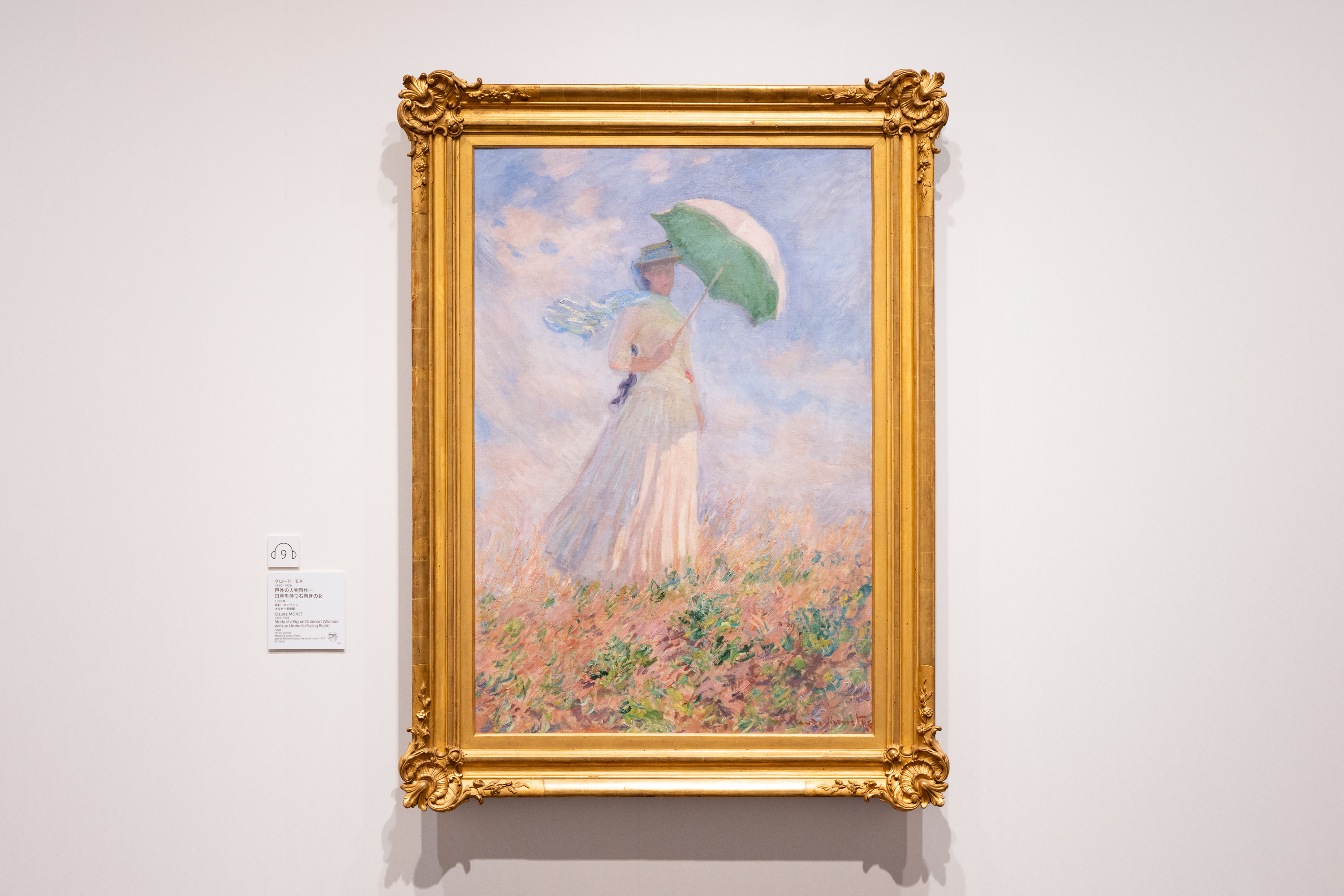
Claude Monet, “Study of a Figure Outdoors (Woman with an Umbrella Facing Right)” (1886). Oil on canvas. Musée d’Orsay. Artizon Museum Installation View. Photo © Yuya Furukawa
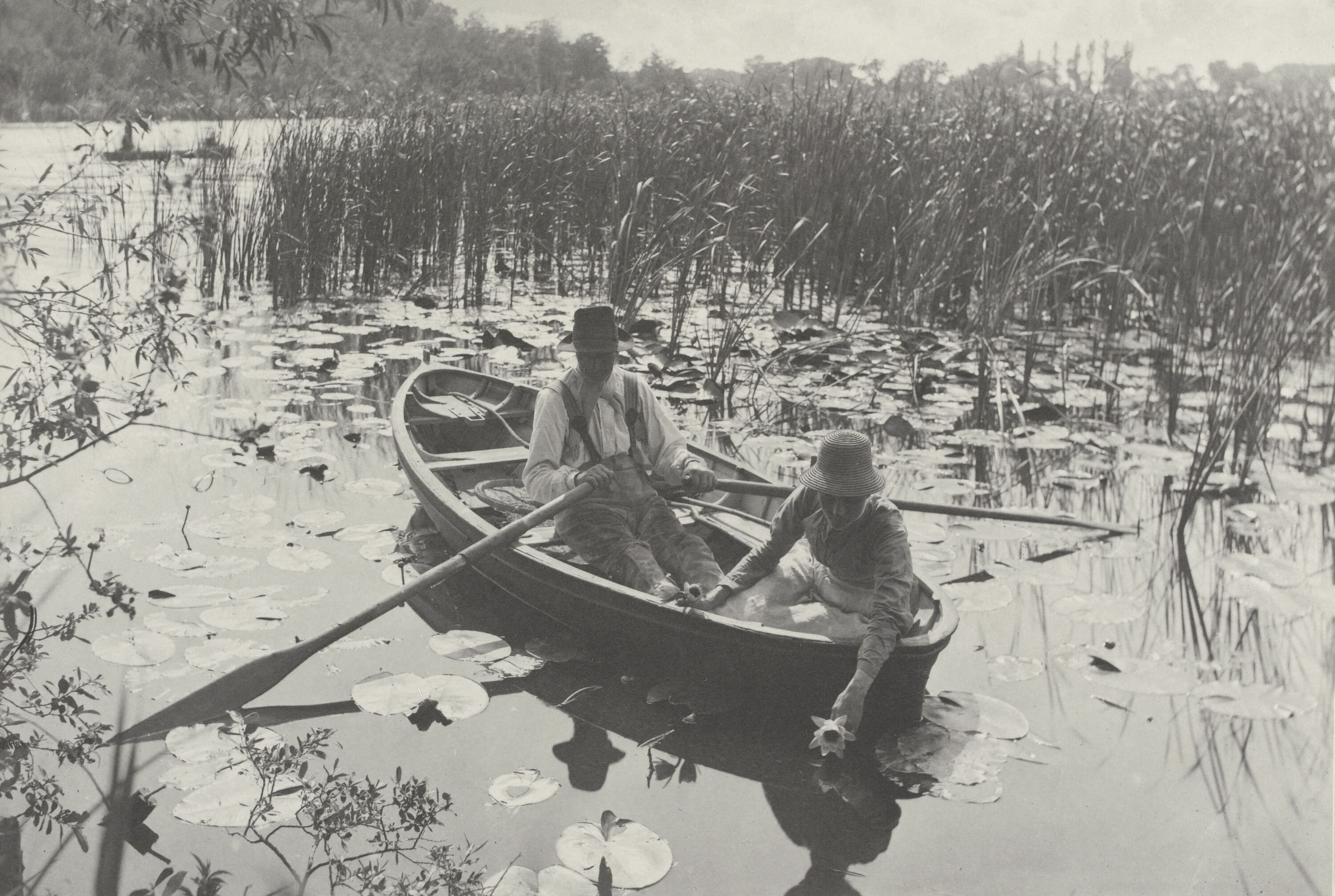
The artworks reveal a fascinating web of influences, beginning with Monet’s early days in the 1860s when Eugène Boudin mentored his naturalistic approach. Some of these early paintings are displayed alongside 19th-century photography of the Forest of Fontainebleau, where both painters and photographers strived to capture the same iridescent textures across mediums. As Monet moved from the Paris suburbs to rural villages, his gaze shifted too. In Argenteuil, he focused on the advances of the industrial age — like the steam-filled Saint-Lazare Station, while his later time in Vétheuil inspired his iconic serial paintings, which repeatedly portrayed ordinary scenes, but in varying weather and light conditions.
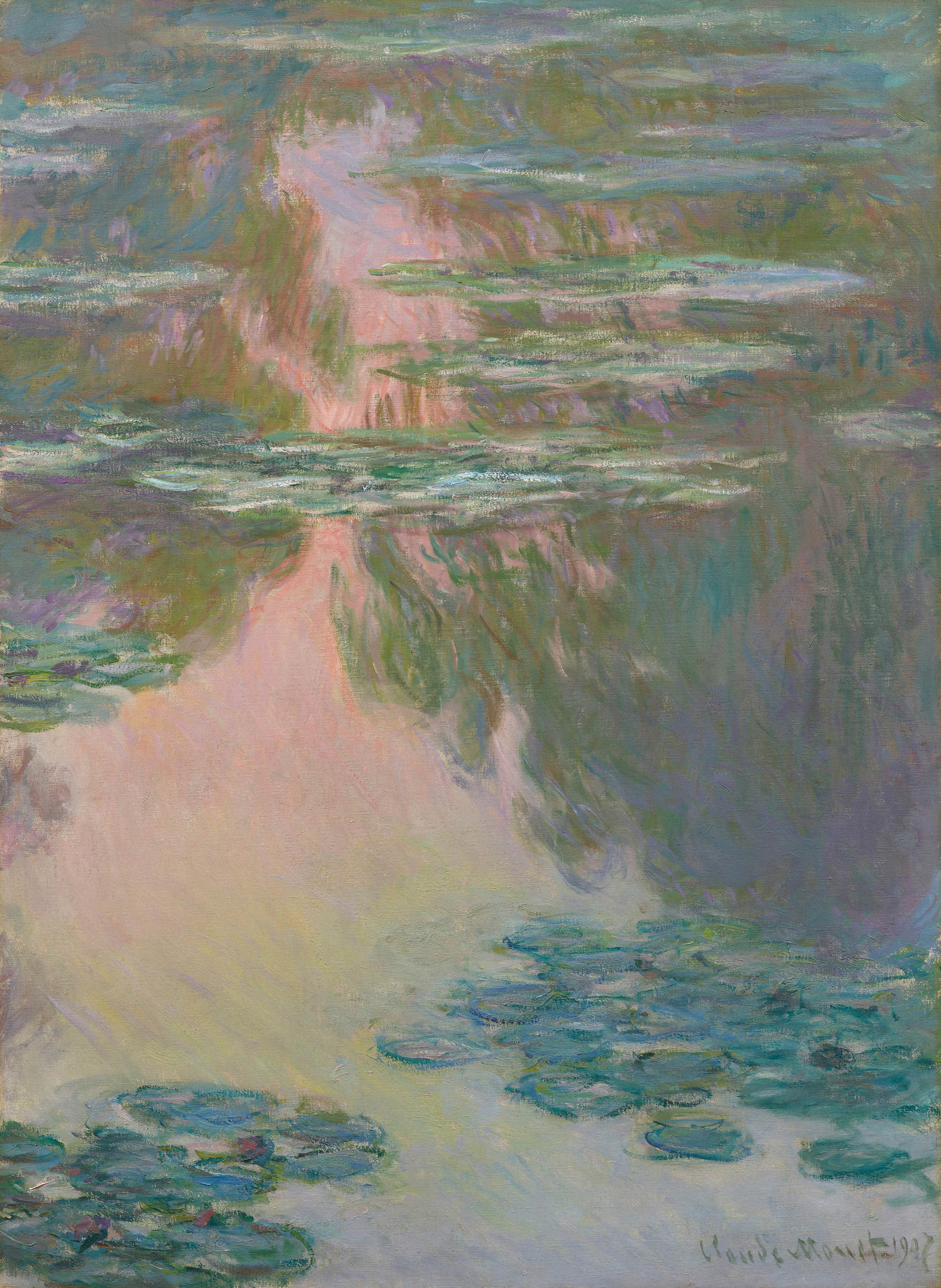
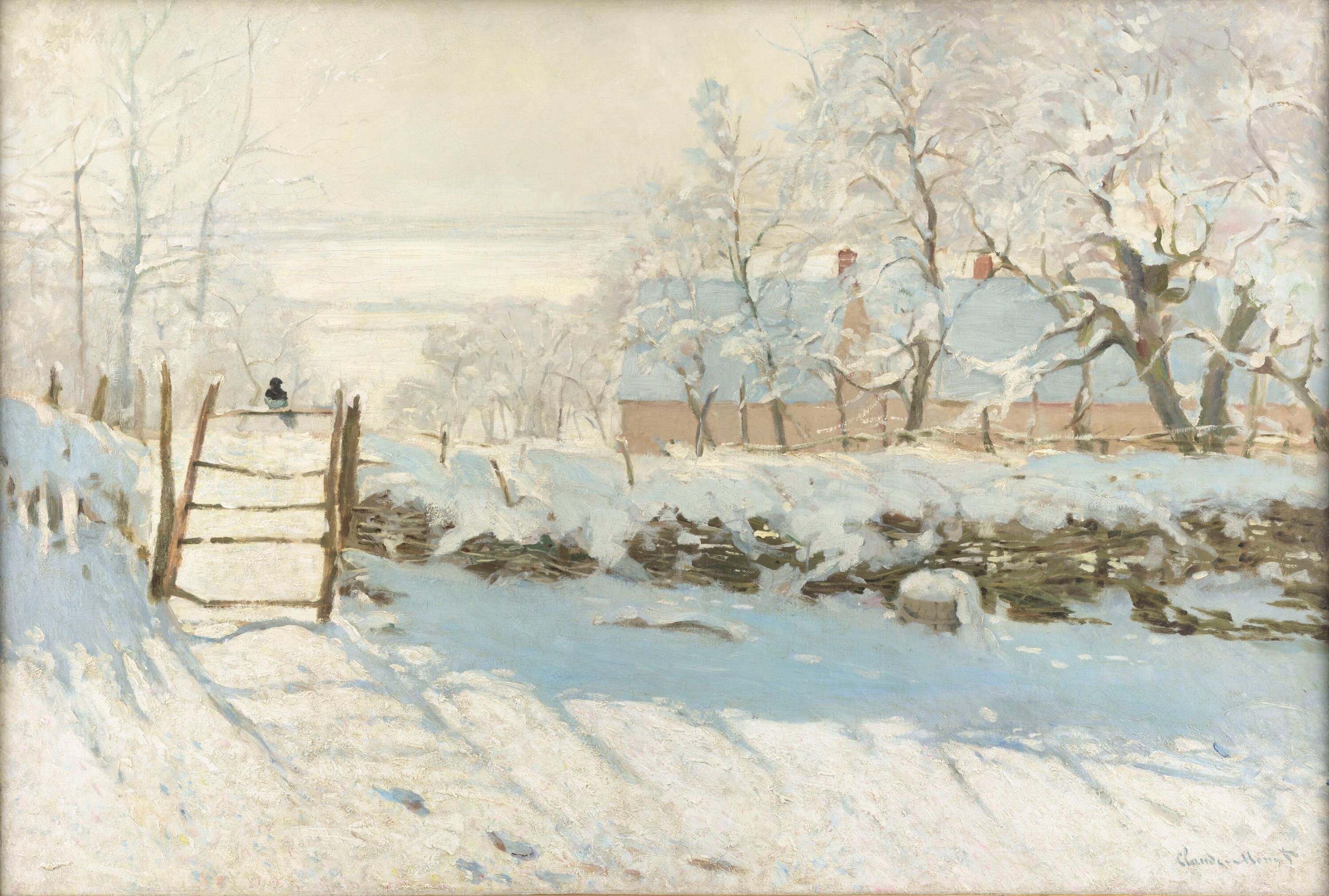
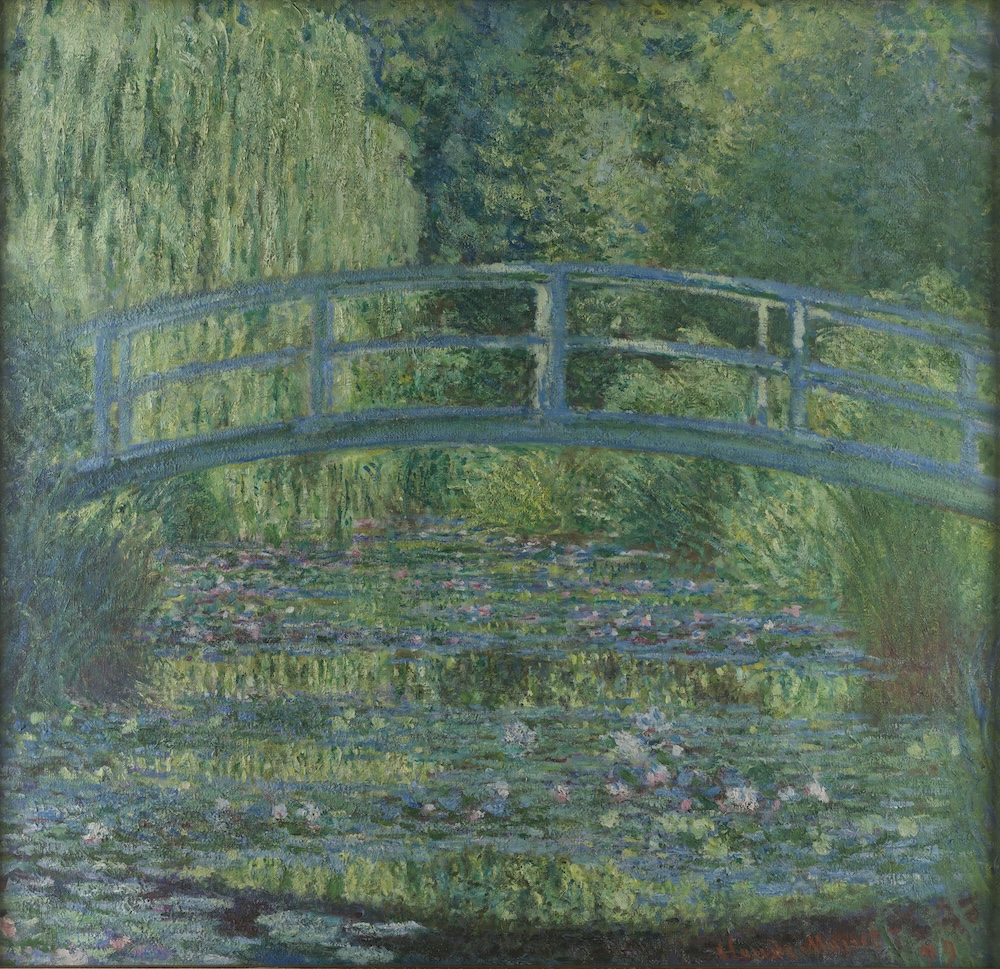
Throughout the exhibition, you can also feel Monet’s deep love for Japan. In his early masterpiece “The Magpie” (1868-69), for instance, he used the pale, delicately colored surfaces typical of ukiyo-e snow scenes to create a sense of depth. The artist’s connection to ukiyo-e only deepened over time, most famously influencing his myriad compositions of Water Lilies. These mature works are displayed alongside stunning Art Nouveau glasswork by Émile Gallé and a contemporary video tribute by Ange Leccia.
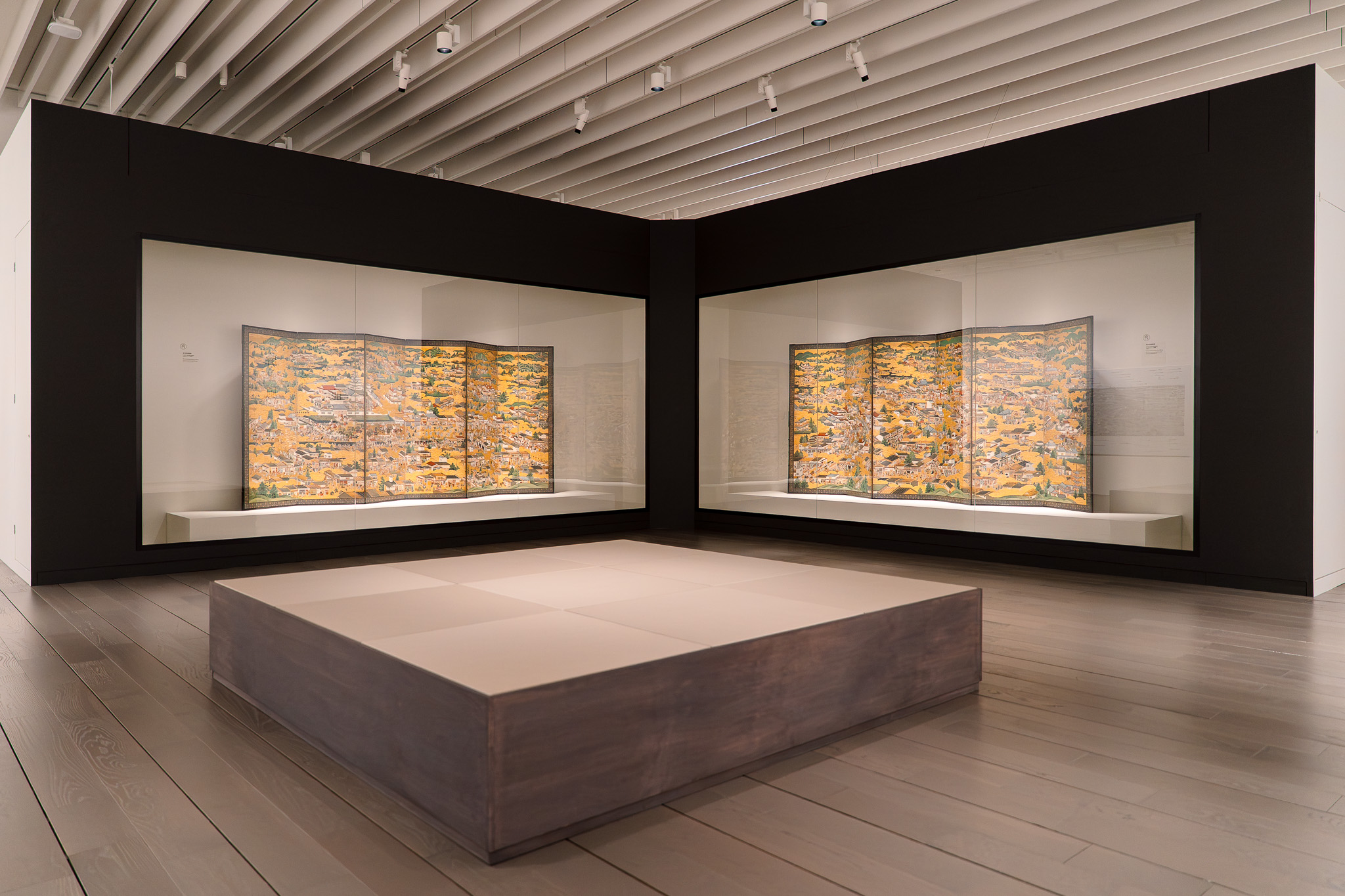
“Katarium” at Artizon Museum, Installation View. Photo by Ann Ziesmann (on view February 7 – April 2)
Katarium: Once upon a Time, in a Certain Place
On the fourth-floor gallery, “Katarium” is designed as a space where visitors can listen in on imagined conversations and quiet monologues about the works on display — true to its title, which combines katari, storytelling through voice, with the suffix –arium, meaning “a place for”. With 56 works on display, featuring two National Treasures and seven Important Cultural Properties, the exhibition includes illustrated scrolls from the Kamakura period (1185–1333) depicting dramatic war tales accompanied by immersive audio guides.
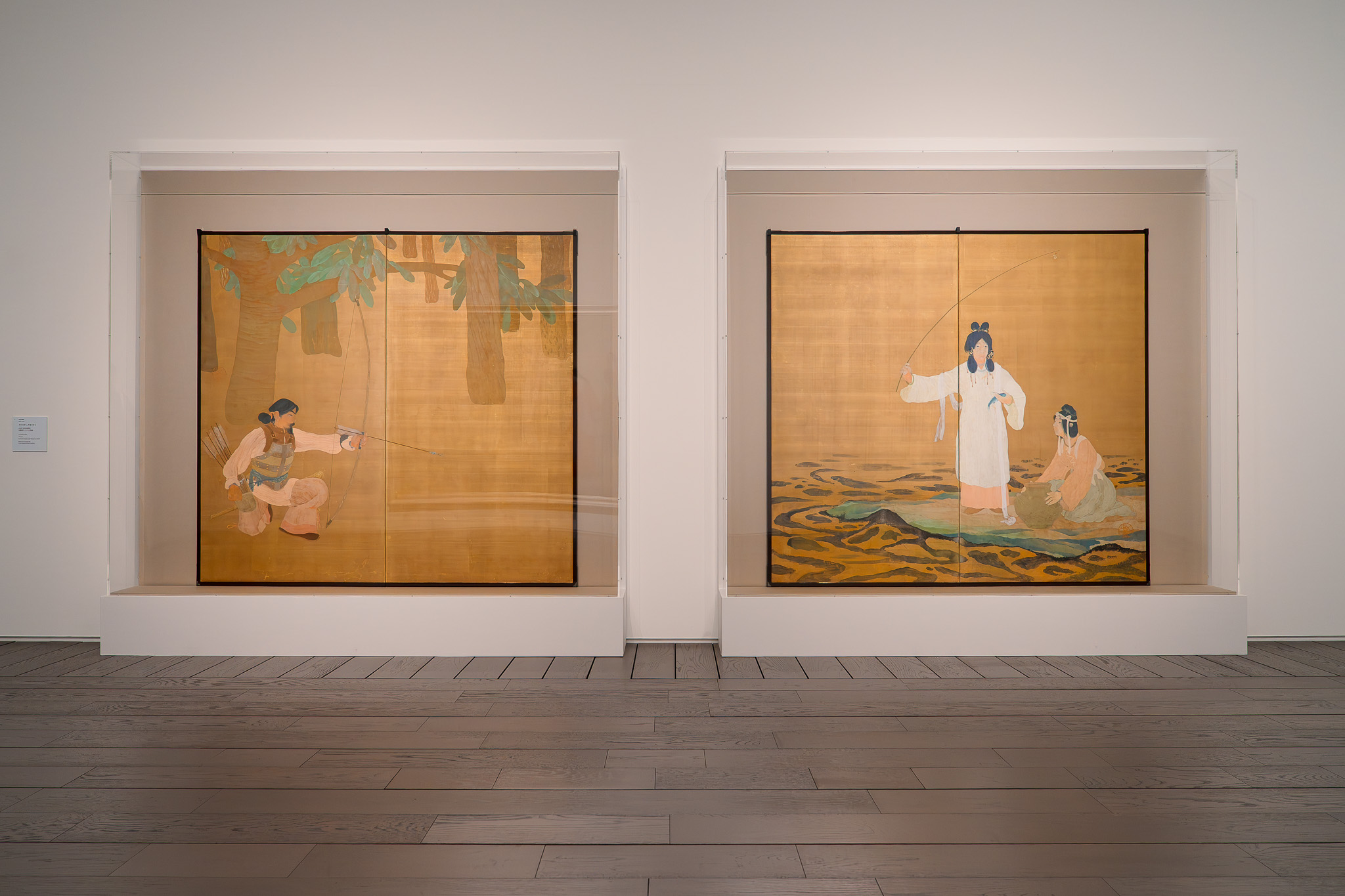
“Katarium” at Artizon Museum, Installation View. Photo by Ann Ziesmann
The exhibition also features grand historical scenes, such as 17thcentury “Edo Tenka Matsuri (Sanno Festival)” folding screens (on view April 3 – May 24). This gorgeous piece is an ornate window into the Sanno Festival at Hie Shrine, which was one of the most important celebrations in the Edo period. It’s a significant piece of history, lost for decades then rediscovered in 1998. Seeing it now is a rare glimpse at the scale and energy of an Edo period festival, before the modern Jinko Festival makes its tour through the city in June this year.
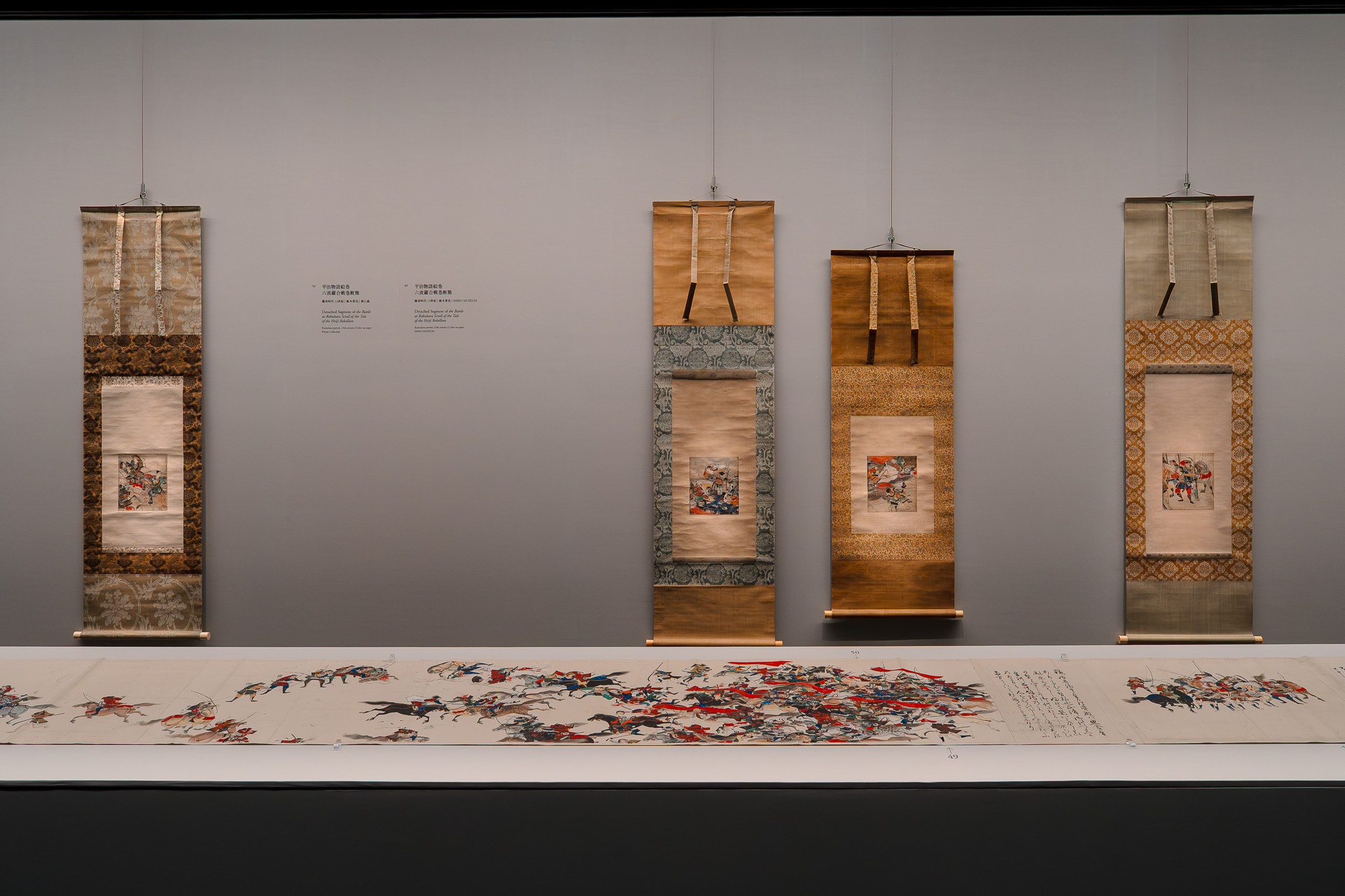
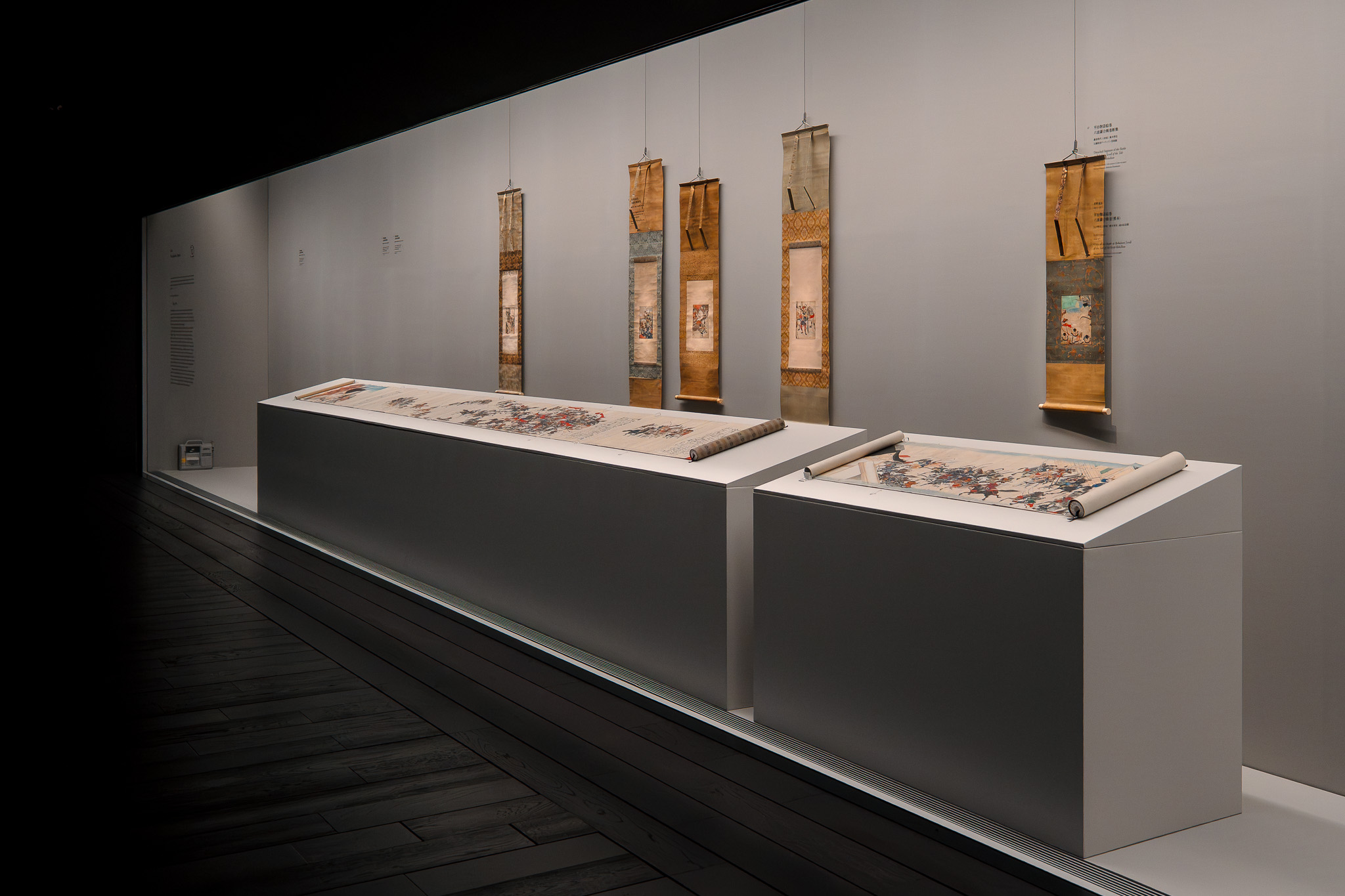
Also on view are priceless segments of 12th century scrolls like the “Caricatures of Animals” and “Deeds of the Zen Masters.” Historically, many of Japan’s most famous stories were painted on incredibly long paper scrolls that were eventually cut into separate pieces so they could be shared or sold to different collectors. The museum has managed to track down and bring these detached segments back together. “Illustrated Scrolls of The Tale of the Heiji Rebellion, Tokiwa Scroll” — which is over 16 meters long — has also just returned to the museum after a painstaking two-year restoration, and its various scenes will be displayed on rotation throughout the exhibition’s duration.
Since some works will be rotated during the exhibition period, checking the updated list of displayed pieces on the museum’s website before visiting is recommended.
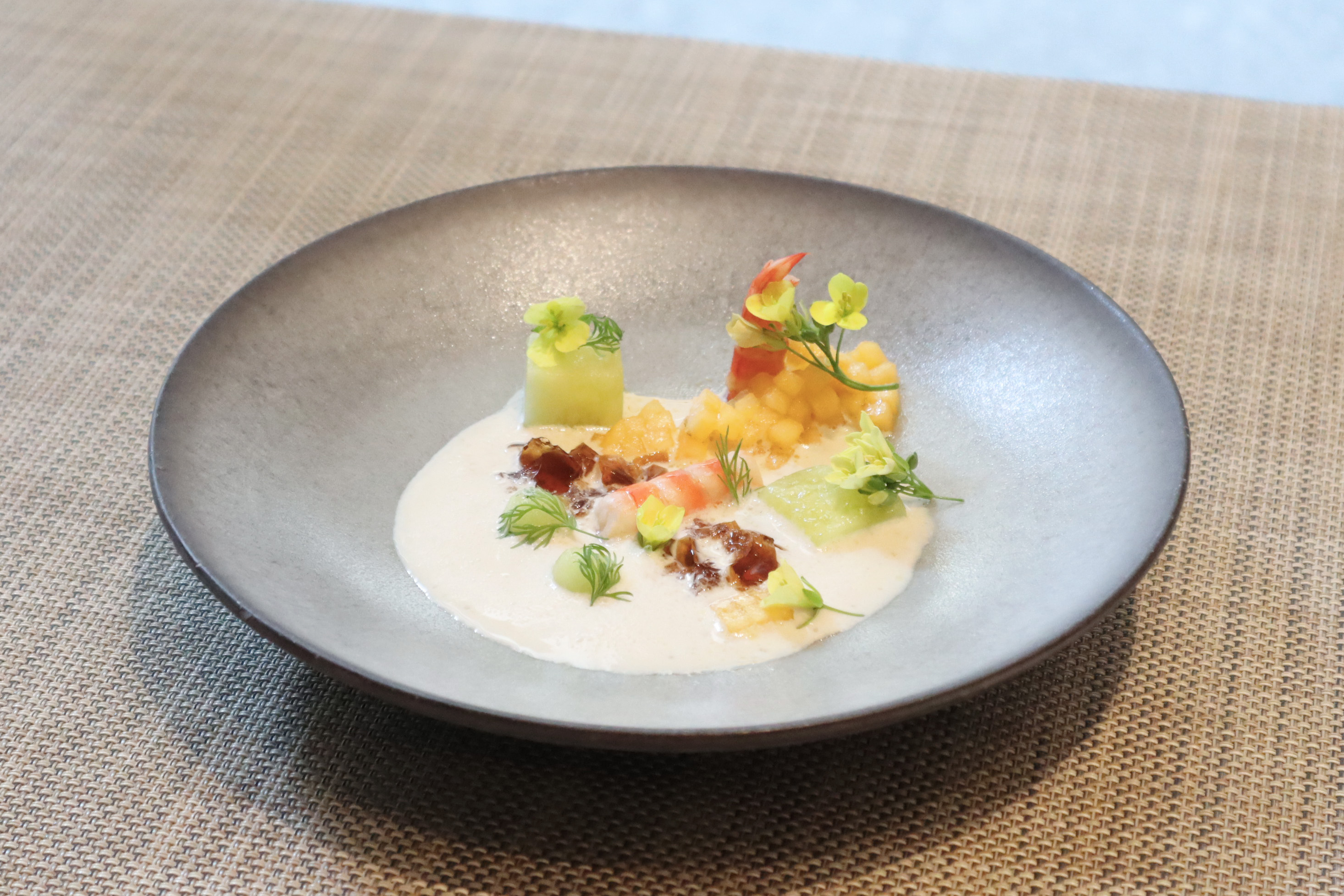
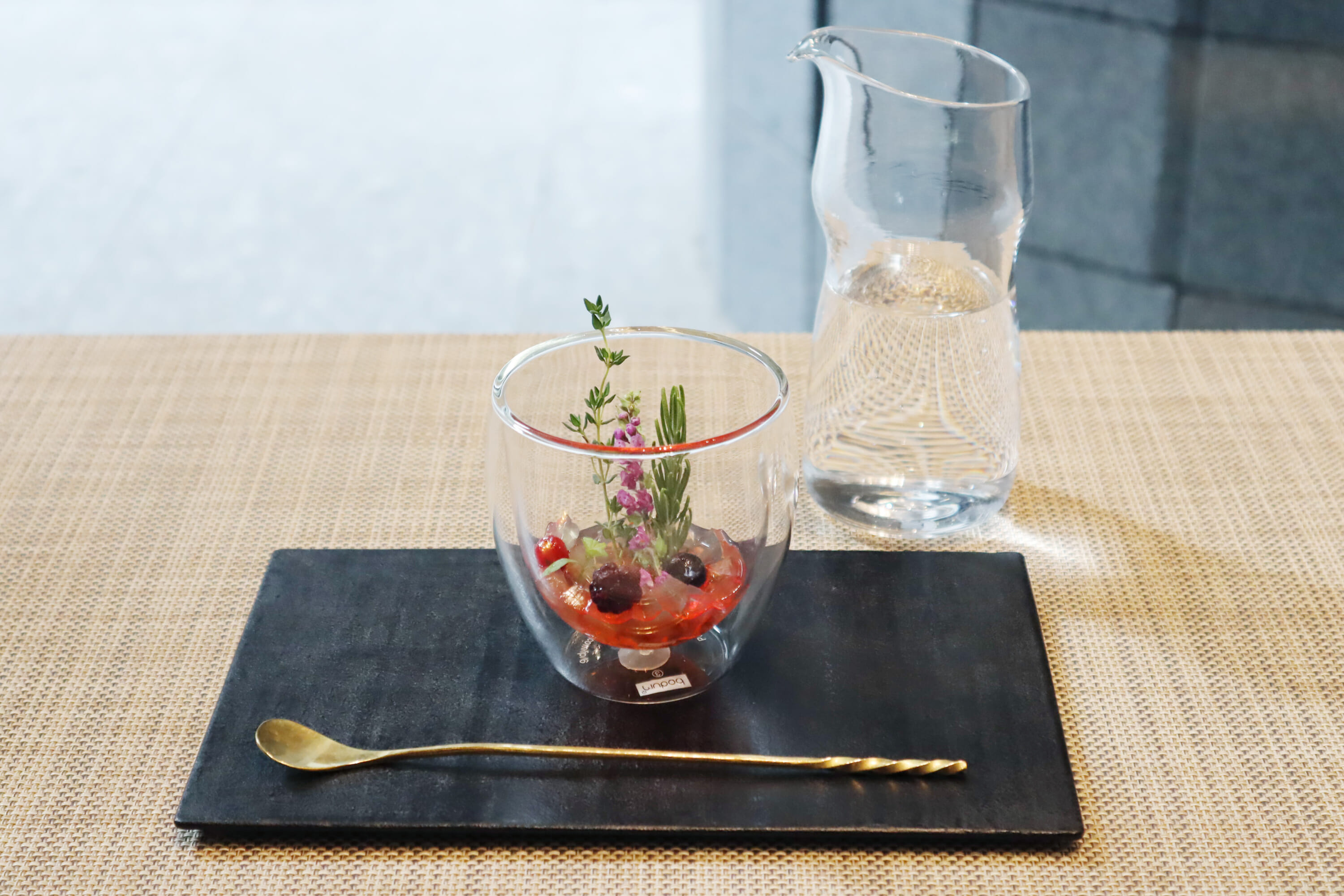
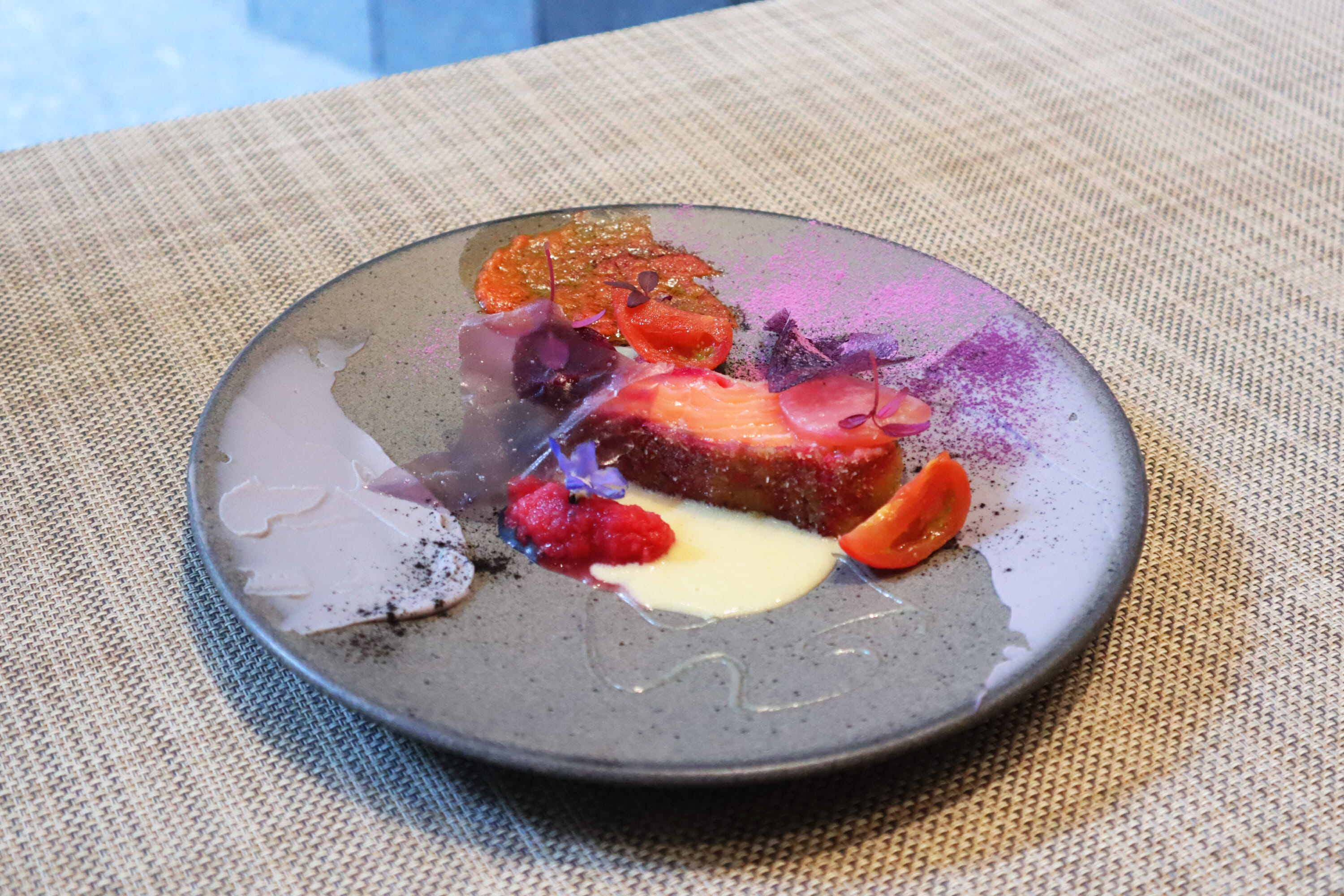
Monet-Inspired Cuisine & Souvenirs
The Museum Cafe & Restaurant offers a bright, open space to relax. A design lover’s dream, enjoy original course meals and sweets that bridge different culinary genres. This season, the menu boasts picturesque, delicious courses, a la carte plates and beverages inspired by the beautiful colors and textures of Monet’s pieces.
Wrap up your visit at the limited-edition Monet-themed souvenir shop, stocked with apparel, accessories and stationery inspired by his works. The museum’s standard gift shop offers additional merchandise, including KIGI designer collaboration items inspired by Monet’s garden, such as tote bags, T-shirts and bandanas.
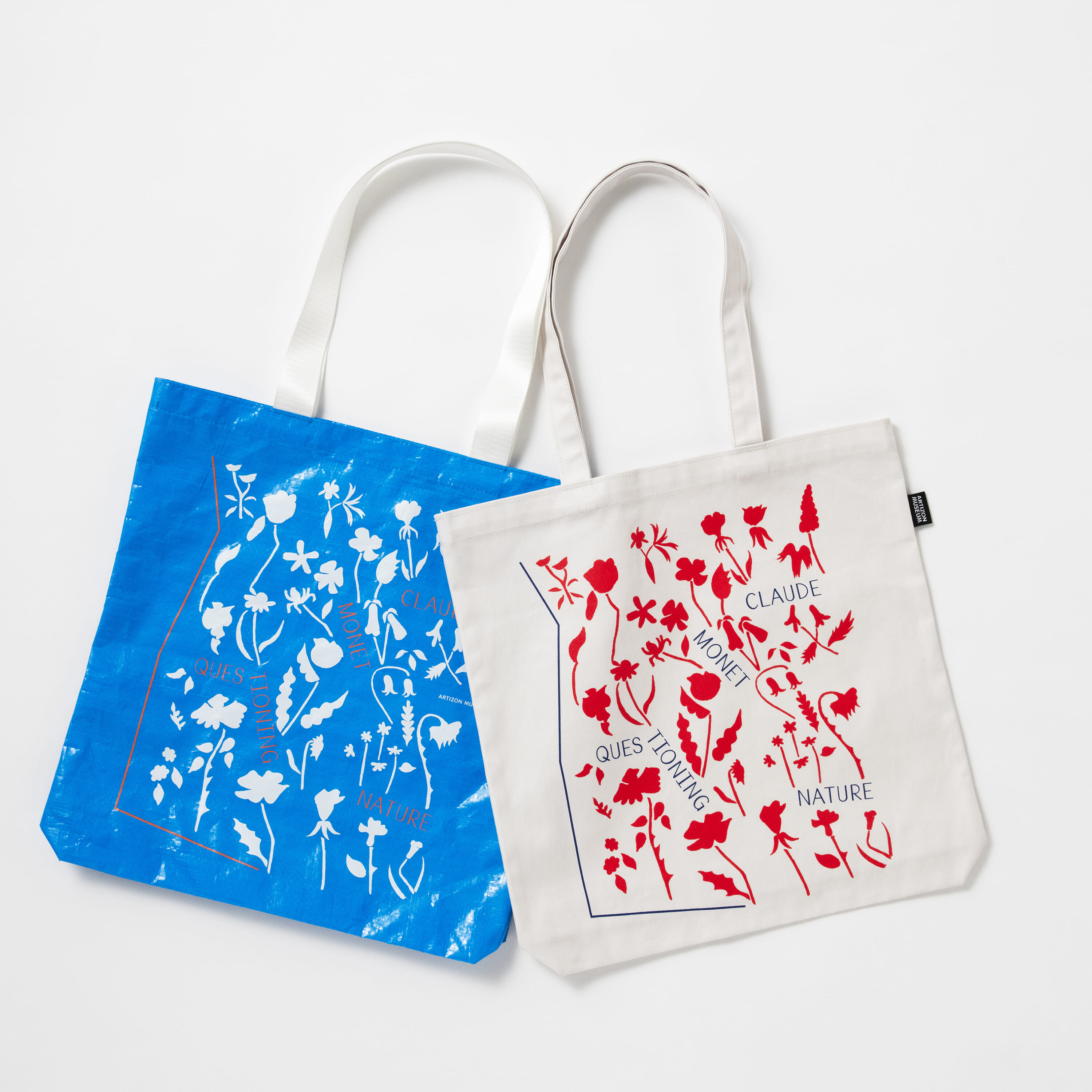

Please note that product offerings differ between the 2F Museum shop and the 3F Monet Pop-up Shop. Entry to the 3F Pop-up Shop is limited to visitors holding a valid exhibition ticket for that day, and featured items may sell out.
More Information
Artizon Museum
- Exhibition period: February 7 – May 24, 2026
- Address: 1-7-2 Kyobashi, Chuo-ku, Tokyo 104-0031
- Access: 5-minute walk from JR Tokyo Station (Yaesu Central Exit), Tokyo Metro Ginza Line Kyobashi Station (Exits 6 & 7), or Tokyo Metro Ginza/Tozai Line & Toei Asakusa Line Nihombashi Station (Exit B1).
- Hours: 10:00 – 18:00 (Last entry 30 minutes before closing). Open until 20:00 on Fridays (except March 20) and on May 2, 9, 16 and 23. Closed February 16, March 16, April 13 and May 11.
- Timed Entry System: Tickets may be purchased in advance via the museum website. Same-day tickets are also available at the museum if the selected time slot has not reached capacity.
- Artizon Museum
- Monet: Questioning Nature
- Katarium
Updated On March 24, 2026