
As we move into the new year, we leave behind the quiet, introspective energy of the Snake — a time of reflection and shedding old skin. 2026 is the Year of the Horse, defined by thunderous momentum and progress. It’s a great year to act on your long-standing ambitions, whether in your career, relationships or personal growth. That said, the Horse’s intensity also carries a warning: Be careful not to run too fast in chasing these goals, as you may face burnout before the year’s end.
This Year of the Horse isn’t just another typical trip around the zodiac; 2026 marks the rare return of the Fire Horse, known as hinoe uma in Japanese. In the Chinese astrological calendar, this “Double Fire” alignment, where the “Fire” celestial stem meets the “Horse” terrestrial branch, only occurs once every 60 years.
Keep reading to discover the historical and cultural significance of the Fire Horse, and the Year of the Horse in general. We also introduce a few places where you can harness the powerful energy of the Horse in Tokyo.
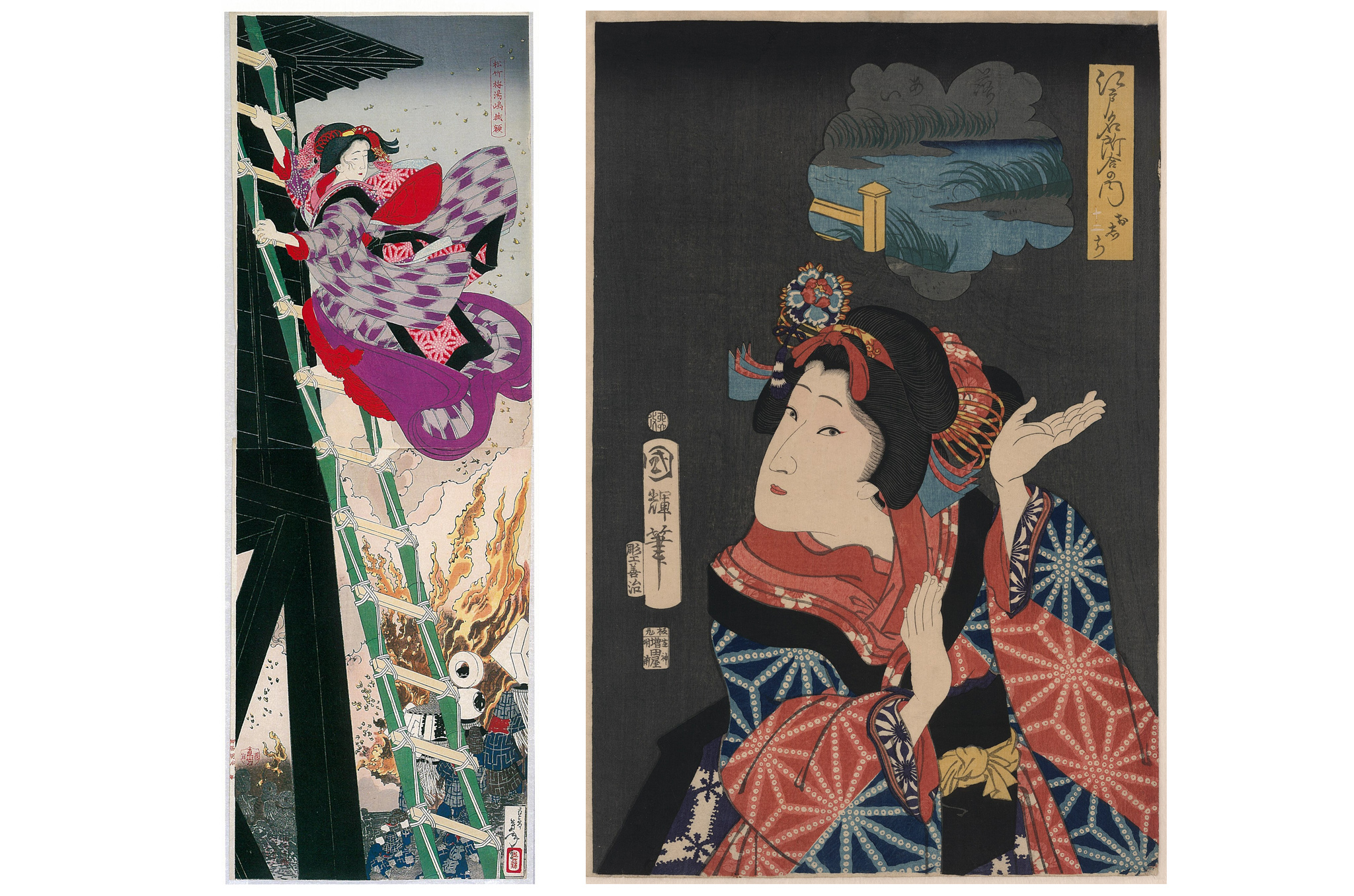
Woodblock print depictions of Yaoya Oshichi, known as a great beauty who set fire to Edo | Wikimedia
The Year of the Fire Horse
The legend of the Fire Horse is one of Japan’s most enduring pieces of folklore. Its roots trace back to the late 17th century and the story of Yaoya Oshichi, a young woman born in a Fire Horse year who was accused of setting off a massive fire in Edo. This tale birthed a long-standing belief that girls born in the year possess a temperament so fierce and stubborn that they would overpower their families.
These beliefs were so engrained in Japanese culture that they had a tangible impact on national history. In 1846, 1906 and 1966 — the last Fire Horse years — Japan’s birth rate dropped significantly, as many couples avoided having children altogether due to the social stigma. Specifically, in 1966, there was an astounding 21-24% drop in births. While the Fire Horse’s impact on this year’s birth rate remains to be seen, modern parents are probably less likely to adhere to folkloric ideas to the extent of previous generations.
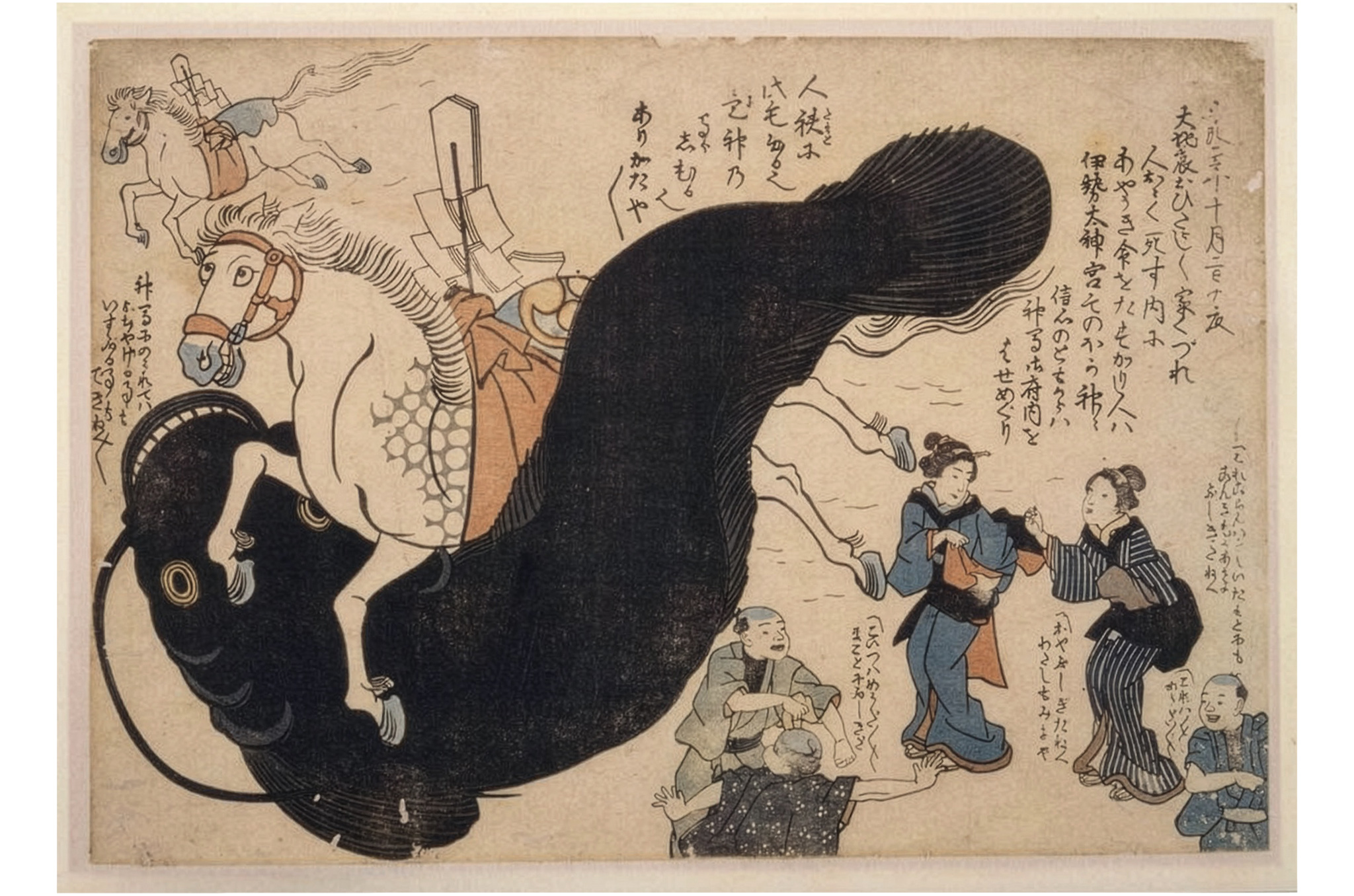
Depiction of a sacred white Shinme horse at Ise Shrine fighting an earthquake-causing catfish | Edo period, artist unknown
What Does The Horse Symbolize in Japan?
In Japan’s Shinto faith, horses have long been regarded as a spiritual bridge between the human and divine realms, historically revered as Shinme — the “mount of the gods.” White horses are especially sacred, symbolic of purity and appearing alongside the Sun Goddess Amaterasu.
While some Western cultures view the horse as a symbol of solitary freedom, the Japanese horse also tends to be associated with order and martial nobility, due to its connection to the samurai class. That’s why you’ll often see horses depicted with intricate bridles and saddles, representing their discipline and connection to humans.
Linguistically, the horse brings prosperity and luck into homes or businesses. This is because the Japanese word for horse, uma, when read backwards — mau — becomes “to dance.” This wordplay gave rise to Hidari Uma (“left-facing horse”), a mirrored kanji motif commonly seen on various talismans that invite prosperity and good fortune into homes and businesses.
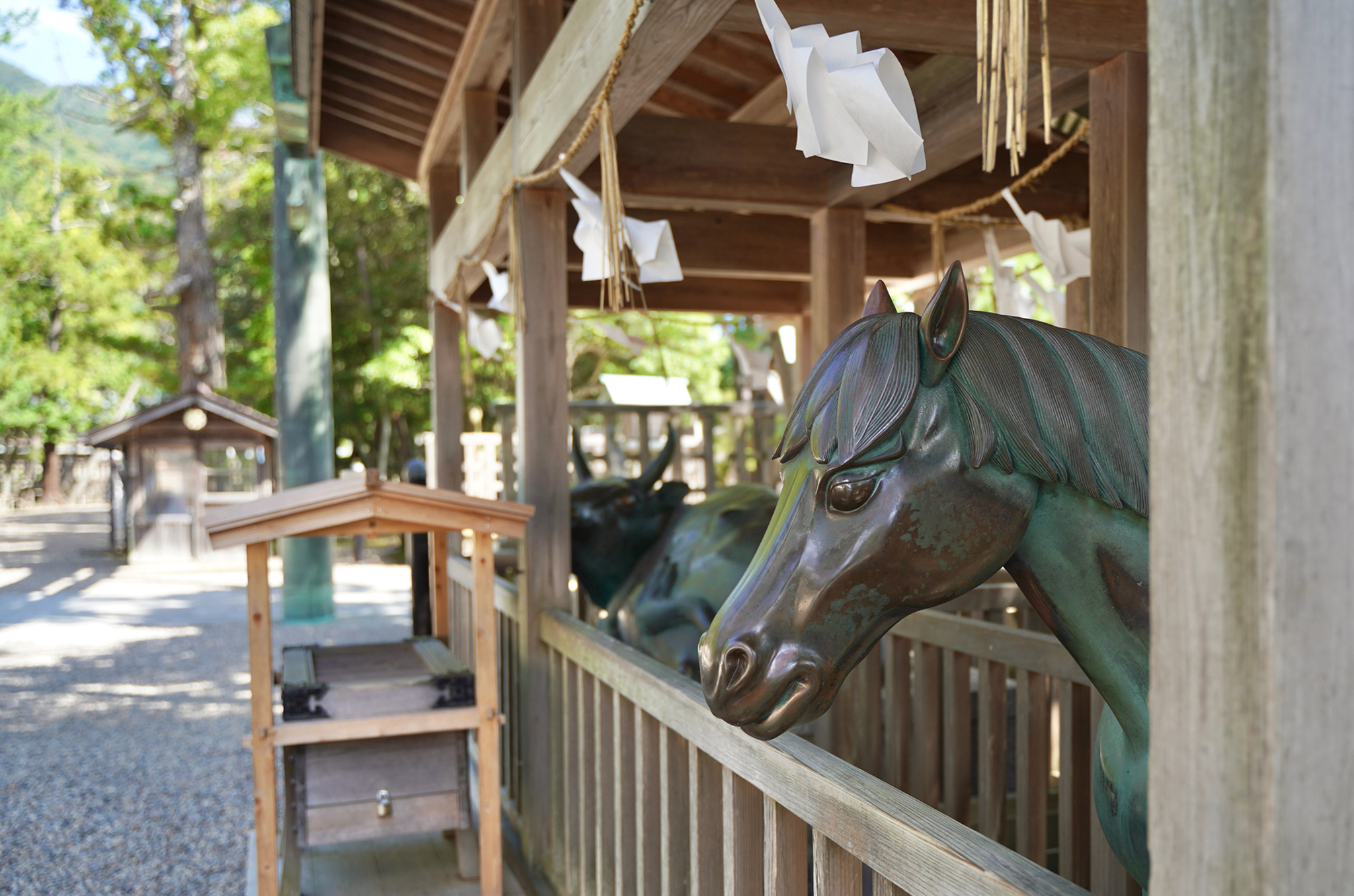
Shrines in Tokyo with Sacred Ties to Horses
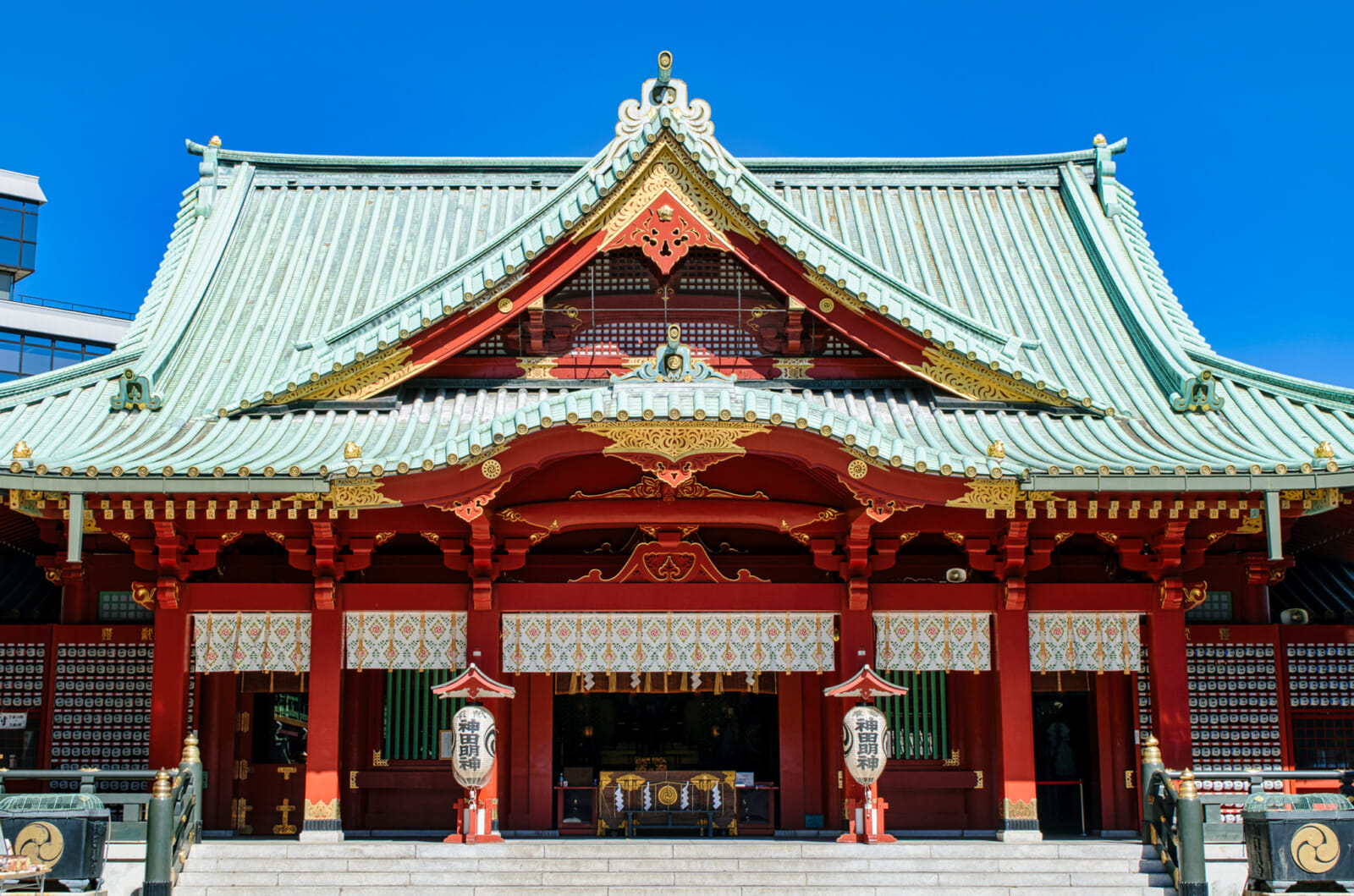
Kanda Myojin (Chiyoda)
Located near Akihabara, this 1,300-year-old shrine is frequented by business leaders, as it historically has bestowed good luck for battles. It is home to a sacred pony nicknamed Akari-chan, who will get your career moving at high speed this year.
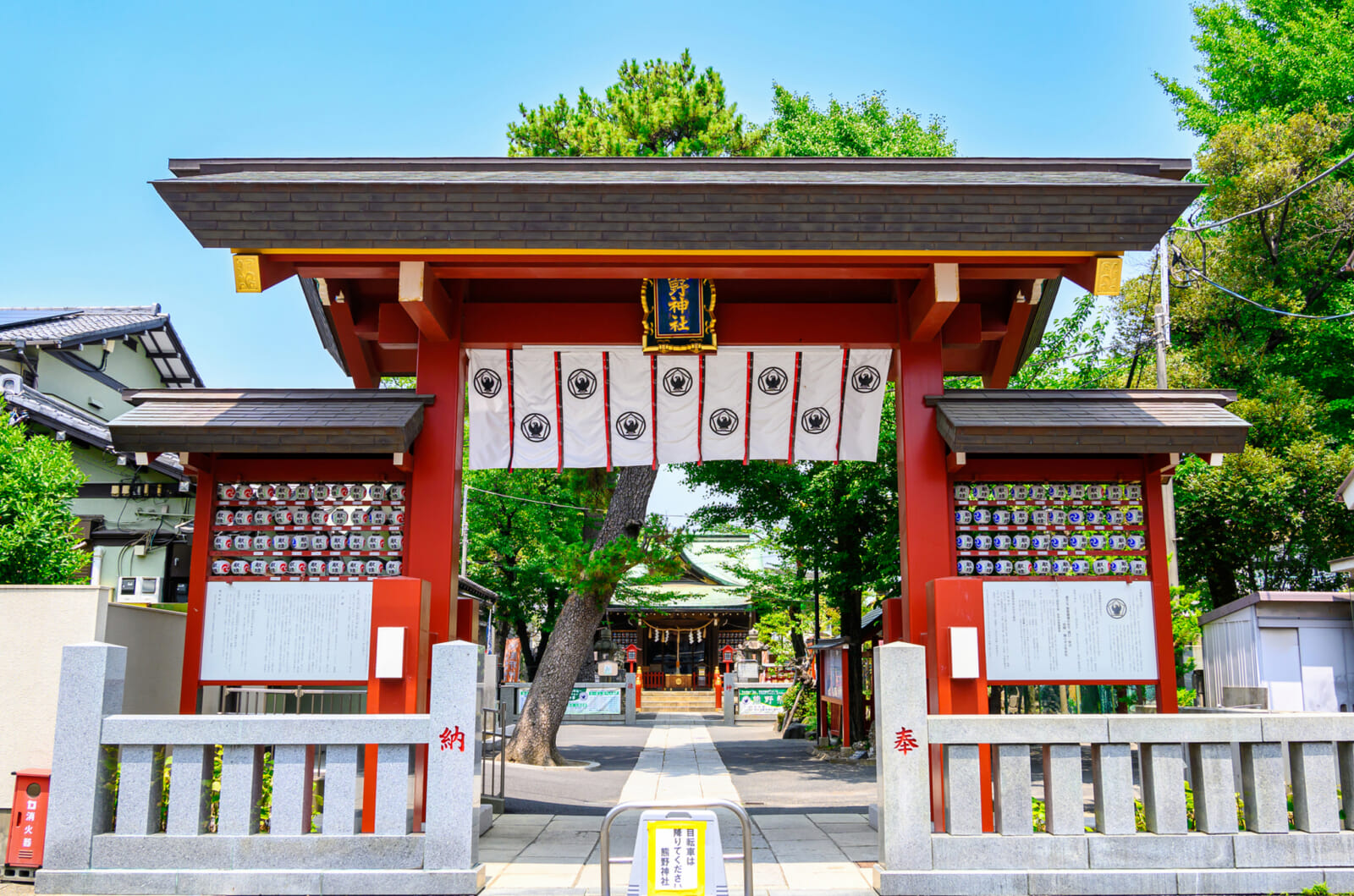
Tateishi Kumano Shrine (Katsushika)
Founded by a Heian period astrologer, this neighborhood shrine is home to three adorable miniature ponies: Kirara, Choco and Vanilla. It’s a peaceful spot to pray for protection against bad luck and disasters.
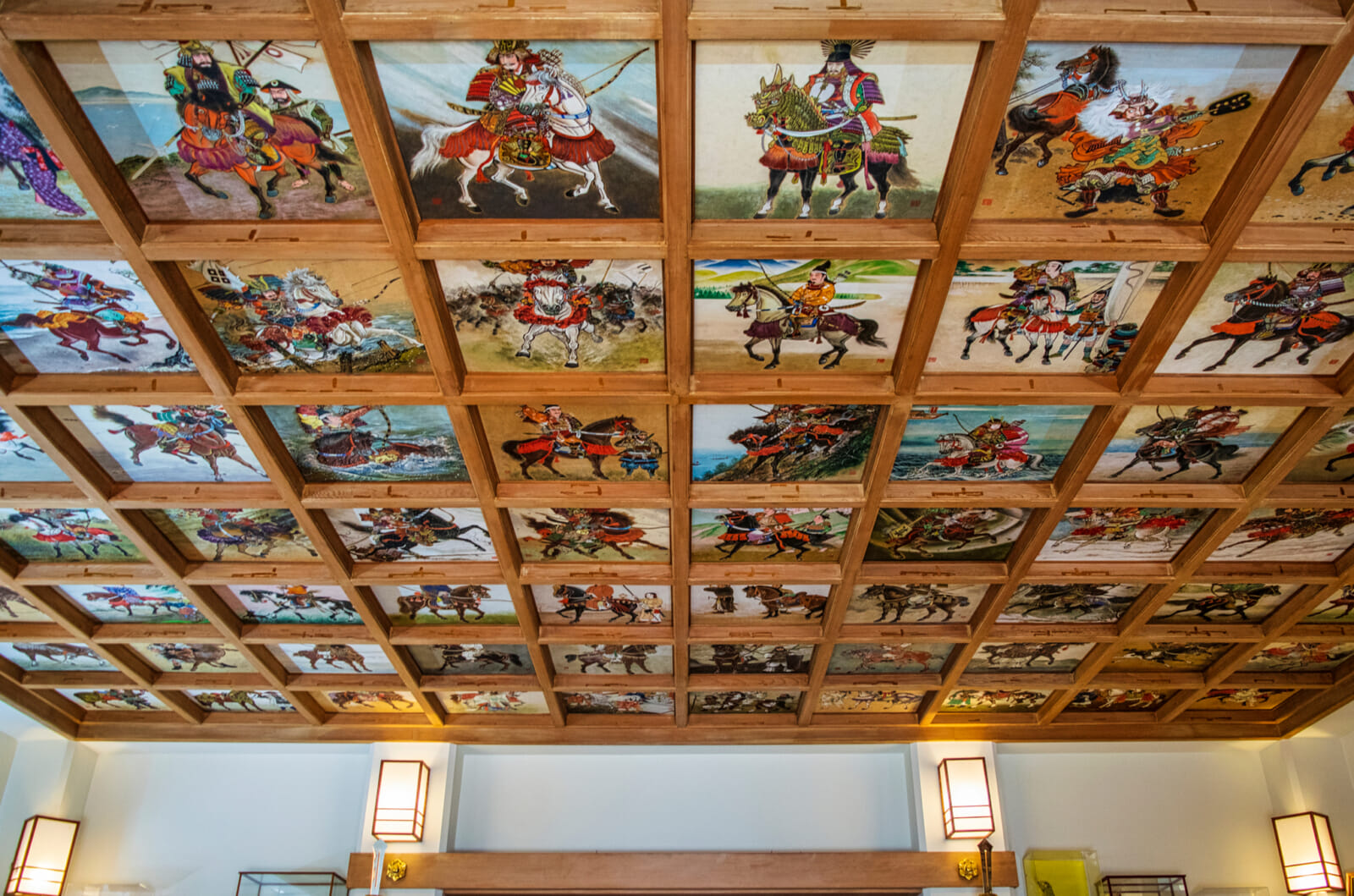
Yasaki Inari Shrine (Taito)
Said to grant prosperity and wealth, this shrine features a stunning ceiling of 100 horse paintings, capturing the long history of horseback riding in Japan. The spot is also part of the Asakusa Seven Lucky Gods Pilgrimage, enshrining Fukurokuju — the deity of happiness, wealth and longevity.