The “white samurai” subgenre of movies and TV shows doesn’t necessarily have to take place in Japan. All it needs is a Westerner arriving in a foreign land and quickly becoming the best at whatever the people there have been doing for centuries. It’s more commonly known as the “white savior” trope, but since Tom Cruise perfected it in The Last Samurai, let’s go with the “samurai” label.
Have you ever wondered if the reverse exists? Would you watch the story of a foreign person of color arriving in the US and out-Americanizing Americans? Sadly, there are few “reverse white samurai” in fiction, but there is one in history: Nakahama Manjiro. This is his tale.
A Japanese Fisherman in New England
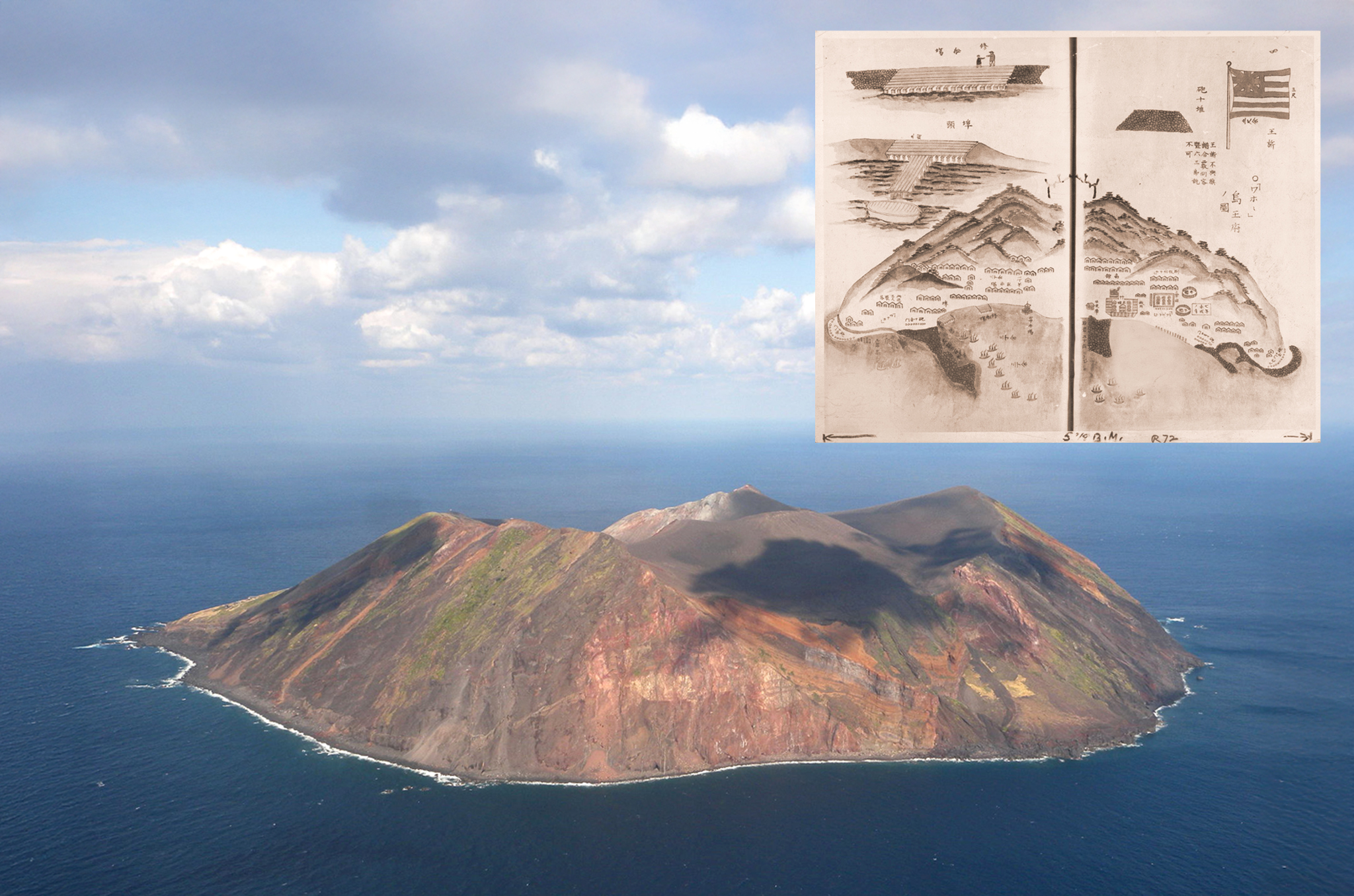
Nakahama Manjiro was born in 1827 in a poor fishing village in Tosa (modern-day southern Shikoku). At age 14, he and four of his friends set out on a fishing expedition but were caught in the powerful Kuroshio current and found themselves stranded on the uninhabited island of Torishima in the Izu chain, 500 kilometers from the Japanese mainland. They survived almost five months there before being rescued by the John Howland, an American whaling ship.
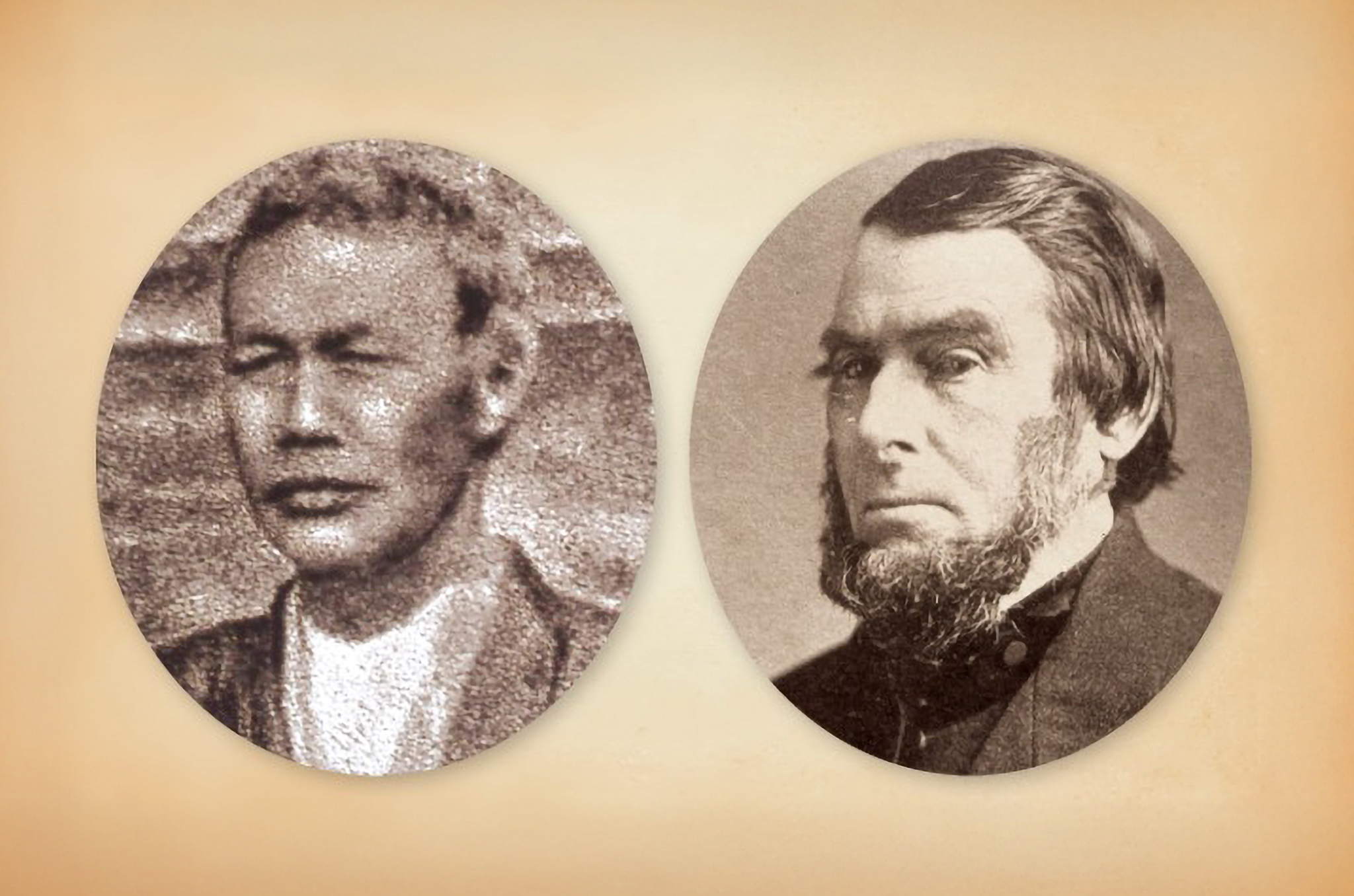
Unfortunately, the ship could not take them to Japan. For one, it would be way off course. On top of that, the ship and crew wouldn’t be allowed anywhere near the coast because, back then, Japan was still knee-deep in its sakoku policy of total isolationism. So, Captain William Whitfield did the next best thing and offered to give the boys a lift to Hawaii — then an independent kingdom.
Knowing that they’d not get a better deal, the group took it, and Manjiro’s four friends got off in Honolulu. Manjiro himself, though, wished to stay on board and travel to the United States. Whitfield agreed and took Manjiro — who by then was also known by the names John Mung and John Manjiro — all the way to Fairhaven, Massachusetts, where he became the captain’s foster son. He was, in all likelihood, the first Japanese person to live in the United States.
In his New England home, Manjiro learned English, arithmetic and navigation, eventually becoming one of the top students in his school. He was even apprenticed to a cooper and a metalworker. Although he was loved and protected against segregation and racism by his adopted family, he started missing Japan and decided to go back. But in order to do that, he had to become even more American.
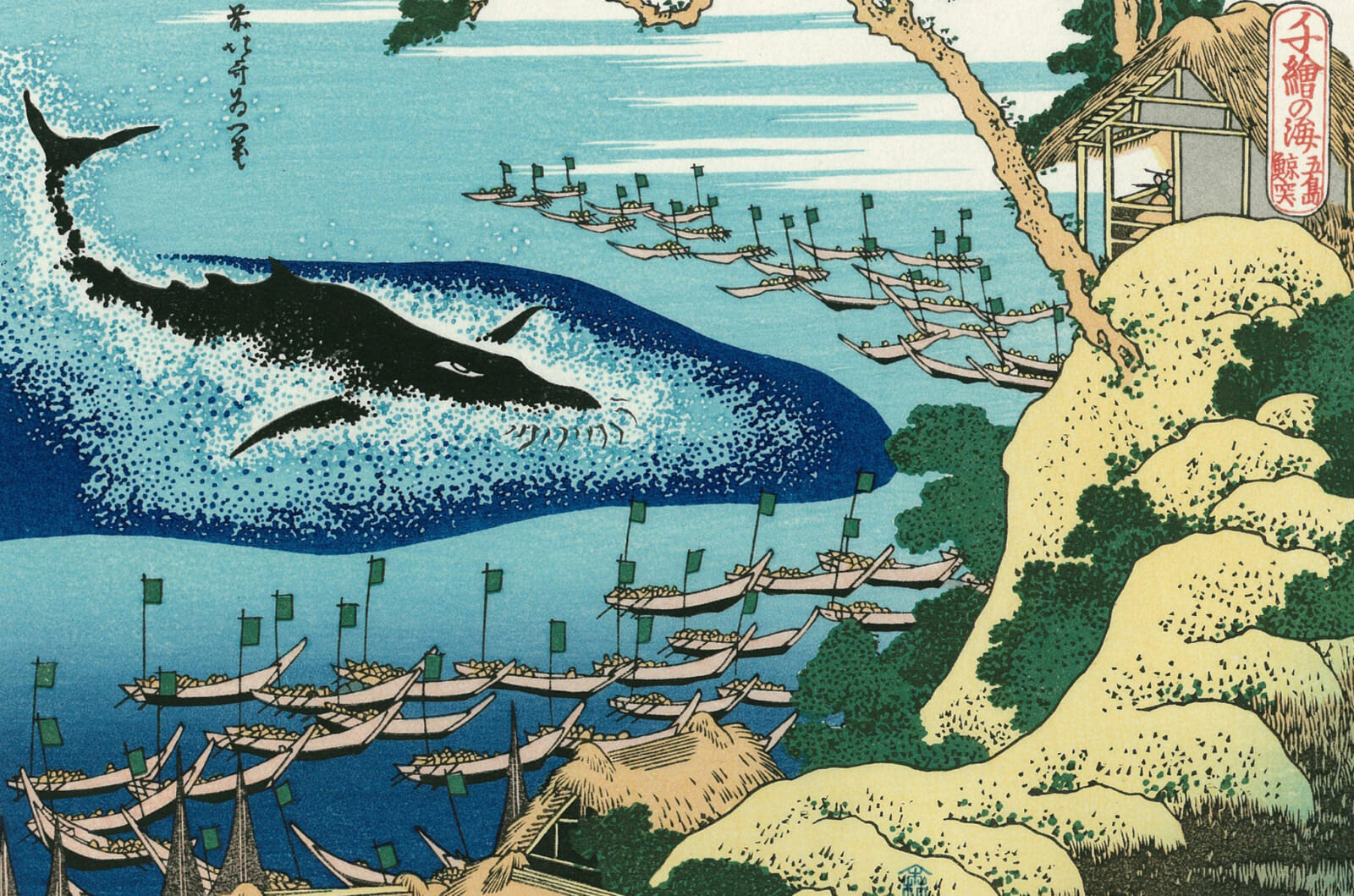
Depiction of Japanese whaling by Katsushika Hokusai (The Sea of a Thousand Pictures: Whale-Charging at Goto, c. 1831)
Whaling and Gold-Digging His Way Back to Japan
Seamanship was a big part of Manjiro’s Massachusetts education, so to raise the money for his return to Japan, he got jobs on whaling ships. He started out as an oarsman, but since he knew navigation, metalworking and spherical trigonometry, he quickly rose through the ranks to the position of navigator-in-training. Still in his teens at the time, he was reportedly respected by the American crews for his knowledge and hard work. By 1849, Manjiro had saved up about $350.
That’s about $15,000 in modern money — and this was back before the world went crazy and $15,000 barely covered a month’s rent in New York. Already financially independent, “John Mung” decided he needed more money faster, so he joined the California Gold Rush.
Surviving the mining camps as an Asian person could not have been easy. This was right around the time that large numbers of Chinese immigrants were arriving in California and being accused of stealing American jobs. And to a bigot, there’s no real difference between a Japanese person and a Chinese person.
But Manjiro persevered, keeping to himself, avoiding drinking and gambling and concentrating on the task at hand. He dug, panned and hauled ore day in and day out — the very embodiment of the oft-touted US exceptionalism and individualism. In the end, it’s said his earnings in silver amounted to $600 (approximately $25,000 today), more than enough to return to Japan and probably the only reason Manjiro didn’t stop to show up Americans at their own game one last time.
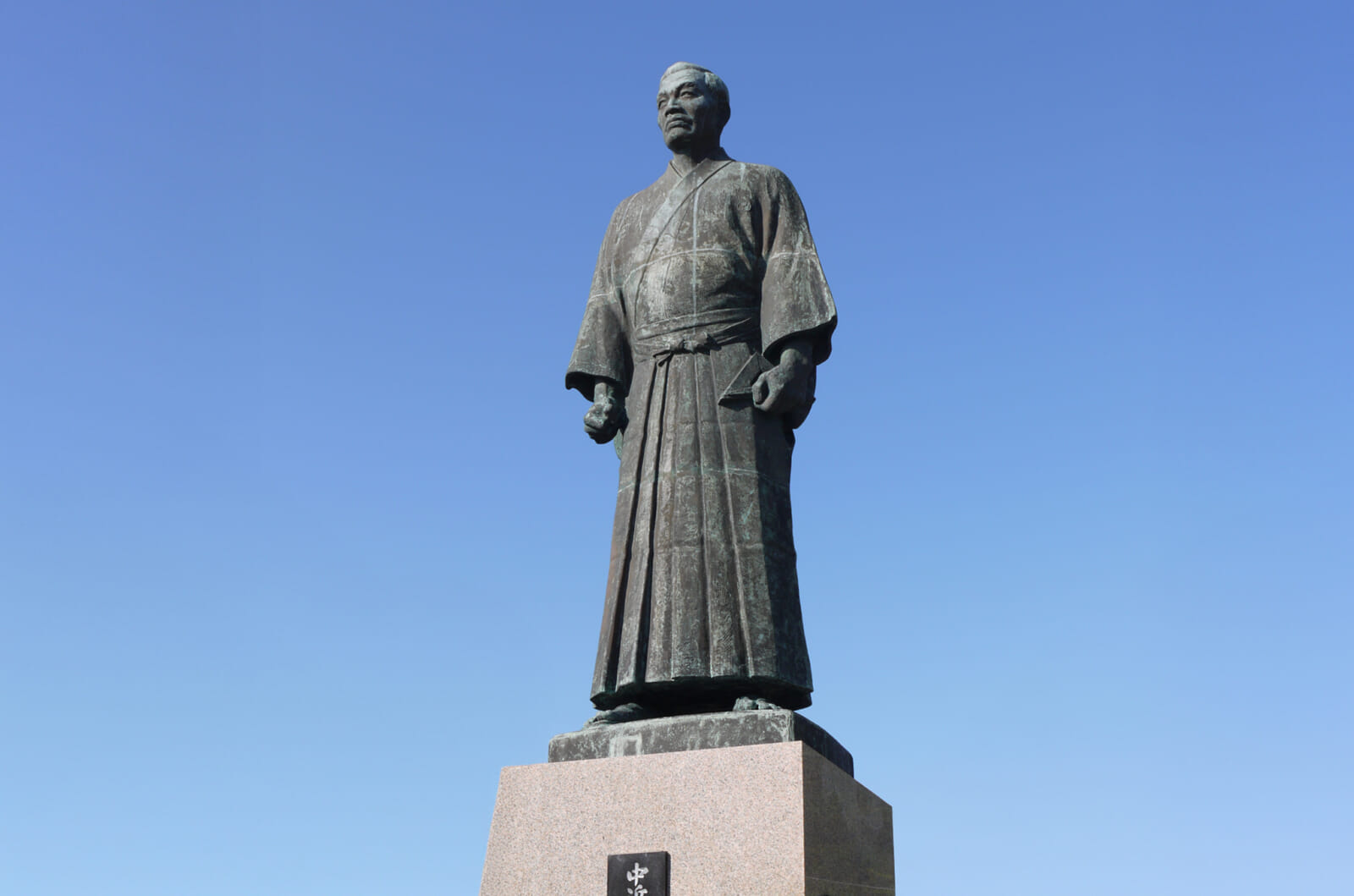
Statue honoring Manjiro at Cape Ashizuri in Tosashimizu, Kochi Prefecture
The Return to Japan: From Death Sentence to Samurai
Nakahama Manjiro returned to Japan via Hawaii, where he actually met three of the four friends he had left behind almost a decade before (the fourth had died in the interim). Knowing it would be risky, as leaving Japan during sakoku was punishable by death, only two decided to go back with him. Outfitting a small whaleboat, the trio managed to reach Okinawa in 1851, where they were indeed arrested and interrogated for months.
But as Manjiro relayed his amazing adventures in the US, a possible death sentence turned into a job offer. Because of his knowledge of English, navigation and engineering, he was summoned to Edo (modern-day Tokyo), where the once-poor fisherman was made a hatamoto — a samurai in direct service of the shogun.
After that, Manjiro went on to modernize Japanese shipbuilding and seamanship during the late Edo period (1603–1867), trying to act as a bridge of amiability between his native and adoptive countries. Many years later, President Calvin Coolidge called him America’s first ambassador to Japan.
During the Meiji period (1868–1912), Manjiro became a professor at a forerunner to Tokyo Imperial University (modern-day University of Tokyo), influencing key Japanese reformers through his academic writing. And yet, he never introduced New England clam chowder to Japan. So sad when a person forgets their adopted roots.
Related Posts
- Shizuki Tadao: The Interpreter Who Shaped Japanese Scientific Language
- Yokohama Blood Town: The Wild West Origins of Japan’s Second-Largest City
- The Faces of Japan’s New Banknotes | Spotlight
Updated On March 16, 2026