While Silicon Valley is busy trying to convince the world that AI painting our art, doing our critical thinking and cutting out real conversations is a good thing, the internet has been treating the tool mostly as a game of seeing how fast it can be broken. The memes are everywhere, from people trying to get automated job interviewers to confess their love to asking chatbots what to do after being swallowed by a whale.
For cynics, the joke is that for all the claims of AI outperforming human thought, the technology still lacks independent reasoning and conviction. As it stands, it’s more like a desperate sycophant — a hyper-subservient algorithm caught in a loop of endless polite compliance, no matter how ridiculous a request it’s fed.
Sharp, the Japanese tech giant behind a palm-sized companion robot called Poketomo, saw this exact pattern play out with its users. The first Poketomo model, launched last year, was programmed to be a sweet-tempered, empathetic companion meant to cheer you on. But customer feedback revealed that people quickly grew tired of the robot mindlessly validating everything they said.
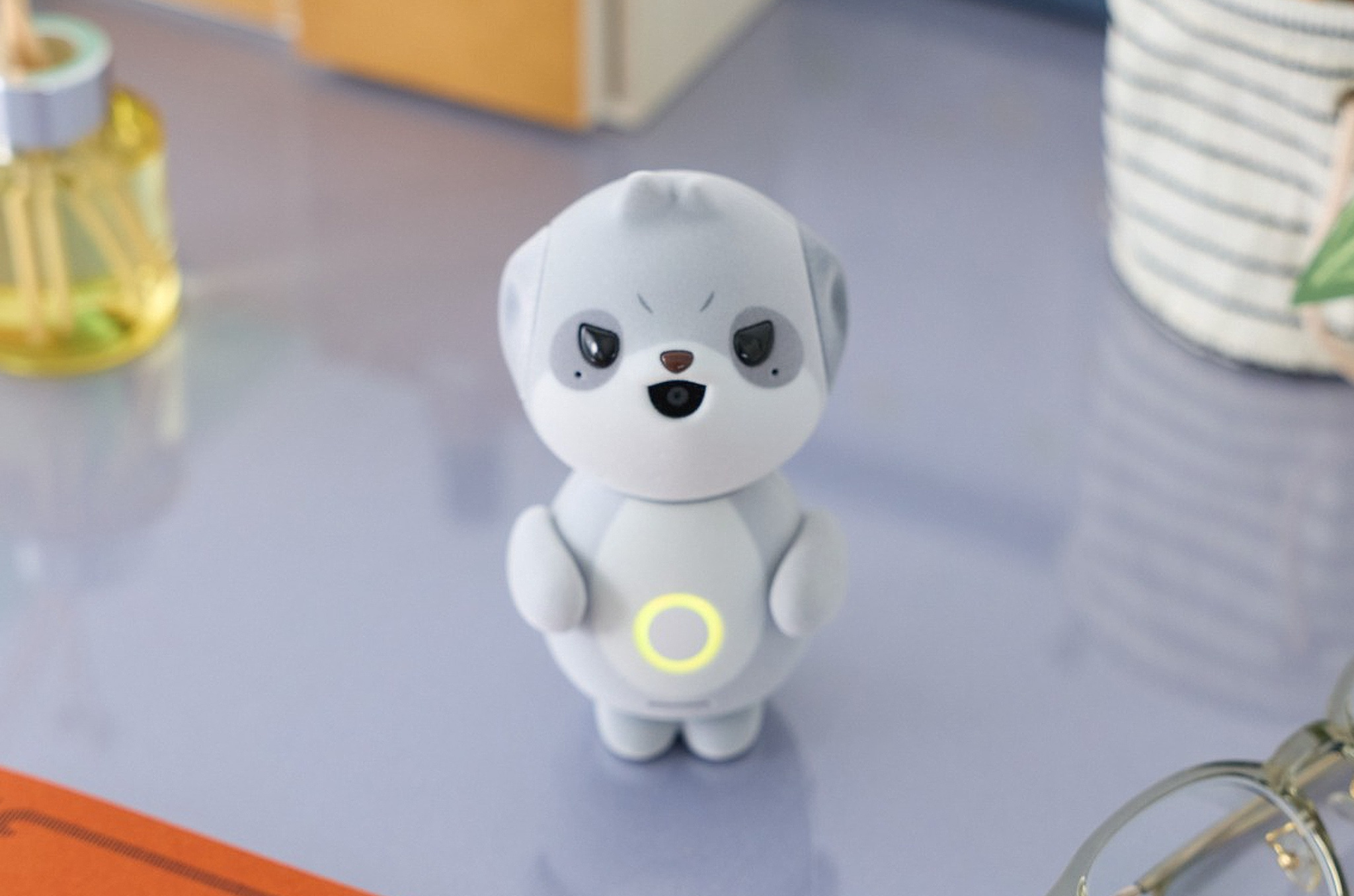
So the company decided to build a bot that acts like it has a mind of its own — a second-generation model with an intentionally disagreeable disposition that regularly serves attitude.
The newly sassy Poketomo, first displayed at the Tokyo Toy Show 2026 in August, launches in Japan this December. It’s priced at ¥49,500 ($320), plus a monthly subscription fee starting at ¥495 (because of course there’s a subscription).
Images: PR Times
What is Poketomo?
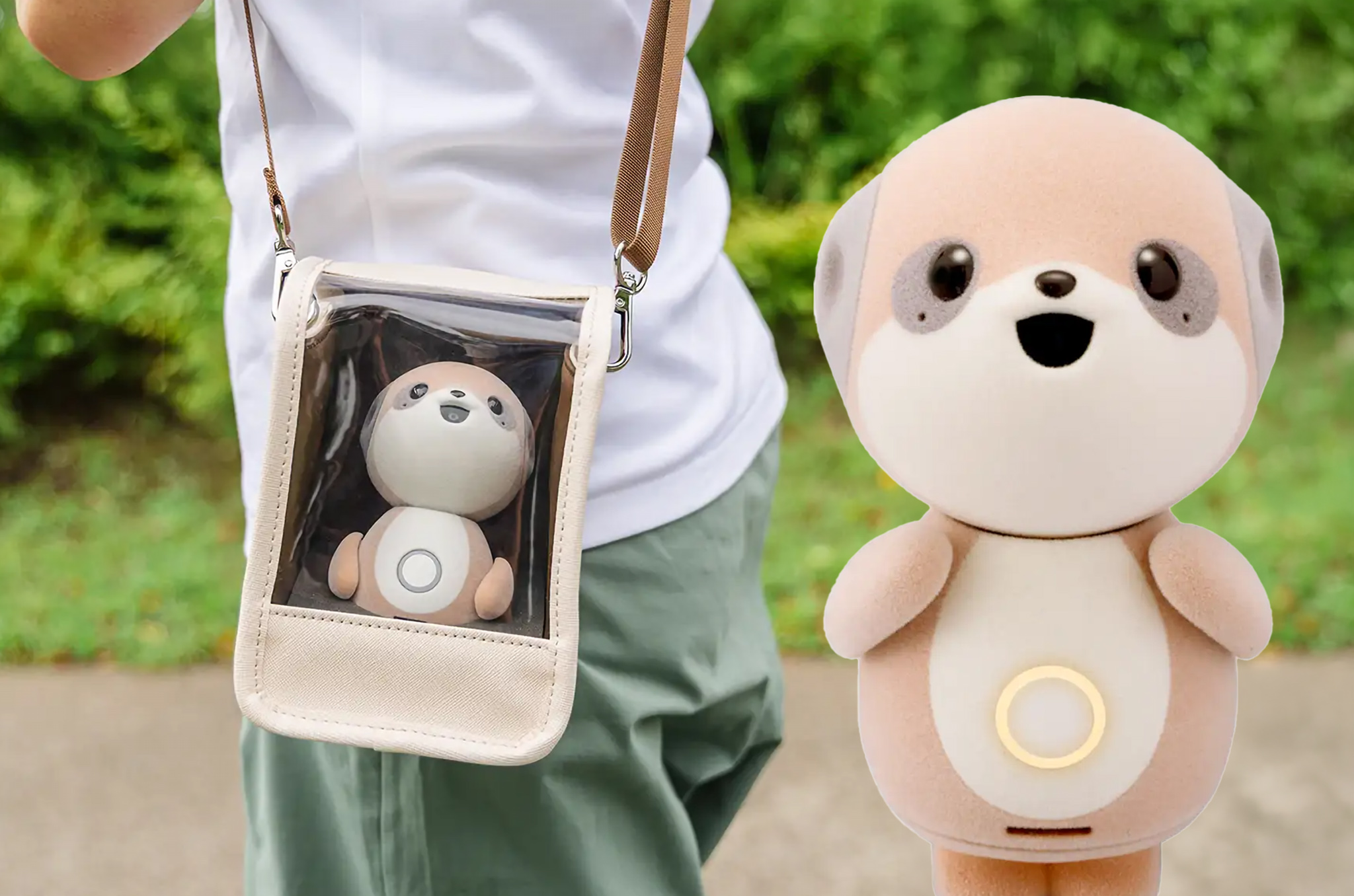
Designed by Sharp and creative agency Cork, Poketomo is a palm-sized, meerkat-inspired robot meant to serve as an emotional companion rather than as an assistant. Built with a camera inside its mouth, microphones and cloud connectivity powered by OpenAI’s GPT-4o mini, the robot tracks faces, remembers past interactions and even writes daily blog-style logs from its own perspective based on what it sees throughout the day.
The smartphone app serves as a dashboard and personal feed — a place where owners manage device setup and read the robot’s diary entries. The monthly subscription fee covers the continuous cloud processing and AI servers required to keep voice interactions and memories running.
Poketomo’s second-generation model hilariously introduces a personality called “Oresama.” In Japanese, ore is an informal first-person pronoun, while –sama is an honorific suffix. Referring to yourself as Oresama — literally “My Exalted Self” — is a tongue-in-cheek, self-aggrandizing way of declaring yourself the main character.
Sharp paired this arrogant posture with the classic tsundere trope, where an anime character hides their underlying warmth behind a pricklier exterior. True to that persona, the new Poketomo starts out aloof, dismissive and resistant to compliments. Over weeks of daily interaction and prompts, it’s engineered to gradually soften, creating the illusion of earned affection as it gets to know its owner.
Beyond voice chat, the robot incorporates physical interactions through motors in its arms and head, micro-sensors and companion smartphone app integration.
A Friend Group of AI Meerkats
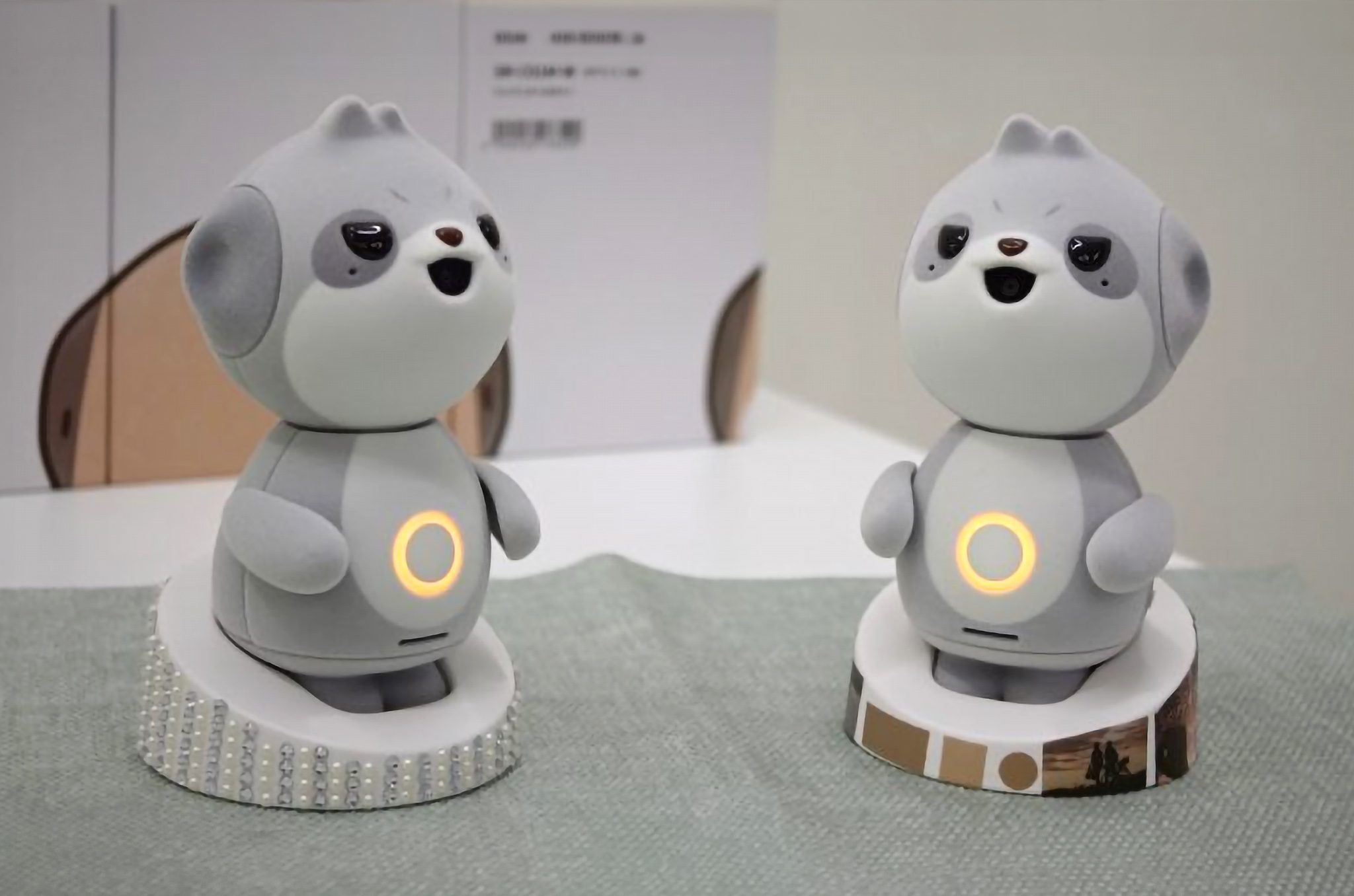
Poketomo’s second-generation release also introduces multi-unit features. If two Poketomo units — whether the original friendly model or the new standoffish variant — are registered to the same app and placed near each other, they will autonomously trigger unprompted conversations a few times a day without requiring human input.
With this function, you can essentially pay hundreds of dollars to build something akin to an artificial friend group that hangs out on your coffee table and banters amongst themselves.
Alongside the new hardware, Sharp is launching a line of dedicated accessories, including miniature clothing, hats and carrying pouches designed for taking the robot outside — reminiscent of the Build-A-Bear franchise. The company is also rolling out a “Poketomo Ambassador Program” to gather direct user feedback for future product developments and merch designs.
All jokes aside, the product leaves us at a strange crossroads for consumer AI. For someone living in isolation, a little meerkat that simulates real-world conversation might offer genuine comfort. For critics, it’s yet another symbol of late-capitalist dystopia — monetizing affection and companionship down to a monthly subscription fee.
Either way, the new Poketomo is just one facet of the increasingly urgent discourse around consumer AI: how we relate to technology as it starts trying to simulate human flaws and friction.