
In an unassuming seaside town in Kyushu, the writer and photographer Prairie Stuart-Wolff has started something quietly extraordinary: a salon where guests are encouraged to fully immerse themselves in nature, feeling the progression of the seasons through minute changes observed every day.
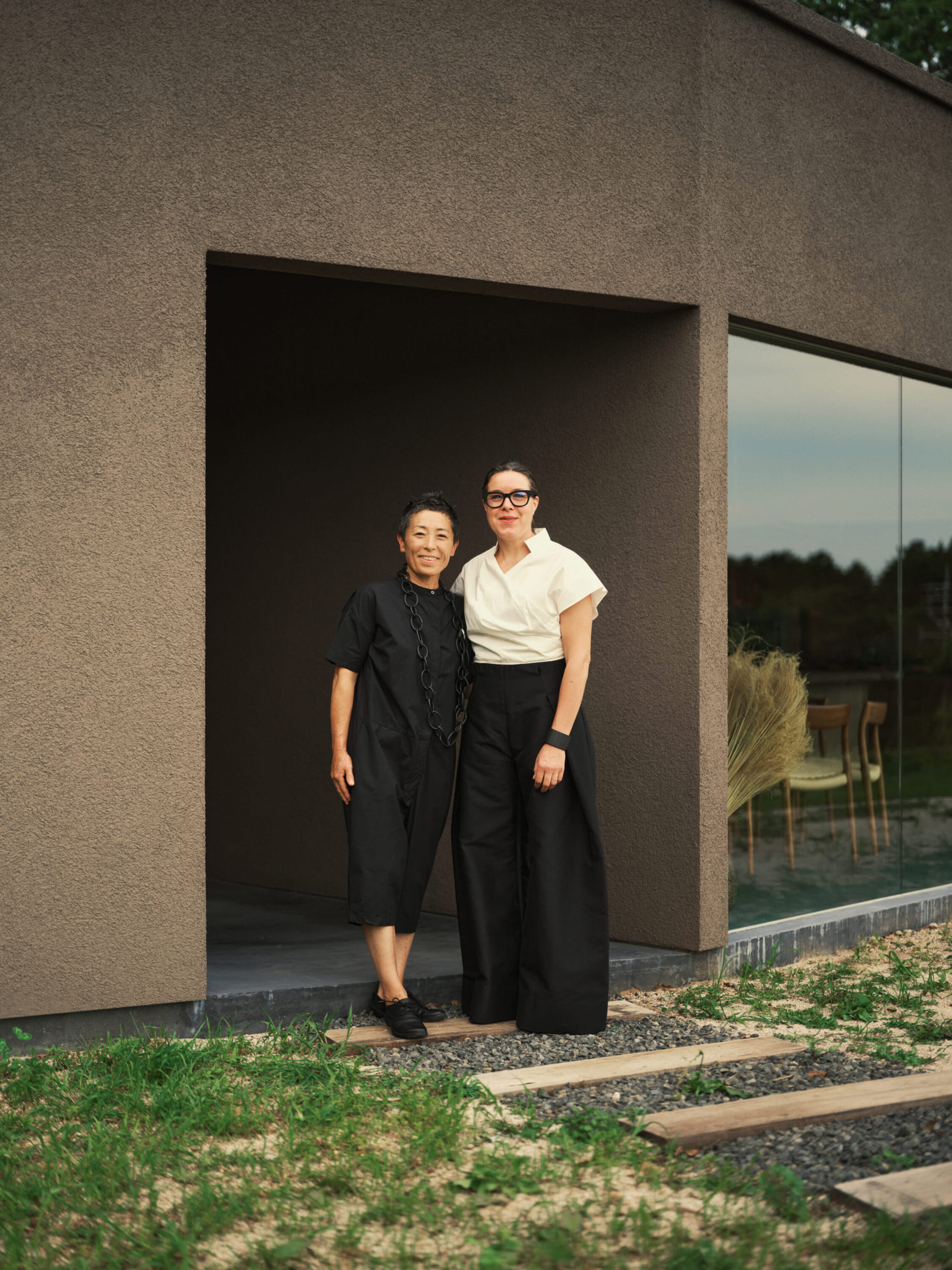
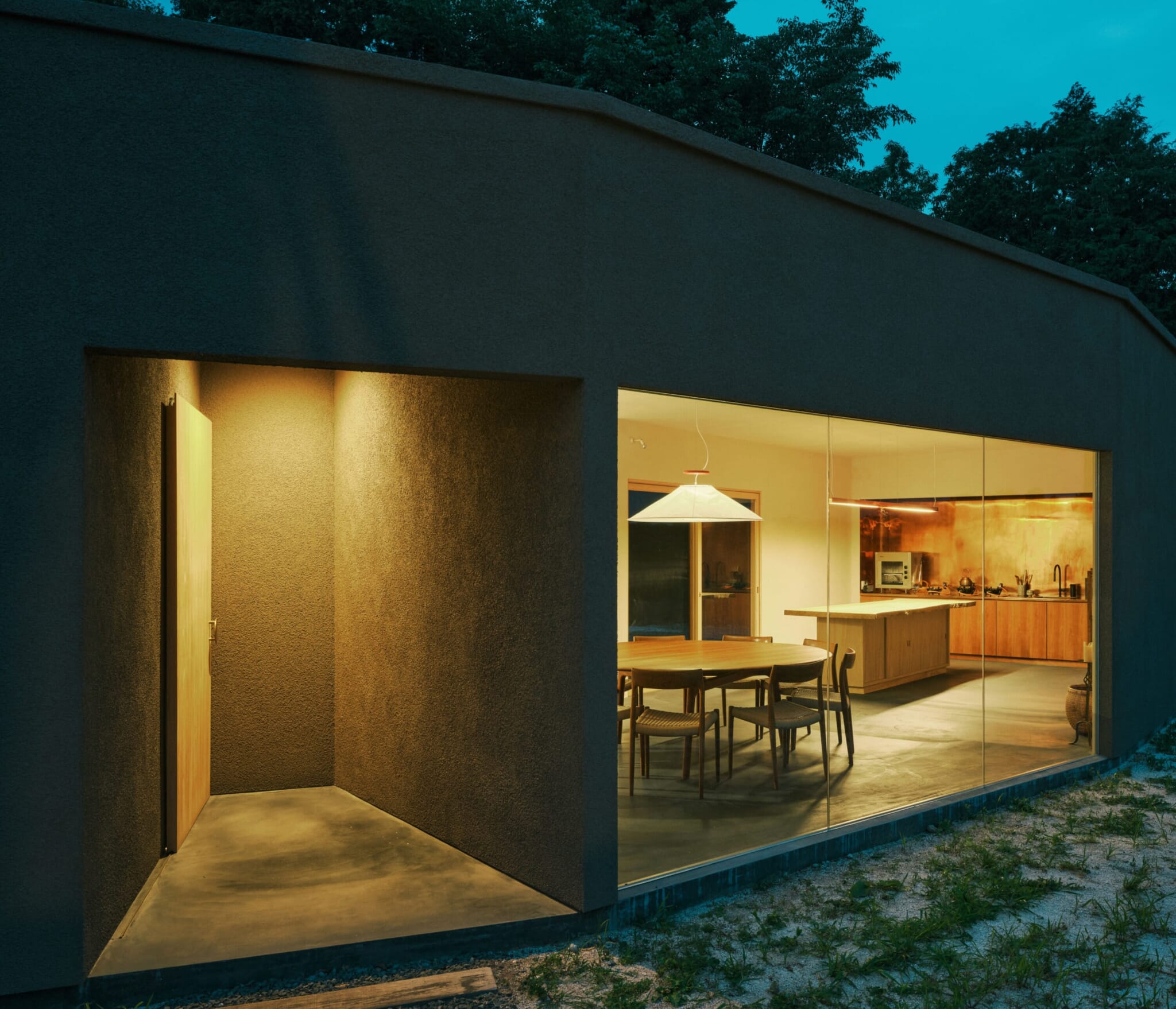
Mirukashi Salon specializes in intimate, food-focused retreats, rooted in the idea of Japan’s 72 microseasons, which span four to five days each. Stuart-Wolff runs it out of a custom-built space in Saga Prefecture with her wife, Hanako Nakazato, who comes from a legendary family of potters.
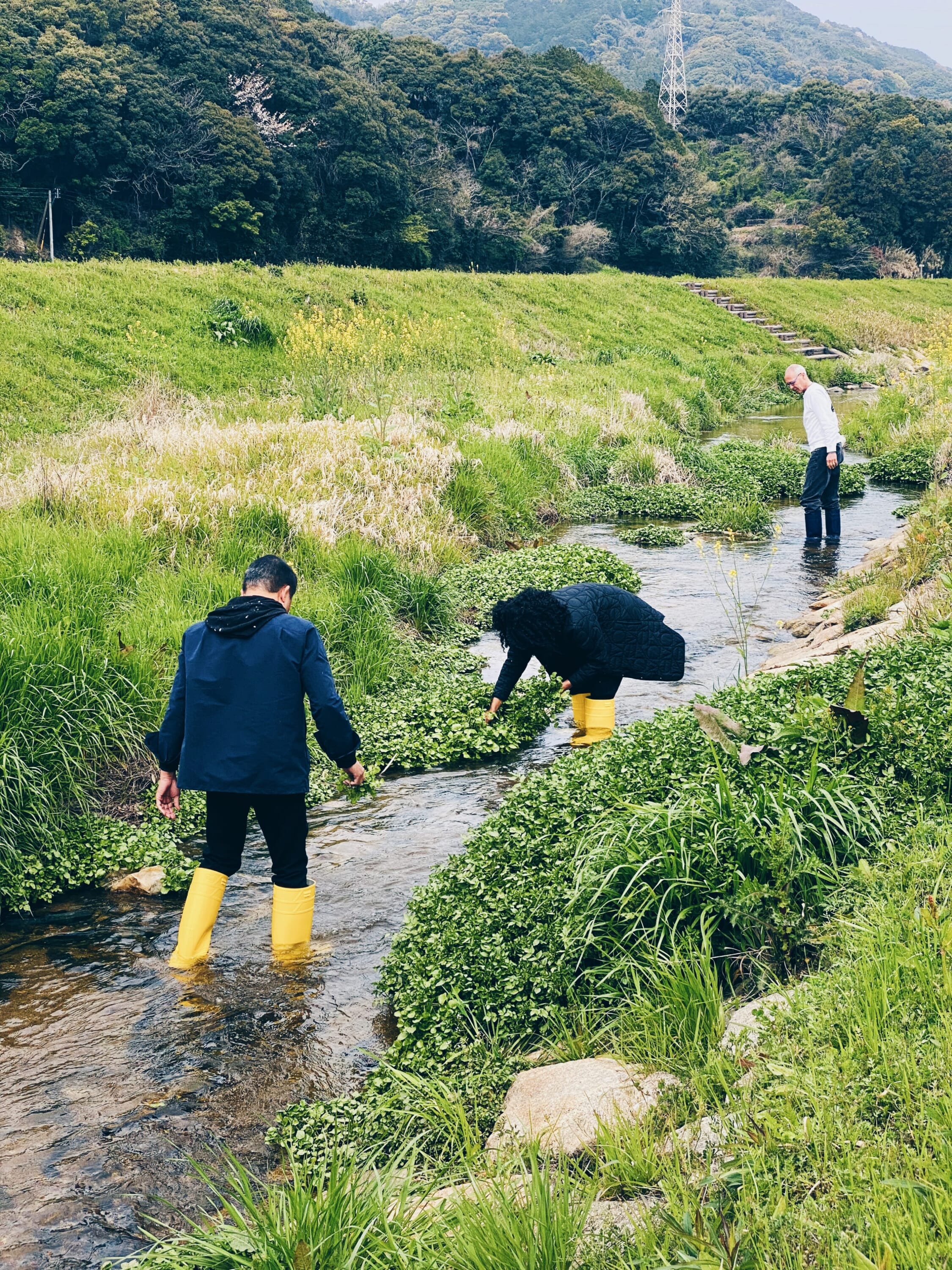
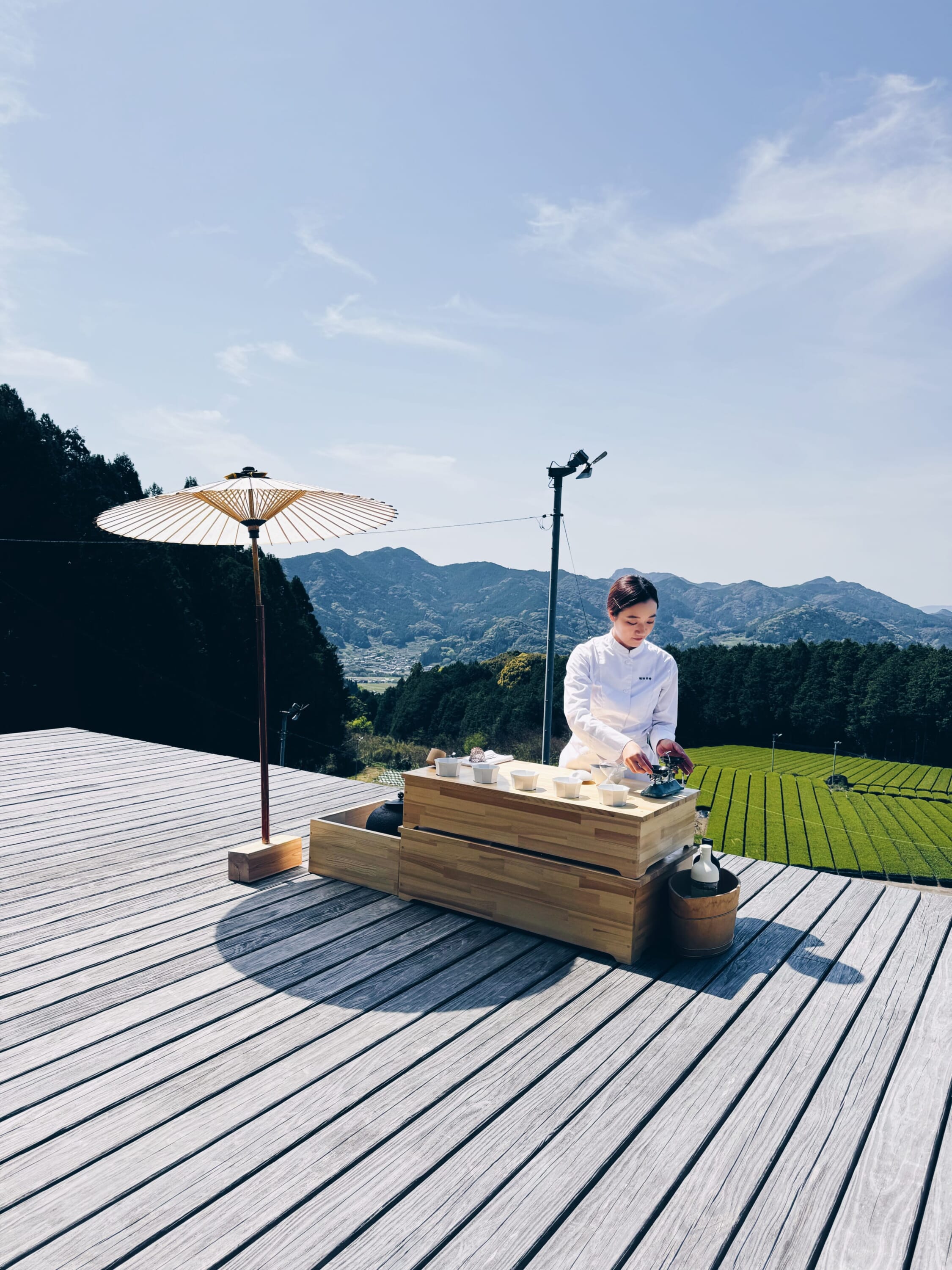
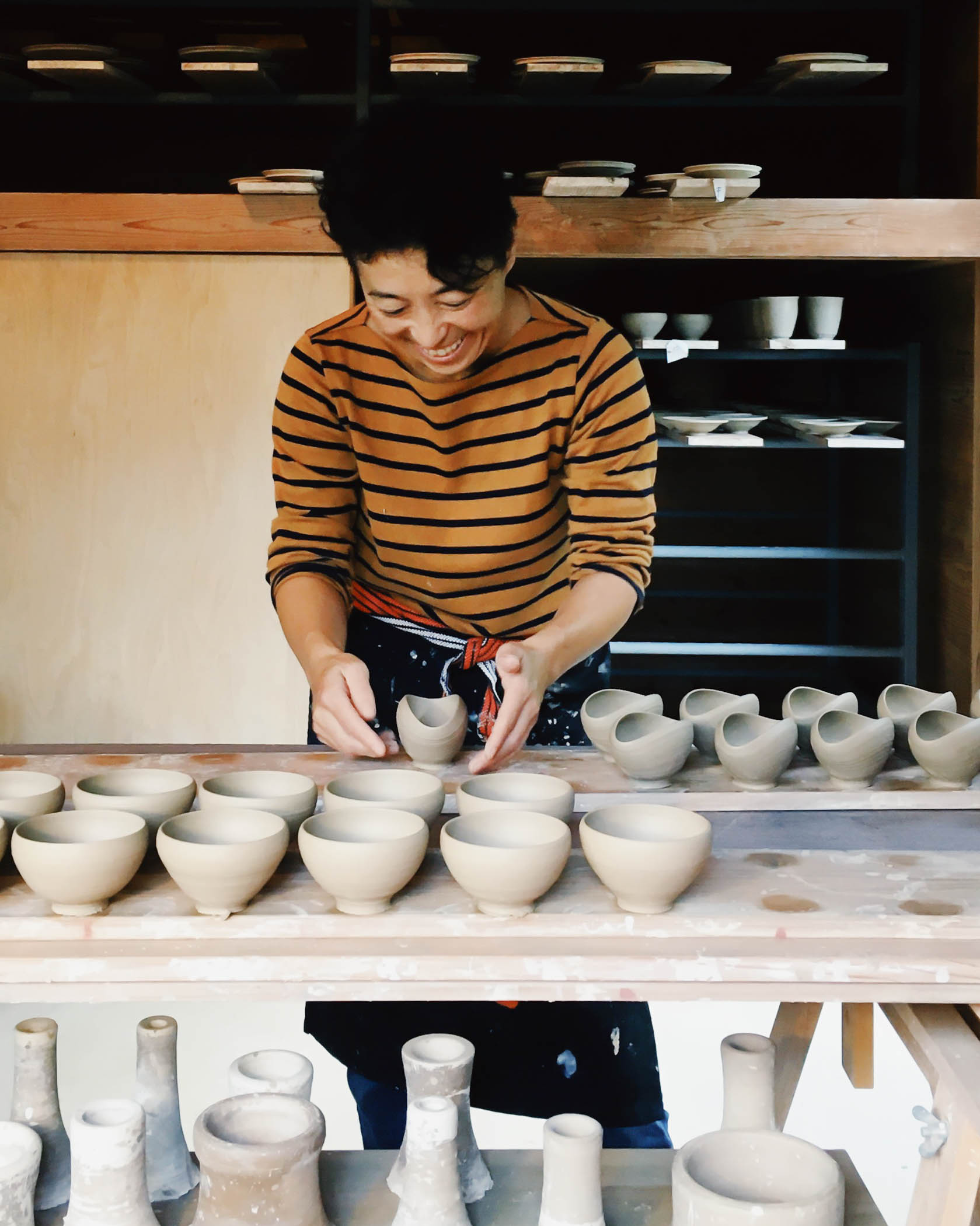
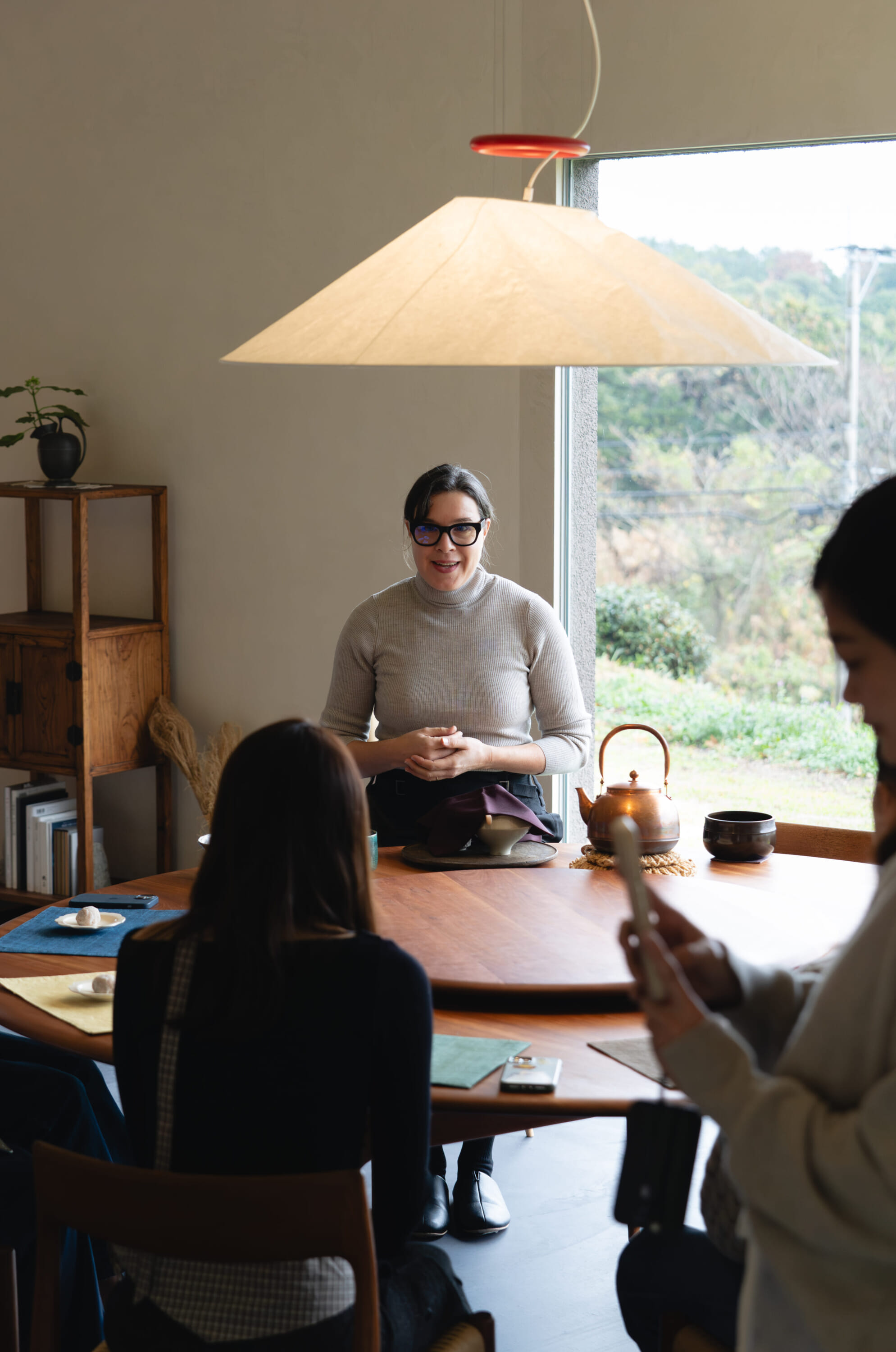
The facility typically hosts a handful of sessions per year for small groups of visitors, each lasting the length of a microseason. While staying at a nearby hotel, guests harvest their own seasonal ingredients, cook alongside Stuart-Wolff in her purpose-built copper kitchen, dine at local restaurants and visit ateliers specializing in regional crafts, including Nakazato’s own pottery studio.
What began as a personal journey for Stuart-Wolff has rapidly captured the world’s imagination. Last year, Mirukashi Salon was named one of Time magazine’s World’s Greatest Places, and has been covered in major global publications from Afar and Travel + Leisure to Condé Nast Traveler. But its appeal lies less in its accolades than in a philosophy of travel built around slowing down, eating locally and paying close attention to the rhythms of the natural world.
The Story Behind Mirukashi Salon
Nearly two decades ago, Stuart-Wolff left her home in New England to join Nakazato in Karatsu. When she arrived, she had barely any experience with Japanese language or culture. “I met Hanako in the States,” Stuart-Wolff recalls. When she first arrived in Japan, she says, “I landed with a total blank slate of just: Let me see what this place is and what resonates with me. I’m grateful because there’s a little bit of danger to knowing too much; you end up traveling to a country looking for affirmation of what you think you know about it.”
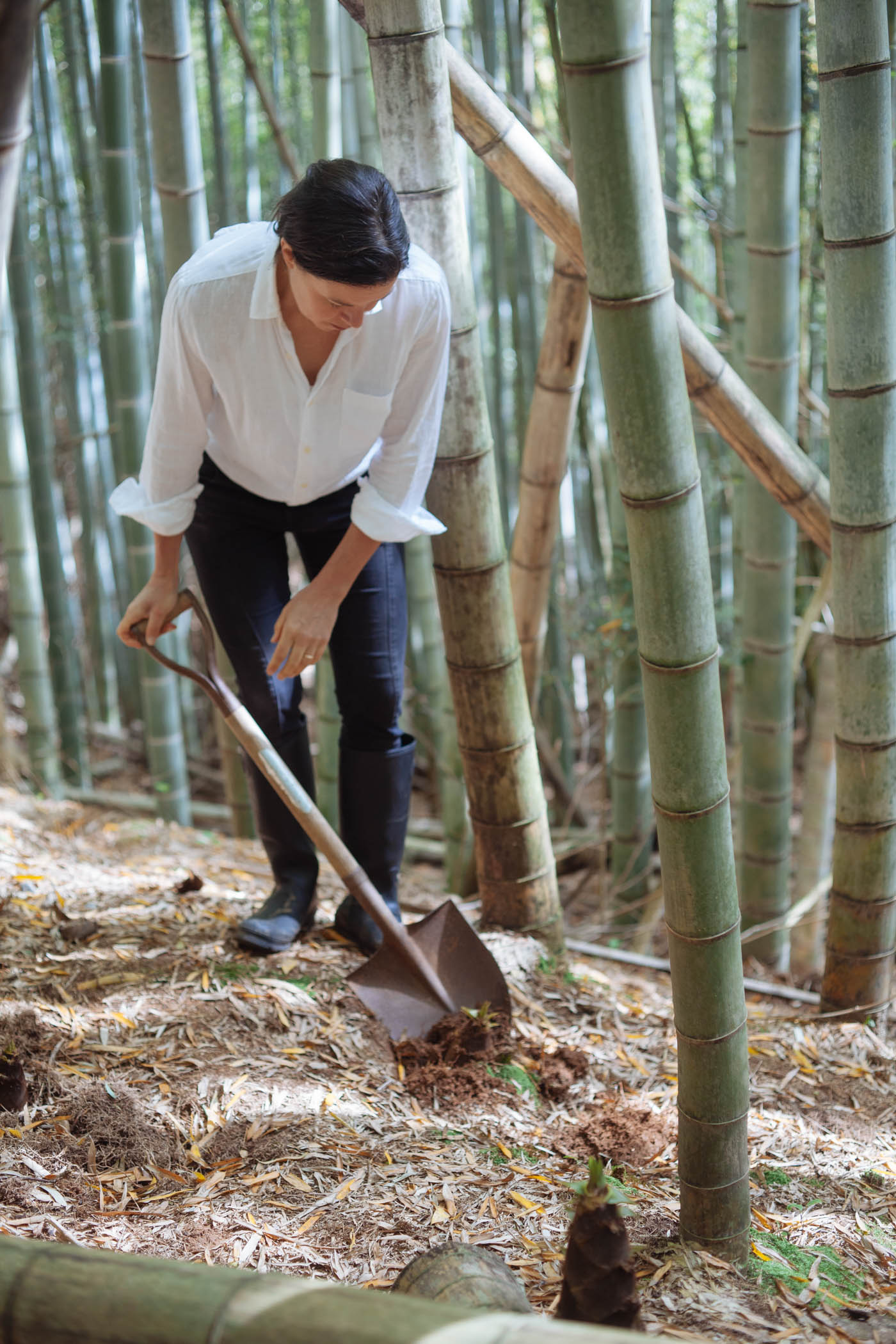
Her entry point into Japanese life was the family kitchen, standing alongside her mother-in-law. The two women connected through washing dishes, preparing seasonal ingredients like wild bamboo shoots and filling the dining table with food they’d harvested themselves. Her mother-in-law would chat away in Japanese while Stuart-Wolff helped intuitively, creating a silent dialect of culinary labor.
“We had this shared focus that allowed us to occupy a space together and be productive without actually needing words,” she reflects. Food became her doorway into both the culture and the family she had married into.
Mapping the 72 Seasons
As Stuart-Wolff’s connection to the countryside deepened, she began documenting her observations online, blogging about the subtle ecological shifts that surrounded her. Over time, she discovered that Japanese agriculture historically observed 72 microseasons (or ko), which divide the year into small increments marked by natural phenomena like “rice ripens” or “wagtails sing.”
“I really latched on to it because it became this beautiful architecture on which I could map my experiences,” she explains. “There’s an enormous shift between when spring starts and spring ends, so this notion of there being much shorter periods of time in which there are more subtle shifts made a lot of sense to me. Every five days, something is changing. The light is changing. The air is changing. Flora is changing.”
Stuart-Wolff’s cadence is remarkably calm and unhurried, and her voice lightens even more when asked about her favorite microseason. “I’m always torn. That’s like being asked who your favorite child is,” she says with a laugh, but ultimately points to mid-April. “In Karatsu, it’s a time when you can fashion a whole meal out of things that you forage. You have bamboo shoots coming up, you have the sansho [Japanese pepper] tree leaves coming out … Maybe you still have a little bit of warabi [bracken fern] out in the fields,” she says. “There’s just an abundance of things growing that you can eat, and you really feel like the earth is so high up again.”
The Partnership at the Heart of the Retreat
At the heart of Mirukashi Salon is an intimate creative partnership between Stuart-Wolff and Nakazato that mirrors a key concept of Japanese cuisine: food and the vessel that holds it are inextricably linked.
“She’s a prolific potter,” Stuart-Wolff says of Nakazato. “Seeing her work sparks new ideas for a way to present a dish I’ve made many times, or even a whole new dish.” Conversely, Stuart-Wolff’s culinary experiments inspire Nakazato to explore fresh ceramic shapes and glazes. “She gets to see her work in use through me, and then sees this brand new audience use it. The comments guests make are often quite inspiring and spark ideas she never thought about before.”
Navigating rural Kyushu as an international, same-sex couple presented its own unique set of dynamics. Unlike Stuart-Wolff’s home state of Vermont, countryside Japan offered little initial context for a queer couple. “My biggest challenge was just visibility,” she explains. “In the countryside, lack of exposure meant there was a lack of vocabulary and understanding. Nobody really could see or infer who I was and why I was there.”
Over two decades, the couple has found a wonderful community in their home of Karatsu. For other queer or foreign creatives hoping to find their place in a traditional community, Stuart-Wolff offers a simple philosophy: “Learn the rules and then break them,” she says. “Spend a good amount of time really understanding the local dynamics, and be as respectful as possible until you feel like you are fluent in the local culture. Then start to bring back the aspects of yourself that you can’t live without.”
Staying at Mirukashi Salon
Mirukashi Salon keeps its scale intentionally small. Public sessions are capped at seven guests and hosted roughly seven times a year, typically during key seasonal transitions in spring and autumn. For travelers seeking a more bespoke experience — couples, families or small groups or friends — private salon bookings are also on offer.
For Stuart-Wolff, this approach honors the true historical meaning of a salon: a gathering where participants and hosts hold equal weight in shaping the environment.
“Each salon session is unique in that microseasons are different every year,” Stuart-Wolff says, “but it’s also unique in that we bring these five, six, seven people together at the table. People are bringing their history, their ideas, their interpretations of what they’re seeing. For me, that’s the point of the program: I present something for people to experience, but they are shaping that as well in their time together.”
In an age of bustling tourism and action-packed itineraries, Mirukashi Salon invites guests to experience travel at a slower pace, turning their attention back to the earth. As Stuart-Wolff reflects, the beauty of the microseasons lies in the familiarity of their annual return, and in the small differences each year brings: “They’re a beautiful way to mark time because it happens every year — there’s a familiarity and a comfort to it, but every year is different. So every year is exciting.”
For those willing to slow down and pull up a chair, the salon gives us a gentle reminder that the extraordinary is always unfolding right in front of us.
How To Book
Book your own salon experience from their official website.