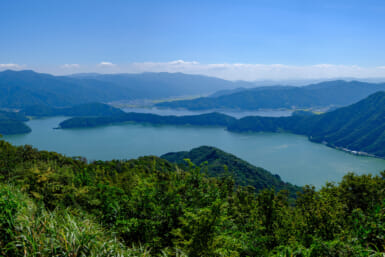
In the 1640s, near the end of his life, Miyamoto Musashi — Japan’s most legendary swordsman — entered a cave in the lush hills of Kumamoto to write The Book of Five Rings, a deeply philosophical martial arts treatise drawing upon the five Buddhist principles. Locals and travelers alike still make the trip to this storied city in Kyushu in search of Reigando cave’s powerful, almost transcendental silence, humming quietly above the vibrant city beneath.
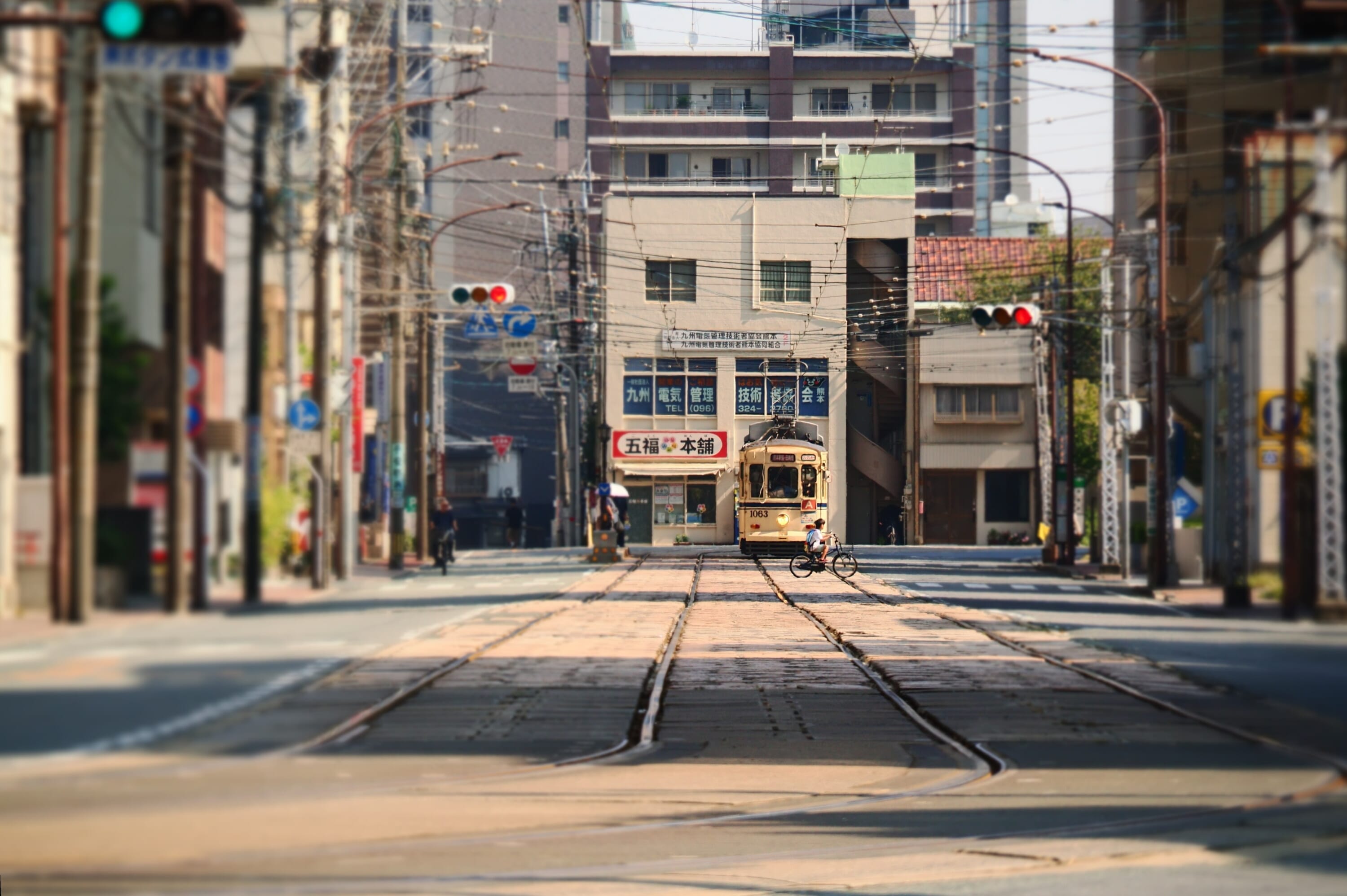
Beyond the cave, Kumamoto city brings history to life. Kumamoto Castle’s black facade imposes over the city’s downtown, and a charming, century-old tram rattles around its perimeters, carrying commuters and shoppers as it has for generations.
To hop aboard yourself, you can pick up a one-day tram pass at Kumamoto Station. You can also purchase a luggage delivery and 24-hour tram pass set online; with this service, you can drop off your luggage at Kumamoto Station and have it forwarded directly to your hotel.
With the tram pass, you can see most of Kumamoto City’s sights on foot and by tram.
Read on for the best of what Kumamoto has to offer: rich history, an incredible food scene (even for Japanese standards) and the chance to become a samurai with Akinori Matsunaga — the 18th-generation successor of Musashi’s Niten Ichi-ryu, the two-sword school he founded.
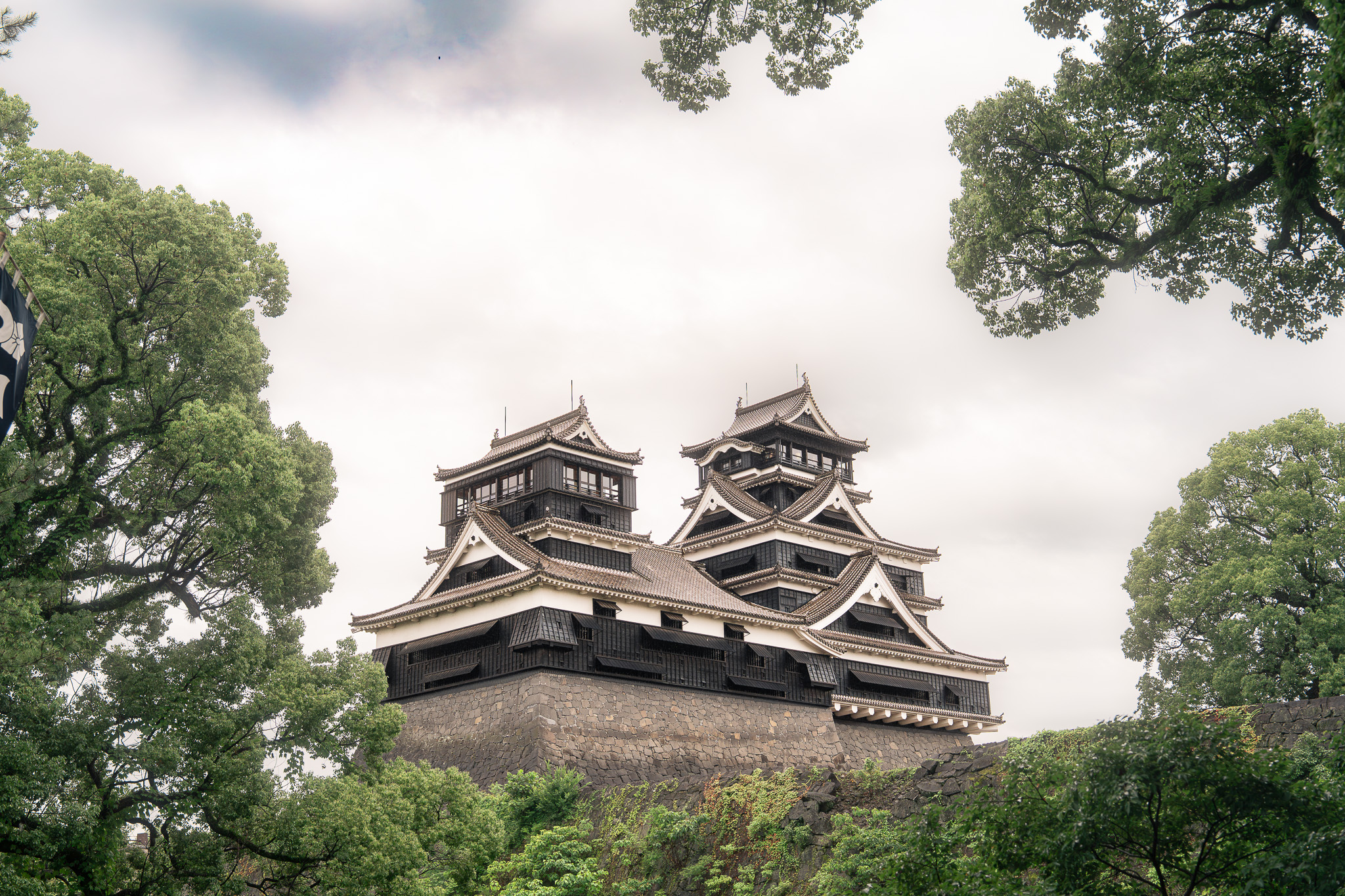
KUMAMOTO CASTLE FROM KATO SHRINE
Kumamoto Castle: The Resilient Fortress
Everything in Kumamoto orbits its castle, and with good reason; Kumamoto Castle is widely counted among the three great castles of Japan, an enormous complex of sweeping stone walls and black-boarded towers completed in 1607 by the warlord Kato Kiyomasa.
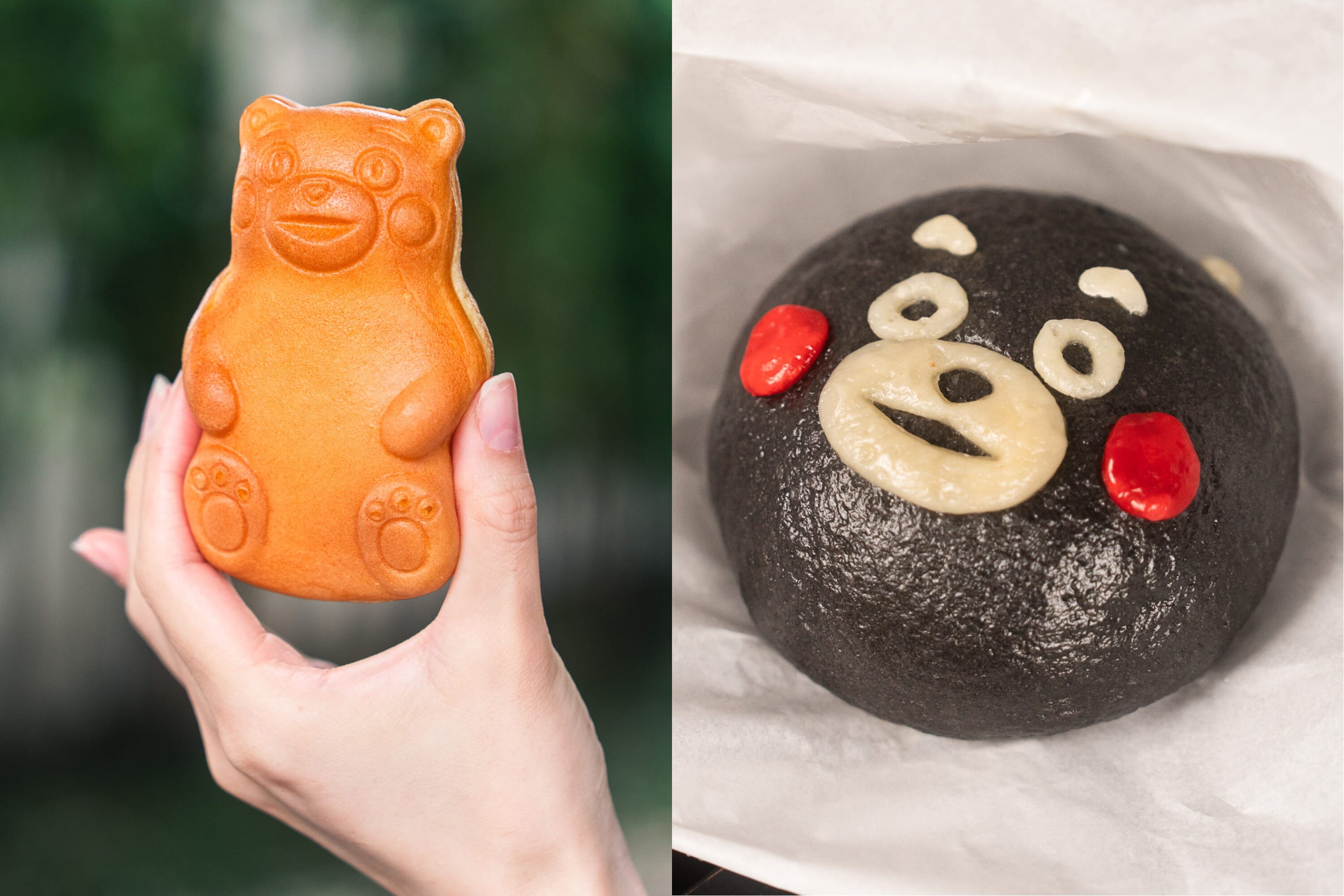
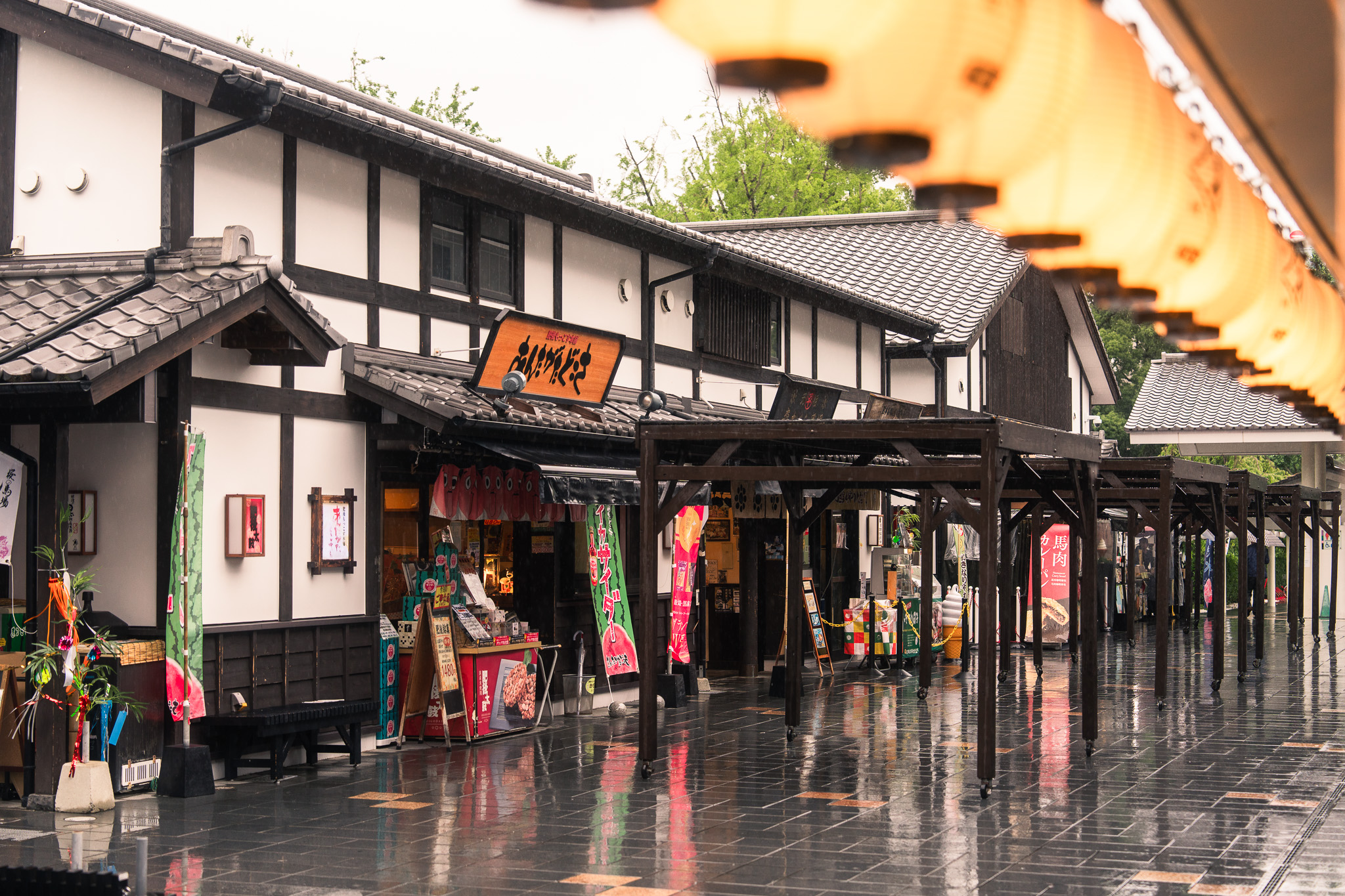
The surrounding shopping paths — named Sakura-no-baba Josaien, once home to the castle’s horses — are lined with seasonal street food, desserts and souvenir stalls. In spring, the castle is enveloped in a halo of cherry blossom petals; in autumn, the grounds are carpeted in red and gold.
For families, paying a visit to the hands-on castle museum, Wakuwakuza, is highly recommended; projection mapping takes you on a vivid tour of the castle’s original structure and demonstrates the restoration process, with live translations among other activities available.
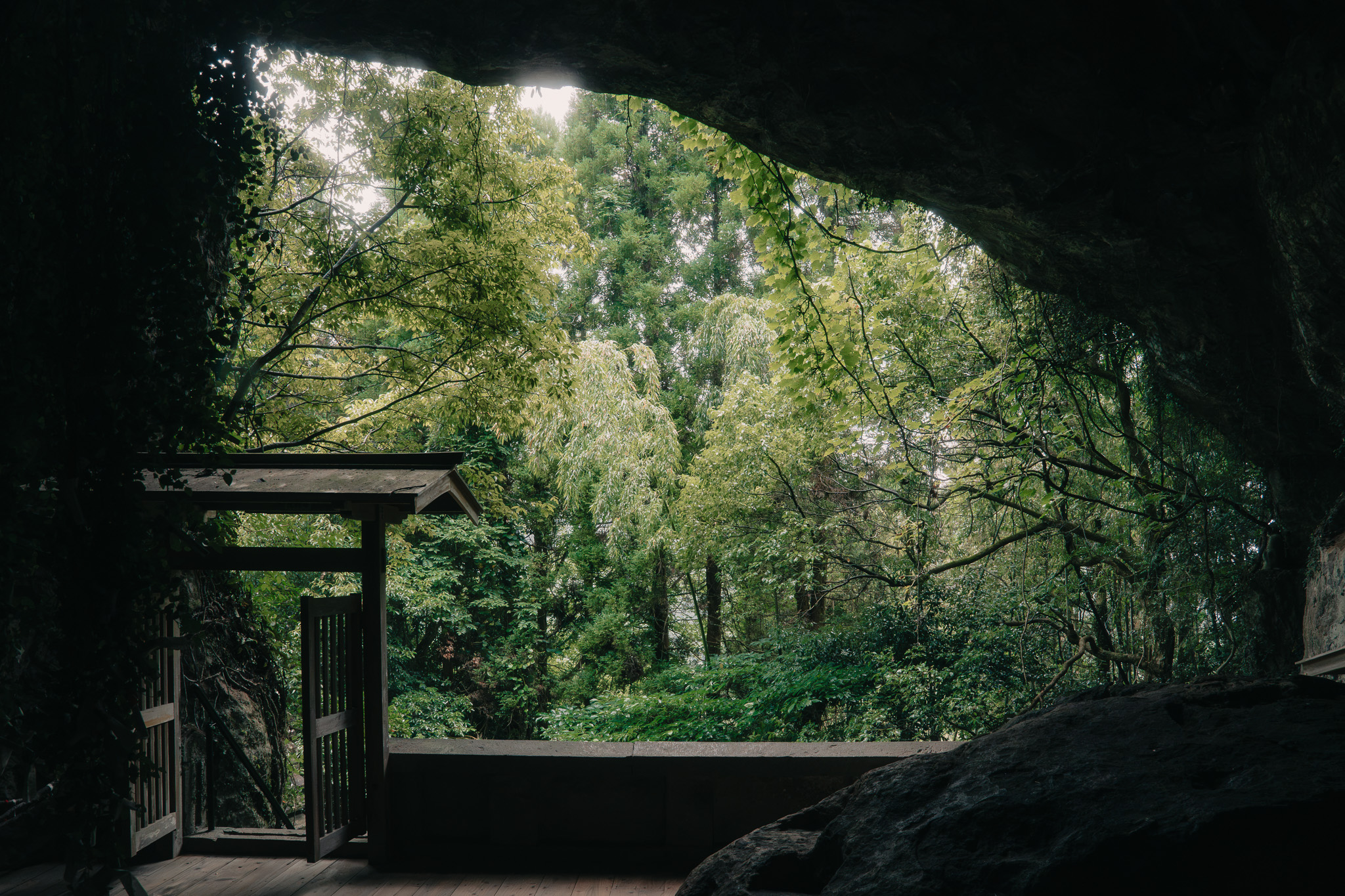
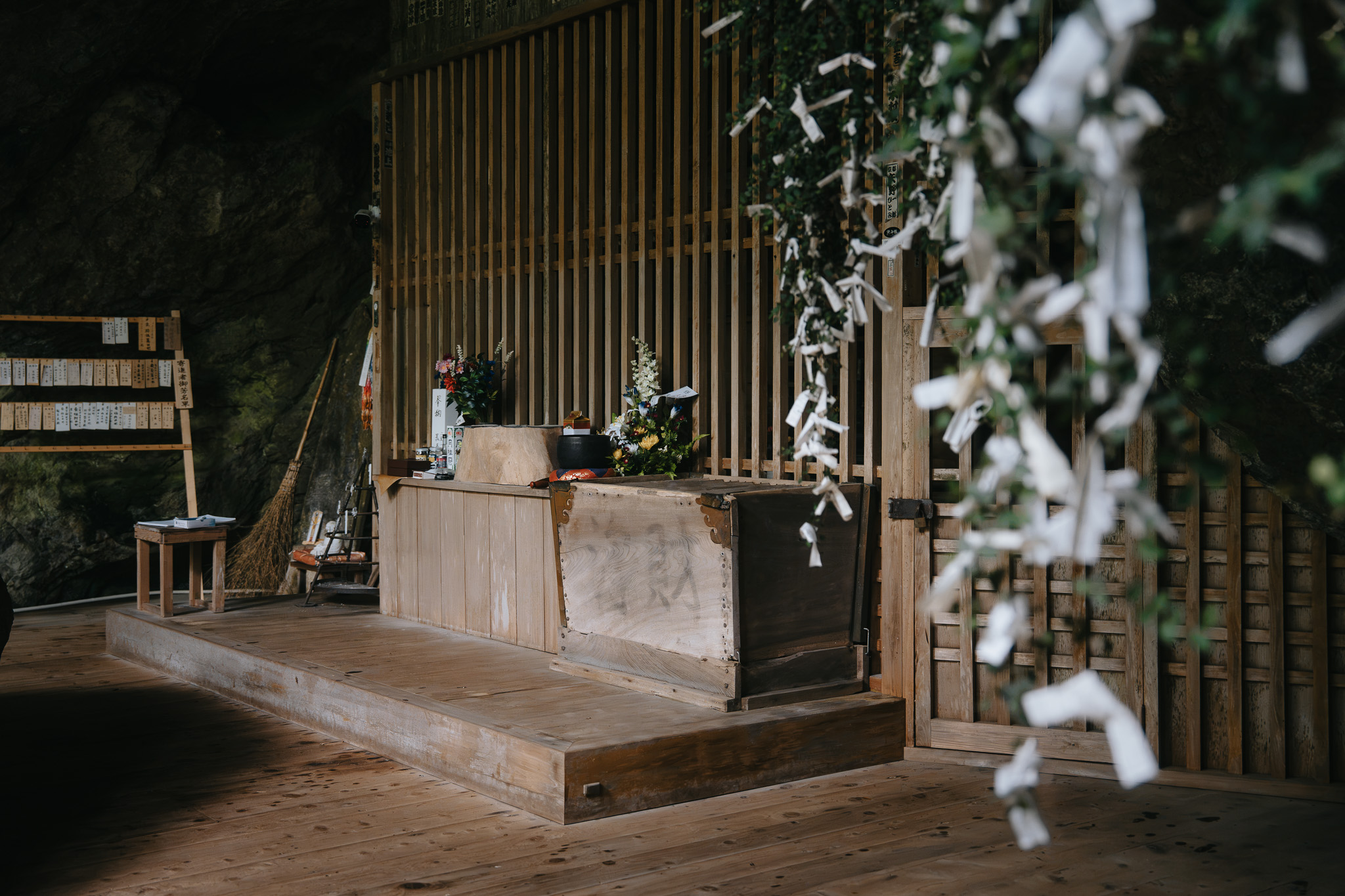
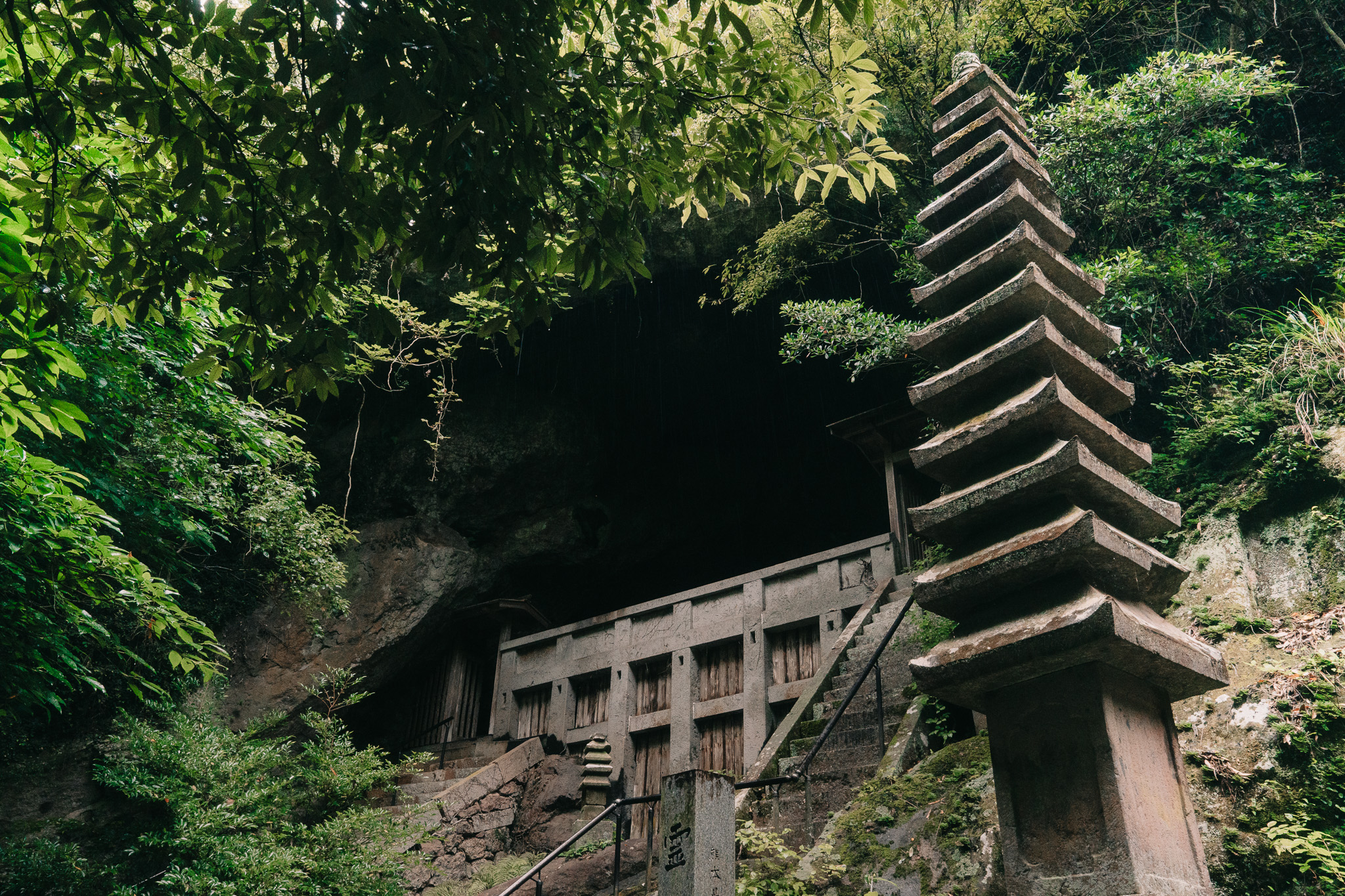
Reigando: The Cave of Tranquility
Miyamoto Musashi was brought to Kumamoto by the Lord of the castle, Hosokawa Tadatoshi (who appears in Shogun (2024) as a child named Toda Ryuji). Musashi was past fifty by then, and had won more than sixty duels. Painting and finishing The Book of Five Rings, Musashi lived out his last years here. The text remains integral to seekers of guidance on conflict resolution in Japan and around the world.
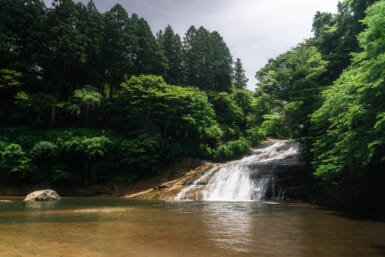
Reigando, where the treatise was born, is reachable via city bus and a 20-minute walk. Located northwest of Mount Kinpo atop winding, wooded slopes, the cave sits on the grounds of Unganzenji, a Zen temple founded in the 1300s.
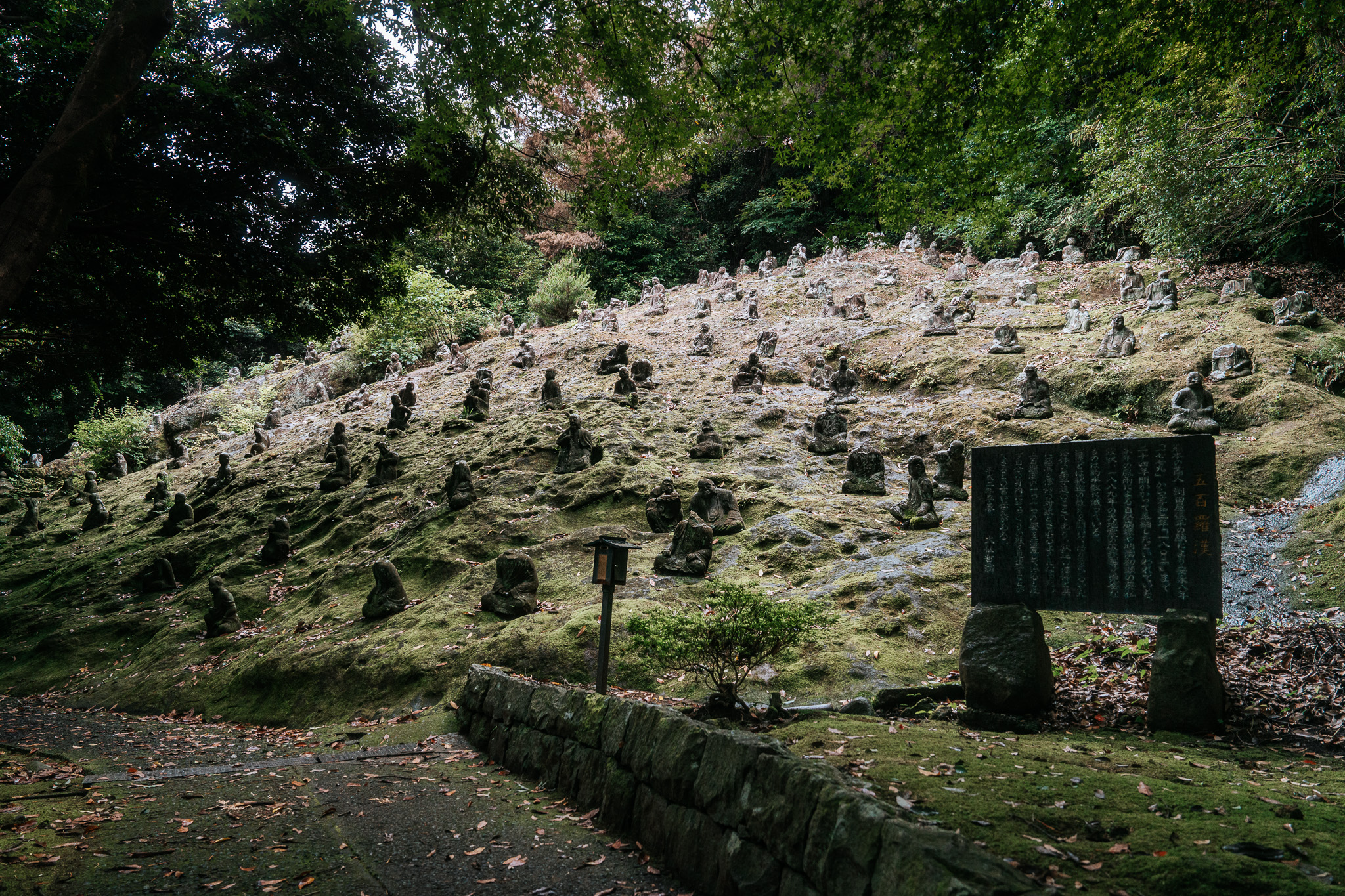
A mossy stone path to the cave leads you to a breathtaking sight: hundreds of stone arhats, disciples of the Buddha, carved over the course of 24 years in the late eighteenth century. No two are alike, and many are worn smooth or headless due to decades of earthquakes and Meiji-era vandalism. Time stills as you step in the cave, encased in a calm darkness, hearing only the meditative pitter-patter of raindrops as you gaze at the dense greenery beyond.
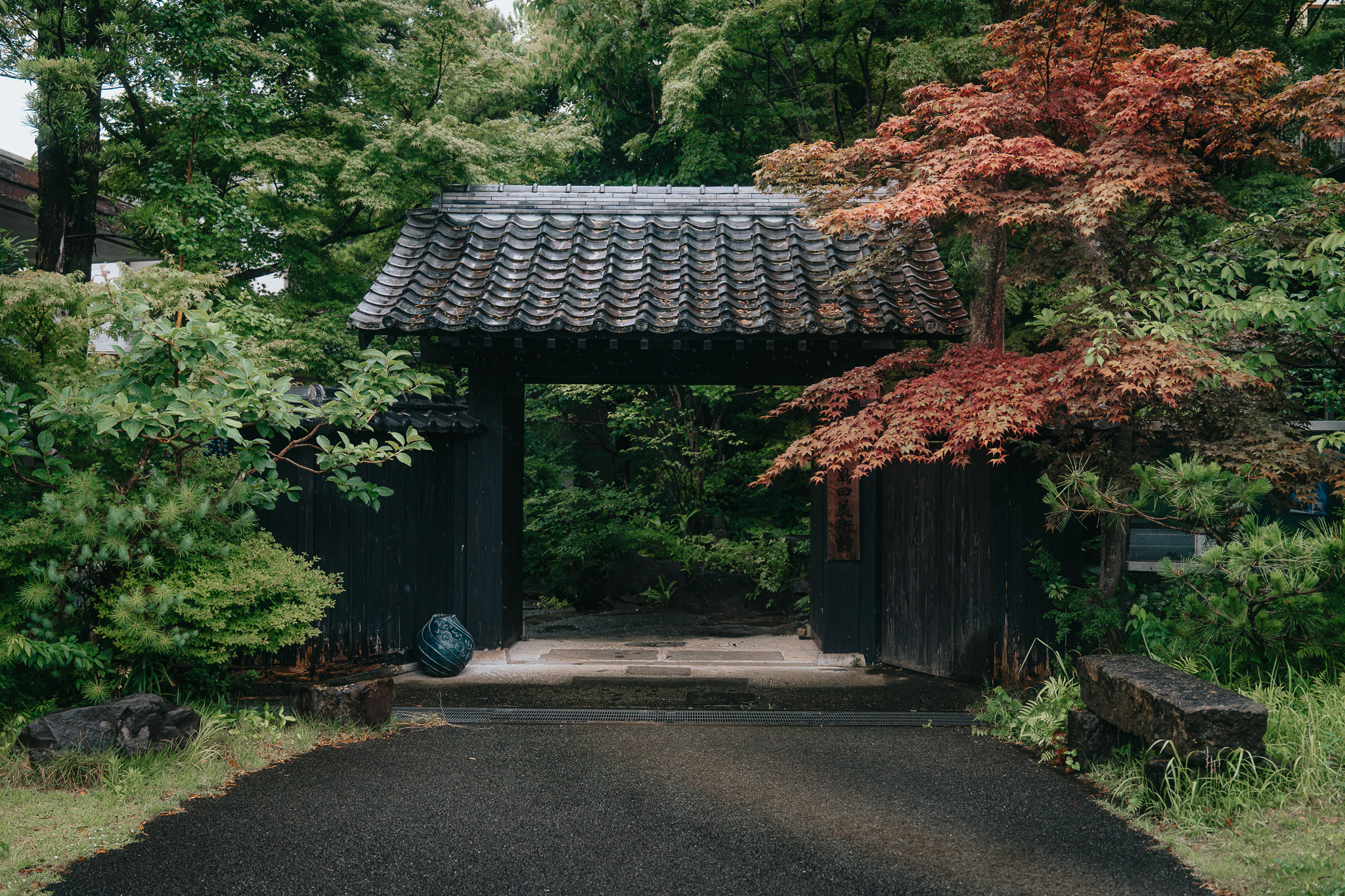
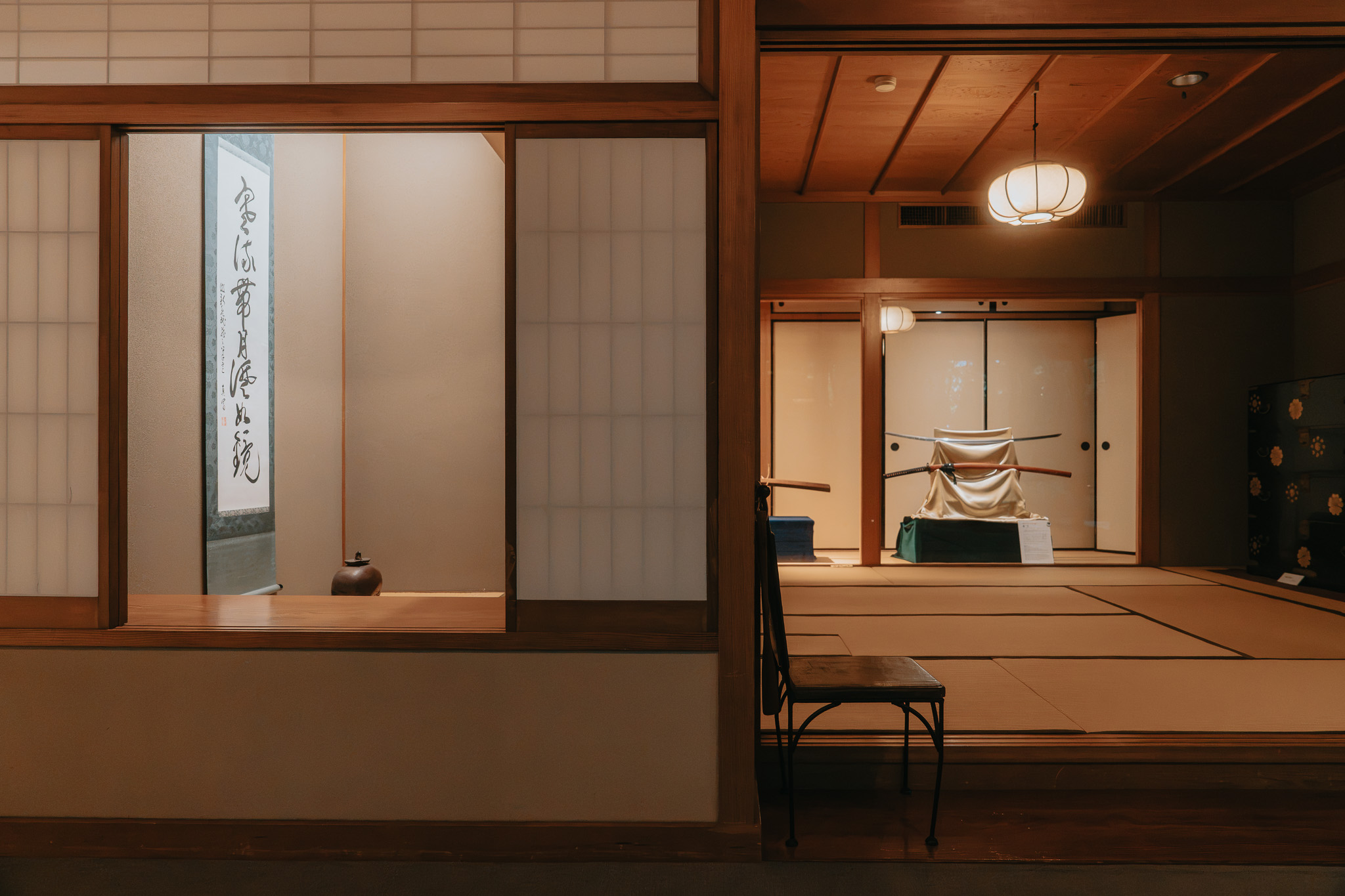
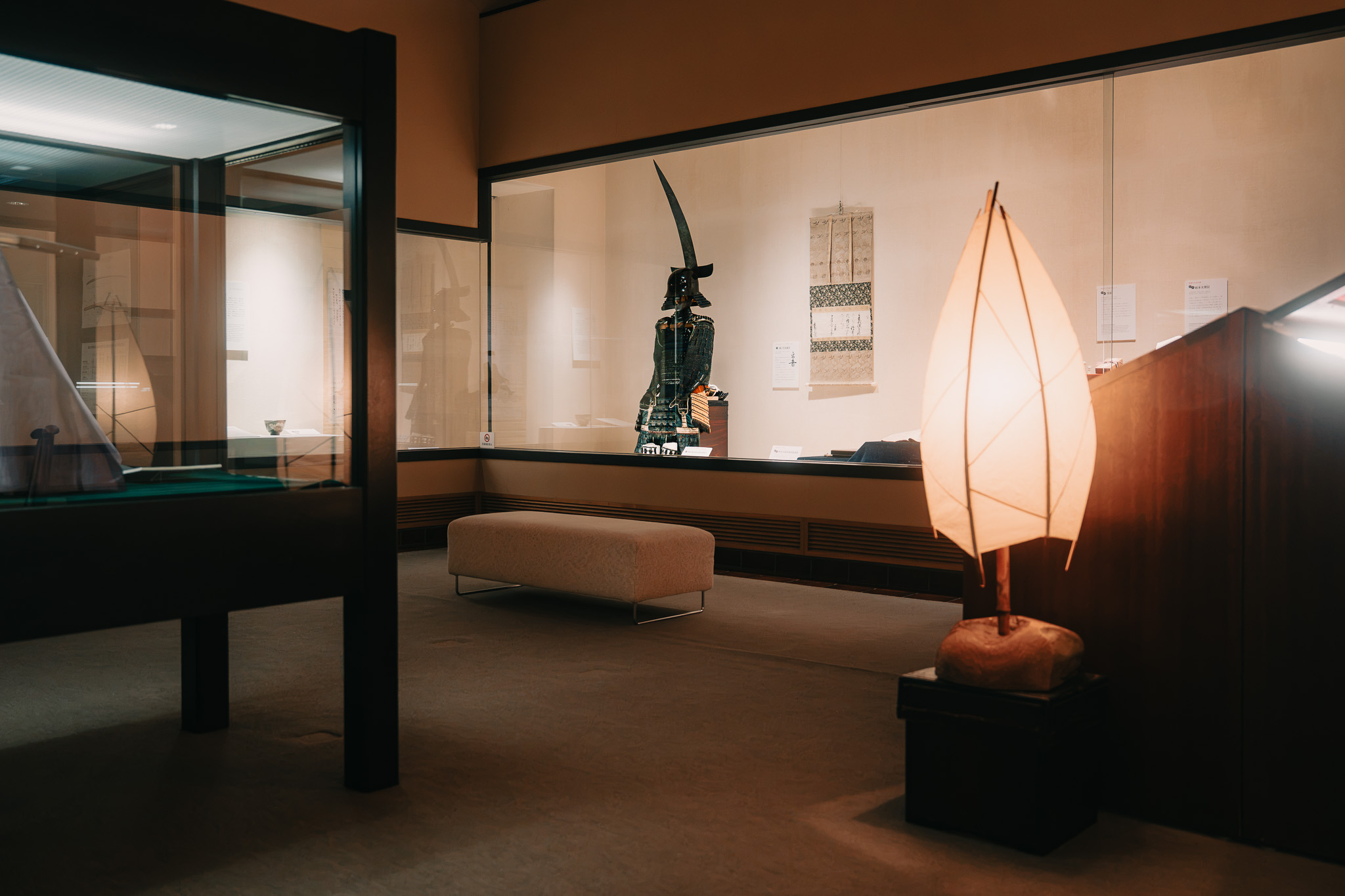
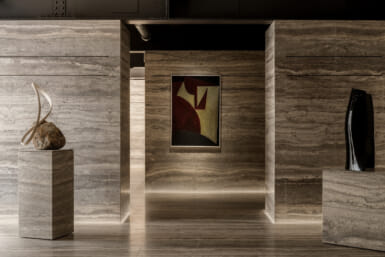
Back in the city, the Shimada Museum of Art holds the largest collection of Musashi’s paintings, calligraphy and swords anywhere, gathered over a lifetime by one collector, Shimada Matomi.
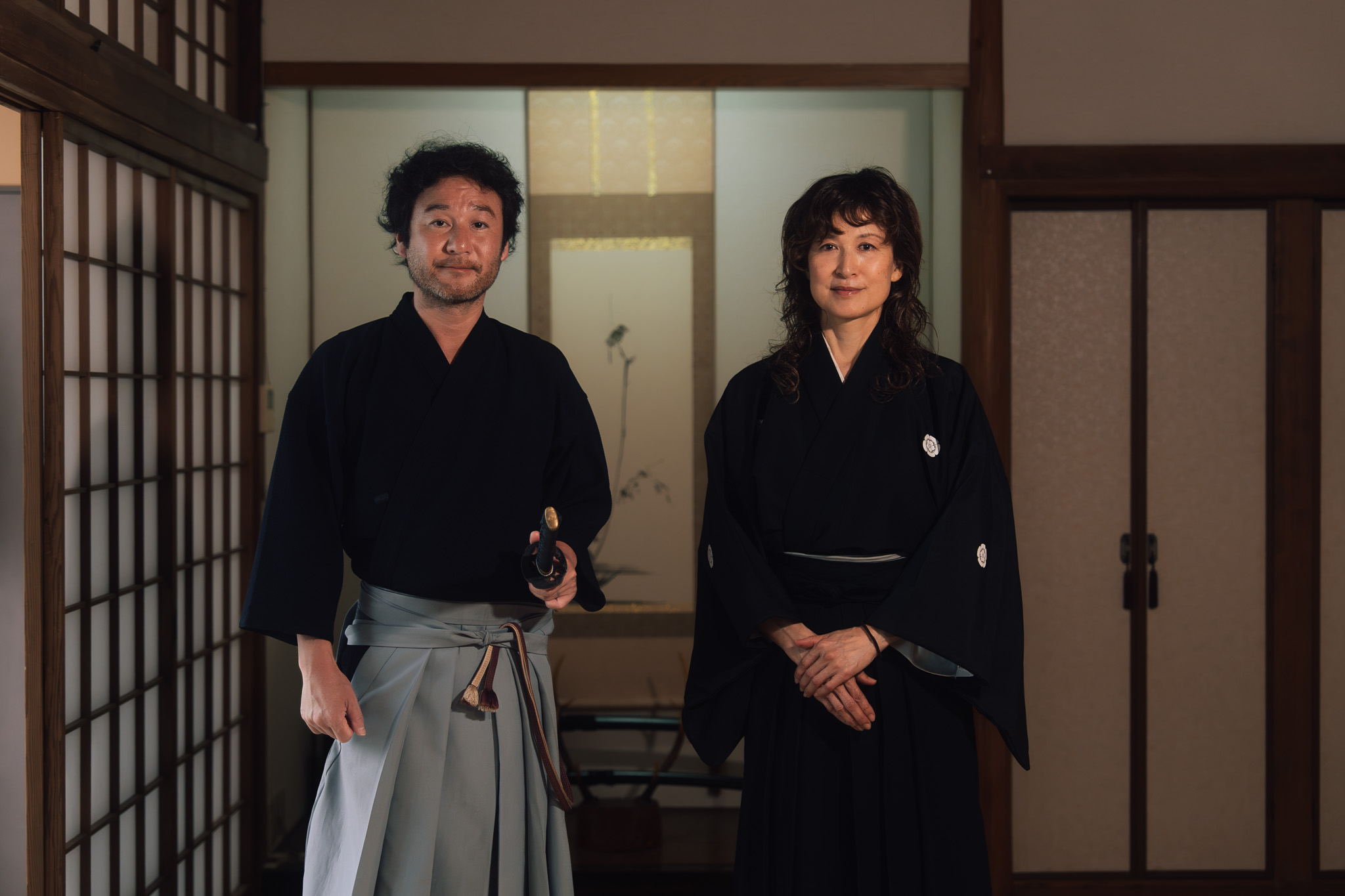
Learn The Way of The Sword
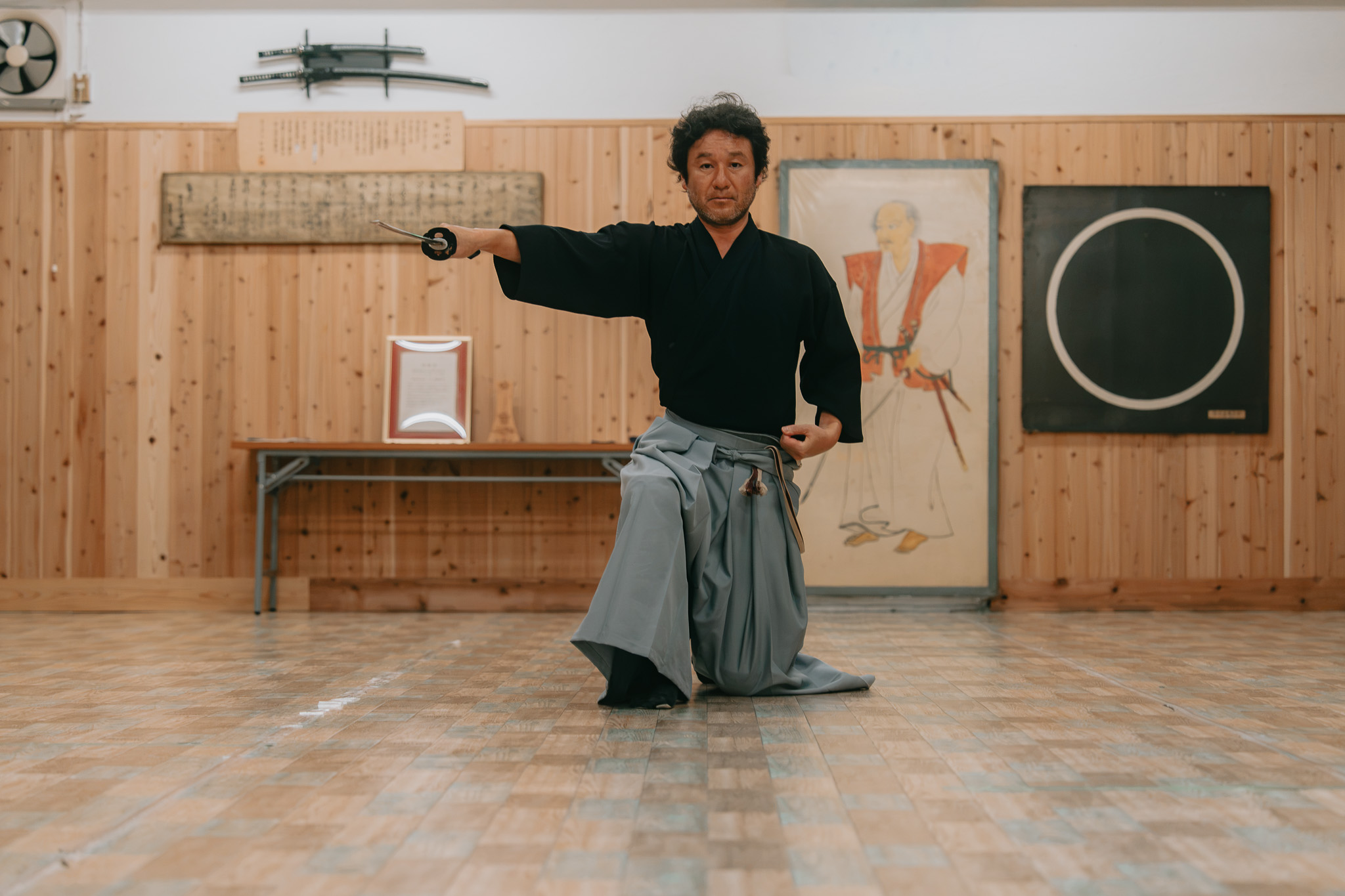
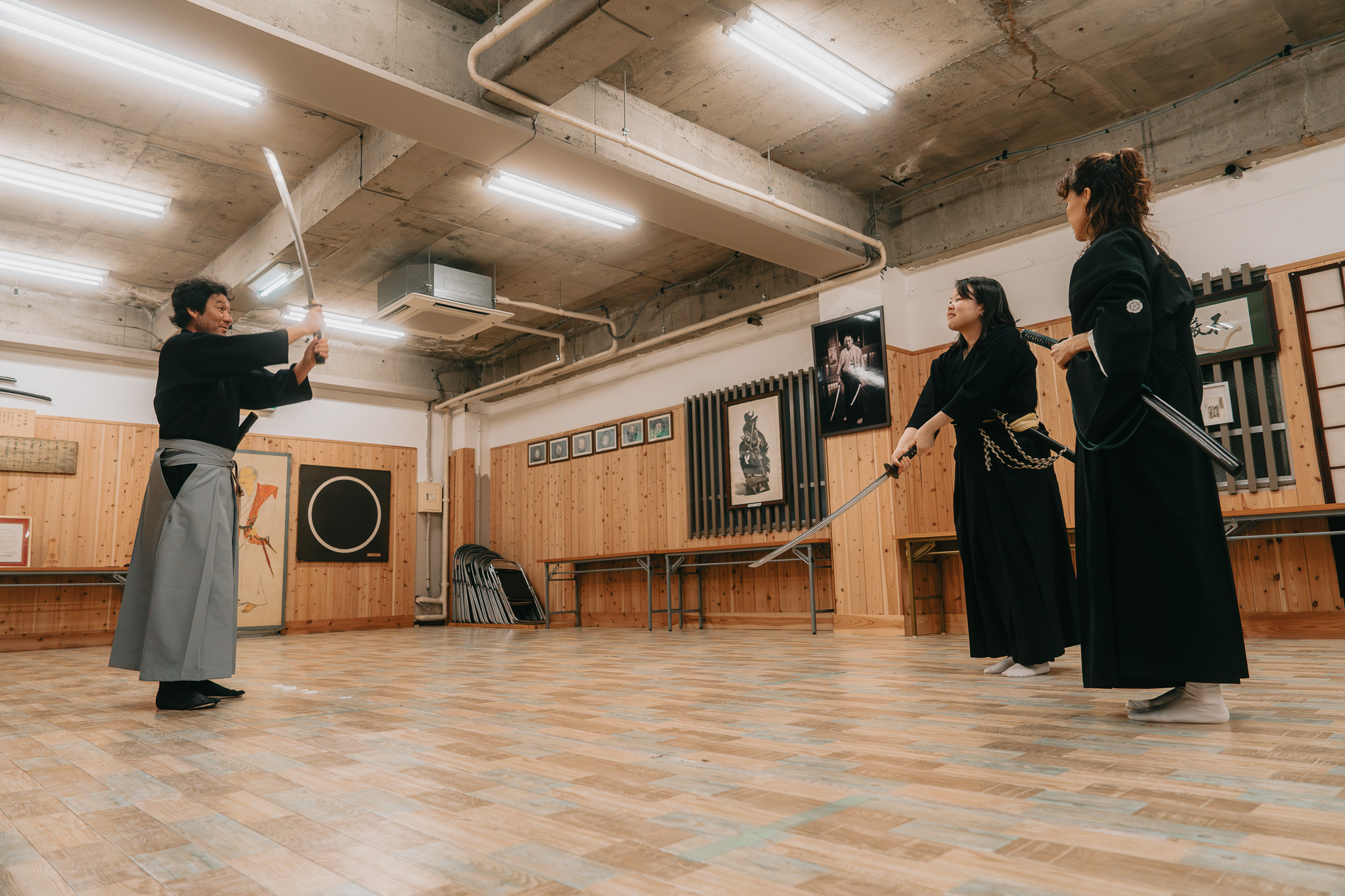
Reading about Musashi is one thing; drawing a sword the way he taught is another. At the Musashi-Kan dojo, near the Shimotori arcades and a few minutes from the castle, you can spend ninety minutes learning the art of Iaido under Akinori Matsunaga, the 18th generation head of Niten Ichi-ryu, the two-sword school Musashi founded. Iaido is a traditional Japanese martial art that aims to cultivate the mind and body and foster character development through a series of movements in which one draws a sword from its scabbard, responds to an opponent’s attack and subdues the enemy. The dojo may look unassuming from the outside, but as Matsunaga-san demonstrates moves with centuries of history, the space feels like a time capsule.
Wearing hakama, beginners can start by learning the basics, like how to unsheath your sword — which seems simple but takes much practice to perfect. Matsunaga-san’s passion for the art is infectious, and with his patient guidance, anyone can partake in the tradition in a safe environment. English translation is available, and you can leave with a photo and a certificate.
Where To Eat in Kumamoto
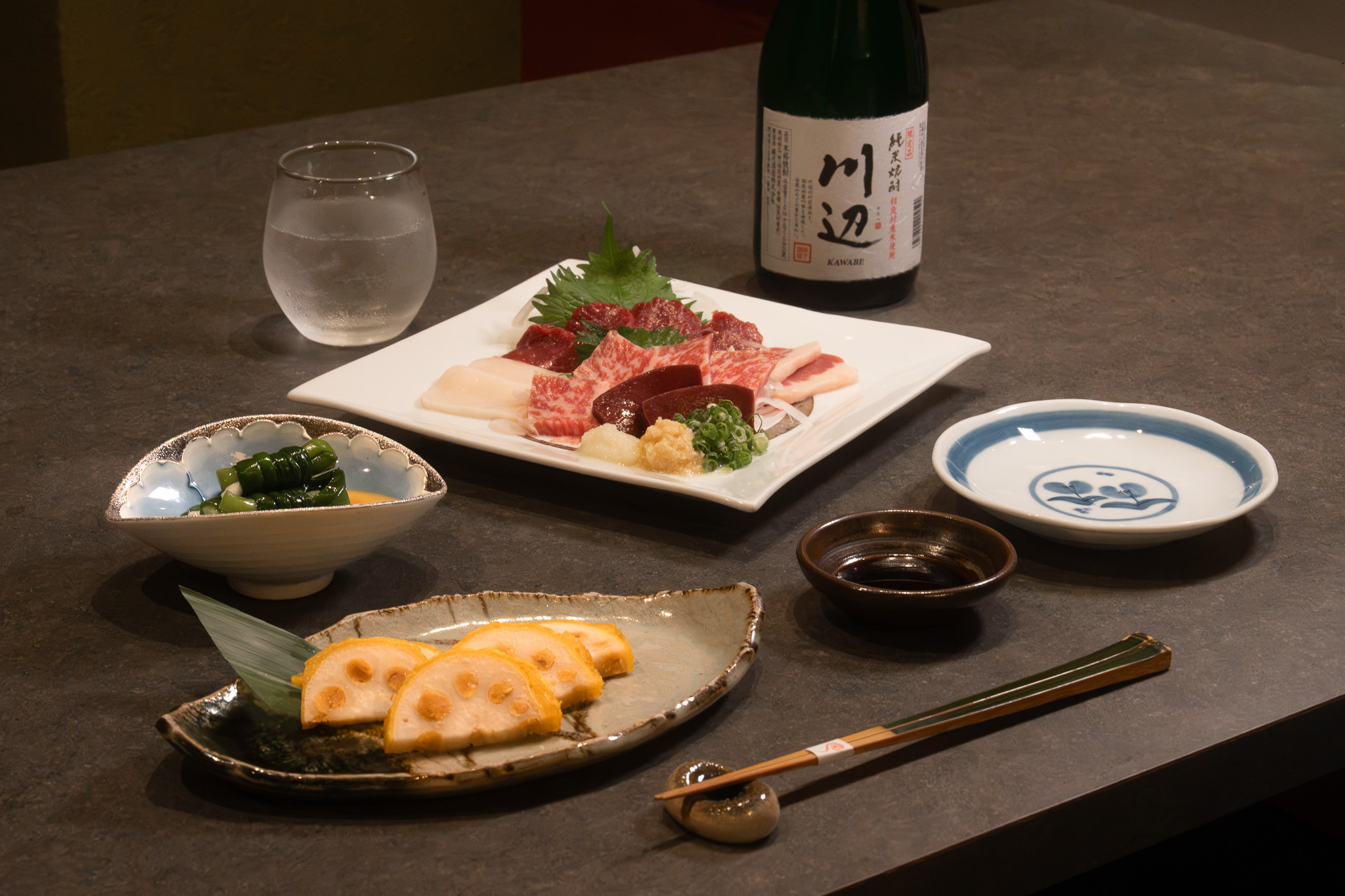
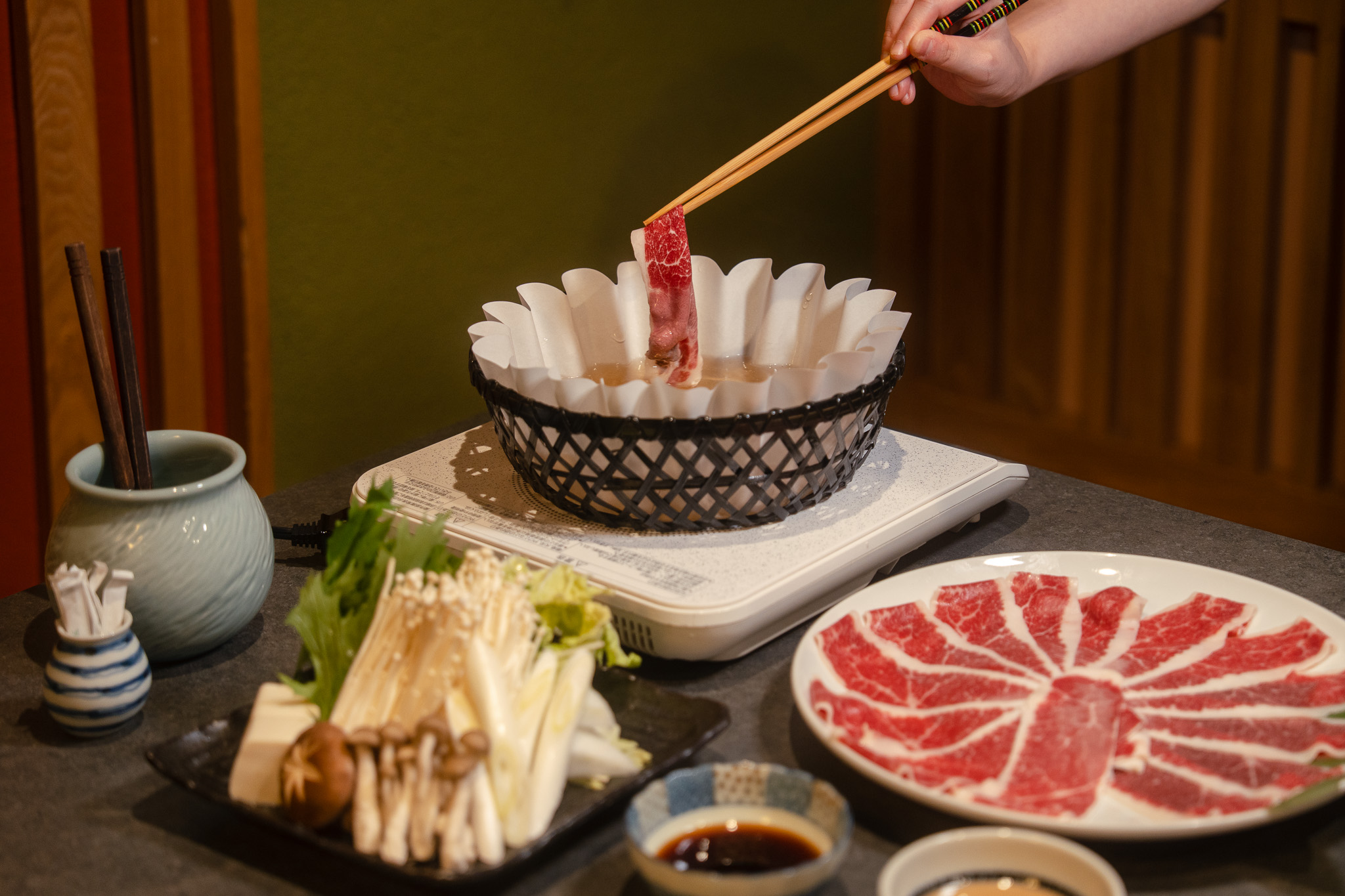
Kumamoto’s culinary excellence would alone justify the trip; many local tourists visit solely to eat. The dish most closely bound to the city’s culture is basashi — thinly sliced raw horsemeat, served with soy sauce, ginger and garlic. Gorohachi, a long-established local favorite, offers a variety of Kumamoto staples like karashi renkon (a savory-sweet lotus root stuffed with mustard and miso, then fried) and horsemeat shabu-shabu.
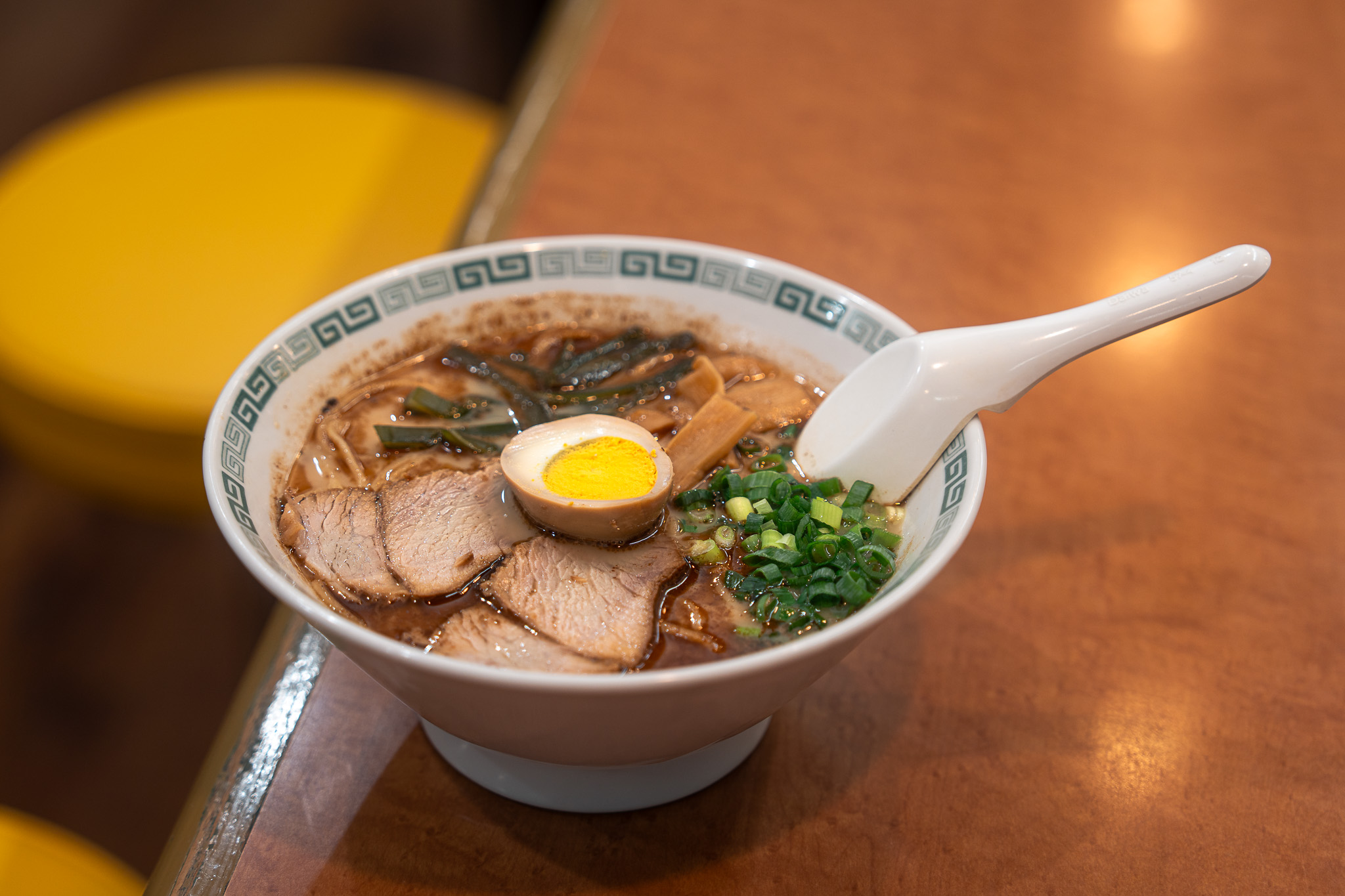
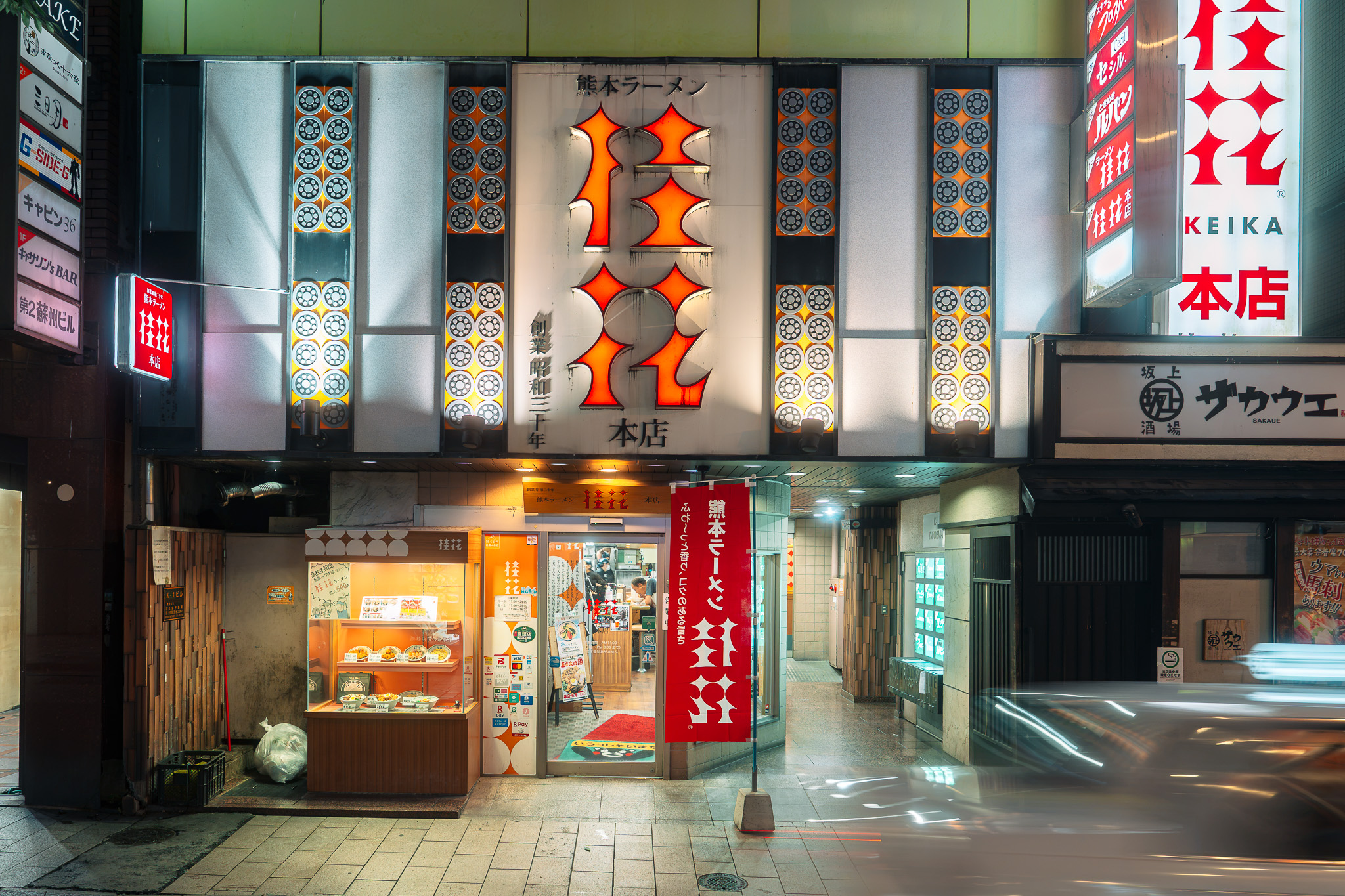
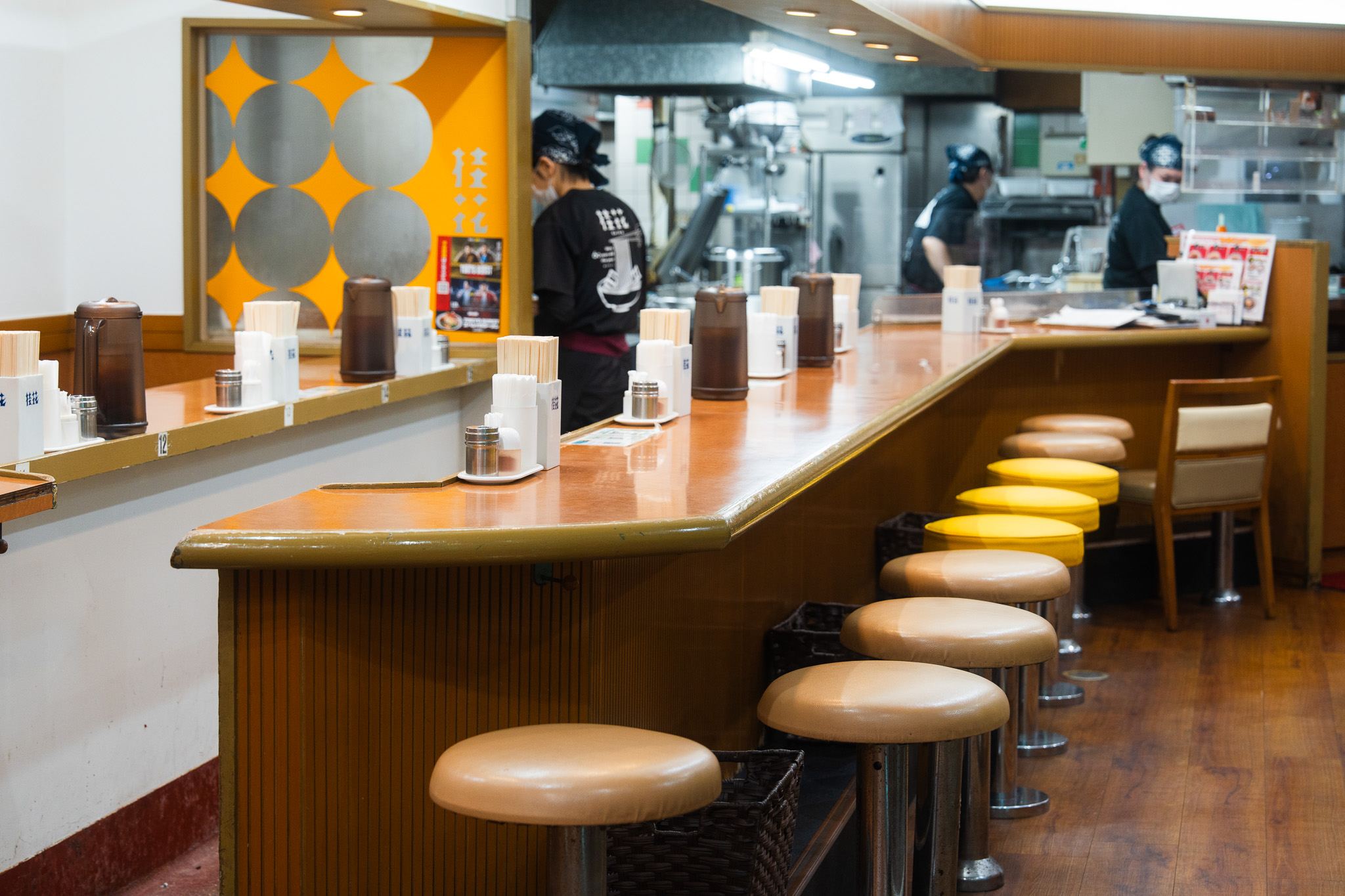
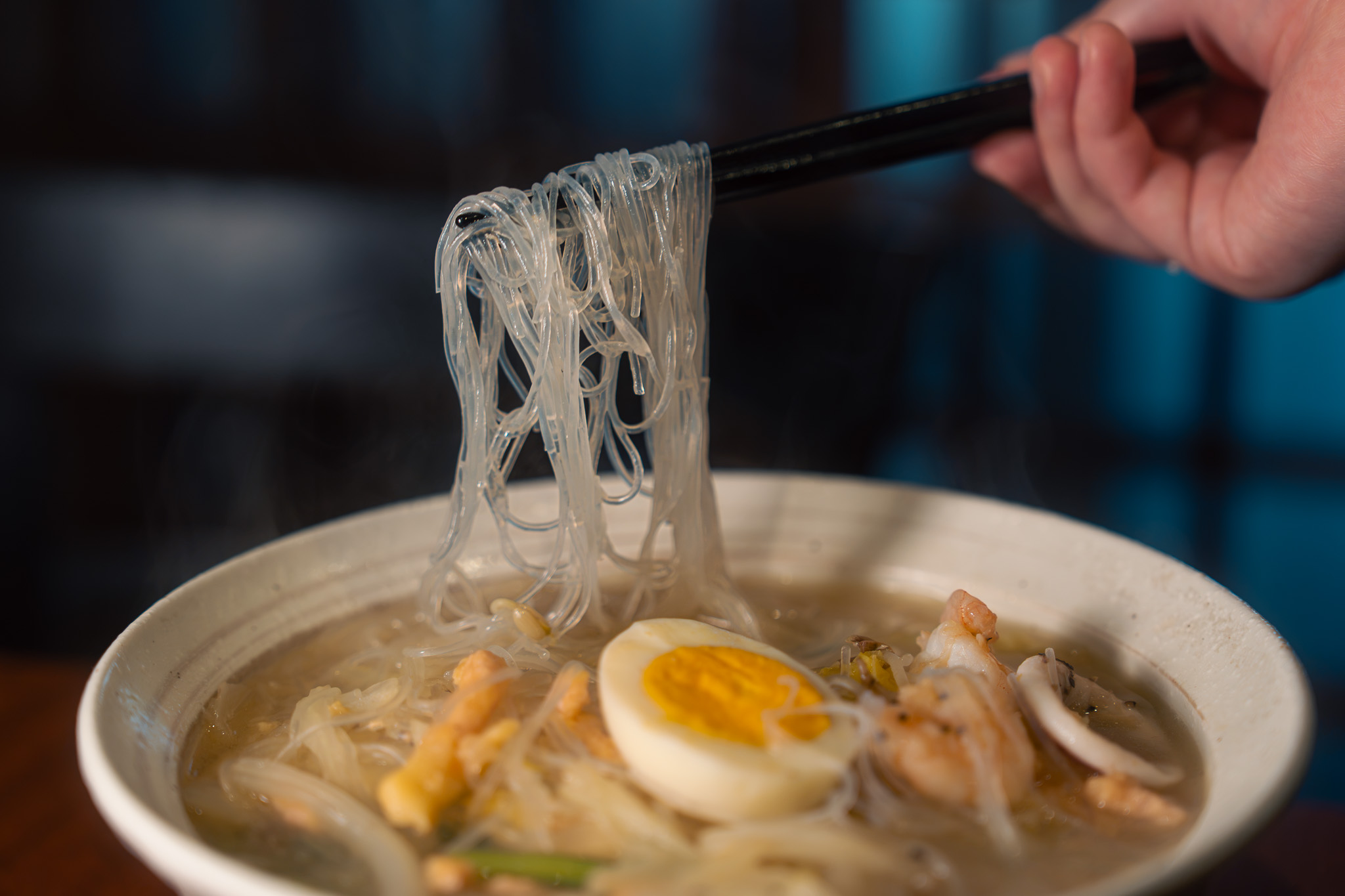
While in Kumamoto, also try the garlicky rich broth of Kumamoto ramen at Keika Ramen’s decades-old Main Branch and Taipienchen, a hearty, seafood-loaded noodle dish similar to a Nagasaki champon. Instead of flour noodles, this soul food uses lighter glass noodles, making it a great lunch option. Head to Chuka Shunsai En-en for a steaming bowl.
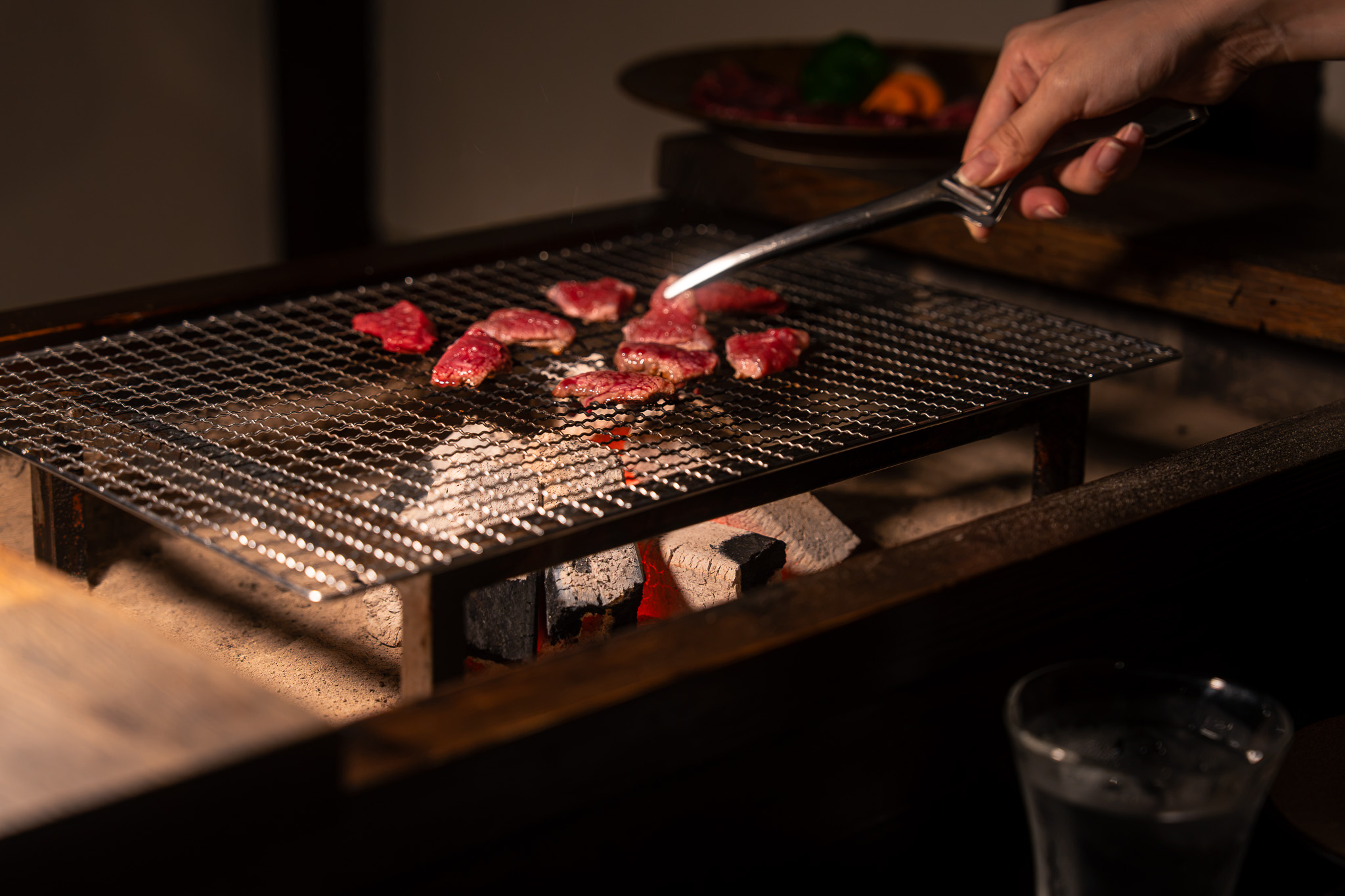
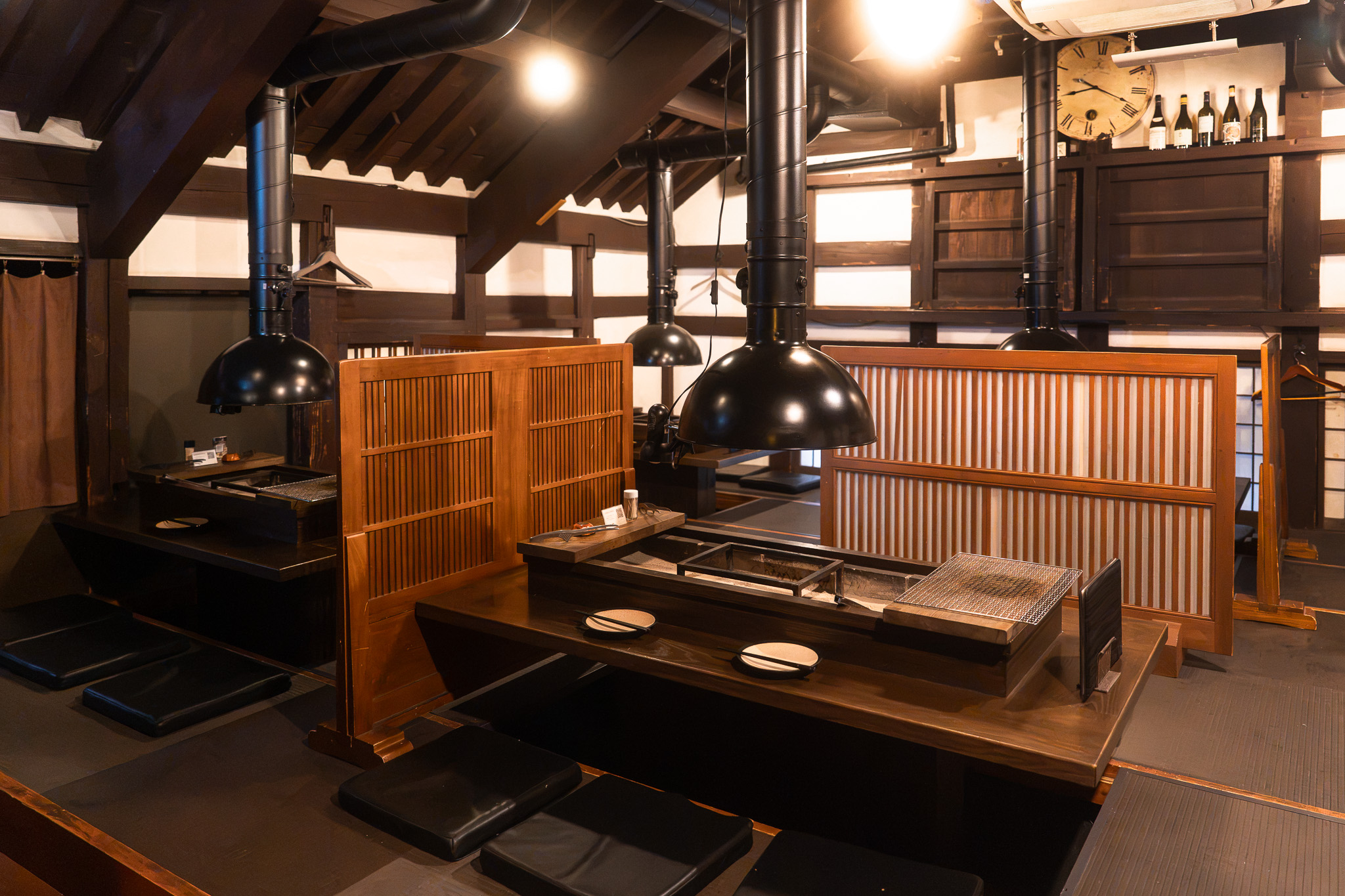
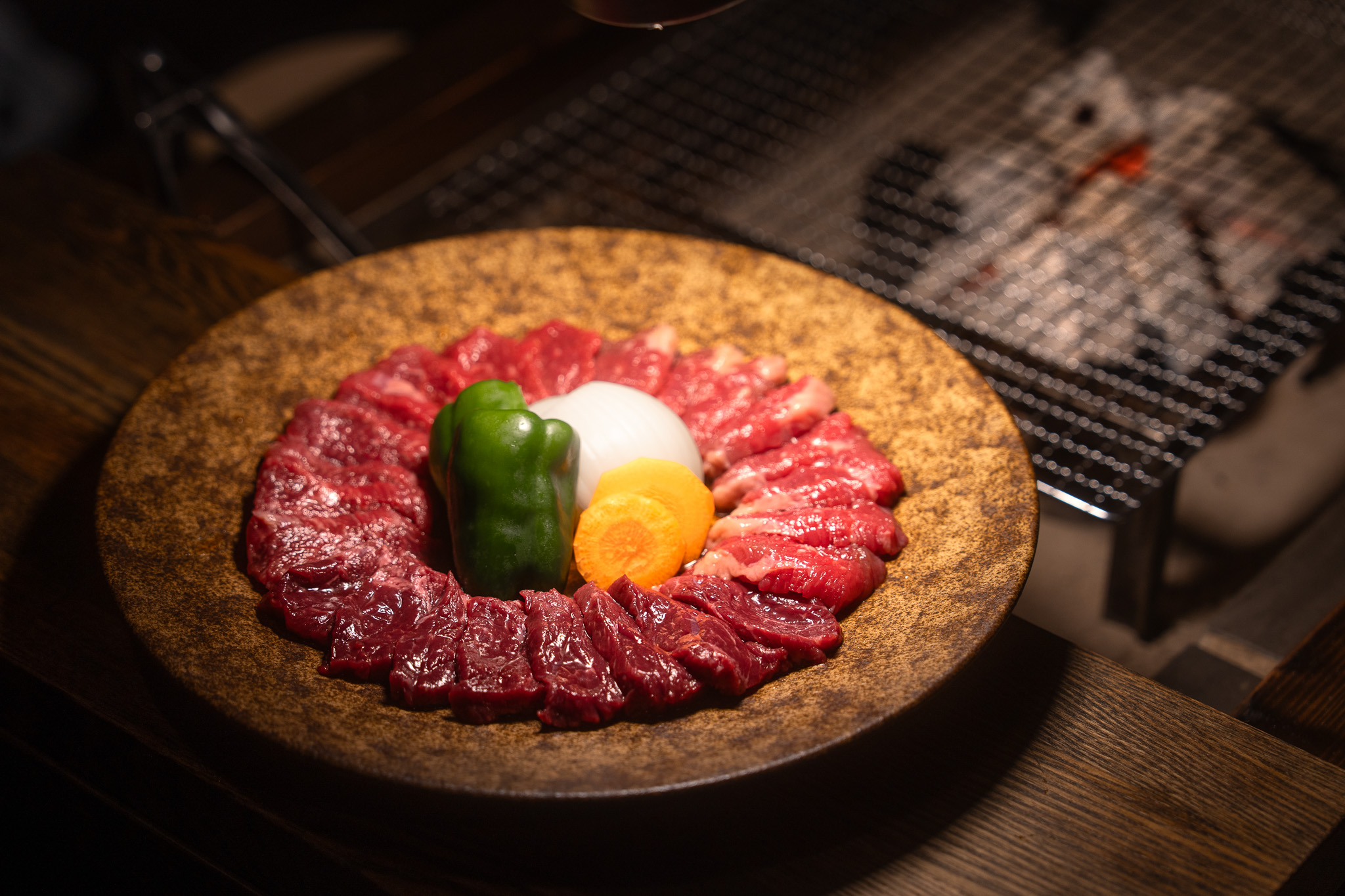
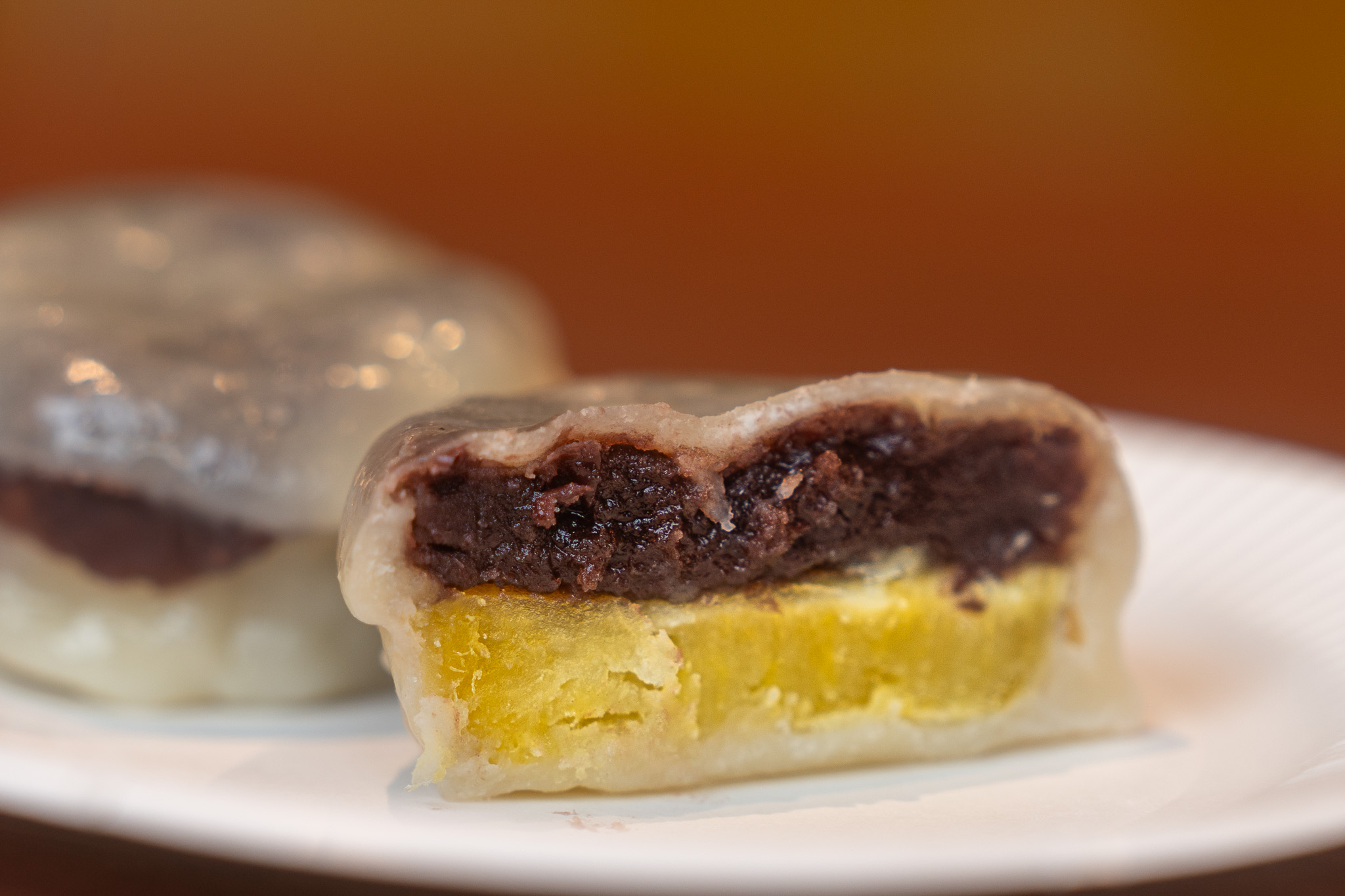
Sweets lovers must try ikinari dango, a sweet potato and red bean paste-filled mochi known for its gently sweet, earthy flavor. Ebisuya Mochi Honpo is a famous spot to try this filling treat; you’ll also find other delicious mochi like seasonal fruit daifuku. Finally, make sure to check out Akaushi Sumibi Yakiniku Sumika, an atmospheric yakiniku spot where you can savor akaushi, a wagyu famous in the region, charcoal-grilled atop a traditional irori hearth filled with sand and ash.
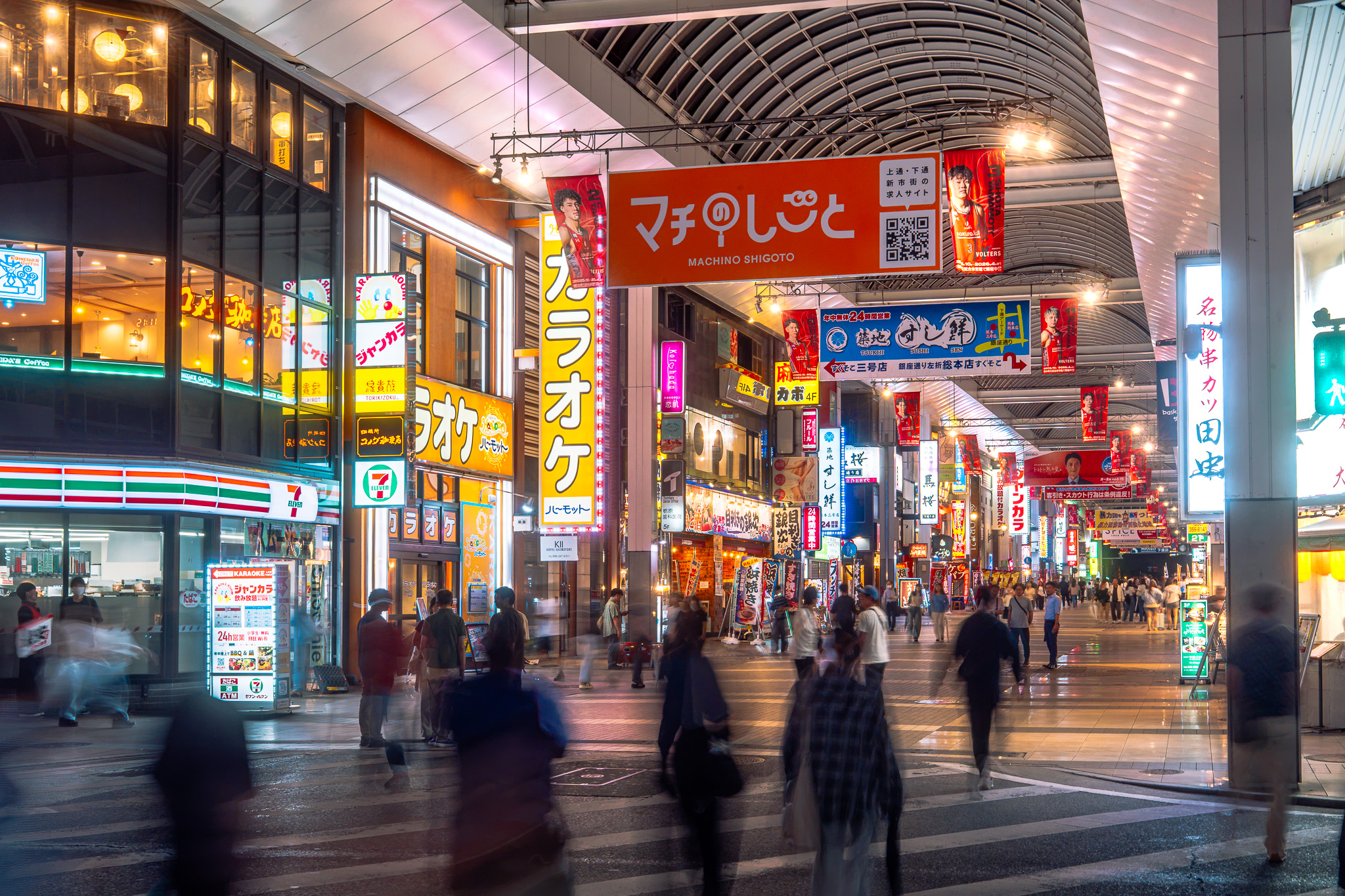
Kumamoto City After Dark
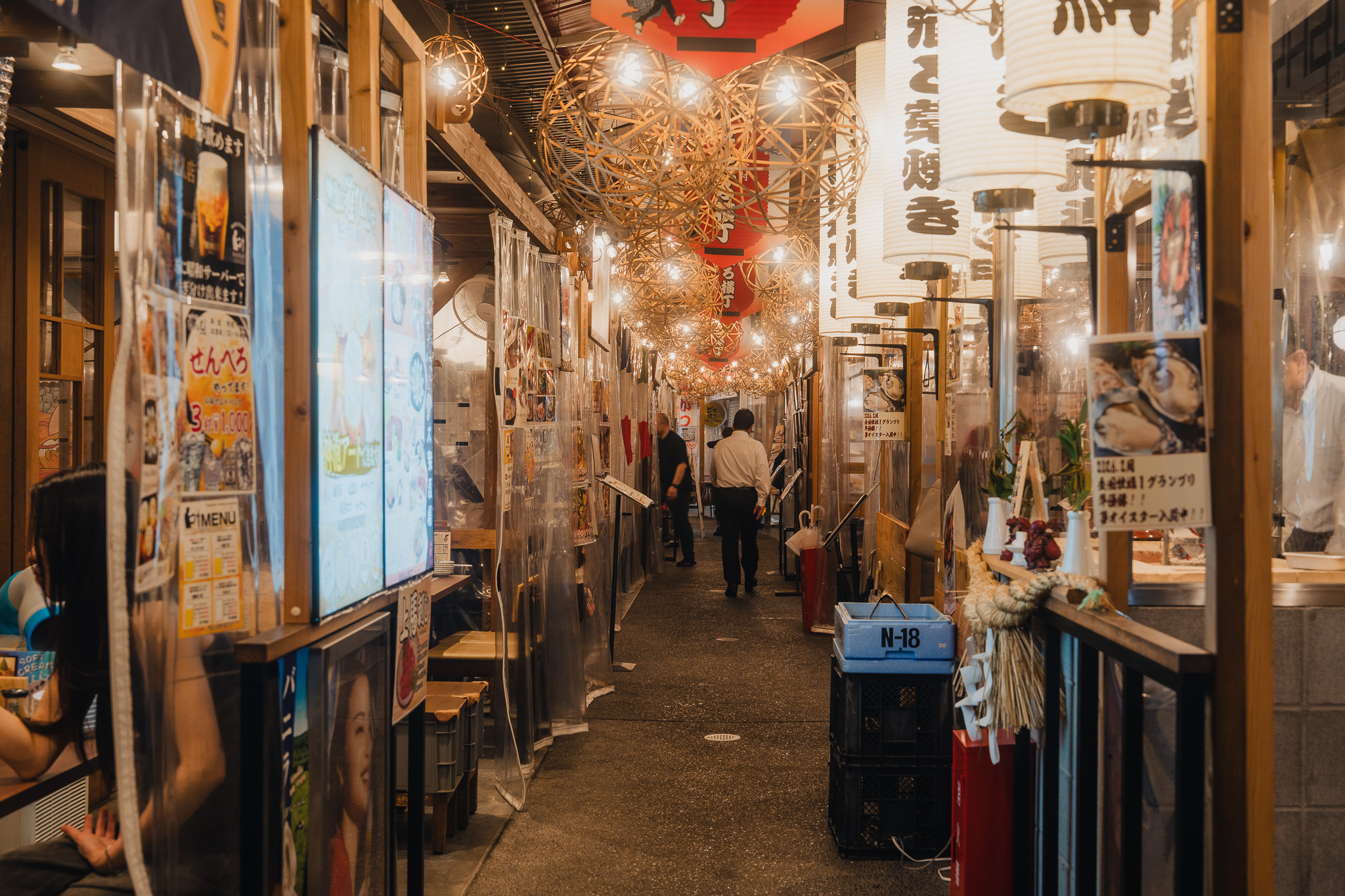
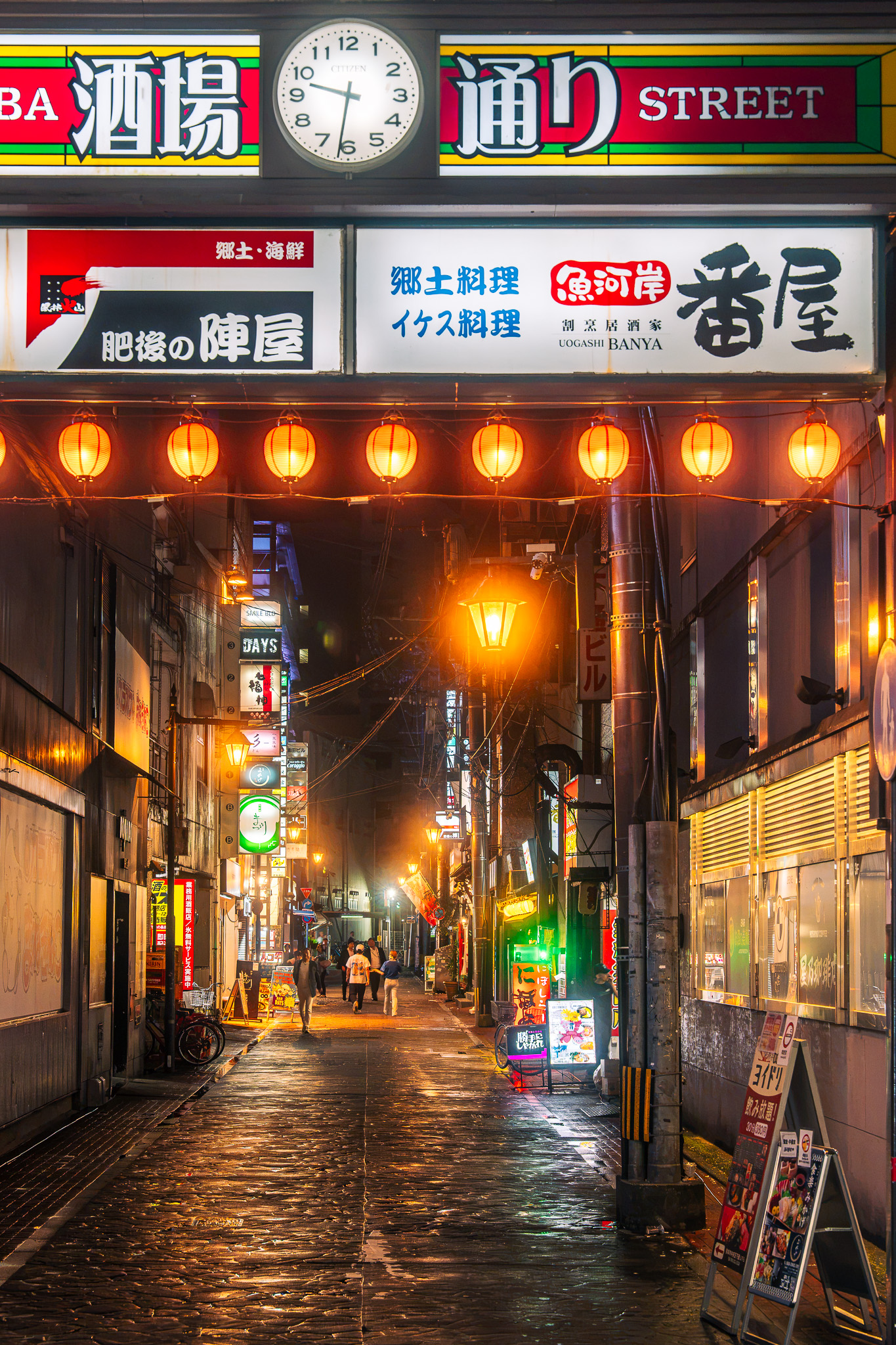
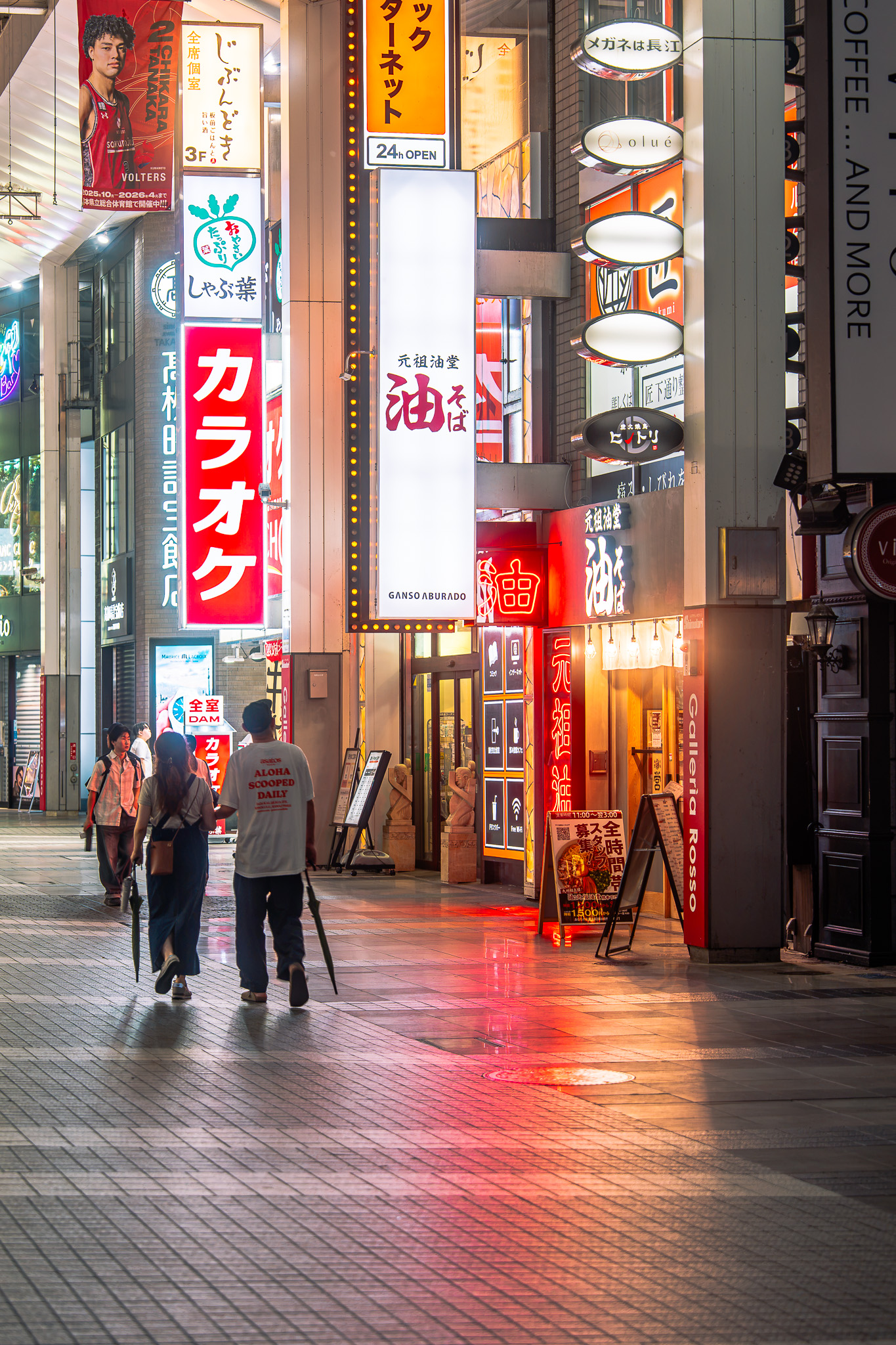
After dinner, stroll around Kamitori and Shimotori, covered arcades lined with everything from boutiques and thrift shops to buzzy izakaya, noodle counters and bars. Office workers, students and groups out for the night spill between them — a lively, local scene and an easy place to fall into conversation late into the night.
More info
To learn more about Kumamoto city, please visit the official website.
Business hours and operating details may be subject to change due to the July 2026 earthquake. Please check the official website of each facility for the latest information.
Safety checks at Kumamoto Castle have progressed following the earthquake, and public viewing has resumed as of August 13, 2026.
Updated On August 25, 2026