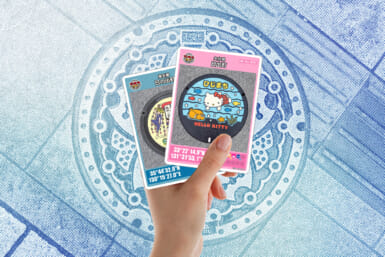
Inside a marketing office in Osaka, on November 11, 2012, a small crowd watches a counter climb. It is counting mentions of Pocky on Twitter. By midnight, it reaches 1,843,733, enough for Guinness World Records to certify the most mentions of a brand name on the social media site in a single day. The following year, Pocky does it again, this time with 3,710,044.
The observance dates back to 1999, based on a very simple observation: Pocky sticks look like ones. Four of them together look like 11/11. And so November 11 became Pocky & Pretz Day. It is the kind of unlikely connection that has helped make Japan’s food calendar so crowded with commemorative days. But behind these seemingly arbitrary celebrations is a surprisingly organized system for registering them.
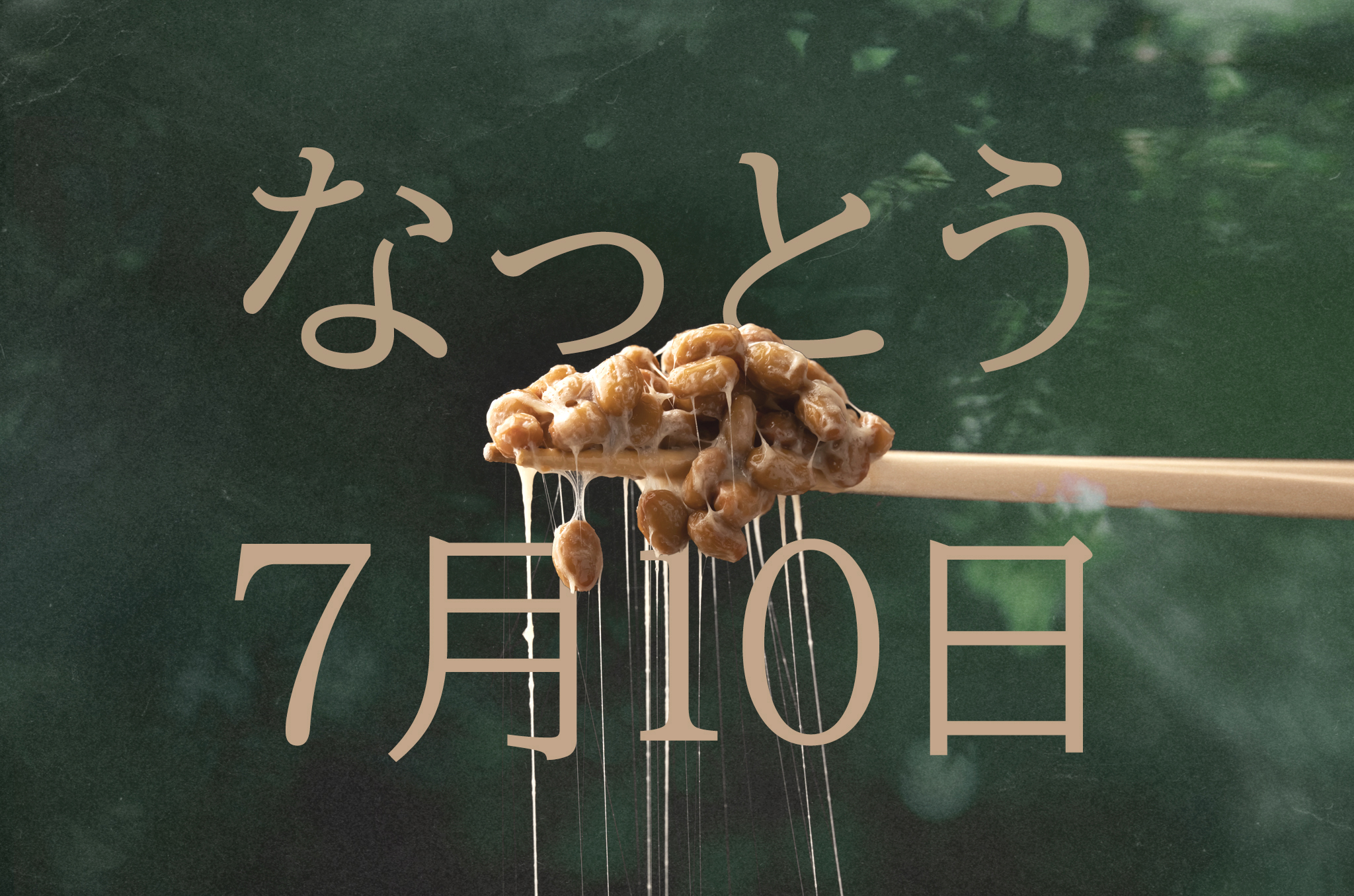
Image / Composite: Victoria Bennett
A Second Calendar
Japan’s calendar carries a second, shadow calendar alongside the visible one. August 10 alone belongs to both yakitori and highball. There is a day for corned beef, another for hanpen, the springy white fish cake, and one in October for drinkable olive oil. December brings aloe yogurt.
Many of these dates are built around goroawase, the Japanese practice of turning numbers into words by exploiting the different ways digits can be pronounced. Natto, for instance, got July 10: nana for seven, to for ten, or natto if you’re willing to be generous.
Sometimes, there isn’t even a pun. November 21 is Fried Chicken Day because on that date in 1970, Kentucky Fried Chicken opened its first Japanese location in a Nagoya suburb. KFC registered the anniversary with the association in 2015.
There is actual paperwork behind these commemorative days. That paperwork leads to Saku, a city in the mountains of Nagano Prefecture, and the headquarters of the Japan Anniversary Association, or Nihon Kinenbi Kyokai. Since its founding on April 1, 1991, the association has maintained an official register of commemorative days.
To register one, a company, an industry cooperative, or even an individual can submit an application on a dedicated form. If it clears review, the applicant pays a registration fee of ¥200,000, and the date is entered into the association’s register and becomes, in the specific and narrow sense that matters to marketing departments, real.
It becomes citable in press releases, printable on in-store signage and distinguishable from the thousands of informal food-holiday claims that circulate without institutional blessing.
There are now a lot of dates competing for attention. The last widely cited count put the association’s register at 1,904 entries as of May 2018, with roughly 200 new registrations being added annually.

Image / Composite: Victoria Bennett
The Value of a Date
There is an obvious commercial explanation for all this. A commemorative day gives companies an annual excuse for a campaign, a limited-edition product, a social media post or a discount. Pocky Day may be unusually successful, but the basic proposition is the same whether the product is a famous chocolate biscuit or aloe yogurt.
It also works particularly well in a country where food already marks the passage of the year. Japanese supermarkets change with the seasons; restaurants advertise ingredients at their shun, or seasonal peak, and certain foods arrive with particular festivals, months and weather. The modern kinenbi simply adds another, much more commercial layer to an existing habit of attaching food to time.
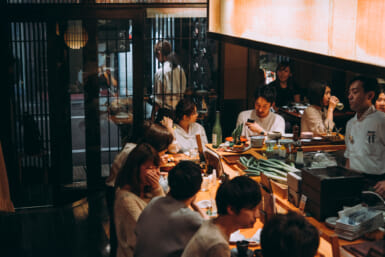
On August 10, diners could have observed two commemorative days at once by sitting down at a yakitori counter and ordering a highball. The person beside you probably wouldn’t have known it was Yakitori Day. The bartender may not have known it was Highball Day. But none of this particularly matters, because the chicken is hot, the whiskey is cold and, according to at least two entries on Japan’s increasingly crowded calendar, you ordered exactly the right thing.
Related Posts
- 7-Eleven Made a Donut-Shaped Ramen-Flavored Chicken Nugget: Is It Good?
- How Japan’s Mountain Lovers Created a National Holiday
Updated On August 17, 2026