Kimono, when translated in a literal manner, simply means “something to wear.” It was once a blanket term for everyday clothing in Japan, but has since evolved into something far greater: an iconic garment shaped by centuries of societal evolution, technological innovation and artistic refinement, and now widely recognized as a symbol of Japanese beauty and heritage.
For those who wish to truly understand the significance of this ancient craft, Chiso offers a lens like few others. An atelier in the heart of Kyoto with over 470 years of expertise, it has spent centuries crafting and reinterpreting kimono, carrying its traditions forward while continually reshaping what the garment can mean in the present day. Here, kimono is treated both as an ode to past traditions and a canvas for future imagination.
The threads of the kimono are interwoven and dyed with rich history and cultural significance, and the art of kimono lies not framed and immobile hanging on a wall of a gallery. Instead, it adorns the subject, as they step out onto the street and become both muse and masterpiece.
Handpainted Kimono With Centuries of History
Though most people are familiar with the beauty of kimono, many fail to realize that these garments are traditionally painted by hand and represent hours of meticulous labor by skilled craftsmen. In a time of convenient fast fashion that lacks soul, studios like Chiso preserve the opulence and human service that tailor-made garments are forged with.
The garments on display in Chiso’s catalogues and flagship store are not just products, but the result of a finely structured creative ecosystem. Around 20 to 30 specialized processes — spanning silk fabric production, dyeing, painting and finishing — are carried out by expert artisans, each contributing a distinct layer of craft to a single piece.
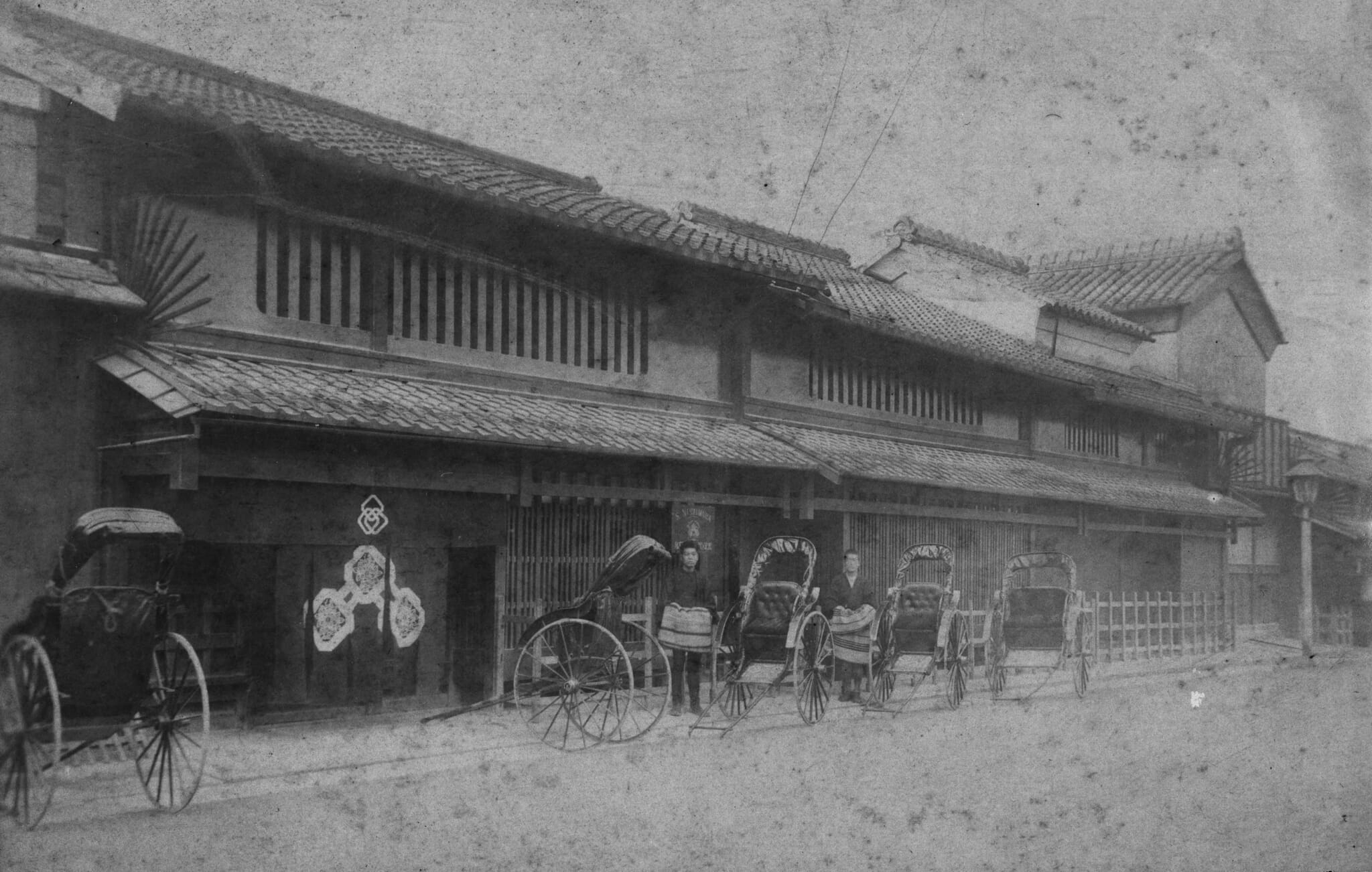
The brand’s legacy dates back to 1555 in Kyoto’s Sanjo-Karasuma area, where it was originally founded as a merchant supplying garments to temples and aristocratic households.
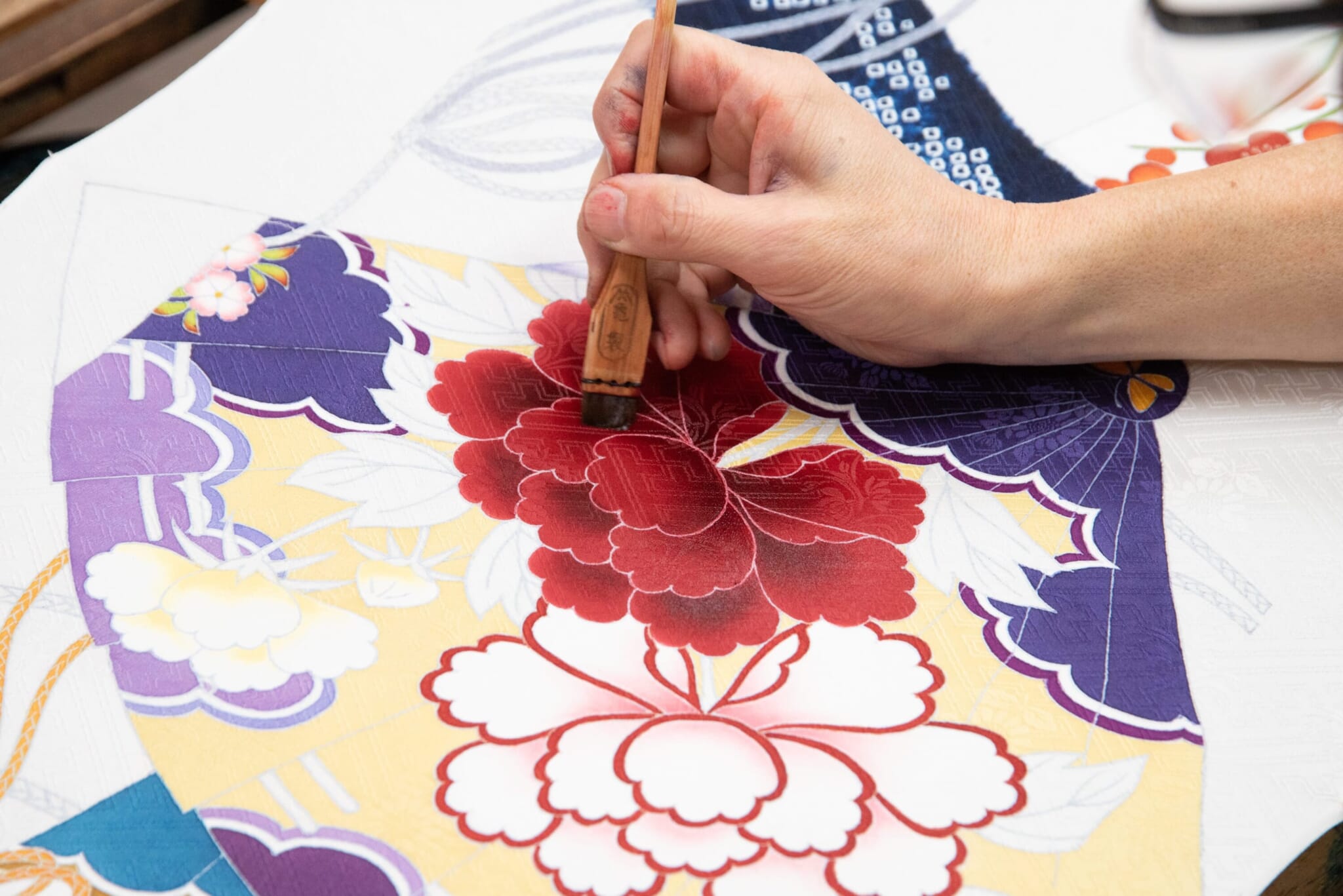
In the late 17th century, a key development in the kimono world emerged with the refinement of yuzen dyeing. A resist-dyeing technique named after the fan painter Miyazaki Yuzensai, it allowed intricate painted designs — floral arrangements, seasonal motifs and even full scenic compositions — to be rendered directly onto silk.
Beginning in the late 19th century, Chiso began developing its own interpretation of yuzen, working closely with Japanese painters to further expand its expressive possibilities and elevate kimono into a form of wearable fine art. As its reputation grew, the atelier became an official Purveyor to the Imperial Household, and its influence expanded from its Sanjo origins throughout Kyoto.

Wearable Artistry: How Chiso’s Kimono Are Created
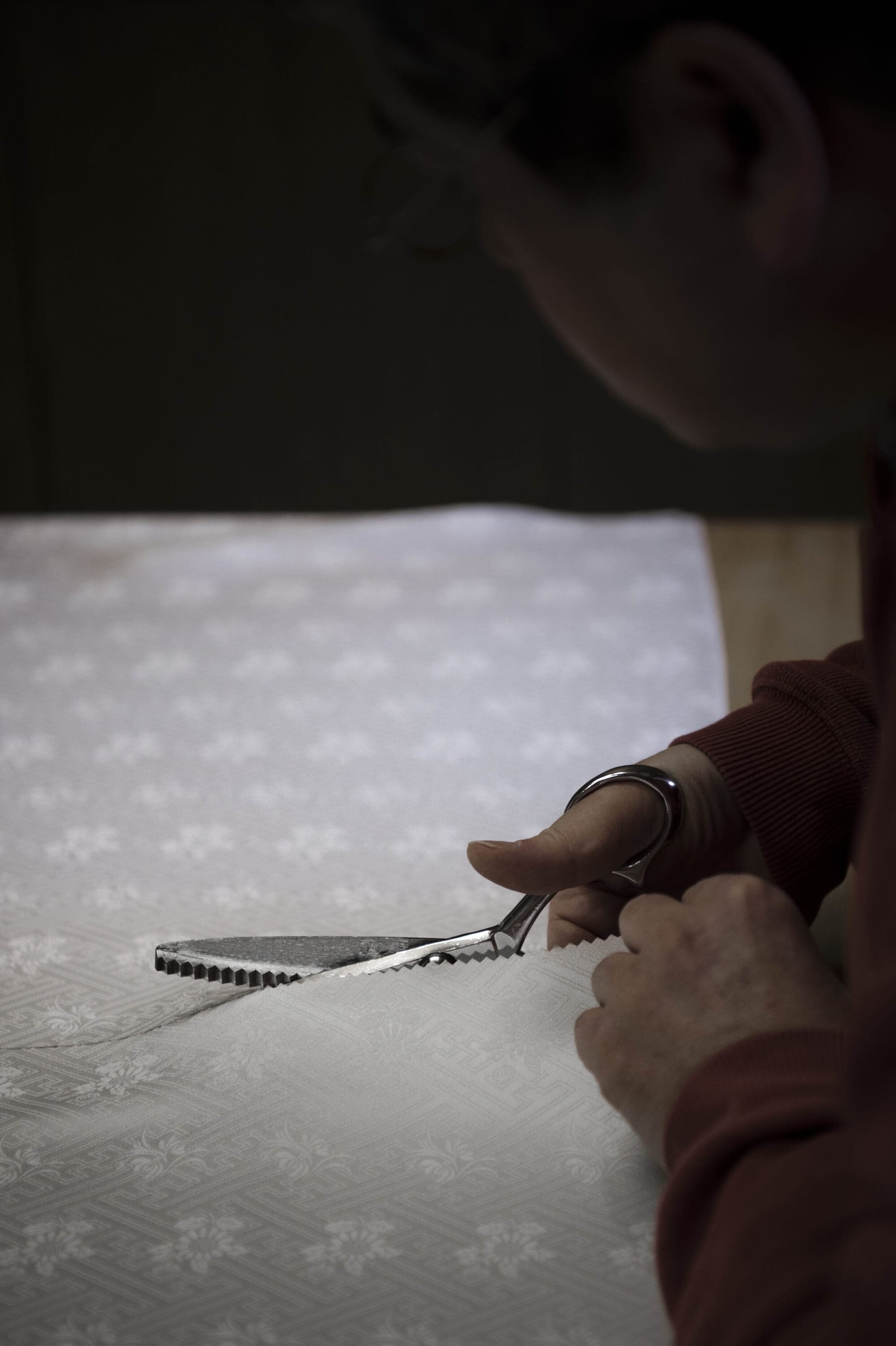
It begins with the fabric itself. At the heart of every Chiso piece is pure white silk, carefully selected from both Japan and abroad. Guided by the brand’s exacting standards, each stage of production is closely overseen to ensure a consistent level of quality and craftsmanship.
In yuzen dyeing, intricate designs are built up gradually through a careful, layered process of resist-painting craftsmanship. Each stage of production is passed between specialized artisans, from base sketching and dye application to gold leaf detailing and embroidery. Kyoto-style yuzen, or kyo-yuzen, is known for its rich color palettes and painterly depth, resembling a moving canvas rather than textile decoration.
Chiso currently has five dedicated in-house kimono designers responsible for creating original works across its collections. This lineage of in-house design dates back to the Meiji era and continues to define the brand’s creative identity today.
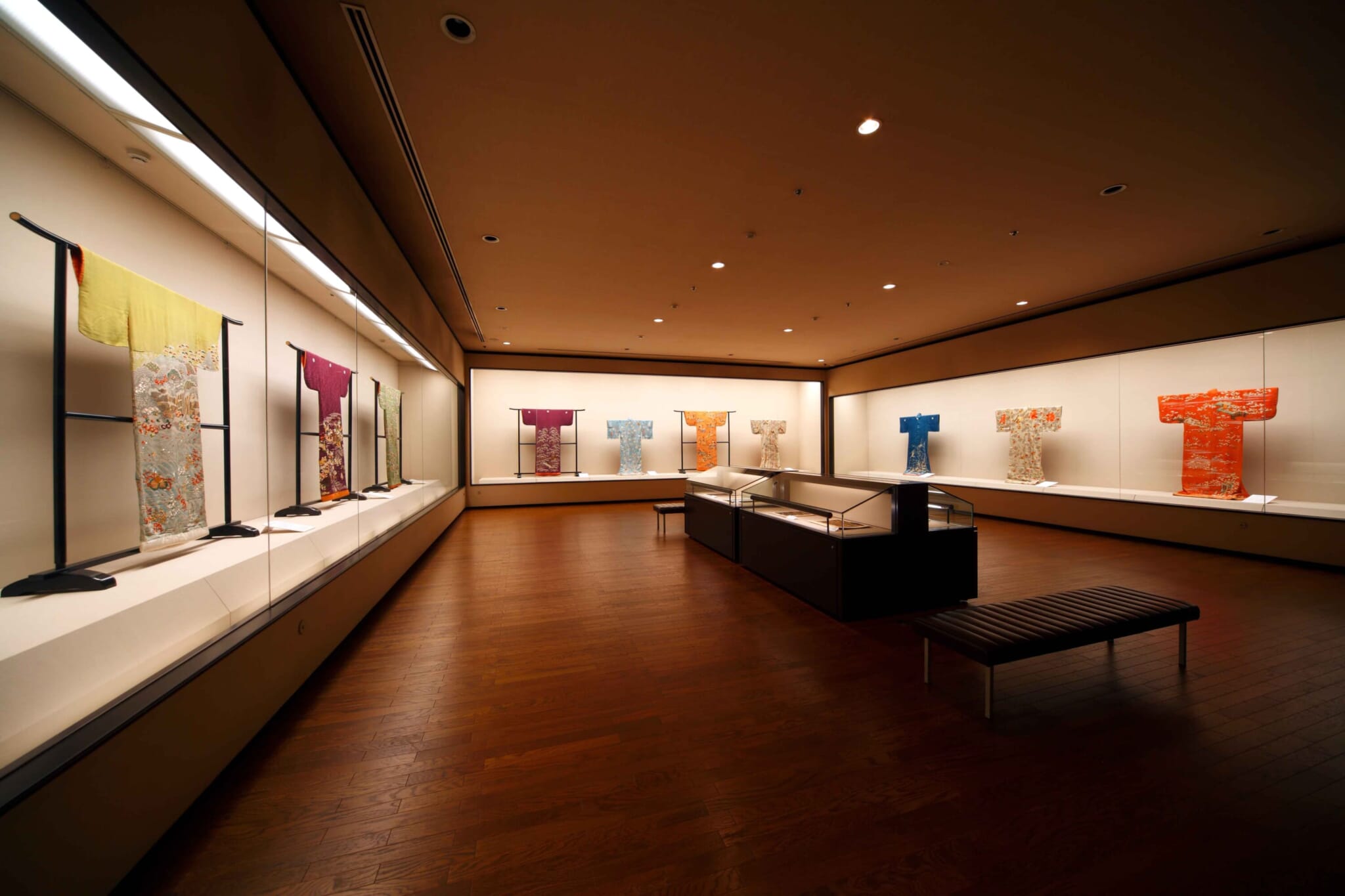
Across its history, the atelier has amassed an archive of approximately 20,000 works and reference materials, ranging from historical kimono designs to past creations by Chiso artisans to paintings by Japanese artists. Far from being static records, this archive functions as a living creative foundation — continuously informing new expressions of beauty.
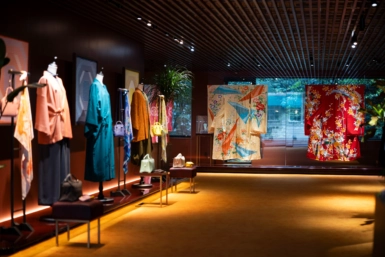
The brand also regularly opens parts of this archive to the public through exhibitions and gallery programming at its Kyoto flagship store, offering visitors a rare glimpse into its creative evolution.
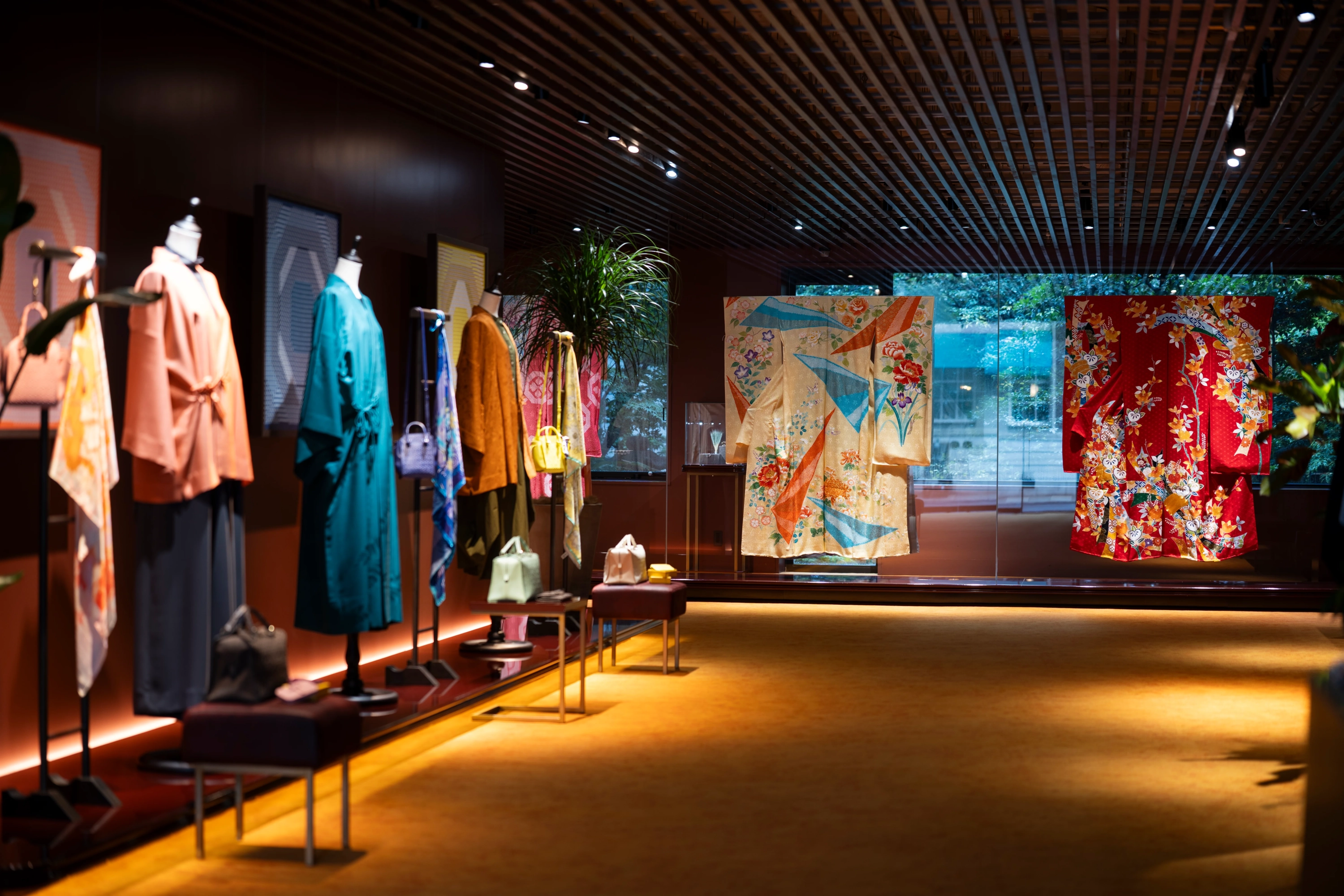
Chiso’s Unique Designs: Hand-Crafted Kimono, Kimono Gowns and More
Chiso’s belief that “tradition is not about preservation but about creation” inspires its continued pursuit of evolving craftsmanship into the future.
The brand offers a wide range of kimono types for every occasion, from the elaborate long-sleeved furisode to more understated komon and irotomesode styles, as well as kimono designed for children. Alongside this, its product range also extends to scarves, allowing elements of kimono artistry to be experienced in everyday form through textile and accessory design.
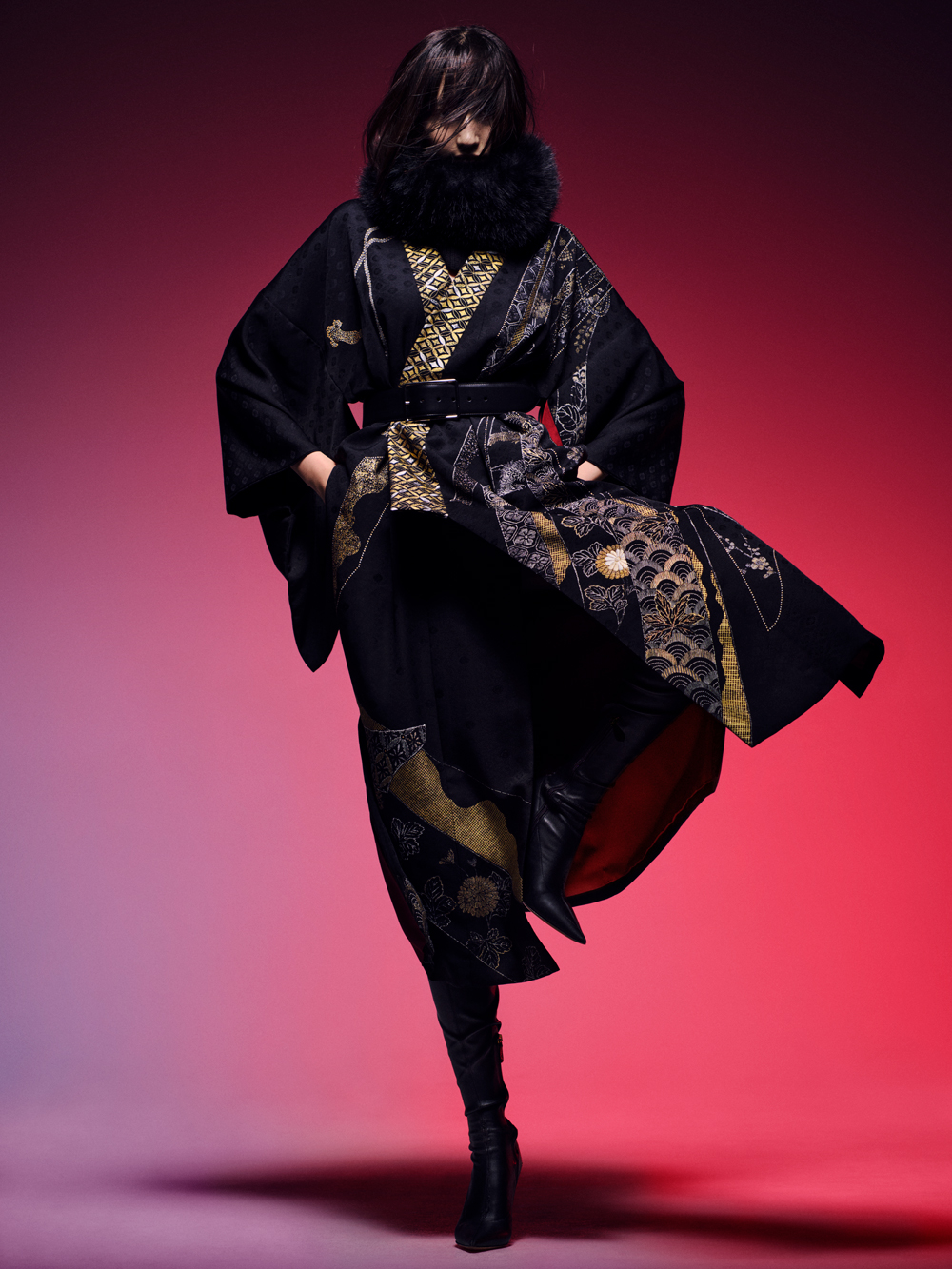
Chiso also presents a line of kimono gowns designed to bring the beauty of kimono into a more contemporary and approachable form. Created to offer a more fluid way of engaging with kimono-inspired design, the collection translates traditional craftsmanship into contemporary silhouettes designed for movement, comfort and personal expression.


The atelier also offers a made-to-order service, inviting guests into a highly personalized creative process. Through direct consultation with designers and artisans, clients can participate in the development of a kimono that reflects their individual sensibility.
At the Kyoto flagship store in Sanjo- Karasuma, visitors can experience the world of Chiso more directly — through curated displays, archival exhibitions and an environment shaped by its precise craftsmanship.

More Info
To see more from Chiso’s artisan collections, please visit its website or the Chiso flagship store in Sanjo-Karasuma, Kyoto.
Updated On September 10, 2026