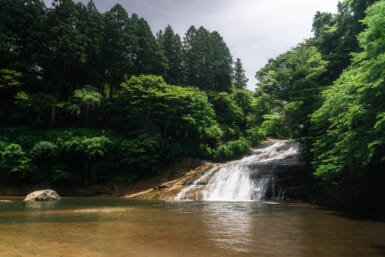

In Fukuoka, craftsmanship is part of the landscape. Indigo-dyed textiles dry outside countryside workshops, delicate lanterns glow during summer festivals and generations of artisans carefully handcraft works out of clay, silk and lacquer, using techniques refined over centuries. Traveling through the prefecture offers countless opportunities to experience these living traditions up close.
From the expressive clay figures of Hakata dolls to the refined bamboo work of Yame and the deep blue textiles of Kurume, Fukuoka’s crafts are as diverse as the landscapes in which they developed. Drawing on local materials, specialized techniques and generations of accumulated knowledge, each tradition tells a different story about the people, industries and cultural forces that have shaped the prefecture.
Below, a closer look at some of the crafts that have become synonymous with Fukuoka.
Hakata-Ori: Woven Strength
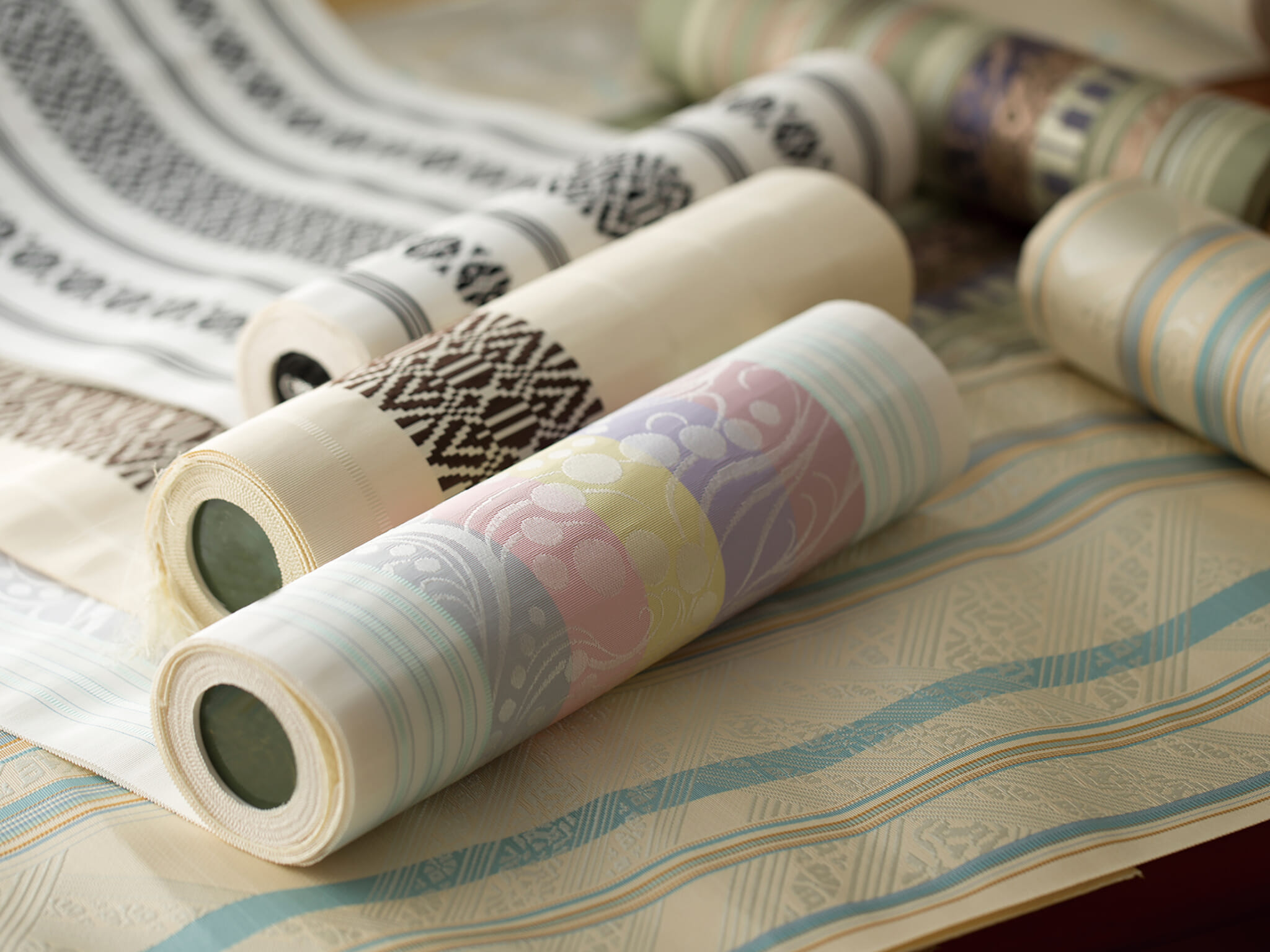
Produced in Fukuoka for nearly 800 years, Hakata-ori is a silk textile prized for its tightly woven texture and understated elegance. It’s especially associated with kimono obi, and is prized for its durability and structure — qualities that once made it popular among samurai, who used the sturdy fabric to secure their swords.
Today, Hakata-ori appears not only in traditional dress but also in wallets, neckties and bags, bringing its refined craftsmanship into everyday life.
Hakata Ningyo: Figures Full of Life
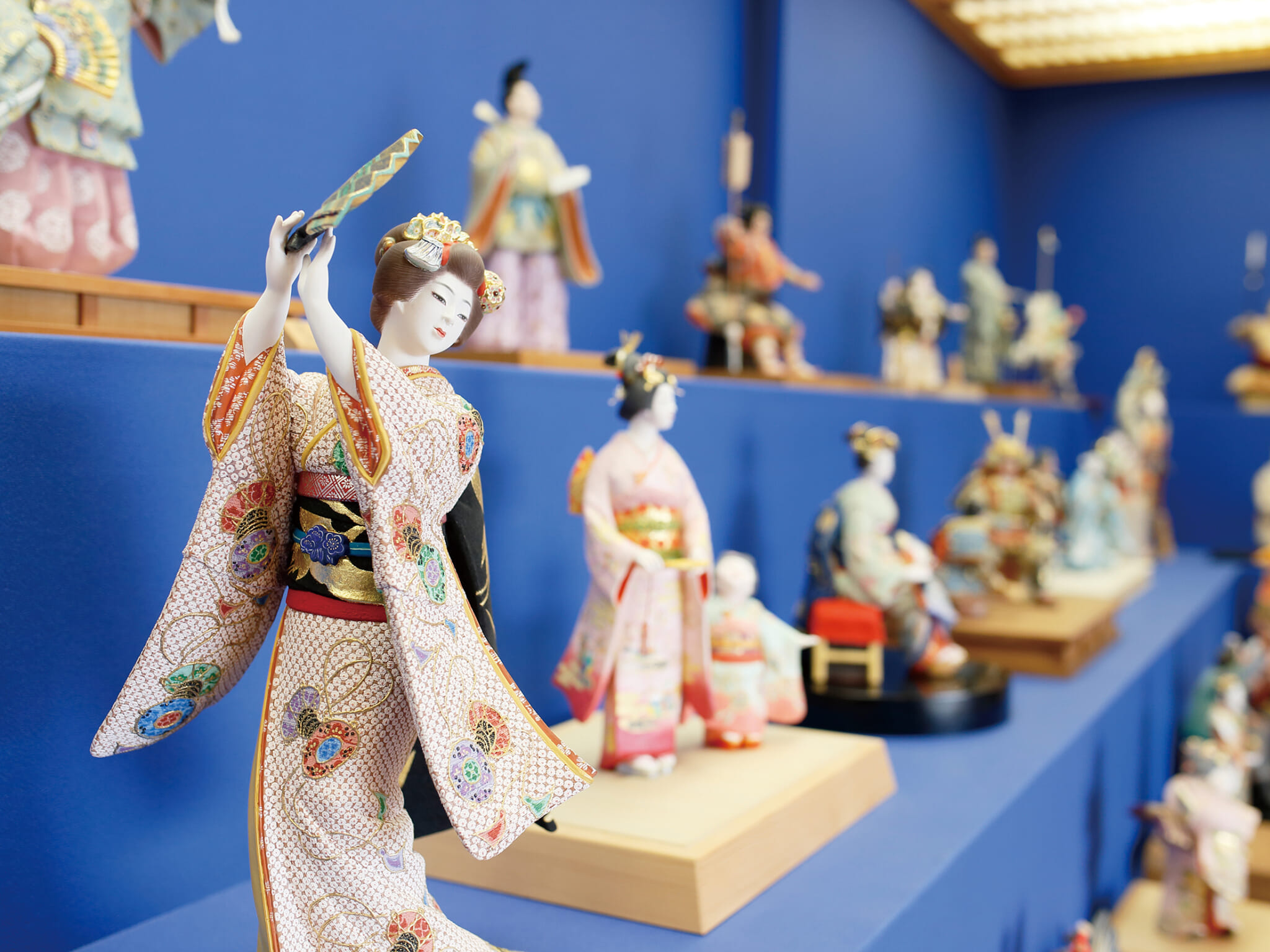
Hakata ningyo, or Hakata dolls, are celebrated for their remarkably lifelike ex- pressions and soft, unglazed finish. Each figure is shaped and hand-painted through a meticulous process, with artisans carefully refining every detail from facial expressions to flowing kimono folds.
Each doll demands superior skill and extensive labor, going through several rounds of sketching, prototyping and coloring. The production process for each figure takes around two to three months — and becoming an artisan requires over 10 years of dedicated apprenticeship. Today, fewer than 100 master craftsmen continue the Hakata doll tradition.
Agano-Yaki: Pottery and Ritual
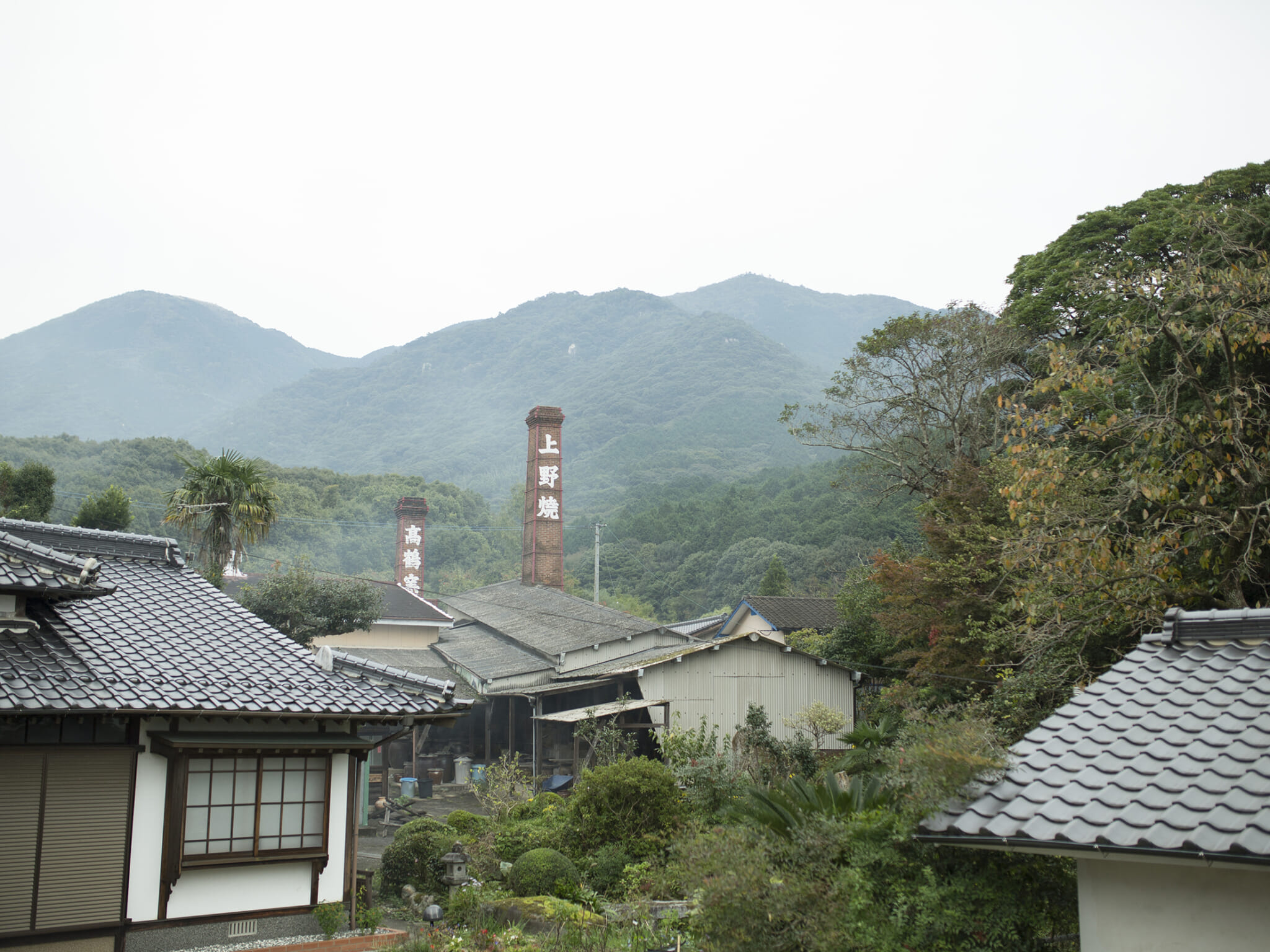
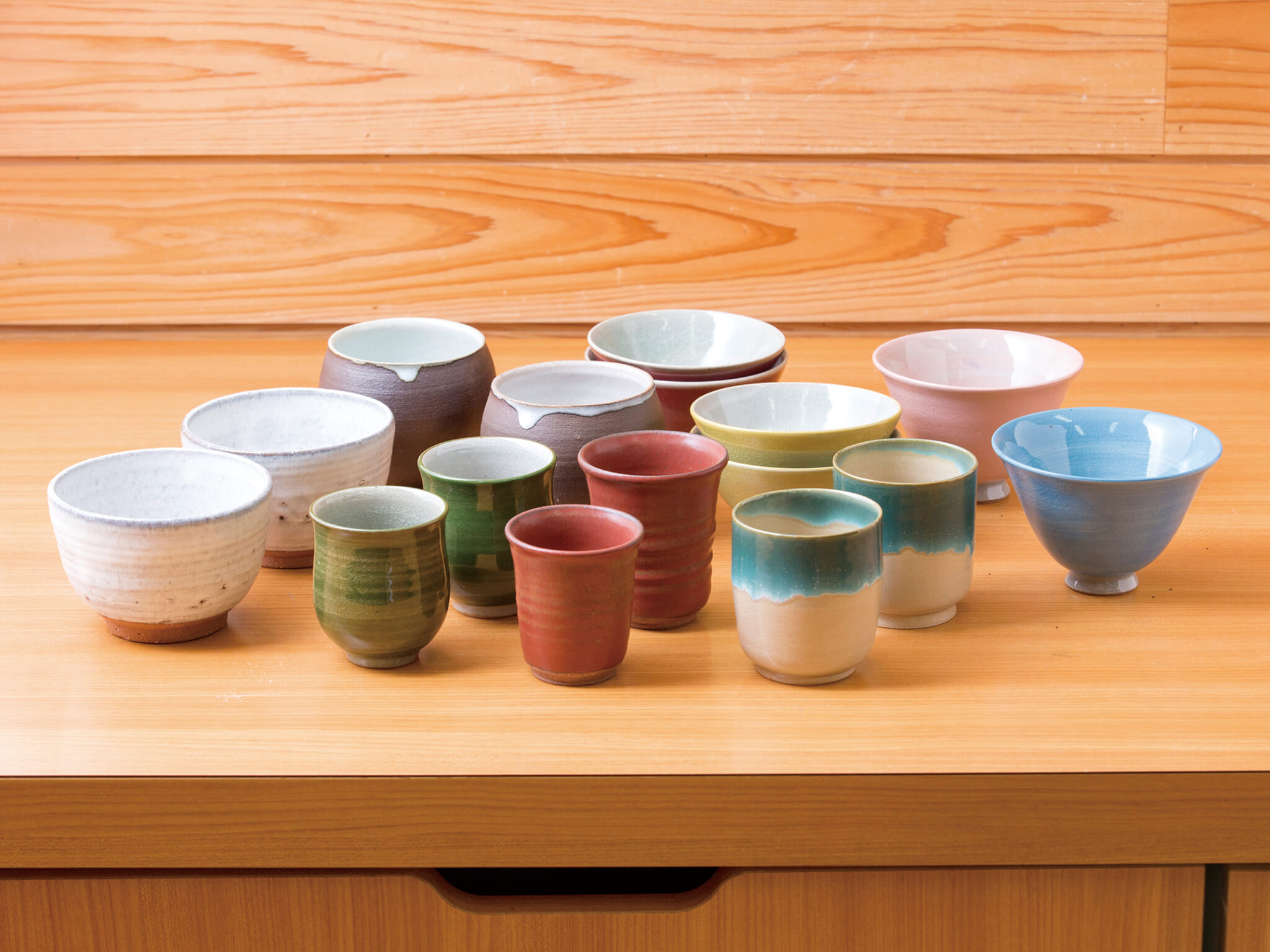
Agano-yaki pottery has long been associated with tea ceremony culture, valued for its balanced weight, soft texture and luminous glaze. Considered one of Japan’s most celebrated ceramic traditions, it remains closely tied to tea culture today.
Produced using the clean water and high-quality clay of the region around Mount Fukuchi, the ceramics are designed to feel natural in the hand. Tea bowls, teapots and sake vessels often feature subtle tones and delicate finishes that embody the understated elegance associated with Japanese tea culture.
-2048x1536.jpg)
Koishiwara-Yaki: Beauty in Everyday Use
In the pottery village of Koishiwara, ceramic traditions have long been tied to daily life. For generations, farmers and residents fired everyday wares like pots, rice bowls and water jars in their personal kilns. In the 1930s, Soetsu Yanagi — known as the father of the Japanese folk art movement — brought Koishiwara-yaki to national attention for its practical beauty.
Many pieces feature rhythmic carved patterns created using traditional techniques such as tobikanna, in which a tool is lightly pressed against the rotating clay to create delicate repeated markings.
The village continues its communal pottery tradition with more than 50 kilns still active today. Visitors to Koishiwara can often observe artisans at work, browse galleries attached to the studios and experience the peaceful atmosphere of dishes drying out in the sun.
Yame Chochin: Illuminated Tradition
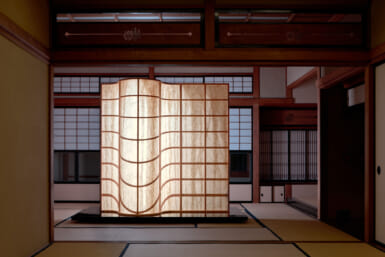
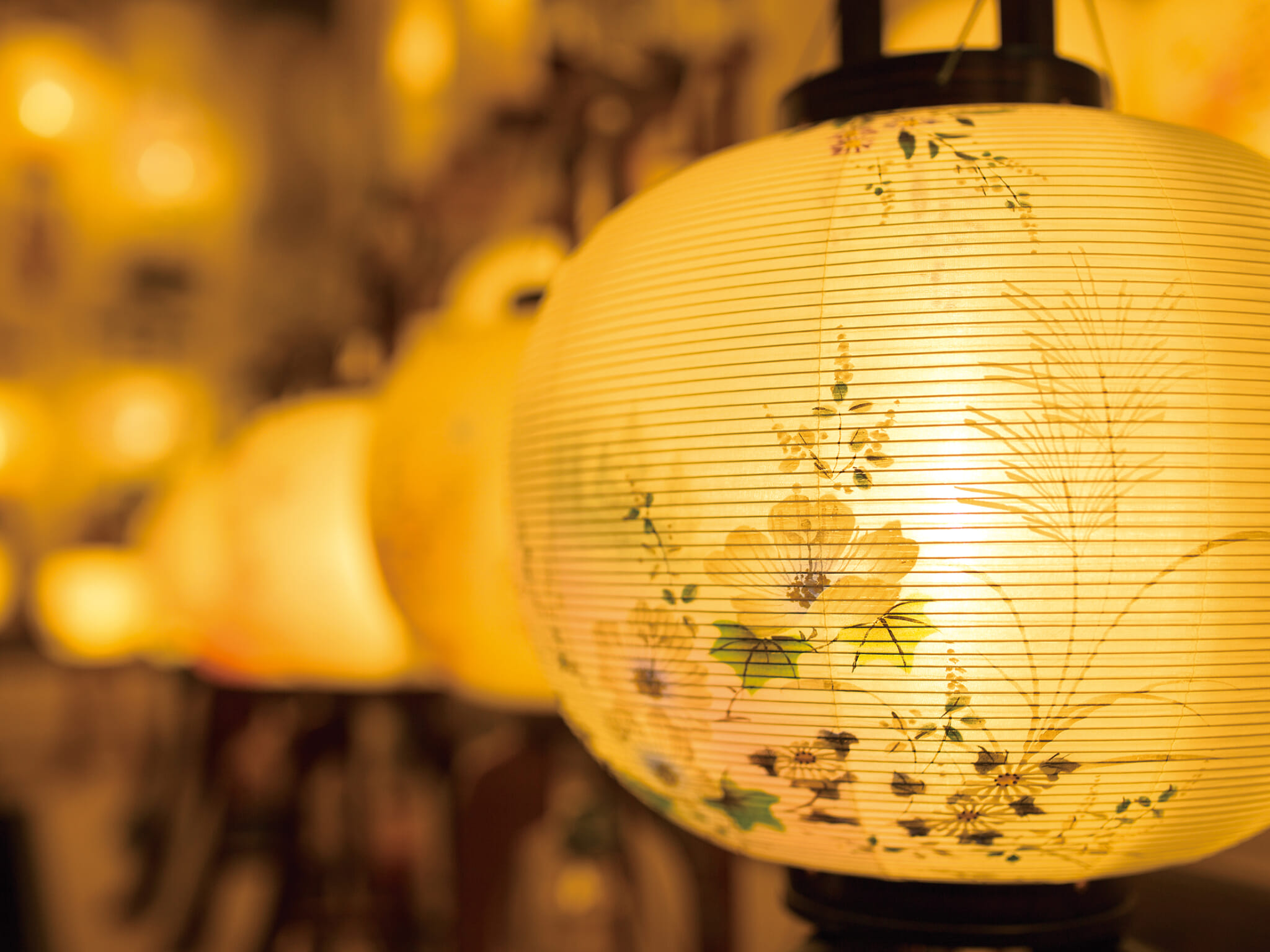
Yame is one of Japan’s most renowned lantern-producing regions, known for lanterns crafted from bamboo, washi paper and silk. The forms are lightweight yet intricate, often decorated with flowers, birds and seasonal landscapes painted freehand using a rapid technique performed entirely from memory.
The craft flourished around 200 years ago thanks to the region’s abundance of bamboo and high-quality paper production. Today, Yame lanterns remain closely associated with Bon traditions and are prized both as ceremonial objects and as examples of highly refined handcraft.
Kurume Kasuri: Threads of Indigo
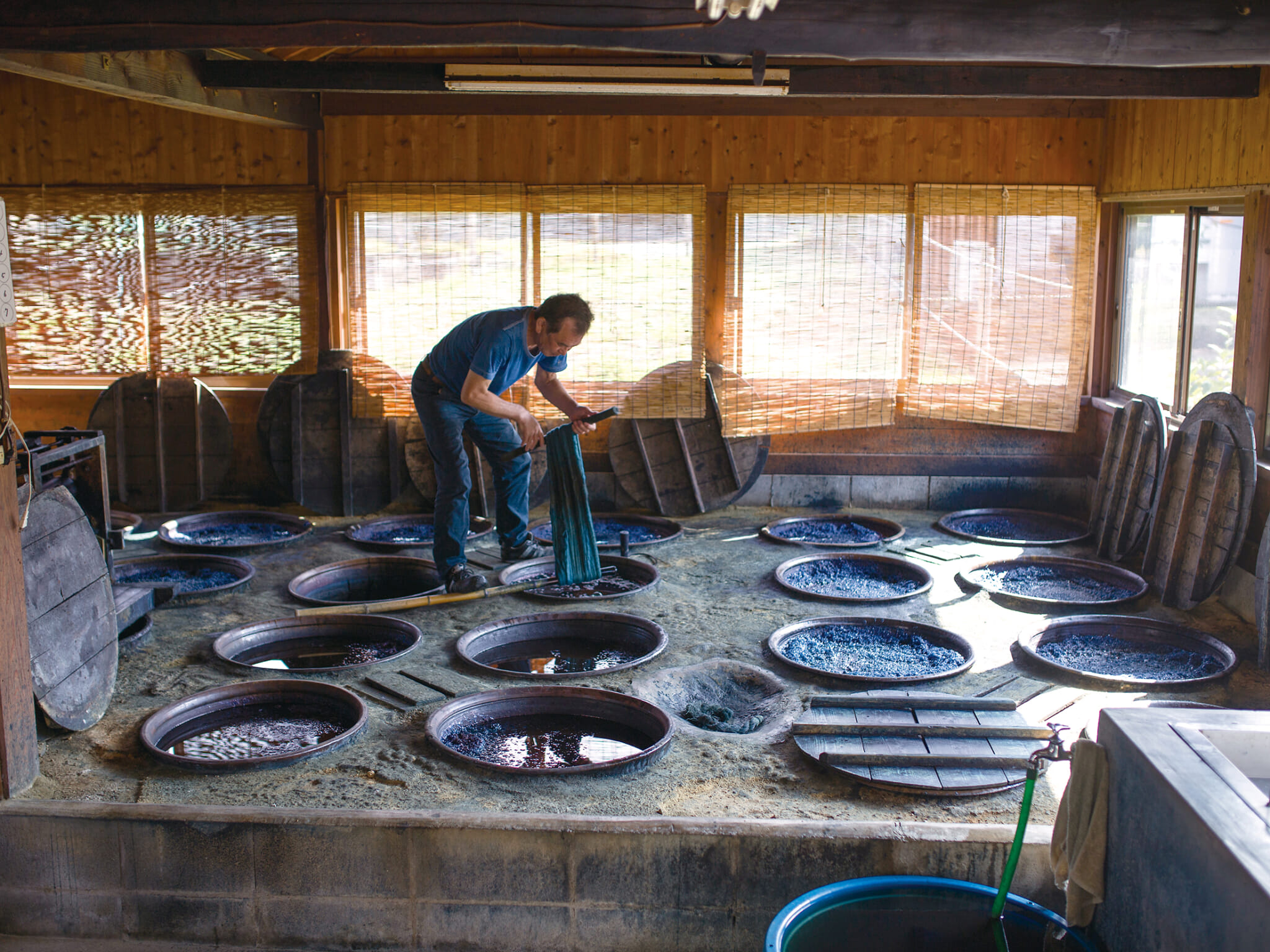
Kurume kasuri fabric is instantly recognizable for its deep indigo tones and softly blurred patterns, created through an intricate dyeing and weaving process developed more than 200 years ago. The textile was first devised by Inoue Den, the daughter of a rice merchant from Kurume, who was just 12 years old when she began experimenting with binding and dyeing threads to produce distinctive geometric designs.
Even today, many workshops continue to make Kurume kasuri by hand, preserving techniques and delicate details that machines cannot fully replicate. For a closer look at the craft, the Kurume Kasuri Open Factory invites visitors inside working studios that are normally closed to the public. Guests can meet artisans, observe the production process and participate in hands-on workshops, offering a rare opportunity to experience one of Fukuoka’s living traditions firsthand.
Visiting Fukuoka allows travelers to encounter these traditions more deeply — from pottery villages and indigo workshops to lantern studios and hands-on Hakata doll painting experiences, where craftsmanship remains part of everyday life.
Craft and Fine Dining Meet at Kojimachi Nadaman Fukuoka Bettei
For those unable to travel to Fukuoka just yet, Kojimachi Nadaman Fukuoka Bettei offers a glimpse into the prefecture’s rich craft traditions in the heart of Tokyo. The establishment — a collaboration between the Fukuoka Prefectural Government and the long-established restaurant Nadaman — is best known for its refined kaiseki cuisine. But it also serves as a showcase for a wide range of traditional crafts from across the prefecture.
The space is imbued with craftsmanship, from the elegant tableware on which each dish is served to the thoughtfully composed interiors and dedicated display shelves featuring a wide variety of traditional works. Stepping through its entrance feels like entering another world — one far removed from central Tokyo — offering a glimpse into the atmosphere, artistry and cultural traditions that define Fukuoka Prefecture.
More Info
To explore more traditional crafts and workshops at the Kurume Kasuri Open Factory, please click here.
Kojimachi Nadaman Fukuoka Bettei
1F Sumitomo Fudosan Fukuoka Hanzomon Bldg.,
1-12-1 Kojimachi, Chiyoda-ku, Tokyo
T: 03-6380-8421
Access: A three-minute walk from Exit 3a or 4 of Hanzomon Station via the Tokyo Metro Hanzomon Line