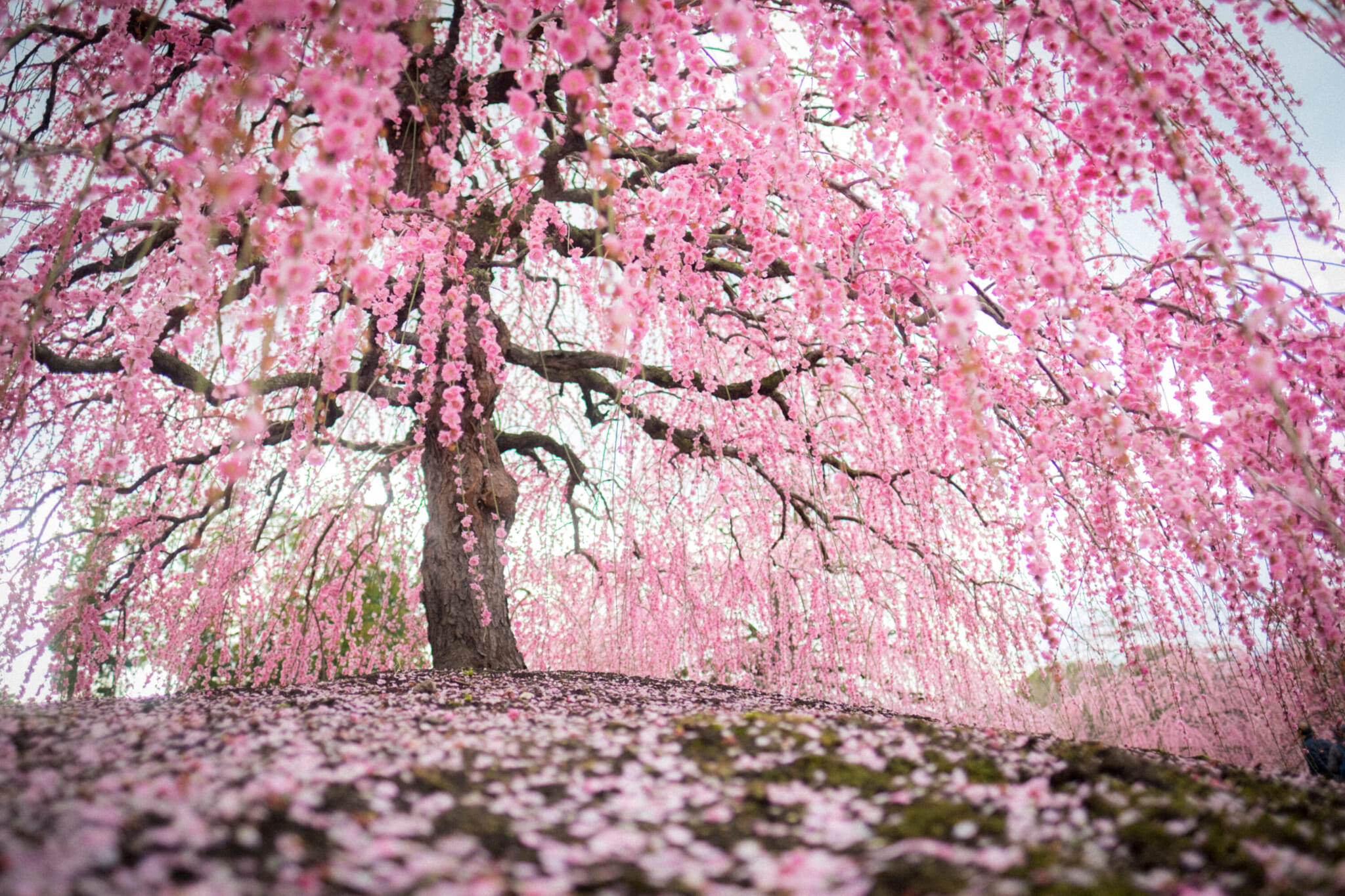
If going offline is one of your New Year’s resolutions, consider visiting one of the nine plum festivals listed below in the coming weeks. Simply choose a destination, take your time getting there and linger once you arrive. Keep it casual by going to a festival held in a local park, or plan a day trip outside of Tokyo for a bit more of a challenge.
Opening hours and event schedules can vary by location, so it’s worth checking official sites in advance, especially for evening illuminations. Transportation options also differ from place to place, and some venues charge a small admission fee while others are free.
Tokyo Plum Blossom Festivals
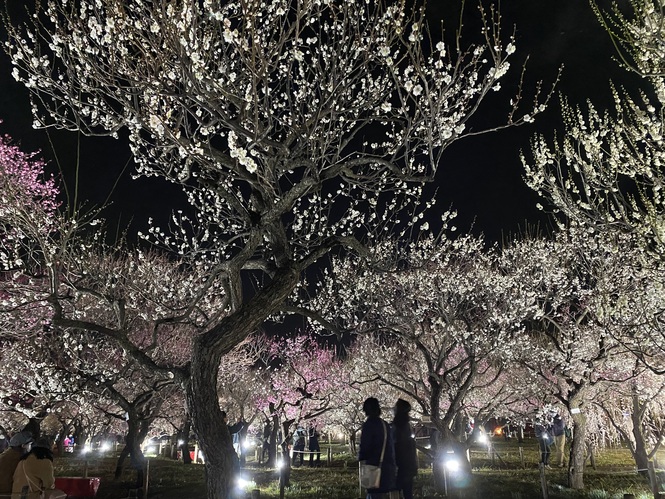
Fuchu Kyodo no Mori Ume Matsuri
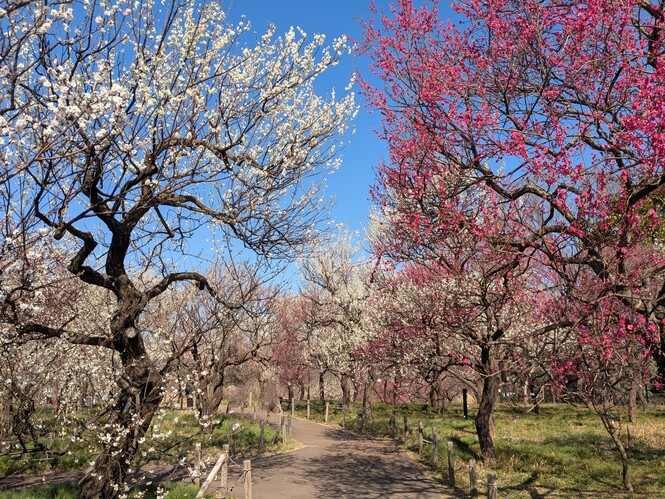
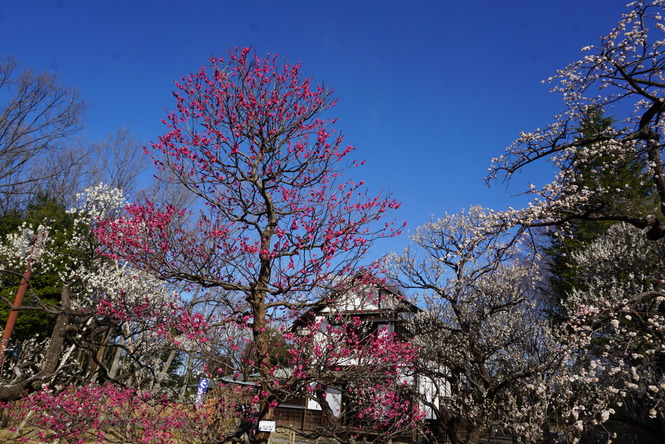
A spacious open-air museum complex hosts the Kyodo no Mori Ume Matsuri, one of Tokyo’s largest plum-blossom events. Around 1,300 plum trees of 120 varieties bloom across the grounds, with red, white and pink blossoms joined by early spring flowers. Evening illuminations can be enjoyed on February 21–23, as well as on February 28 and March 1.
When: January 31–March 8
Where: Kyodo no Mori Historical Museum
More info: Official brochure
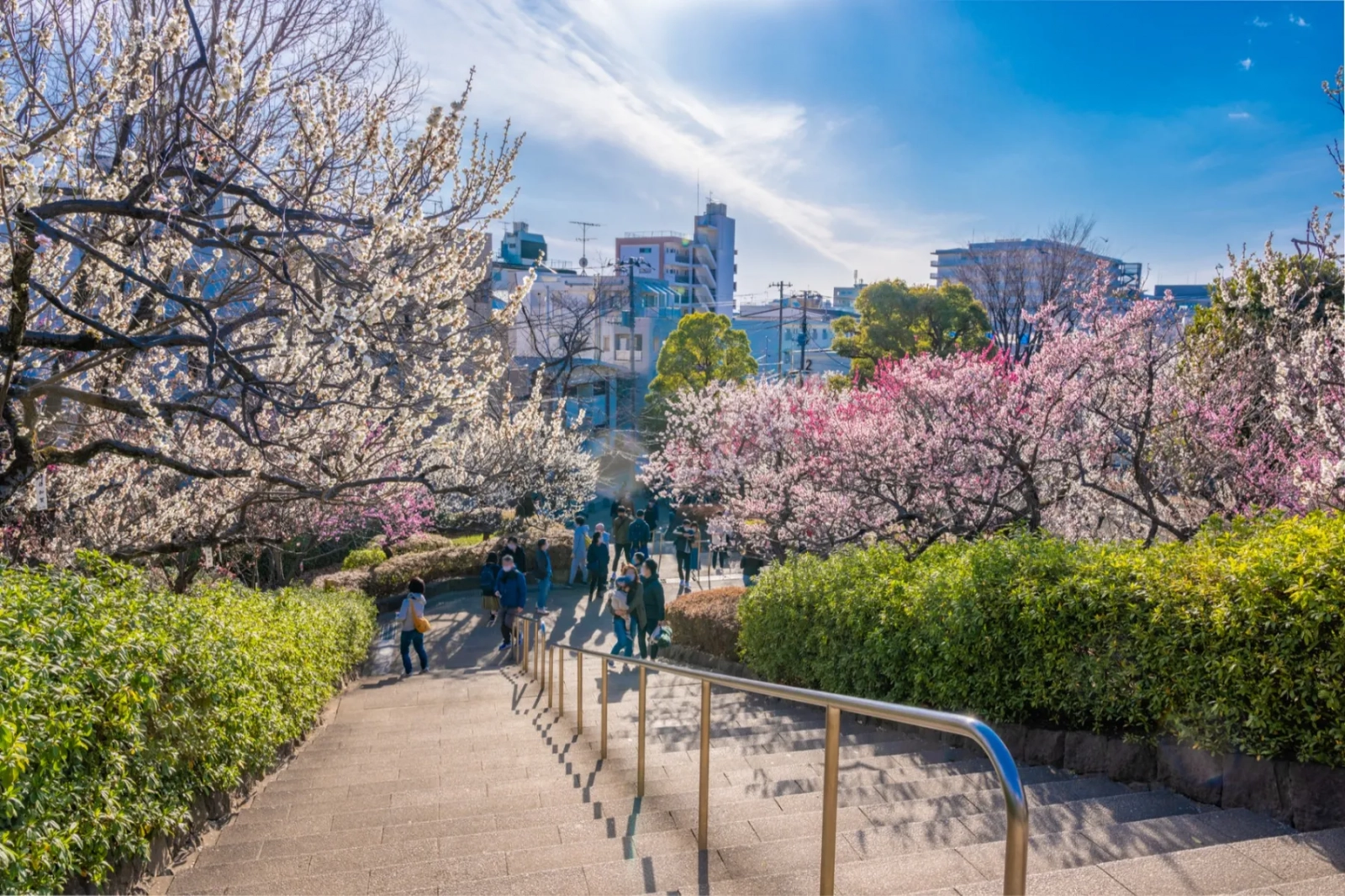
Setagaya Ume Matsuri
Now in its 47th year, the Setagaya Ume Matsuri is one of Tokyo’s best-loved local plum festivals. Held at Hanegi Park, the event unfolds in a relaxed neighborhood setting where plum trees bloom across sloping lawns rather than formal gardens. It’s a festival with a friendly vibe and a strong focus on community and culture.
When: February 7–March 1
Where: Hanegi Park
More info: Official brochure
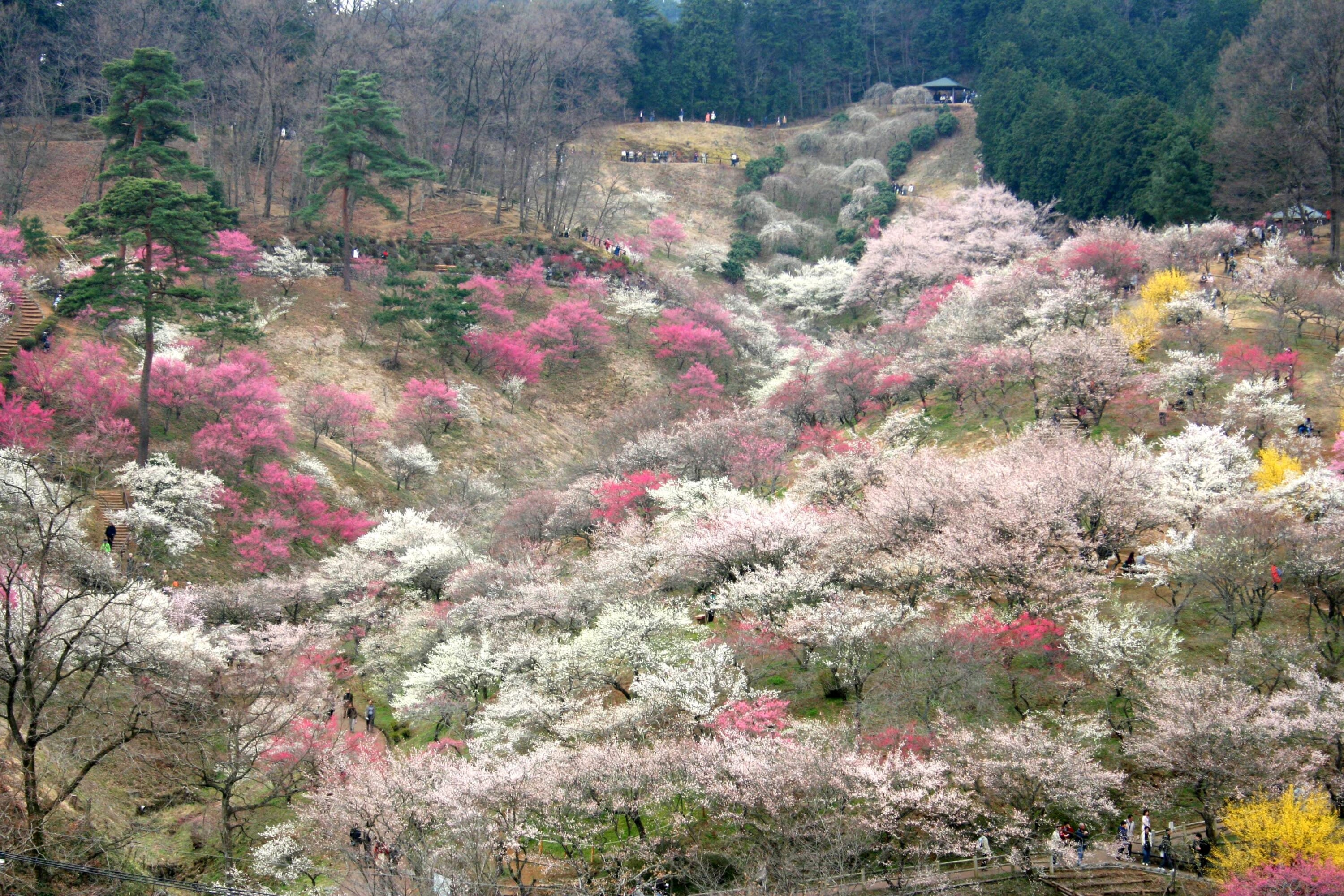
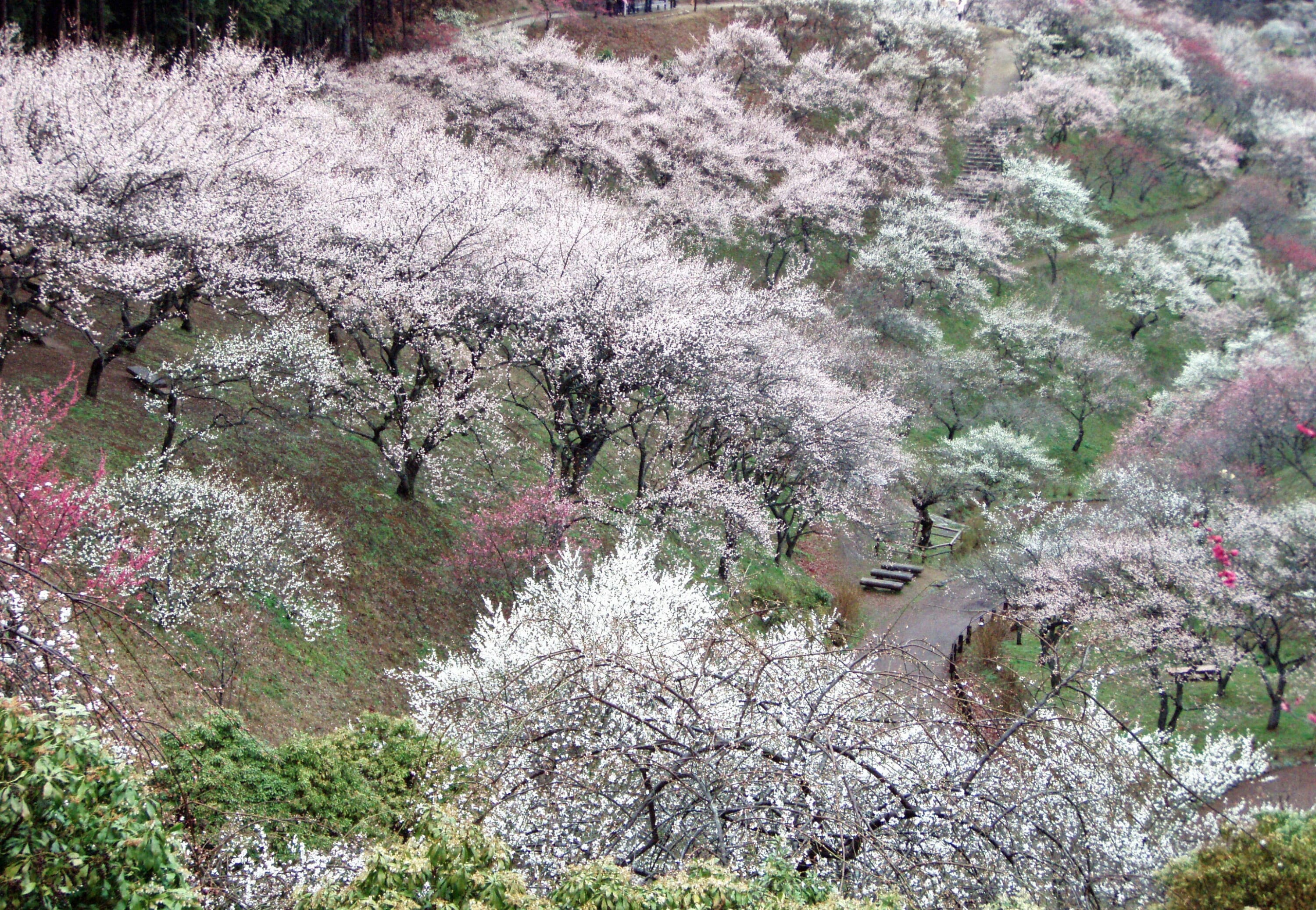
Yoshino Baigo Ume Matsuri
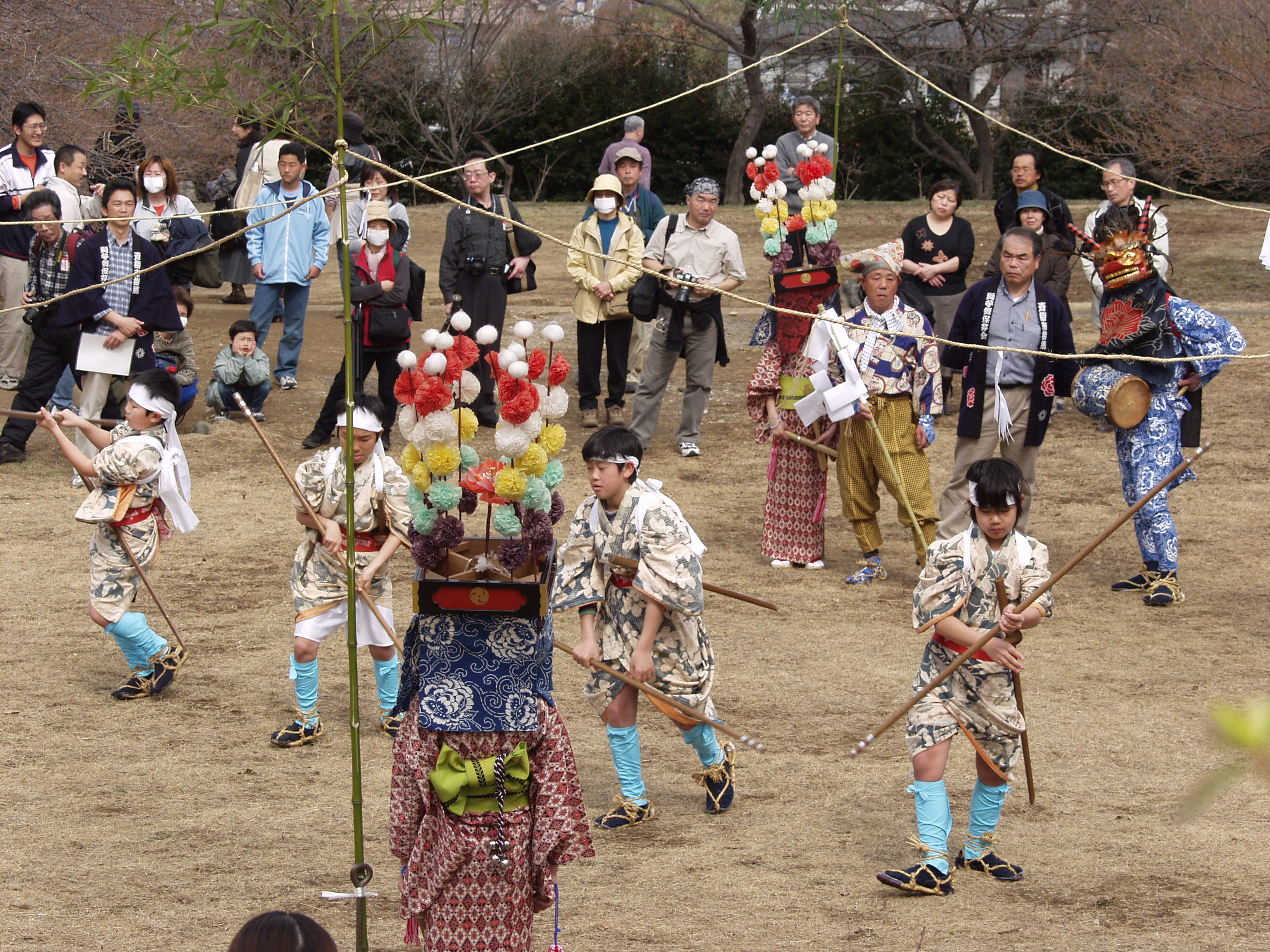
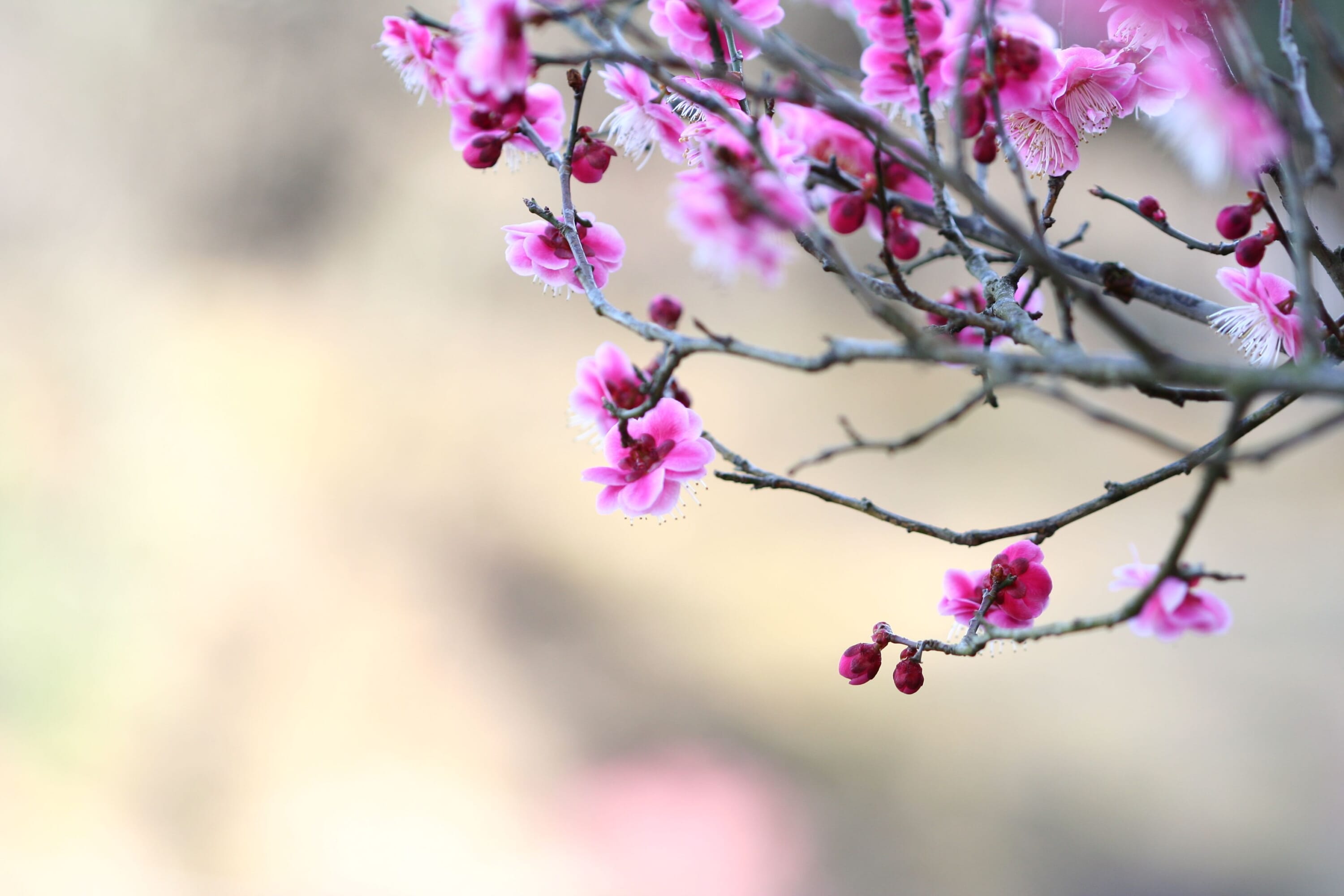
Held in Ome, Yoshino Baigo Ume Matsuri marks the 10th anniversary of the area’s revival as a plum-viewing destination. Set among low hills and river valleys in western Tokyo, the grove offers a distinctly rural atmosphere despite remaining within the city. Following large-scale replanting that began in 2016 to quell a plum tree virus, the plum trees have steadily matured. The festival emphasizes quiet strolling and seasonal appreciation rather than large-scale performances.
When: February 21–March 22
Where: Umeno Park
More info: Yoshino Baigo Ume Matsuri
Plum Blossom Festivals Near Tokyo
Atami Baien Ume Matsuri, Shizuoka
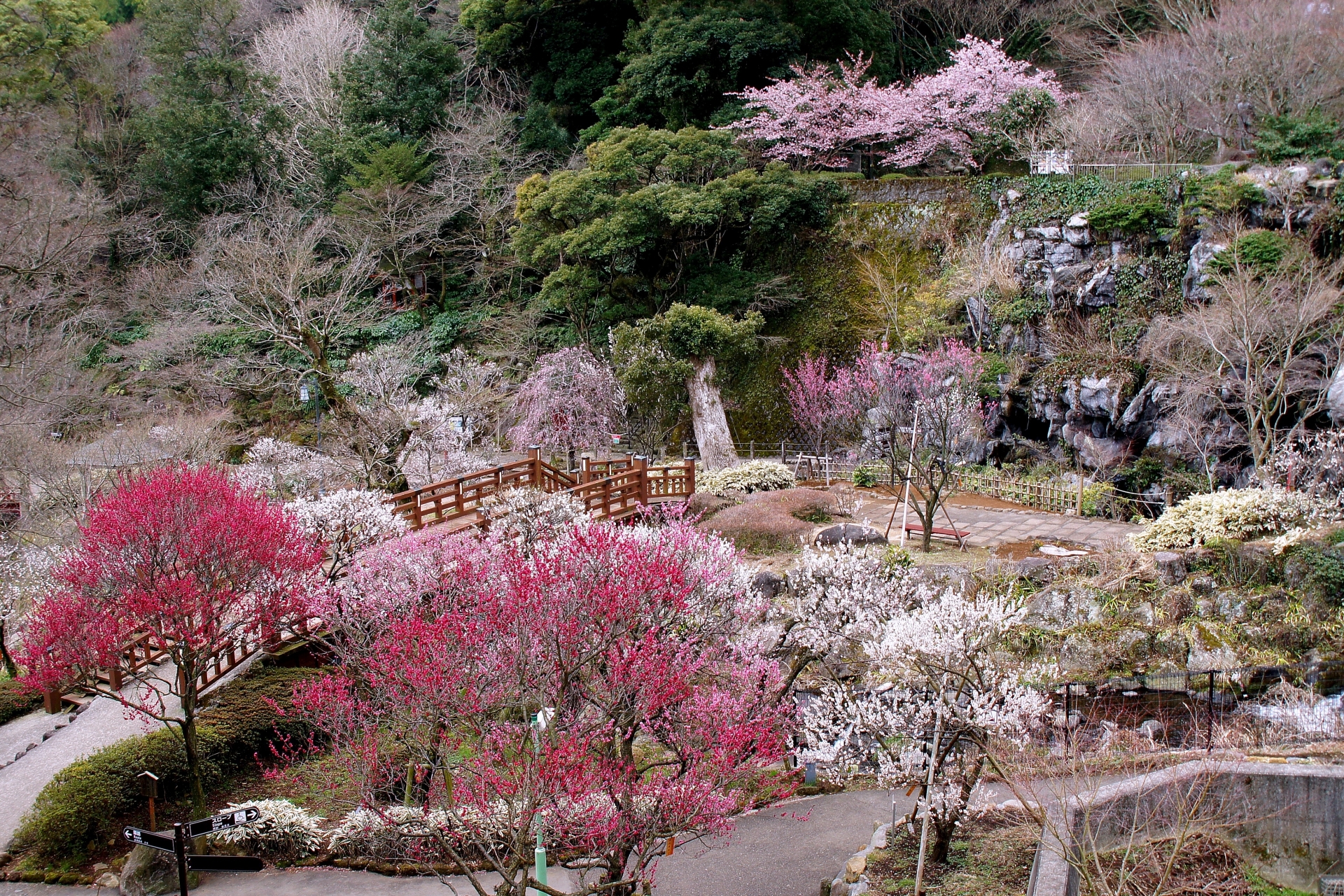
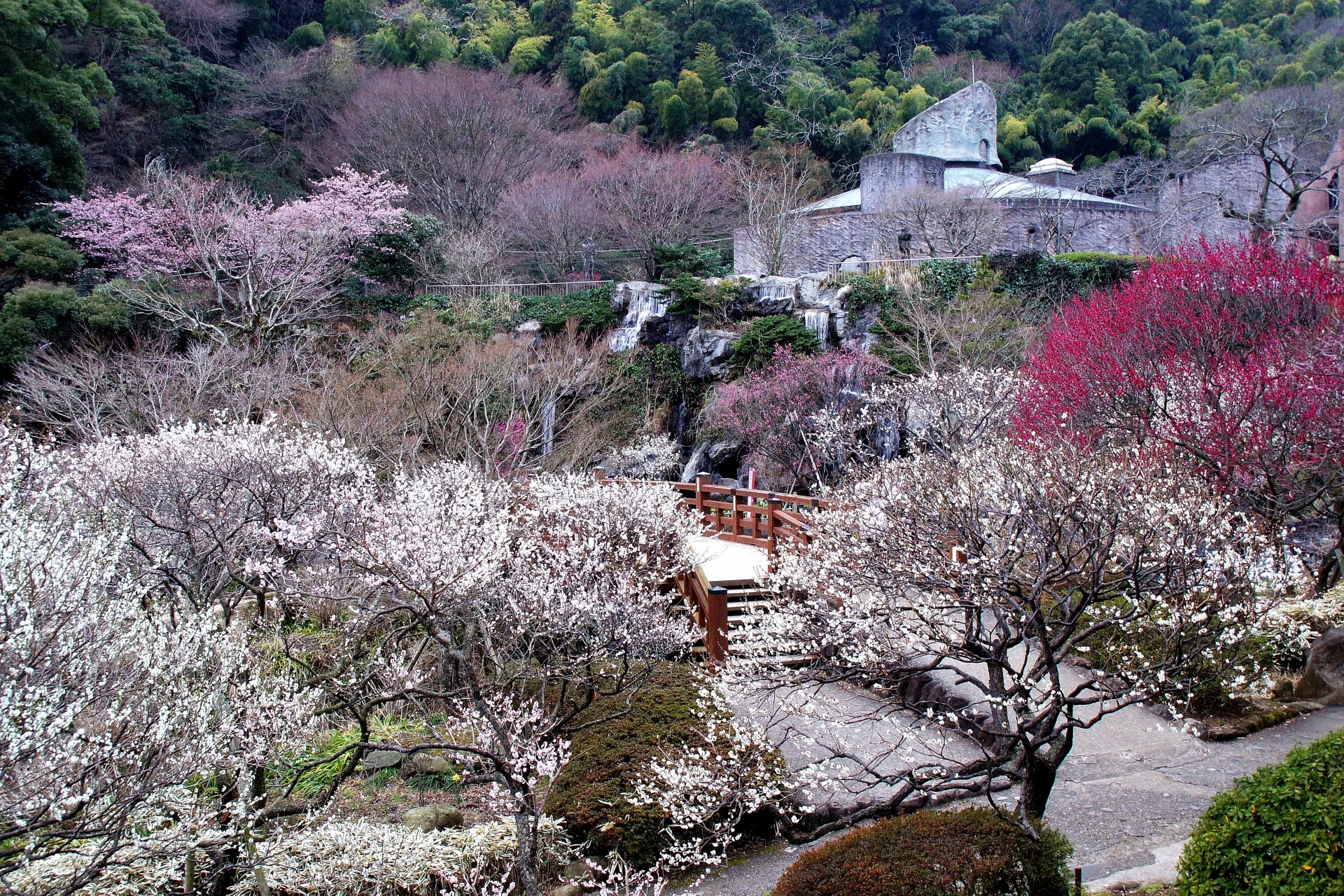
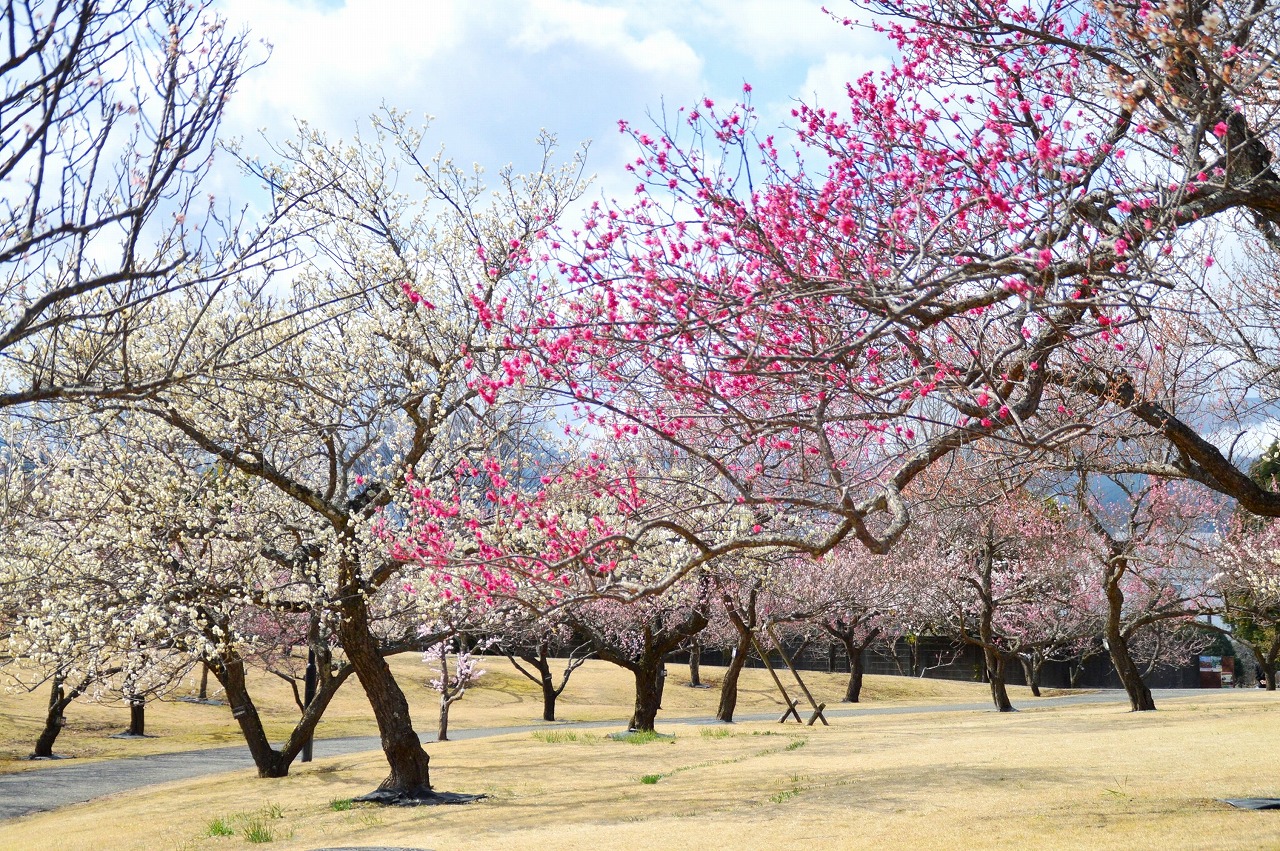
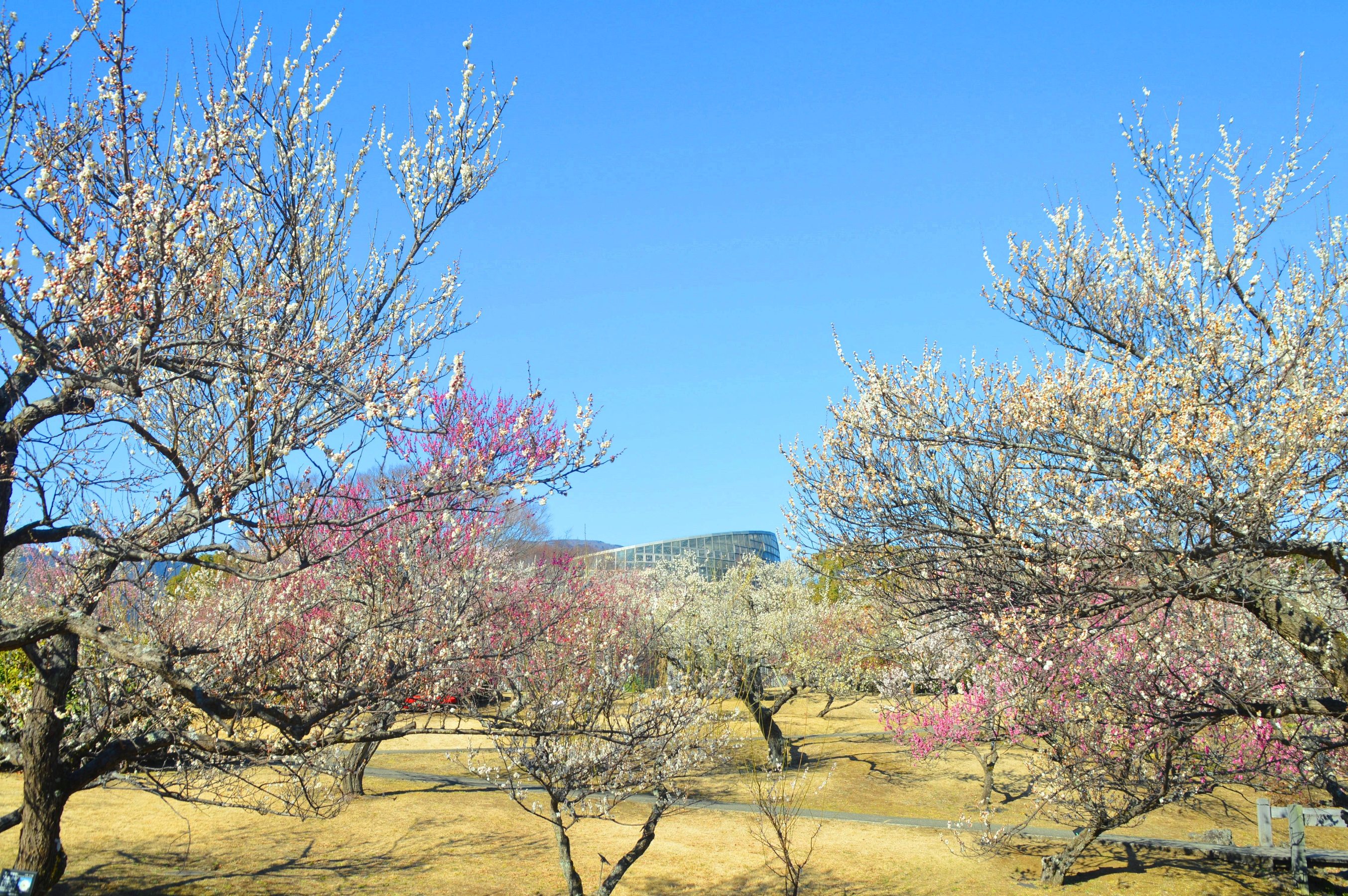
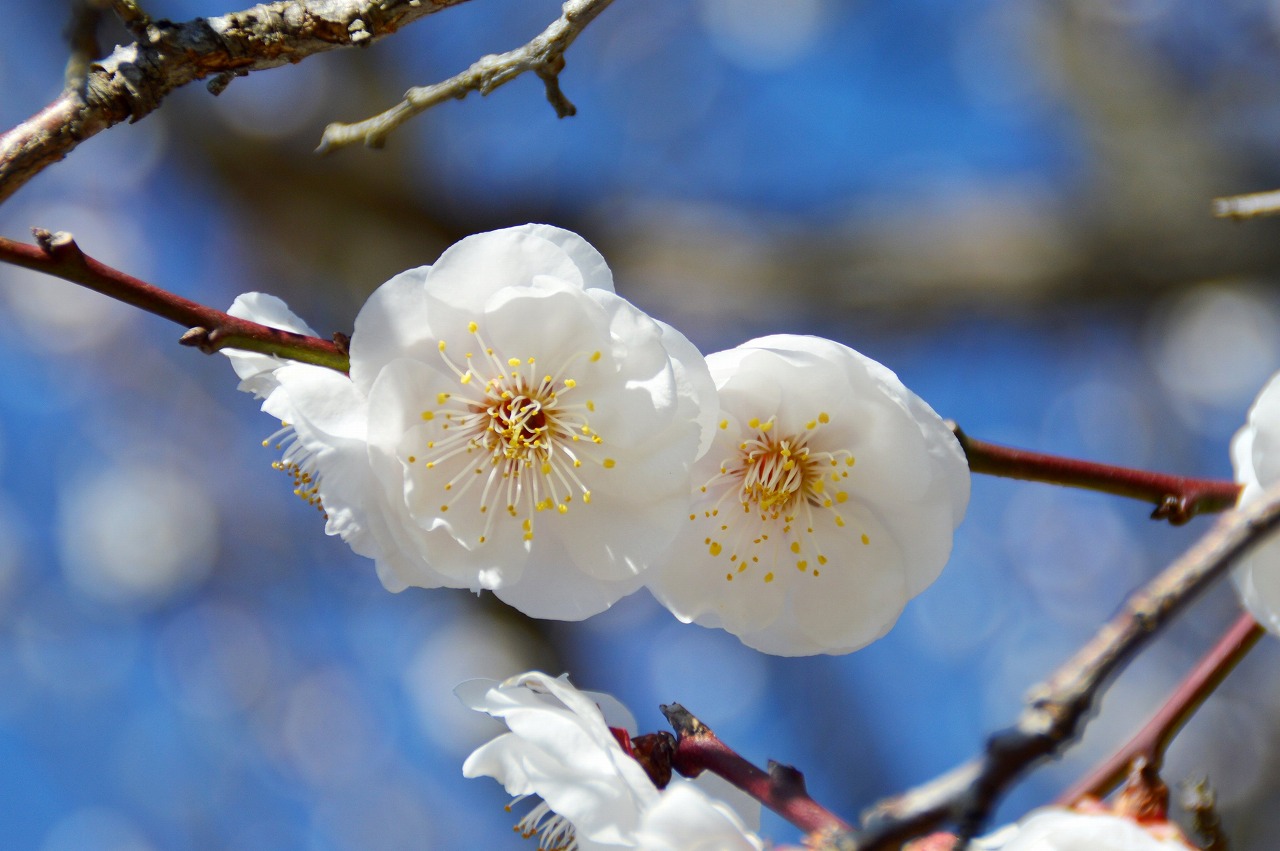
Held at Atami Plum Garden, the Atami Baien Ume Matsuri is one of Japan’s earliest major plum events, made possible by the city’s mild coastal climate. Set in a terraced garden surrounded by hills, hundreds of plum trees bloom before most of the Kanto region enters spring. During the festival, footbaths and souvenir shops operate within the garden. Select days feature additional programs, such as geisha performances, street entertainment and complimentary amazake (sweet sake).
When: January 10–March 8
Where: Atami Plum Garden
More info: Official brochure
Odawara Ume Matsuri, Kanagawa
Celebrating its 56th year, the Odawara Ume Matsuri is one of the Kanto region’s most expansive plum events. Held across Soga Plum Grove and Odawara Castle Ruins Park, the centerpiece is the former, which features around 35,000 plum trees blooming against a backdrop of Mount Fuji. The castle grounds then add a contrasting urban-historic setting with additional plum groves and seasonal cultural events.
When: February 7–March 1
Where: Soga Plum Grove and Odawara Castle Ruins Park
More info: Odawara Ume Matsuri
Akima Ume Grove Matsuri, Gunma
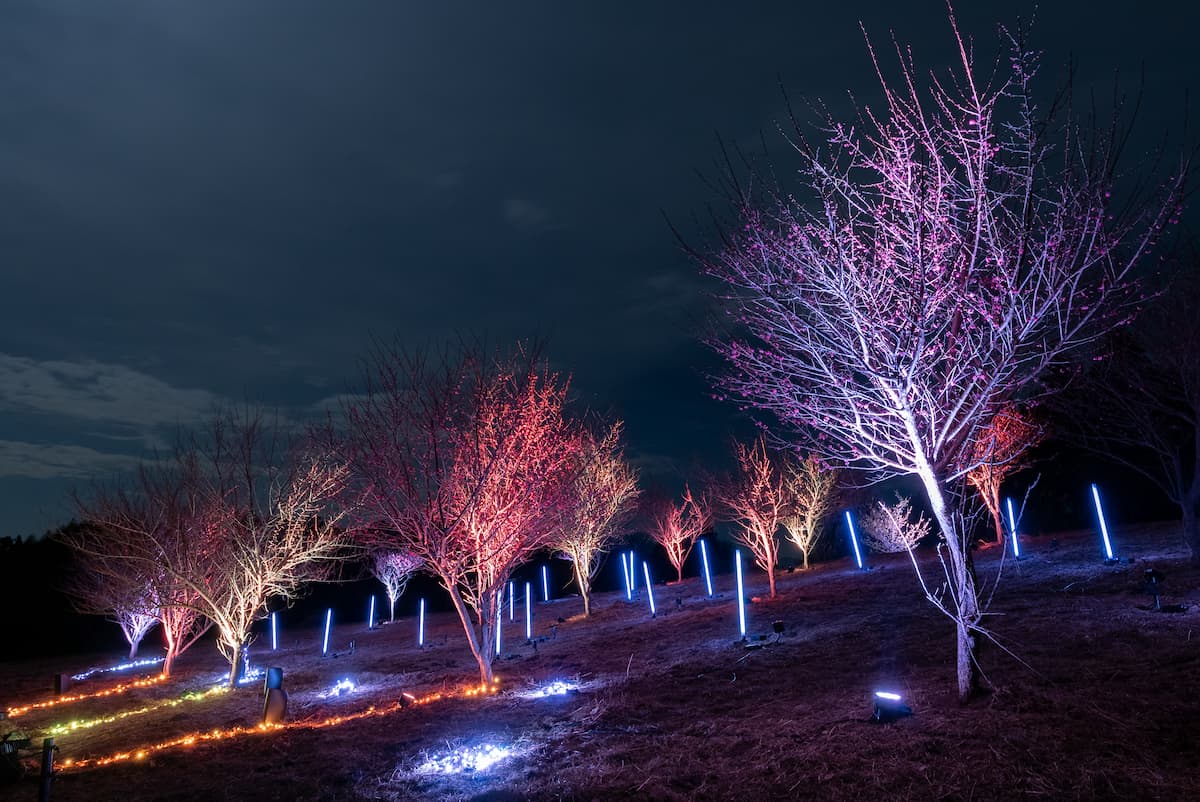
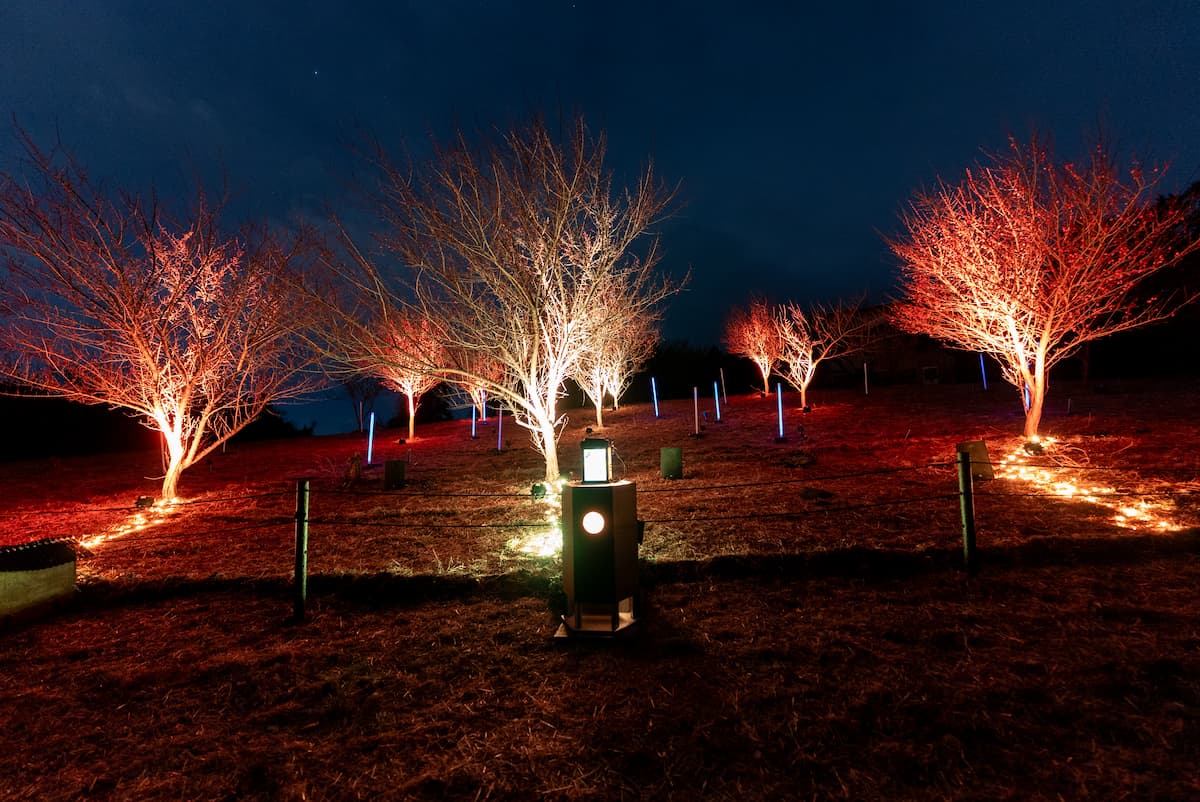
Located in a mountain valley in Gunma Prefecture, Akima Ume Grove is home to around 35,000 plum trees, making it one of the area’s largest plum-blossom sites. During the festival period, visitors can stroll through the grove by day, browse weekend food stalls and experience the area after dark during an illumination event, held only on Fridays, Saturdays and Sundays from February 14 to March 22.
When: February 14–late March
Where: Akima Plum Grove
More info: Official brochure
Mito no Ume Matsuri, Ibaraki
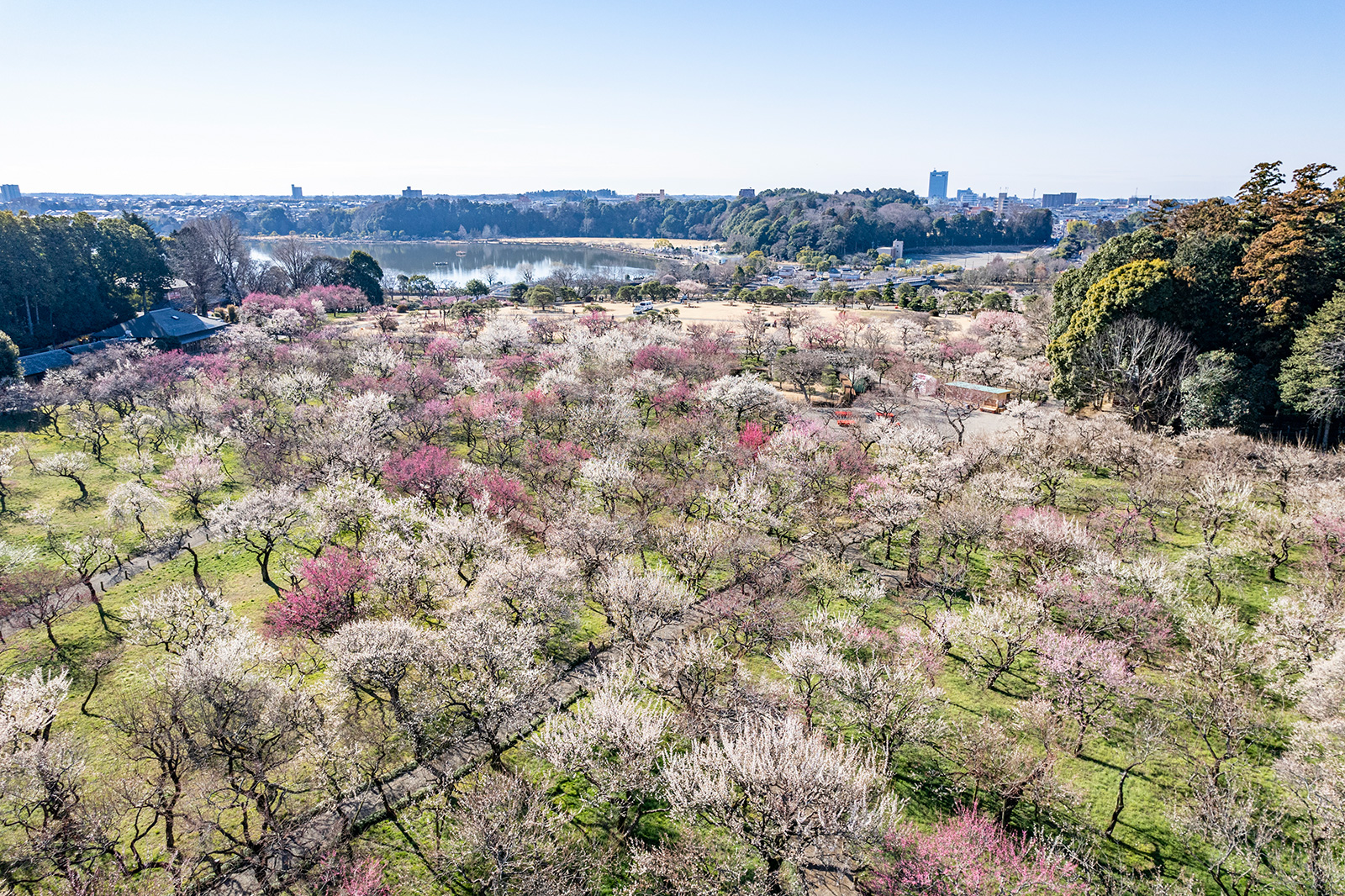
Held at one of Kanto region’s Three Great Plum Groves, the Mito no Ume Matsuri showcases around 3,000 plum trees, which bloom in stages over a long season. As well as being an idyllic destination for daytime garden walks, the festival features tea ceremonies and cultural events. There are also large-scale evening illumination events that transform the plum groves after dark. They are held on Fridays, Saturdays, Sundays and public holidays from February 13 to March 15.
When: February 11–March 22
Where: Kairakuen Garden and Kodokan
More info: Official brochure
Narita no Ume Matsuri, Chiba
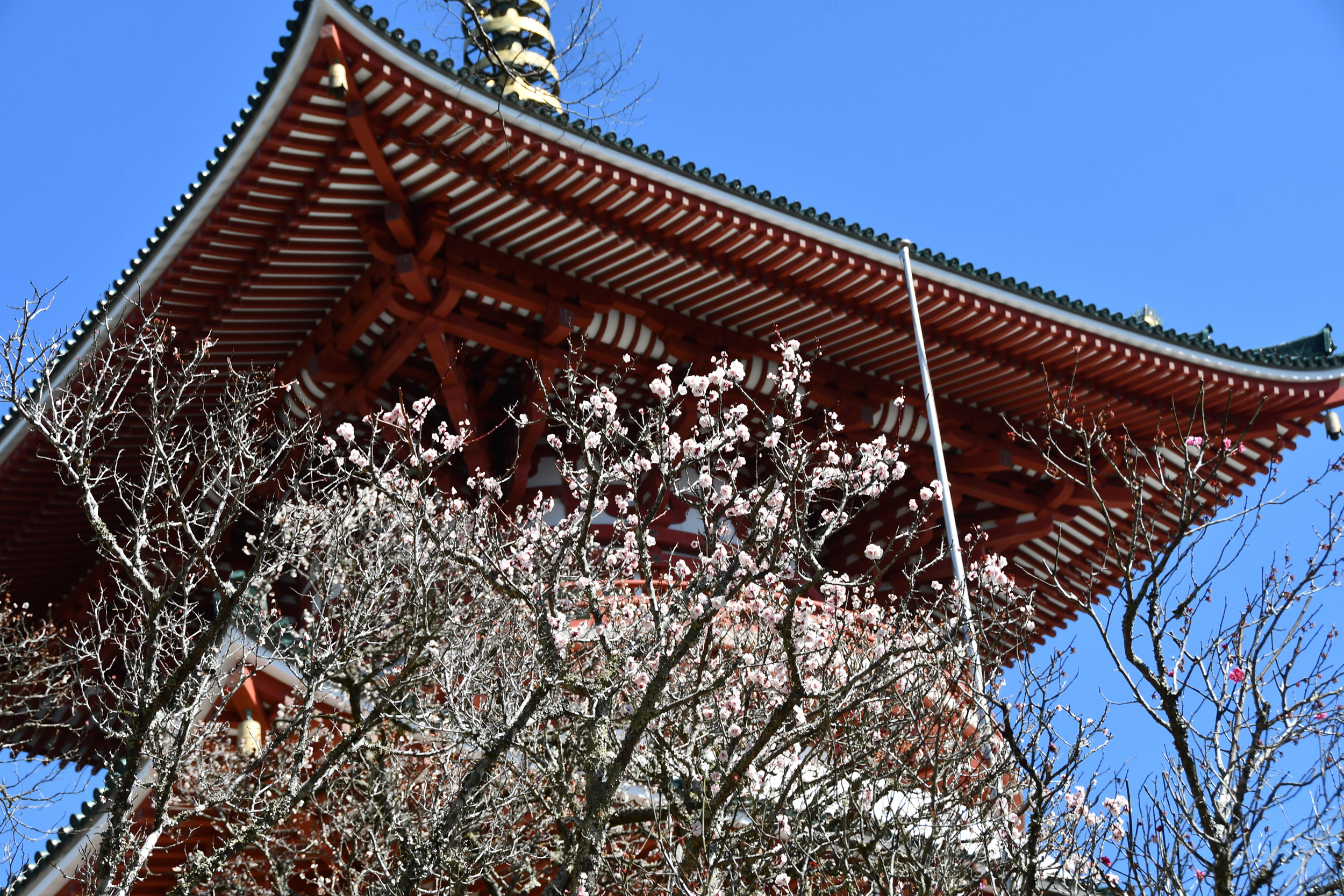
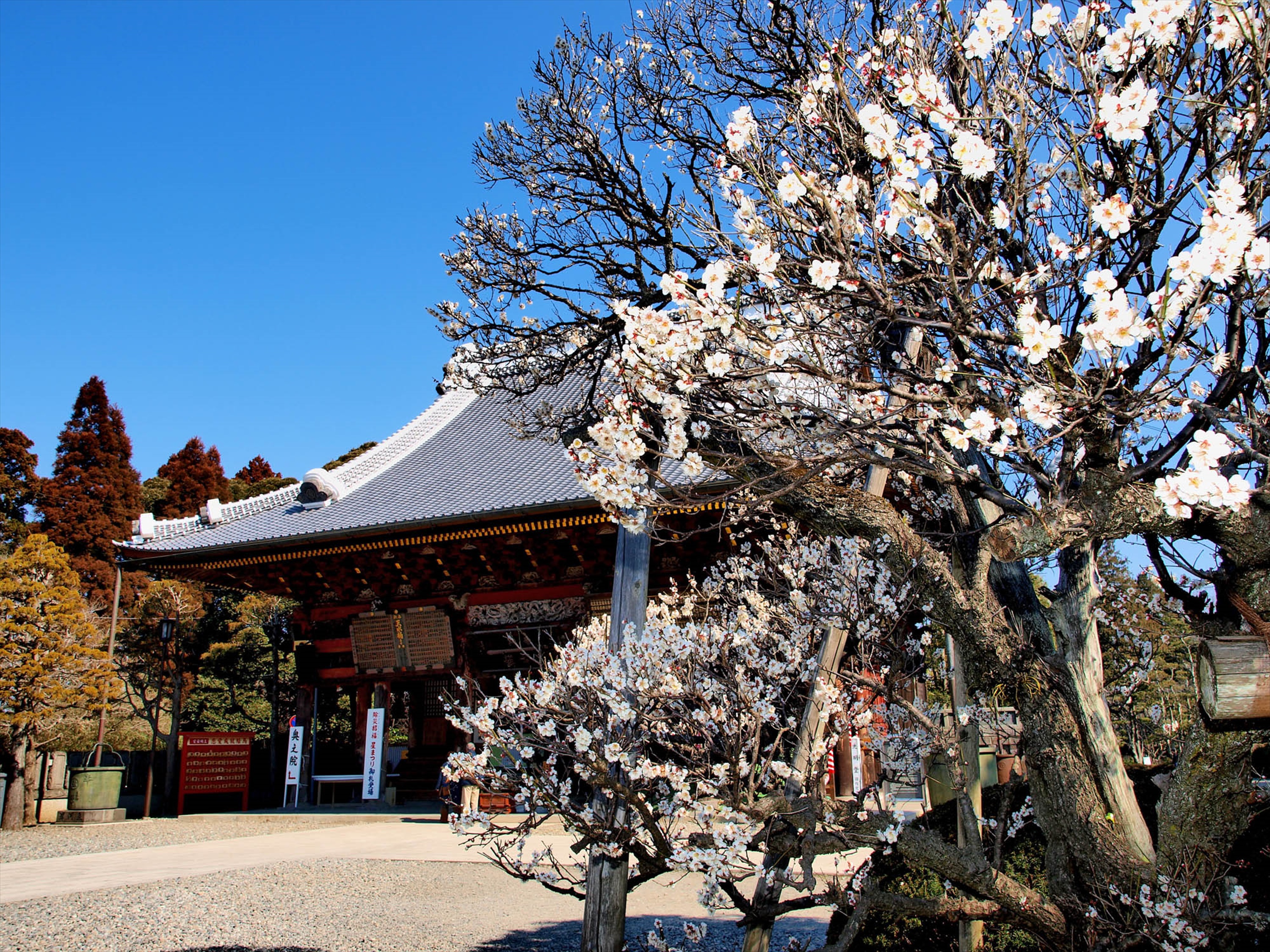
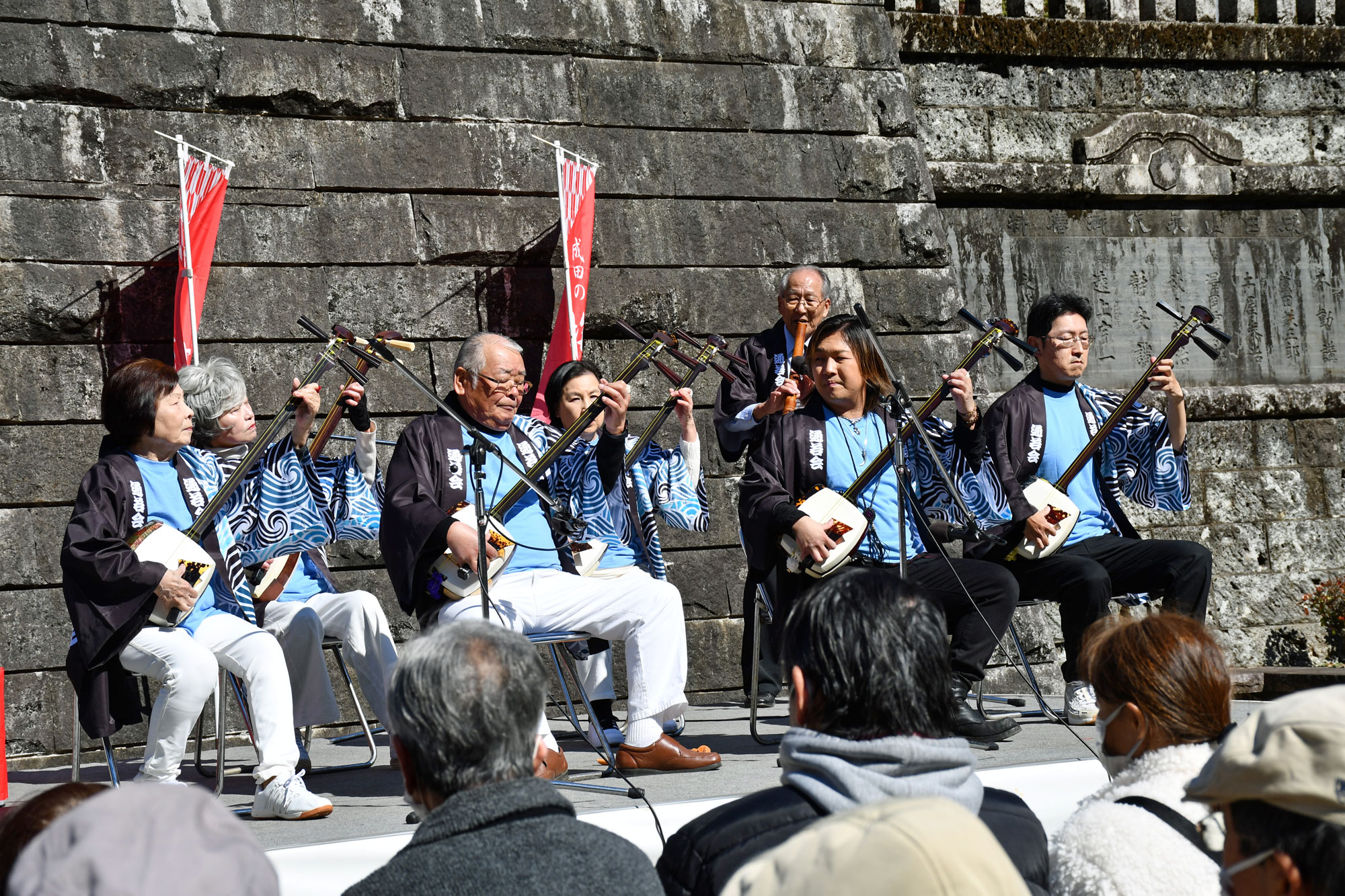
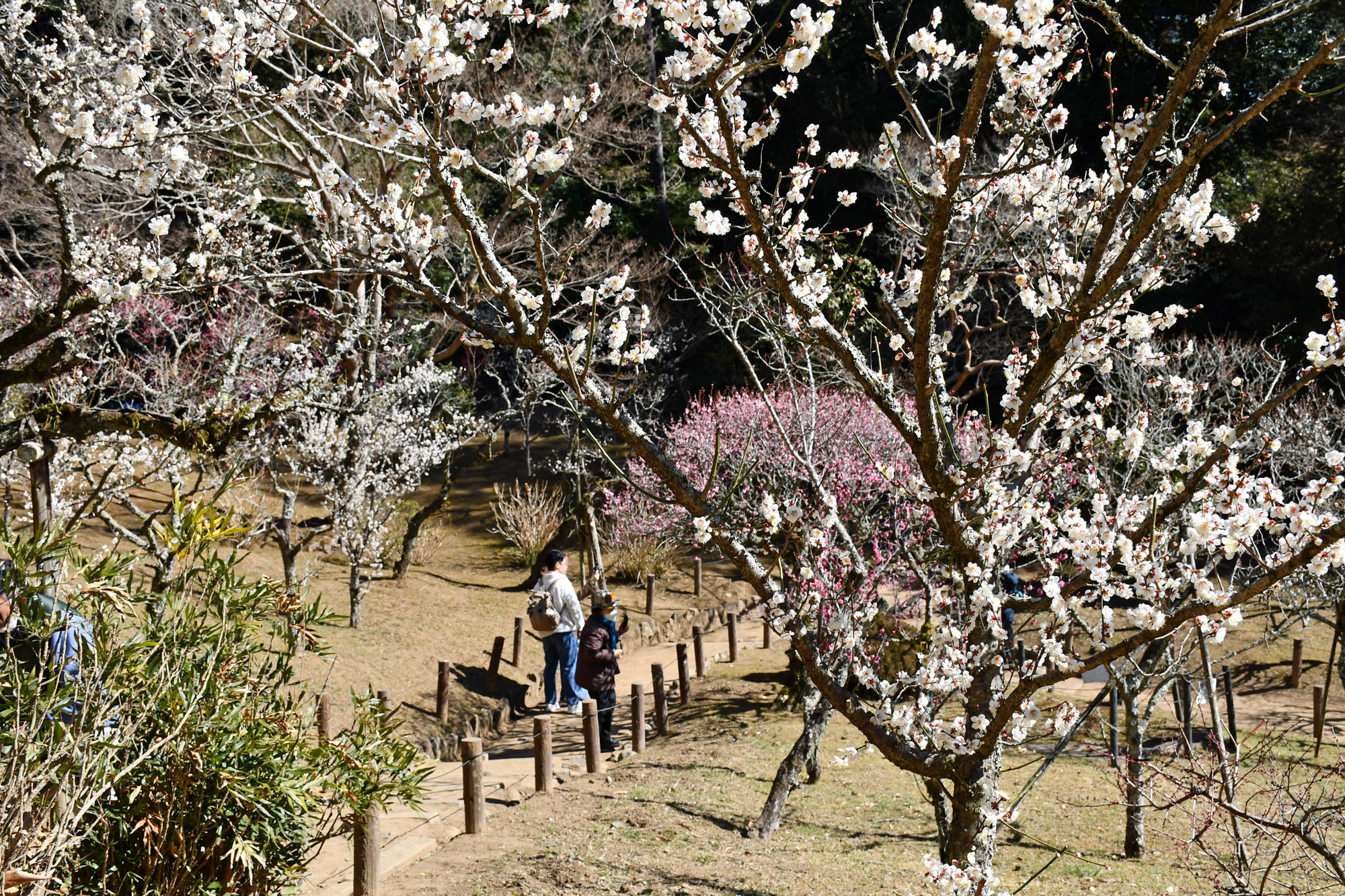
Just behind Naritasan Shinshoji Temple, Naritasan Park is the calm setting for the Narita no Ume Matsuri. Around 360 mature red and white plum trees, many over 70 years old, bloom across the garden, creating a reflective atmosphere that pairs naturally with the surrounding temple grounds. On weekends, during the festival period, visitors can enjoy traditional performances, tea gatherings and a haiku submission corner inspired by the blossoms.
When: February 14–March 1
Where: Naritasan Park
More info: Narita no Ume Matsuri
Ogose Bairin Ume Matsuri, Saitama
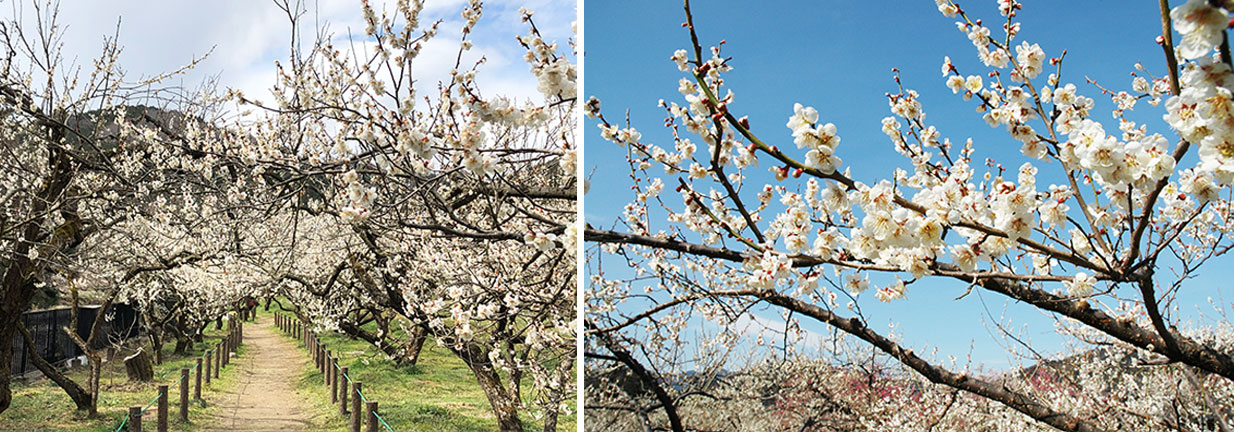
Held at Ogose Plum Grove, one of the Three Great Plum Groves of the Kanto region, this festival unfolds across gently sloping foothills in western Saitama. The two-hectare site is home to more than 1,000 plum trees, including rare and historic varieties and the locally named Ogose plum. Some trees are believed to be over 650 years old, giving the grove a layered, timeworn atmosphere distinct from urban plum gardens. Weekends bring a livelier atmosphere with local food stalls, traditional performances and a miniature steam locomotive. Weekdays are noticeably quieter.
When: Mid February–mid March
Where: Ogose Plum Grove
More info: Official brochure
Related Posts
- 12 Places to See Plum Blossoms in and Around Tokyo
- Where to View Plum Blossoms Near Kyoto and Nara
- Inabe City: Escape Into Plum Forest Paradise
Updated On January 30, 2026