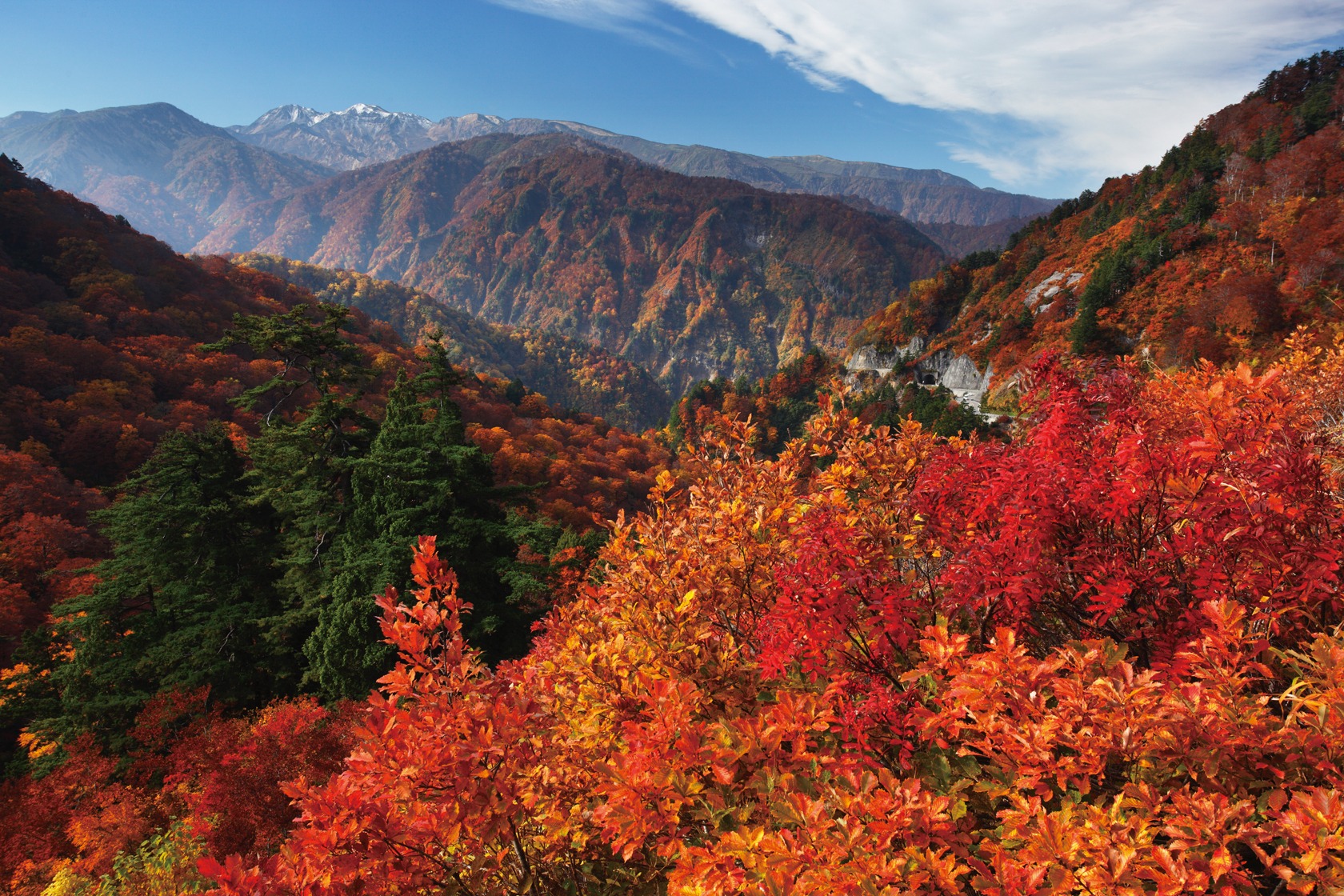
Fringed by the Sea of Japan and backed by the towering Japan Alps, Hokuriku — encompassing Toyama, Ishikawa and Fukui — is a region of dramatic landscapes, centuries-old culture and some of the country’s most celebrated seafood. Here, jagged cliffs give way to hidden beaches, misty mountains cradle remote shrines, and historic towns preserve crafts and traditions that have been refined for generations.
Whether you’re strolling through Kanazawa’s gardens, exploring Toyama’s alpine routes or tasting the winter bounty of Fukui’s waters, Hokuriku is a feast for the senses, with some of the most beautiful scenery in Japan serving as a backdrop for ancient festivals, traditional crafts and unique local charm.
Now, thanks to the Hokuriku Shinkansen and new transport connections, visiting has never been easier. Below, some highlights from the region.
What To Do in Toyama Prefecture
Follow the Tateyama Kurobe Alpine Route
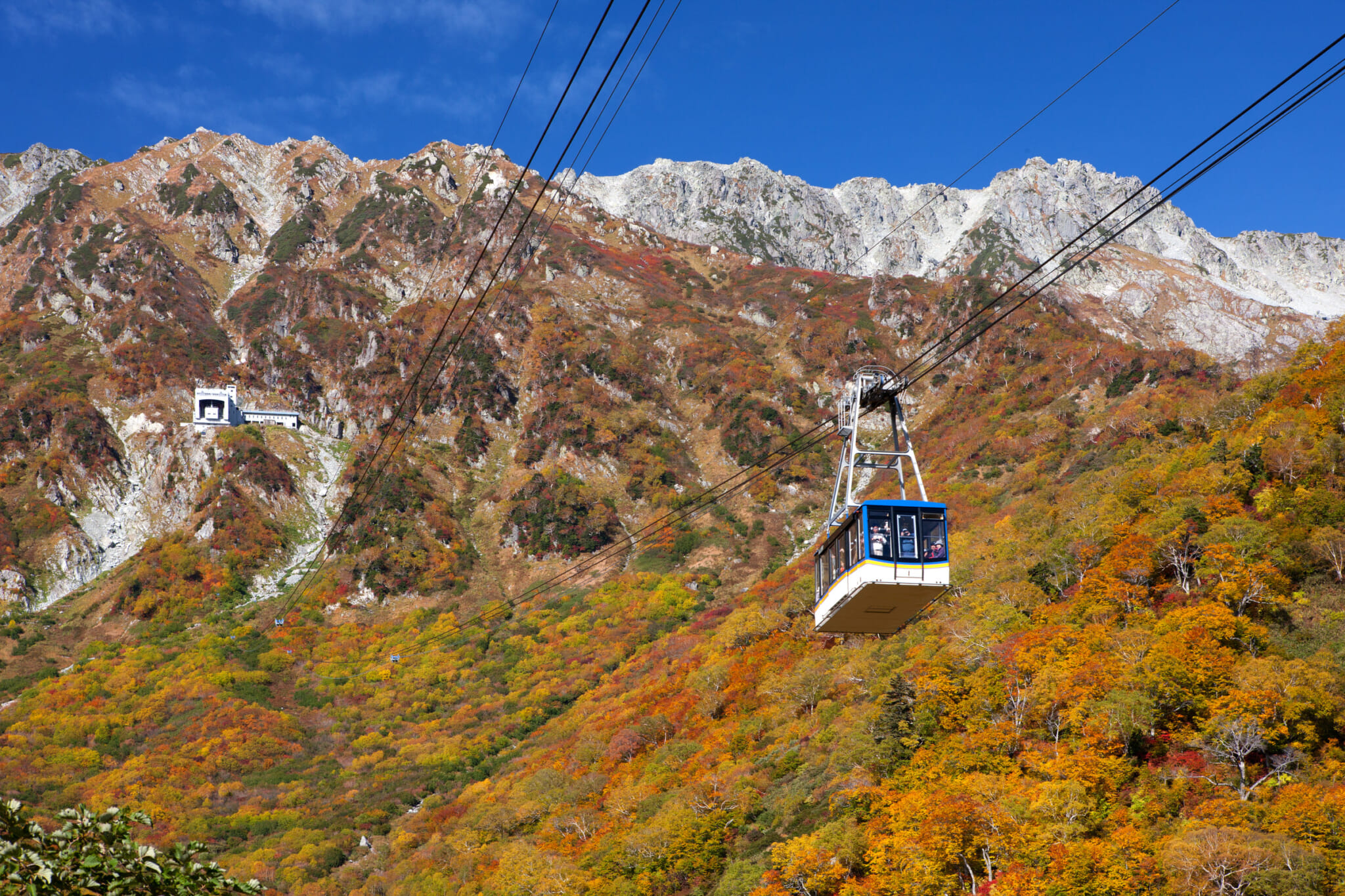
One of Toyama’s crown jewels is the Tateyama Kurobe Alpine Route, a 37-kilometer journey through the Northern Japanese Alps that rises some 2,000 meters from valley to summit. Open from mid-April to late November, the route offers a seamless way to experience breathtaking alpine scenery without climbing; travelers can traverse it by train, cable car, bus and ropeway.
Among the route’s most famous sights is the Tateyama Snow Corridor, where spring plowing creates walls of snow reaching over 15 meters high — one of Japan’s most iconic natural spectacles. Its fall scenery is quite captivating, too: In early October, the first snows dust the summit of Murodo, producing the rare and magical sight of snow-tipped autumn foliage. By November, the highlands are blanketed in snow, drawing skiers and winter adventurers.
Equally compelling is the Kurobe Gorge Railway, which threads through one of Japan’s most dramatic gorges. From the vantage of its open carriages, travelers can witness the gorge’s sheer cliffs, rushing waters and dense forests. For those seeking solitude, a detour to Kuronagi Onsen offers a hidden retreat, where steaming pools sit quietly amid the untouched wilderness.
Inami: A Town Covered in Intricate Woodcarvings
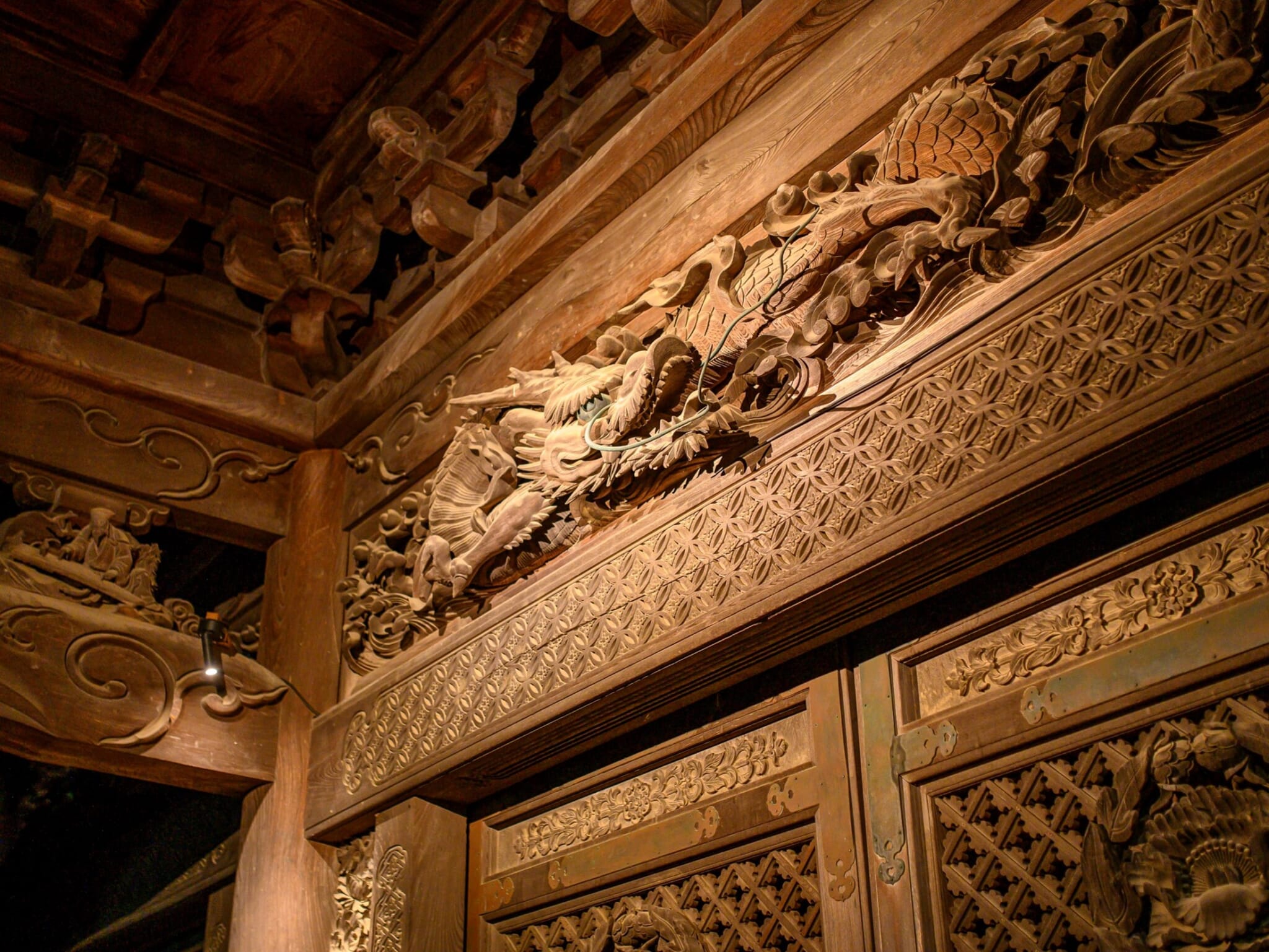
Nestled inland, Inami is Japan’s top woodcarving town, home to around 100 master artisans. Their artistry can be seen everywhere — bus stops, temples and even local homes bear intricate carvings that showcase the town’s dedication to the craft. The centerpiece is Zuisenji Temple, one of Japan’s largest wooden temple structures. Evening visits to the Zuisenji Temple Night Museum provide a chance to see the temple illuminated, creating a serene and almost mystical atmosphere.
Visitors can tour local workshops to watch artisans at work and even enjoy sake from nearby Wakakoma Brewery, immersing themselves in a town where art, history and daily life are deeply intertwined. For those looking for a unique stay, Inami offers six private villas designed by local craftsmen, blending accommodation with art in an initiative called Bed and Craft.
What To Do in Ishikawa Prefecture
Kaga City: A Lakeside Onsen Paradise
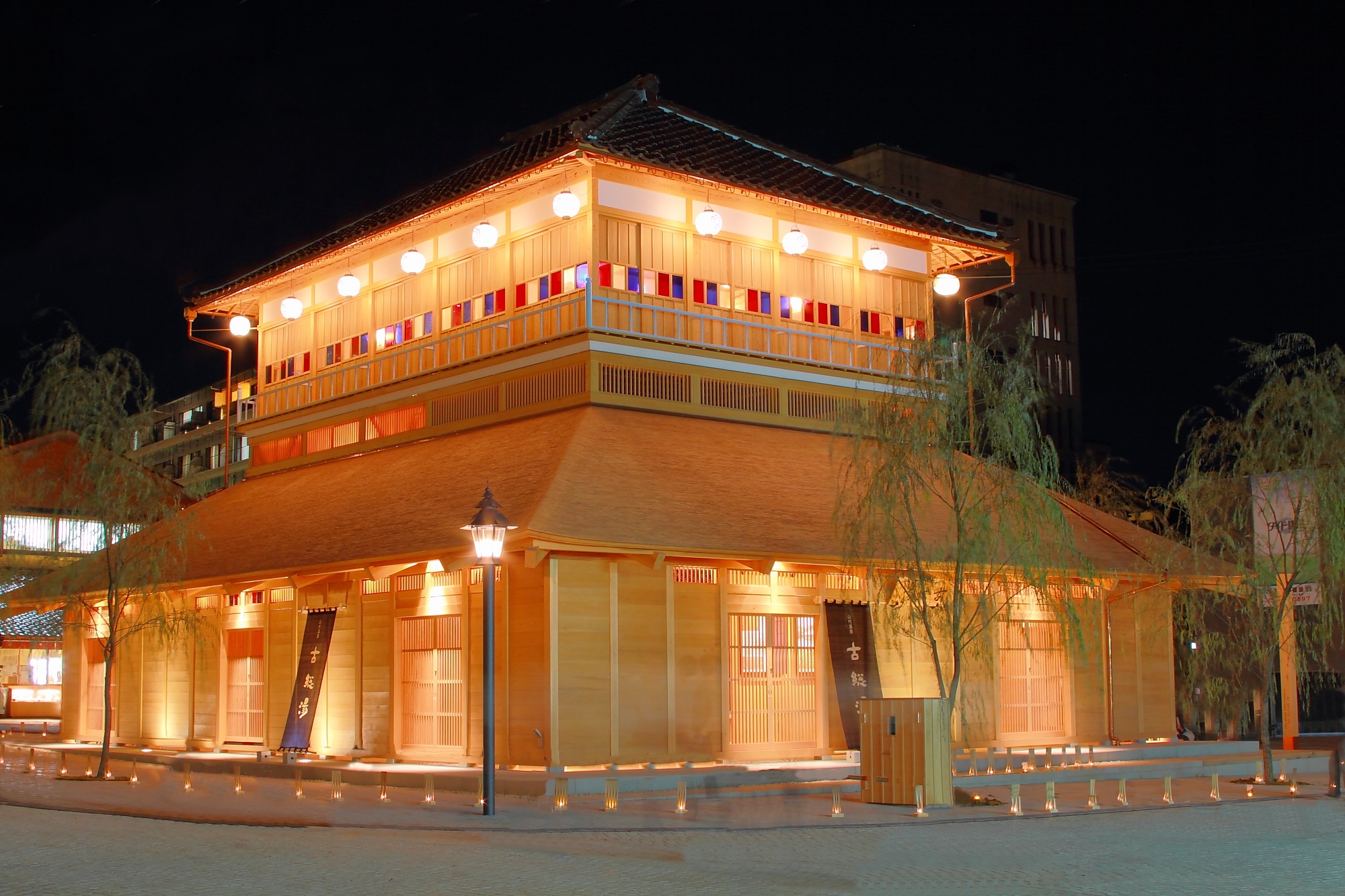
Kaga is celebrated for its onsen towns and rich crafts. Among its three main hot spring areas, Katayamazu Onsen offers lakeside views with Mount Hakusan as a backdrop, while Yamashiro Onsen preserves a Meiji-era charm, complete with stained-glass public baths. Yamanaka Onsen, surrounded by nature, is famed for its ryokan and was once frequented by the poet Basho.
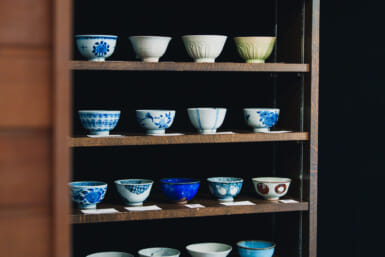
Craft lovers will delight in Kaga’s Kutani-yaki porcelain and Yamanaka lacquerware, both representing centuries of refined techniques. Food enthusiasts can enjoy regional specialties such as kakinoha-zushi, leaf-wrapped sushi designed to preserve fish, and a range of local sakes, including those served at Washu Bar Engawa, a sake bar run by a certified sommelier.
Hakusan City: Scenic Sojourn at the Foot of a Sacred Mountain
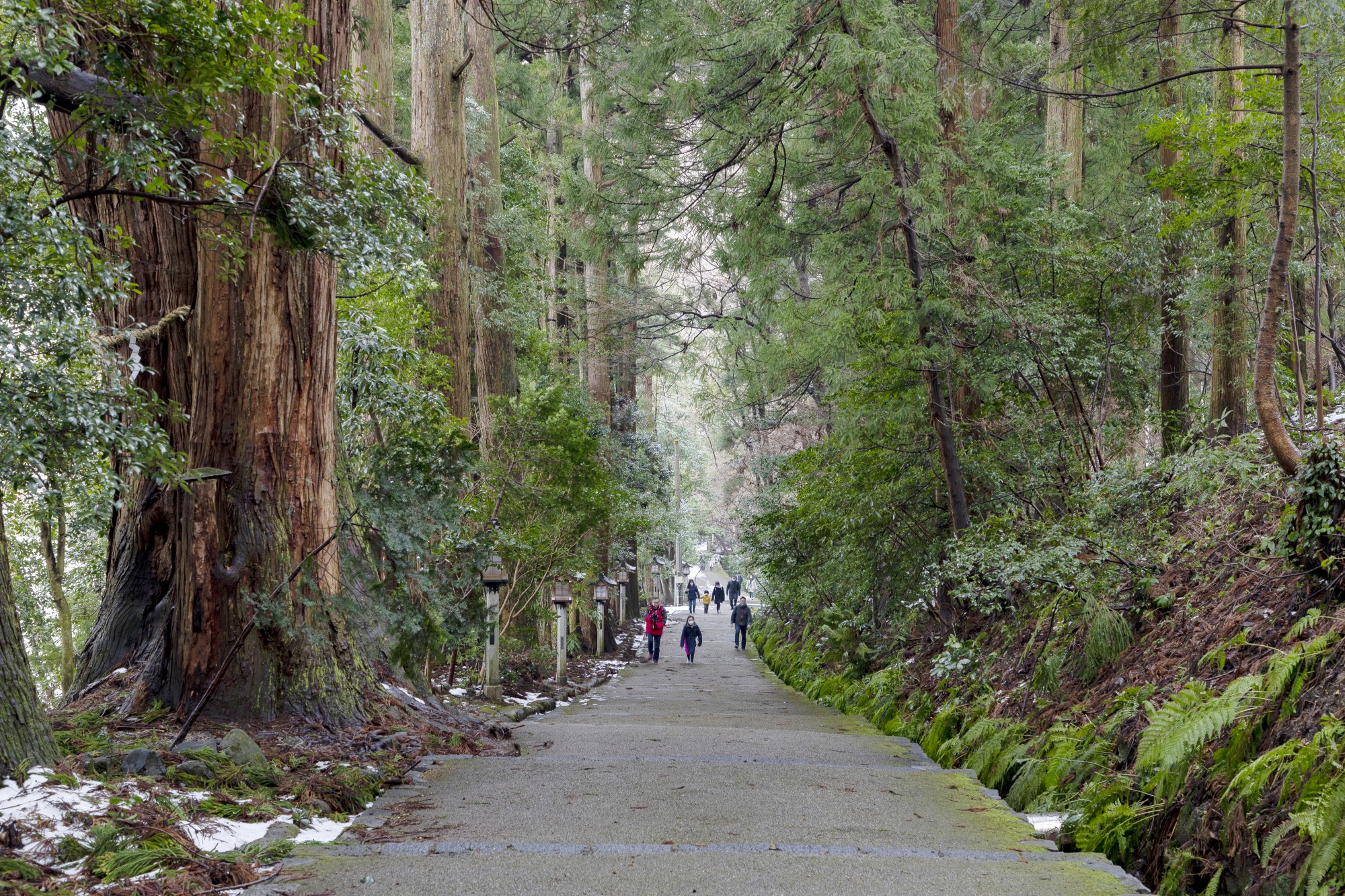
Hakusan, named after the nearby “White Mountain” considered sacred for over a millennium, is a region where nature and tradition converge. The entire city is designated as a geopark — the Hakusan Tedorigawa UNESCO Global Geopark, to be specific. In addition to jaw-droppingly beautiful natural vistas, visitors can also witness the traditional craft of wooden lion heads or participate in a purification ceremony at Shirayama Hime Shrine.
The region also offers culinary highlights, including sasazushi (sushi wrapped in bamboo leaf), a local specialty. It’s famous for Ushikubi tsumugi silk, produced using traditional techniques that transform silkworm thread into exquisite textiles. Nearby, the Shiramine mountain village boasts over three meters of snow in winter, and its preservation district allows travelers to step back into a historic, snowy Japan.
Fukui Prefecture
The Art of Echizen
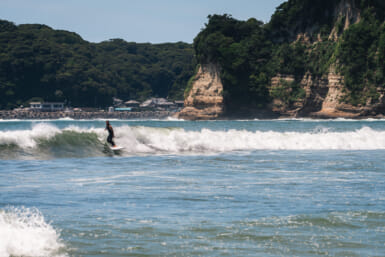
Craggy cliffs tumble into the Sea of Japan and rivers carve through misty valleys — this is Fukui, a place of quiet, elemental beauty. It belongs to a region that was once called Echizen, a name that lingers on in its traditional crafts and cuisine.
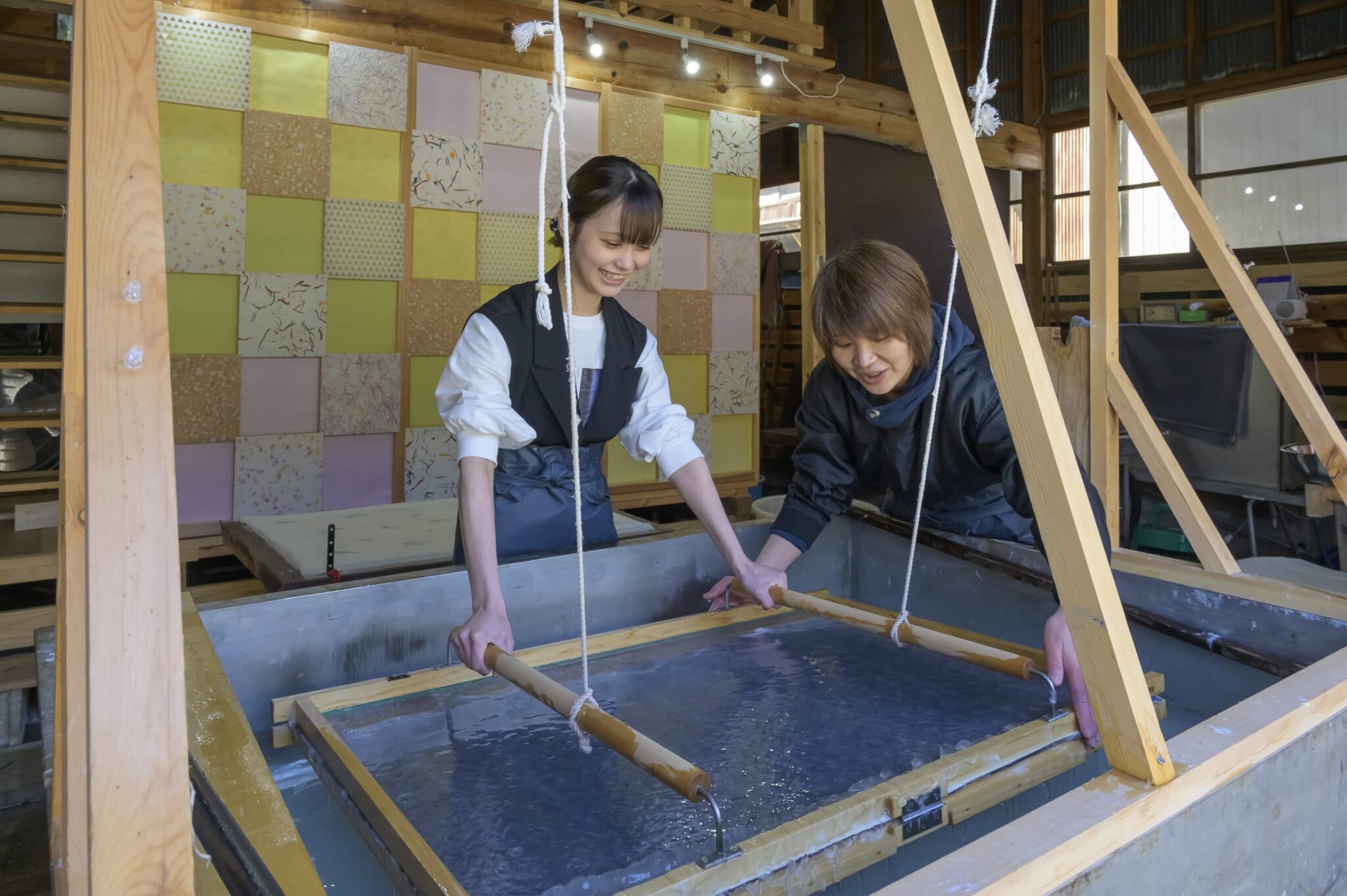
The prefecture is renowned for Echizen washi, a delicate and resilient handmade paper with a history of over 1,500 years. Born from the region’s pure waters, each sheet is crafted meticulously by skilled artisans. Beyond stationery, Echizen washi is also transformed into flowers, sculptures and installations that fuse tradition with contemporary creativity. Local projects — like “floral” displays created for the Hokuriku Shinkansen — showcase the paper’s versatility while embodying the warmth and hospitality of Fukui’s people. Visitors can also see historically-inspired works, including floral arrangements reflecting ikebana techniques from the Asakura clan period, at the Ichijodani Asakura Family Site Museum.
Winter in Fukui brings a different kind of treasure: Echizen crab, which also bears the region’s former name. This seasonal delicacy is celebrated for its sweet, tender meat, attracting food lovers from across Japan. Combined with the prefecture’s crisp coastal air and dramatic scenery, tasting Echizen crab is an unforgettable way to experience Fukui.
Hokuriku is a region where nature, culture and cuisine intertwine in ways found nowhere else in Japan. Whether you’re tracing alpine paths in Toyama, soaking in historic hot springs in Ishikawa or admiring local artistry in Fukui, Hokuriku offers an itinerary that is as rich in experiences as it is in beauty.
Plan Your Visit to Hokuriku
The newly extended Hokuriku Shinkansen makes Toyama, Ishikawa and Fukui easily accessible from Tokyo. Kanazawa (Ishikawa) is about 2.5–3 hours away, Toyama around 2 hours, and Fukui roughly 3 hours.
For more information, see here.
Updated On April 21, 2026