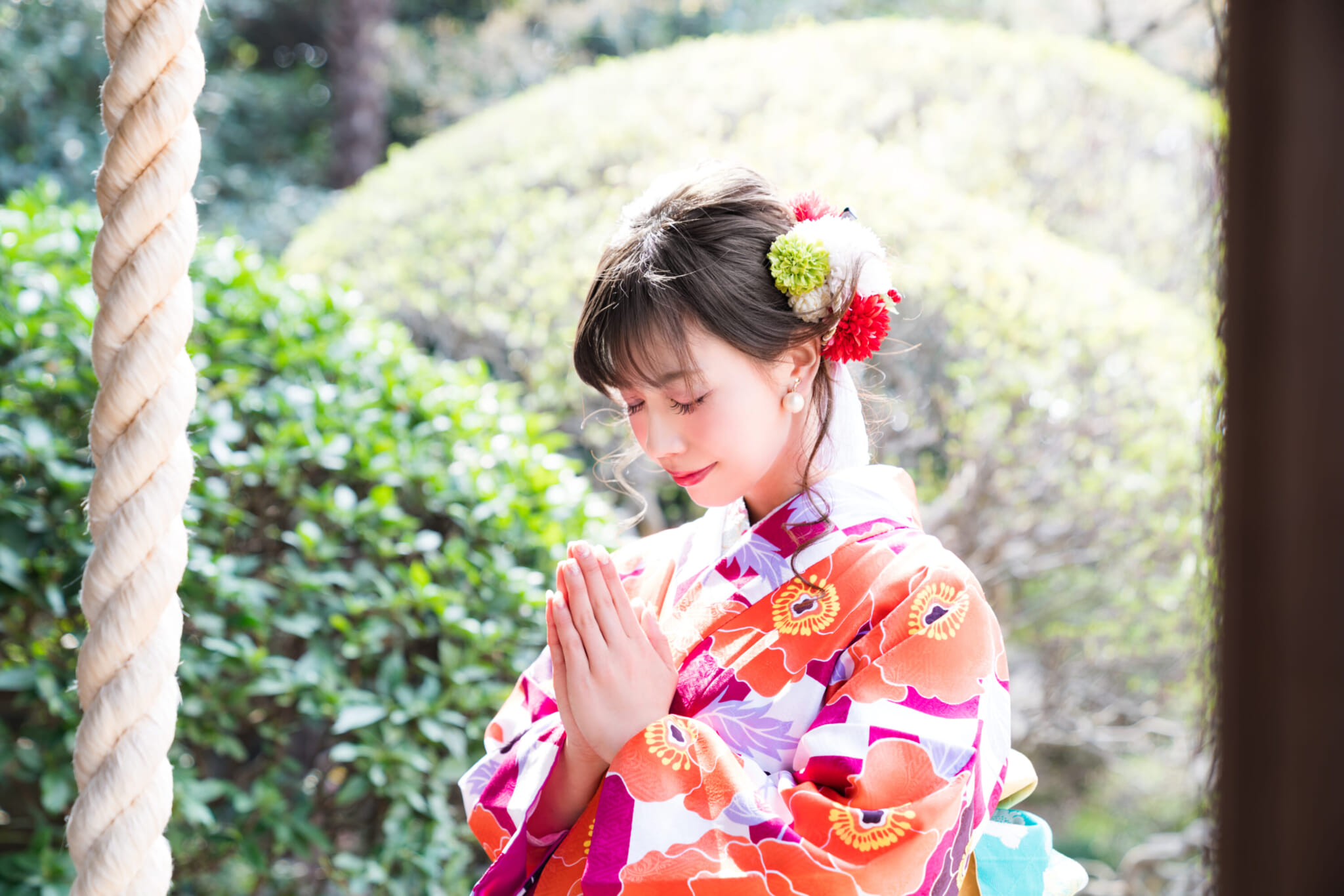
In Japan, the New Year begins with hatsumode, the cherished tradition of making the first shrine or temple visit of the calendar year. Across the country, millions of people visit sacred grounds to pray for health, ward off bad luck and welcome prosperity for the months ahead.
The tradition often kicks off right after joya no kane, the Buddhist bell-ringing ritual in which temple bells toll 108 times, beginning before midnight, to symbolically cleanse worldly desires. As soon as the clock strikes 12, shrines and temples fill with festive crowds eager to start the year with good fortune.

When Does Hatsumode Take Place?
Technically, any visit made during the opening days or weeks of January counts as hatsumode. However, the tradition centers primarily around sanganichi, the first three days of the New Year. Many major shrines and temples unlock their gates right at midnight on New Year’s Day, drawing lively late-night crowds.
The daytime of ganjitsu (January 1) usually sees peak activity, with long lines, street food stalls and kimono-clad visitors filling their neighborhood shrine. For those who prefer to avoid dense holiday crowds, making the visit during matsunouchi — the period lasting through January 7 or 15 — is a great, peaceful alternative.
Essential Hatsumode Etiquette: How To Pray at Shrines and Temples
While general sanctuary etiquette applies during hatsumode, knowing the distinction between Shinto shrine customs and Buddhist temple practices ensures a smooth, respectful visit.
Before approaching the main worship area at a shrine or temple, stop at the temizuya water pavilion to rinse your hands and mouth using the wooden ladles provided. For proper etiquette, rinse your left hand, your right hand, then rinse your mouth with your left hand before washing the ladle and returning it to its original position.
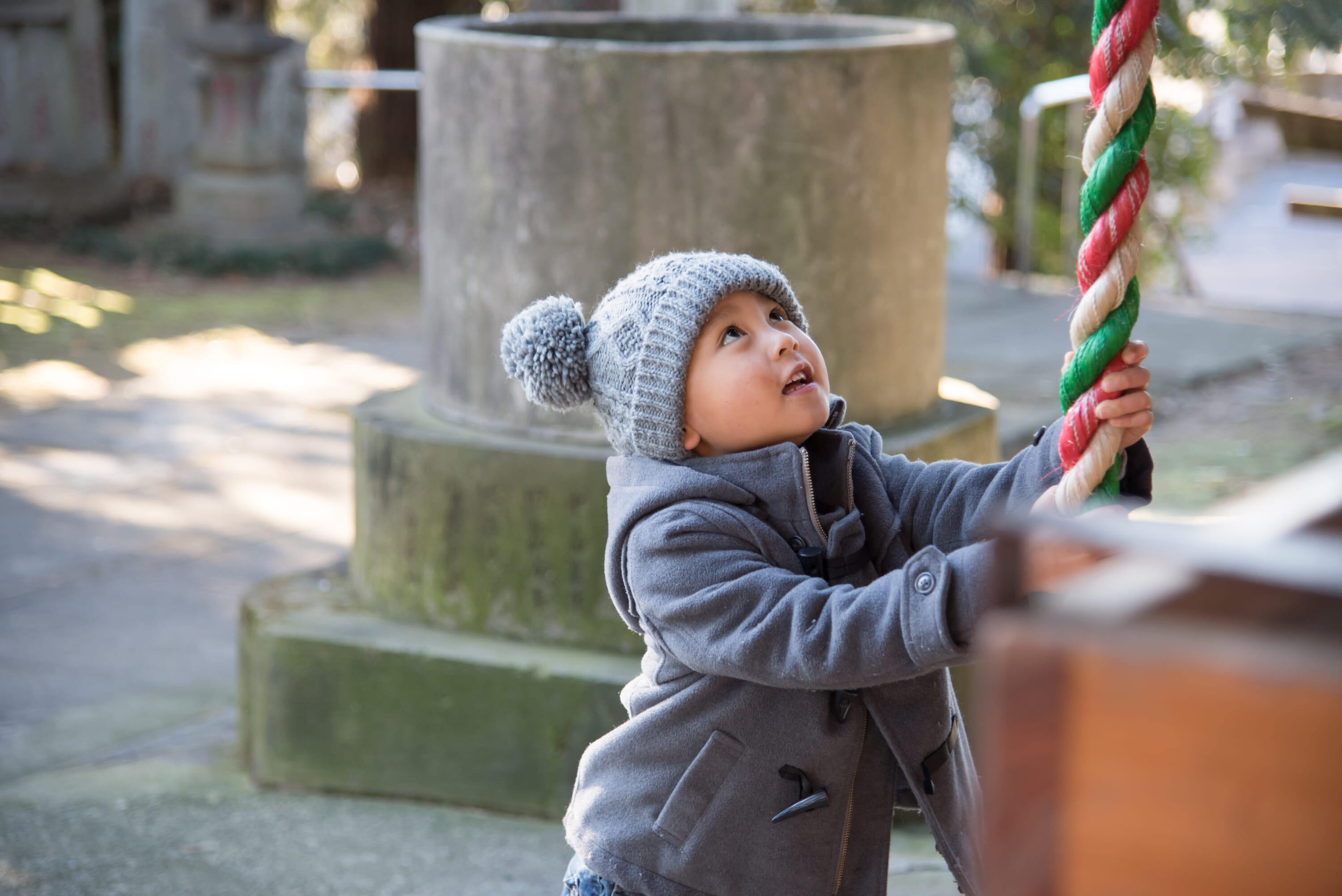
To offer your hatsumode prayer, approach the saisenbako (offering box) in front of the main shrine or temple building. There’s likely to be a line, making the offering box easy to spot. At the saisenbako, toss in a coin to offer your prayer. A 5-yen coin is a popular choice, but any yen coin is accepted.
At a Shinto shrine, honor the classic ritual of two deep bows, two claps at chest height, a moment of silent prayer and one final deep bow. At a Buddhist temple, remember not to clap. Instead, light an incense stick if available as part of the purification process, bring your hands together quietly in front of your chest for silent prayer and finish with a gentle bow.
Traditional Hatsumode Activities and Good Luck Charms
Part of the appeal of hatsumode is participating in celebratory customs designed to invite protection and fortune into your life.
Visitors regularly purchase omamori amulets for traffic safety, academic success, business luck or warding off evil, frequently decorated with the year’s Chinese zodiac animal. It is customary to bring back charms from the prior year so shrines and temples can respectfully burn them in ritual fires.
Drawing an omikuji is also a popular part of the hatsumode experience. Omikuji is a fortune slip that reveals what lies ahead, ranging from great blessing (daikichi) to bad fortune (daikyou). If you pull a less fortunate slip, tie it to the designated wooden racks or pine branches on-site to leave that misfortune behind.
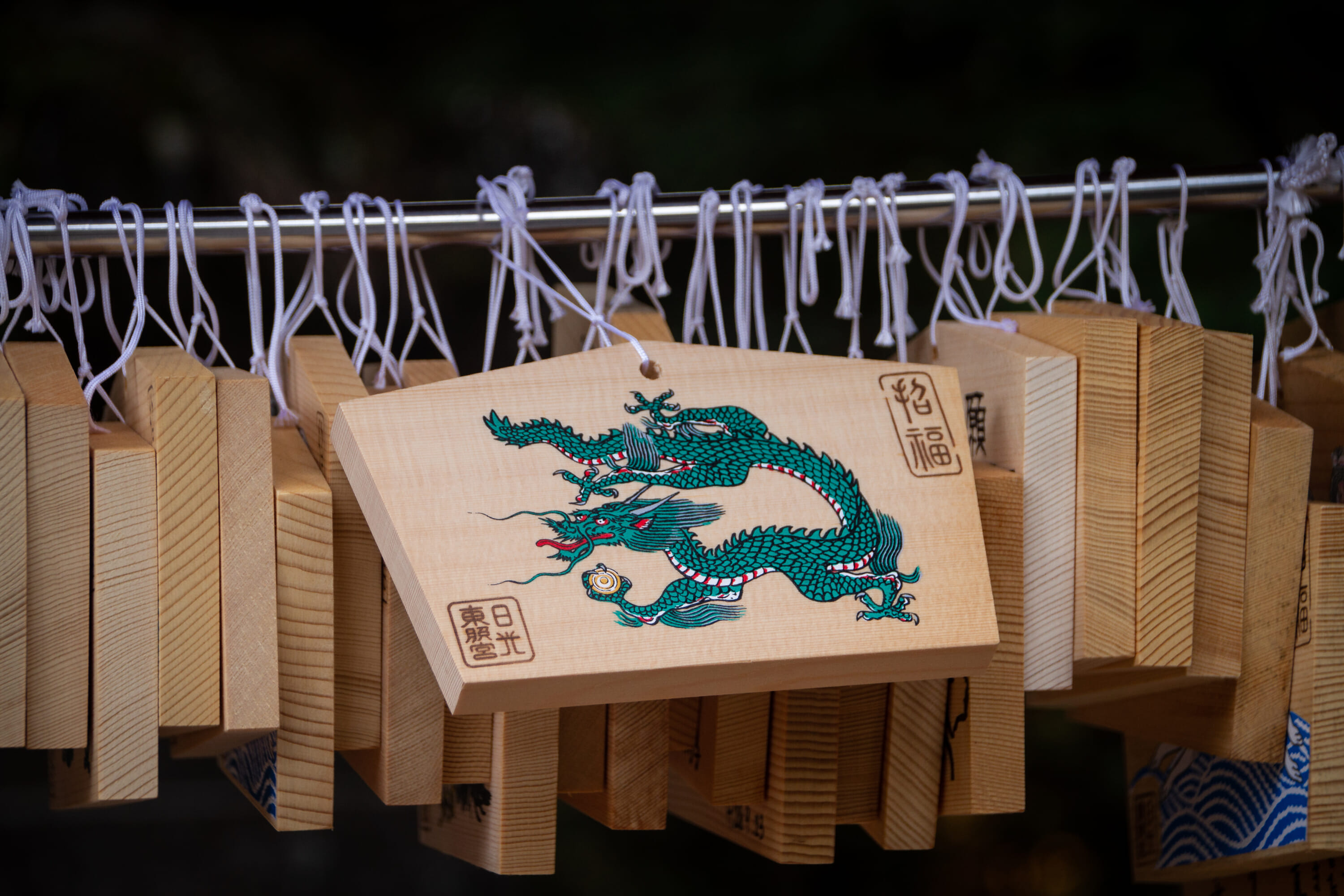
If you receive a favorable fortune, you can tie it up or put it in your wallet or bag for safekeeping. You can also write your personal wishes on a wooden ema plaque to hang at the shrine, or warm up by sipping sweet, hot amazake alongside seasonal street snacks.
Where To Go for Hatsumode and How To Handle Crowds
Hatsumode can be a very personal experience that doesn’t involve large crowds. Visiting your neighborhood shrine is deeply meaningful, as it honors the ujigami, or guardian deity, believed to protect your daily surroundings.
For those eager to experience major historic landmarks, be prepared for significant crowds. Meiji Jingu Shrine in Tokyo is said to welcome over 3 million visitors during the first three days of the New Year, while Sensoji Temple in Asakusa sees lines stretching the entire length of the Nakamise shopping arcade.
Kyoto’s Fushimi Inari Taisha experiences constant foot traffic beneath its vibrant torii gates. If you prefer to bypass shoulder-to-shoulder crowds, consider planning your visit in the early morning, later in the evening or from January 4 onward.
Starting the Year With Good Fortune
Hatsumode is a shared cultural occasion of renewal and forward-looking optimism. Whether you don a vibrant kimono, compare fortunes with friends over a warm cup of amazake or find a quiet moment of gratitude, it sets a hopeful, grounded tone for the year ahead.
Akemashite omedetou gozaimasu — wishing you a peaceful and prosperous New Year.
Related Posts
- 10 Things To Do in Tokyo During the New Year Holidays
- List of 7: Quirky Japanese Festivals and Traditions
- Staying Overnight in a Japanese Temple: A Day at Tokei-in Temple
Updated On November 10, 2026