Asakusa is one of Tokyo’s most visited districts, with roughly 30 million people passing beneath the iconic red Kaminarimon lantern at Sensoji Temple each year. But the district is not defined solely by the storied temple, nor by the colorful stalls of Nakamise-dori, the bustling shopping street that leads up to it.
Many visitors never venture beyond this central thoroughfare, missing the small workshops and side streets that reveal the neighborhood’s deeper character. Asakusa The Gate seeks to change that. The initiative introduces international travelers to the district’s craft and cultural heritage, spotlighting local artisans, their philosophies and the traditions woven into their work — offering a closer connection to the artistry that has long defined this corner of Tokyo.
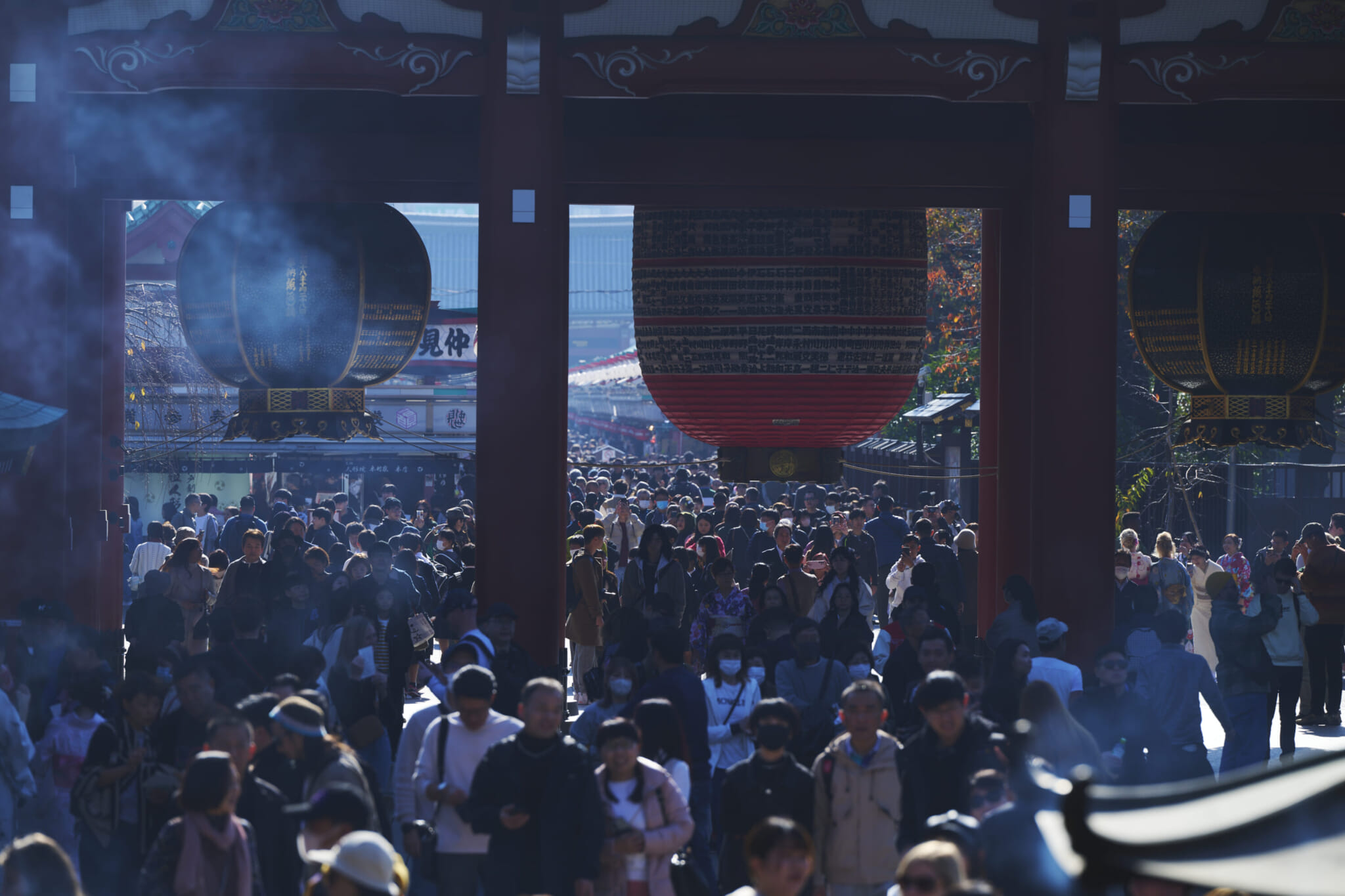
PHOTO PROVIDED BY ARKI CO.LTD.
Living Craft
Long before it became a global tourist destination, Asakusa was a place where craft and culture intertwined. Along the Sumida riverbank, workshops flourished where artisans honed their skills. The items they created weren’t merely decorative — they were tools, costumes and adornments that supported festivals, kabuki theaters, geisha culture and temple life. Today, that tradition of craft production continues, remaining an integral part of daily life in the district.
Many people who pass through Japan admire Japanese crafts, but few stop to think about the people who make them, and the immense care and years of training that go into each piece. Though these items are traditional, they’re far from relics of the past, and wandering through Asakusa serves as a striking reminder of that fact. It allows for a rare chance to step directly into the workshops where these goods are made, or to purchase them straight from the artisans themselves.
Artisans of Asakusa: A Selection of Authentic Workshops and Stores To Visit
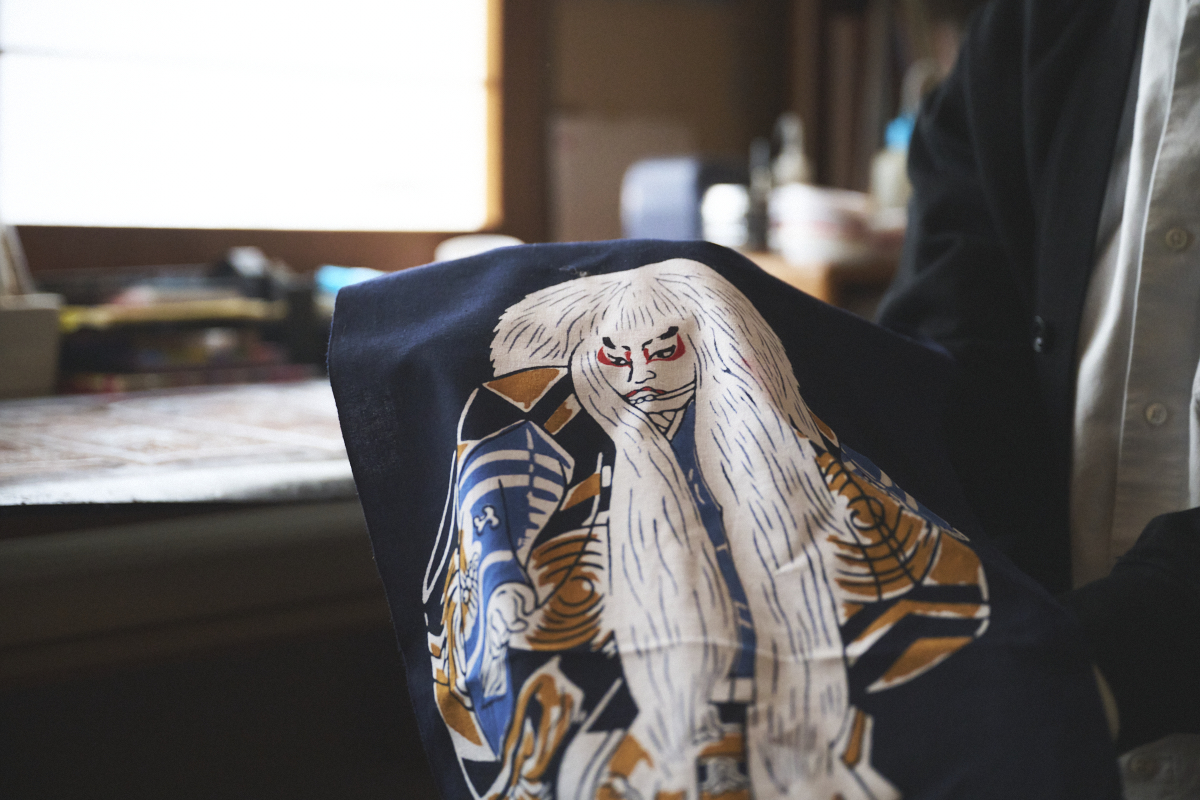
On a quiet side street near Sensoji sits Fujiya, thought to be one of Tokyo’s oldest tenugui shops, now run by a third-generation owner. Tenugui are traditional hand-dyed cotton cloths with endless uses: as a placemat, headwrap, gift wrap or even framed as art. At Fujiya, each tenugui is handmade by dedicated artisans, with patterns that cannot be replicated by modern printing, making every piece truly one of a kind. Popular designs include the shop’s zodiac series and motifs inspired by Asakusa’s scenery and festivals.
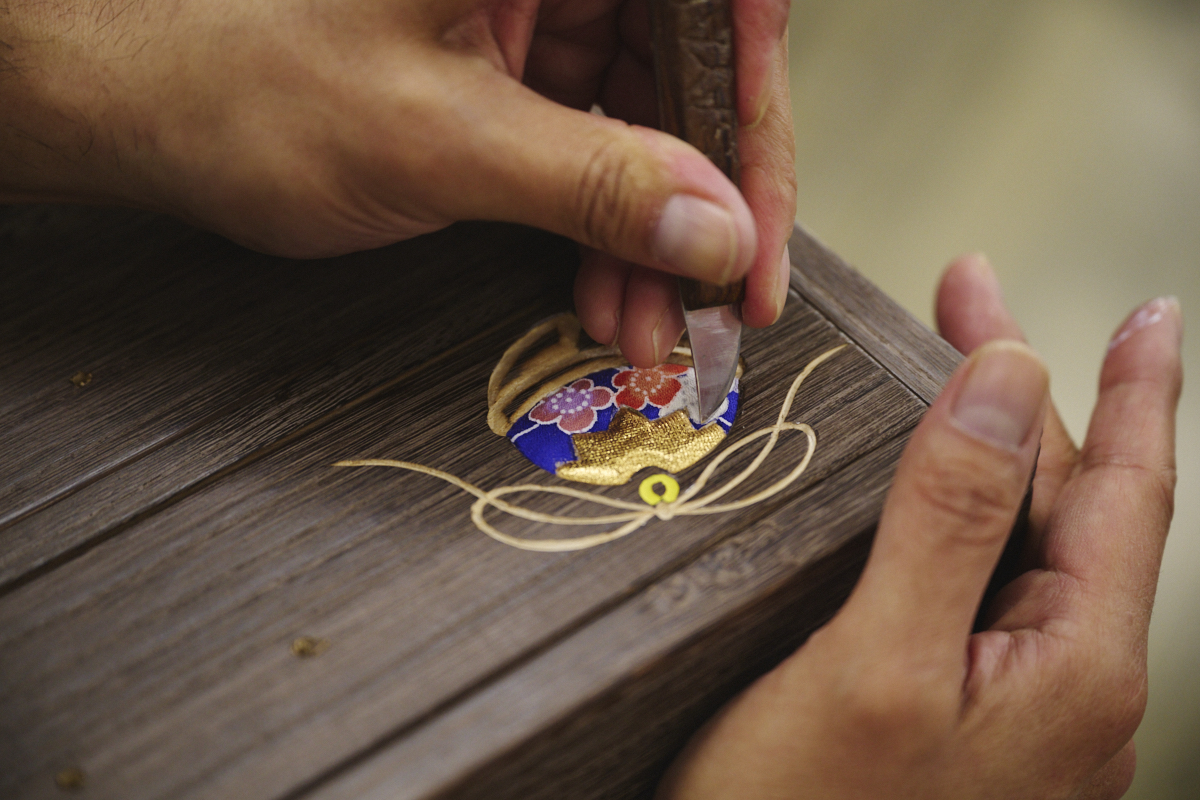
A few minutes away, Hakocho has been crafting boxes made from paulownia wood for over 150 years; paulownia is prized for its lightness, strength and resistance to humidity and pests. The shop now specializes in the kimekomi technique, which involves carving grooves into the wood and inlaying them with colorful kimono fabric. Each box is unique, often reflecting the customer’s personal taste or memories, and Hakocho also offers the option to create a custom piece using your own fabric.

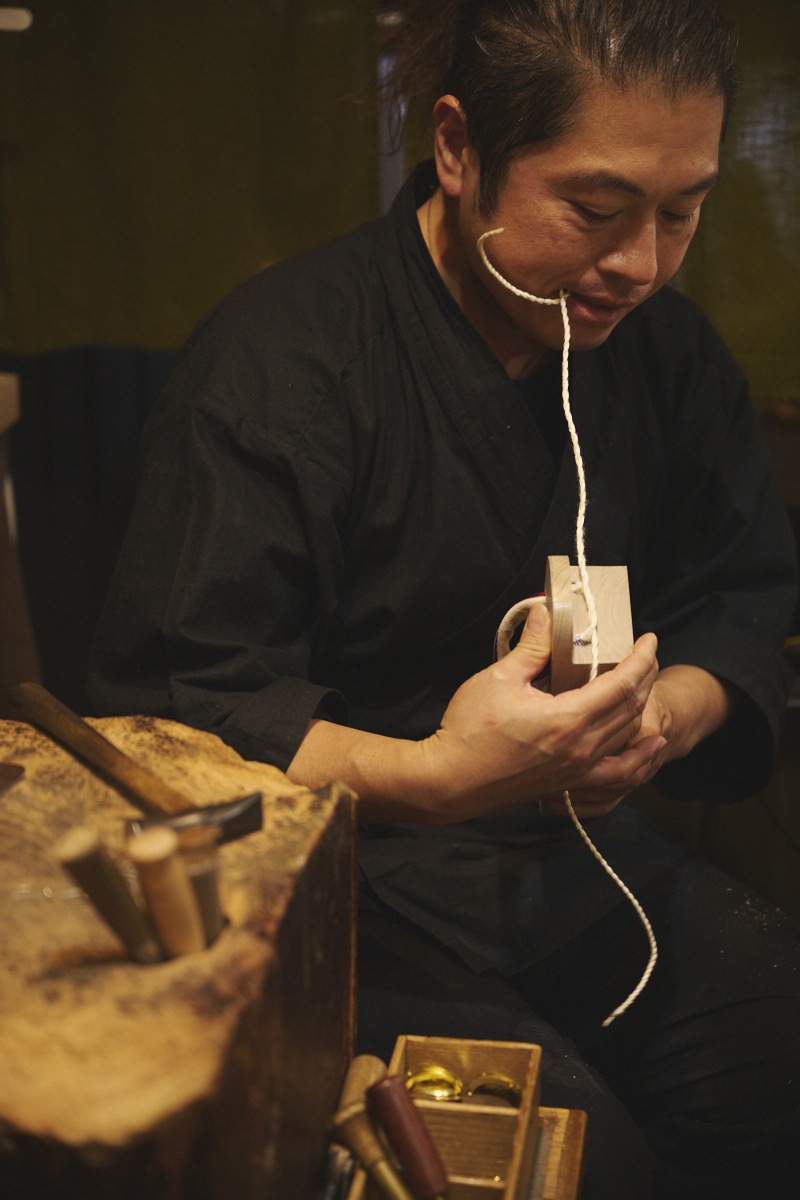
For traditional footwear, Tsujiya Honten stands unrivaled. The shop is known for its classic handmade geta and zori sandals. These styles of shoe are often worn at festivals or with formal kimono, though they’re stylish and comfortable enough for casual wear. Each pair is meticulously crafted, hand-strapped by an artisan to perfectly suit each individual’s foot, providing both comfort and personalized posture support.
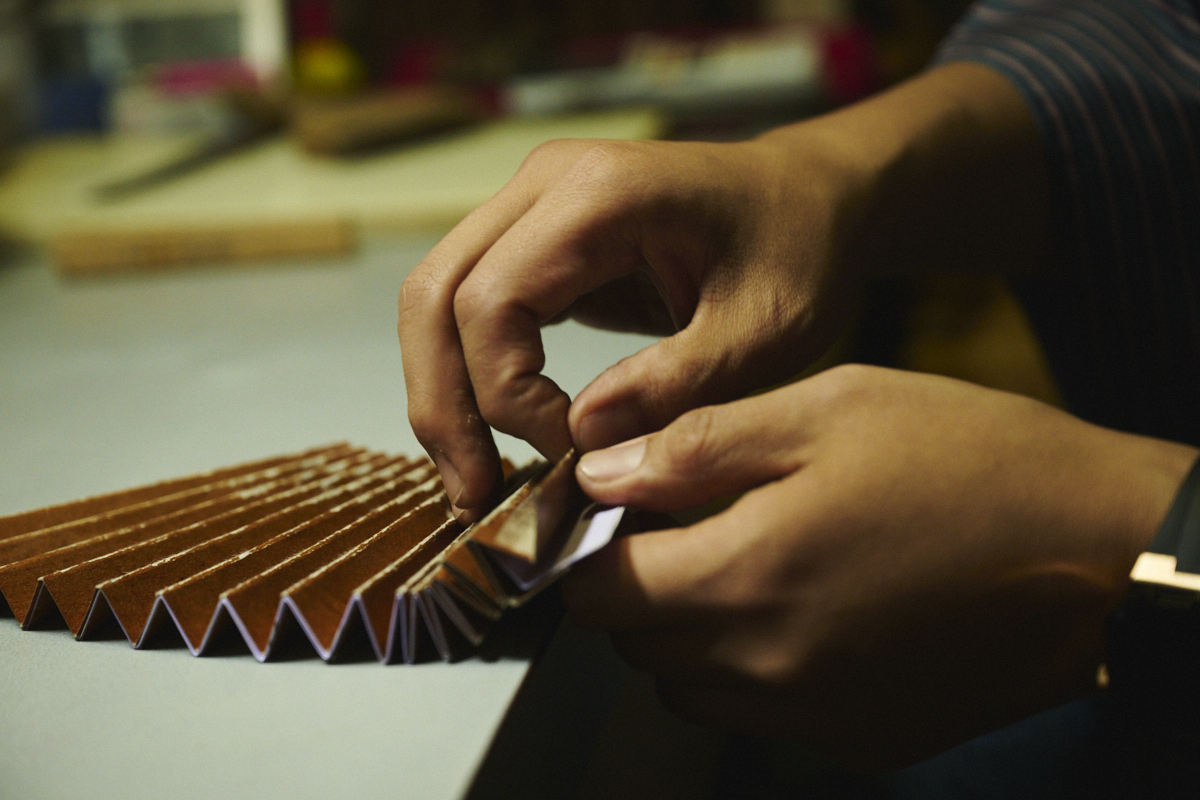
Sensu fans are another hallmark of Asakusa craftsmanship. Deceptively simple in appearance, each fan requires 88 careful steps to assemble, with bamboo ribs and paper perfectly aligned so it snaps closed with a crisp, satisfying sound. At Bunsendo, visitors can browse a wide range of fans, from traditional Edo-era patterns to playful modern designs, appreciating the skill that goes into every piece.
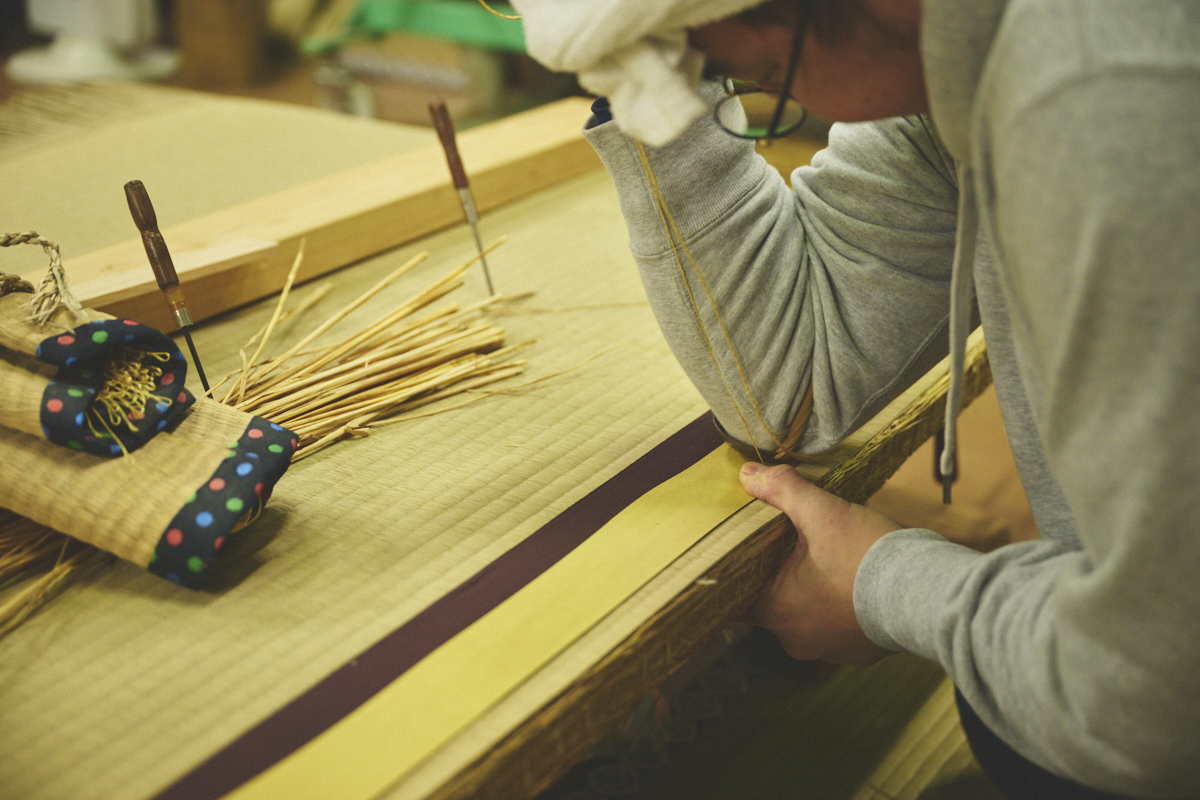
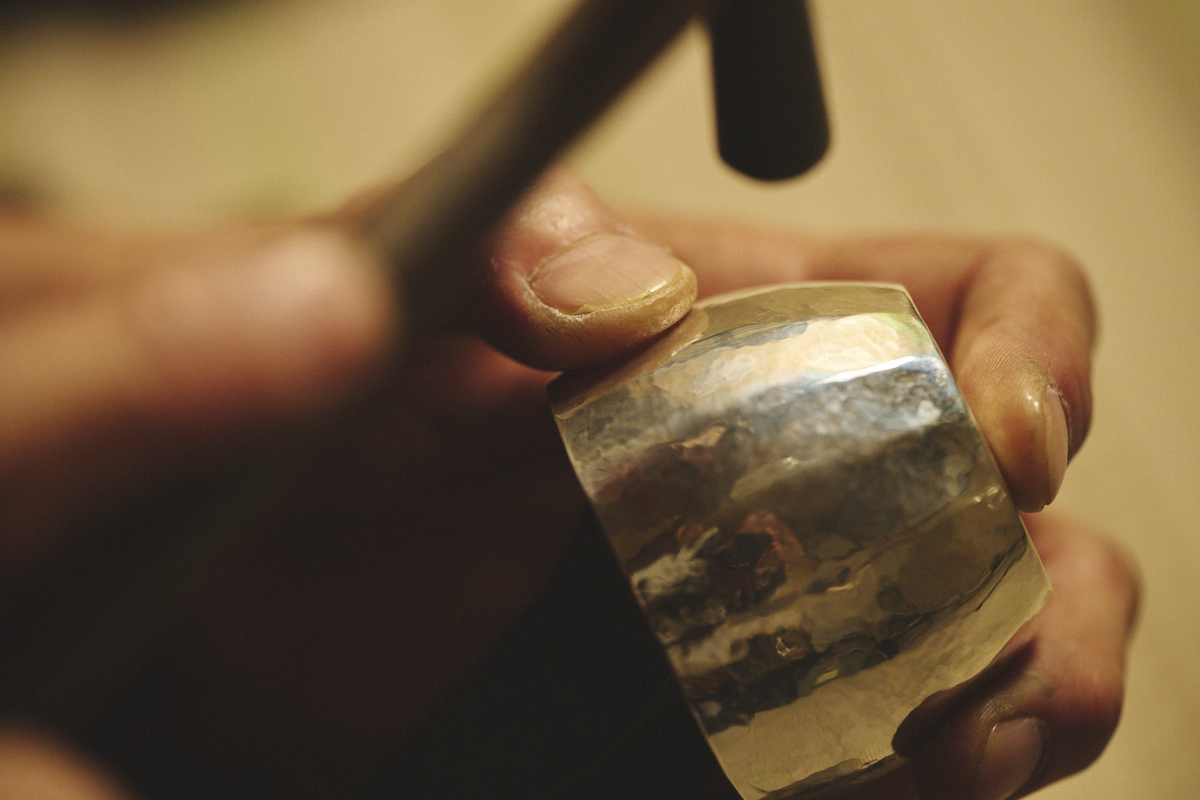
Elsewhere in the neighborhood, the workshop Kanai Tatami Ten preserves the traditional method of making tatami mats entirely by hand, retaining the natural scent and texture of the straw, and is occasionally open for studio visits. Sokichi offers kiriko cut glass, with hundreds of designs and the option for an on-site carving experience. Its artisans produce heirloom-quality pieces that shimmer with history. Nisshin-Kikinzoku continues Tokyo’s storied silver-craft tradition, crafting items from 99.9% pure silver, from ornamental hairpins to fine tableware.
These artisans are just a few of the many who keep Asakusa’s craft traditions alive today. Each shop tells a story, carrying forward techniques and creativity that have shaped the neighborhood for generations. Visiting them isn’t just about picking up a unique piece — it’s a chance to see how these crafts are part of everyday life, and to connect with the people who make them.
Let this be your starting point for exploring Asakusa beyond the usual sights and discovering something truly authentic.
Experiencing Asakusa The Gate
From February 5–9, 2026, Asakusa The Gate will host a pop-up at Engawa Asakusa, a shop and cafe showcasing a curated selection of local crafts. The event allows visitors to view and purchase products from these traditional studios.
Asakusa The Gate helps travelers discover the stories behind the objects and the people who make them, revealing a side of the district often missed by those who only pass through. In a city defined by constant motion, it is a reminder that Tokyo’s cultural richness often hides in plain sight, waiting for those willing to look closer.
More Info
For more information about the Asakusa The Gate project and its many featured artists, click here.