From October 18 to November 30, Edo Noren will be hosting a special campaign for Tokyo Weekender readers — show this article at check-out to receive a special free item. For more information, see here.
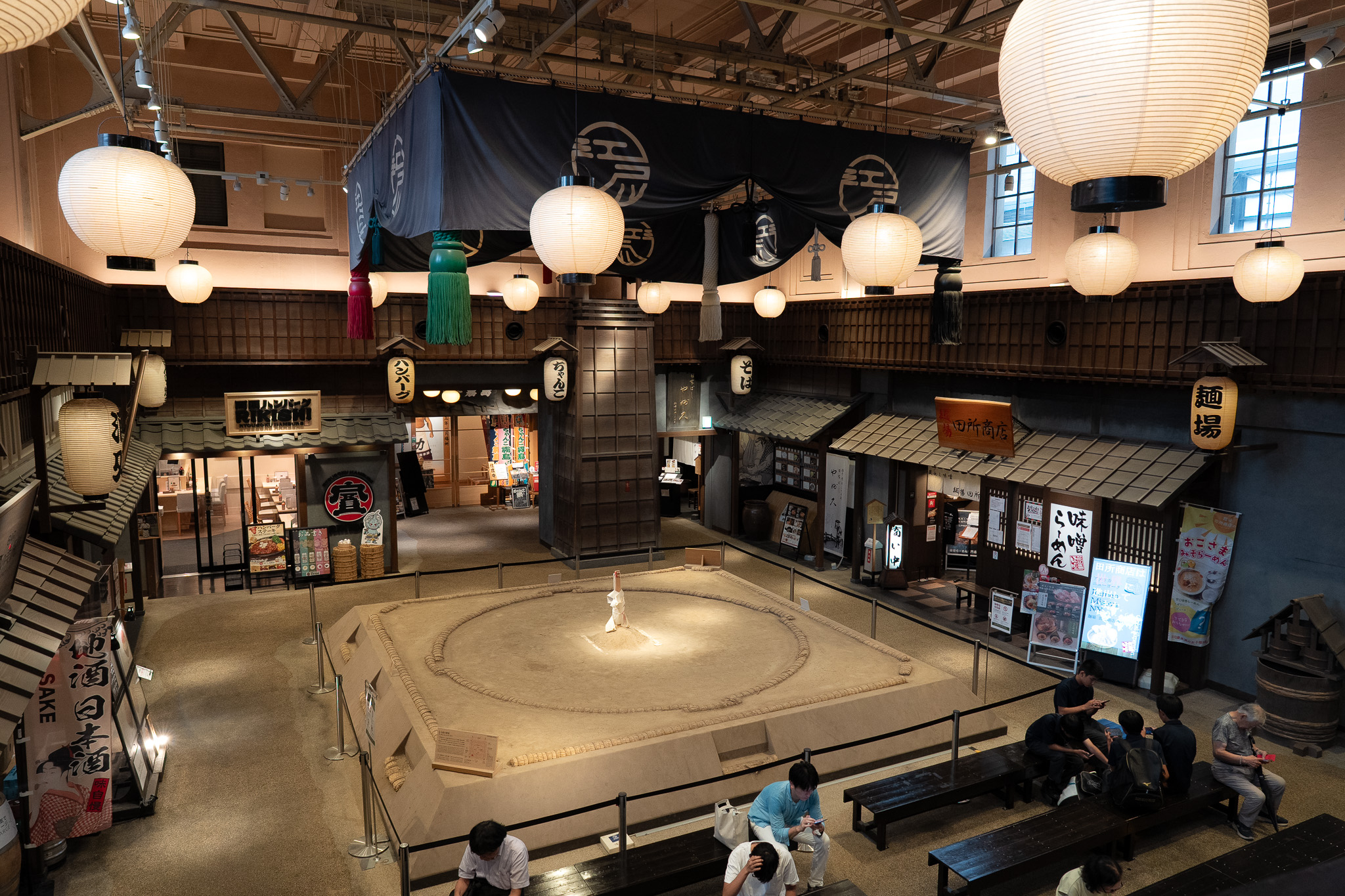
Step through the doors of Edo Noren and you’re instantly transported back in time. Towering paper lanterns glow overhead, and charming wooden storefronts line a recreated Edo-period street. Most strikingly, a full-sized sumo ring sits in the facility’s center. But despite its appearance, this is not a museum or a stage set — it’s a dining and entertainment complex, a place where you can get an authentic taste of Japanese culture.
Housed inside the former Ryogoku Station building, Edo Noren brings the atmosphere of old Tokyo to life, alongside a dozen eateries that serve some of the city’s most distinctive and historically significant foods. The location itself is no coincidence: The Ryogoku neighborhood has long been the heart of Japan’s sumo world, home to the famous Kokugikan Arena and dozens of stables where wrestlers train and live.
By placing a dohyo (sumo ring) at its core, Edo Noren connects this unique local heritage with culinary culture, gathering restaurants that specialize in dishes rooted in Tokyo’s history, from chanko nabe (a hotpot dish usually eaten by sumo wrestlers) to time-honored yakitori, soba and miso ramen. It’s a wonderful pit stop while you’re exploring the neighborhood, but also a worthwhile destination in its own right, ideal for foodies and history enthusiasts alike.
Below, some of the restaurants to experience at Edo Noren.
Takisaburo Tsukuda: Unbelievably Fresh Sushi and Unagi
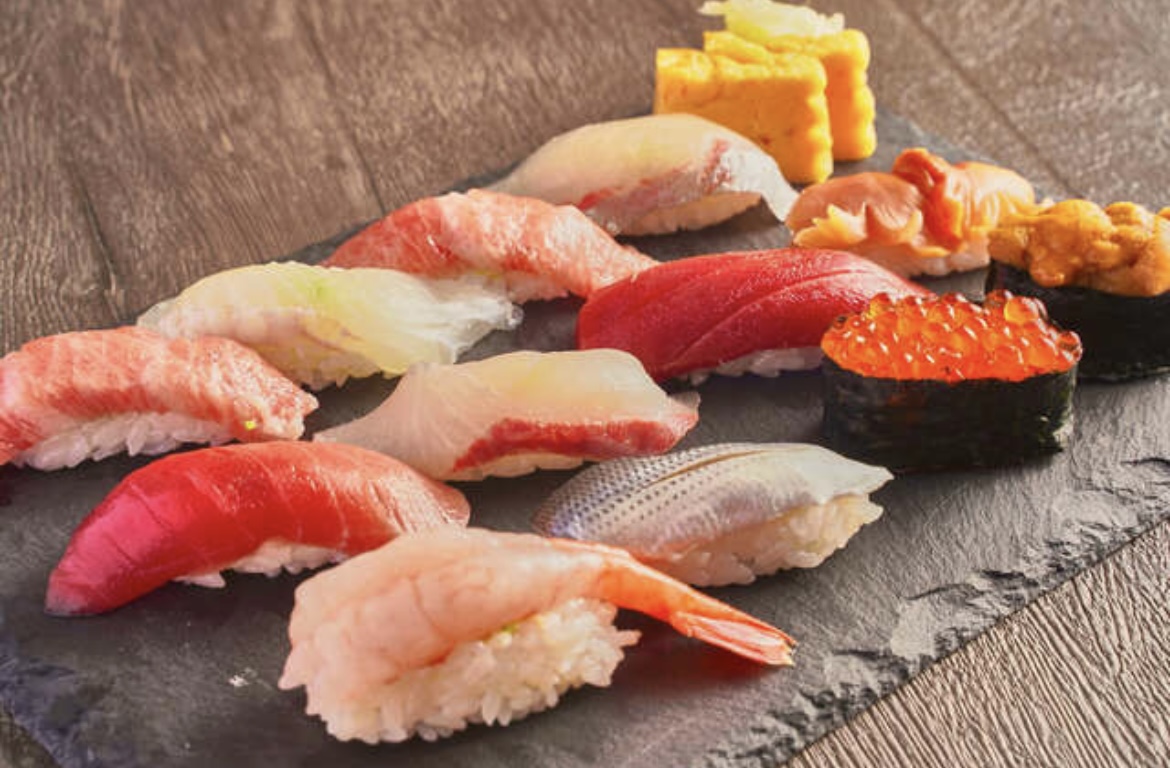
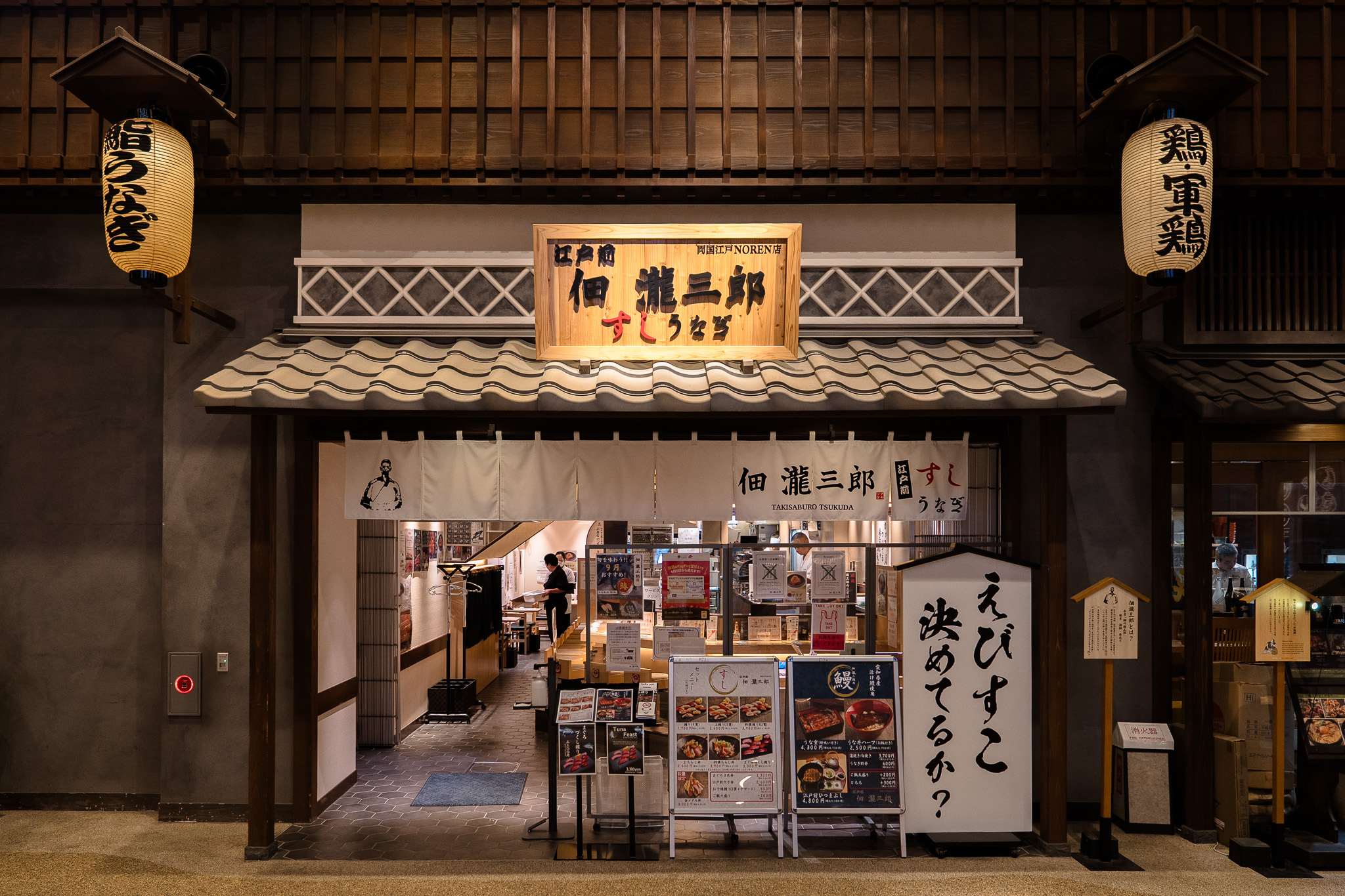
Fresh sushi is easy to find in Tokyo, but few places combine quality and value like Takisaburo Tsukuda. Operated by a seafood wholesaler with roots dating back to 1914, the restaurant sources directly from Toyosu Market each morning. That means uncompromising freshness, carefully chosen seasonal fish and prices that remain surprisingly reasonable.
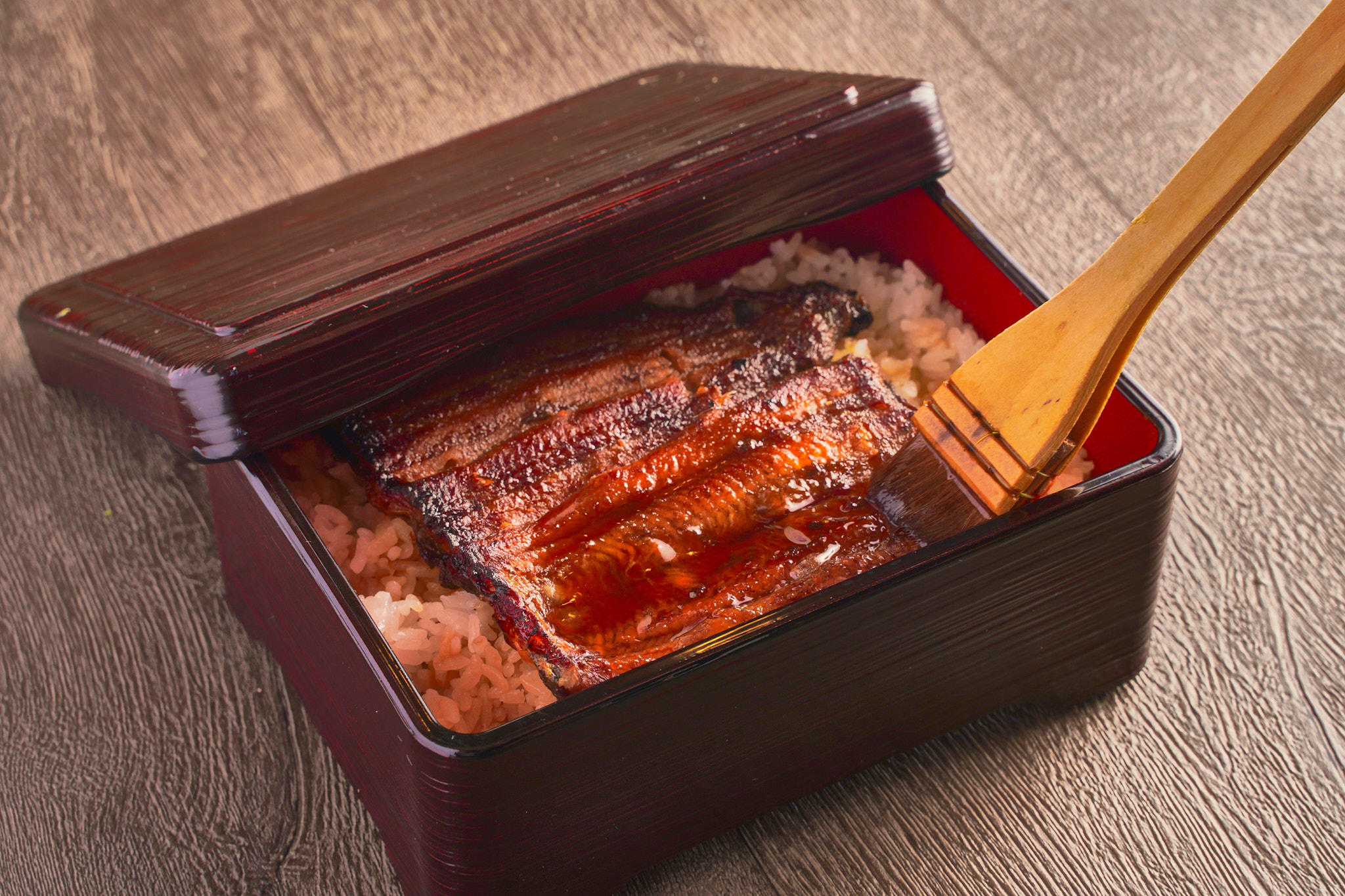
Diners can indulge in a 12-piece nigiri set, where each piece — from fatty tuna to sweet shellfish — is a miniature work of art. Another highlight is unaju, tender domestic eel grilled over charcoal and glazed with a savory-sweet sauce, served over rice in the traditional Edo style. Paired with sake from across Japan or a simple glass of beer, it’s an experience that feels unmistakably Tokyo — a taste of seafood culture rooted in history, and something you won’t easily replicate outside Japan.
Nezu Torihana: Mouth-Watering Yakitori
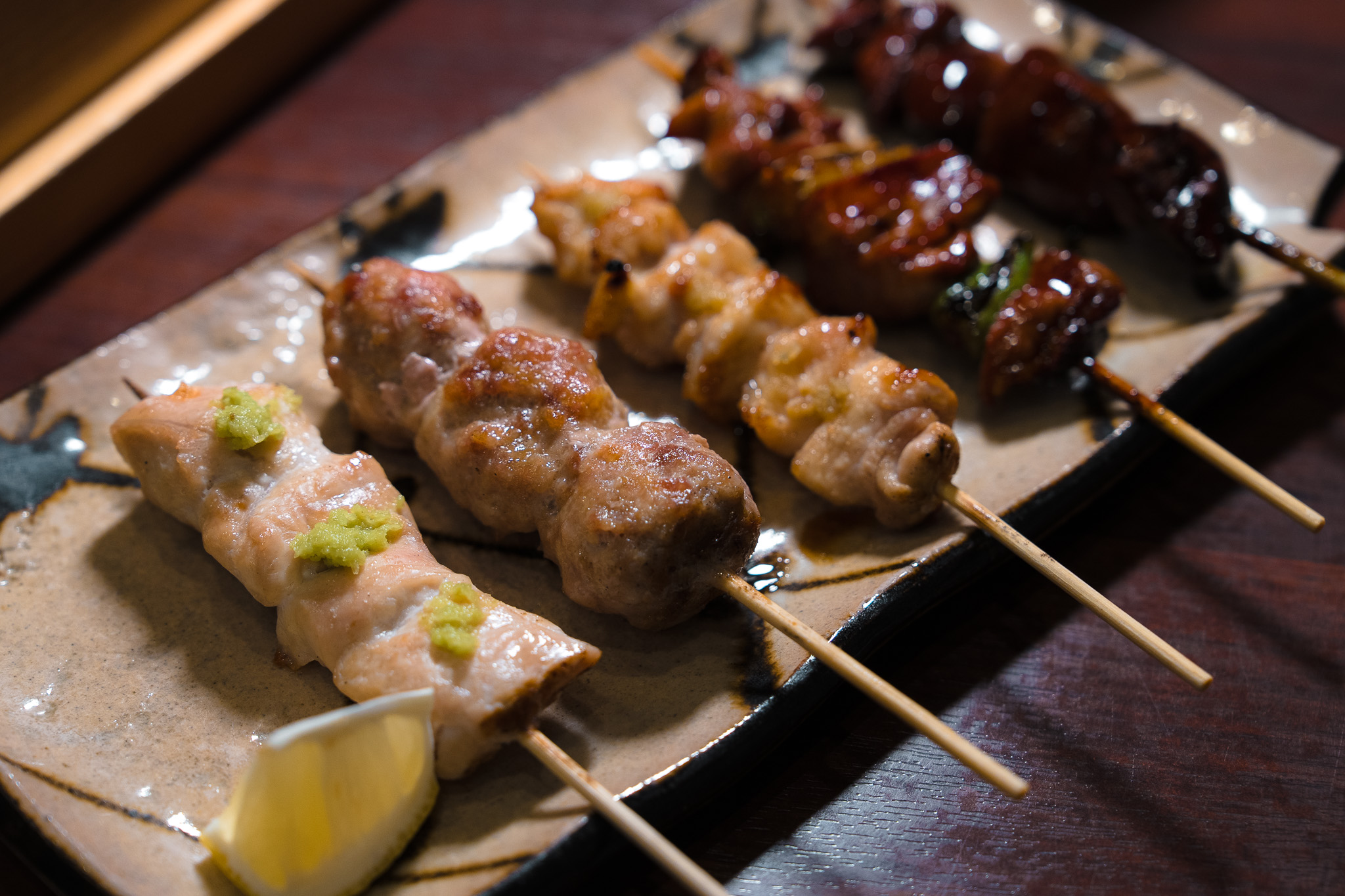
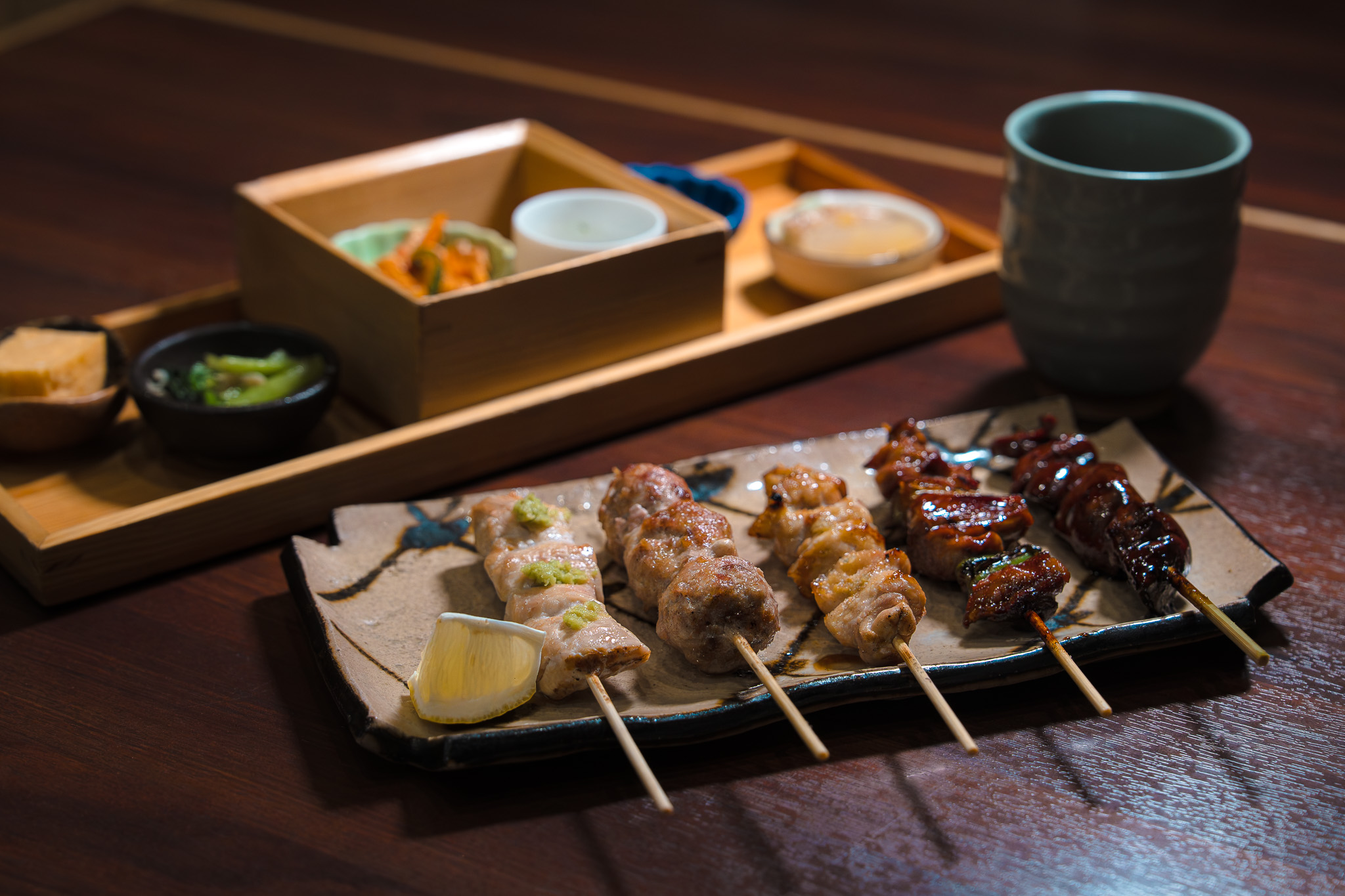
Yakitori is a Japanese classic, but Nezu Torihana elevates it to another level. This is thanks in part to its use of Tokyo Shamo chicken: a rare heritage breed that is grown in small numbers in Akiruno, a city in the outskirts of the capital. Originally bred as game cocks, Shamo are naturally muscular, giving their meat a unique quality. Unlike standard chicken meat, it has a richer umami and firmer texture, which makes every skewer more satisfying and distinct; Shamo meat is bouncy, packed with flavor and low in fat content.
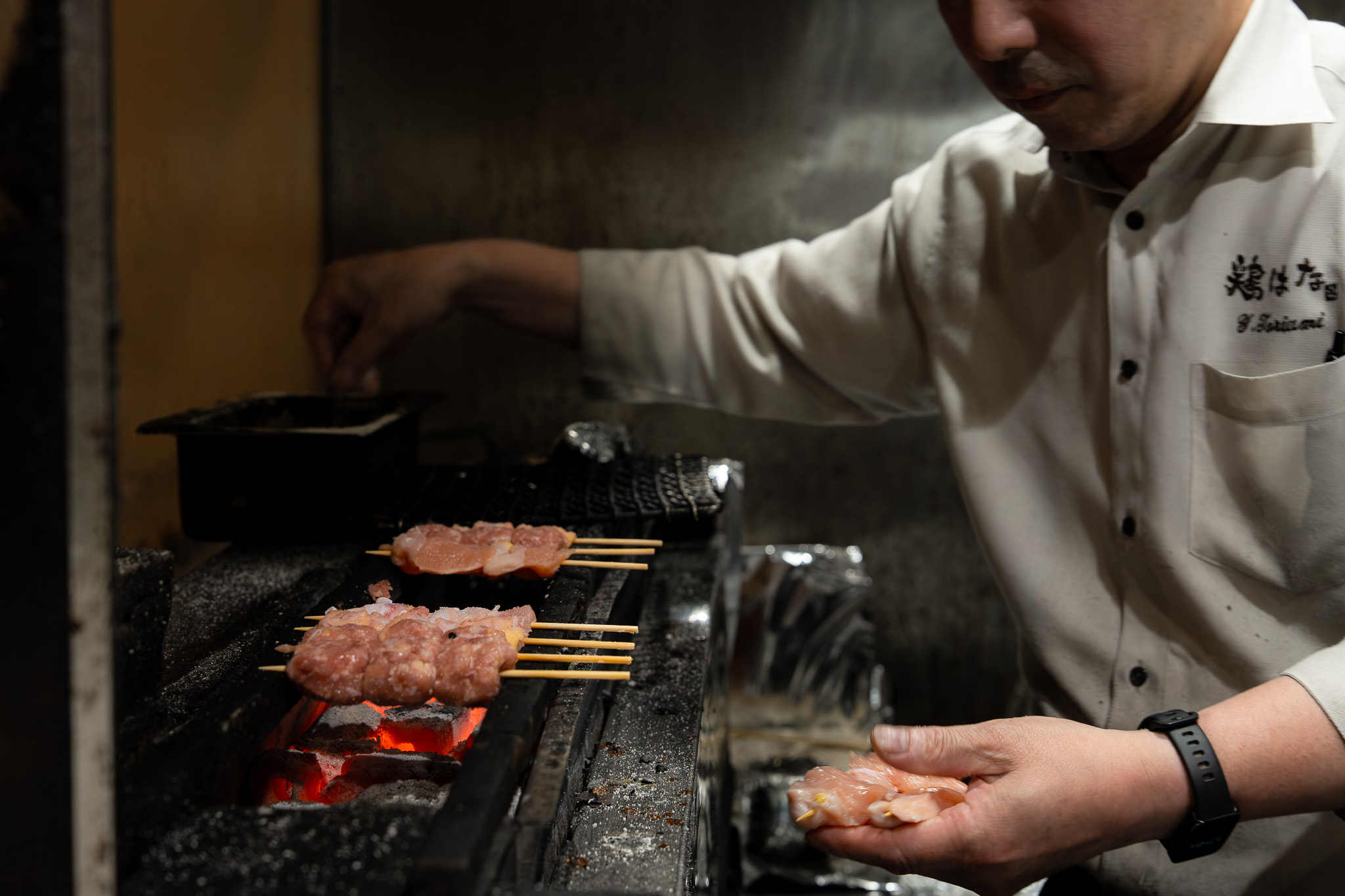
At Nezu Torihana, the bird is prepared whole in-house, allowing the chefs to offer not only familiar cuts but also rare portions available in small quantities from each bird. Grilling over high quality binchotan charcoal made from oak intensifies the flavor, adding a subtle smokiness that highlights the meat’s natural depth.
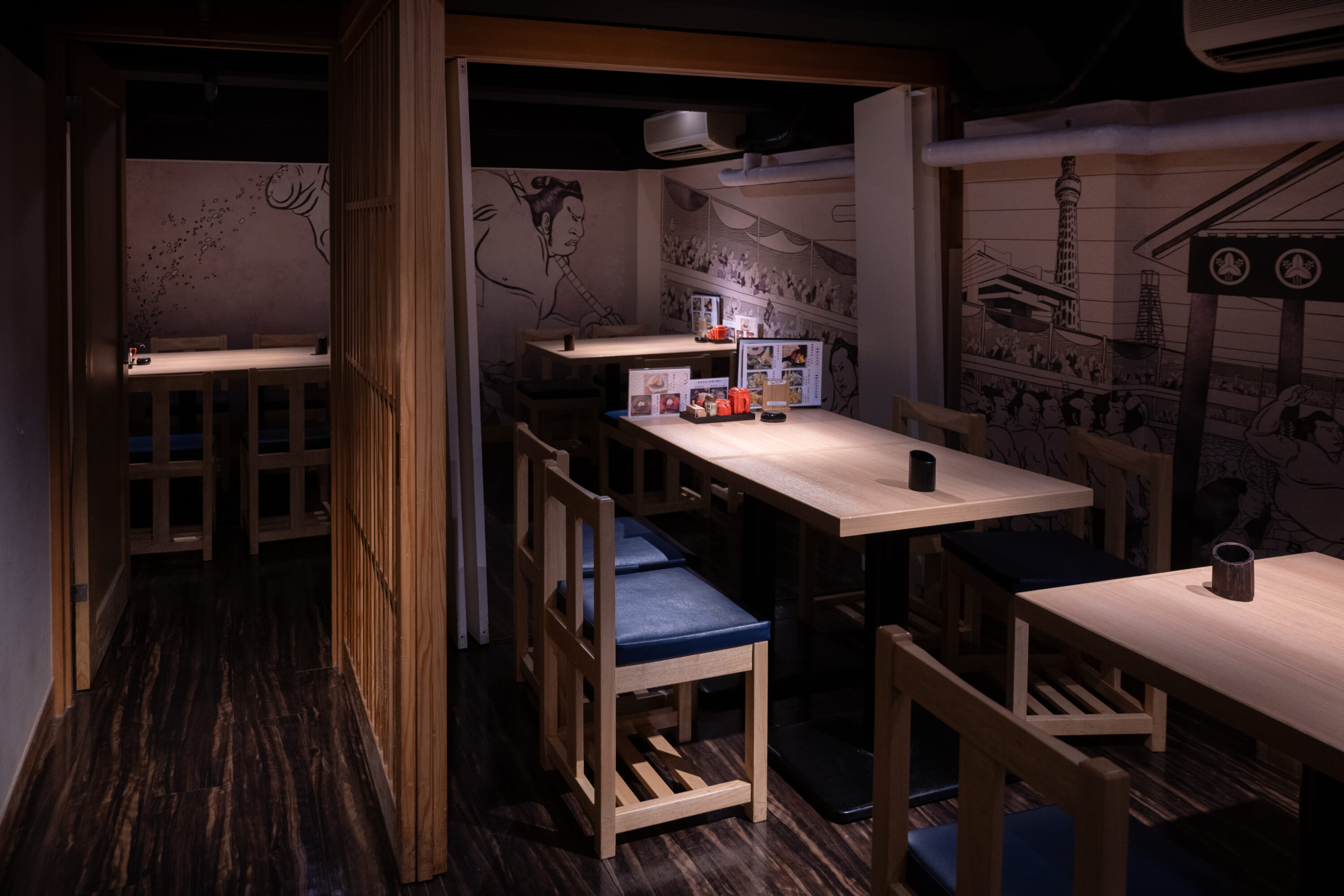
Nihonbashi Yabukyu: Soba With Centuries of History
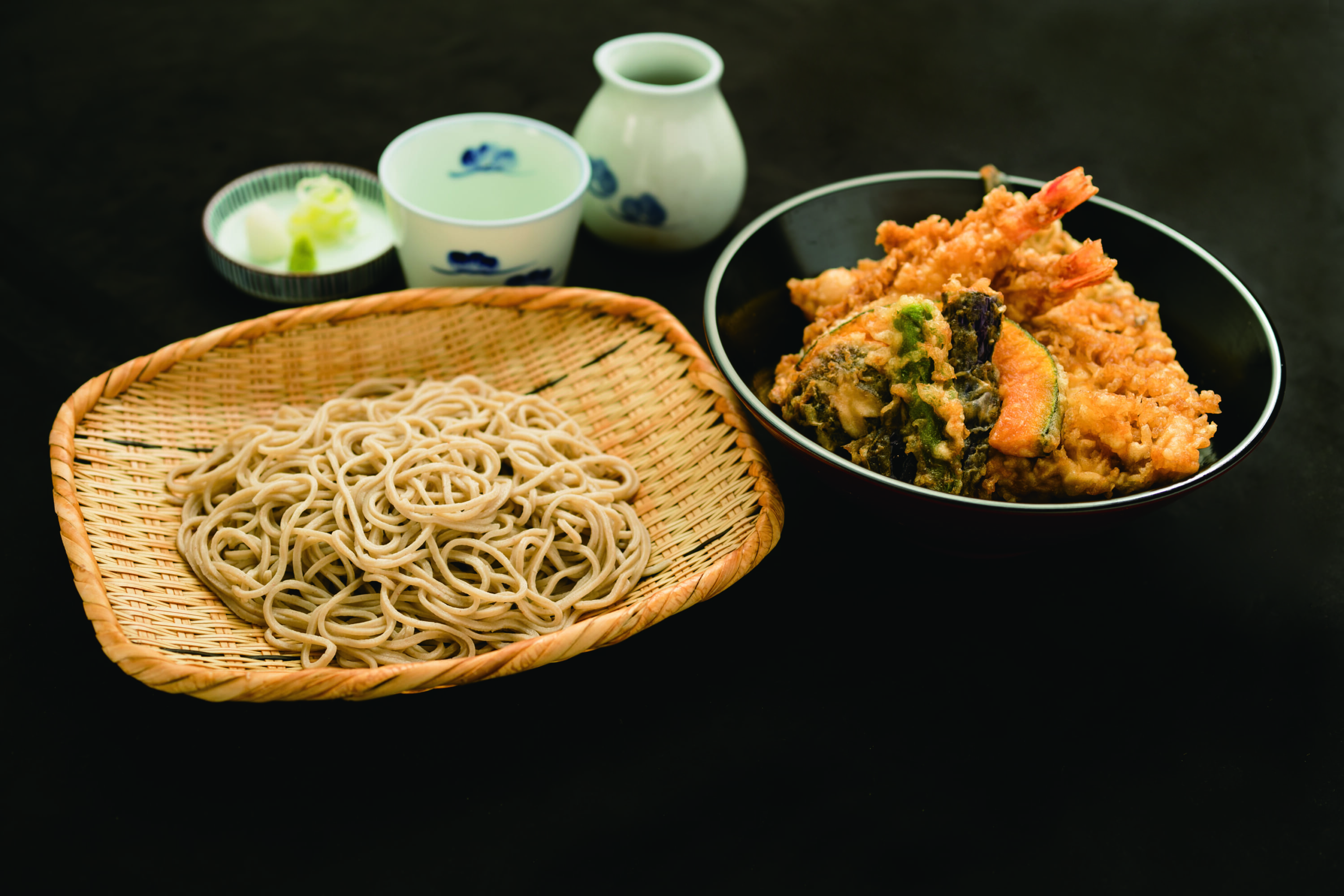
Soba may seem simple, but in Japan it’s an art form — and Yabukyu has been perfecting it since 1902. Renowned for its quality and the meticulous care that goes into its dishes, Yabukyu is now in its fourth generation, continuing techniques passed down for more than a century.
Each day, the finest domestic buckwheat flour is freshly milled and worked into springy noodles using the traditional methods. The soba is then served in a delicate broth made by slowly simmering honkarebushi (premium dried bonito), a process that creates a clean yet deeply savory flavor. With no additives and no shortcuts, every bowl reflects the careful craftsmanship of Edo-style soba.
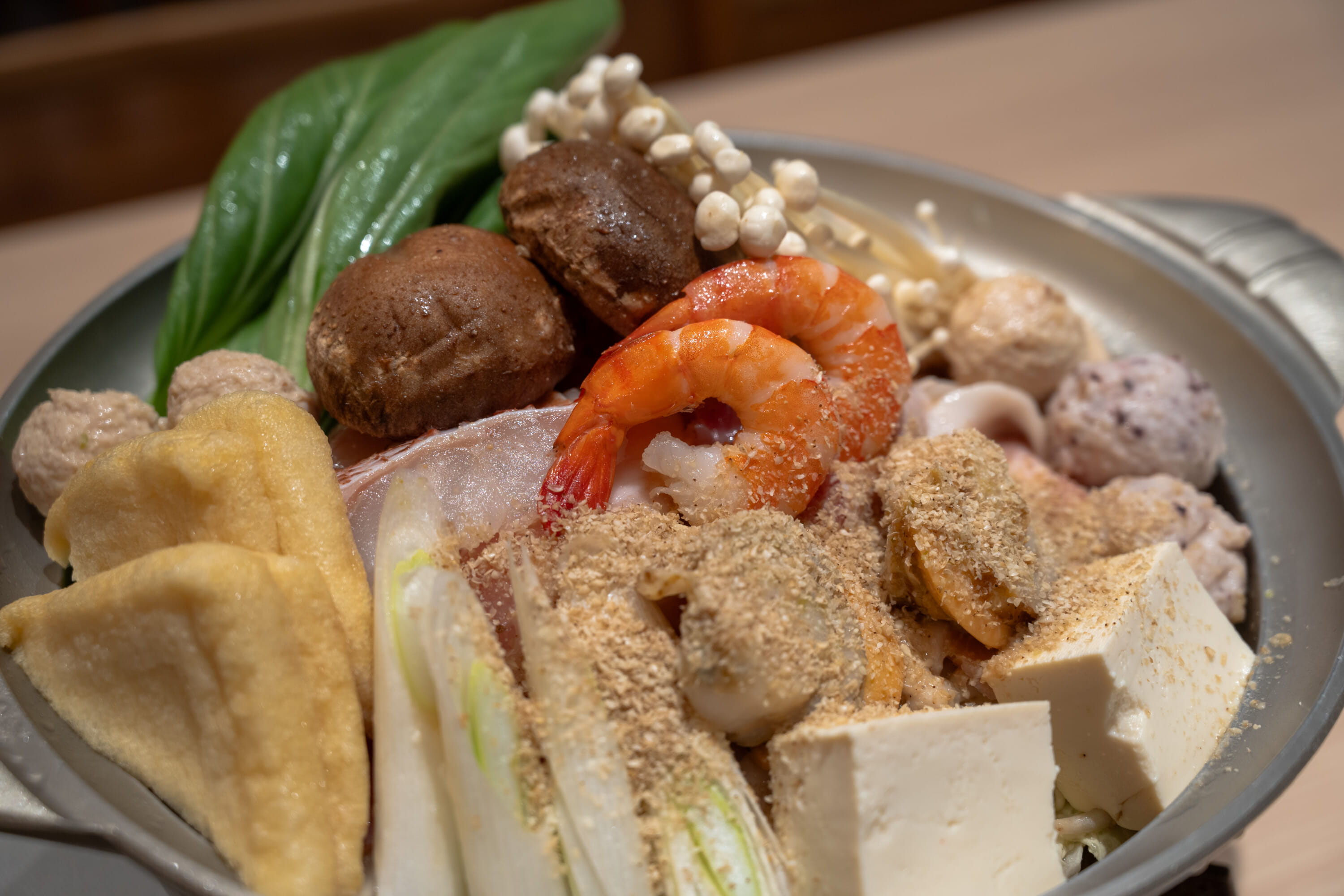
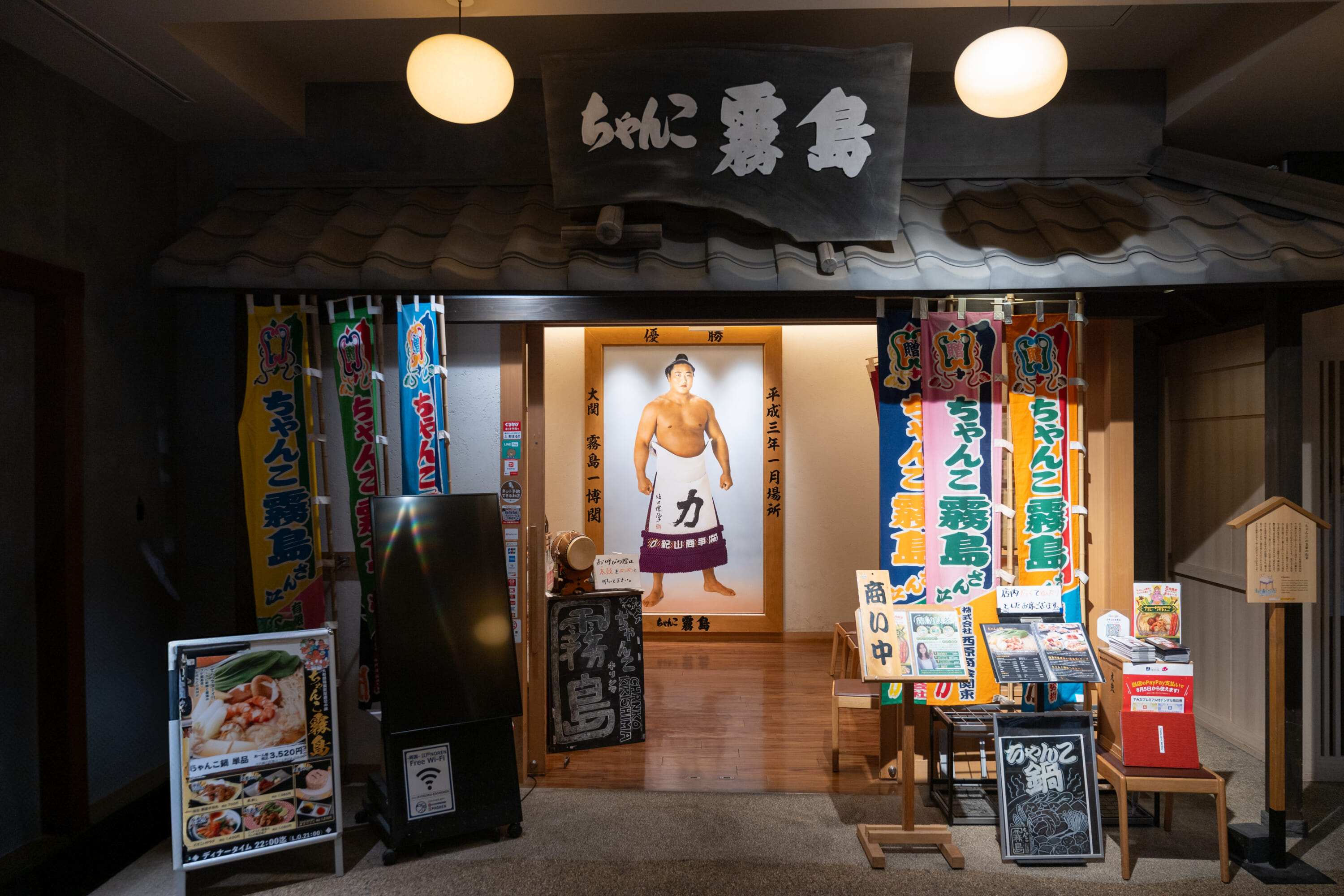
Chanko Kirishima: Authentic Chanko Nabe (Sumo Wrestler Hotpot)
There’s no dish more tied to sumo culture than chanko nabe, a hotpot dish typically eaten in vast quantities by sumo wrestlers. And at Chanko Kirishima, you can try it in the most authentic way possible — the restaurant is run by a former sumo wrestler, who went by Kirishima during his wrestling days, and it draws from recipes used in his own sumo stable.
The hotpot starts with a broth of chicken and pork bones, enriched with a special sauce that blends soy sauce and miso. Into this bubbling base go seasonal vegetables, seafood, meats and handmade fish balls, creating a dish that’s hearty yet surprisingly light. It’s the kind of balanced, nourishing meal that fuels wrestlers but is equally satisfying for families and travelers.
In addition to the hotpot, don’t miss the crisp chicken wings, coated in a secret sauce and beloved by locals.
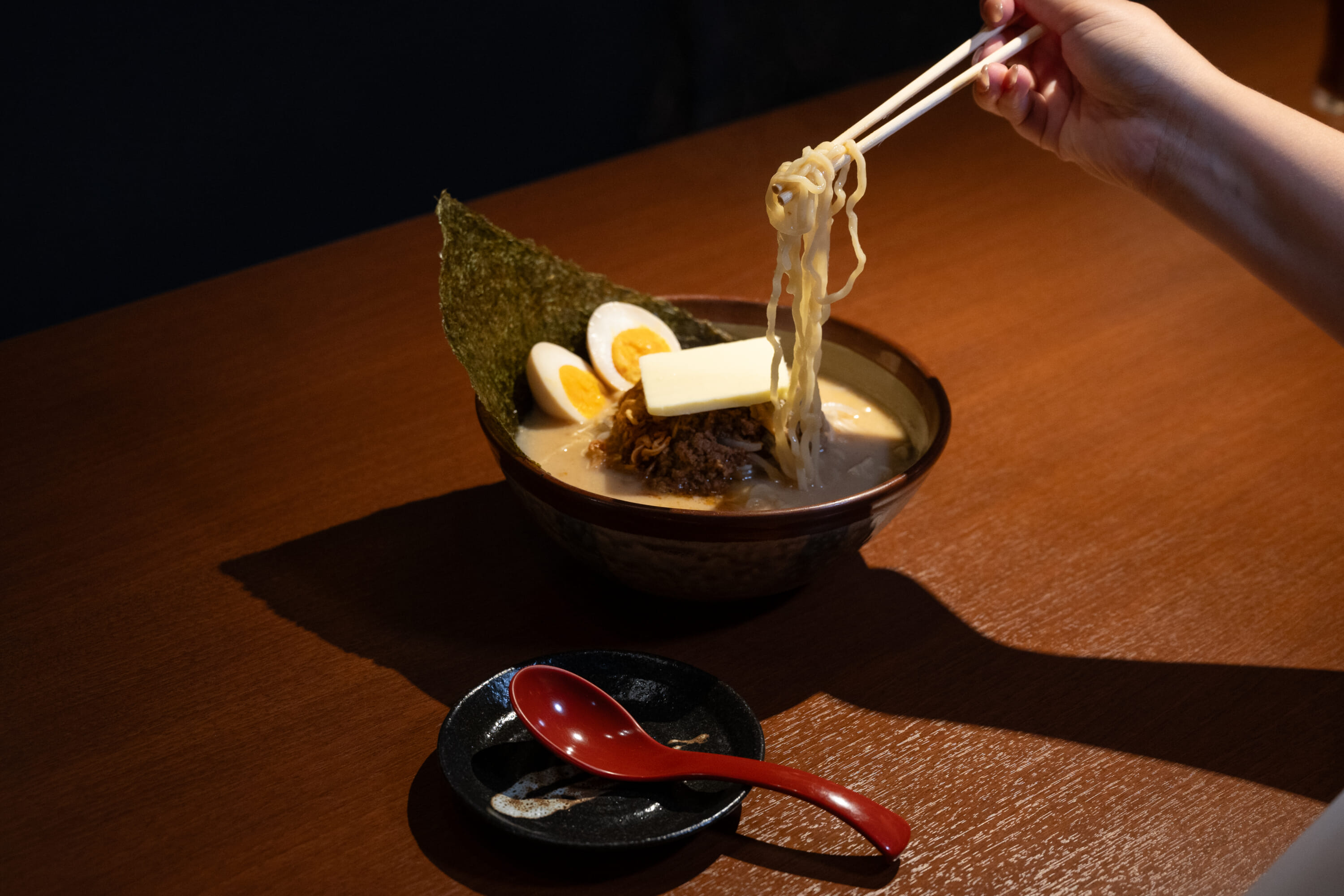
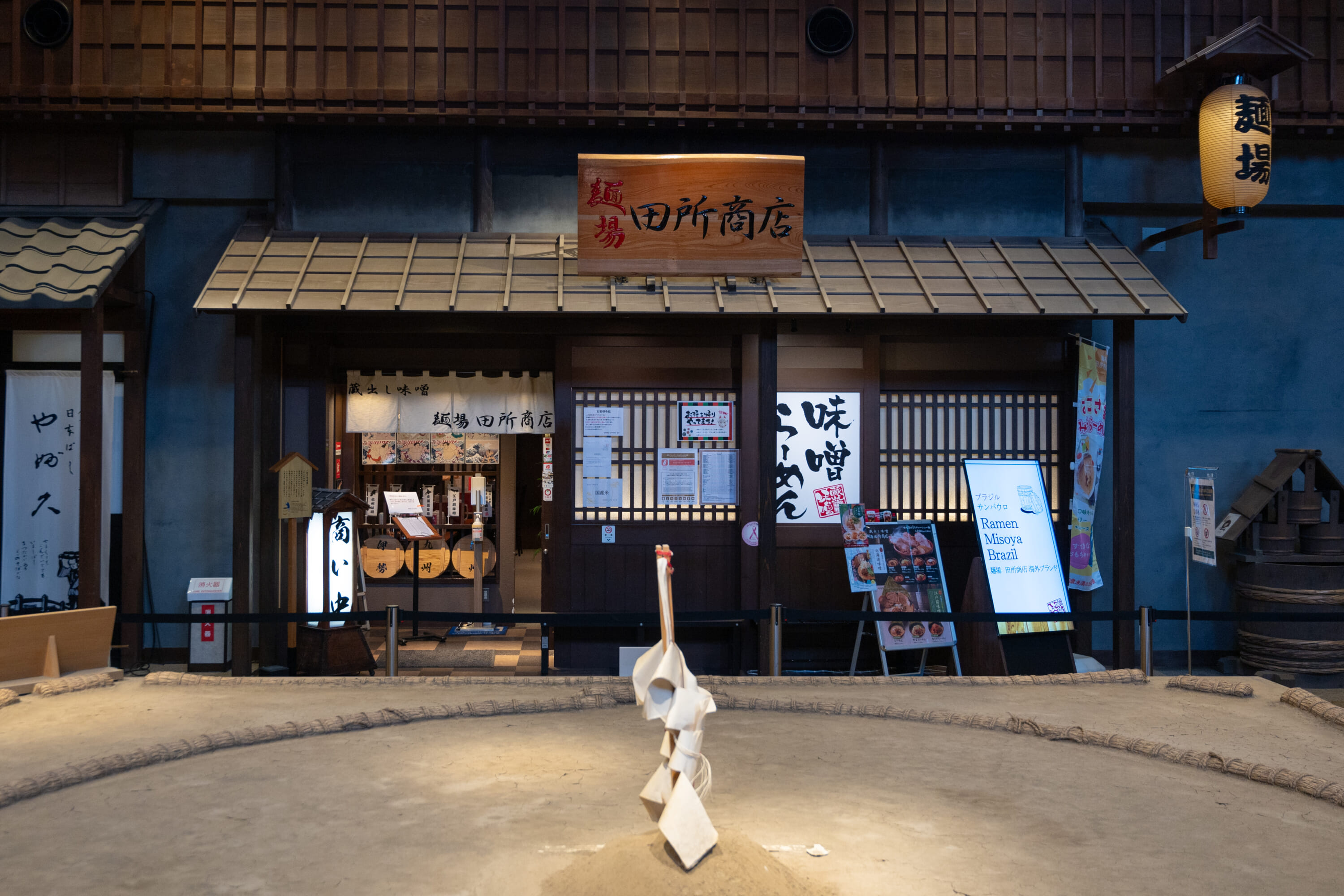
Tadokoro Shoten: Nourishing Miso Ramen
Tadokoro Shoten is a miso ramen specialty shop with one focus: showcasing the richness of Japan’s traditional miso in every bowl. The menu is dedicated entirely to miso ramen, built on three carefully selected miso varieties from around the country. Each broth is prepared slowly, bringing out layers of umami that change depending on the region and season.
Toppings highlight the star ingredient, with standouts like house-made char siu marinated in a secret miso blend and then flame-grilled to perfection. Limited-edition bowls also appear throughout the year, offering flavors you can’t find anywhere else. With its warm lighting, relaxed atmosphere and meticulous approach to miso, Tadokoro Shoten turns a familiar comfort food into a culinary experience worth seeking out in Tokyo.
Discover Edo Noren in Ryogoku
Whether you’re visiting Ryogoku for its museums, a boat ride or a day at the sumo stadium, stepping into Edo Noren is to discover a lively world — one where an Edo-period streetscape surrounds a life-sized sumo ring, and where every restaurant offers a dish that encapsulates generations of Japanese history and tradition.
Here, you can taste soba perfected for over a century, heritage-breed yakitori, miso ramen rooted in brewing tradition, seafood straight from Toyosu or the hotpot eaten by wrestlers themselves.
Plan your visit to Edo Noren and experience a taste of Edo culture in the heart of Tokyo by visiting their official website.
Edo Noren
1-3-20 Yokoami, Sumida-ku, Tokyo
Directly connected to JR Ryogoku Station (West Exit)