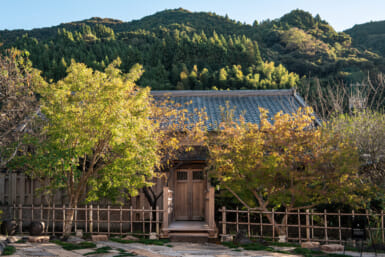

As the year winds down and everything starts speeding up — deadlines, dinners, last-minute plans — it’s easy to feel like December slips by in a blink. But right before the calendar resets, it’s also the perfect time to slow down and set intentions for the year ahead. In Japan, that reset comes in the form of hatsumode, the first shrine visit of the new year, where people pray for good fortune, protection and a clean slate. (While hatsumode can also be done at Buddhist temples, our focus will be on Shinto shrines, as they are the more popular destination for hatsumode.)
And while there are countless places in Tokyo to do that, some shrines carry a deeper spiritual pull, shaped by centuries of ritual and myth. Instead of braving Tokyo’s busiest spots, this guide highlights seven spiritually significant shrines across Japan to visit and start off the year with a charge of divine energy.
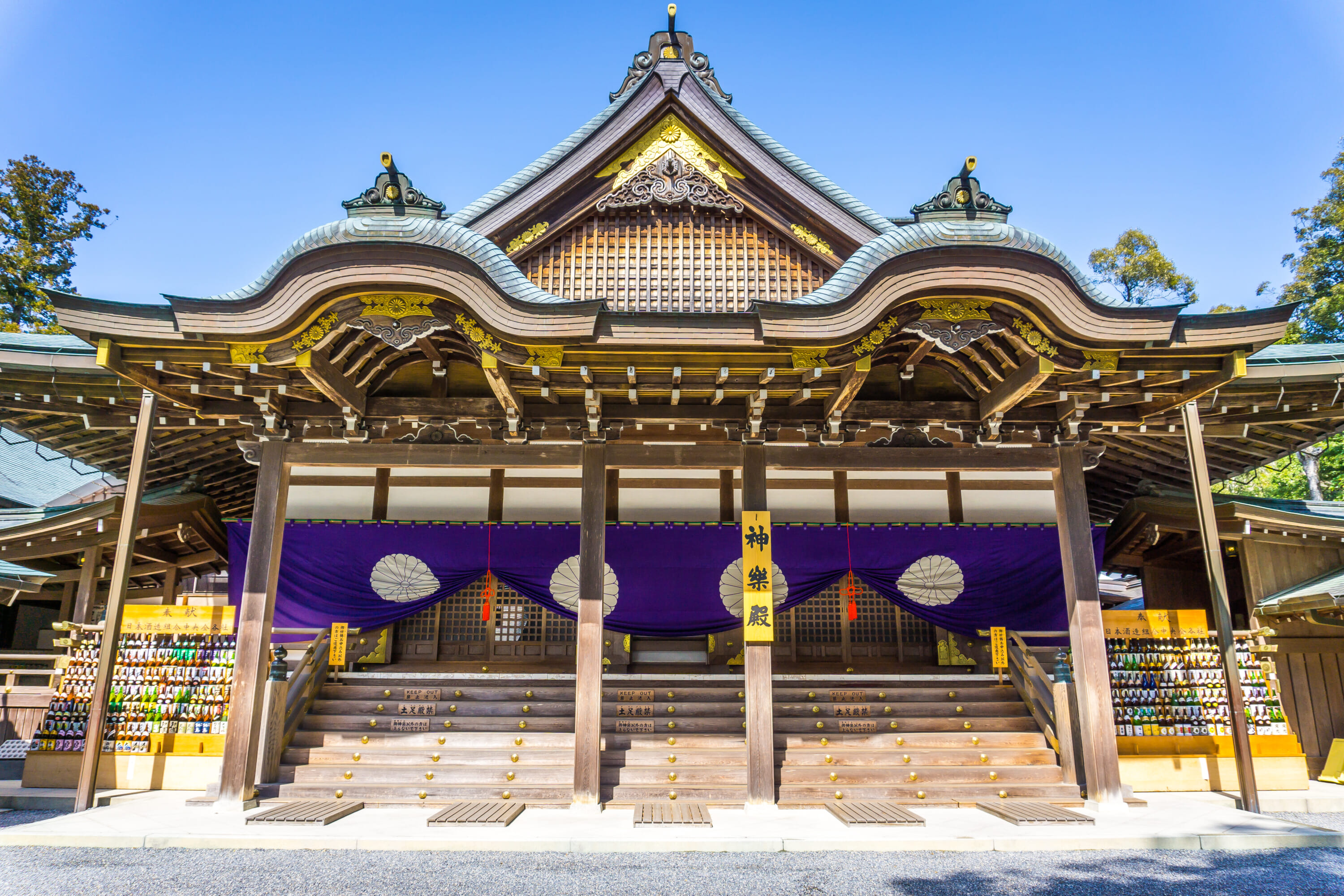
Ise Shrine, Mie Prefecture
Ise Shrine, or Ise Jingu, is basically the heart of Shinto, dedicated to Amaterasu, the sun goddess and mythical ancestor of Japan’s imperial family, as well as Toyouke no Omikami, the goddess of harvests and well-being. The shrine itself is rebuilt every 20 years, and people come here seeking overall purity, renewal and protection for the year ahead. If you’re going to ask for a fresh start, this is one of the most symbolically powerful places to do it.
Despite being incredibly important, the shrine is rarely shoulder-to-shoulder packed. Outside of the earliest hours of January 1, you can take your time walking the forest paths and soaking in that clean, reverent calm.
Known for: renewal, purification, protection, general good fortune
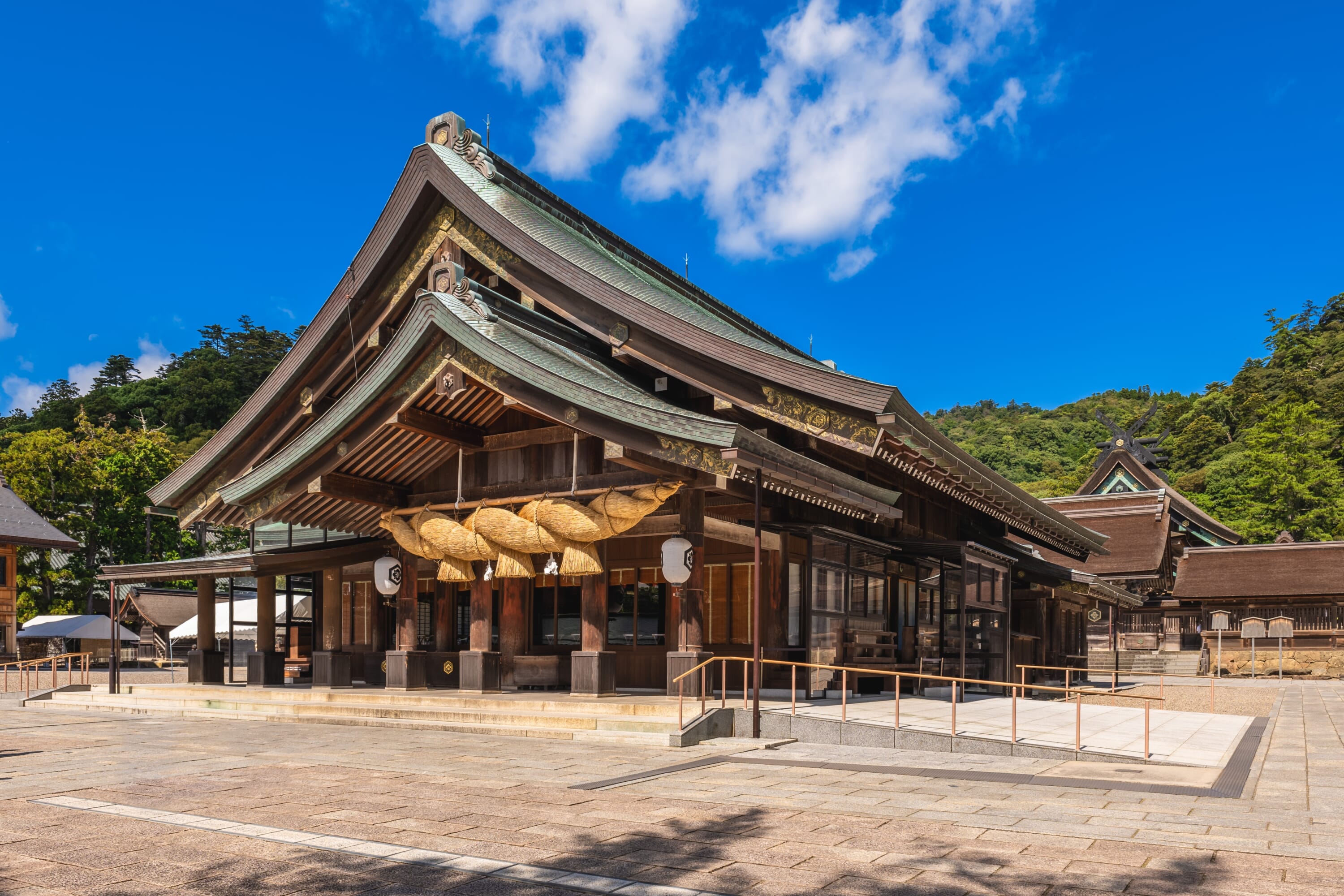
Izumo Oyashiro Shrine, Shimane Prefecture
Izumo Oyashiro (also called Izumo Taisha) ranks as one of Japan’s oldest and most important shrines, chronicled in the Nihon Shoki and Kojiki and known for its massive woven shimenawa rope. It’s dedicated to Okuninushi, the deity of marriage, connections and relationships, both romantic and platonic. It’s also known as the meeting place of all the gods during the “Month of the Gods” in October.
People come to pray for strong bonds, good relationships and happiness in love, but it’s also a popular prayer destination for those hoping to build new networks or strengthen existing ones. And because Shimane itself is remote, the hatsumode flow is steady but rarely overwhelming.
Known for: love, relationships, matchmaking, harmonious connections
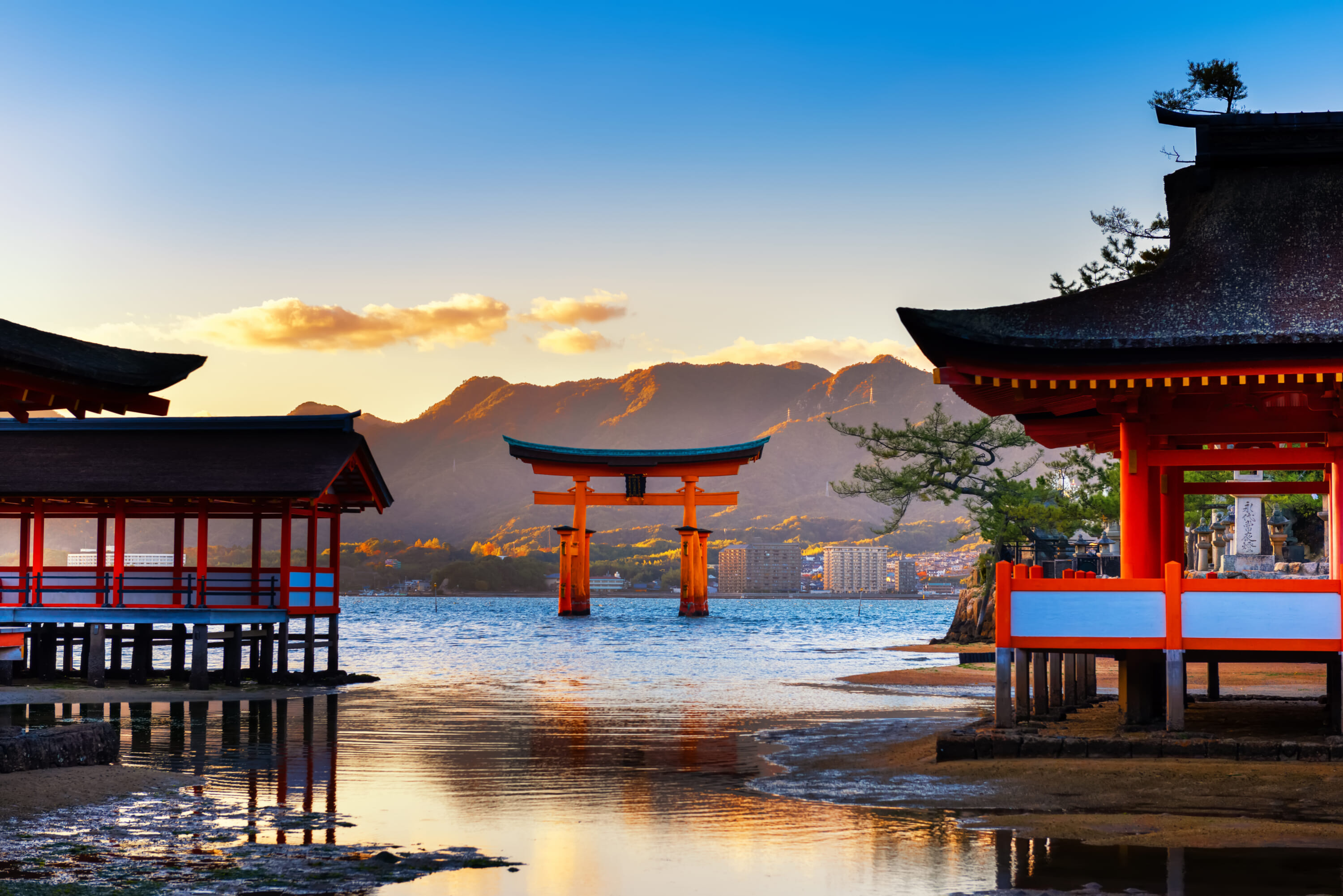
Itsukushima Shrine, Hiroshima Prefecture
Itsukushima Shrine is instantly recognizable thanks to the giant torii gate rising out of the sea. The shrine is dedicated to three deities that guard the nation and protect seafarers, so historically, people have made the trip to Itsukushima to pray for safety at home and at sea. Modern visitors still do, but many also come for general good fortune and a spiritually “cleansing” experience.
Winter thins out the tourist crowds on the island of Itsukushima — commonly referred to as Miyajima, or “shrine island” — making it feel extra quiet and mystical. The ferry ride across the water and the stillness of the shrine corridors at high tide contribute to a slow and mindful start to the year.
Known for: safe travel, protection, smooth life transitions, good fortune
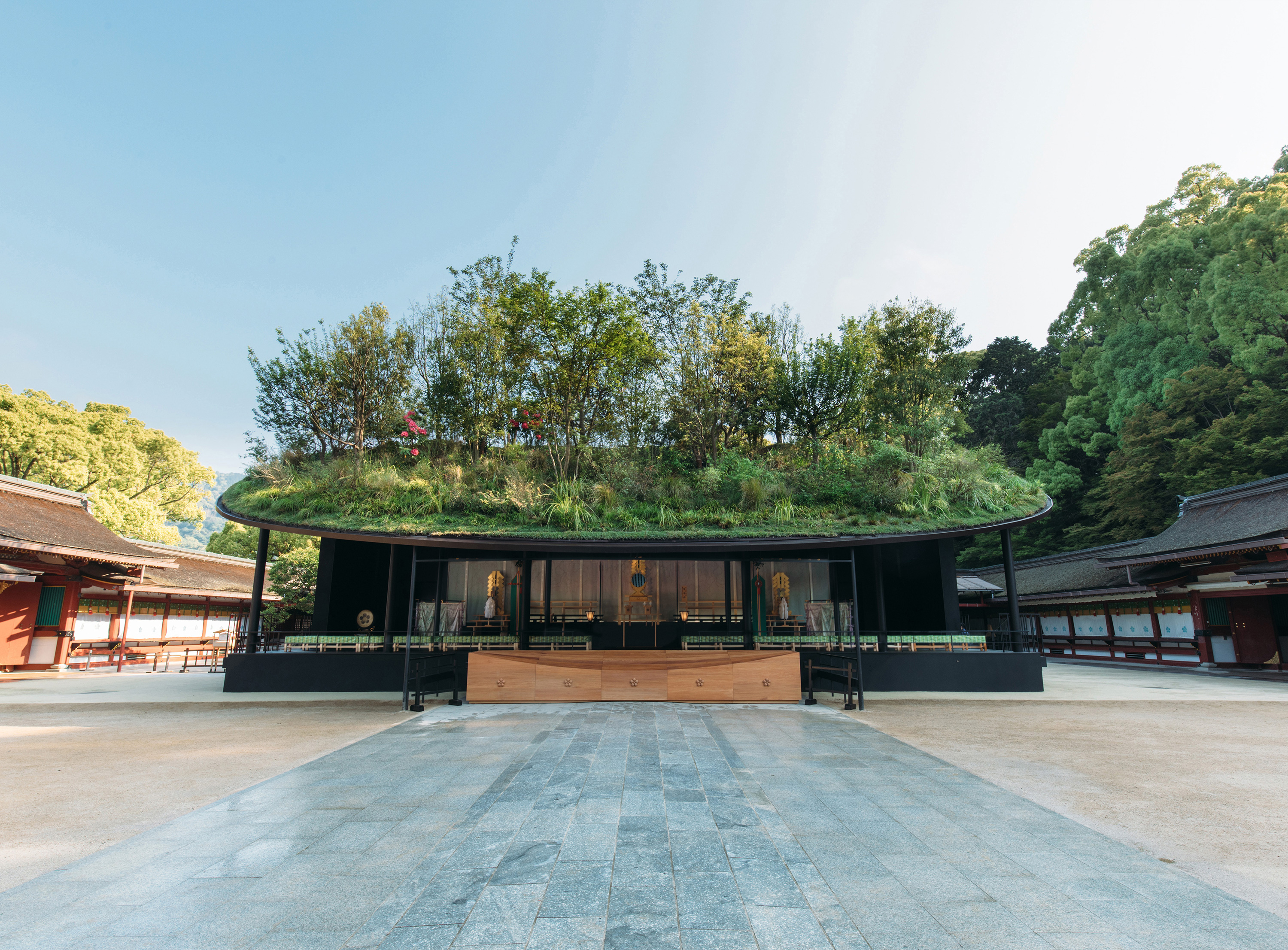
Courtesy of Dazaifu Tenmangu Shrine
Dazaifu Tenmangu, Fukuoka Prefecture
This shrine, the center of Japan’s academic world, is dedicated to Sugawara no Michizane, the god of learning, intelligence and the arts. Students from all over the country come here to pray for exam success, creativity and mental clarity. That doesn’t mean you have to be in study mode to make the trip — Dazaifu Tenmangu is a great place for anyone starting new projects or seeking motivation.
With the main hall under renovation until 2026, a special temporary hall has been built. The hall, designed by Sou Fujimoto, the architect behind the Osaka Expo‘s Grand Ring, feels anything but makeshift; rather, it’s incredibly striking: a clean, modern black structure topped with an oval roof planted with plum trees.
Known for: academic success, creativity, career development, mental focus
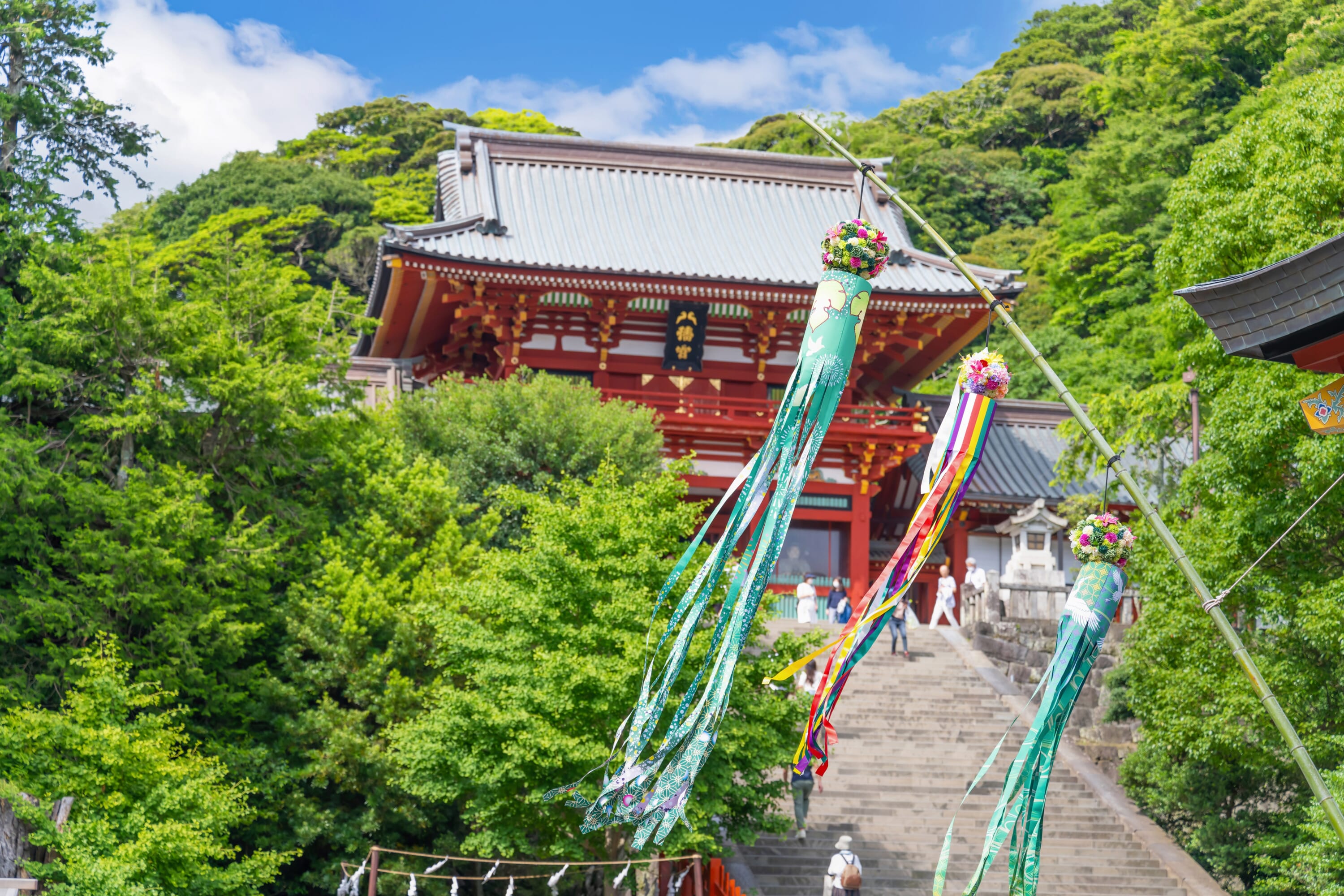
Tsurugaoka Hachimangu, Kanagawa Prefecture
Located in Kamakura, Tsurugaoka Hachimangu is the coastal city’s most important Shinto shrine and a historic center of samurai culture. Because of that samurai connection, people often pray here for strength, resilience and good luck in overcoming challenges.
One of its most iconic rituals is yabusame, an archery ceremony dating to the Kamakura period that’s still practiced at September’s grand festival. Traditionally, mounted samurai, traveling at a gallop, would fire arrows at three targets, with the hits used to predict the year ahead and the arrows later becoming talismans. Fittingly, around New Year’s, many visitors pick up a hamaya, an “evil-warding arrow” tied to the shrine’s history.
Known for: protection, prosperity, resilience, overcoming obstacles
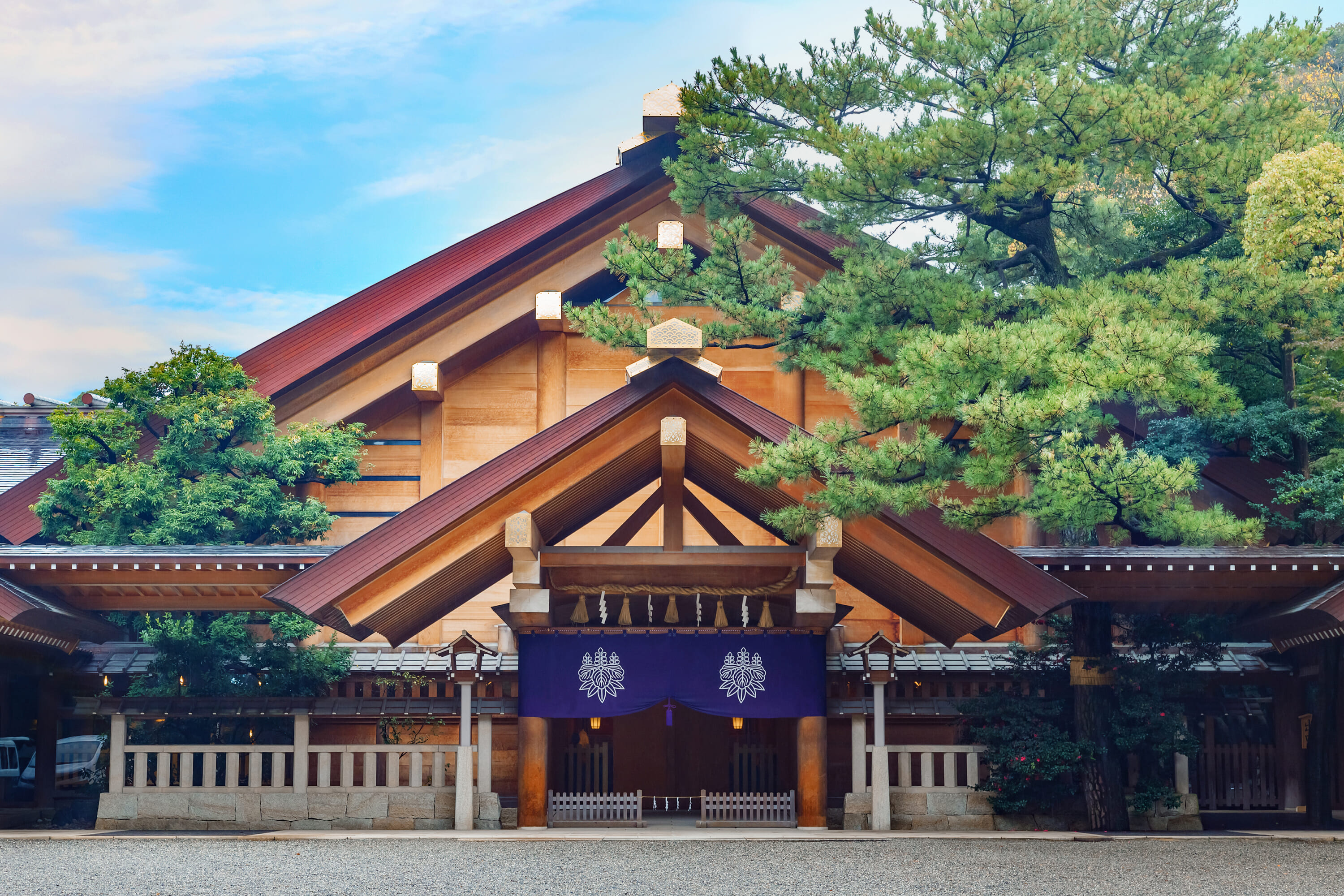
Atsuta Jingu, Aichi Prefecture
Atsuta Jingu is one of Japan’s most important shrines because it enshrines the sacred sword Kusanagi no Tsurugi, one of the three sacred treasures of the Imperial Regalia. The shrine is dedicated to Atsuta no Okami, who offers protection and strength. People visit seeking safety, power to fulfill goals and blessings for major life steps — everything from stable relationships to successful ventures.
Even with that kind of gravitas, the shrine feels surprisingly calm and grounded, tucked as it is inside a cool, shaded forest in the middle of Nagoya. Lanterns, wooden pathways and thick trees set the tone for a mindful New Year.
Known for: protection, strength, success in goals, long-term stability
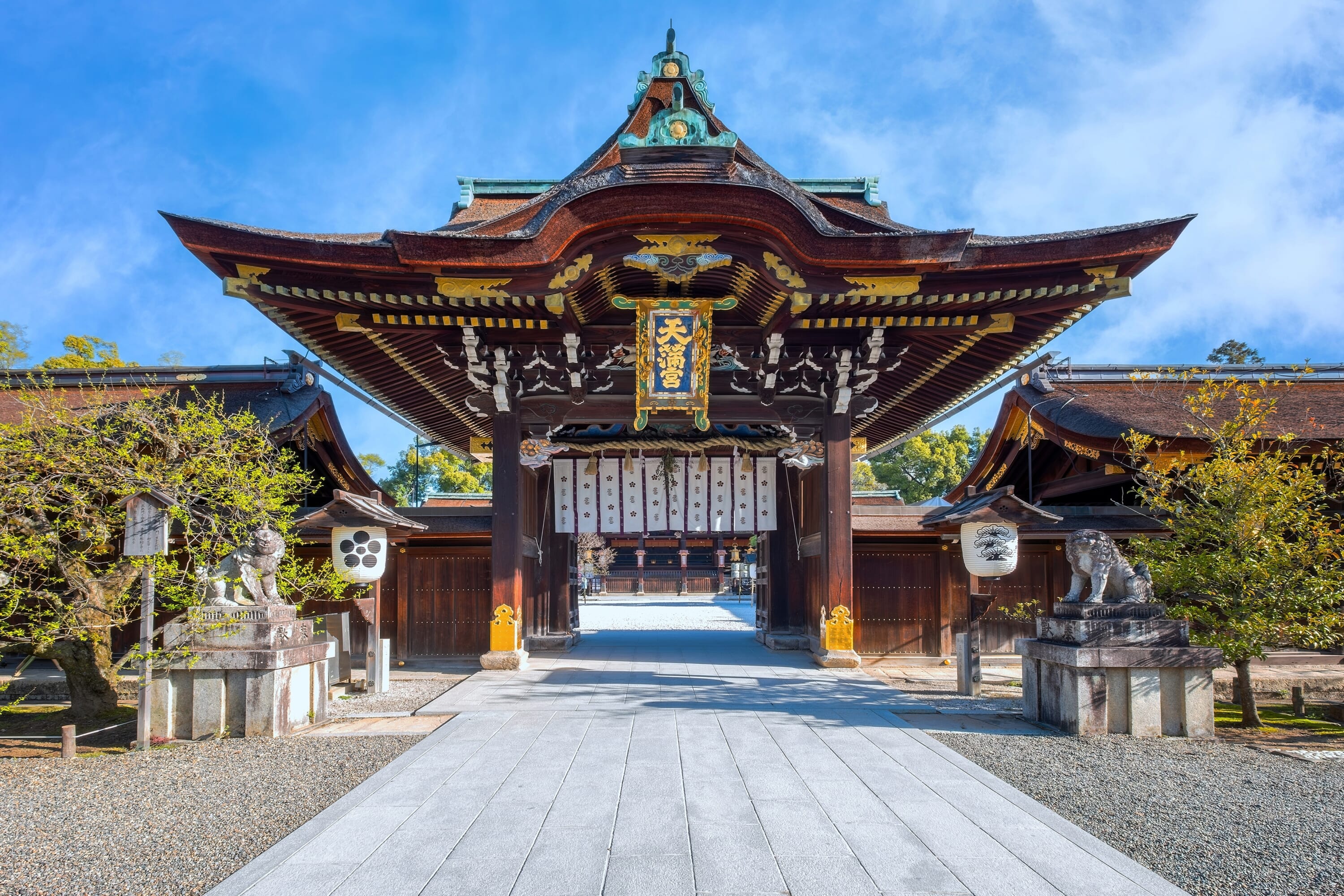
Kitano Tenmangu Shrine, Kyoto Prefecture
Another shrine dedicated to the learning deity Sugawara no Michizane, Kitano Tenmangu is loved by students, artists and anyone hoping to pick up new skills. Like Dazaifu Tenmangu, it’s famous for its plum blossoms, some of which begin blooming early in the year, adding a soft, hopeful feeling to hatsumode visits.
Compared to Kyoto’s temple hot spots, the atmosphere here is more relaxed and less tourist-heavy. It’s especially nice for anyone planning a year focused on personal development, creativity or academic goals.
Known for: learning, creativity, skill-building, intellectual growth
Related Posts
- What is Hatsumode? Japan’s New Year Tradition
- Japan’s 9 Most Popular Shrines and Temples for Hatsumode (First Visit of the New Year)
- 7 Alternative Shrines and Temples for Hatsumode (That Aren’t Sensoji)
Updated On December 29, 2025