
In Japan, certain years of life are believed to carry heavier spiritual weight. You’ve probably heard that your zodiac year — the year you turn a multiple of 12 — is a particularly auspicious time. On the other hand, misfortune is more likely to strike during years known as yakudoshi. The custom of yakudoshi, which translates to “unlucky year,” represents long-standing beliefs that continue to shape how many people mark major life milestones, from career changes to marriage. While not grounded in science, yakudoshi remains a deeply rooted cultural idea, not intended to stir fear but to encourage reflection and care.
What Is Yakudoshi?
The term “yakudoshi,” (厄年) written with kanji meaning “calamity” and “year,” refers to ages believed to be periods of declining luck, when accidents, illness or unexpected troubles are more likely to occur. These ages are counted using kazoedoshi, the traditional Japanese system in which a person is one year old at birth and gains a year every New Year’s Day.
The most widely accepted yakudoshi ages differ by gender. For men, they are 25, 42 and 61; for women, 19, 33, 37 and 61. Among these, age 42 for men and 33 for women are considered particularly serious and are often referred to as tai-yaku, or “great misfortune.” The year before a yakudoshi is called maeyaku (pre-yakudoshi), while the year after is atoyaku (post-yakudoshi), forming a three-year cycle of caution.
Despite their ominous reputation, yakudoshi years are not seen as guarantees of bad luck. Rather, they’re understood as times when people should live a little more carefully — physically and mentally.
The Origins of Yakudoshi
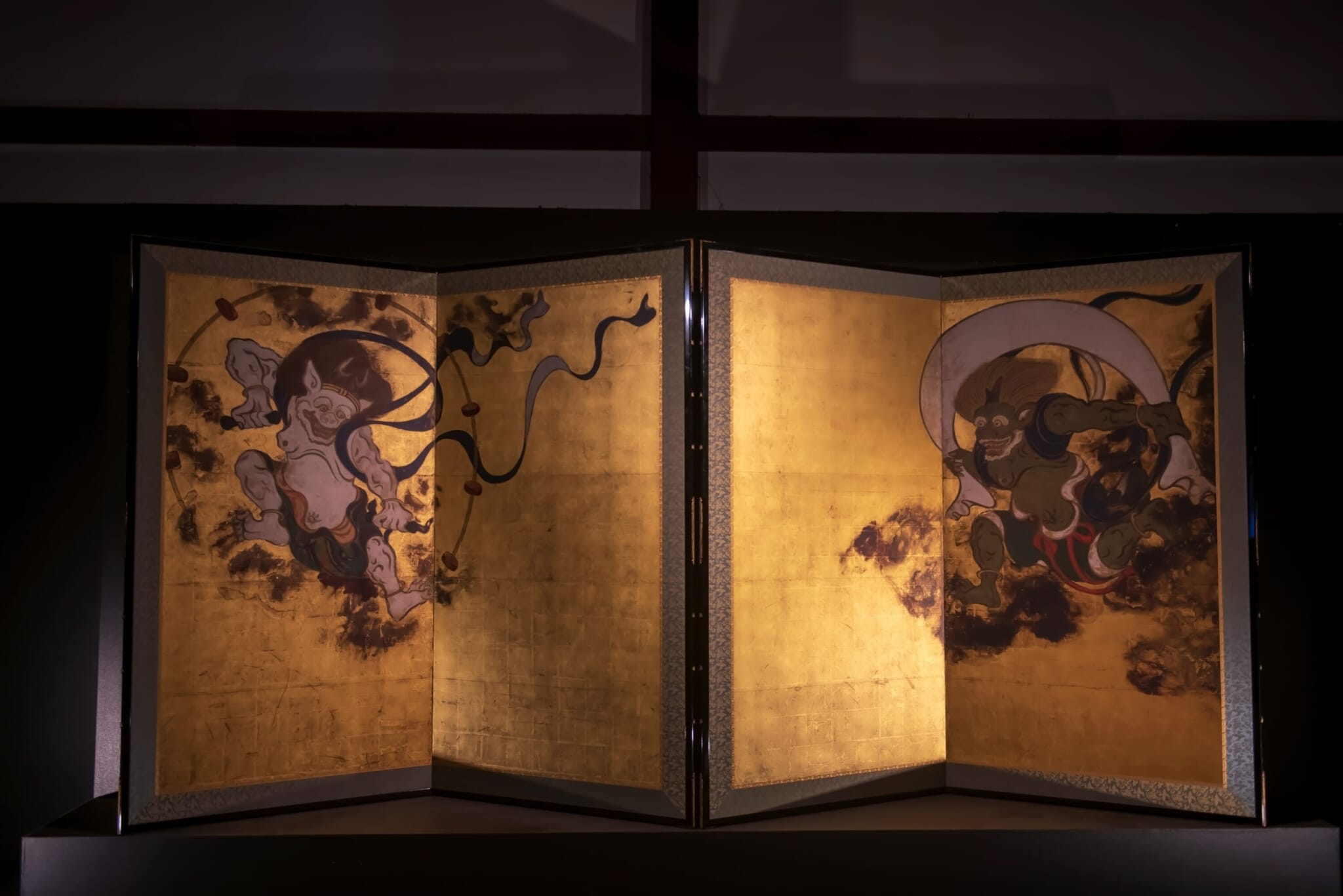
The exact origins of yakudoshi are unclear, but references appear as early as the Heian period (794–1185) in classical literature such as The Tale of Genji. During this era, beliefs rooted in onmyodo — an ancient system combining cosmology, yin-yang theory and spiritual practice — shaped how people understood fate and the flow of energy through a human life.
Yakudoshi initially spread among the aristocracy before becoming more widespread during the Edo period, when such customs took hold among the general population. Certain ages were thought to coincide with major shifts in a person’s life energy, making them more vulnerable to misfortune.
Some explanations are symbolic rather than spiritual. For example, unlucky wordplay is cited as a reason why ages 42 and 33 are considered yakudoshi; the number 42, when pronounced “shi-ni,” is phonetically identical to the word for “death,” while 33, when pronounced “san-zan,” sounds the same as the word for “disastrous.” An alternative perspective is that many yakudoshi ages align with periods of major social and physical change — increased responsibility at work, childbirth and child-rearing or the stresses that come with aging — which may naturally lead to higher risk or fatigue.
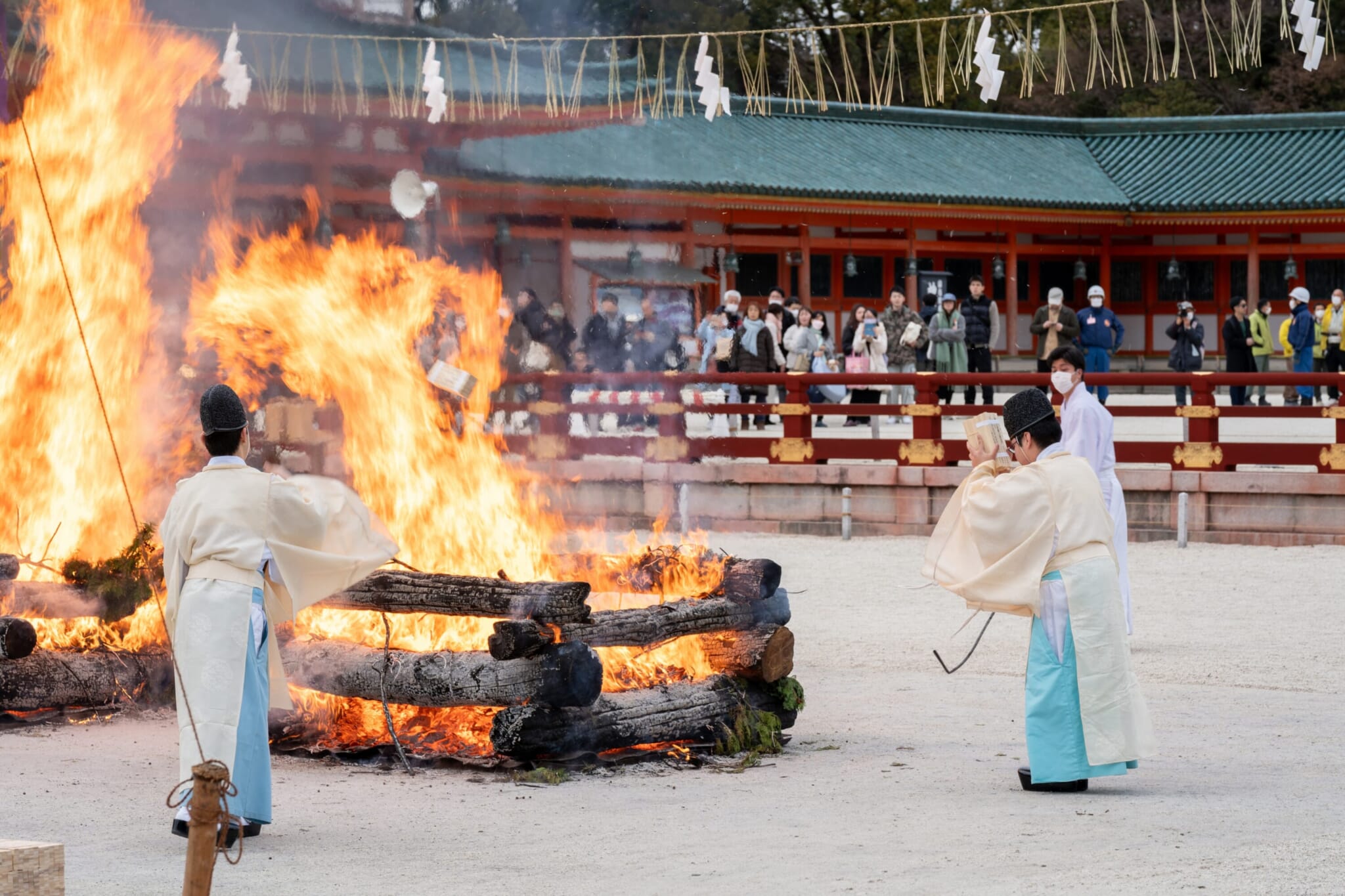
What To Do During Your Yakudoshi
For those who feel uneasy about entering a yakudoshi year, visiting a shrine or temple for a ritual is a common response. These practices fall into three closely related — but distinct — categories.
Yakubarai, typically performed at Shinto shrines, involves a purification rite to dispel misfortune that has already arrived. Yakuyoke, more commonly associated with Buddhist temples, focuses on prayer and protection to prevent bad luck from approaching in the first place. Yakuotoshi is a broader term that refers to symbolic acts meant to “drop” one’s misfortune — sometimes through ritual offerings, sometimes through deliberate life changes.
These ceremonies are most often done between New Year’s Day and Setsubun in early February, though many temples and shrines accept requests year-round. Some people choose to attend rituals during all three years of the yakudoshi cycle, while others focus on the main year alone.
Protective omamori charms are usually distributed after yakubarai and yakuyoke ceremonies, and can also be bought directly from shrines and temples to be carried around. The importance of omamori lies not in the act of obtaining one; rather, the charms serve as physical reminders to be kind-hearted and grateful. Whether spiritual or psychological, omamori offer reassurance and peace of mind.
Beyond encouraging the practice of formal rituals, yakudoshi are often treated as prompts to slow down and reassess. Contrary to popular belief, being in a yakudoshi year doesn’t mean you need to avoid major life transitions like moving, changing jobs or getting married. Some people even embrace yakudoshi as a “role year,” deliberately taking on new responsibilities in order to transform misfortune into momentum. The key idea is preparation — being mindful of one’s health, managing stress and avoiding unnecessary risks.
Ultimately, the tradition of yakudoshi is less about predicting disaster than acknowledging life’s natural turning points. Seen this way, an unlucky year can become a meaningful point of reflection — a chance to move forward thoughtfully and emerge stronger on the other side.
Related Posts
- The Chinese Zodiac Signs and Their Personalities
- Japan’s Blood Type Personalities: A Guide to Ketsuekigata
- 7 Lesser-known Japanese Traditions
Updated On December 26, 2025