
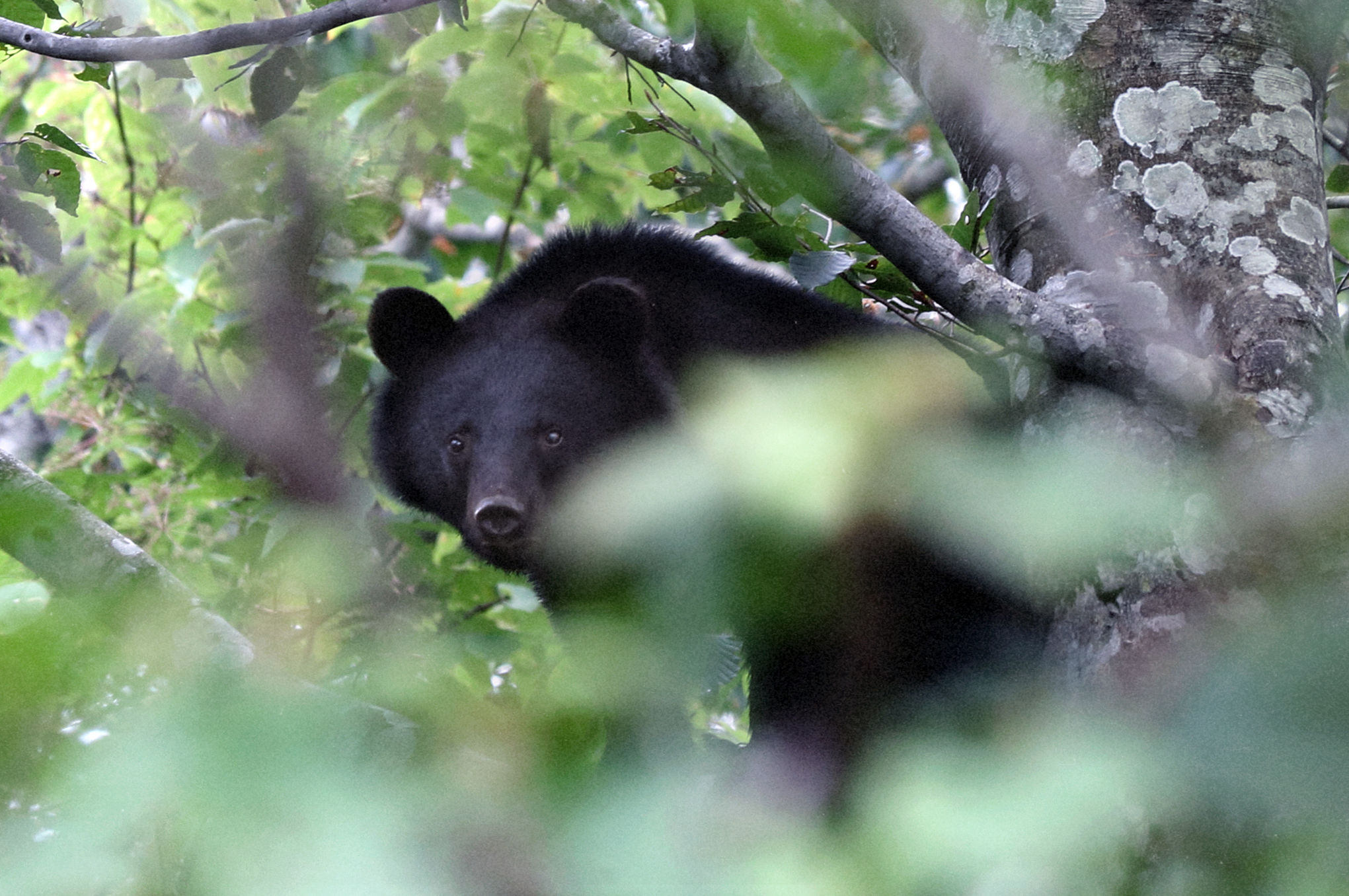
2025 may be the Year of the Snake in the Chinese zodiac, but in Japan, it’s tragically the year of the bear. As of November, 13 people have been killed in bear attacks compared to six in 2024, which was still a record year. Also, 209 have been injured all across Tohoku in northeastern Japan, Hokkaido and beyond. And these incidents weren’t isolated to the wilderness.
Bears have been spotted entering people’s yards, supermarkets, schools and even a train station restroom in Gunma Prefecture. The threat of animal attacks is now an everyday problem in some Japanese towns and cities. But it’s also a widely misunderstood problem. Let’s take a closer look at the issue and clear up a few misconceptions.
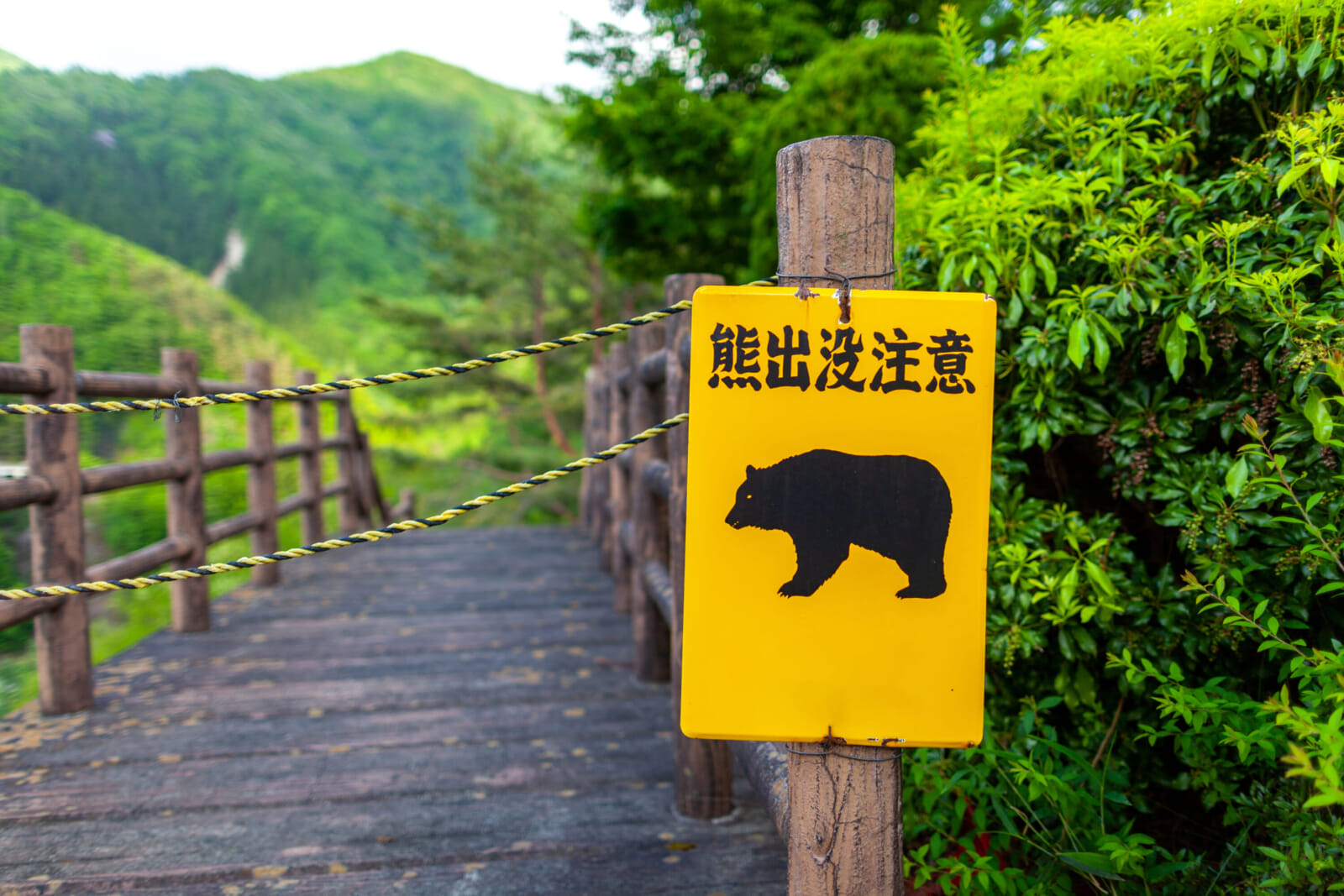
The Cause Isn’t Human Encroachment
It’s easy to assume that the cause of the bear attacks is simple: humanity. We’ve once again muscled in on nature’s turf with urban development, and now nature is fighting back. It’s basically what Princess Mononoke tried to teach us back in 1997. But strangely, Princess Mononoke might not have all the answers this time, as the current Japanese bear attacks are most likely the result of human absence.
According to a 2025 report from the Japan Bear Network (a research and conservation organization), between 1978 and 2018, bear distribution in Japan has roughly doubled due to a mass increase in the bears’ numbers caused by widespread rural depopulation.
Japan was once a land of villages, but many of them now stand abandoned, as former inhabitants have left for more job opportunities in big cities or have passed away. And as human villages have died out, the bears’ habitat has spread, with persimmon, chestnut and walnut orchards continuing to grow wild, providing black and brown bears with easy access to food.
The creation of a large exclusion zone and forced evacuations in Fukushima in the wake of the reactor meltdown have also created overgrown areas where bears could move undisturbed, contributing to the problem in northern Japan.
Back when those places were populated by people, the locals controlled the bear population with culls and even ritualized, religious hunts in parts of Tohoku, which have fostered generations of remarkable marksmen called matagi. However, they, too, like Japan’s rural villages, are slowly dwindling away.
Our Old Friend Global Warming Strikes Again
So even though humans aren’t directly responsible for the surge in bear attacks, we’re still kind of on the hook for that on account of global warming. Ultimately, Princess Mononoke was right. Humans are the worst. Never, ever doubt that movie.
An increase in bear population and an expansion of their habitat don’t automatically translate to more bear attacks. Bears typically want nothing to do with humans and will only attack when startled on their own turf. But they will venture farther out, even entering human settlements, when there are too many of them and not enough food. 2025 was the hottest summer on record, breaking 2024’s record, which broke 2023’s record and so on. Hot weather is very conducive to bear reproduction, but it’s also deadly to acorns, wild nuts and other bear staples.
As the population rises, younger bears may find themselves pushed out of forests due to high competition. Inexperienced and very hungry, these animals are more willing to approach humans, possibly explaining the increase in bear sightings and maulings. The problem can only get worse from here as we enter winter and bears start to forage more desperately in urban centers looking for the food that they need to hibernate.
So aside from promoting bear meat as a new Japanese culinary delicacy — which one Aomori village is actually trying — how do we address this?
Welcome to Gun Japan
Rural depopulation in Japan is a very complicated issue that will take years, if not decades, to properly address. Dealing with global warming may take even longer, and that’s if we start addressing both problems today, which we won’t. Instead, local governments have started channeling Oda “Demon King” Nobunaga, deciding that firearms are the answer to all their problems.
Japanese gun laws, some of the strictest in the world, have actually been steadily relaxed in the last few months to help stop the bear attacks. Hunters can now shoot to kill in urban areas in case of an emergency, and the police are being organized into rifle teams for culling purposes. In some areas, they may work with the Japan Self-Defense Forces. So far, the JSDF has only been used for logistical support, but members may soon be deployed as emergency hunters, given that the idea has majority support (80%) in Japan.
There are also plans in place to subsidize hunting equipment and raise bounties for captured or killed bears. This plan, unfortunately, has a lot of potential to backfire (no pun intended) due to stray bullets in densely populated areas. That the Japanese are willing to risk such a danger underscores just how terrified they are of bear attacks. However, with the situation on the ground still in flux, what impact the relaxed gun laws will have on the bear problem and everyday life remains to be seen.