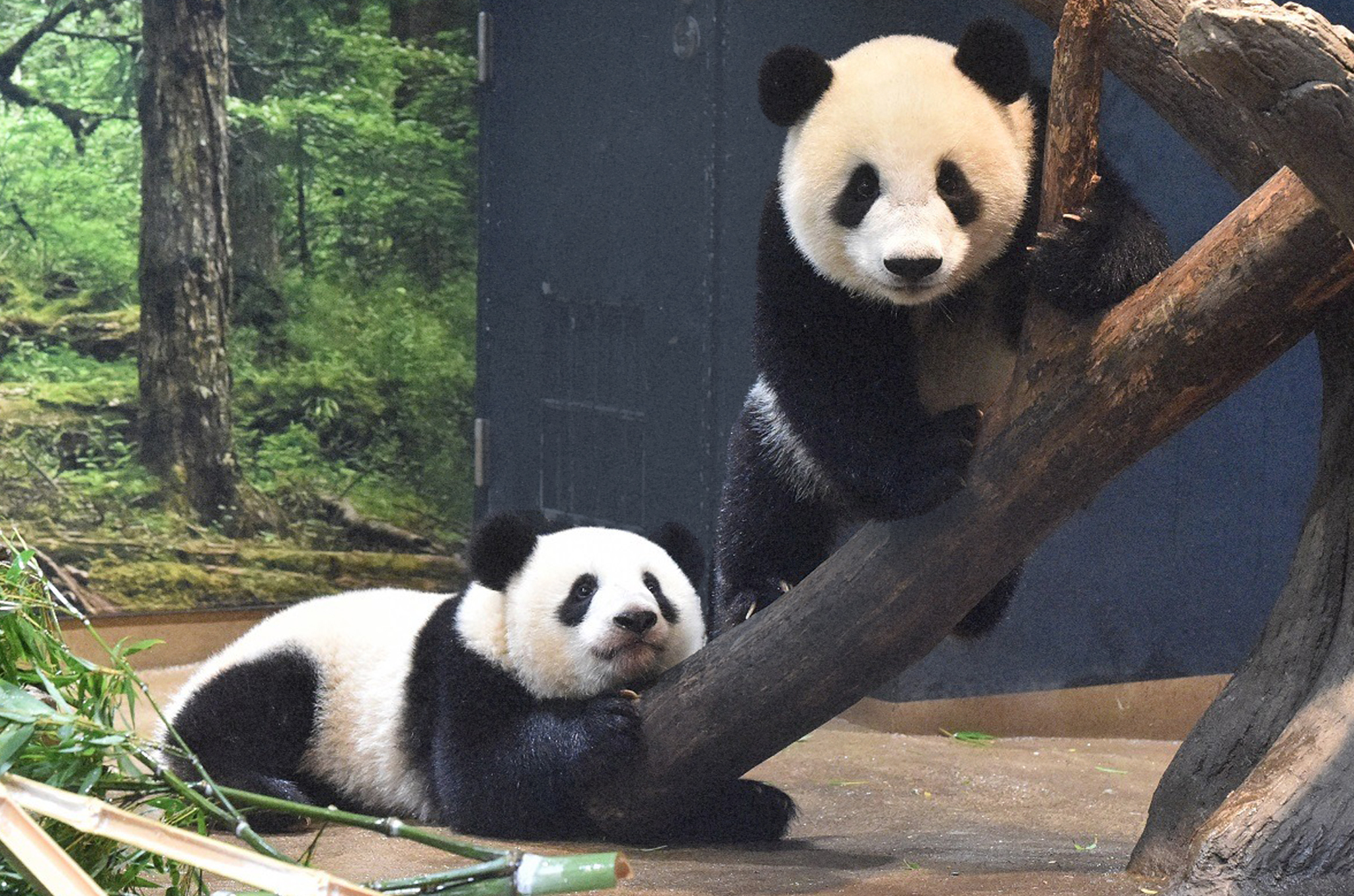
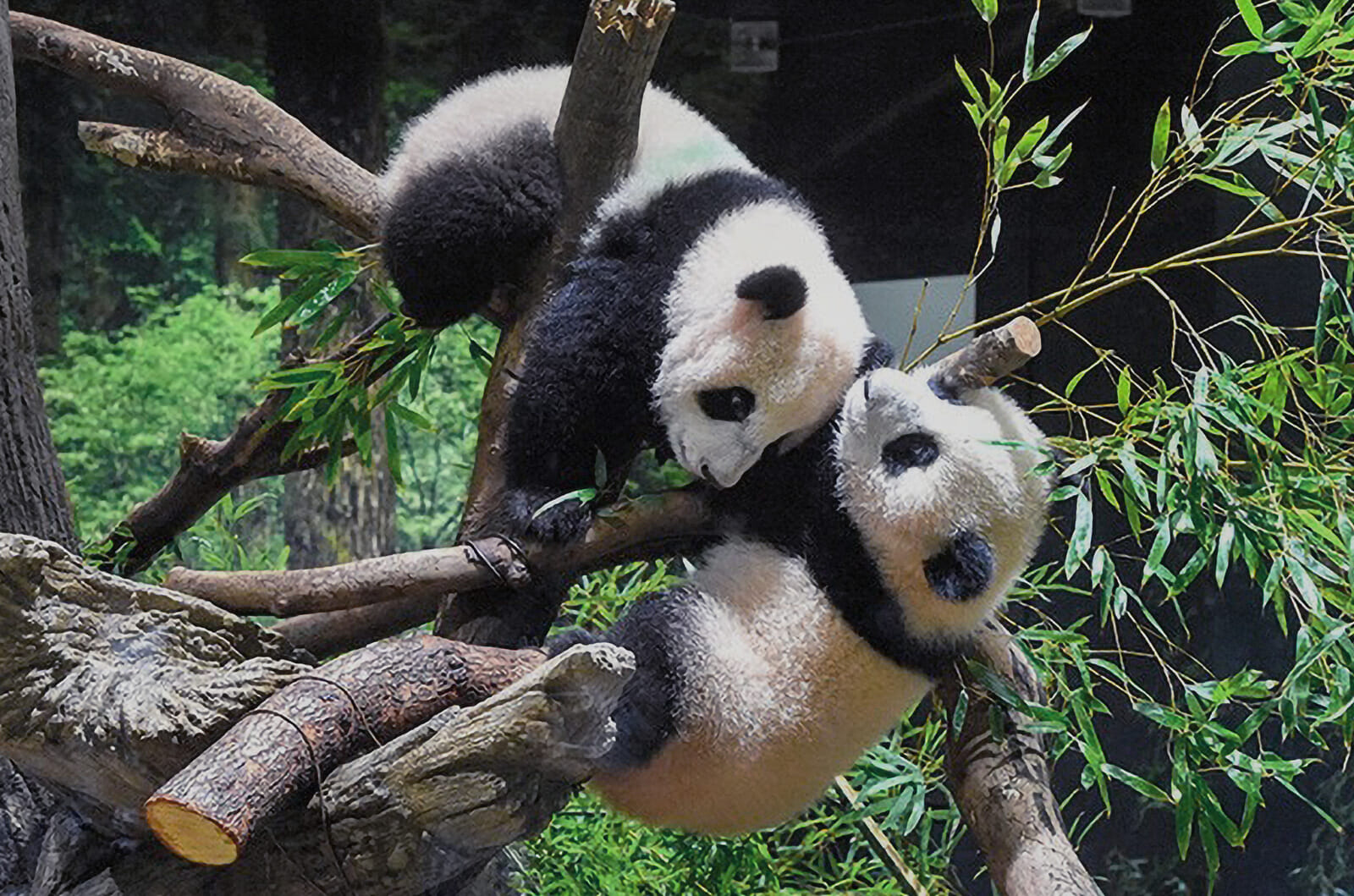
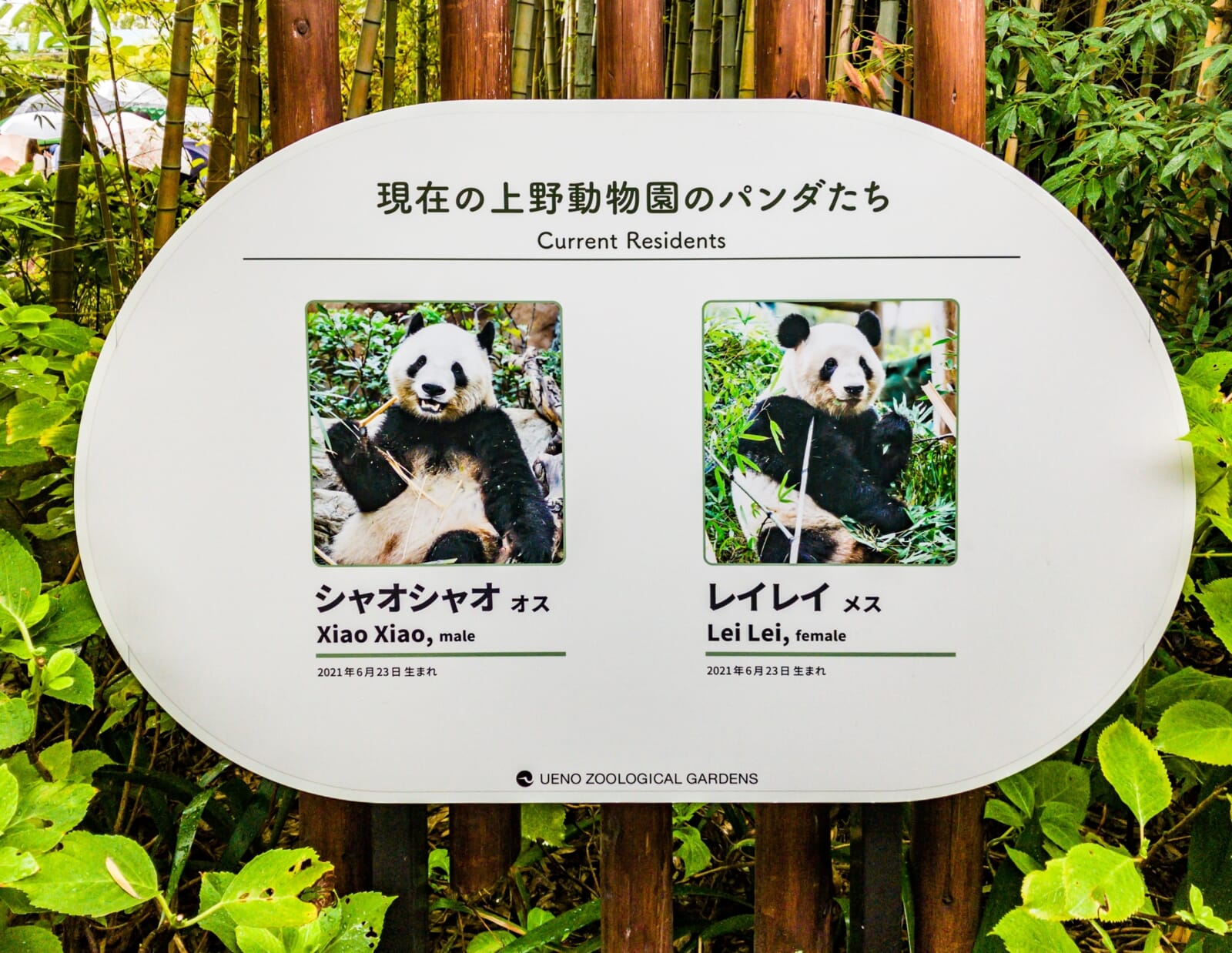
Ueno Zoological Gardens’ most prized animals, the beloved twin giant pandas Xiao Xiao and Lei Lei, will return to China in January 2026, marking the end of an era for panda lovers across Japan. Their departure will leave the country without any pandas for the first time since 1972, when the animals first arrived as symbols of diplomatic ties between Japan and China.
The Tokyo Metropolitan Government confirmed that the twins’ final public viewing is scheduled for January 25. Born at Ueno Zoo in 2021, the male Xiao Xiao and female Lei Lei have been the last remaining pandas in Japan since four others at Adventure World in Wakayama Prefecture were returned to China earlier this year.
The Departure of Japan’s Last Pandas
Xiao Xiao and Lei Lei were born to Ri Ri and Shin Shin, who arrived in Japan in 2011 and returned to China in September 2024. The twins’ older sister, Xiang Xiang, was sent back in February 2023. As the twins were born under a breeding and research loan agreement, their ownership is with China, and their lease was originally set to expire at the end of February 2026.
After continued discussions between Tokyo officials and Chinese authorities, it was decided that the twins would be returned about a month earlier than planned. The move will bring to a close nearly five decades of uninterrupted panda presence in Japan, a period during which more than 30 pandas were either flown in from China or born domestically.
Since their birth, the twins have been a major draw at Ueno Zoo, attracting long lines of visitors eager to watch them eat bamboo, nap side by side and grow from tiny cubs into playful juveniles.
What This Means for the Zoo — and Japan
The twins’ return underscores the uncertain future of panda diplomacy between Japan and China. While panda loans are officially framed as joint conservation and research projects, they are also deeply entwined with the broader state of bilateral relations. Tokyo has expressed interest in leasing additional pandas, but officials acknowledge that prospects are slim due to the current diplomatic rift between the two nations.
Ueno Zoo has faced similar moments of absence before. After the death of the male panda Ling Ling in 2008, the zoo went without pandas until Ri Ri and Shin Shin arrived in 2011, just weeks before the Tohoku earthquake and tsunami. This time, however, the gap may be longer, with no clear timeline for new arrivals.
Beyond the zoo, the pandas’ departure carries symbolic weight. Since their first arrival in 1972, pandas have served as gentle emblems of friendship and exchange between Japan and China, often transcending political disagreements. Their absence will be felt not only in ticket numbers and merchandise sales, but also in the political discourse, where pandas have long occupied a uniquely warm place.
As Xiao Xiao and Lei Lei prepare for their journeys back to China, crowds are expected to flock to Ueno Zoo for a final glimpse and a bittersweet farewell.