Tama Zoological Park in western Tokyo reopened its lion exhibit on October 30, nearly three months after three of its lions died following a sudden spell of extreme summer heat. An investigation released by the Tokyo Metropolitan Government on October 29 concluded that heatstroke, which progressed to multiple organ failure, was the most likely cause of death.
The first signs of trouble appeared on July 18, when two lions began showing symptoms including loss of appetite and lethargy. Within four days, 10 of the zoo’s 16 lions had fallen ill. Some deteriorated to the point of being unable to stand or losing consciousness, prompting staff to administer intravenous fluids and attempt to cool their bodies with water and fans. The zoo suspended public viewing on July 23, but three female lions subsequently died: 3-year-old Mugi on July 28, 11-year-old Ichigo on July 31 and 15-year-old Ruena on August 2.
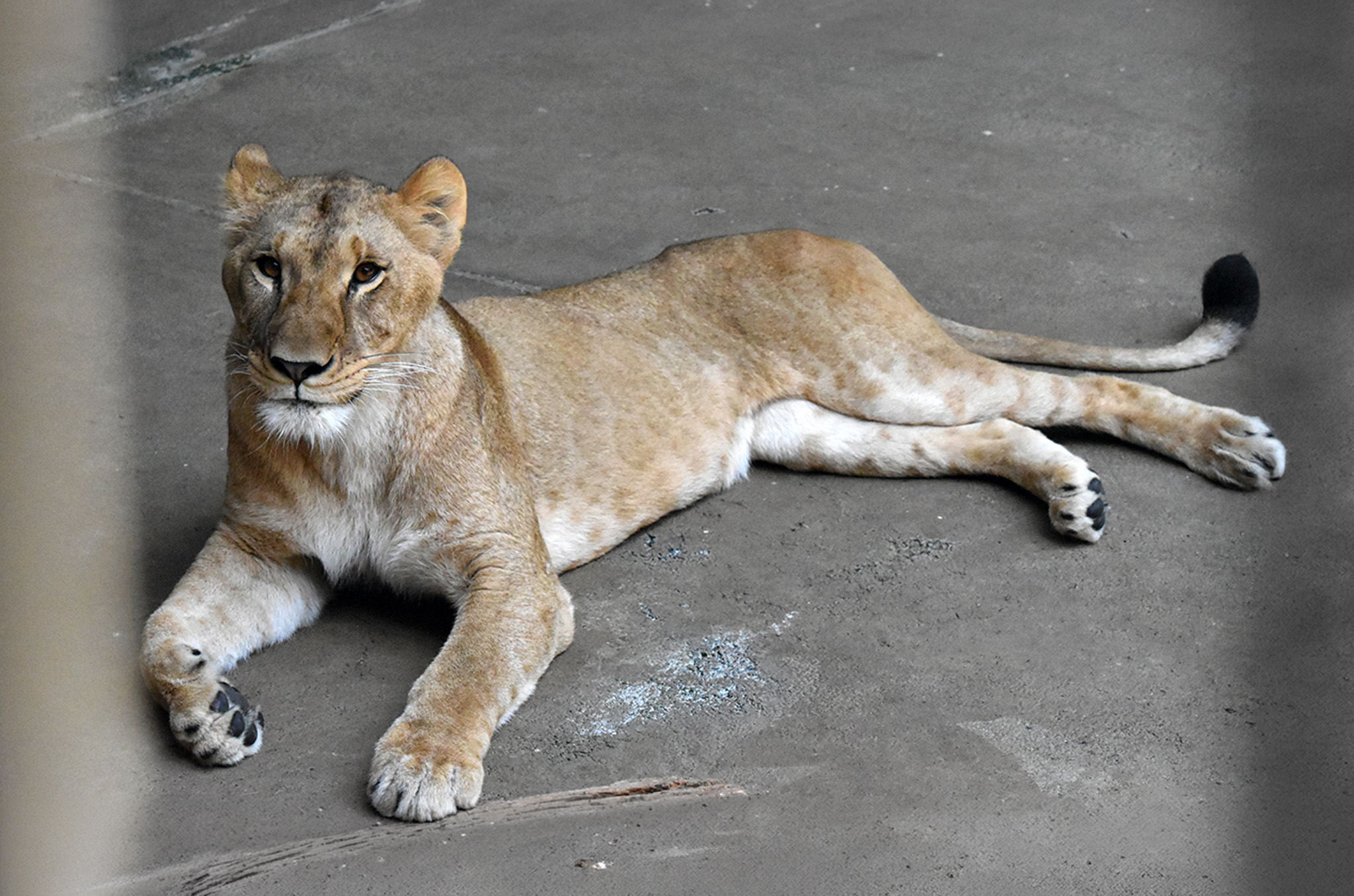
The lioness “Mugi” died on July 28 due to suspected heatstroke | Image via Tama Zoological Park
How the Lions Fell Ill
According to the official investigation, the unusually rapid rise in temperatures after a relatively cool June and early July may have left the animals insufficient time to acclimatize. The zoo had followed its usual summer management procedures, including providing shade in the outdoor enclosure and using fans to circulate air indoors. Additional cooling equipment was installed after the animals became ill.
The deaths were particularly alarming given that lions are native to sub-Saharan Africa, where they routinely encounter high temperatures. A zoo representative told Fuji Television that staff had not anticipated the animals becoming seriously ill in the heat. According to the zoo, this was the first time since it began keeping lions that such a large proportion of its animals had fallen ill simultaneously.
All seven surviving lions that required treatment had recovered by August 29. The zoo has since resumed limited public viewing, generally between 10 a.m. and 3 p.m., with one of two groups exhibited at a time. Its popular Lion Bus service remains suspended.
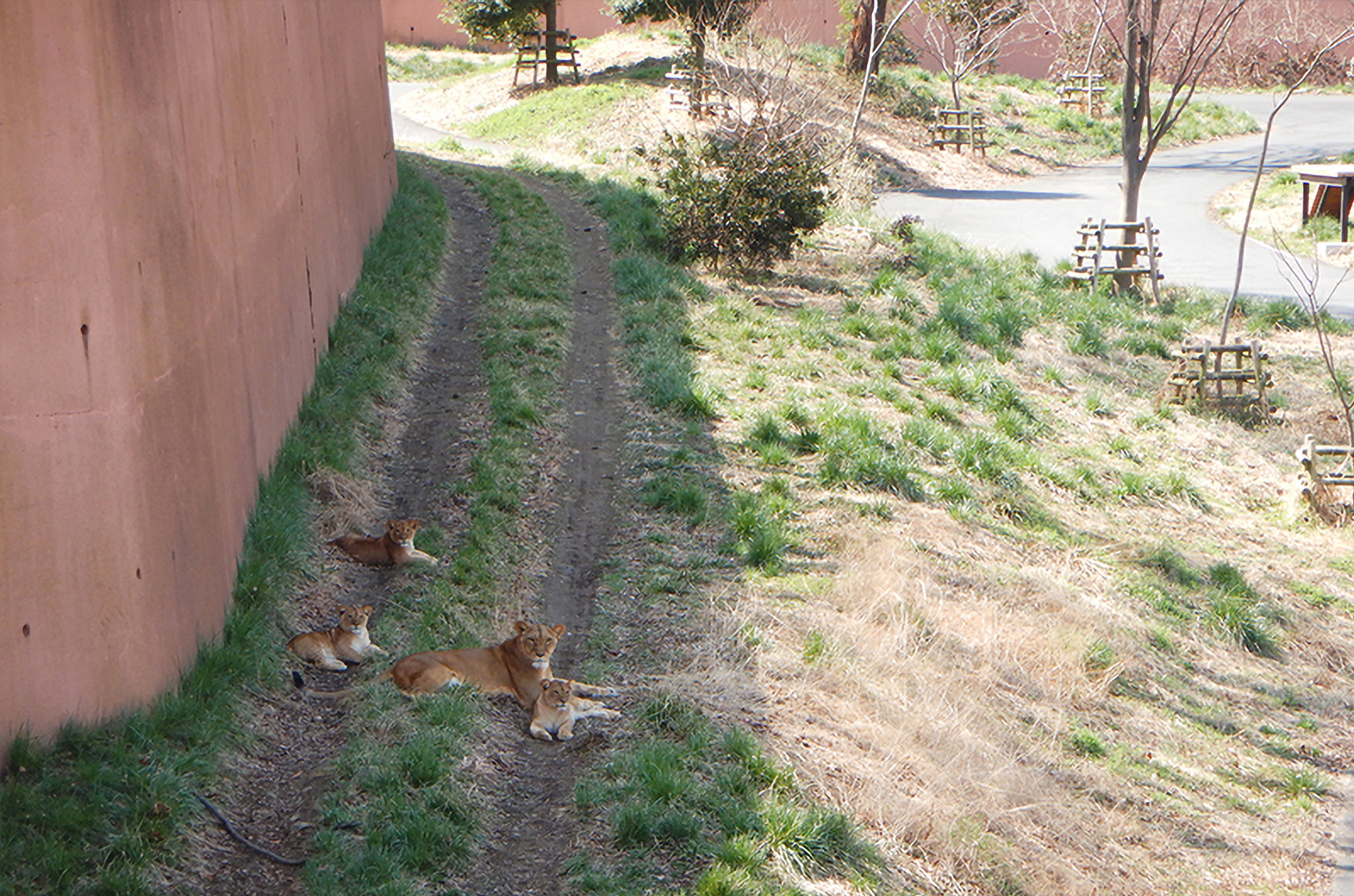
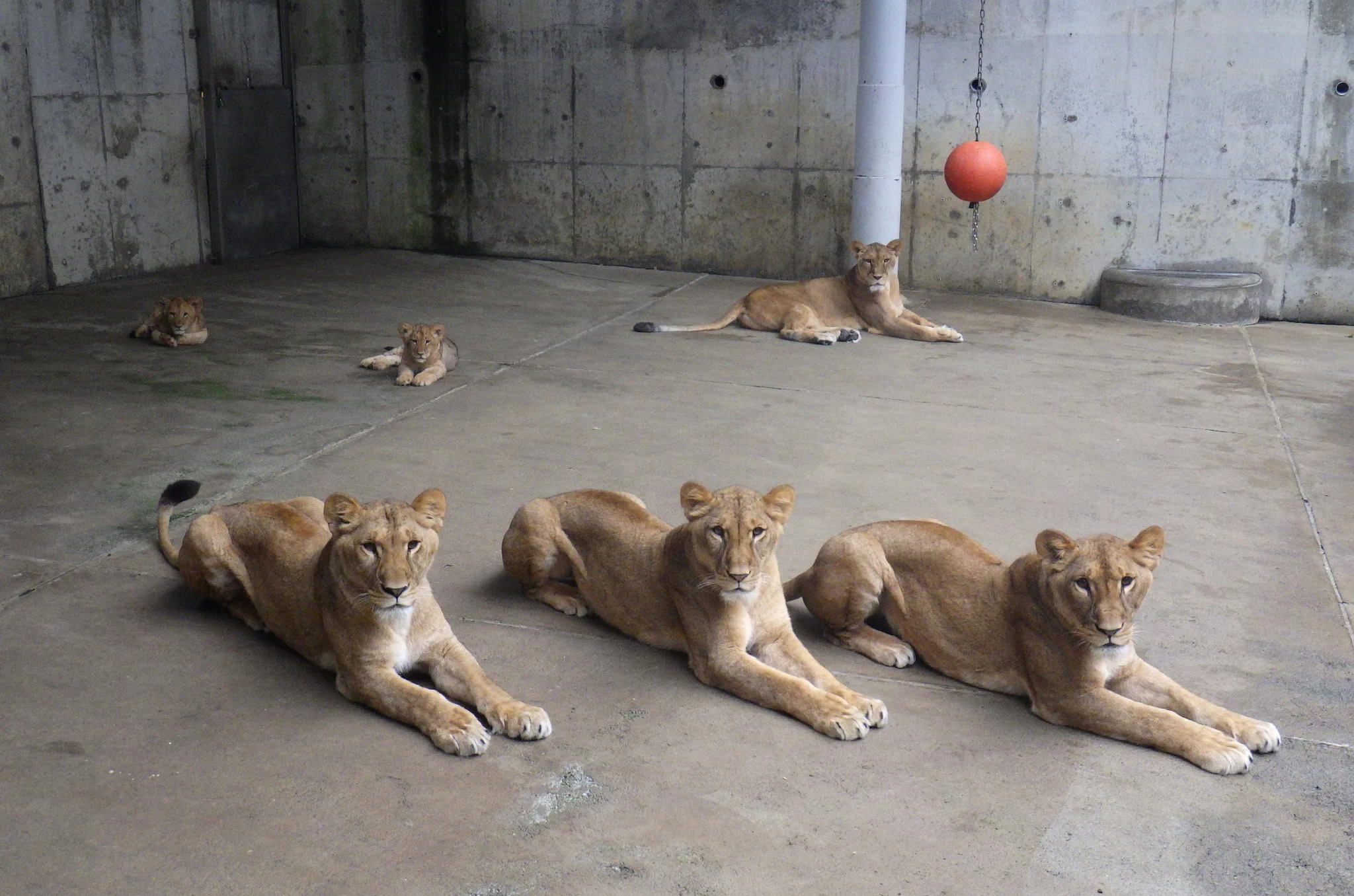
The outdoor section of the lion enclosure at Tama Zoological Park
Prevention Measures
Under the newly announced prevention measures, the zoo plans to increase shaded areas, install large fans and improve water access before next summer. It also intends to introduce equipment for remotely monitoring enclosure temperatures and the lions’ body temperatures, alongside clearer criteria for suspending exhibitions when heat conditions become dangerous. More substantial renovations, including permanent air conditioning and improved insulation in the lion housing, remain longer-term plans.
The incident comes amid a broader reckoning with Japan’s increasingly severe summers. According to the Japan Meteorological Agency, the summer of 2026 was the country’s fifth hottest since records began in 1898. In Kochi Prefecture, a 4-year-old sea lion at Noichi Zoological Park also died in July after drowning, with investigators identifying heatstroke-induced loss of consciousness as a possible contributing factor.
At Tama Zoo, the investigation attributed the lions’ deaths partly to the speed at which temperatures rose, even as it acknowledged that the animals had been managed according to established procedures. The planned improvements suggest that those procedures will need to change. Whether the new measures can prevent another such incident will become clearer when the heat returns next summer.
Updated On November 5, 2026