Oita Prefecture sits on the eastern coast of Kyushu, facing the Bungo Channel and the Seto Inland Sea. It is bordered by Fukuoka and Kumamoto prefectures to the west and Miyazaki Prefecture to the south, with a coastline indented by Beppu Bay and the rugged Cape Kuni. Roughly 70% of the prefecture is covered by forest, and the Kirishima volcanic belt that runs through its interior has gifted the region with something no other Japanese prefecture can claim: the highest number of hot spring sources in the country, with over 4,500 onsen across the region.
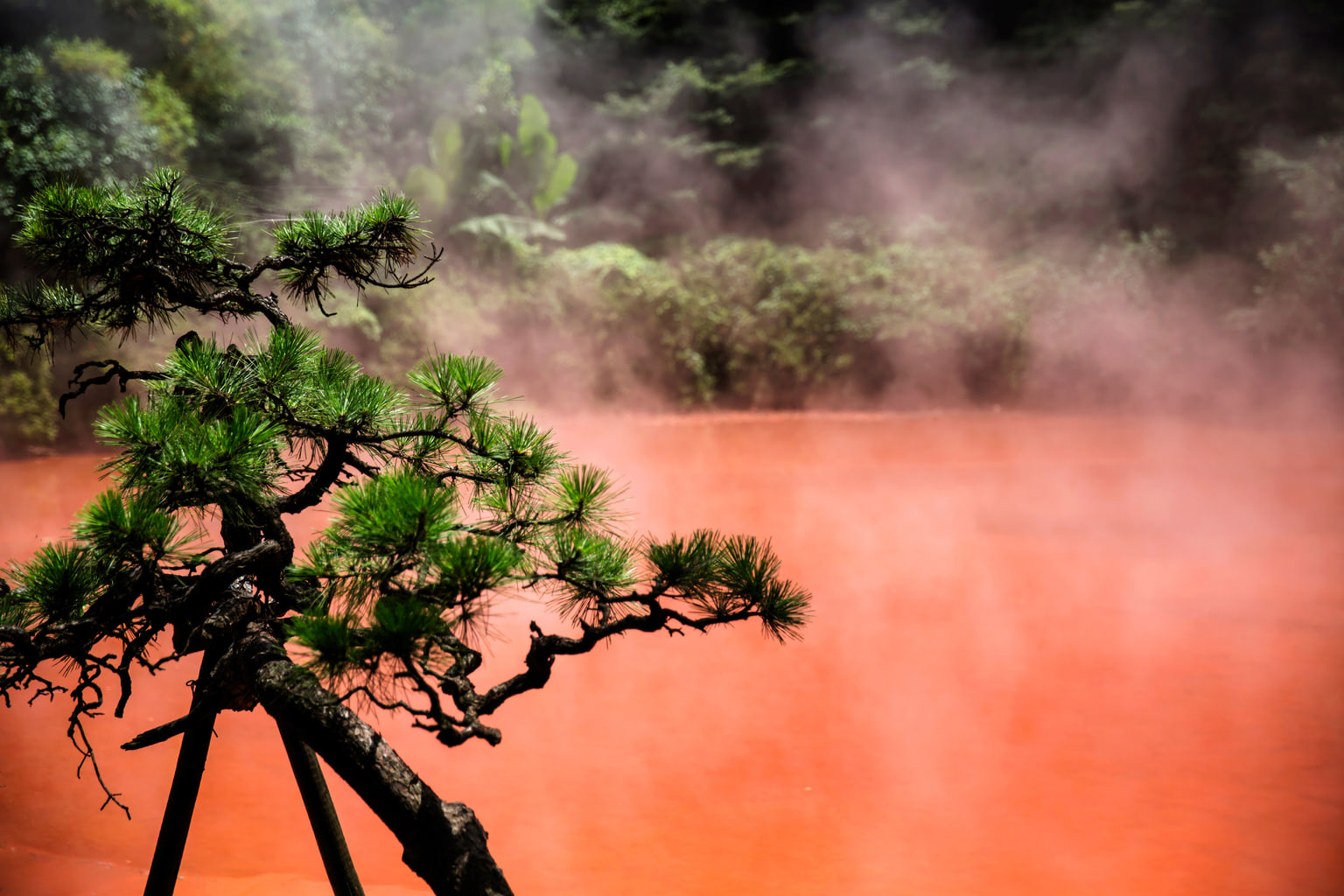
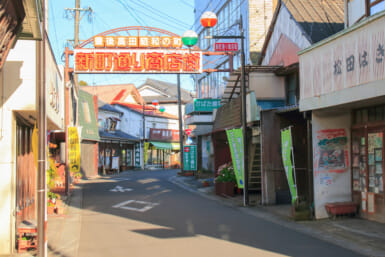
Oita is best known as a destination for slow, restorative travel built around onsen culture. The two flagship towns are Beppu, famous for its jigoku onsen (volcanic hot spring “hells”) — brilliantly colored, boiling pools used for viewing rather than bathing — and the more bucolic Yufuin onsen, nestled in a valley beneath the twin peaks of Mount Yufu, known for its ryokan, art galleries and atmospheric shopping streets.
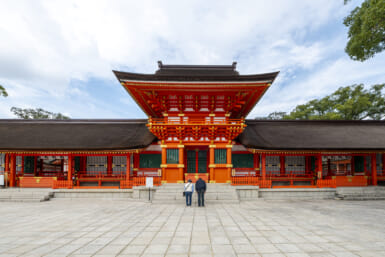
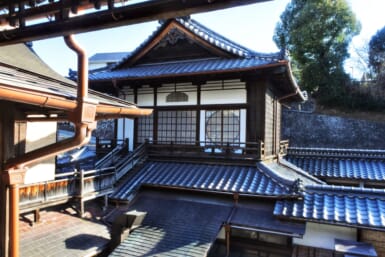
The Kunisaki Peninsula to the north holds a cluster of ancient temples and stone carvings tied to the Rokugo Manzan tradition — a 1,300-year-old fusion of Buddhism and Shinto that developed in near-isolation on this rocky, forested headland. The Usuki Stone Buddhas, carved into a cliff face over 800 years ago, are designated a National Treasure. The castle town of Kitsuki, sometimes called “Little Kyoto,” features samurai residences perched on hilltops above a commercial valley below. Hikers head to Mount Kuju — known as the “roof of Kyushu” — and its surrounding highlands for volcanic landscapes and sweeping views.