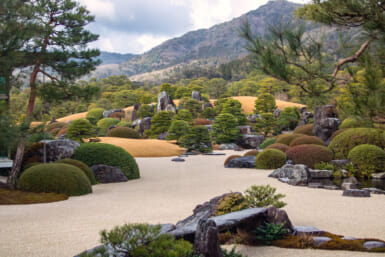
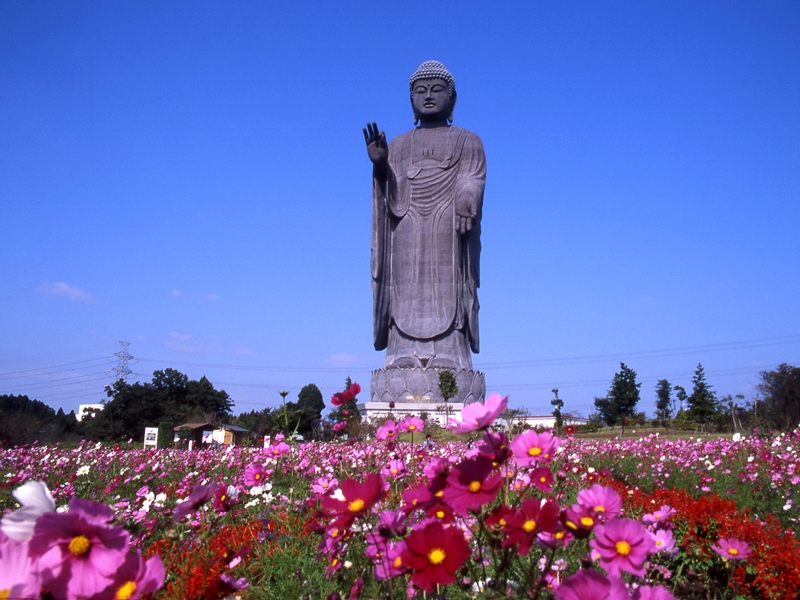
Located northeast of Tokyo along the Pacific coast, Ibaraki Prefecture is one of the Kanto region’s most rewarding destinations — and one of its most underestimated. Bordered by mountains to the north and the ocean to the east, the prefecture spans a diverse landscape of coastal plains, forested peaks, historic shrines and sweeping flower fields. Its capital, Mito, sits roughly 100 kilometers from central Tokyo and is home to Kairaku-en, one of Japan’s Three Great Gardens.
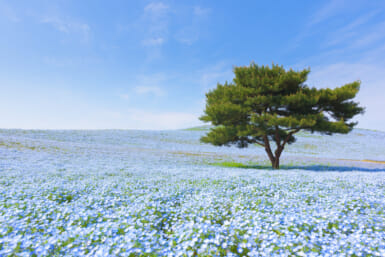
Ibaraki is known for its remarkable natural attractions. Hitachi Seaside Park draws visitors from across Japan for its seasonal flower displays, particularly the blue nemophila fields in spring and crimson kochia hills in autumn. Fukuroda Falls, ranked among Japan’s Three Great Waterfalls, freezes dramatically in winter. Mount Tsukuba offers accessible hiking and sweeping views of the Kanto Plain.
The prefecture is also Japan’s top producer of natto — the fermented soybeans that have been a staple of the national diet for centuries — as well as the birthplace of aikido.