
As December approaches its final stretch, Japan collectively enters deep-cleaning mode. From family homes to offices, schools and even neighborhood shops, the end of the year is marked by oosoji — a thorough, ceremonial clean designed to close out the past 12 months and prepare for a fresh start.
More than a practical chore, oosoji is a cultural habit, one that blends Shinto ideas of purification with the modern desire to begin January feeling organized and refreshed.
The Culture of Oosoji
Oosoji, literally translating to “big cleaning,” traditionally begins around December 13, a date once associated with susuharai, originally a court ritual in which soot and dust were swept from imperial palaces ahead of the New Year. By the Edo period, the custom had spread to the general population, becoming an essential part of year-end life, and is still often conducted in temples today.
Unlike routine tidying, oosoji is comprehensive and thorough. It’s a time to clean areas usually ignored — behind furniture, inside cupboards, along window tracks — and to clear away clutter that has accumulated throughout the year. Symbolically, this physical reset helps create space for Toshigami-sama, the New Year deity believed to bring good fortune, health and prosperity.
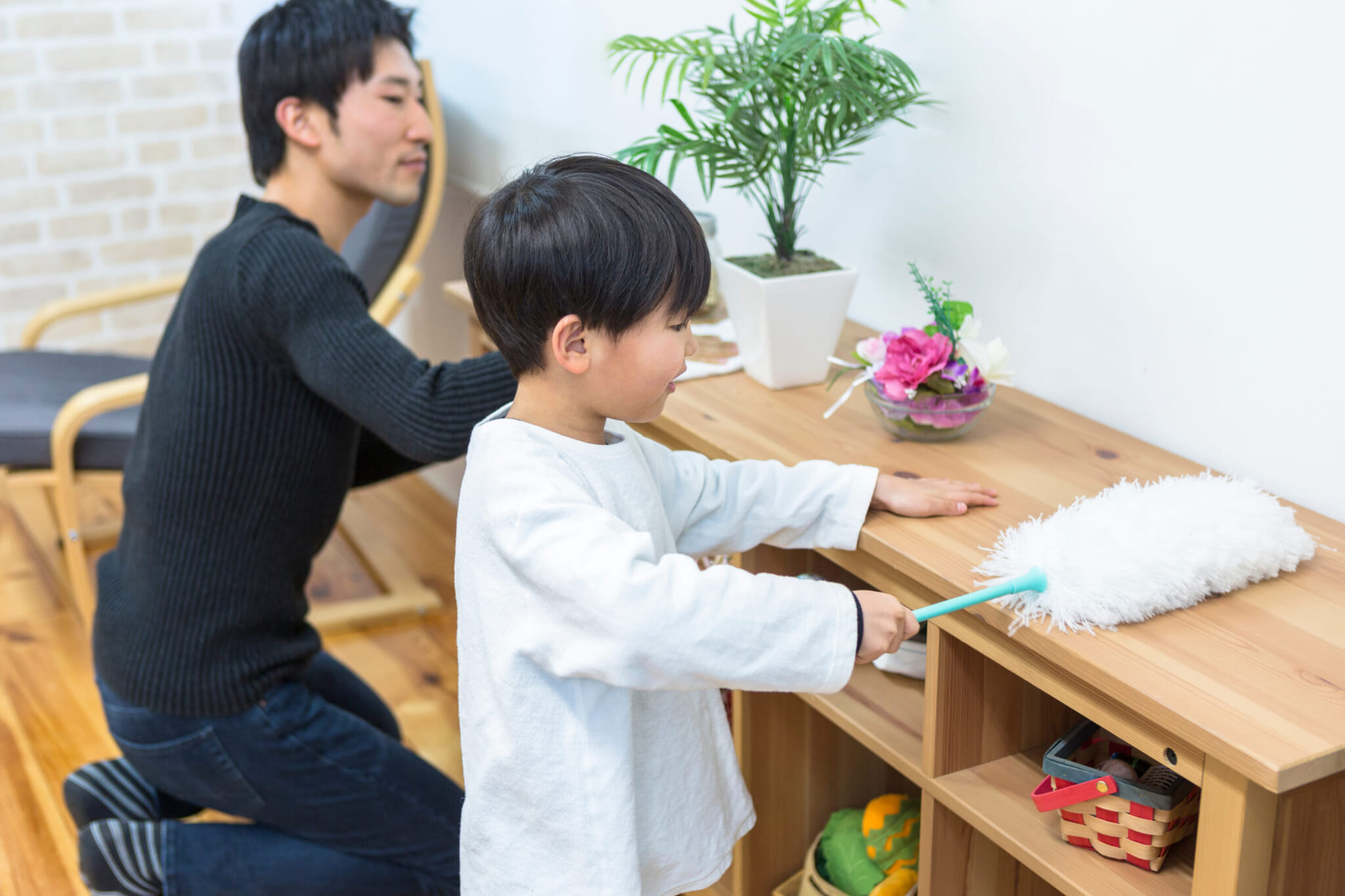
Today, oosoji remains a shared experience in Japanese society. Schools often schedule cleaning days before winter break, companies set aside time for employees to tidy offices together and households turn it into a family affair. Entering the New Year with a clean space is widely considered good manners and good luck.

Practical Oosoji Tips for Tokyo Living
While the tradition is centuries old, oosoji has adapted easily to modern, urban life, especially in compact Tokyo apartments. Here are some tips if you want to partake in oosoji yourself; a little strategy goes a long way.
Declutter before you clean
Oosoji is just as much about letting go as clearing dust. Clothing, books and household items that no longer serve you can be recycled, donated or sold. Check out our guides to recycling and secondhand stores in Tokyo for tips on downsizing ahead of January.
Start small and work smart
Rather than attempting everything in one exhausting day, many people break oosoji into zones over several days. Cleaning from top-to-bottom or room-to-room prevents cleaning burn out and saves time.
Focus on “hidden” grime
Window rails, air conditioner filters, bathroom vents and kitchen exhaust fans are classic oosoji targets. These are areas that don’t get much attention during the year but make a noticeable difference once cleaned.
Finish before New Year’s Eve
Traditionally, cleaning is completed by December 31. Cleaning on New Year’s Day is avoided, as it’s believed to sweep away incoming good fortune. Once oosoji is done, the focus shifts to rest and celebrating the new year with family and friends.
In a city that rarely slows down, oosoji is a rare, collective pause. Whether you approach it with full traditional zeal or a pared-back, apartment-friendly version, the act of cleaning away the old year is one of Japan’s most enduring and satisfying rituals.