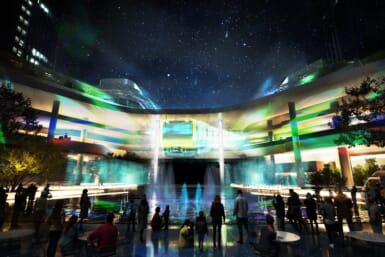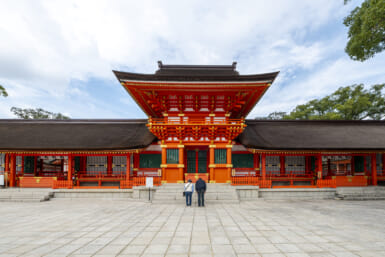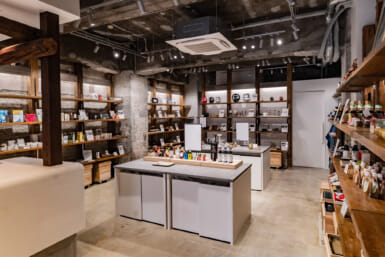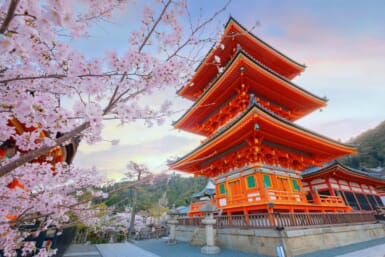
Facing the Sea of Japan in Ishikawa Prefecture, Kanazawa is famed for its three historic geisha districts, Higashi Chaya, Nishi Chaya and Kazuemachi Chaya, where Edo-era streets and teahouses have been carefully maintained. The city also boasts the Nagamachi Samurai District, once the home of high-ranking samurai; Kenroku-en, one of Japan’s “three most beautiful gardens”; the expansive park grounds of Kanazawa Castle; and the major hub of Kanazawa Station with its iconic Tsuzumi-mon Gate, now a contemporary symbol of Kanazawa.
Because Kanazawa is so beautifully preserved, it feels like an explorable open-air museum. On top of that, several state-of-the-art galleries are clustered in its major areas. The city’s easily navigable size and its devotion to artistry make it one of Japan’s most intriguing cultural destinations: a place that fuses together the past, present and future of Japanese art.
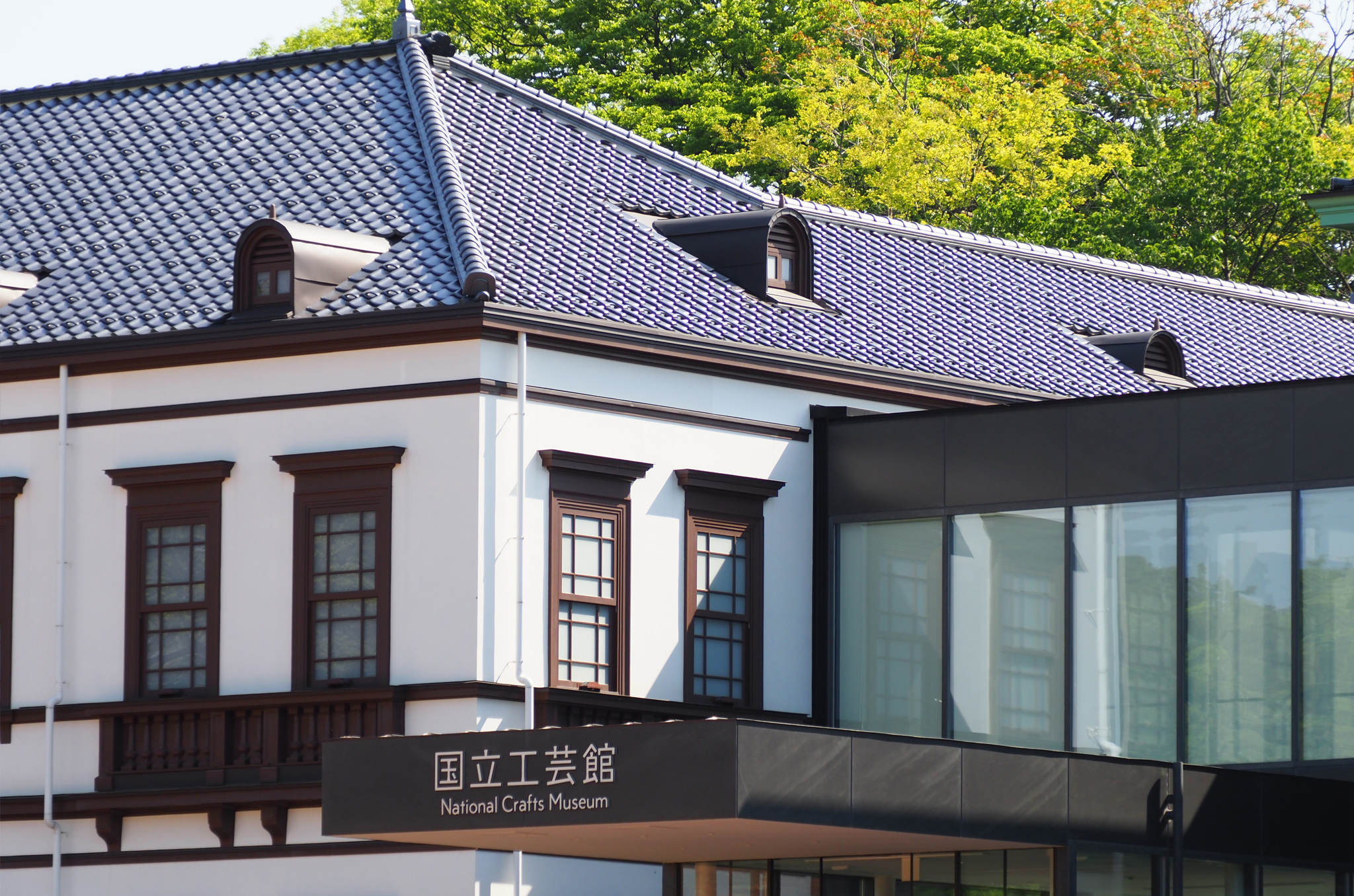
National Crafts Museum
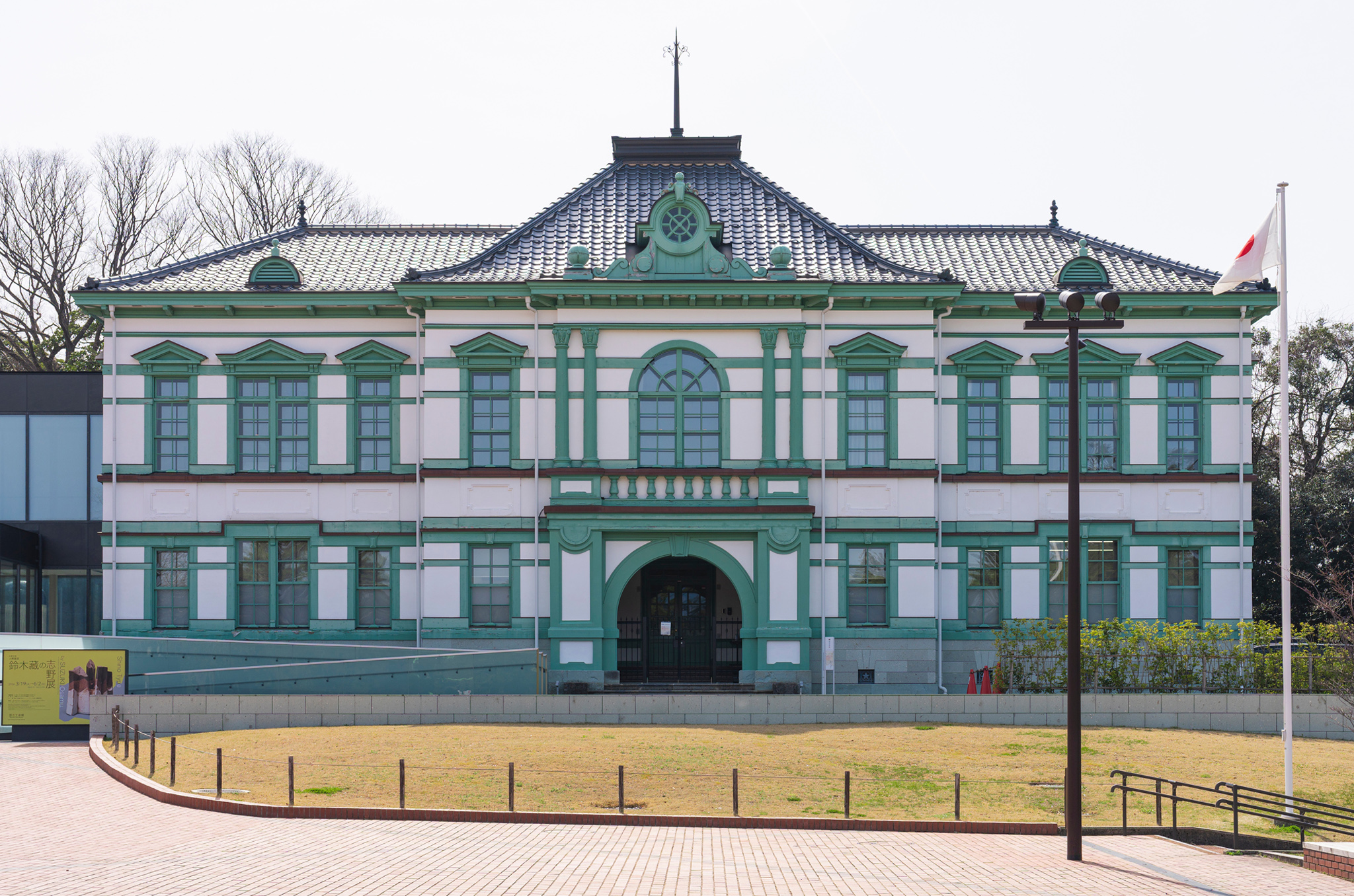
The National Crafts Museum, relocated from Tokyo to Kanazawa in 2020, anchors the city’s reputation as Japan’s capital of craftsmanship. Housed in two beautifully restored Meiji-era buildings near Kenroku-en Garden, it holds one of the country’s most significant collections of ceramics, lacquerware, metalwork, textiles and industrial design.
The museum’s relocation was symbolic: a recognition that Kanazawa, long a crucible of artisanal skill and artistic patronage, is where the conversation between heritage and innovation continues most naturally. Its galleries reveal how technical mastery transforms into art, and how craft is deep-rooted in Japanese philosophy.
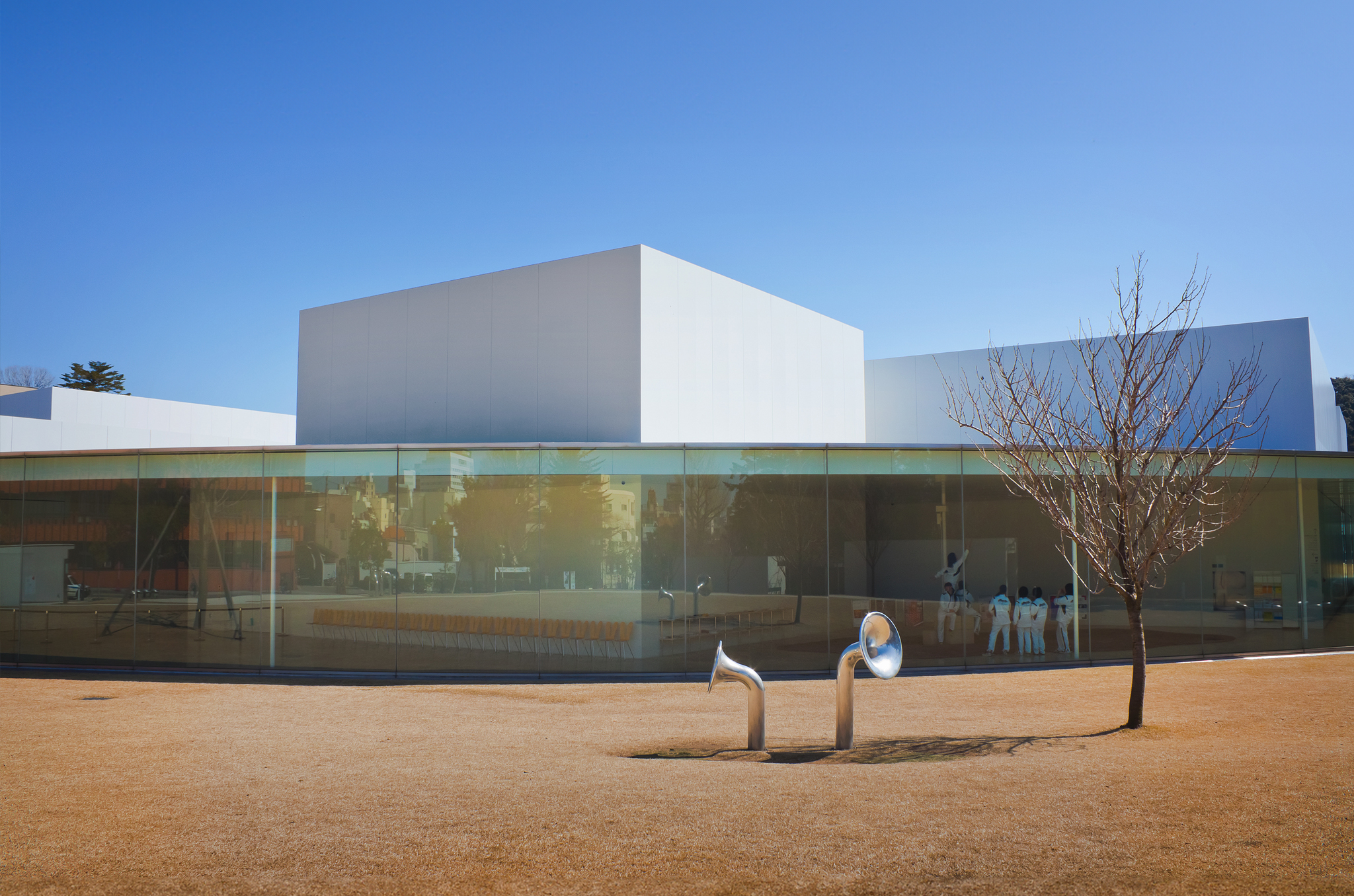
The 21st Century Museum of Contemporary Art, Kanazawa
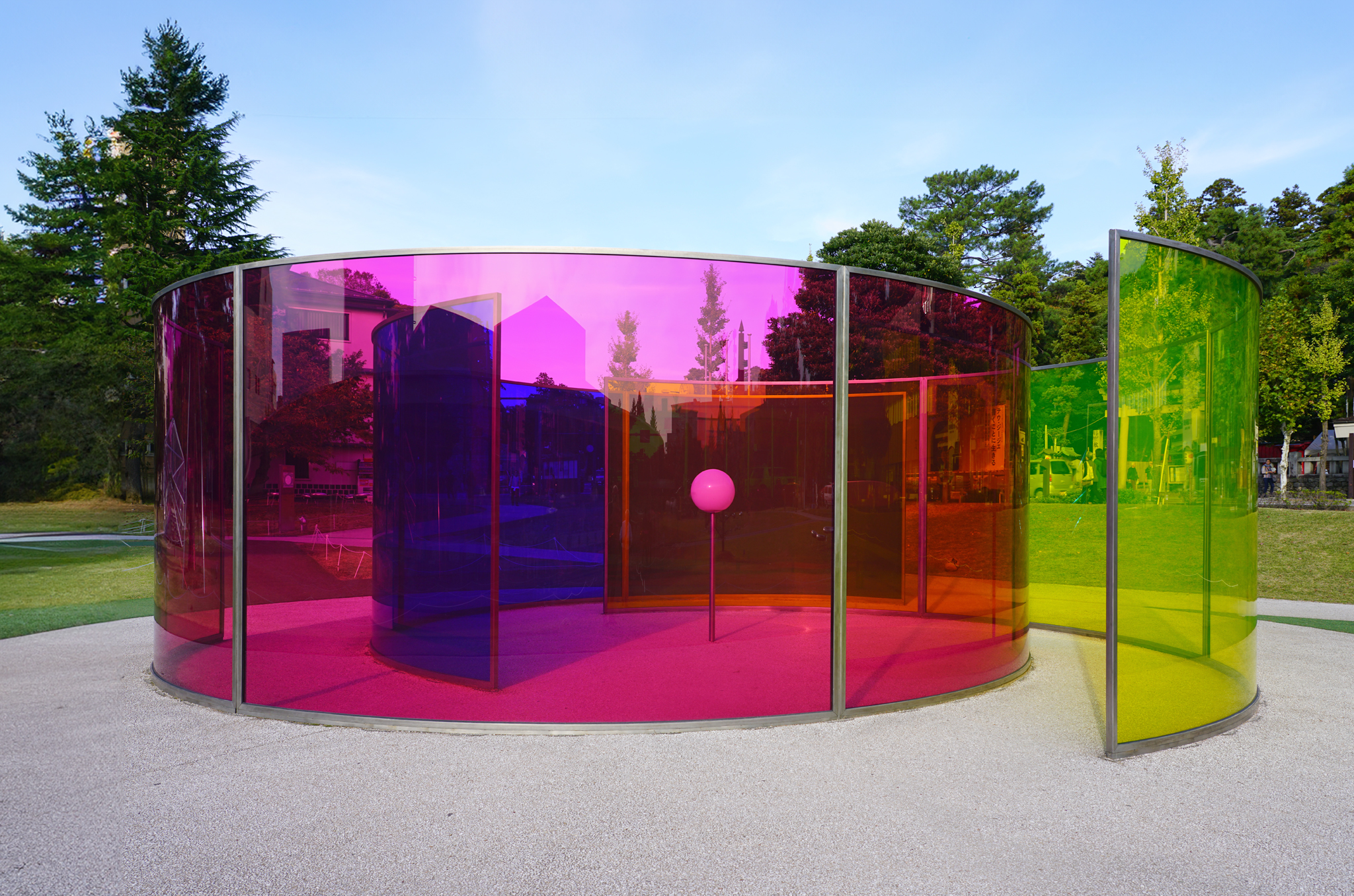
Departing from the more traditional aspects of Kanazawa, the 21st Century Museum of Contemporary Art looks to the newest trends in modern art. Designed by SANAA’s Kazuyo Sejima and Ryue Nishizawa, the building features a circular form and glass facade that seamlessly fuse the museum and surrounding park, melding art and everyday life.
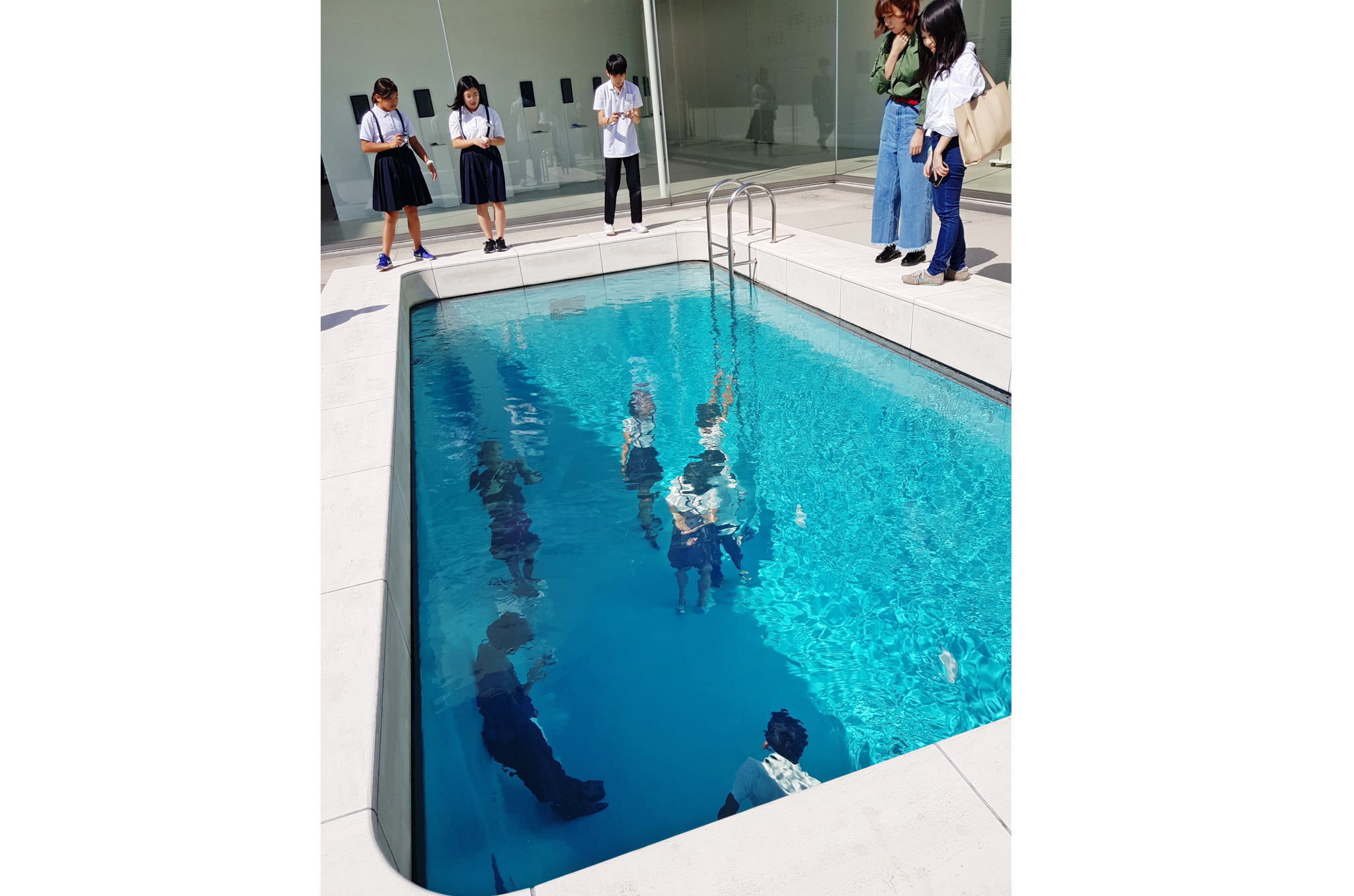
Permanent exhibitions by artists such as Olafur Eliasson and James Turrell invite a kind of sensory surrender. One of the most well-known exhibitions is Leandro Erlich’s “The Swimming Pool,” an immersive art piece that blurs the line between air and water, observer and observed. (Not to mention that it’s incredibly Instagrammable.) The museum’s main goals — to move in step with contemporary society and to be a space where regional traditional arts connect with the future — reflect Kanazawa itself: a place that constantly renews the dialogue between craft and contemporary vision.
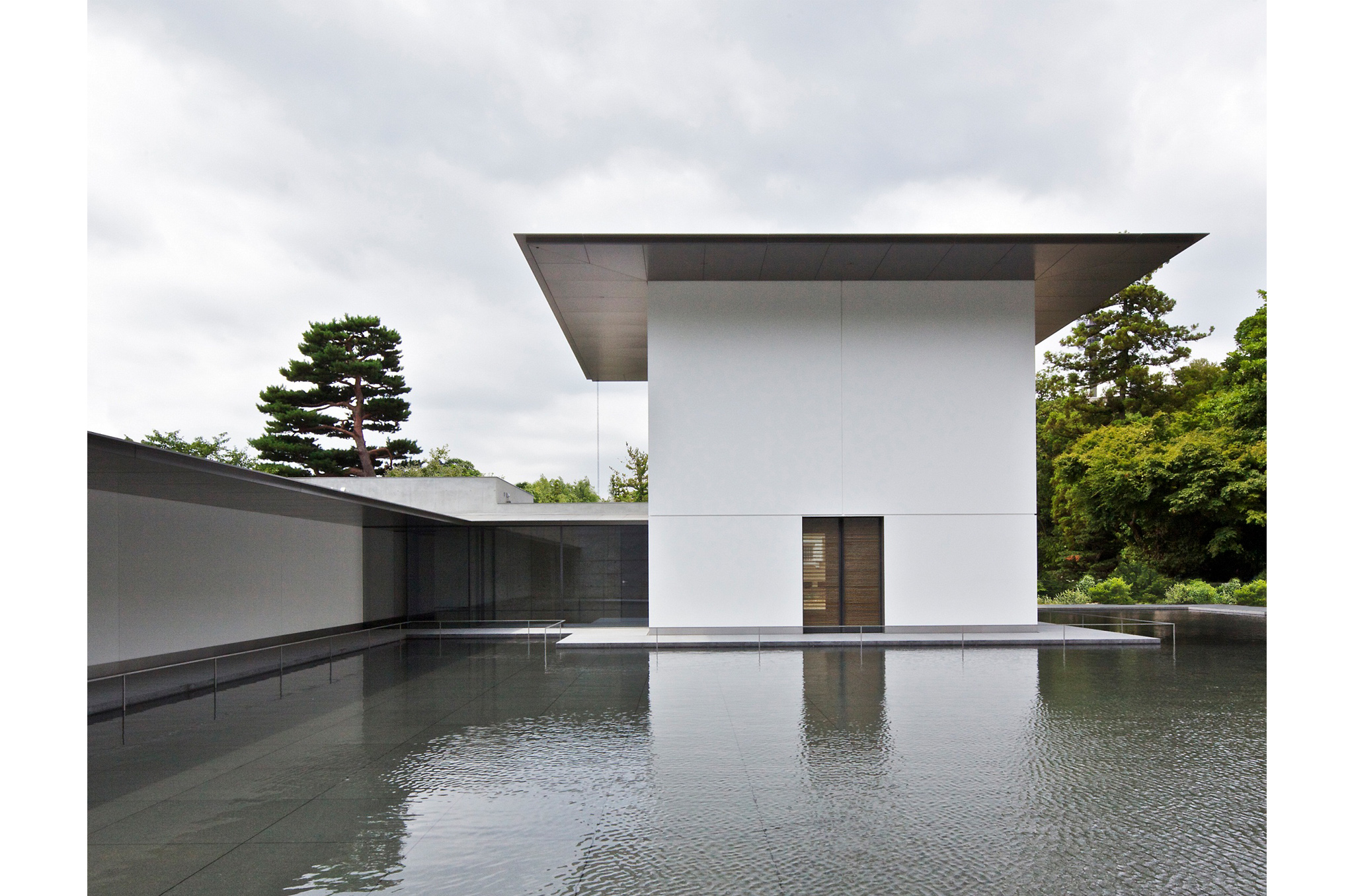
D. T. Suzuki Museum
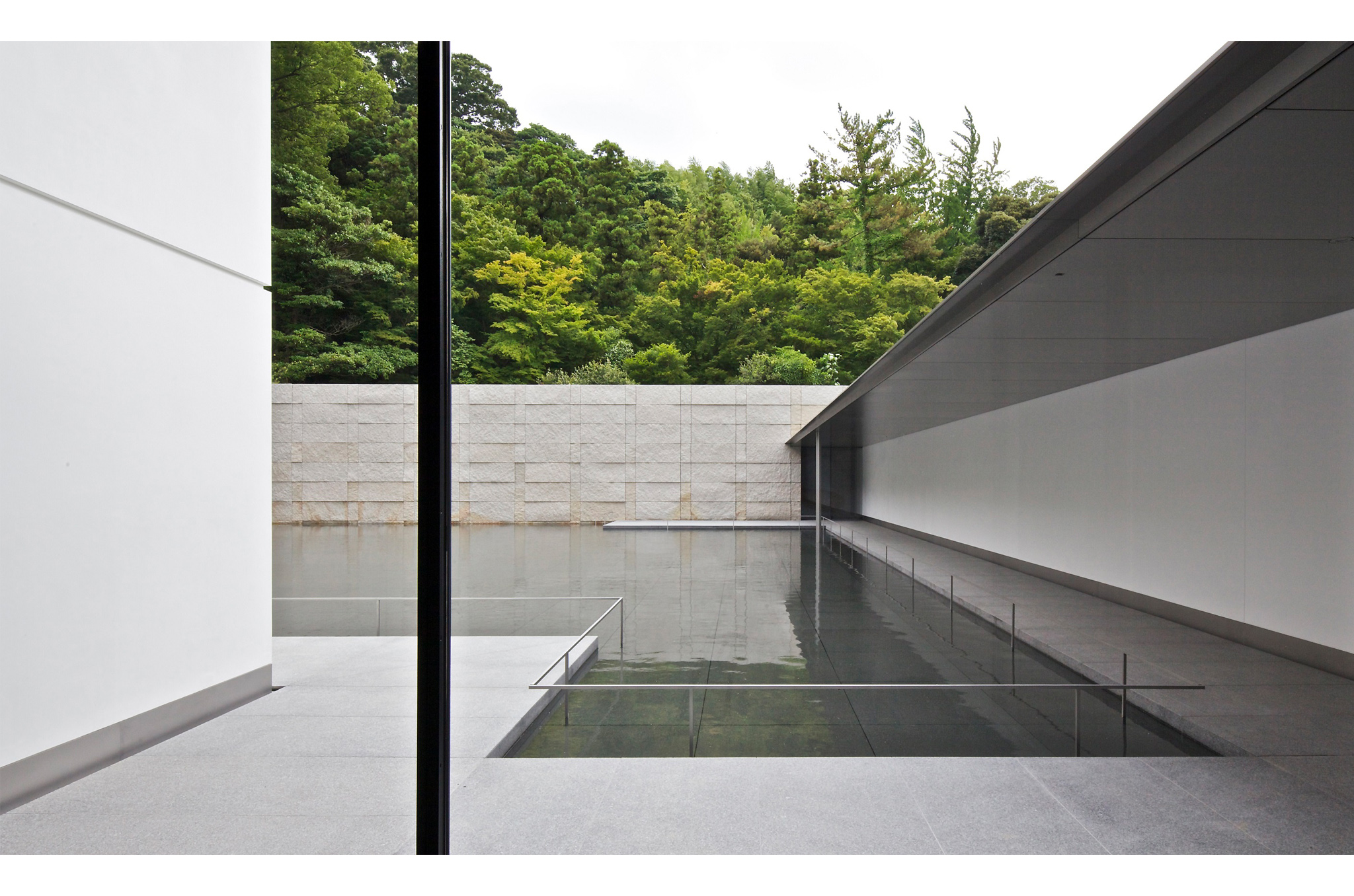
A short walk from the 21st Century Museum of Contemporary Art leads to a very different encounter with space and thought. The D. T. Suzuki Museum, designed by Yoshio Taniguchi, honors the life and philosophy of D. T. Suzuki, the Buddhist philosopher who introduced Japanese thought to the West in the early 20th century.
At the D.T. Suzuki Museum, architecture is philosophy. The complex of minimalist spaces and water gardens embodies Suzuki’s ideals of simplicity, contemplation and inner clarity. One of the most popular features of the museum is the Water Mirror Garden, a reflective pond surrounded by gray stone and serene scenery. The museum suggests that art is not always something to behold, but something to enter — whether it be physical structure or a state of mind.
Kutani Kosen Kiln
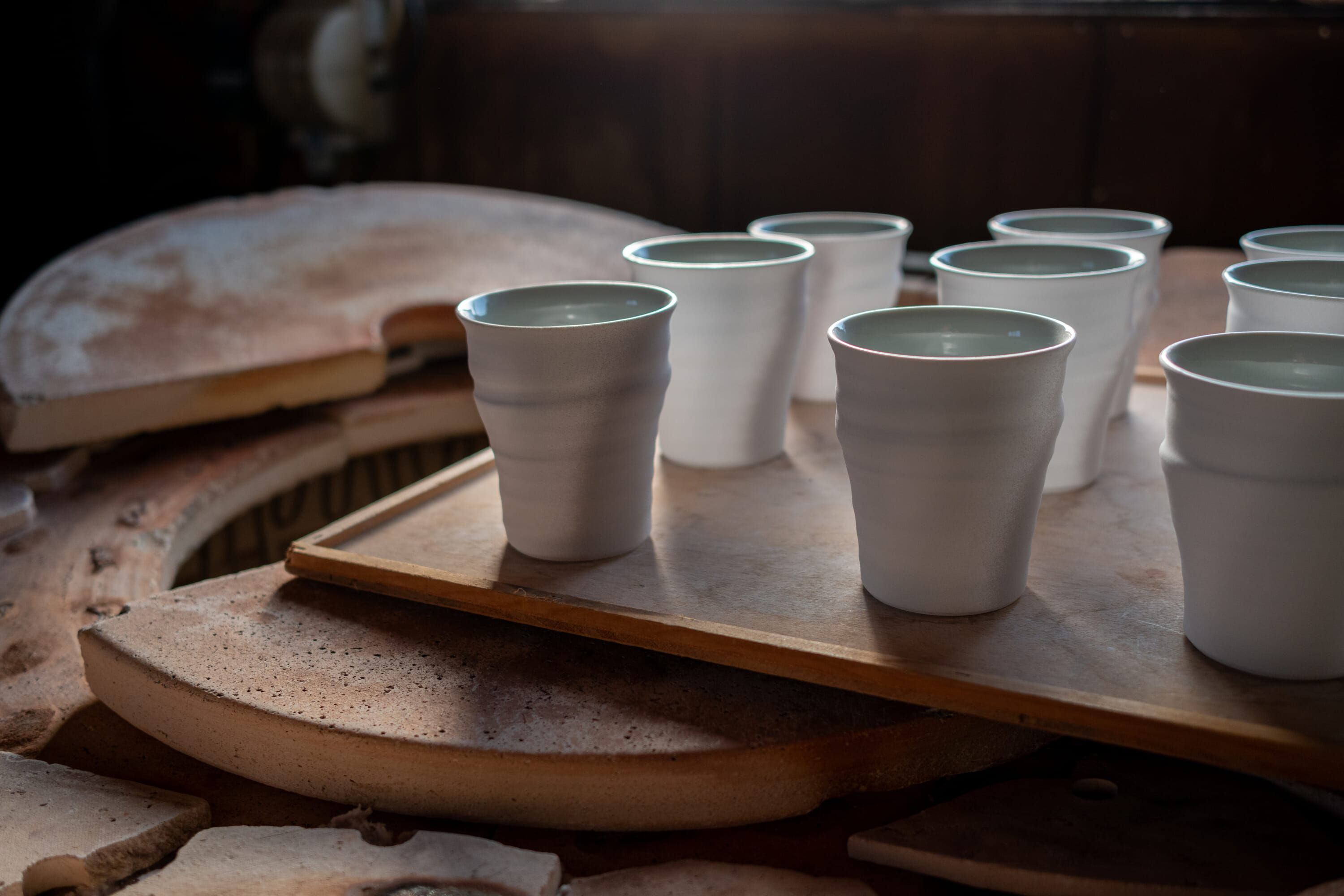
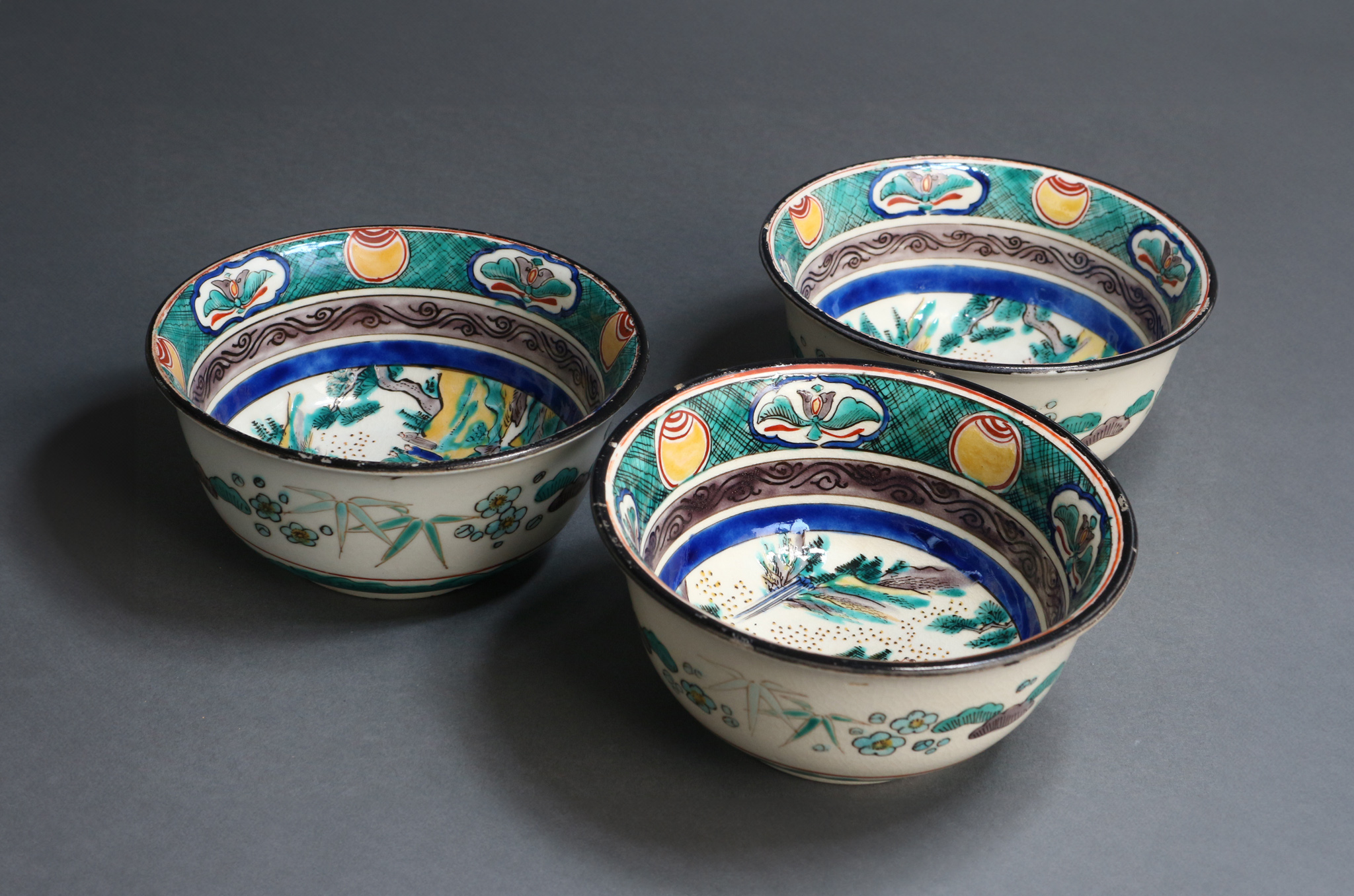
Kutani ware is one of Kanazawa’s most celebrated crafts. Born in the 17th century under the patronage of the Maeda clan, this distinctive porcelain style is characterized by intricate hand-painted motifs and a striking palette of deep emerald, brick red, mustard yellow, ultramarine and occasionally purple. Sturdy enough for daily use and beautiful enough to be on display, it has long been prized for its balance of ornament and spontaneity.
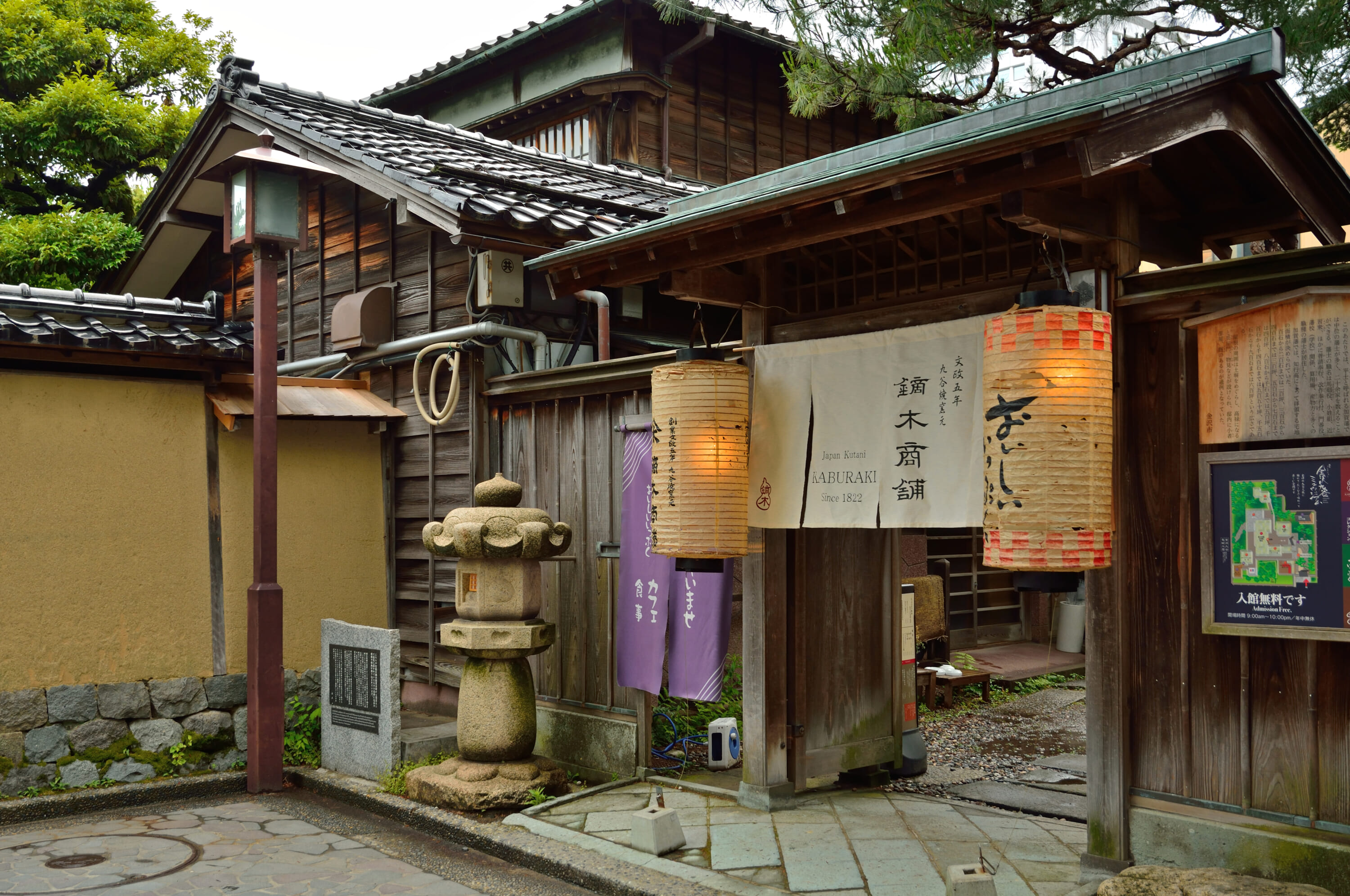
For an immersive experience, head to Kutani Kosen Kiln in the Nishi Chaya district. Founded in 1870, it’s now the only Kutani ware kiln still active in Kanazawa proper. Within its studio, artisans hand-paint designs and products that are displayed and sold to take home. The facility offers tours as well as pottery making and painting workshops for those who want to interact with history firsthand.
Kaga-Yuzen Kimono Center
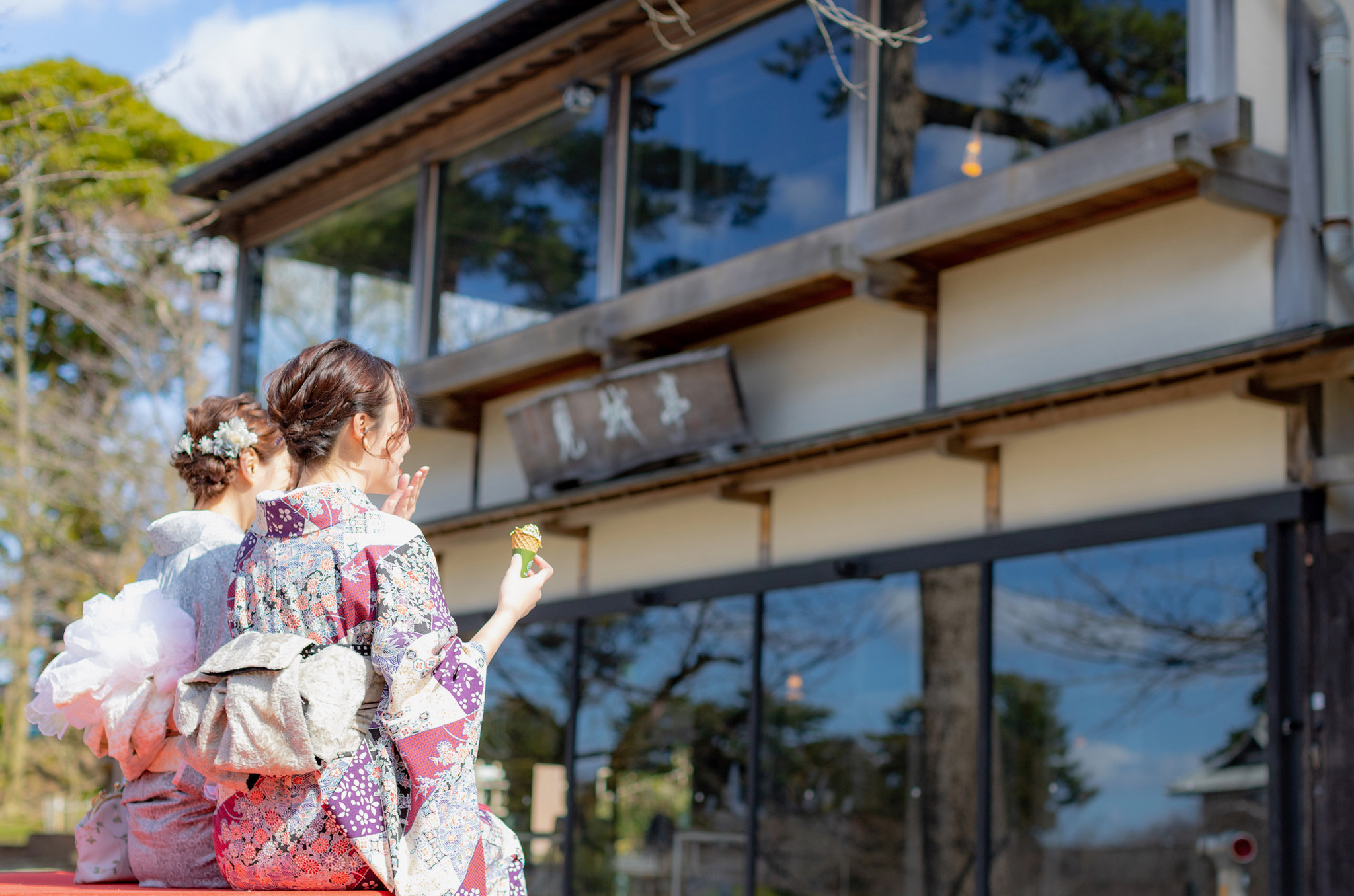
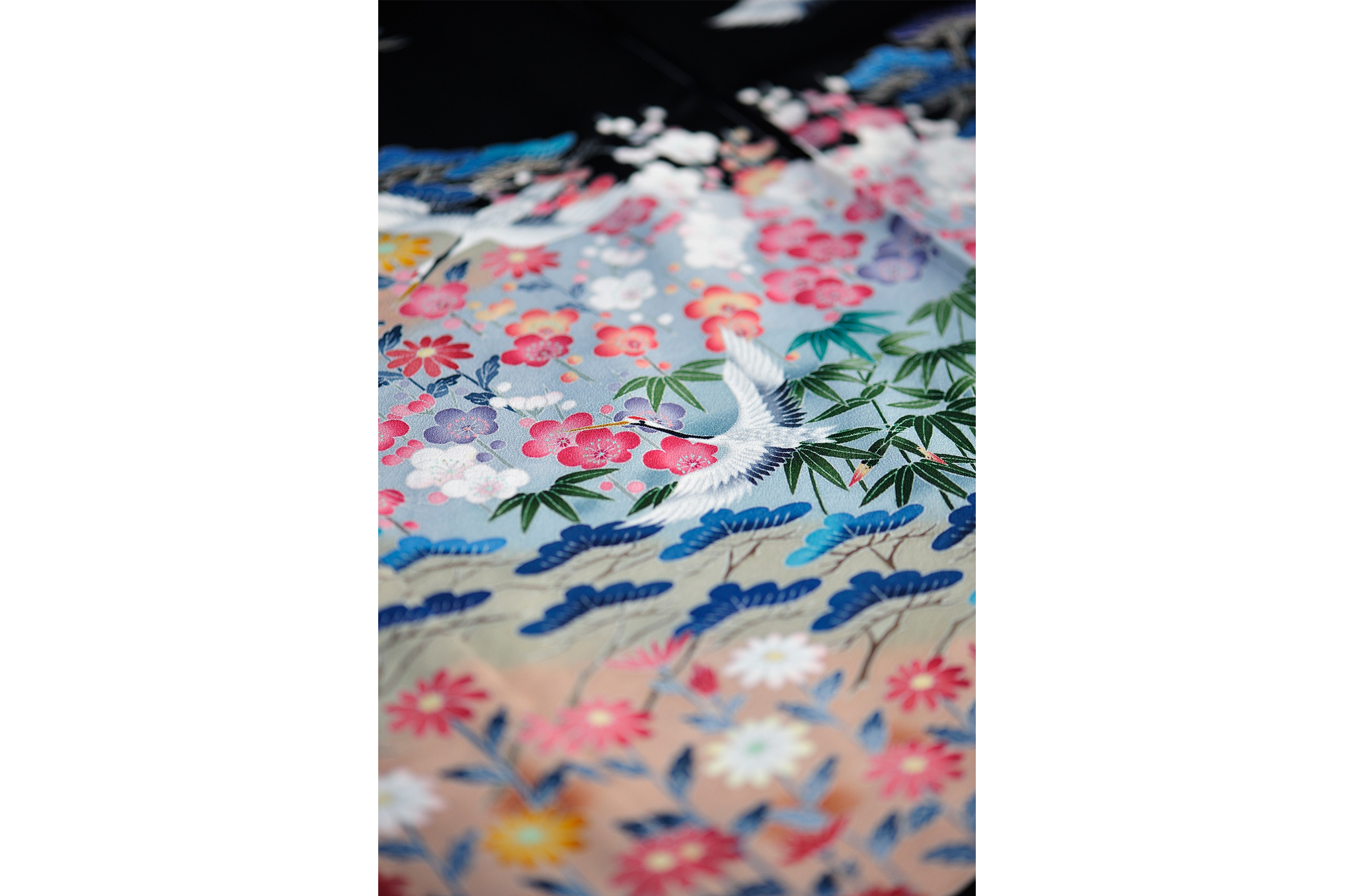
Located right next to Kenroku-en Garden, the Kaga-Yuzen Kimono Center offers a window into one of Kanazawa’s most intricate traditions: hand-painted kimono dyeing. Kaga-yuzen dyeing has a history of over 500 years and is renowned for its restrained realism and highly detailed designs. With delicate color gradations, precise outlines and floral motifs that reflect the seasons and the natural world, Kaga-yuzen kimono are the result of a complicated process that requires months of focus and years of training.
At the Kimono Center, you’ll find artfully dyed kimono on display; visitors can also try their hand at the historic dyeing technique for themselves, stenciling or hand-dyeing a handkerchief or tote bag to take home. Additionally, there’s an opportunity to try on a Kaga-yuzen kimono and have photos taken by a professional photographer.
Courtesy of Kanazawa City Tourism Association
Kamu Kanazawa
Contemporary art takes a more decentralized shape at Kamu Kanazawa, a museum without a single fixed address. Conceived as a constellation of spaces scattered throughout the city, Kamu transforms the urban landscape into an extended exhibition, meant to be enjoyed in tandem with the city.
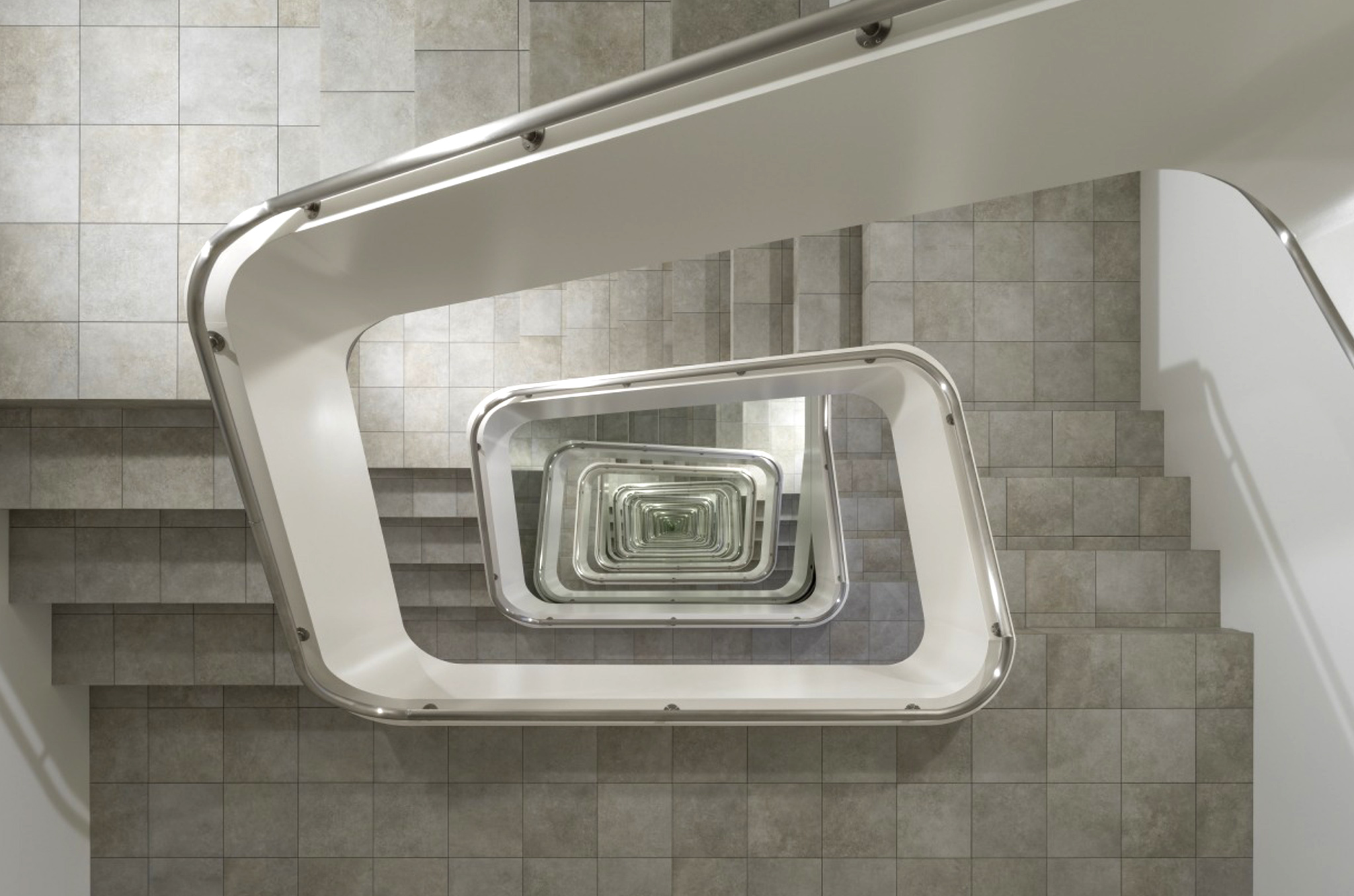
Visitors can encounter installations by contemporary giants such as Leandro Erlich, Takuro Kuwata and Daido Moriyama in unexpected settings, including stairwells, converted shops and hidden galleries. This diffuse structure reflects a larger idea: that art should not just be confined to walls, but woven into daily experience.
Related Posts
- Tokyo’s Best Public Art: 10 Must-See Sculptures, Statues and Creations
- Wolfgang Beltracchi’s ¥67 Million Forgery Scandal Shakes Japan’s Art World
Updated On November 27, 2025