
“Only in Japan” is one of the easiest ways to sell an animal cafe. For years, that framing has worked. Animal cafes have become a familiar part of Tokyo tourism, appearing across social media feeds and lists of supposedly unmissable Japan experiences.
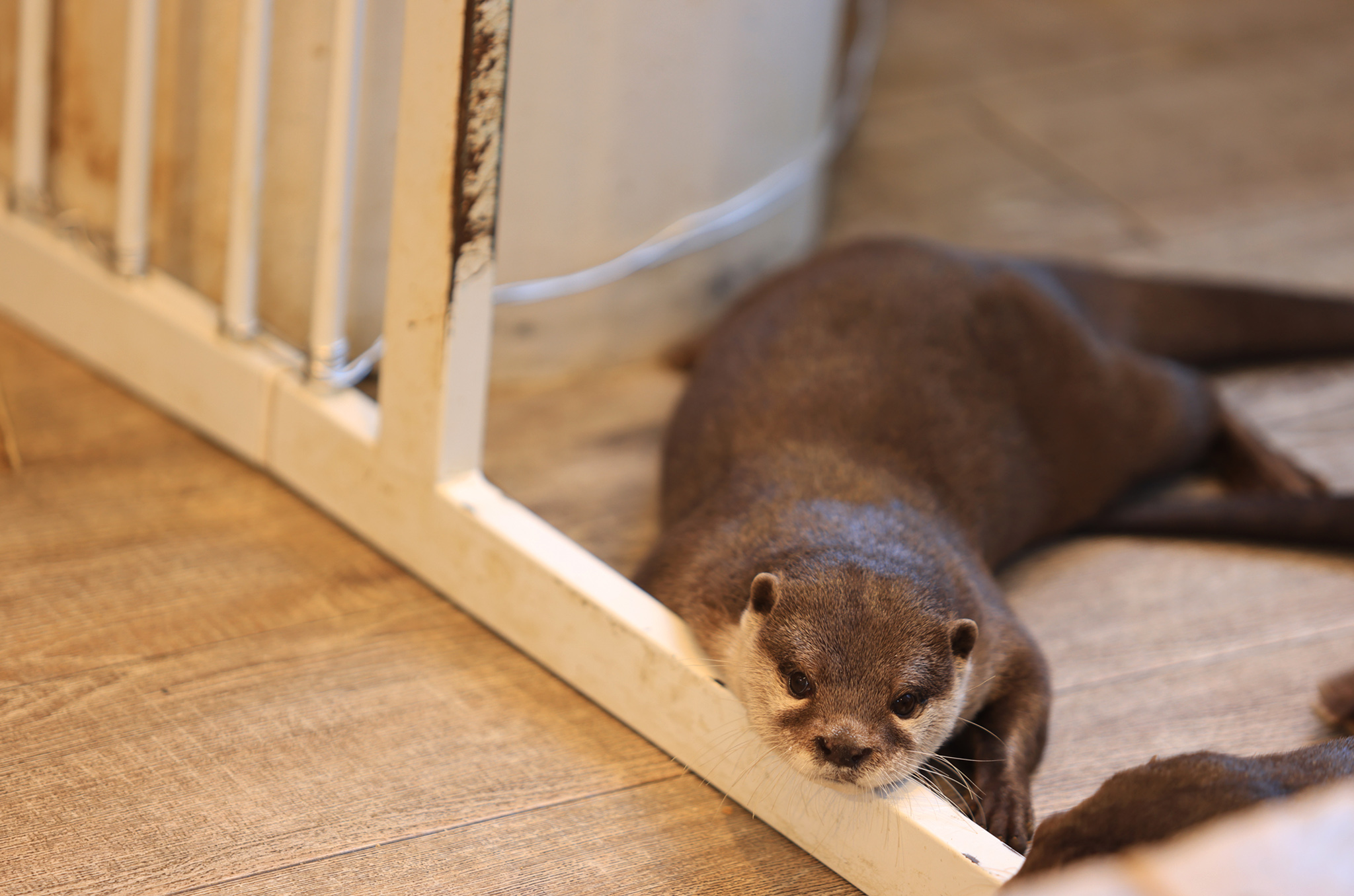
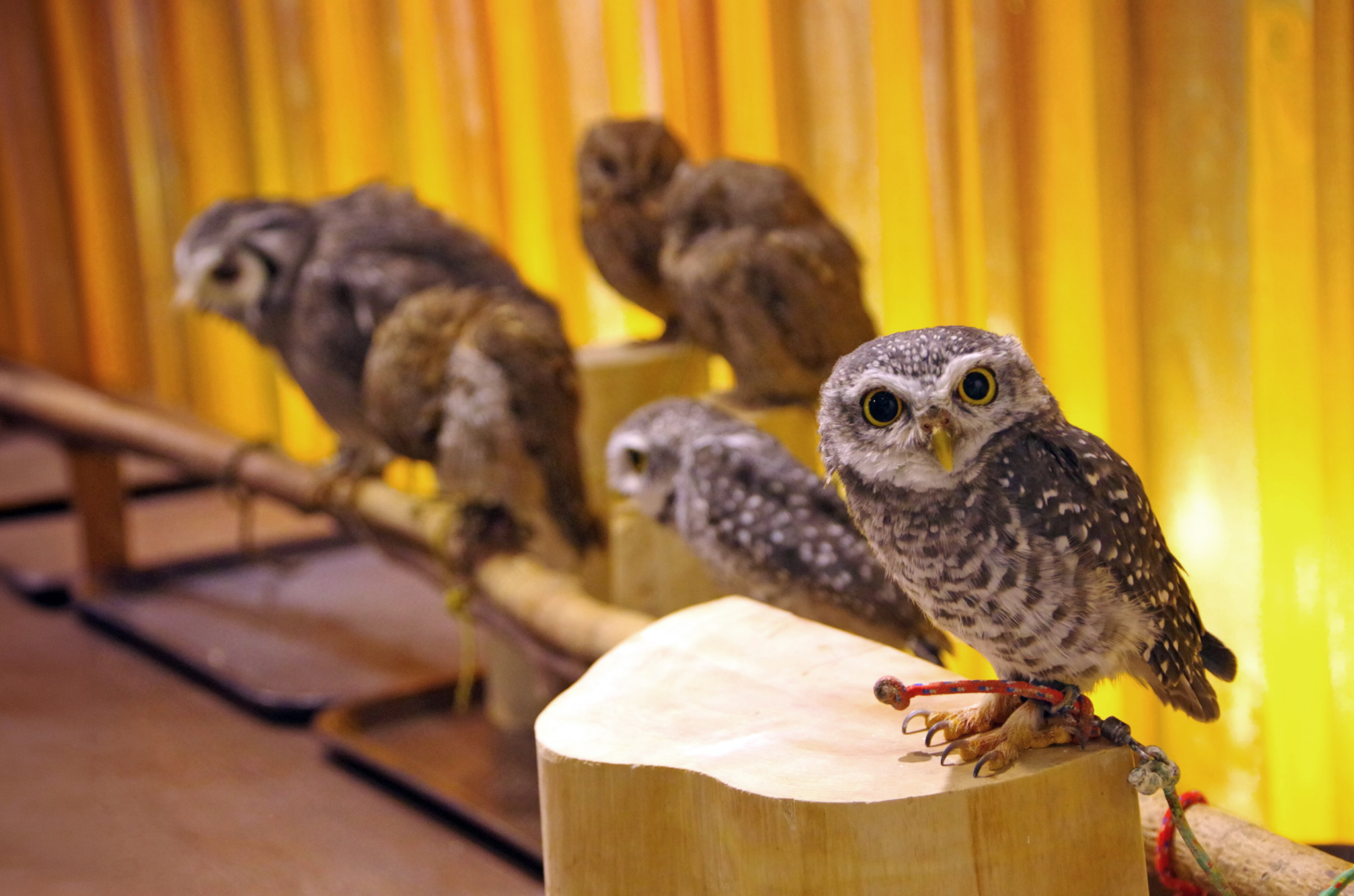
Far less attention has been paid to the animals themselves, or to an industry built around keeping wild species close enough to touch. The owl is tethered, the otter confined, but once the scene is packaged as cultural novelty, those facts recede behind the photo op. That may finally be starting to change.
In September, Japan’s Environment Ministry began its first nationwide survey of animal cafes, examining how many exist, which species they keep, how animals are housed and what kinds of contact visitors are allowed to have with them. Cat and dog cafes are included, but the scrutiny is especially relevant to the growing number of businesses built around owls, otters, reptiles and other wild animals.
Japan regulates animal businesses under the Animal Welfare and Management Act, but it has no regulations specifically tailored to animal cafes. Researchers, meanwhile, have spent years documenting conditions that make the breezy “cute animal encounter” pitch increasingly difficult to defend.
The Dark Side of Animal Cafes in Japan
A study of 79 exotic animal cafes across seven prefectures in Japan, published in 2025, found poor welfare standards across every category assessed, including environment, nutrition and opportunities to perform natural behaviors. Birds fared particularly badly. Owls, nocturnal animals that would normally spend daylight hours hidden away, were often tethered to perches in full view of customers, unable to fly or retreat from visitors, and in many cases without free access to water.
A separate investigation of five otter cafes found that not one provided the recommended amount of water for the semi-aquatic animals. At two, the water was kept as warm as bathwater, well above the recommended range. Many otters were kept alone despite naturally living in family groups. During customer interaction periods, most had nowhere to hide and no way to get away from the people paying to touch them. Four of the five cafes reported at least one history of illness, including urinary, skin or respiratory problems.
At 25 wildlife cafes in the Tokyo area, WWF Japan and Hokkaido University researchers recorded more than 1,700 animals. Thirty-one species were classified as threatened on the IUCN Red List, nearly two-thirds of the taxonomic groups documented included species listed under CITES, the international agreement regulating trade in wild animals and plants. In a separate review of registrations, three-quarters of the roughly 80 wildlife cafes registered in Tokyo and Osaka were also registered to sell animals.
In 23 of the 25 cafes, researchers found animals considered high-risk for direct contact under standards used by British zoos. At 19 of those 23, staff neither supervised contact at all times nor kept the animals out of reach. Eleven cafes gave customers no instructions on how to touch the animals and no explanation of injury risk.
There is also the matter of what else customers may take home. Samples from the same investigation detected enterohemorrhagic E. coli at four cafes and salmonella at two. Drug-resistant bacteria were also found. Only 14 of the 25 facilities had handwashing stations.
Not every animal cafe operates the same way, and some operators have welcomed tighter rules. Some, like the Neco Republic chain, function as rescue shelters, where cats are available for adoption. But that distinction is largely invisible to tourists scrolling through recommendation lists.
Japan’s new survey will not change that fact overnight. For now, the government is still trying to establish how large the industry is and what happens inside it. That alone says something about how long these businesses have been allowed to sit in the category of harmless novelty.
Related Posts
- 7 Ethical Cat Cafes in Tokyo
- Meet the Japan Cat Network Rescue Cats of Kyoto
- The Nyan Nyan Cat Temple in Kyoto is a Feline Fan’s Dream
Updated On October 1, 2026