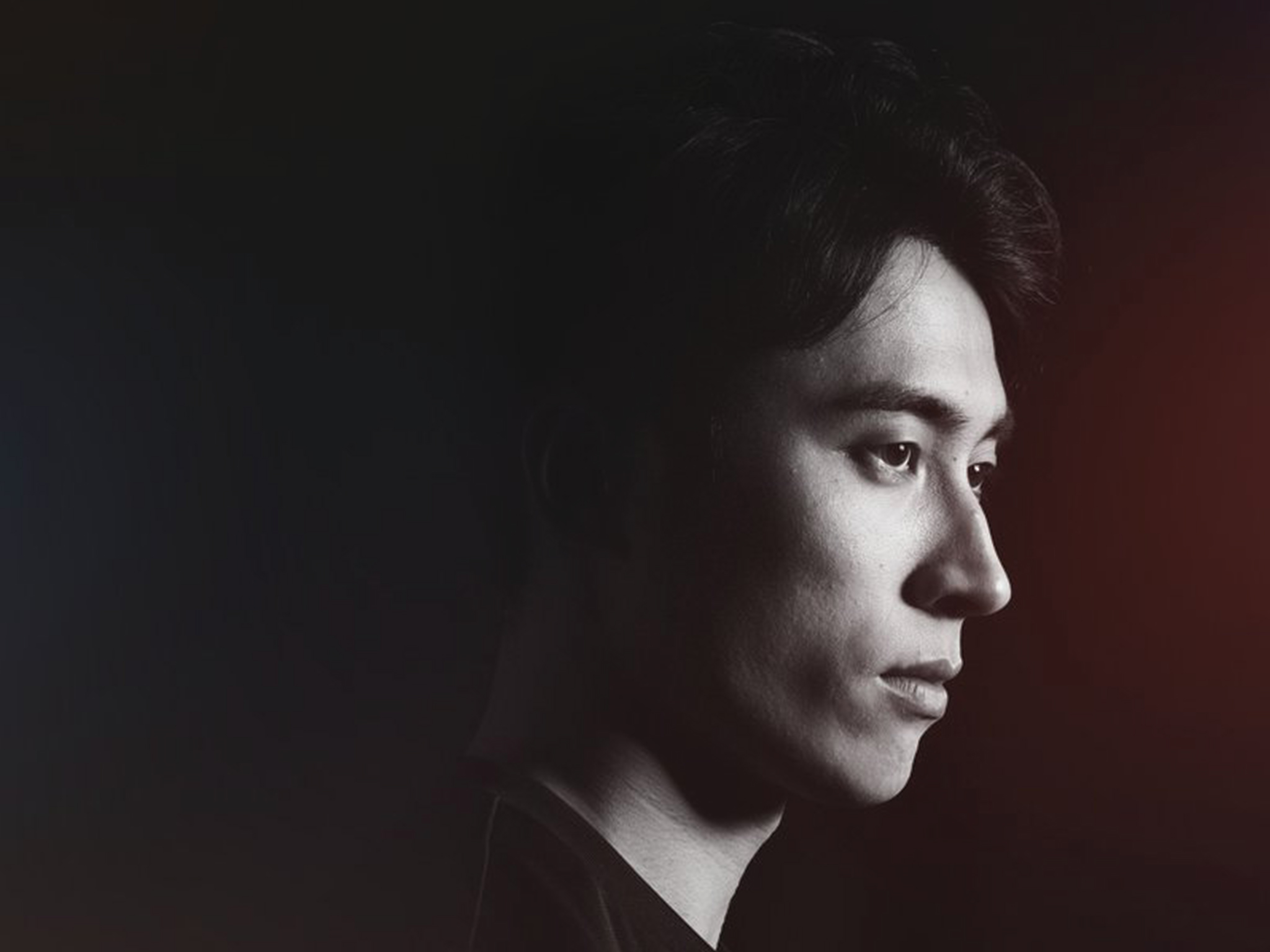
Rui Takahashi came out as gay on September 29. The 26-year-old Suntory Sunbirds Osaka volleyball player wrote in a post on Instagram that he had struggled with his sexuality since childhood and had spent years denying his identity before conversations with his younger brother, national team star Ran Takahashi, eventually helped him confront feelings he had long avoided.
“Little by little, I came to feel that it was okay to be myself as I am,” he wrote. “As we enter a new season, I also felt that this was the right time to tell the fans who have always supported me, in my own words.”
View this post on Instagram
Takahashi’s decision to speak publicly places him in a very small group. Openly gay men remain conspicuously rare in elite professional sports around the world, especially in major team sports. In Japan, that scarcity is particularly stark. At the past two Olympic Games, for instance, Japan hasn’t had a single openly LGBTQ+ athlete representing the country, according to the Japan Sport Association.
Although openly LGBTQ+ athletes remain a small minority at the Olympics, Japan’s complete absence of them is notable. There were at least 186 who competed at the Tokyo 2020 Games, by the association’s count, and 193 at Paris 2024.
LGBTQ+ athletes who do compete for Japan often describe a difficult environment: A Japan Sport Association survey found that more than 40% of gay, bisexual and transgender athletes had heard discriminatory remarks in sport.
Team environments can be particularly challenging; conventional expectations around masculinity are often strong. And coming out can carry perceived risks extending beyond teammates to include supporters, sponsors and future contracts. Before the Tokyo Games, advocates told The New York Times that Japanese Olympians were staying closeted for fear of backlash from fans and sponsors.
Even so, some have still spoken out. Soccer player Shiho Shimoyamada came out while still active in 2019 and was widely described at the time as Japan’s first openly gay professional athlete.
In recent years, Japanese sporting institutions have become more willing to talk publicly about LGBTQ+ inclusion. The Japan Sport Association now publishes detailed guidance related to sexual orientation and gender identity. Pride initiatives have also emerged across professional leagues. Takahashi’s own club took part in Osaka’s Sports Pride Promotion in 2024, setting up an LGBTQ+ booth at a home game against the Panasonic Panthers.
These kinds of initiatives, despite being well intentioned, may only scratch the surface of the issue. The scarcity of openly gay men in Japanese professional sport makes clear how much distance remains between policy and lived experience. Still, they signal a gradual shift in attitudes toward LGBTQ+ inclusion. Takahashi is coming out in a sporting world that is, at least in some respects, better prepared to accept him and more equipped to address the challenges he faces.
Takahashi has entered that conversation on his own terms, while still playing professionally and with the support of the people around him. “For those who are struggling because they cannot accept themselves, I would be happy if this can become even a small trigger for something,” he wrote.
In a country where openly gay male athletes remain rare, that visibility is itself a change.
Updated On September 29, 2026