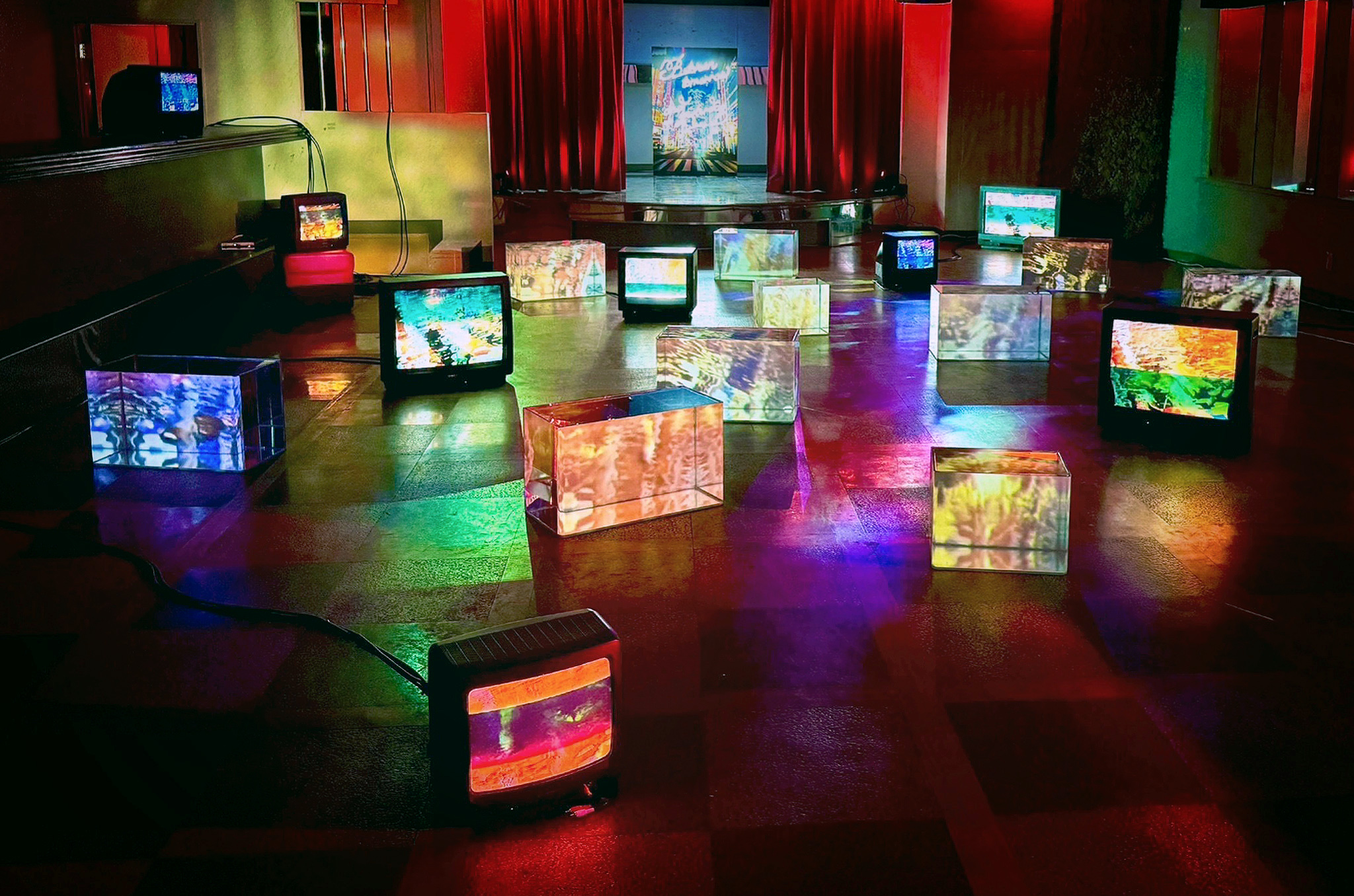
Some art festivals stretch across vast distances, far-flung works tying localities together with a chosen theme. Others hold their compositions close, dotting cityscapes with a high concentration of art and installations within a walkable field of discovery. The Maebashi Biennale is of the latter sort.
The inaugural event guides art lovers across a compact pocket of downtown Maebashi — through a contemporary art museum, hotels, galleries, covered shopping arcades, vacant buildings and public spaces, each venue home to works of art. Running for 80 days from September 19 through December 20, the biennale brings together around 70 artists and collectives working across contemporary art, architecture, poetry, music, film, theater, fashion and gastronomy, alongside more than 20 programs created with local artists and organizations.
But the most interesting thing about the biennale may be what happens between the works. Rather than building a festival precinct separate from everyday life, Maebashi threads its exhibition through a city already remaking itself. The result is an unusually intimate proposition for an international art event: To understand the art, you have to spend some time looking at Maebashi.
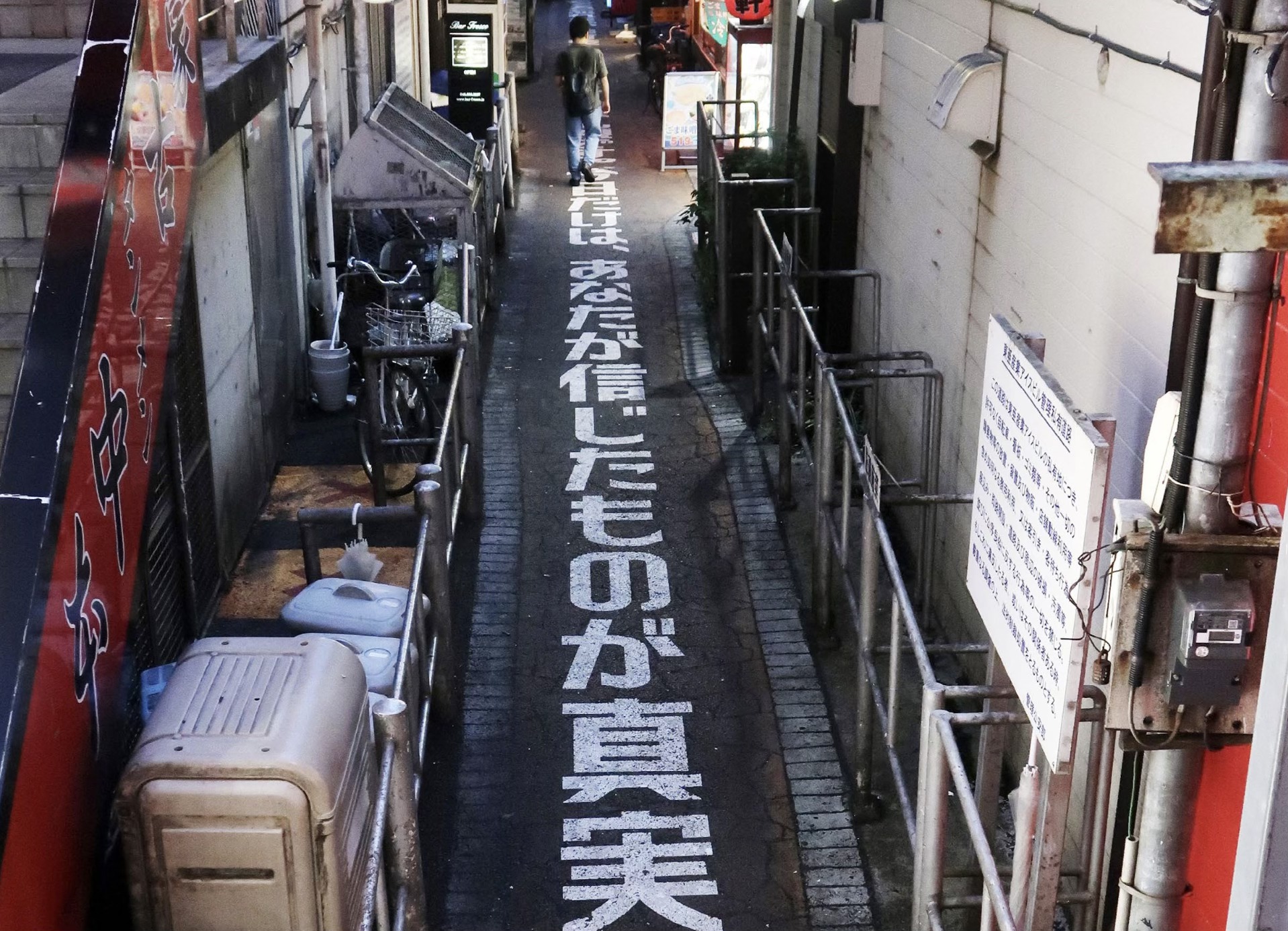
Saitama Triennale 2020, Tahi Saihate, Acceleration of Poetry, 2020, Graphic design: Shun Sasaki, photo by Ryuichi Maruo (Reference work)
A City Meant for Walking
The story begins well before the first artwork was installed. After decades of decline in its central district, Maebashi chose revitalization, adopting a new urban vision in 2016: “Mebuku. Where good things grow.” Developed from a study led by German consulting firm KMS Team and articulated into Japanese (mebuku means “to sprout”) by Maebashi-born copywriter Shigesato Itoi, the vision is also the theme of this year’s biennale.
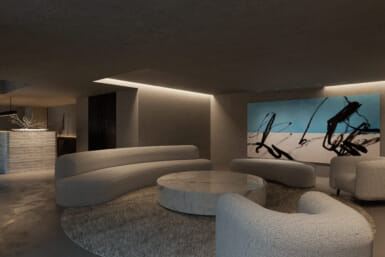
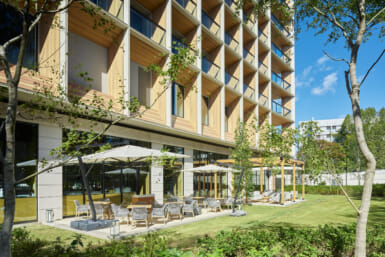
In the decade since, that ethos has become increasingly physical. Arts Maebashi, the city’s contemporary art museum, sits among a growing constellation of architectural and cultural spaces. Nearby, Shiroiya Hotel is Sou Fujimoto’s radical reinvention of an inn with 300 years of history. Fujimoto hollowed out its brutalist 1970s concrete structure, transforming it into a soaring atrium and pairing it with a newly built, plant-covered Green Tower. A few minutes away, Akihisa Hirata’s Maebashi Galleria folds residences, shops and galleries into a greenery-wrapped complex.
The biennale draws these spaces together. More than 20 venues and numerous public works are concentrated within the city center, turning the streets between them into part of the experience: An artwork leads to a hotel, the hotel to an arcade, the arcade to a building you might otherwise have passed without looking twice. Here, the walk is part of the exhibition.
Maebashi as Muse
That relationship with place extends to the works themselves. A significant portion of the Maebashi Biennale has been developed through research and residencies rather than by simply transporting existing works to the city. Artists have spent time encountering Maebashi’s landscape, history and residents, turning details that might escape a visitor’s notice into material.
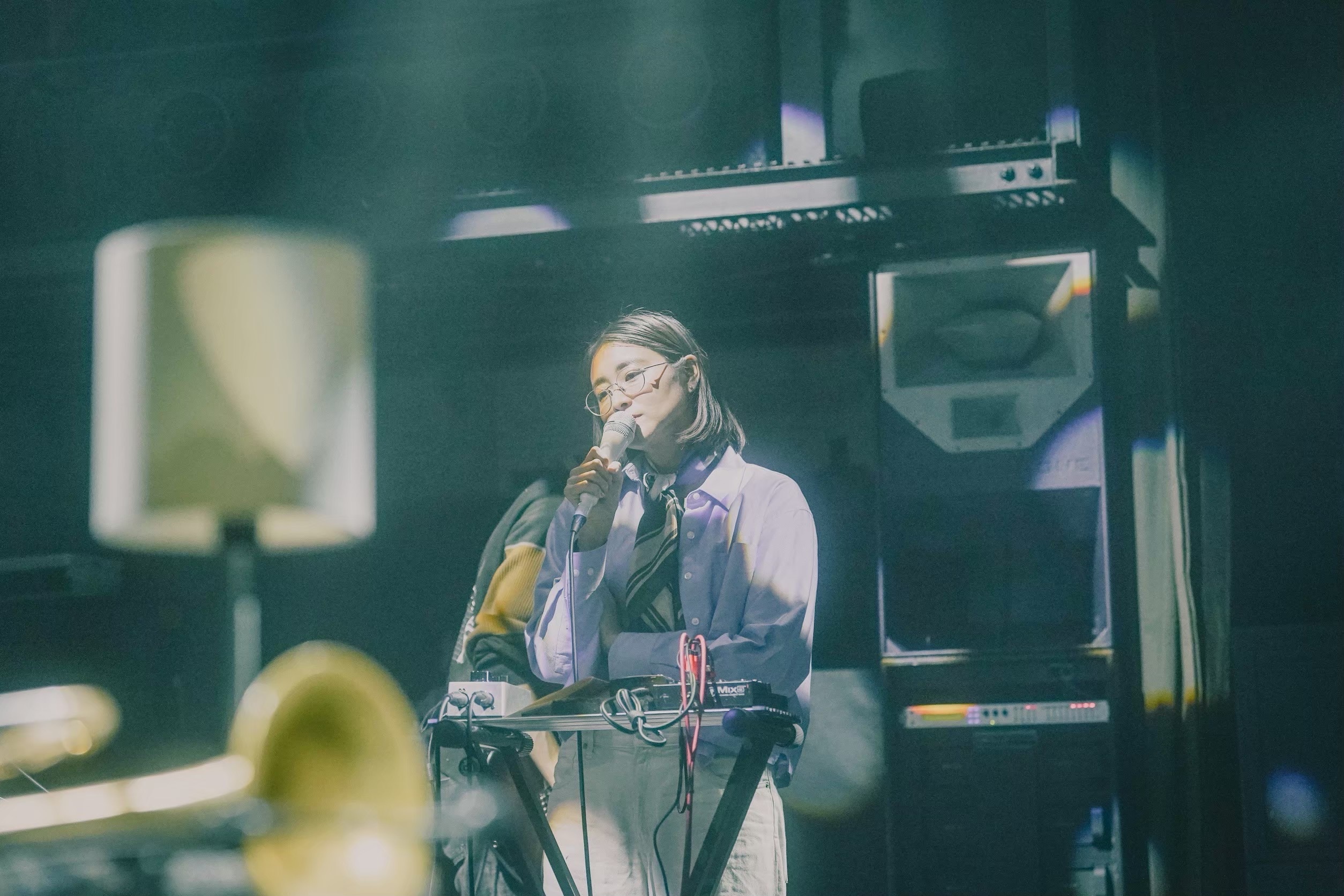
Filmmaker and dancer Nao Yoshigai, for example, spent her research residency in Maebashi tracing Akagi Oroshi, a dry wind that blows down off Mount Akagi, and its ties to tamayobi, a local folk belief that calling out a name from the mountain’s Jizodake peak can summon the presence of the dead. The resulting video work, titled “Calling the Wind,” traces the stories that surface where wind, memory and land meet.
Meanwhile, Katsu Naito, a photographer, worked on a portrait project with international students studying Japanese in Maebashi. Additionally, Serbian artist Lea Embeli sought to connect the embroidery communities of her home country with the histories of the women who once worked in Maebashi’s silk industry.
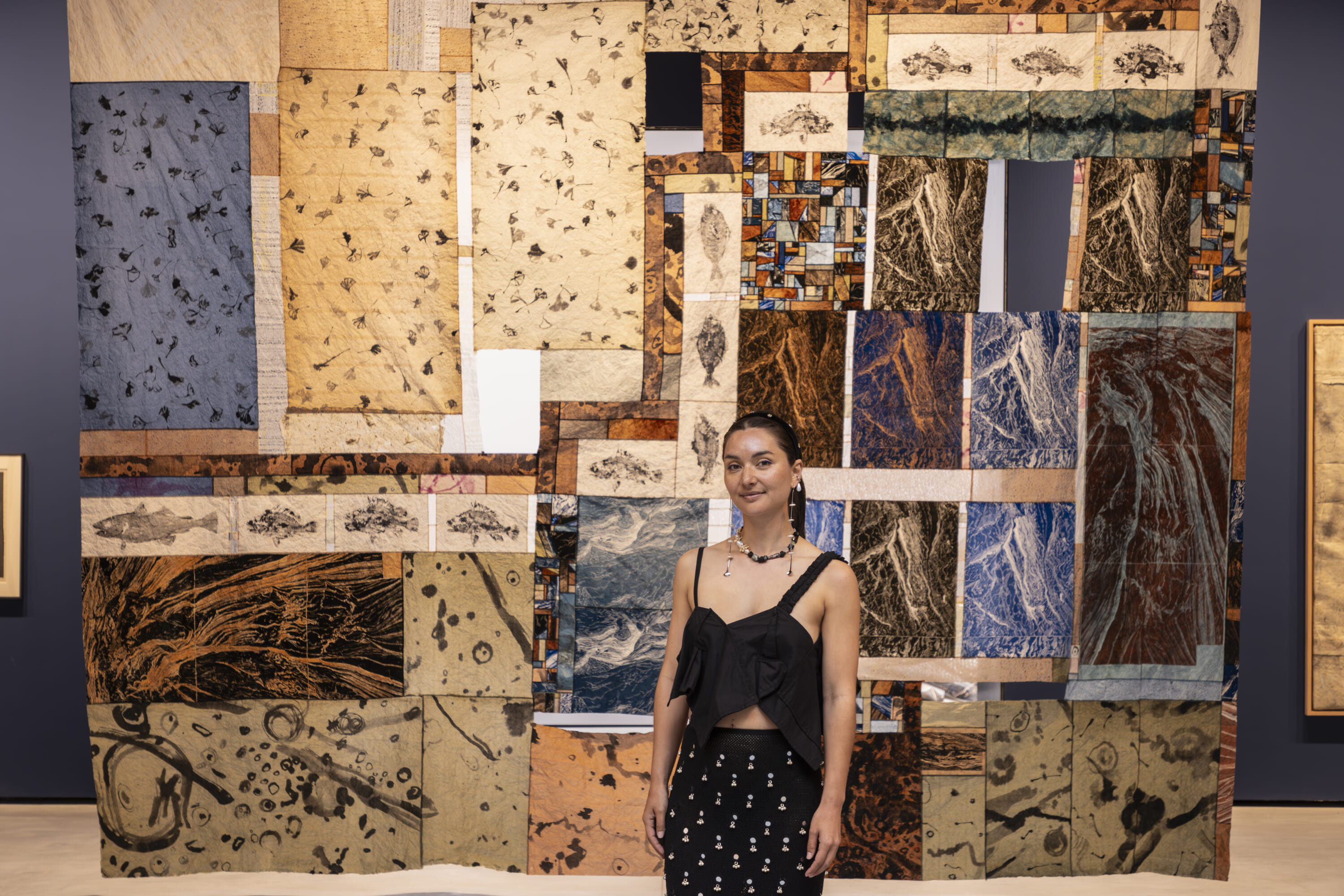
Photo by Marco Pavan
Then there’s Japanese-Canadian artist Alexa Kumiko Hatanaka, who is undertaking a residency in Maebashi before presenting new work at Arts Maebashi. Her practice draws on papermaking traditions from Japan, Vietnam, Korea and elsewhere, transforming handmade washi into textiles, garments and sculptures while considering what traditional techniques might teach us in an era of environmental crisis.
Elsewhere, Tadashi Kawamata has created one of his tree huts in the zelkova outside Arts Maebashi, accompanied by additional structures conceived with local residents through workshops. Also featured in the biennale is Mika Ninagawa — returning to Maebashi after participating in Arts Maebashi’s 10th-anniversary exhibition in 2023 — who will unveil new work created with the Creative unit, EiM.
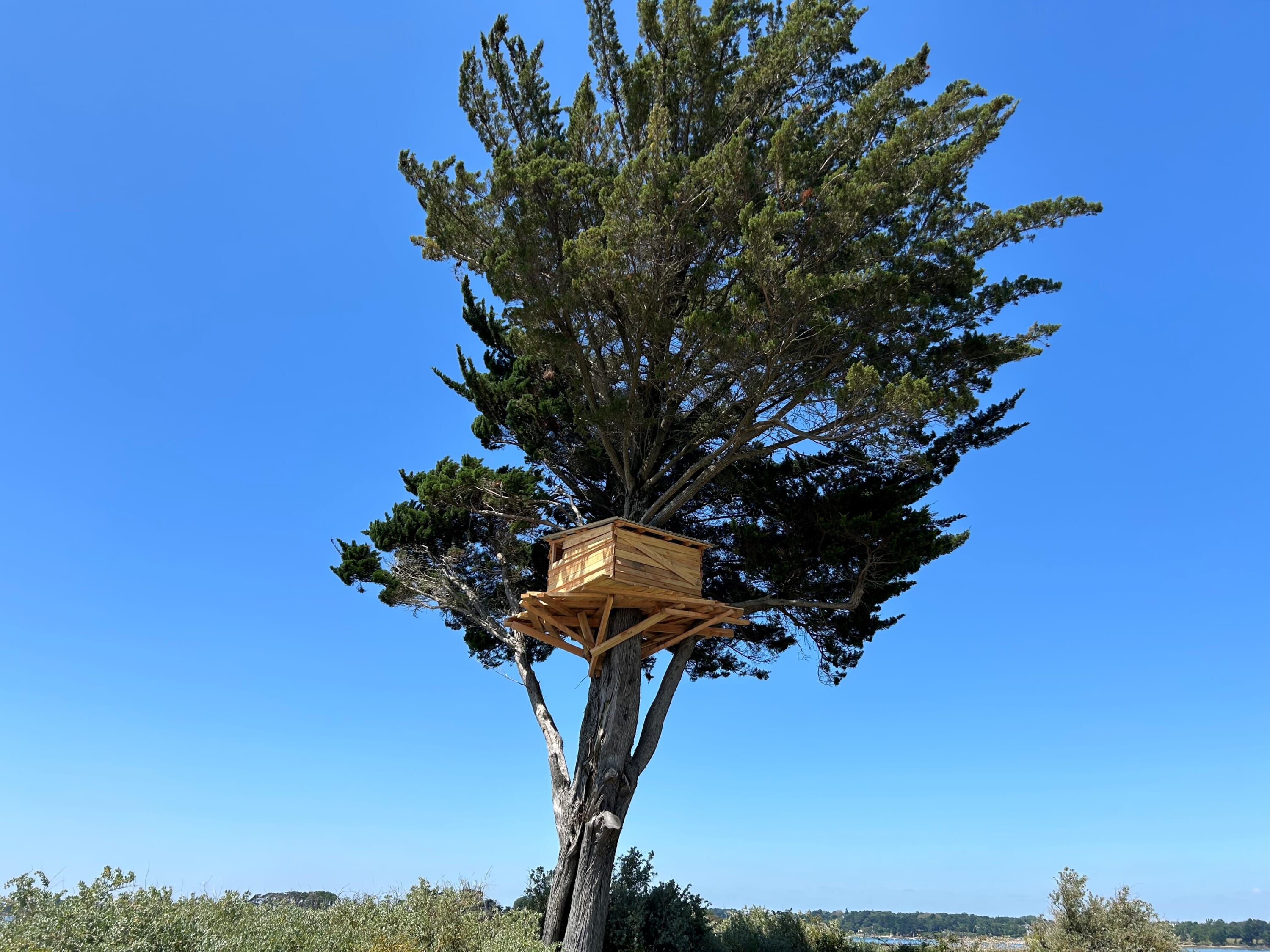
Tadashi Kawamata Tree Hut
Poetry, Film and Fashion
The definition of art expands considerably beyond what might normally be expected from a contemporary art festival. This year’s lineup spans disciplines that are often given their own platforms and audiences: Architecture, poetry, film, theater, music and fashion sit alongside painting, sculpture and installation.
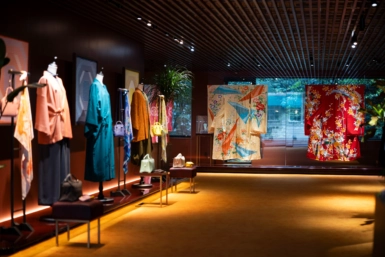
Among the most recognizable names is Martin Margiela. Since leaving the fashion industry in 2008, the famously elusive Belgian designer has devoted himself to visual art, making work concerned with the body, traces, time and absence. Following exhibitions at Kudan House in Tokyo and Taka Ishii Gallery Kyoto this spring, a newly reconfigured presentation comes to Maebashi, bringing together collage, painting, drawing, assemblage, video and large-scale sculpture.
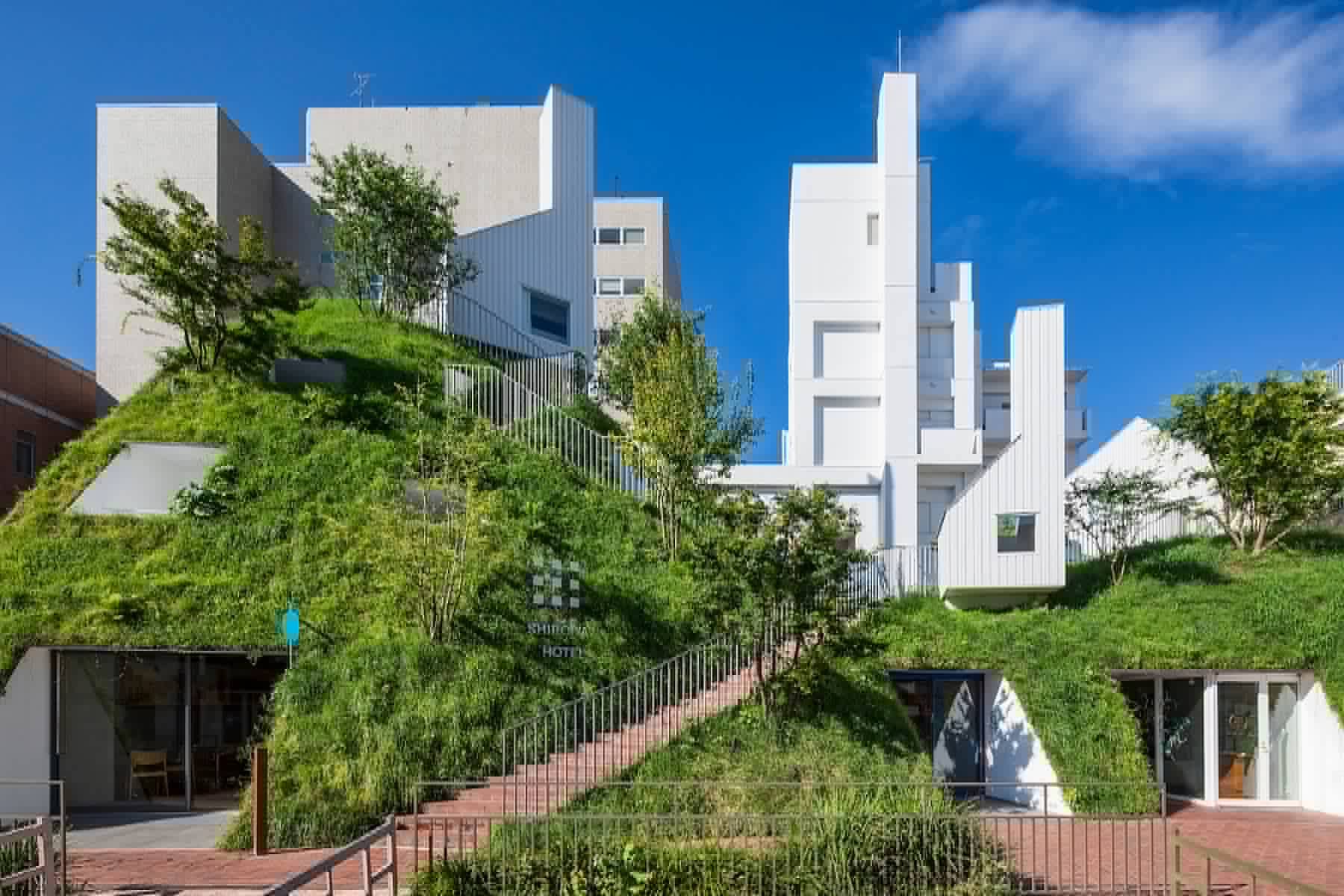
Photo by Shinya Kigure
A Place To Linger
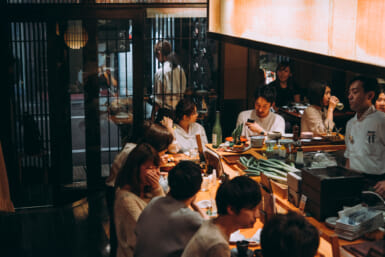
It is possible to enjoy much of the biennale on foot in a day — but a slower pace invites a deeper and more meaningful encounter. Spend the night, and the experience changes. Time expands: You gain the chance to savor exhibitions rather than plot the fastest route onward; to dine in town, return to a favorite building or simply wander through a shopping arcade, unbothered by whether it’s part of the official route.
Shiroiya Hotel makes an especially fitting base. Architecture, art and food are already embedded in the hotel’s identity, and its location puts visitors within easy reach of the biennale’s central venues. In addition, overnight guests and diners have the opportunity to enjoy artworks closed to general visitors. A longer stay also opens up the broader program: guided walks, artist talks and public events that bring you closer to the city.
Perhaps the most compelling reason to slow down is that this year’s biennale captures Maebashi mid-transformation. Around the festival, the city will continue changing and growing: Projects now underway will be completed, businesses will open and close, buildings will acquire new uses and artists and attendees alike will encounter a very different Maebashi in 2028 from the one that exists this autumn. After all, in a festival championing mebuku, the magic is in seeing what develops from these initial buds.
More Info
Learn more about the Maebashi Biennale here.
Updated On September 16, 2026