The signboards in a busy metropolis such as Tokyo are incredibly easy to overlook. Wedged between towering department stores, squeezed into narrow alleyways and layered across bustling shopping streets, they form a visual language that most people encounter every day without a second thought. Yet behind every illuminated billboard, hand-painted shopfront and weathered storefront sign lies a story about the city itself — its businesses, neighborhoods, history and people. For Hong Kong-based designer, researcher and educator Brian Kwok, these overlooked details have become a lifelong fascination.
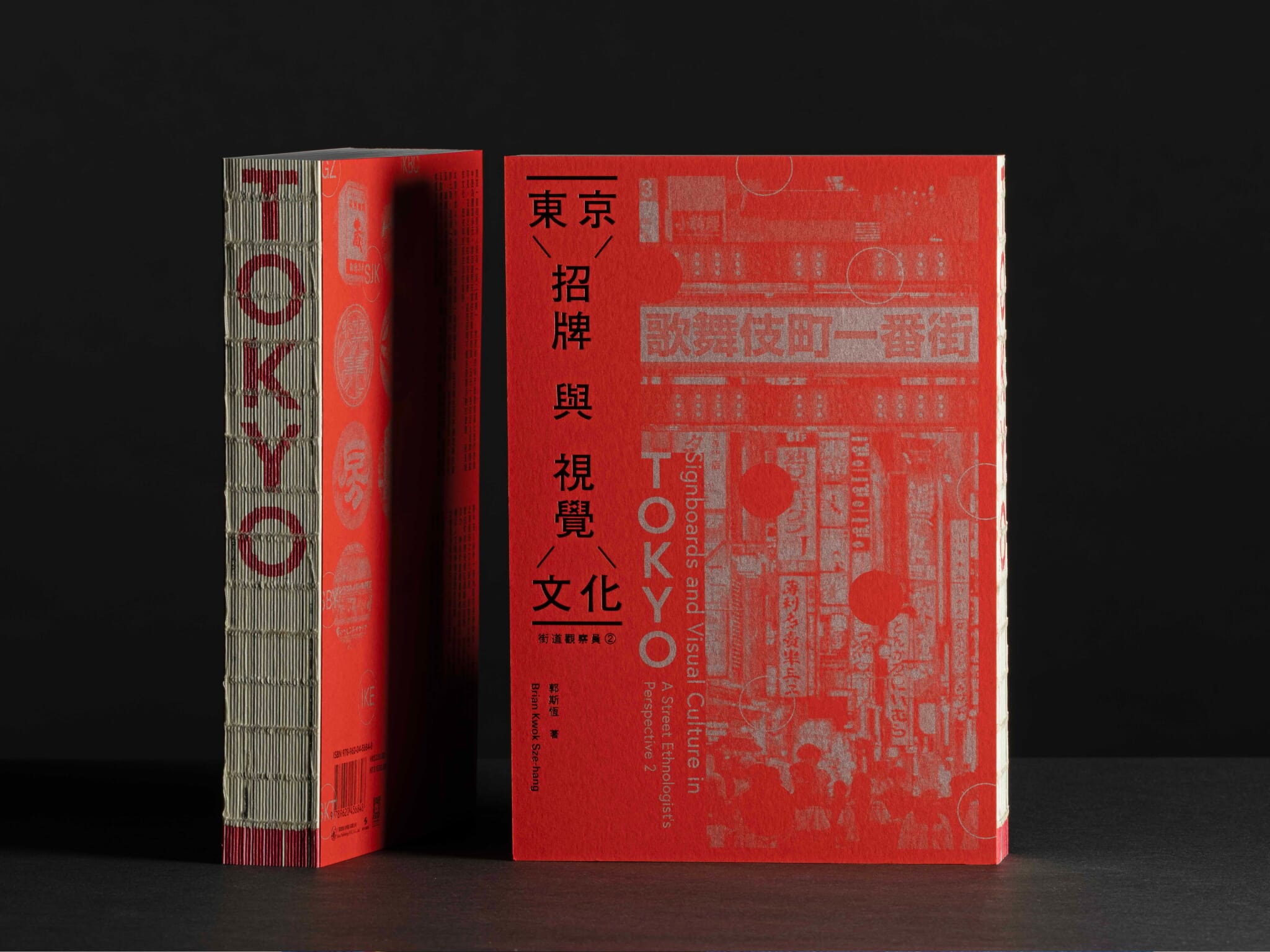
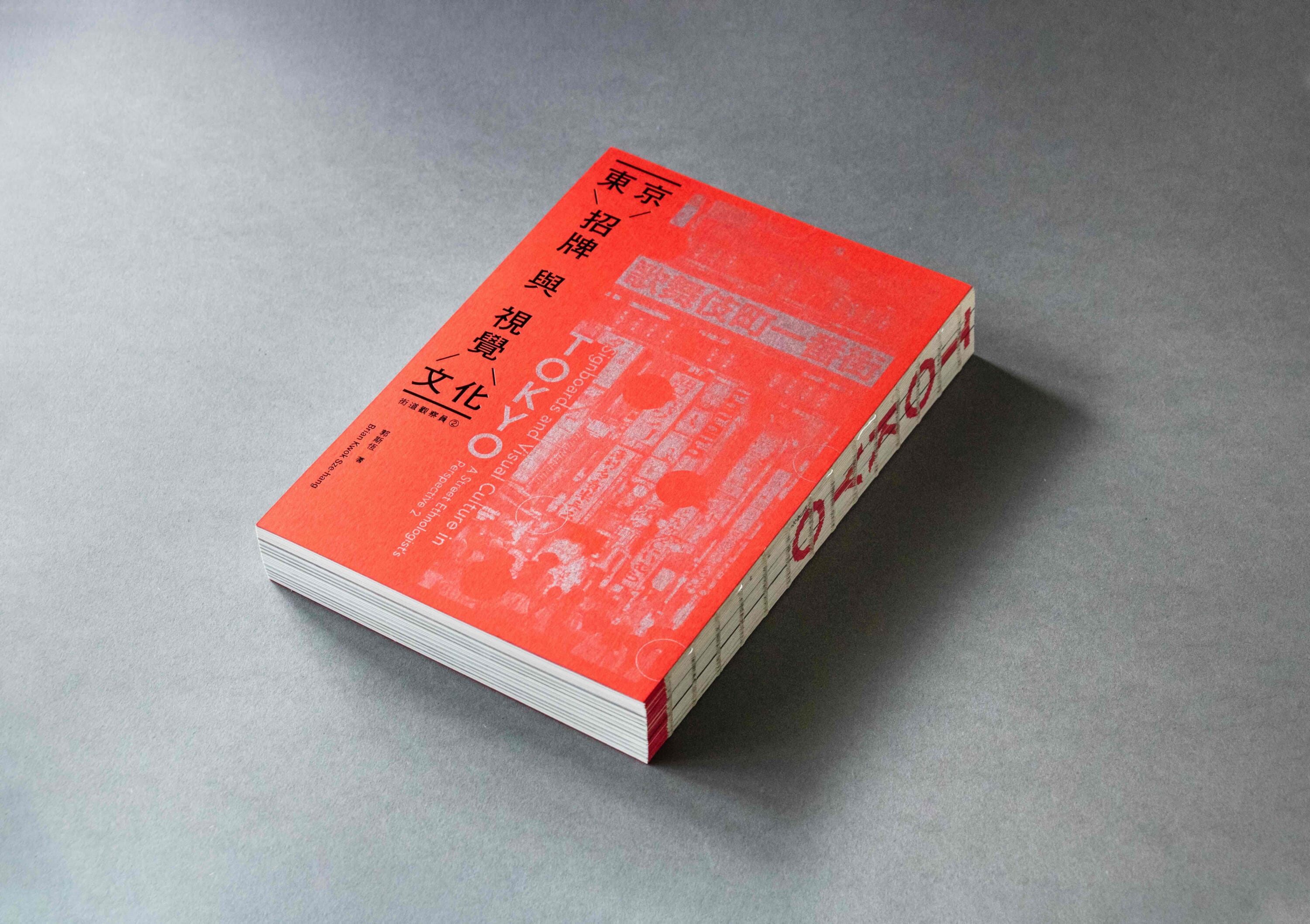
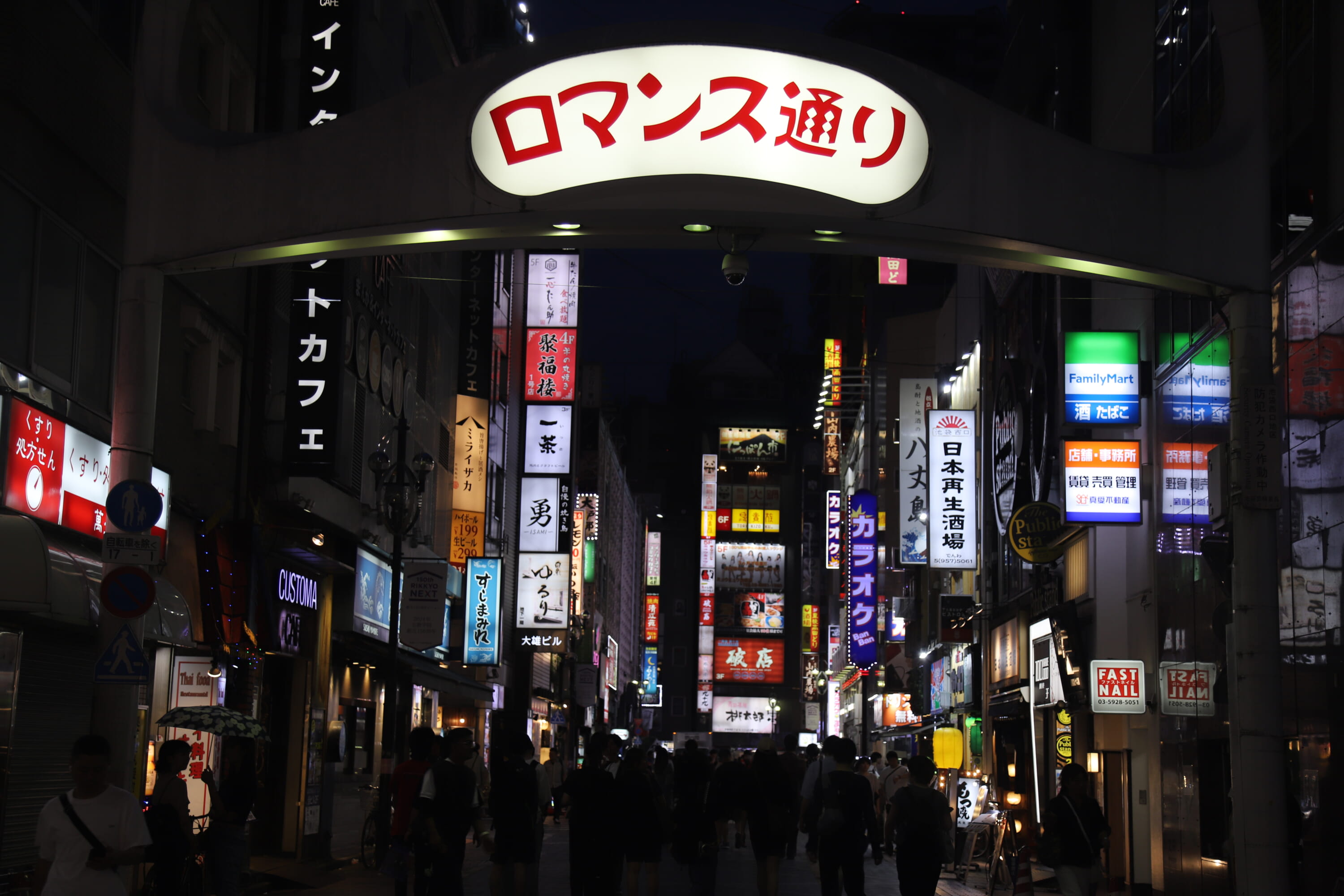
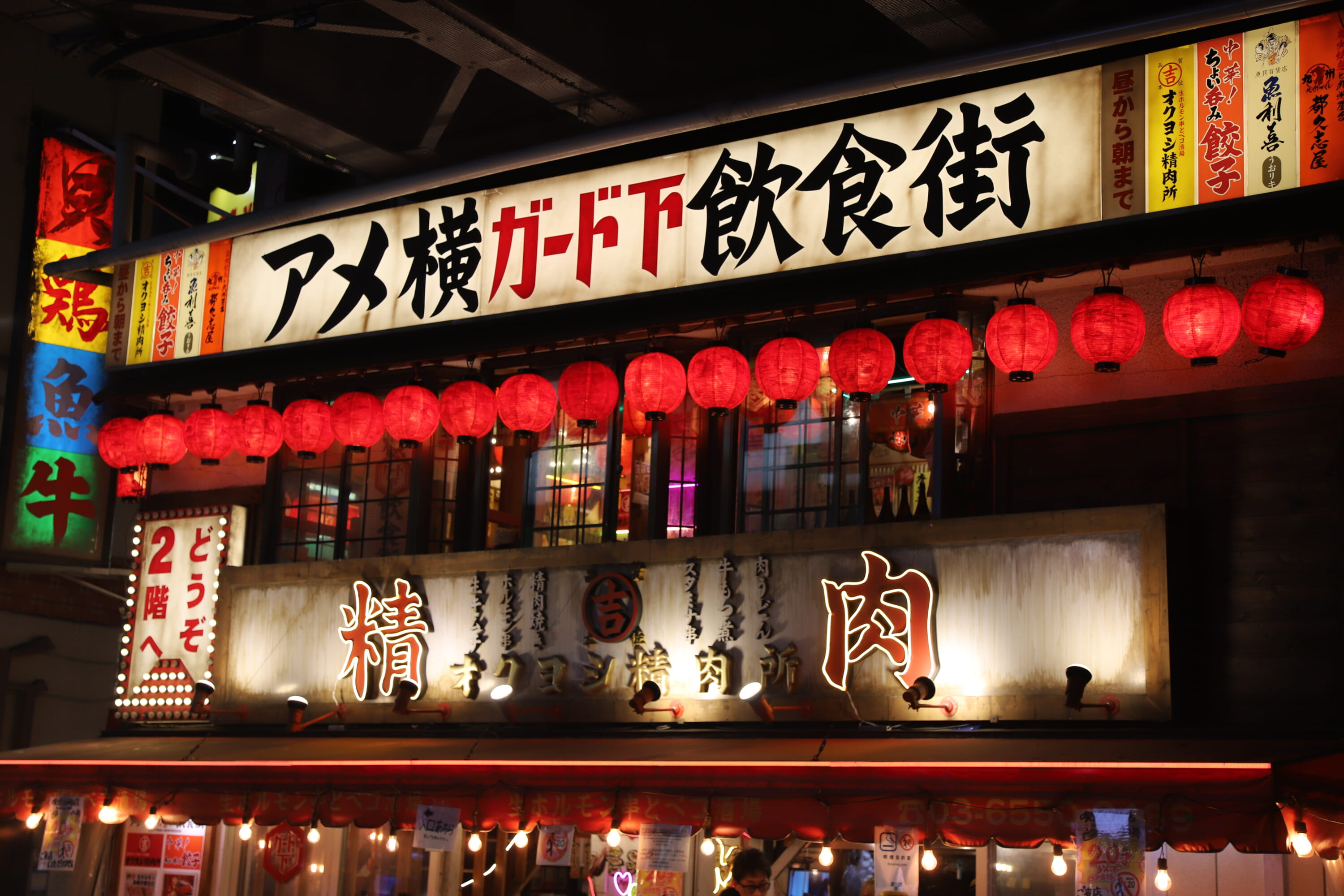
His latest book, Signboards and Visual Culture in Tokyo: A Street Ethnologist’s Perspective 2, is the result of a three-month sabbatical spent wandering the streets of Tokyo with a camera in hand. Traveling from neighborhood to neighborhood, Kwok meticulously documented the city’s ever-changing visual landscape, photographing signboards perched on rooftops, hanging from building facades, standing along sidewalks and tucked away in narrow backstreets.
Rather than presenting the city as a single visual entity, the book is organized around 10 distinct neighborhoods, each with its own atmosphere and design vernacular. From bustling commercial districts like Shinjuku and Ginza to quieter pockets like Shimokitazawa and Jimbocho, every chapter combines photography, historical research and data visualization to build a detailed portrait of the place.
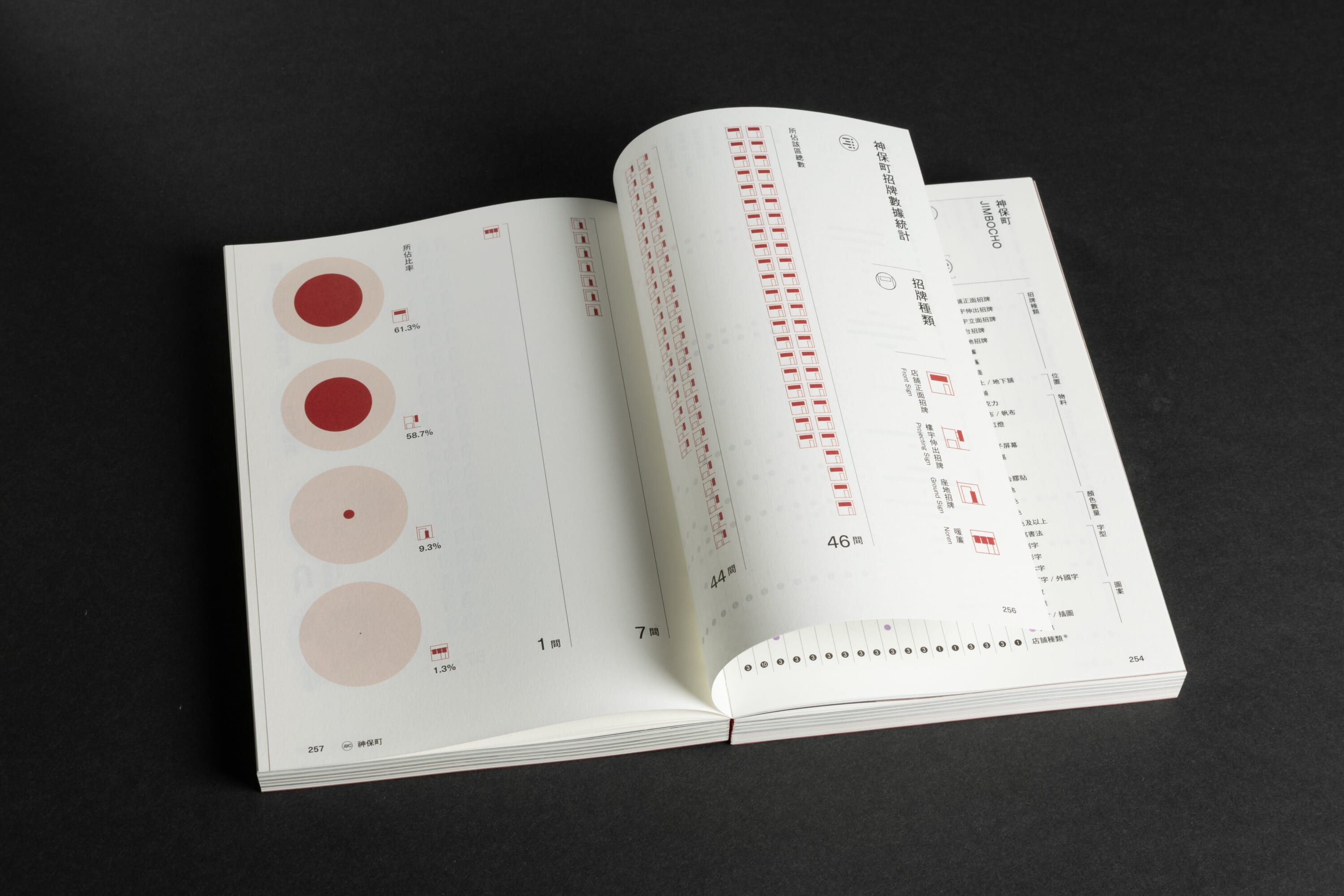
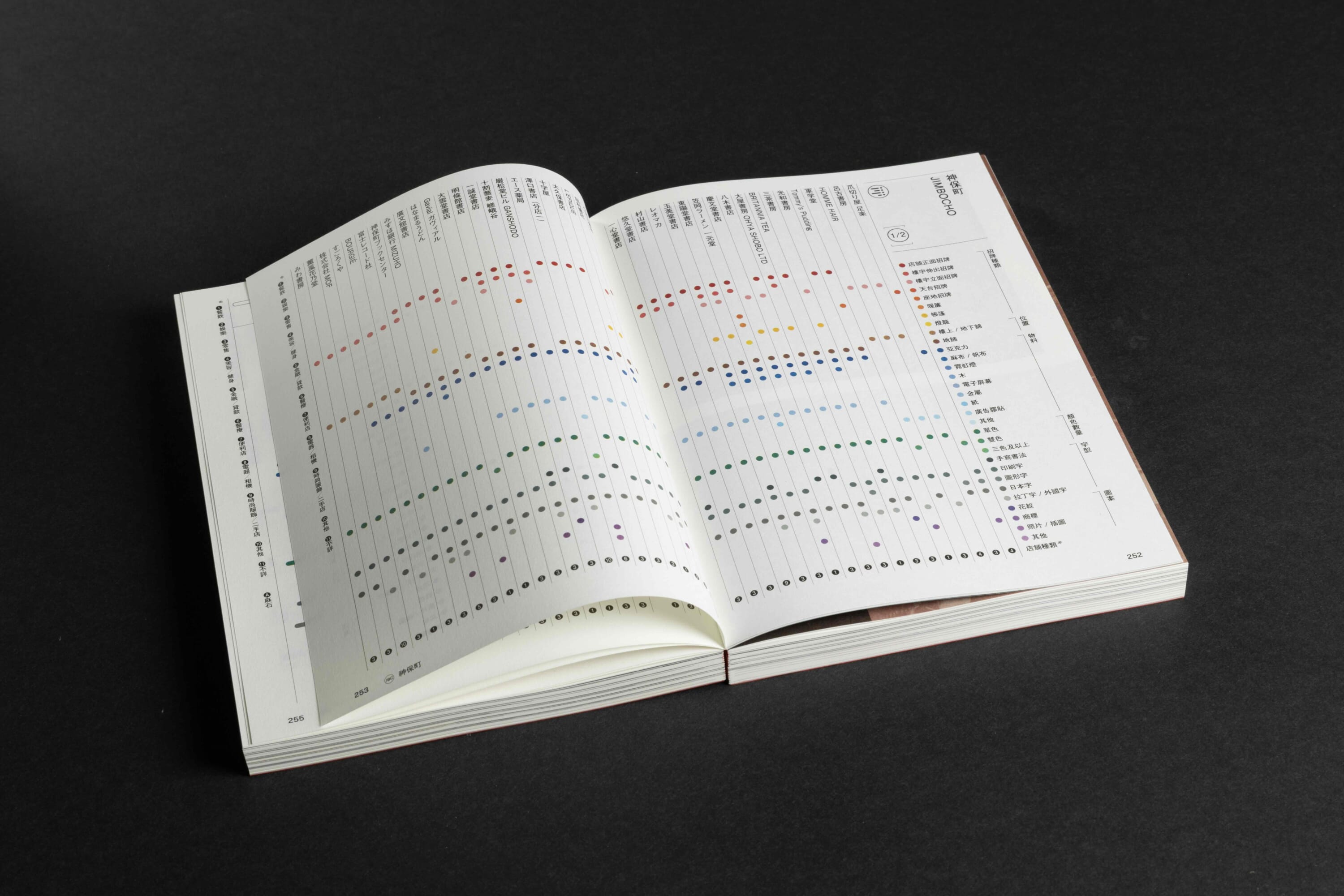
One of the book’s most distinctive features is its extensive use of infographics. Beyond simply cataloging signs, Kwok records and analyzes them, tracking everything from color palettes and material choices to methods of production. Alongside these observations, each chapter provides historical context for the neighborhood in question, tracing the social and economic forces that shaped its visual identity. The result is part field guide, part visual archive and part urban study — a love letter to Tokyo told through the signage that residents pass every day.
Underlying the project is the practice of kogengaku, often translated as “modernology.” The discipline was pioneered by Japanese architect and ethnologist Wajiro Kon in the 1920s. Rather than focusing solely on architecture or urban planning, Kon sought to document the everyday details of contemporary life. He meticulously recorded everything from shop signs and advertisements to hairstyles, clothing styles and handwritten notices, believing these seemingly mundane observations offered valuable insight into society.
Nearly a century later, Kwok’s work follows in that tradition. Like Kon before him, he treats the city’s visual clutter not as background noise, but as a living record of culture. TW sat down with the scholar to discuss his fascination with street signage, the differences between Tokyo and Hong Kong’s visual identities and what these overlooked details reveal about the cities we call home.
TW: Your previous book focused on Hong Kong. What led you to Tokyo, and how did the idea for this second volume develop?
Kwok: When I was researching signboards in Hong Kong, I became increasingly interested in the Japanese tradition of kogengaku, which was pioneered by Wajiro Kon. He believed that ordinary objects found in everyday life could tell us a great deal about society, and that approach resonated deeply with me.
When I had the opportunity to take a three-month sabbatical in Tokyo, I wanted to apply a similar method of observation to the city. Rather than approaching Tokyo as a tourist, I tried to experience it as a researcher walking through neighborhoods, paying attention to details that people often overlook.
What fascinated me was how much information could be found in seemingly mundane signs. A handwritten notice, a fading shop sign or a particular style of lettering can reveal something about a neighborhood’s social character. Tokyo is often portrayed as futuristic and constantly changing, but when you slow down and look closely, you find many traces of continuity and local identity.
In some ways, this book became a dialogue between Hong Kong and Tokyo. Both cities have rich visual cultures, but they express themselves in very different ways.
One of the book’s most distinctive features is its extensive use of data visualization with charts and infographics. Why was that important to the project?
The infographics emerged from a desire to analyze the signs rather than simply archive them. I recorded factors such as color, material, placement and production method. For example, I looked at whether a sign was handwritten or digitally produced, whether it was attached to a building facade, positioned as a freestanding signboard, or incorporated into elements such as noren curtains.
Once that information was organized, it became possible to compare neighborhoods in meaningful ways. For example, I found that many shopfront signs in Jimbocho were handwritten, which feels fitting for the neighborhood’s literary character. In contrast, marketplace areas such as Tsukiji often featured bold, three-dimensional signage and sculptures — like giant tuna displays — designed to stand out amid the visual noise of handwritten, text-heavy information, including price tags and fish labels commonly seen at fishmongers. These kinds of patterns helped reveal characteristics that might not be immediately obvious through observation alone.
After reading the book, many people tell me they can no longer walk through a street without paying attention to its signs, and I think that is a positive outcome.


Through your research, what differences did you notice between the visual cultures of Tokyo and Hong Kong?
I think Tokyo tends to be more varied; different neighborhoods have their own visual languages, and there is often a greater sense of local character. You can walk from one district to another and immediately notice changes in typography, color palettes or the way businesses present themselves. At the same time, both cities are facing similar pressures. Redevelopment, changing regulations and digital technology are transforming urban environments, and certain types of traditional signage are disappearing without a trace.
That is one reason documentation feels important. These signs are not permanent. Many will eventually be replaced, renovated or removed, but capturing them in photography and archiving it as data allows us to preserve a snapshot of a particular moment in the life of a city.
After Hong Kong and Tokyo, what comes next? Are there plans for a third volume?
I would very much like to continue the series. If the opportunity arises, I hope the next book will focus on the Kansai region, particularly Osaka, Kyoto and Kobe.
What interests me is not only documenting signs but also understanding how different cities express themselves visually. Every city develops its own character through countless small decisions made by shop owners, residents and local communities. Signage is one of the most visible records of those decisions. The more I do this work, the more I realize that signs are not just tools for communication. They are cultural artifacts. They tell stories about commerce, technology, aesthetics and everyday life. They show us how people inhabit a place.
Ultimately, that is what these books are about: learning to look more carefully at the cities around us. The signs have always been there — the challenge is simply taking the time to notice them.
More Info
Signboards and Visual Culture in Tokyo: A Street Ethnologist’s Perspective 2 is published in Traditional Chinese by Joint Publishing (H.K.) Co., Ltd. It is available at select bookstores across Hong Kong and through participating retailers.