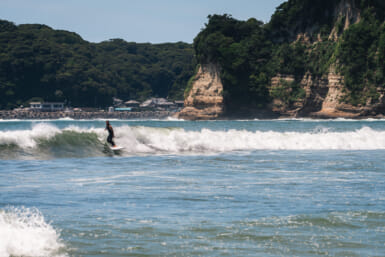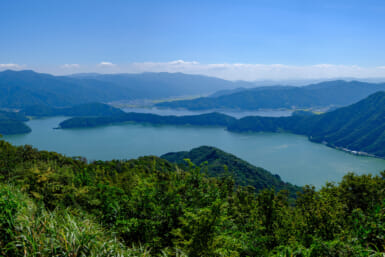

Tucked between misty mountains and a rugged coastline, Oita Prefecture is often celebrated for its hot springs, though there is much more to this vibrant prefecture than just soothing baths. It’s a region boasting stunning landscapes, rustic religious sites, mysterious artifacts and the best barley shochu in Japan.
Home of several iconic shochu brands, it’s also the birthplace of arguably the most famous in the country: Iichiko. Renowned for its clean, smooth barley character, Iichiko reflects the quiet precision and craftsmanship that define Oita’s distilling heritage. During a recent trip to the prefecture, we had the opportunity to see that craftsmanship up close.
Iichiko Shochu Tasting Sessions
We began at the Iichiko Hita Distillery, a vast site run by the prominent beverage company Sanwa Shurui that is particularly enchanting during autumn when the grounds are transformed into a breathtaking spectacle of vibrant red, orange and gold leaves. Stepping inside, we were taken on a fascinating tour (in Japanese) of the distillery to witness Iichiko’s famous brewing process, which uses only barley koji. We also visited the aging cellars where the shochu matures.
The tour ended with a tasting session of three types of Iichiko shochu, which we tried with and without water. Exclusively sold at the Hita Distillery, all of them have an alcohol by volume (ABV) of more than 40%, which is significantly higher than traditional shochu beverages. The pick of the three was arguably the long-aged storage liquor that had a thick and viscous texture, with whisky-like flavor profile.
Our next tasting session was at Mugi no Kura, an elegant dining spot that sells various dishes and beverages all made using local ingredients. It’s located within Karashima Koku no Kura, a stylish sake experience facility opened by Sanwa Shurui in 2022 where visitors can learn about, taste and even brew their own sake. There we sampled a refreshing micro-brewed series called Wakabotan Rinso, paired with some light bites with special miso and red vinegar.
Local Favorites
The snacks at Mugi no Kura served as mouth-watering appetizers for our main meal, which we enjoyed at Kiippon, a casual izakaya with a history dating back more than 50 years. Hugely popular with locals, it’s a great spot to enjoy some Oita specialties such as crispy toriten (chicken tempura) and Ryukyu (fresh fish cut into bite-sized pieces marinated in a mix of soy sauce, mirin, sesame, ginger and more).
To wash the food down, we ordered a variety of drinks at Kiippon before finishing the evening with a couple of cocktails at a nearby sports bar called Bepper’s Tavern. It’s a trendy spot supported by Shinichi Ikeda, a renowned bartender who is considered the man responsible for bringing Japanese cocktail culture to New York City. A place with a real international feel to it, Bepper’s Tavern is known for its burgers, though we settled for side dishes.
Feeling slightly light-headed, it was time to return to our accommodation for the night: Onyado Nono Dormy Inn. A premium edition of the famous Dormy Inn chain of properties, it features modern yet traditional-looking rooms with serta beds on tatami flooring, in addition to segregated hot spring baths that overlook Beppu Bay on the 18th floor of the building. Another attractive feature of the hotel is the buffet breakfast, which includes a mixture of Western dishes and local specialties.
Rokugo Manzan
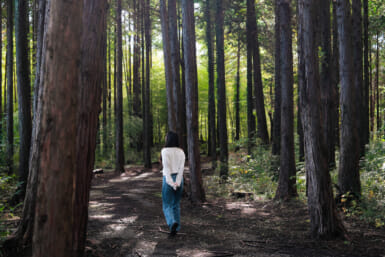
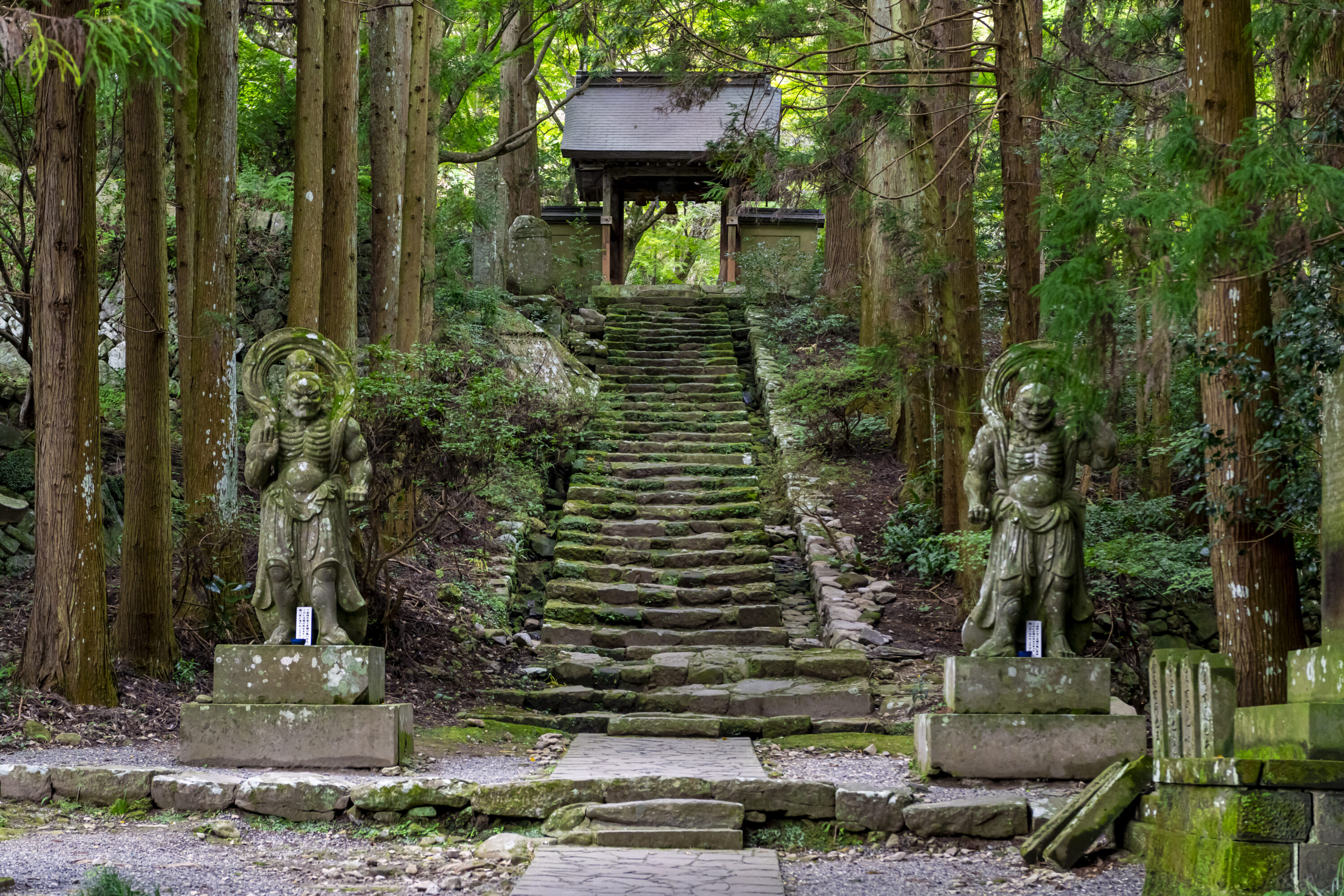
From the hotel, it was just over one hour by car to Futagoji Temple, our first destination of the second day. Midway up Mount Futago in Kunisaki peninsula, it’s a central temple of Rokugo Manzan, a syncretic religious culture built upon the fusion of three distinct spiritual paths: Buddhism, Shintoism and ancient mountain worship. Located deep within the forest, this mystical and serene spot is ideal for deep thought and introspection.
The same could be said for our next spot, Usa Jingu, the spiritual birthplace of Rokugo Manzan. Serving as the head shrine for the approximately 44,000 Hachiman shrines in Japan dedicated to the syncretic divinity of archery and war, it boasts strong ties with the imperial family and has a history dating back more than 1,300 years. Highlights within the shrine’s vast grounds include a sacred crimson red bridge, a giant torii gate and a huge camphor tree that is believed to answer prayers from the heart.
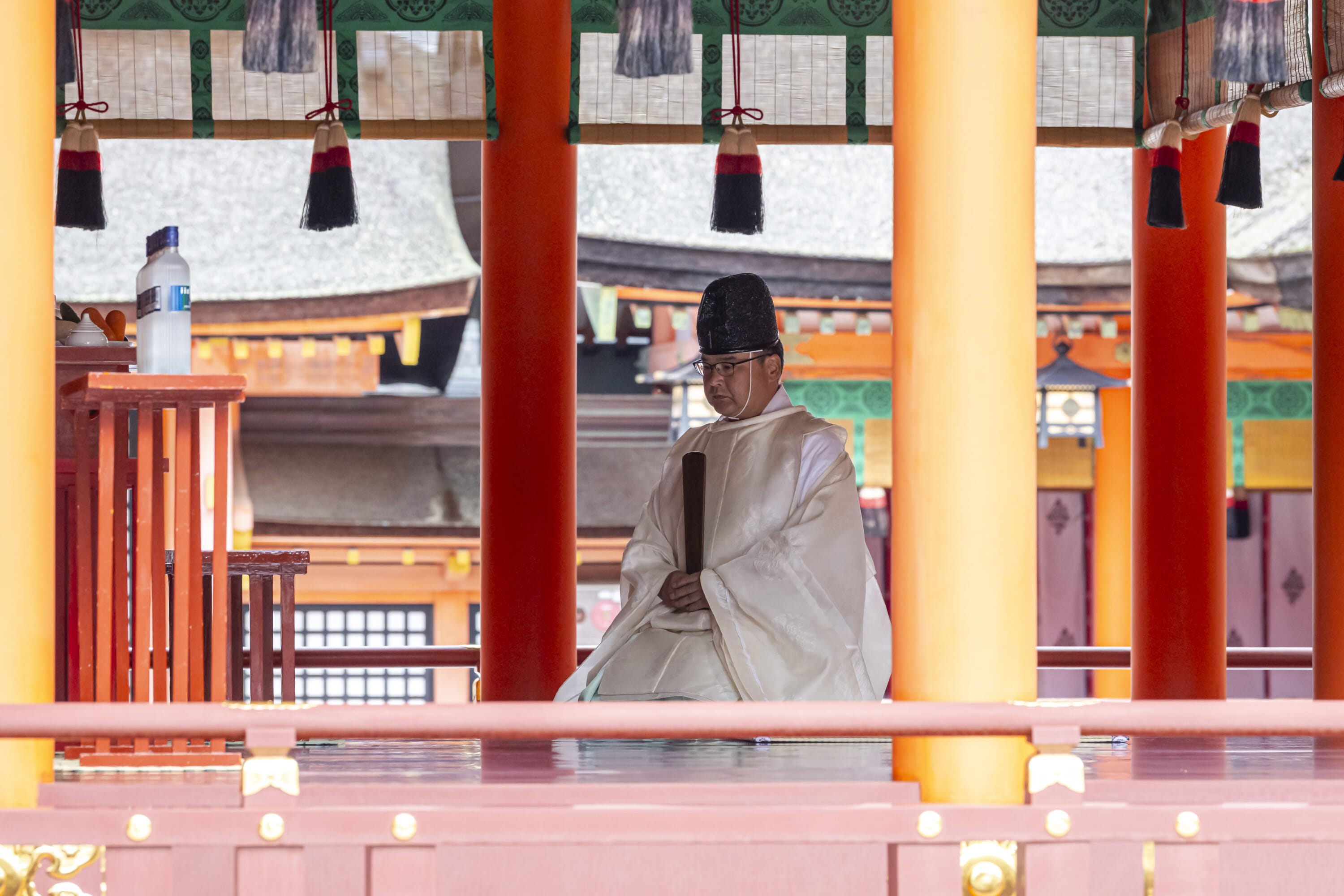
The tree is located in front of the main hall (Jogu). Designated as a national treasure, the striking structure consists of two gabled, hirairi-style buildings connected front to back. While visitors can offer prayers from outside Jogu — the etiquette at Usa Jingu is two bows, four claps, one bow — entrance to the inner main sanctuary is prohibited. On this day, however, we were granted permission to enter to witness a prayer and offering ceremony.
Iichiko Saiten’s Prayer and Offering Ceremony
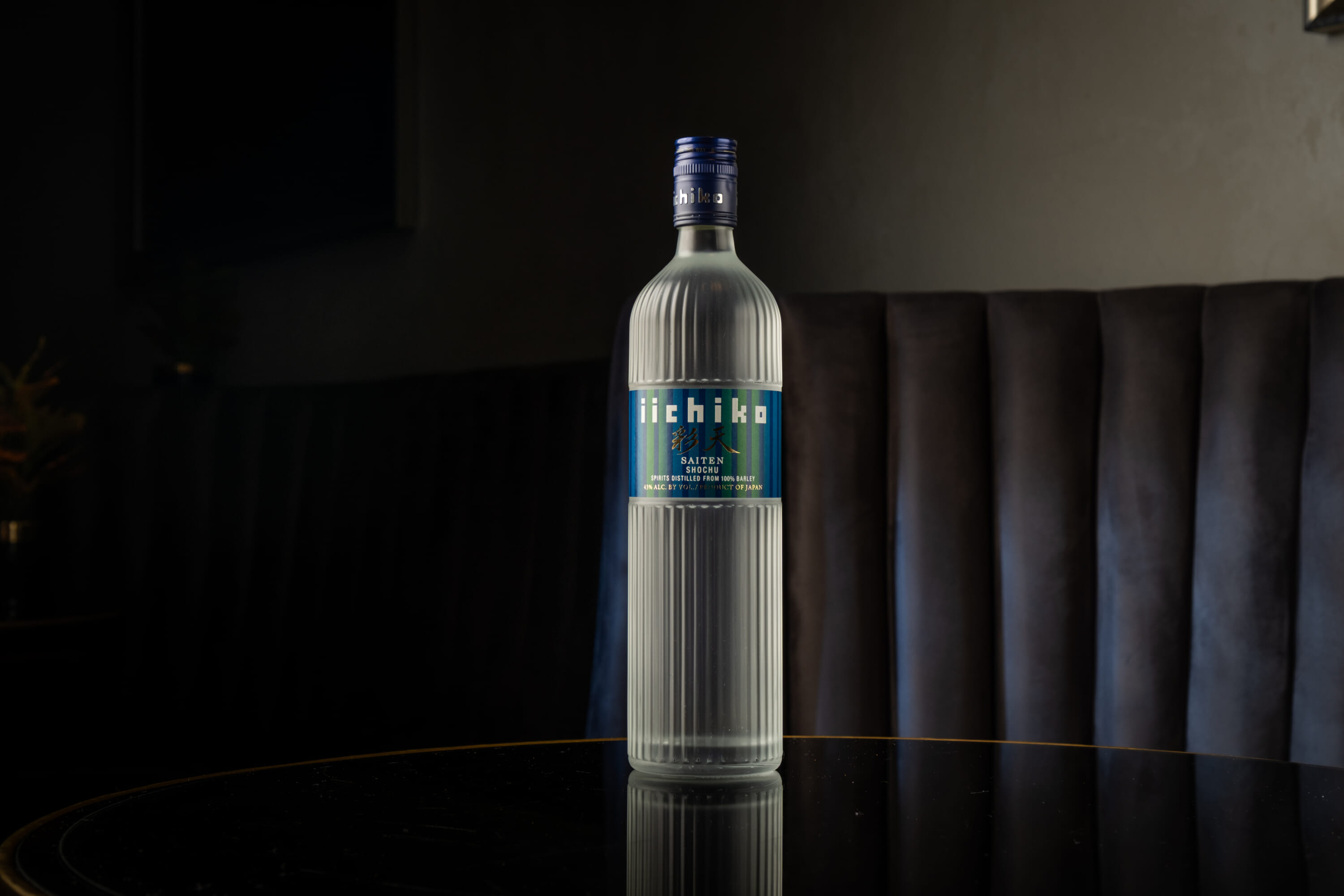
The ceremony was held to pray for the continued success of Iichiko Saiten, a premium, full-flavored barley honkaku shochu with 43% ABV that was jointly developed by American bartenders and the Iichiko team for two years ahead of its launch in the States in 2019. The drink finally arrived in Japan in 2025, and became an immediate hit. Designed specifically for cocktails, it is a complex shochu featuring rich umami flavors, followed by a subtle sweetness and bitterness.
In attendance at the ceremony to pray for the drink’s success were several esteemed individuals from the beverage industry, including Hidetsugu Ueno, president of the Nippon Bartenders’ Association. Along with the main bottle, three original cocktails, made using Iichiko Saiten, were offered before the shrine. This included Shinkiku, featuring a limited release Ajimu wine and Grenadine syrup, and Tenku no Koji, with blue curaçao, fresh lemon juice and black sambuca.
The best of the three, though, was White Koji Lady, a reinterpretation of the classic White Lady cocktail, with gin being substituted for Iichiko Saiten. This and the other two cocktails were paired with various light dishes, including a wild boar meat pie and a delightful original wagashi (Japanese sweet) infused with Iichiko Saiten. While feasting on those culinary delights, we were treated to a special taiko performance on a Noh theater stage on Higashiike Pond. An audiovisual spectacle to conclude what had been a memorable tour.