Walk by Tokyo’s Imperial Palace recently, and you’d think something historic was taking place. Before sunrise, you can find a crowd of visitors wrapped in scarves and padded coats lined up outside. In reality, though, they’re gathered for something far more unexpected — the official Imperial Palace wallets, which are sold on palace grounds, have become an object of obsession lately, drawing hundreds of people into all-night queues in the rain and freezing temperatures.
The frenzy feels almost surreal. A modest leather wallet — once a low-key souvenir sold at the two shops in the Imperial Palace East Gardens — is now selling out daily, prompting purchase limits and repeat visits from hopeful buyers. Online, the hype has escalated even further, with resale prices on platforms like Mercari reaching up to 24 times the original retail price. What was once a simple souvenir that has been around since the Showa Era has somehow crossed into cult-item territory.
The Reason Everyone Is Obsessed
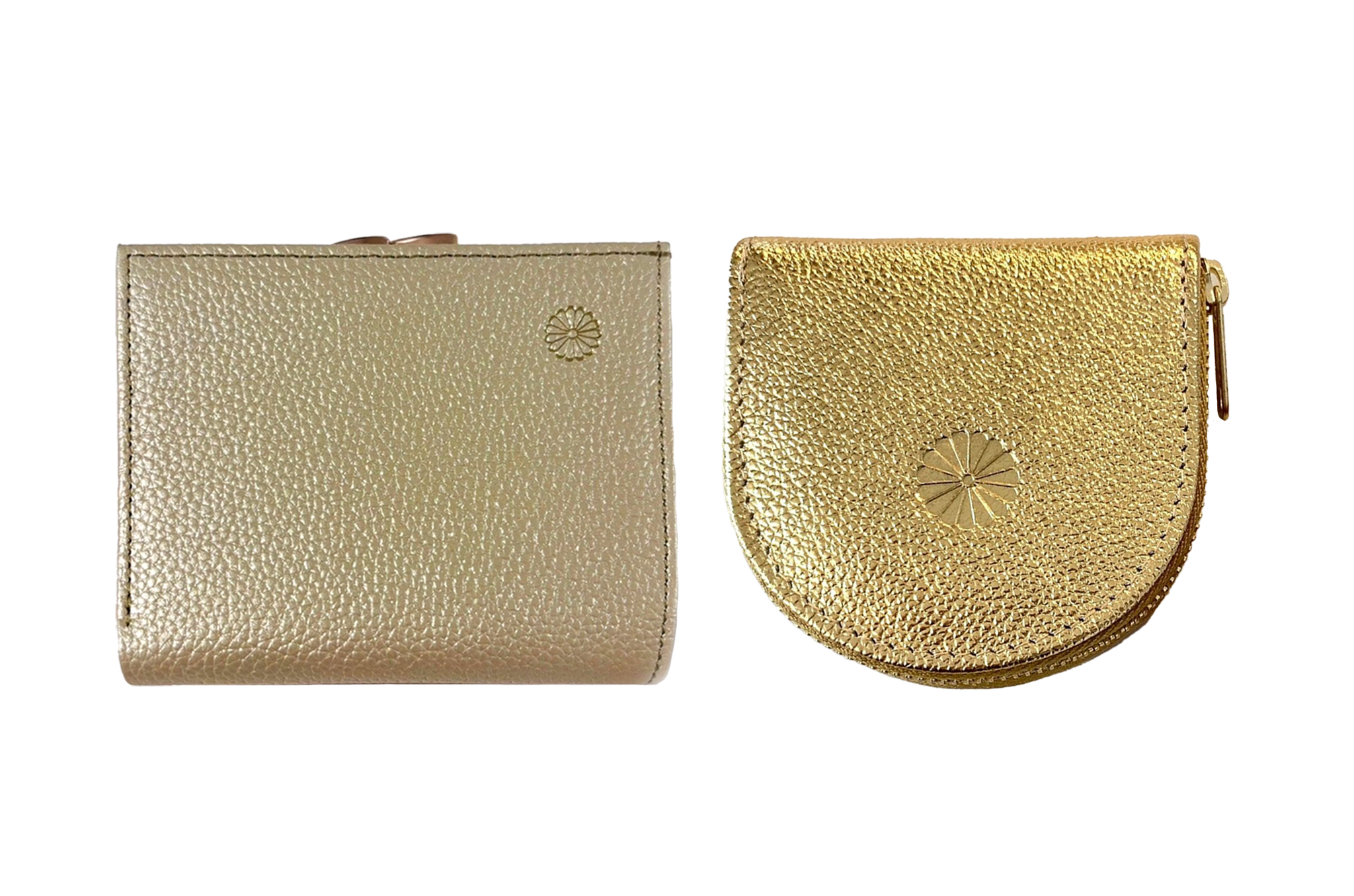
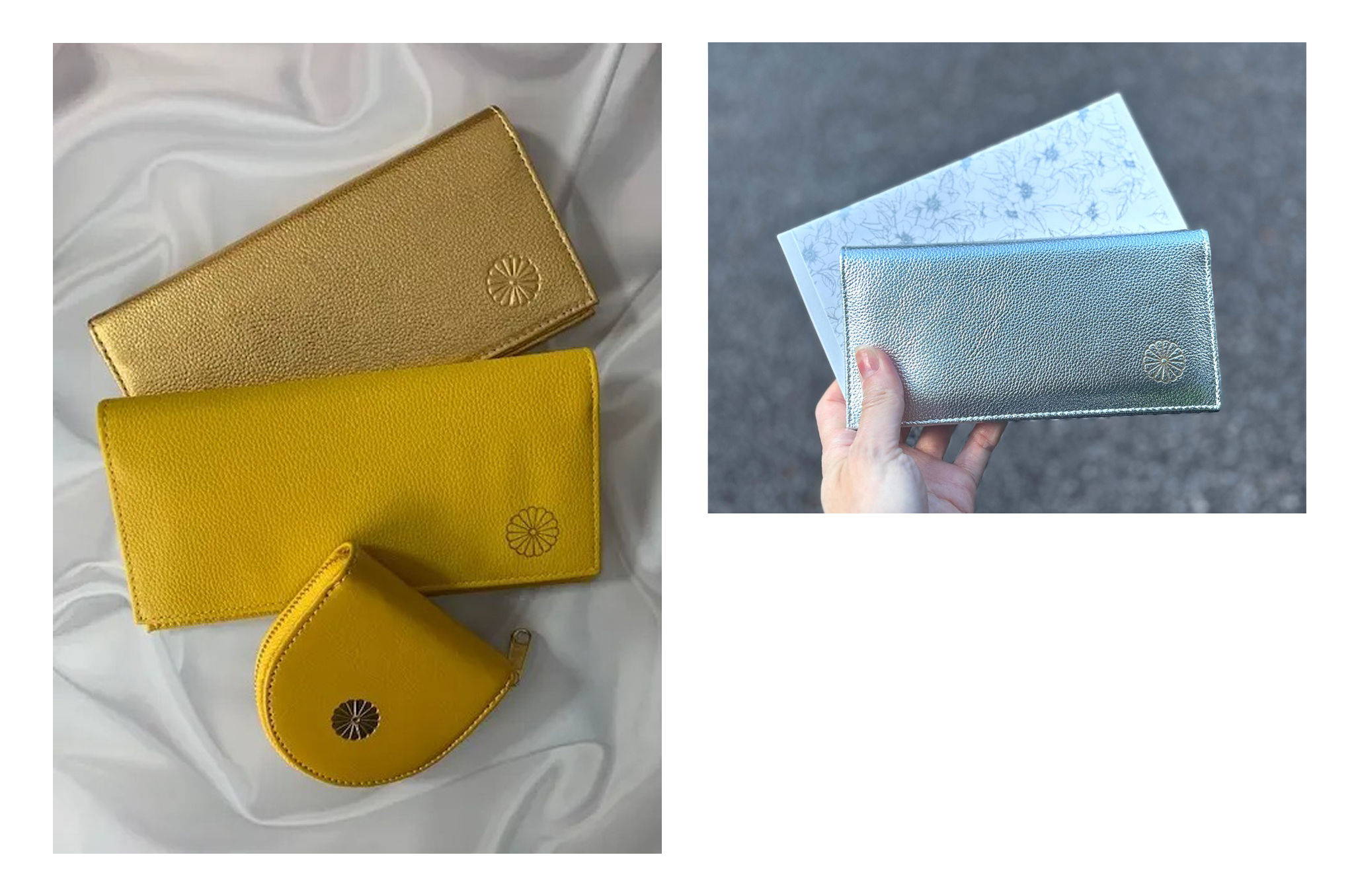
Appearance-wise, the wallets are disarmingly simple. They feature the chrysanthemum crest, a symbol of the Imperial Household, and come in a range of styles like clasp wallets, long wallets and coin purses which are priced from around ¥1,200 to ¥5,000.
So why the obsession? Part of it is quality. Made from genuine leather with careful stitching and solid construction, the wallets are still reasonably priced compared to high-brand counterparts. Shoppers consistently remark on how “luxurious” they feel in hand despite their unassuming appearance. Then there’s the simple design: The wallets come in gold, silver, yellow and also pastel hues like pink-beige and muted neutrals. Steering away from flashy logos or decorations, they are embellished only with a tiny chrysanthemum motif in gold foil.
These wallets aren’t mass-produced either, with only around 100 made per day. At the same time, their surprisingly low price point is also intentional. According to the Kikuba Cultural Association, which oversees the sales, the organization operates as a public interest foundation and does not prioritize profit. By sourcing the wallets directly from contracted factories, they are able to keep costs down without compromising on materials or craftsmanship.
And of course, there could be a quiet sense of national pride at play as you would be owning something officially tied to the Imperial Palace.
Wallets Gone Viral
According to Japanese news reports, people have been lining up outside the Imperial Palace from as early as 3 a.m., braving the elements for a chance to purchase the wallets when sales begin in the morning. Footage and interviews also show buyers rushing into the stores after opening and purchasing several wallets at once.
While the wallets are often described as “elegant” or “refined,” not everyone is charmed by the behavior surrounding the boom. Some online users have also pointed out the contradiction in bulk-buying them.
“People say they’re classy and tasteful, but buying them in large quantities and causing trouble for others is hardly classy at all,” one comment reads. As resale listings continue to climb, frustrations have also spilled over into harsher language. “They’re being sold for outrageous prices on Mercari,” wrote another user, before adding — more hyperbolically — “The resellers should be punished for disrespect.”
While purchase limits have since been introduced on December 13, the steady stream of early-morning queues suggests demand shows little sign of slowing. It has also been reported that the manufacturer is currently struggling to keep up with demand, though it remains unclear how long this sudden surge in popularity will last.
Related Posts
- How Fuyuki Shimazu Upcycles Cardboard Boxes to Create Designer Wallets
- Follow the Money: A Travel Guide to Japanese Banknotes
- Meet Mirumi: A Fuzzy Little Robot Bag Charm That Moves
Updated On December 17, 2025