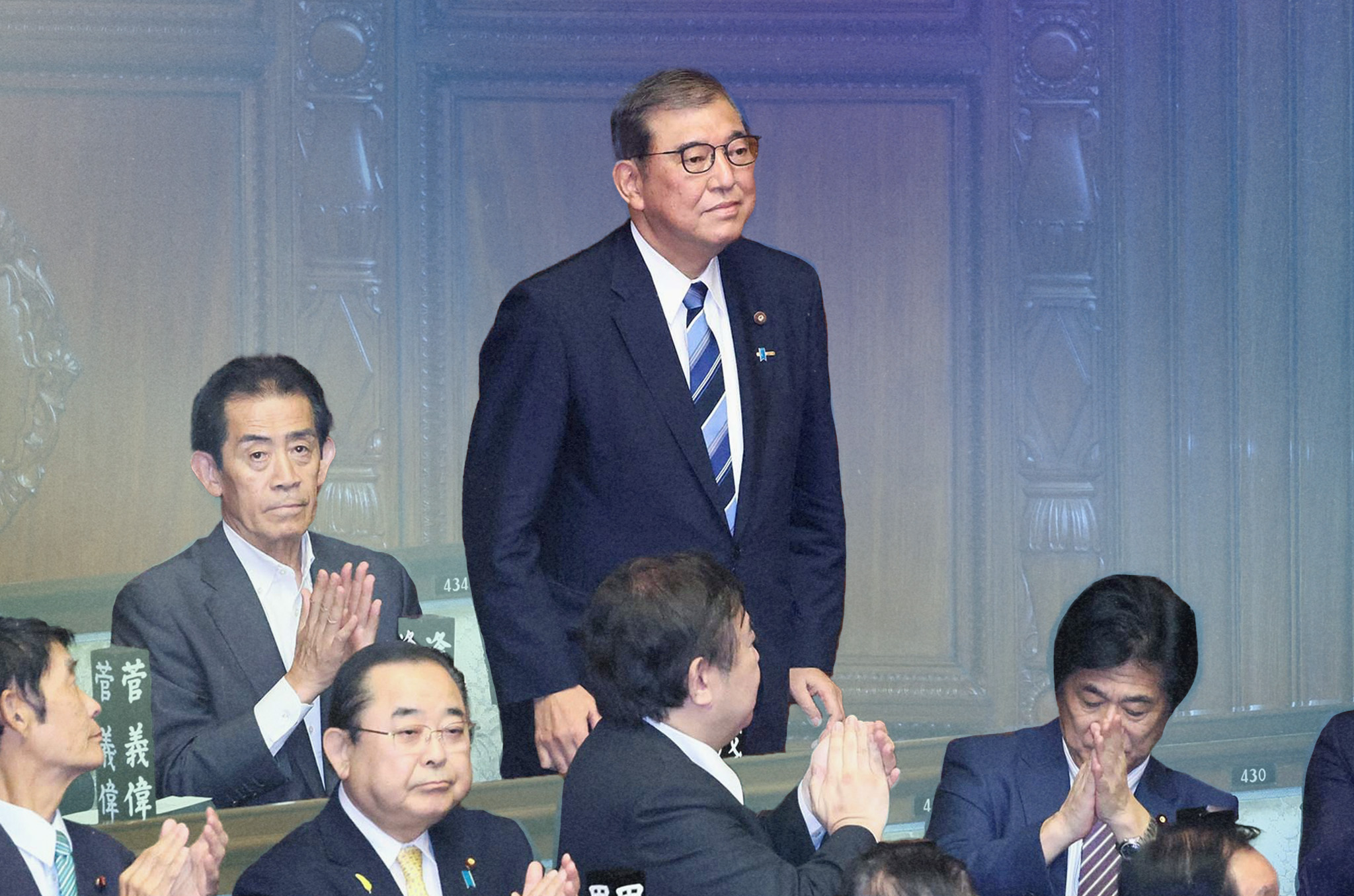
On Sunday, Japan’s Prime Minister Shigeru Ishiba announced he will resign now that the tariff negotiations with the US have been completed. Speaking at a press conference, the 68-year-old said he had informed the Liberal Democratic Party (LDP) to hold an emergency leadership race. In the meantime, he will continue with his duties until a successor is elected. Ishiba’s resignation comes after two disastrous election results. The LDP and their junior coalition party, Komeito, lost their majority in the lower house vote last October. They then met with the same fate in the upper house election in July.
Following the upper house election, local media reported that the prime minister was expected to resign at the end of August. Ishiba denied those rumors. Pressure from inside the party, though, has continued to mount, with LDP members demanding that he take responsibility for the disappointing election results. One of his most vocal critics has been Taro Aso, who served as prime minister from 2008 to 2009. He told TV Asahi that he “couldn’t accept” Ishiba staying on. Stay on he did, though, so disaffected parliament members discussed ways of forcing him out.
Shinjiro Koizumi and Yoshihide Suga Reportedly Encouraged Shigeru Ishiba To Resign
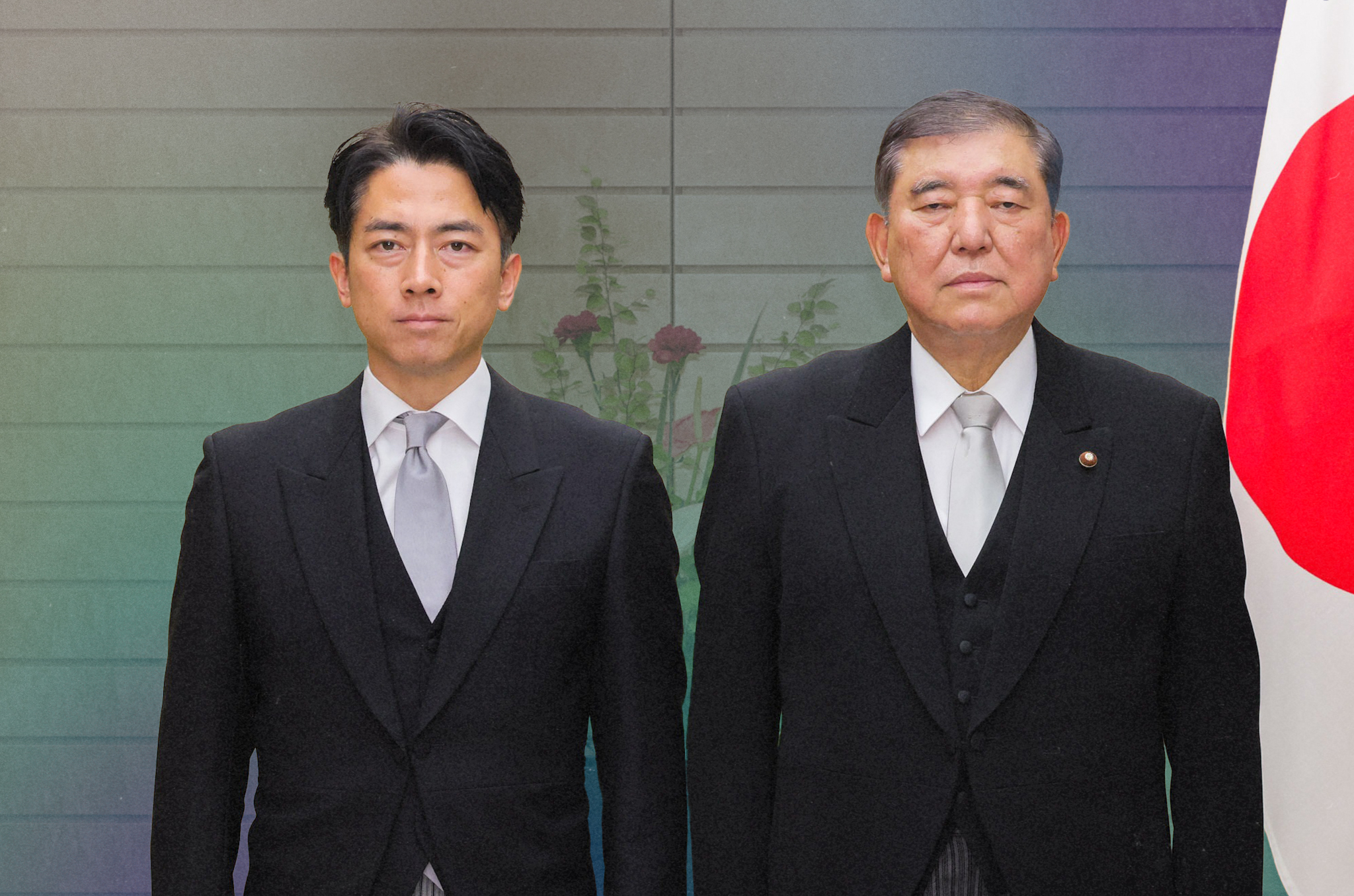
The party was due to make a decision today on whether to hold an early presidential election — it wasn’t due until 2027 — a virtual no-confidence motion against Ishiba if approved. In the end, he made the decision for them. A day before the announcement, Ishiba met with Agriculture Minister Shinjiro Koizumi and former Prime Minister Yoshihide Suga at his official residence. It is believed that the pair suggested that he resign ahead of Monday’s vote to prevent a split within the party. In 2021, Koizumi also reportedly encouraged Suga to step down.
“I always said that I wouldn’t cling to this post, and would decide to resign at an appropriate time after doing what I needed to do,” said Ishiba at the televised press conference. “Now’s the time for me to resign as the negotiations on US tariffs have come to an end, and I decided to pass the baton to the next person. I made a painful decision to step down, thinking about some issues I needed to accomplish. I thought a decisive division within the party could be created if the issue of an extraordinary presidential election continued to develop. That’s not what I wanted.”
Potential Successors
Attention now turns to the race to succeed him. The two early front-runners are Koizumi and Sanae Takaichi. A hawkish politician who often cites Margaret Thatcher as her role-model, Takaichi is keen to revise Japan’s pacifist Constitution. She also opposes same-sex marriage as well as dual surnames after marriage. If elected, she would become Japan’s first ever female prime minister. Koizumi, meanwhile, would become the country’s youngest ever leader in the modern era if elected. He topped a joint opinion poll in June, asking the public who they wanted as the nation’s next prime minister.
Related Posts
- Shigeru Ishiba Denies Rumors He Will Resign at the End of August
- LDP-Led Coalition Lose Upper House Majority, Ishiba Vows To Continue as Prime Minister
- 10 Facts About Shigeru Ishiba: Japan’s New Prime Minister
Updated On September 8, 2025