Anime songs, also known as anison, are more than just catchy intros. Anison is actually a well-established genre within Japan’s music industry, with dedicated artists, composers and fans who celebrate these songs both inside and outside the anime community.
Many anison tracks become mainstream hits, performed at concerts and karaoke bars nationwide, reflecting their wide appeal beyond just being theme music for shows.
Whether you’re just starting to notice how great the music is, or you’ve watched an entire series solely because you liked its theme, here’s a guide to the world of anime songs — and exactly why they stick with us.

Types of Anime Songs
Anime music blends storytelling and sound. Opening (OP) and ending (ED) themes are often written specifically for a series, echoing its themes or characters’ emotional arcs. From intense battle tracks to tearful piano solos, anime songs span every genre, and often top Japanese music charts too.
The various types of anison are broadly categorized into four genres:
- Opening Themes (OPs): Usually upbeat or dramatic, setting the tone at the beginning of the episode.
- Ending Themes (EDs): Often slower, offering emotional reflection after each episode.
- Insert Songs: Played during major scenes, including fights, deaths or confessions.
- Character/Image Songs: An interlude spliced into episodes in key moments for a character’s development, often performed by the characters’ voice actors. These themes offer extra insight into a character.
A Brief History of Anison
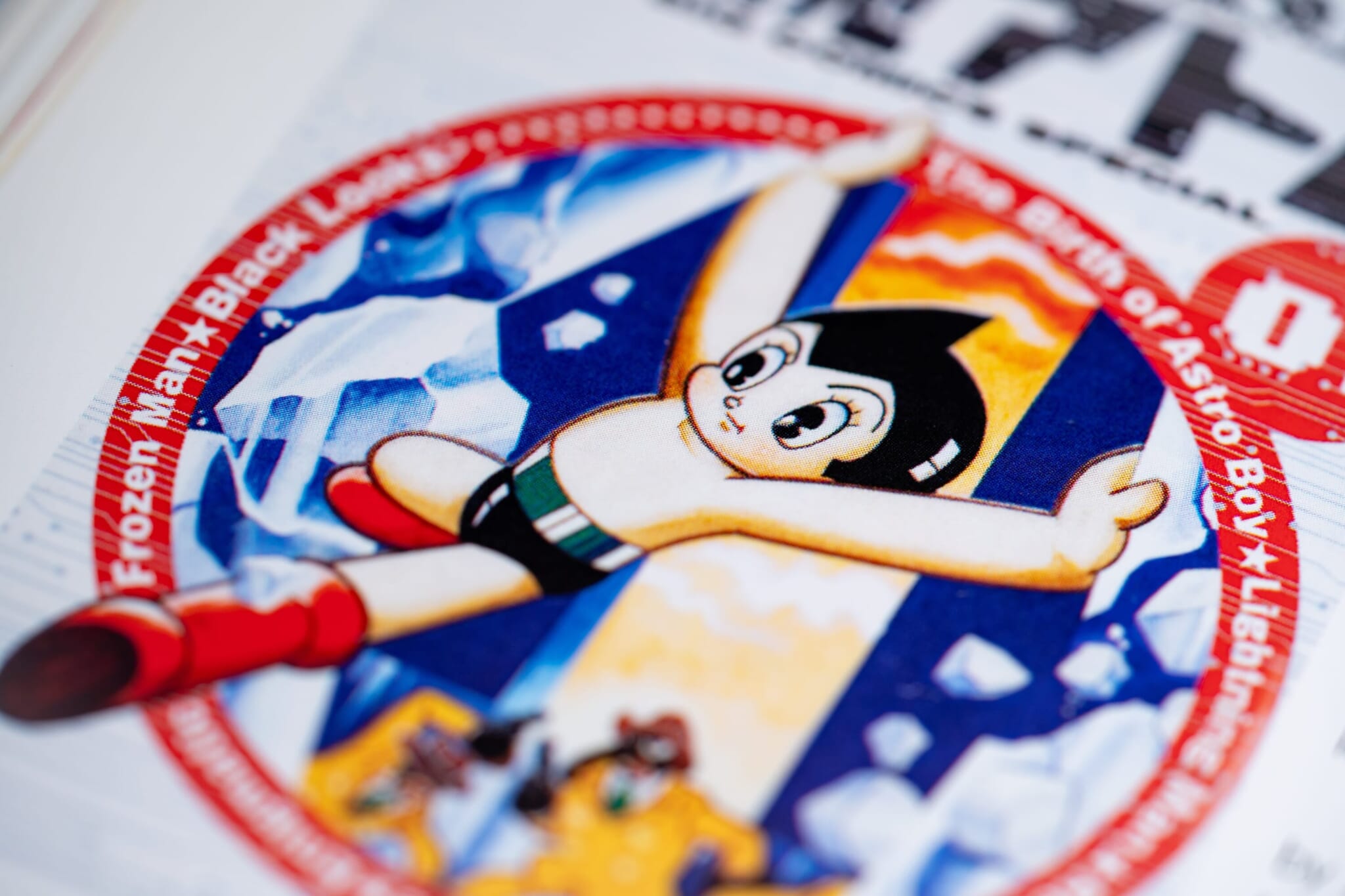
Anime music gained momentum in the 1960s with upbeat, kid-friendly themes like Osamu Tezuka’s Astro Boy — simple, catchy and easy to sing along to. By the ’70s and ’80s, series like Lupin the Third and Gundam introduced more dramatic, orchestral intros that matched the rising intensity of anime storytelling.
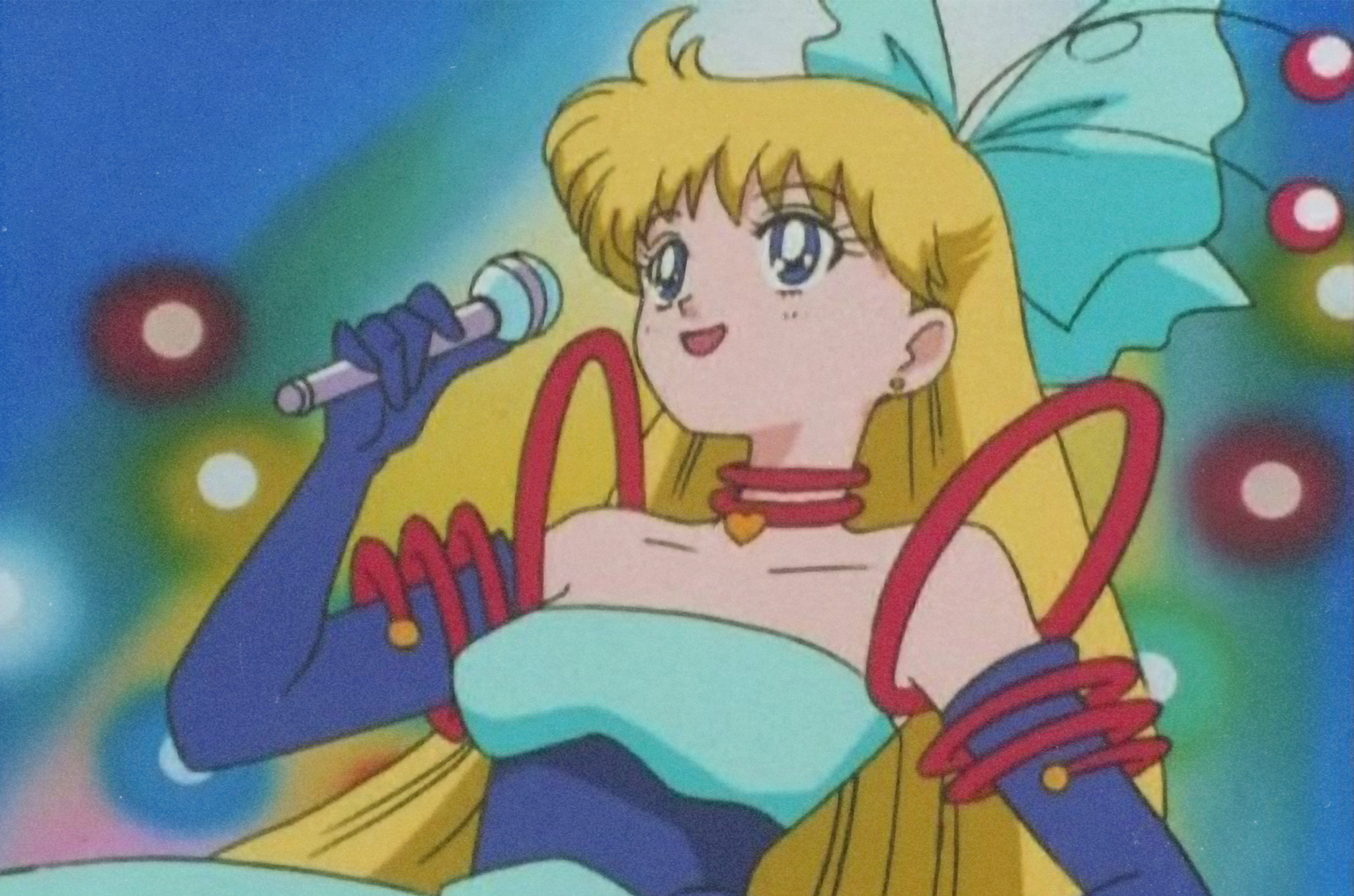
The 1990s, often considered the golden age of anime, marked a turning point. Songs like “A Cruel Angel’s Thesis” from Neon Genesis Evangelion became pop culture phenomena, blurring the line between anime theme and mainstream J-pop. Other hits like Sailor Moon’s “Moonlight Densetsu” and Cowboy Bebop’s “Tank!” helped anime songs climb real music charts.
In the 2000s, artists like Yui, Ikimono Gakari and UVERworld brought rock and emotional ballads into the anime space, while seiyuu (voice actors) began holding concerts and releasing albums. Anime songs were no longer just theme music but full-fledged hits.
With the rise of streaming in the 2010s and global smash hits like “Gurenge” from Demon Slayer and “Unravel” from Tokyo Ghoul, anison reached a worldwide audience. Today, anime music is a vital piece of modern Japanese pop culture.

Starter Playlists
You can know as many facts about anison as you want, but nothing beats actually listening to them. Here’s a starting list of songs to get you familiarized in the extensive world of anime music. Happy bopping!
Classics / Must-Know Anime Songs
These are the timeless hits. Whether you’re at karaoke or a convention, people will know these — and you should too.
Cruel Angel’s Thesis – Yoko Takahashi (Neon Genesis Evangelion)
Tank! – The Seatbelts (Cowboy Bebop)
Guren no Yumiya – Linked Horizon (Attack on Titan)
Gurenge – LiSA (Demon Slayer)
Silhouette – Kana-Boon (Naruto Shippuden)
Again – Yui (Fullmetal Alchemist: Brotherhood)
We Are! – Hiroshi Kitadani (One Piece)
Moonlight Densetsu – Dali and Misae Takamatsu (Sailor Moon)
Departure! – Masatoshi Ono (Hunter x Hunter)
Blue Bird – Ikimono Gakari (Naruto Shippuden)
Peace Sign – Kenshi Yonezu (My Hero Academia)
Unravel – Toru Kitajima (Tokyo Ghoul)
Odd Future – UVERworld (My Hero Academia)
Fly High!! – Burnout Syndrome (Haikyuu!!)
Recent Hits (2020–2025)
Songs that have dominated anime TikTok, YouTube and Spotify recently. You might have heard them or seen trending dances to it, without even realizing that they were related to anime.
Idol – Yoasobi (Oshi no Ko)
Kick Back – Kenshi Yonezu (Chainsaw Man)
Zankyosanka – Aimer (Demon Slayer)
Specialz – King Gnu (Jujutsu Kaisen: Shibuya Incident Arc)
Bling-Bang-Bang-Born – Creepy Nuts (Mashle: Magic and Muscles)
Iro Kousui – Yoh Kamiyama (Horimiya)
Paradox – Survive Said The Prophet (Vinland Saga Season 2)
Kaibutsu – Yoasobi (Beastars)
Mixed Nuts – Official Hige Dandism (Spy x Family)
Kaikai Kitan – Eve (Jujutsu Kaisen)
Homura – LiSA (Demon Slayer The Movie: Mugen Train)
Request – krage (Solo Leveling)
Niche Picks
These are more niche, genre-diverse or cult-favorite picks that show you’re a real anime music head. Don’t worry, we won’t tell anyone you found them from this list.
Fuyu no Hanashi – Given (Given)
Boy – King Gnu (Ranking of Kings)
Hikarunara – Goose house (Your Lie in April)
Sakura Kiss – AmaLee (Ouran High School Host Club)
Ride on Shooting Star – The Pillows (FLCL)
U – millennium parade × Kaho Nakamura (BELLE)
Inferno – Mrs. Green Apple (Fire Force)
Deal with the Devil – Tia (Kakegurui)
Lilium – Kumiko Noma (Elfen Lied)
Hacking to the Gate – Kanako Itō (Steins;Gate)
For Fruits Basket – Ritsuko Okazaki (Fruits Basket 2001)
Namae no Nai Kaibutsu – Egoist (Psycho-Pass)
Inner Universe – Origa (Ghost in the Shell: Stand Alone Complex)
Shiver – The Gazette (Kuroshitsuji II)
Fiction – sumika (Wotakoi: Love is Hard for Otaku)
How To Enjoy the World of Anison
Listening is just the beginning. Part of what makes anime music so special is how it brings people together, whether online or in-person. Watch anime with friends and pay attention to how the music shapes each episode. Play the music videos or live performances on YouTube (there are some iconic The First Take episodes with popular anime hits) and you’ll fall in love with the passion and talent of the artists.
If you want to go deeper, you can join virtual anison events or a fan community: Discord servers, subreddits and even YouTube comments sections can be surprisingly wholesome spaces to trade recommendations. And if you’re feeling bold, head to a convention or an anison club night, where you can belt out your favorite OPs or experience glow stick choreography up close.
Yes, that’s a thing: fans at concerts often bring penlights and memorize choreographed movements to support their favorite performers in sync. Learning a call-and-response or perfecting a glow stick routine sounds intense, but there’s something uniquely immersive (and oddly cathartic) about dancing in time with thousands of other fans, all to the beat of a show you love.
Whether you’re queuing up playlists or planning your next karaoke night, diving into anison is one of the most joyful ways to celebrate the anime you love.
Related Posts
- 5 Things You May Not Know About Evangelion’s ‘A Cruel Angel’s Thesis’
- The Most Popular Anime Songs To Sing At Karaoke in 2024
- A Guide to Nakano Broadway: Tokyo’s Subculture Paradise
Updated On July 31, 2025