
For decades, Atami was famed as Japan’s glamorous seaside escape, a place where Showa-era Tokyoites came to unwind in hot springs. Today, it remains suffused with an enchanting retro aura — think charming arcade shopping streets, retro kissaten cafes and misty onsen that feel older than time.
About 30 minutes from Tokyo by Shinkansen, Atami is the kind of getaway that feels almost too convenient — compact, walkable and easy to wander without a plan. And because the city hosts seasonal events like fireworks, festivals and celebrations almost weekly, there’s always something happening.


Atami Onsen and Shrines
Atami’s story begins with water. The town’s name literally means “hot sea,” a reference to its legendary hot springs dotting its shores. One of its lesser known — and most fascinating — onsen sources lies hidden in an unassuming cave above town. Discovered more than 1,300 years ago, Hashiri-yu is a rare horizontal hotspring source, with waters that gush forth from the cliff side. It’s often regarded as one of Japan’s three oldest hot springs.
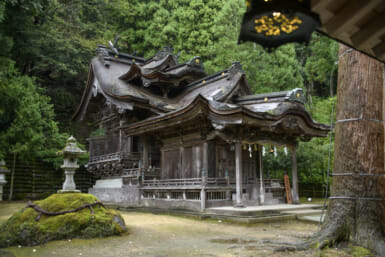
About a 20-minute walk for Hashiri-yu, you’ll find Izusan Shrine, a sacred site that dates back over a millennium and was a center for Shugendo, a form of mountain asceticism. Izusan is also protected by its two guardian deities, a pair of red and white dragons known as Sekibyaku Niryu. The red dragon governs fire, the white governs water, and together they’re believed to create the hot springs that have sustained Atami for ages. Their presence explains the shrine’s reputation as a potent spiritual “power spot.”
Atami’s Stunning Fuji Views and MOA Museum of Art
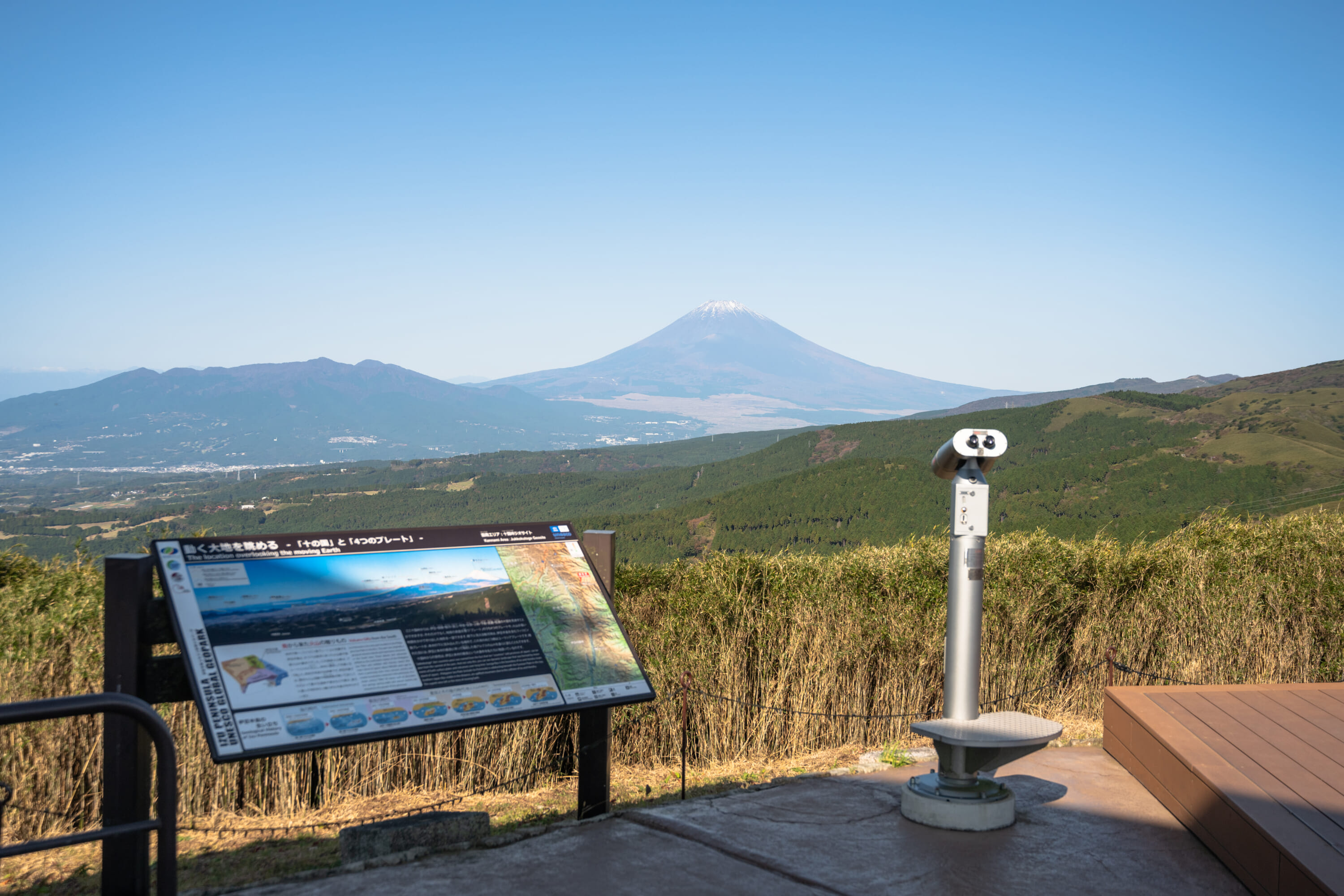
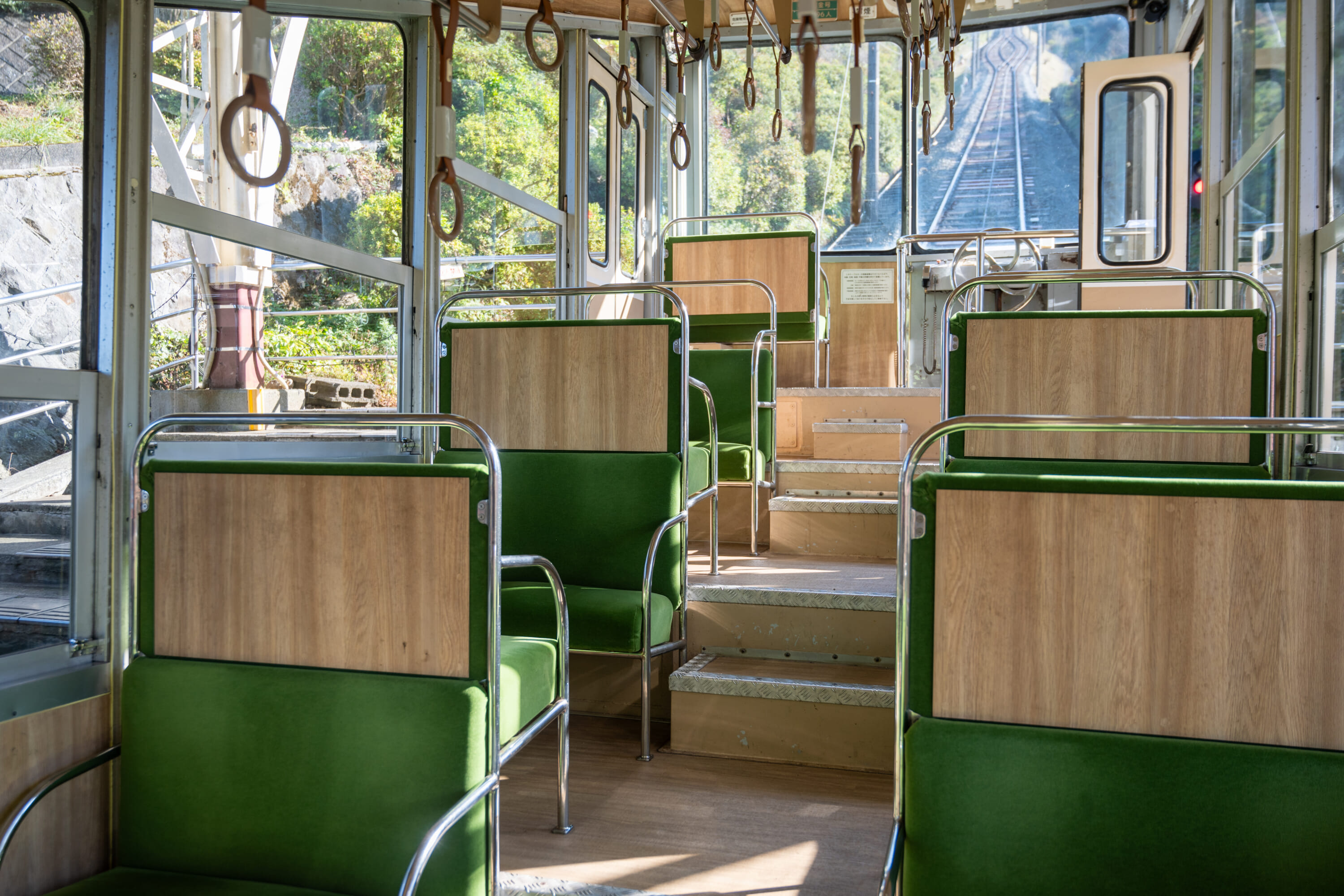
For a moment that feels cinematic, ride the vintage cable car up to the Jukkoku Pass Observation Deck. Set on the peak of a mountain, it offers a stunning panoramic view: Mount Fuji rises like a quiet giant in the distance while the sea flashes far below. The space is dotted with photo spots, wooden platforms and hammocks that are perfect for lounging. While you’re there, stop by Tengoku Cafe to sip on refreshing drinks while taking in the scenery.
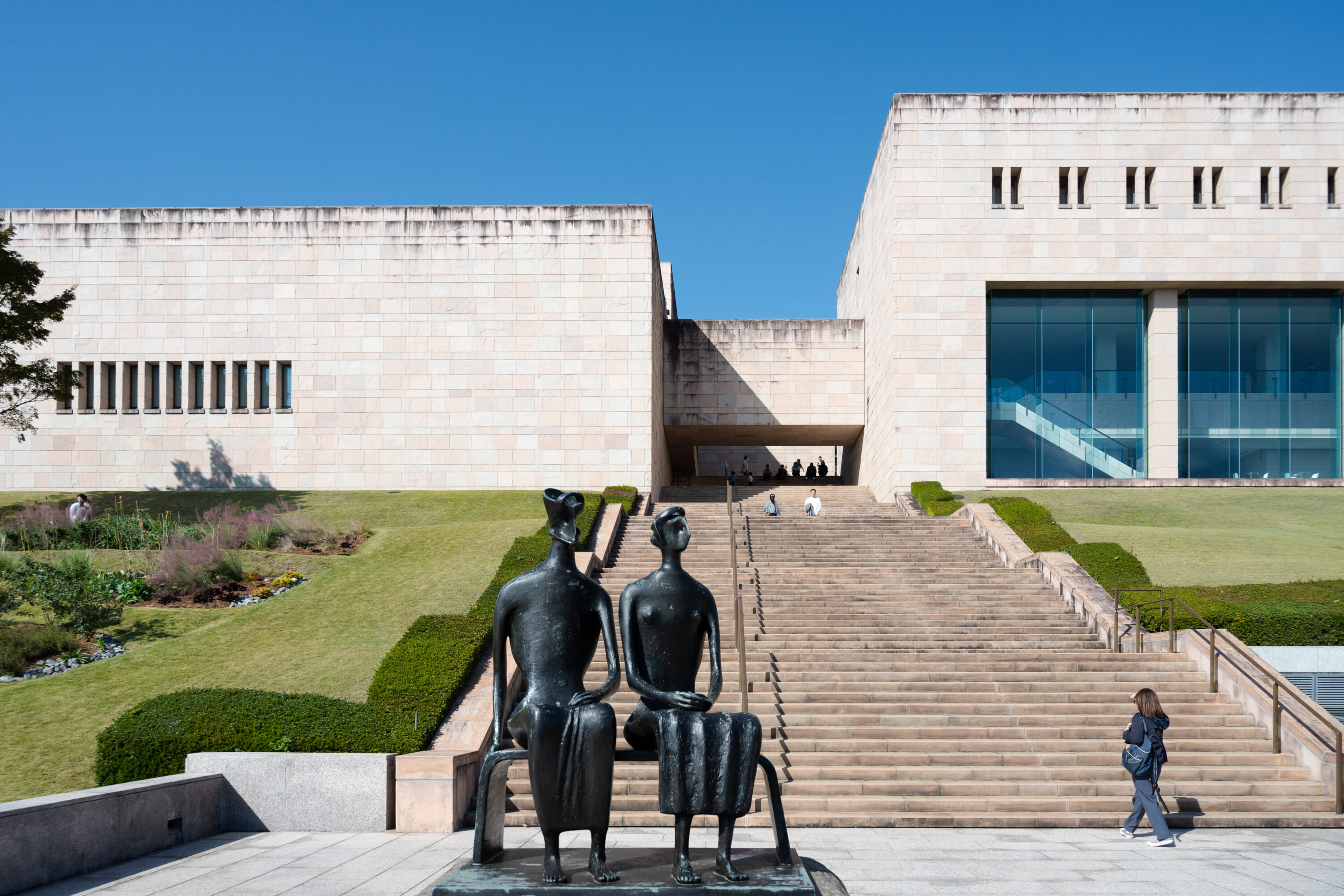
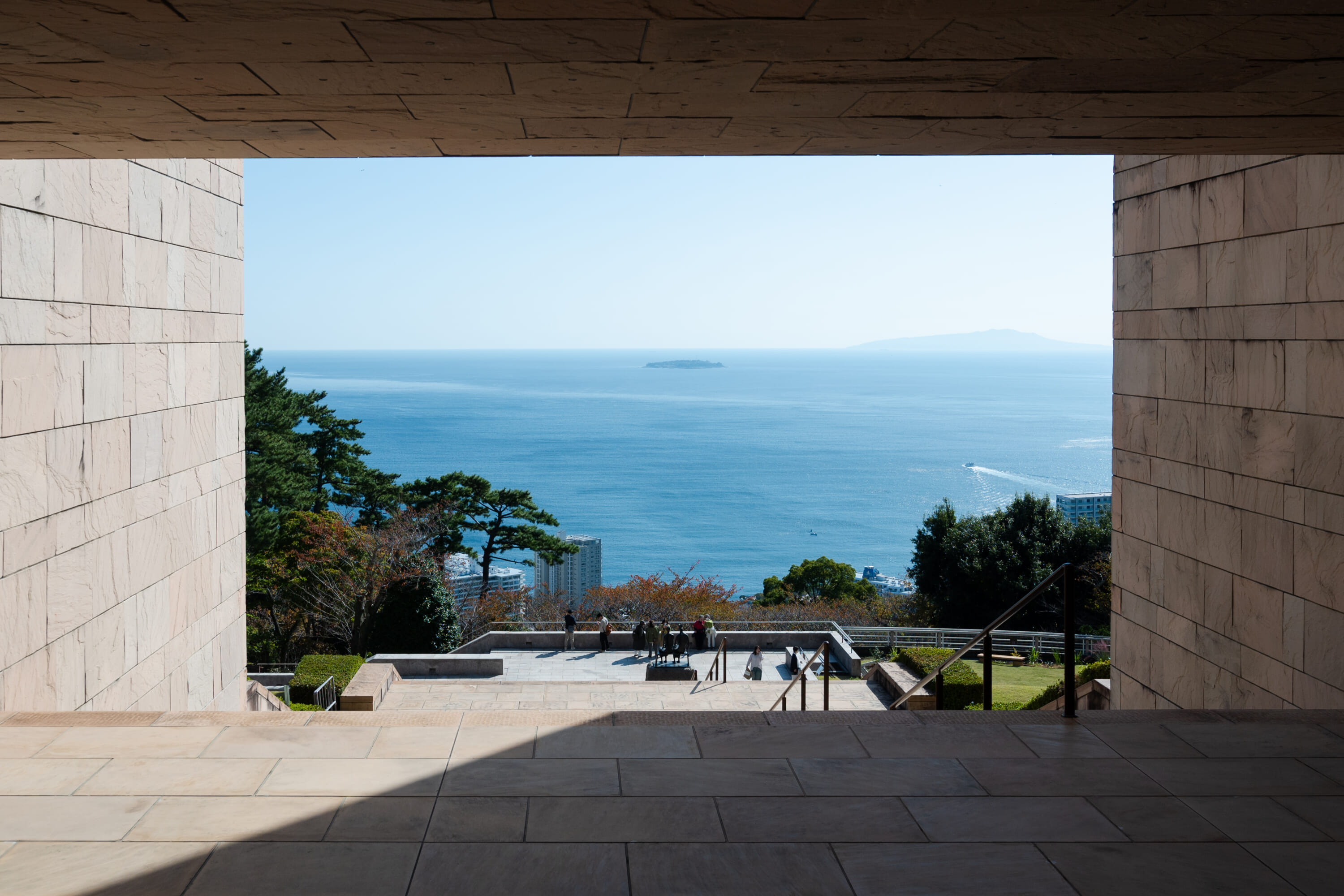
Another can’t-miss destination is MOA Museum of Art. Its architecture alone feels worth the trip — neo-futuristic, illuminated escalators, sweeping staircases that overlook the Pacific Ocean. Focusing primarily on East Asian art, the museum has a core collection that contains three National Treasures and numerous Important Cultural Properties. Once you’ve seen everything, step outside and wind down in a serene Japanese garden fitted with a teahouse that serves up freshly whisked matcha along with seasonal wagashi confections.

Charming Retro Kissaten
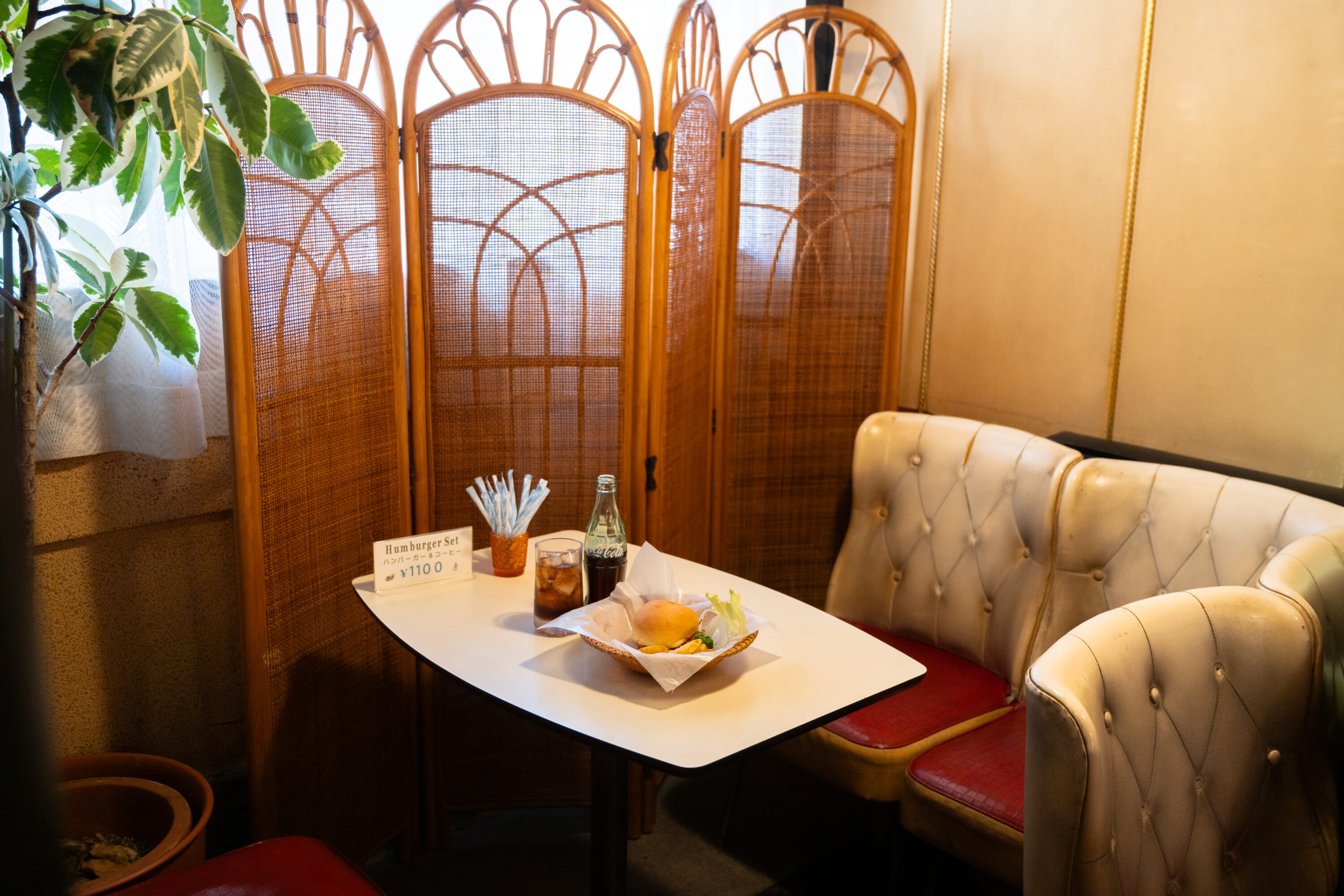
No visit to Atami feels complete without stepping into one of its nostalgic kissaten. Among the most endearing is Bonnet, a beloved local cafe tucked into a small alley off the Ginza main street. Established in 1952 as a jazz kissaten, Bonnet is known for American-inspired diner classics — handmade hamburger buns, fluffy tamago sando, fresh fruit juices and old-fashioned lemon squash.
Inside, time seems to have paused somewhere in the 1950s; the decor remains untouched, and the cafe is still lovingly run by an elderly couple now in their nineties, offering a warmth and charm that feels increasingly rare.
More Info
Plan your trip to Atami on visitatami.com, and follow the tourism bureau’s Instagram at @visitatami.