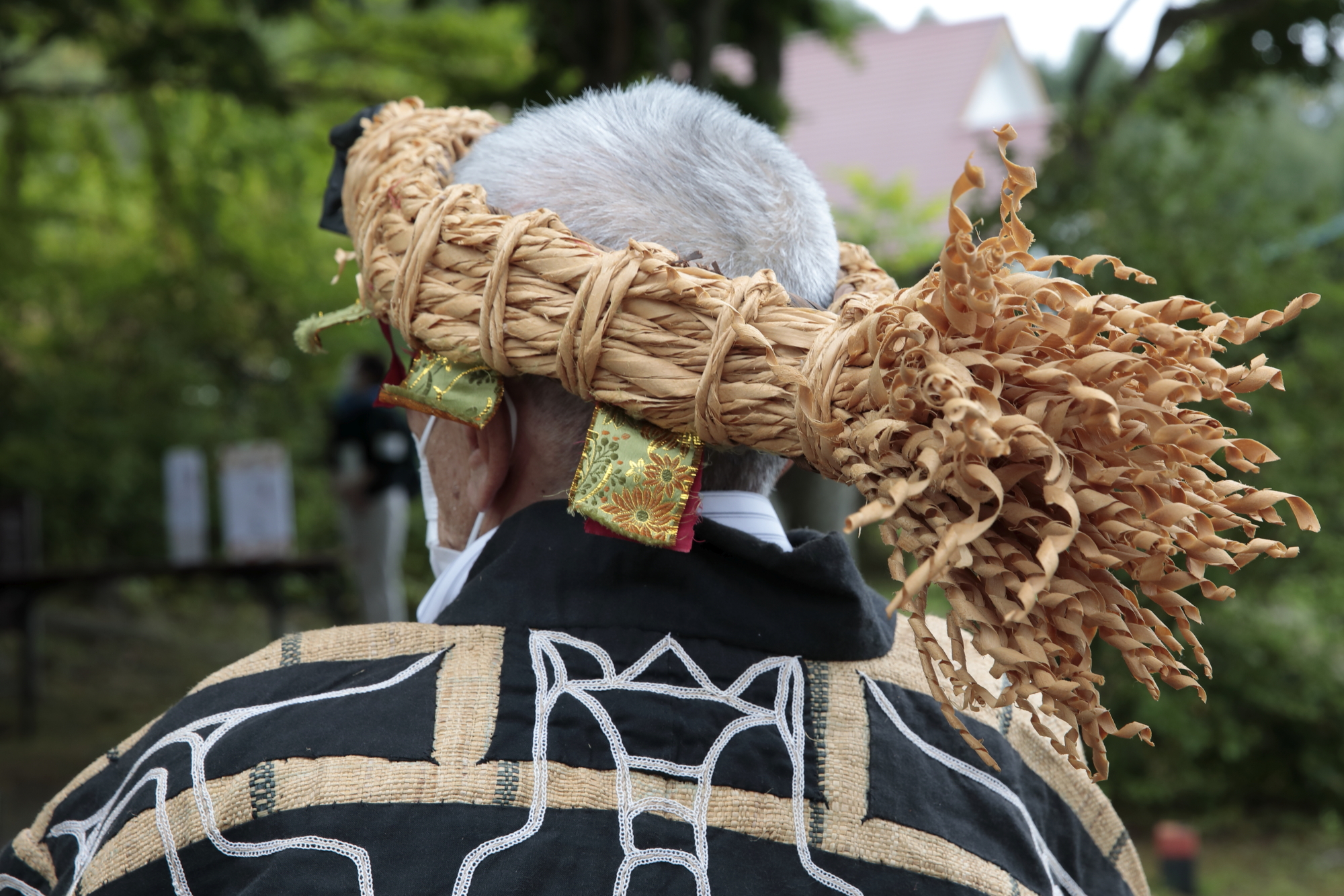
The Ainu — Indigenous people of Hokkaido — have spent centuries fighting against assimilation efforts to keep their traditions alive. To truly understand the Ainu’s deeply spiritual culture which is closely intertwined with the natural world, Nibutani is an ideal place to visit.
Nibutani is a small yet vibrant area in Biratori town located in the Saru District of Hokkaido. Parts of Biratori town including Nibutani are designated as an Important Cultural Landscape. Nibitani is more than a historical site — it remains a living center of Ainu craftsmanship, where master artisans pass down their skills to younger generations. Biratori town is the only area in Hokkaido officially recognized as a traditional craft production area.
From state-designated crafts like the intricate Nibutani Ita (wooden trays) and Nibutani Attus (bark cloth) to the intimate spiritual bond with the kamuy (deities), life in Nibutani is centered on passing down Ainu identity. Keep reading to learn about how craftsmanship, spirituality and everyday life intertwine in this remarkable community.
Nibutani: The Spiritual Pillar of Ainu Culture
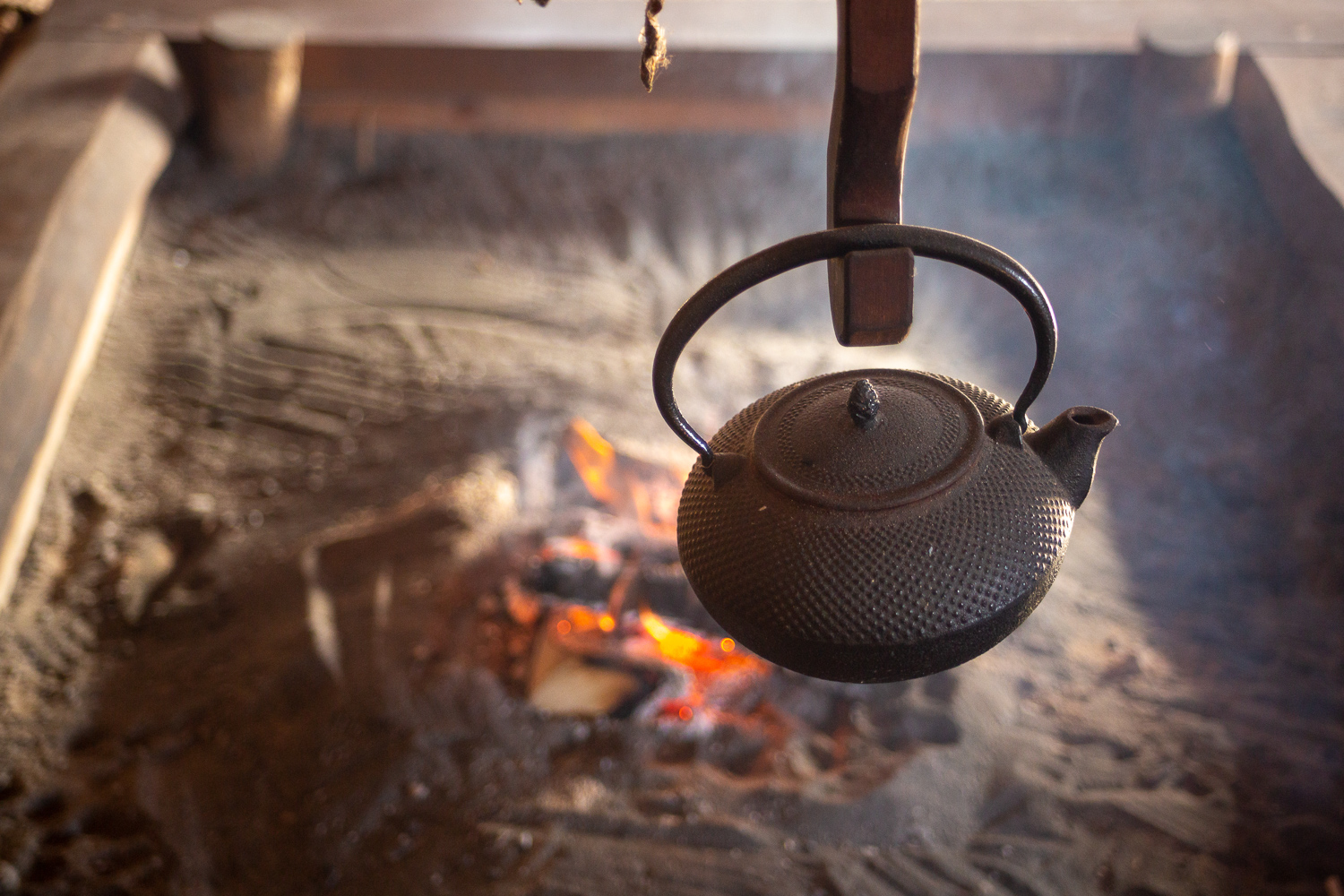
At the core of Ainu culture lies a deep reverence for nature and the belief that everything, from animals and rivers to even a simple hearth fire, has a soul called kamuy. The Ainu have a simple yet profound relationship of reciprocity with these spirits. Kamuy visit the human world bringing gifts — a bear providing meat, or a tree offering wood — and humans return this with gratitude and hospitality. This exchange happens through prayers woven into daily life. One symbolic offering is the inaw, a shaved wooden stick that acts as a spiritual messenger between the human and the divine.
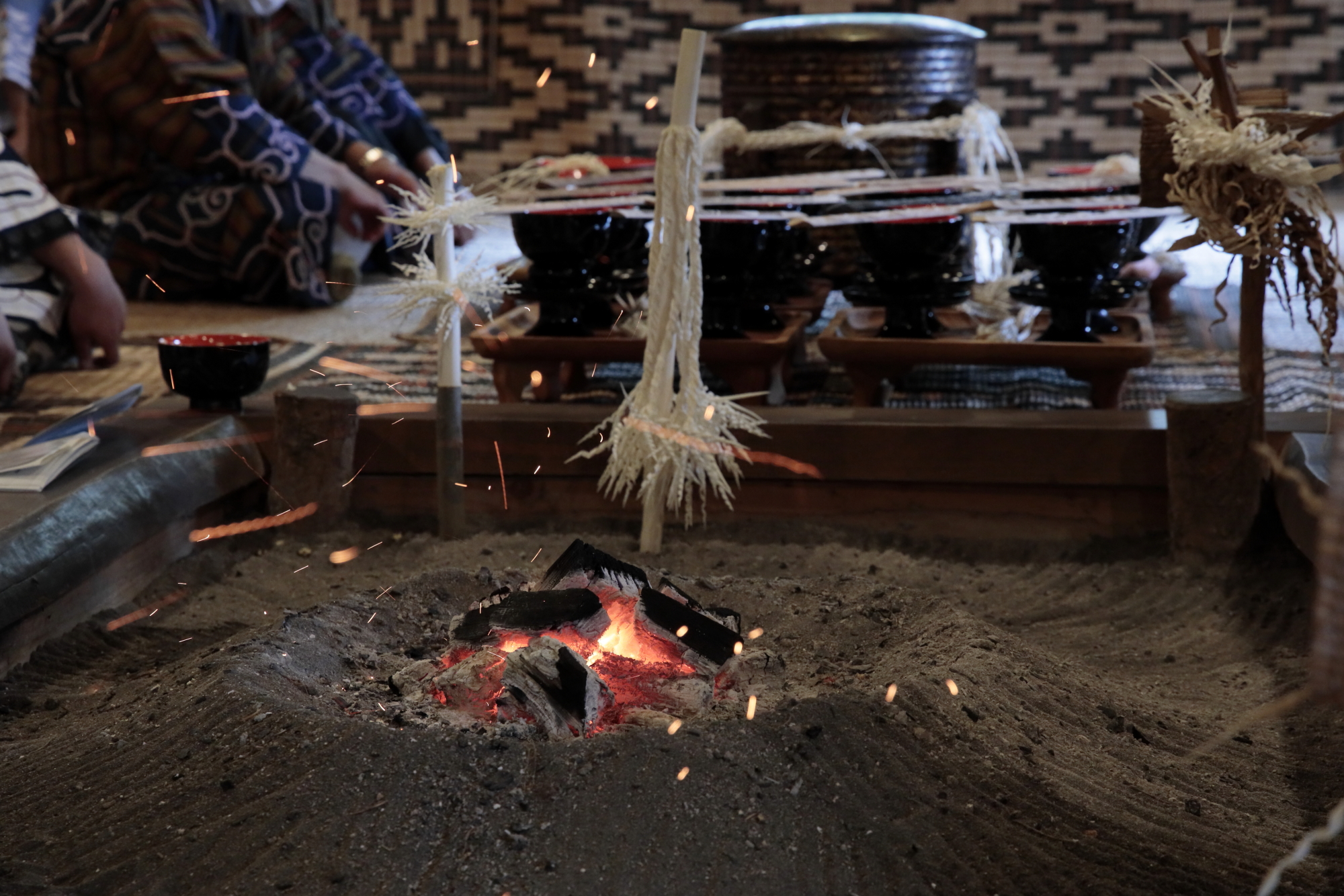
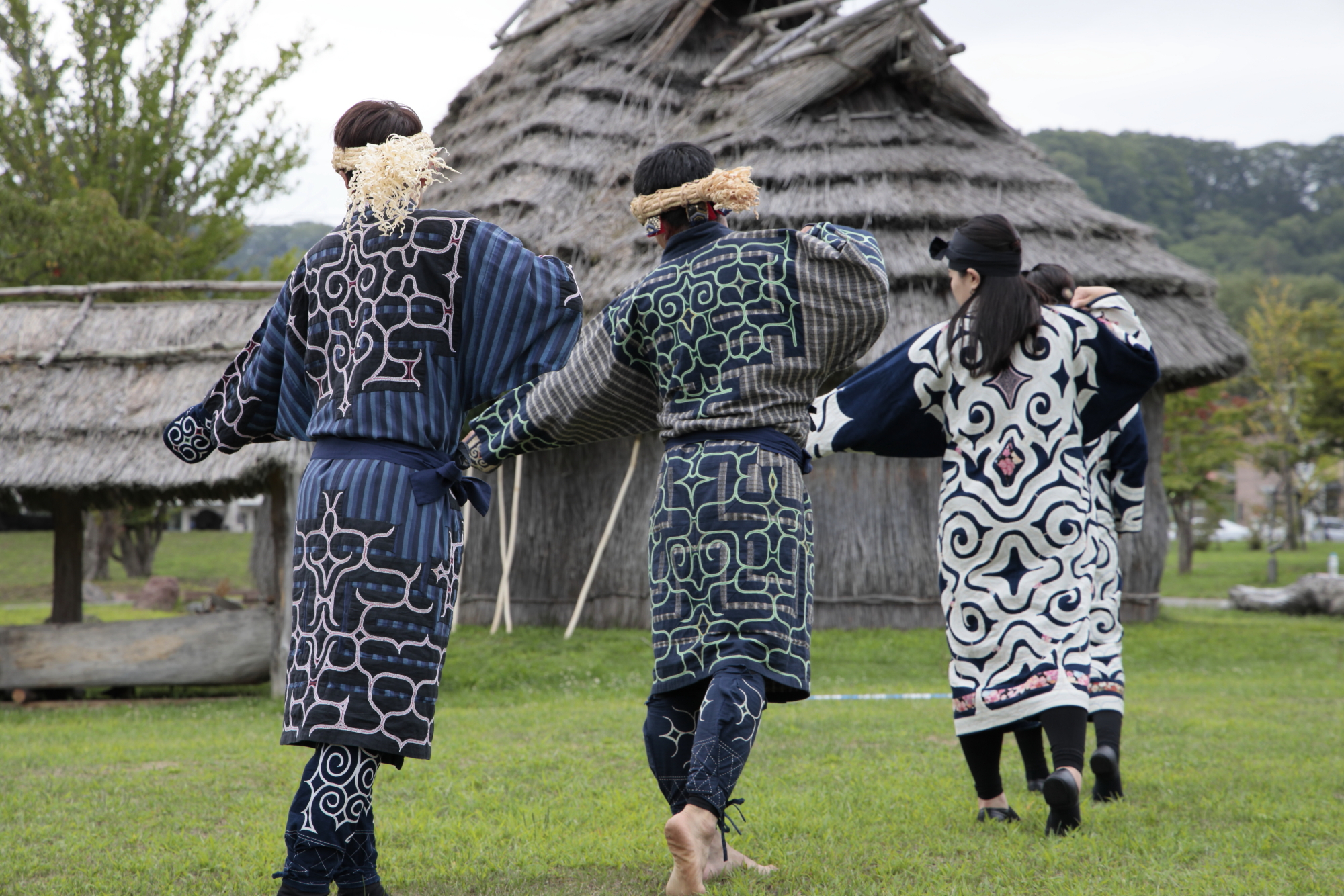
While Ainu culture can be found throughout Hokkaido, Nibutani is a unique hub where traditional practices continue to thrive.

CIP (DUGOUT CANOE)
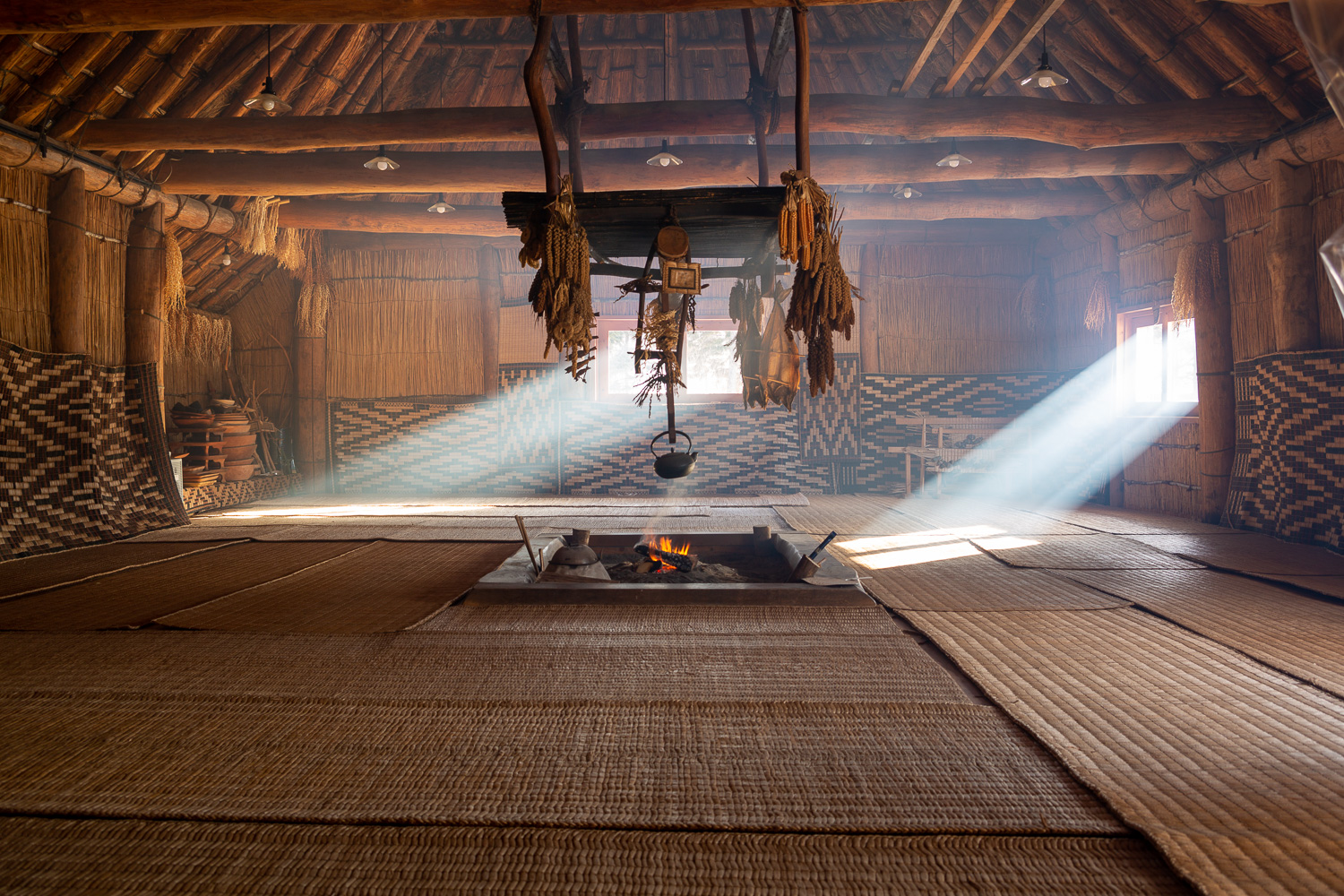
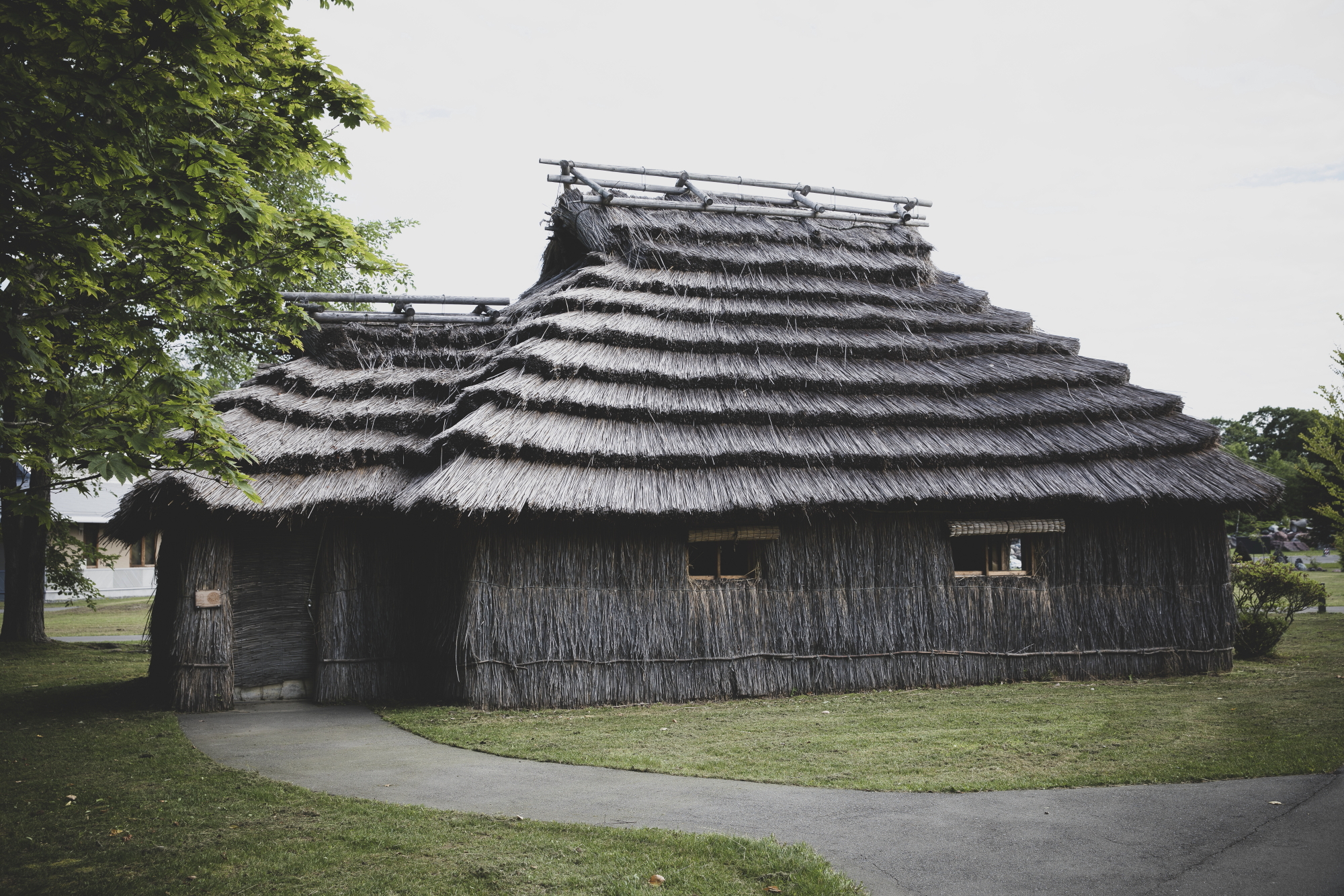
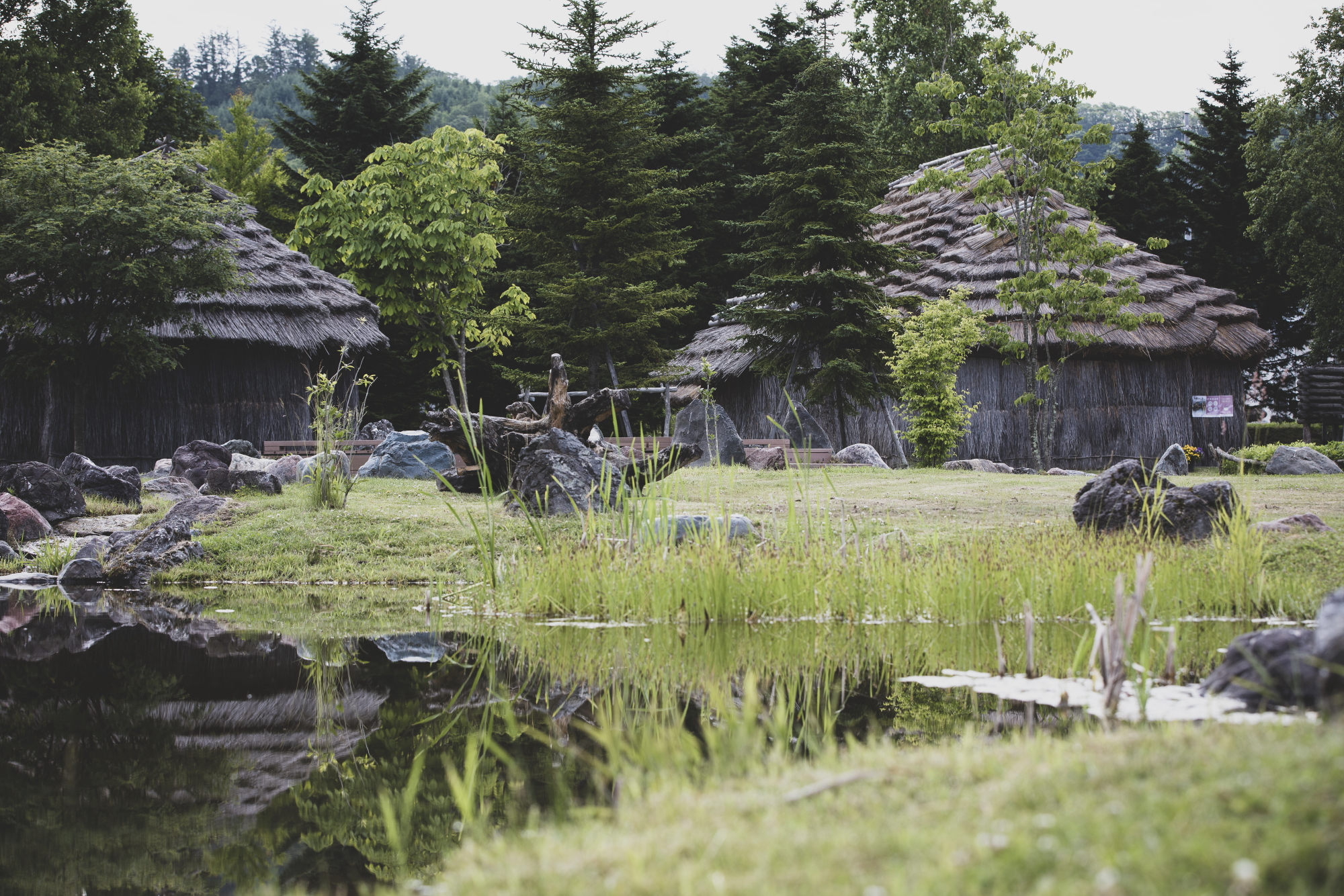
You’ll find reconstructed cise (thatched Ainu dwellings), Takumi no Michi — a “Street of Artisans” — and a host of storied rituals, such as traditional dance, oral performances of Yukar literature and the annual Cipsanke ceremony celebrates the launching of a hand-carved dugout canoe made using traditional Ainu techniques. As the canoe is lowered into the river, participants express gratitude to the gods for nature’s blessings and pray for a safe and successful journey.
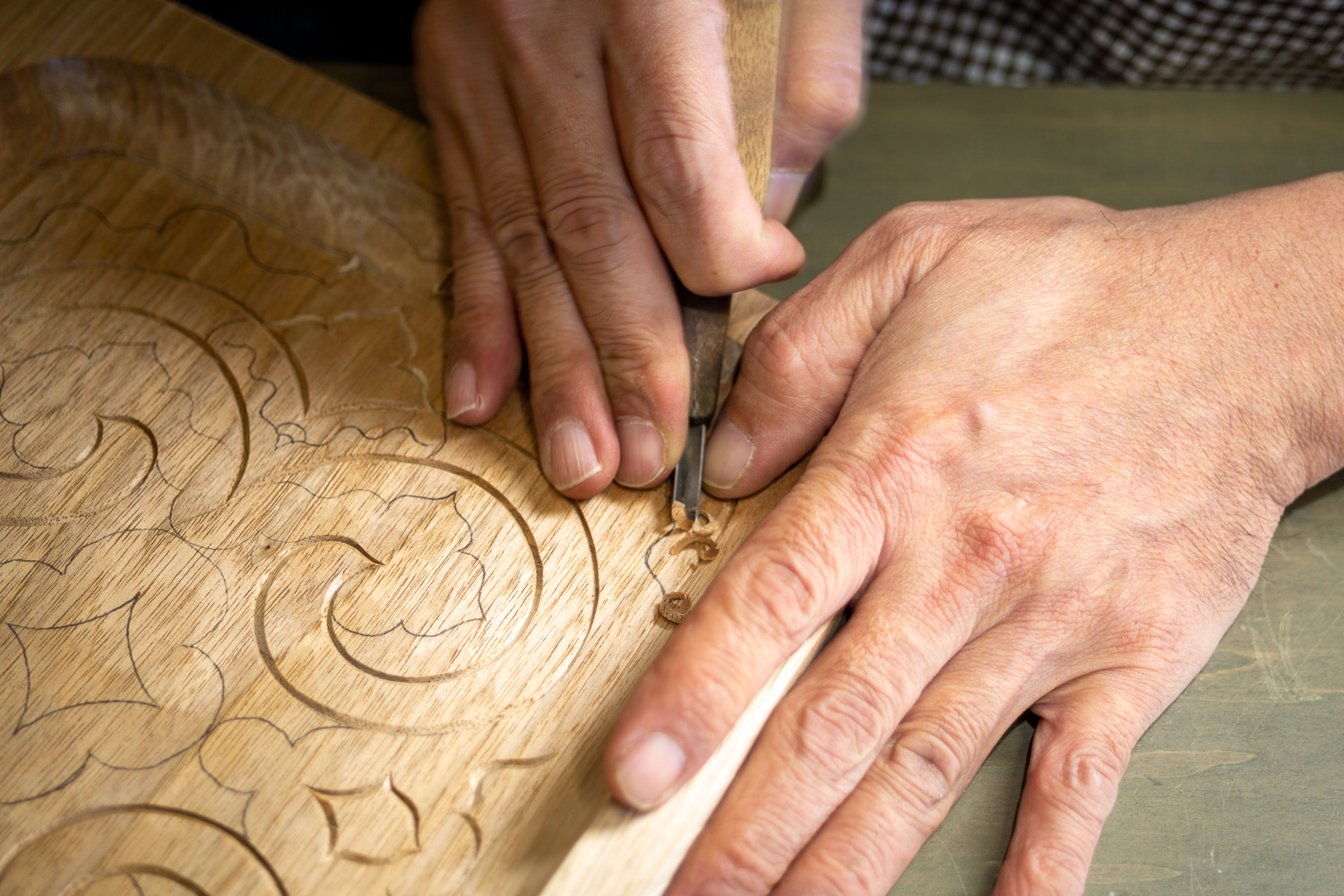
NIBUTANI ITA WOOD CARVING
Everyday Tradition: The Living Craftsmanship of Nibutani
For the Ainu, craftwork is far more than decoration. From wood carving to embroidery, they represent a form of applied art — combining everyday practicality with patterns inspired by the natural world. These motifs vary from region to region, and in Nibutani, local artisans have inherited traditional designs unique to the area. Today, contemporary craftspeople continue this tradition, designing these motifs on wood, cloth, and other materials, while also adding their own creative interpretations. Each piece is special, embedded with wishes for the safety and happiness of its user.
Nibutani is particularly renowned for craftsmanship, as two of its traditional arts have been designated by the Japanese government as official traditional crafts: the Nibutani Ita and Nibutani Attus – crafts that continue to be made today using techniques passed down through generations in the Nibutani area.
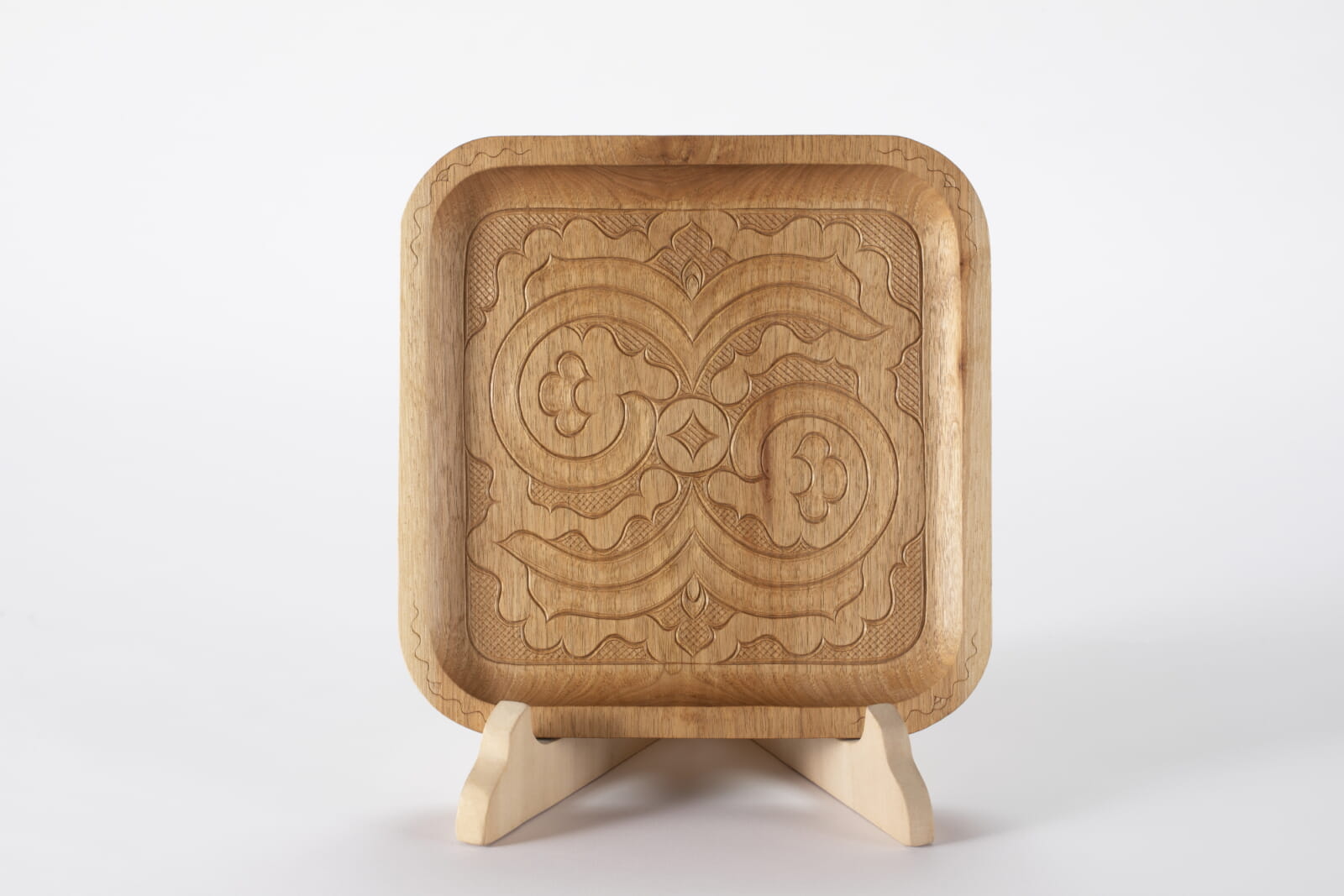
NIBUTANI ITA
Nibutani Ita
Wood carving has long been a skill mastered by Ainu men, and the Nibutani Ita (meaning tray) is the region’s signature craft. Made from beautiful woods like Japanese katsura, each tray is adorned with intricate patterns across its surface.
Swirling morewnoka spirals and sharp ayusnoka thorns, and siknoka eye shapes are inspired by the natural world, among them, the ramramnoka (the tiny scale pattern) is often used to fill the gaps between motifs. The designs are not meant to completely fill the surfaces – rather the balance between carved and uncarved space is left to the artist’s sensibility — and this harmony itself is part of what makes each piece so captivating.
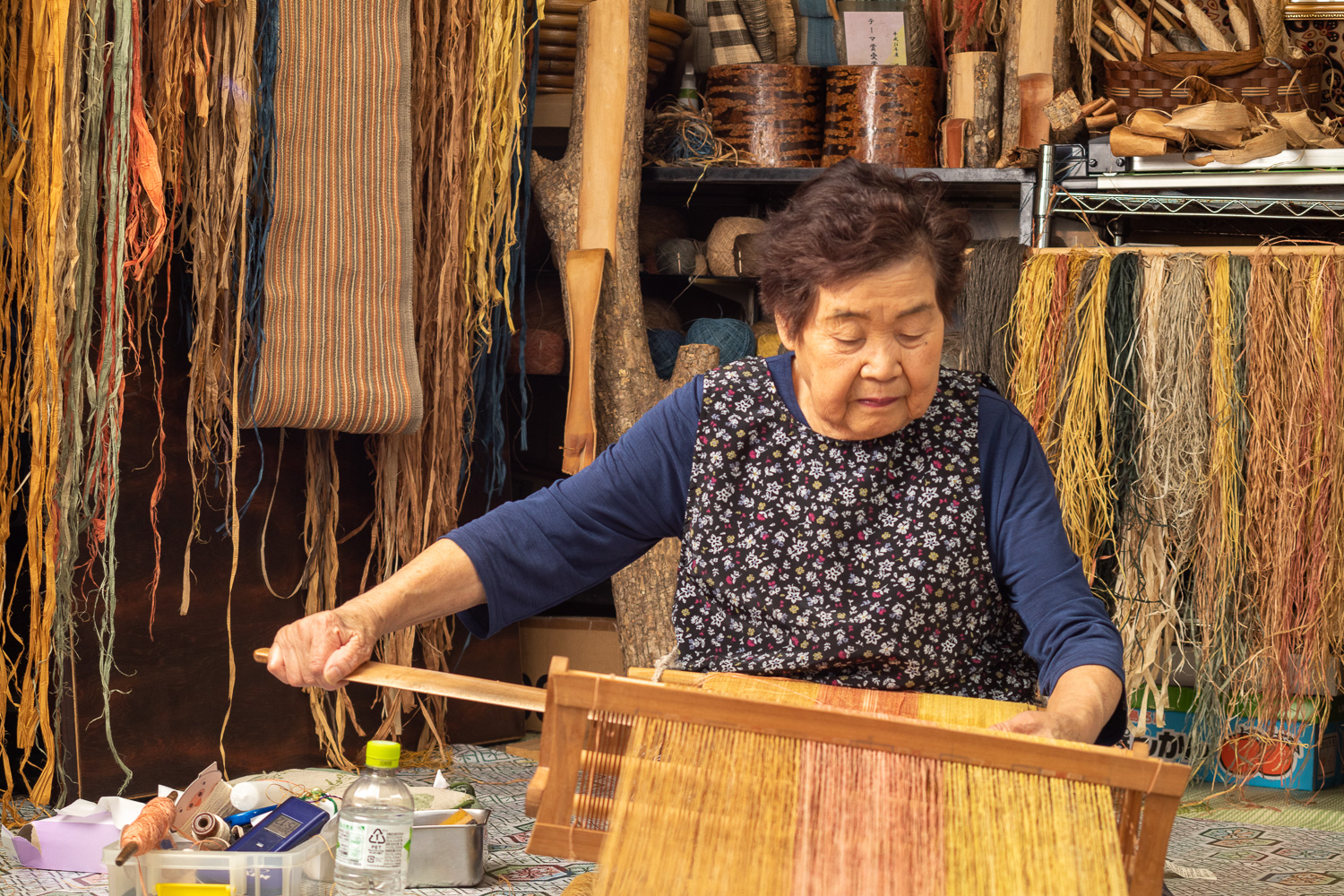
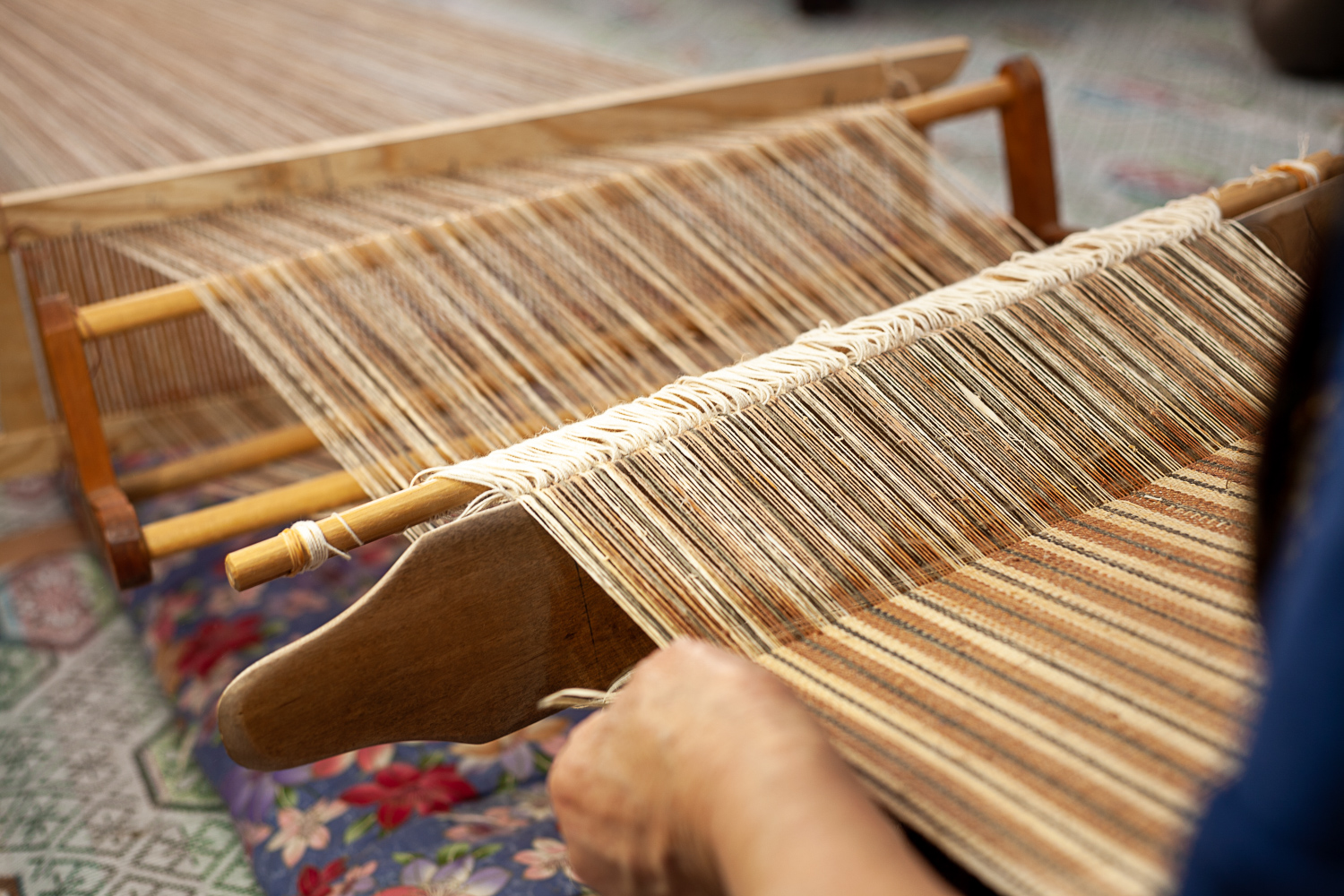
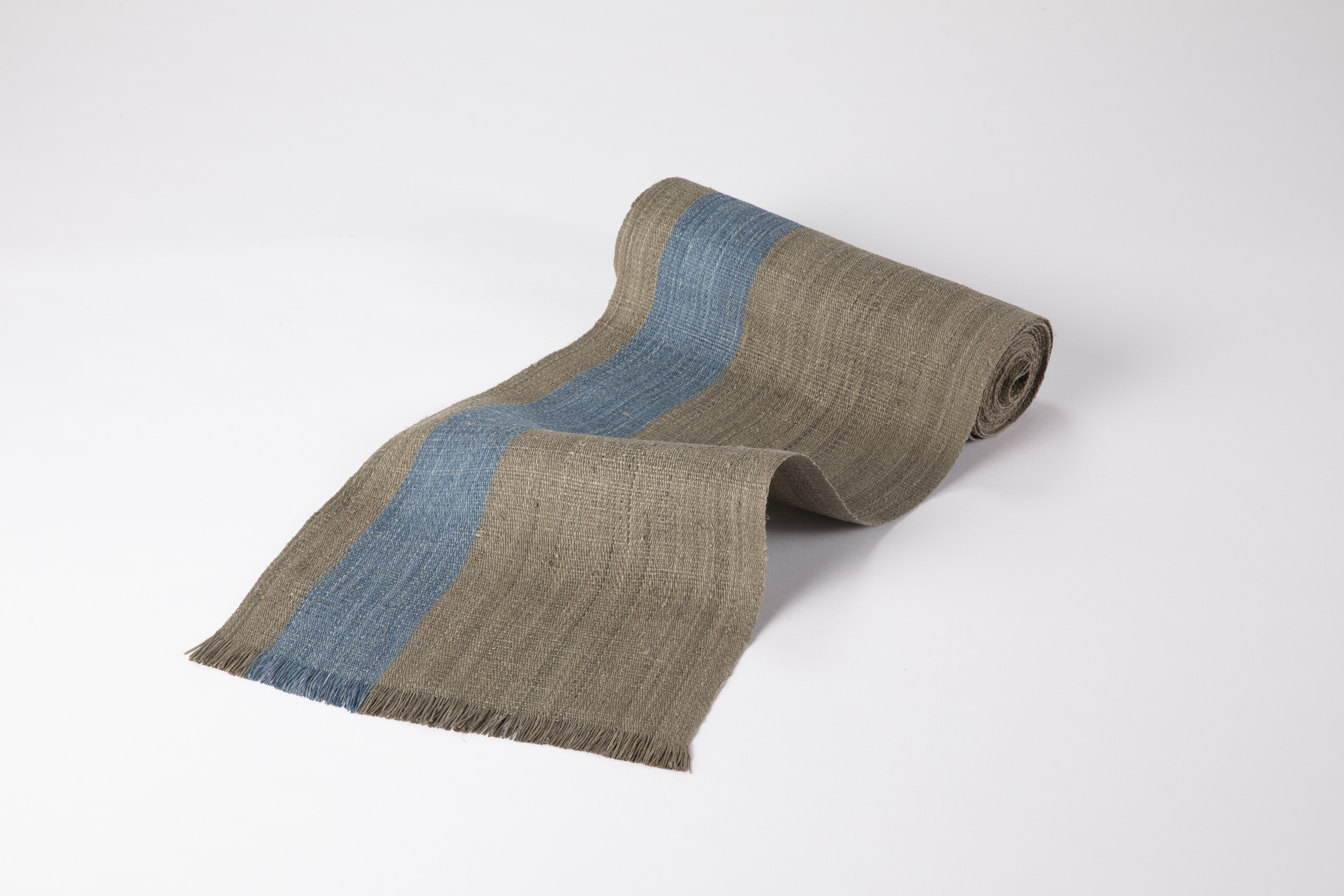
Nibutani Attus
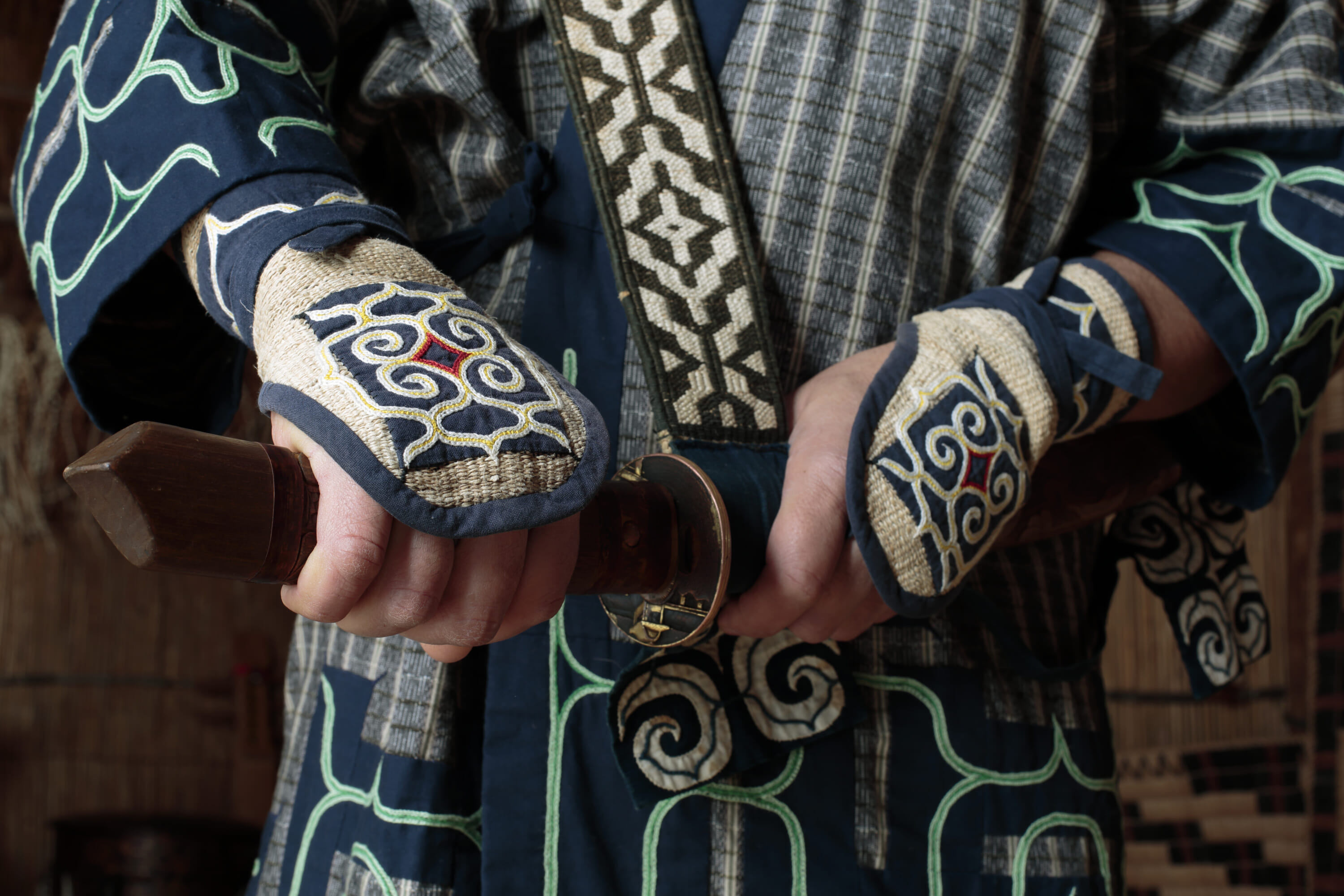
In contrast, textile work and embroidery are traditionally the domain of Ainu women. Nibutani Attus refers both to the textile and the clothing made from it. The durable fabric is woven from the inner bark fibers of local elm and linden trees.
It takes an immense amount of time and effort to weave, and in Nibutani, artisans to this day gather the raw bark from the mountains and continue the craft using looms identical to those from a century ago.
Highly breathable, quick-drying, and durable, it was a vital trade item with Honshu during the Edo period and remained renowned as an excellent product of the Saru River basin throughout the Meiji era.
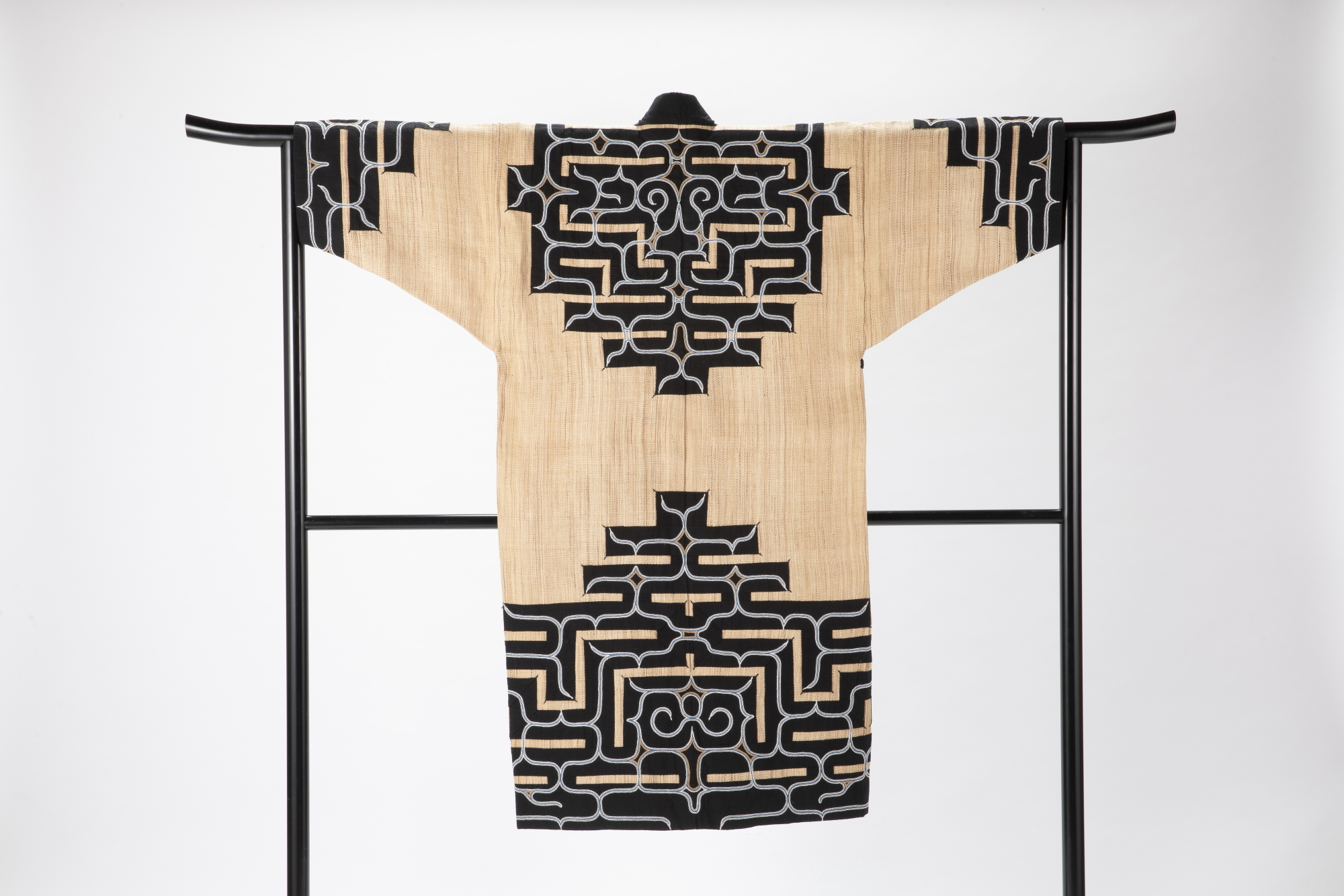
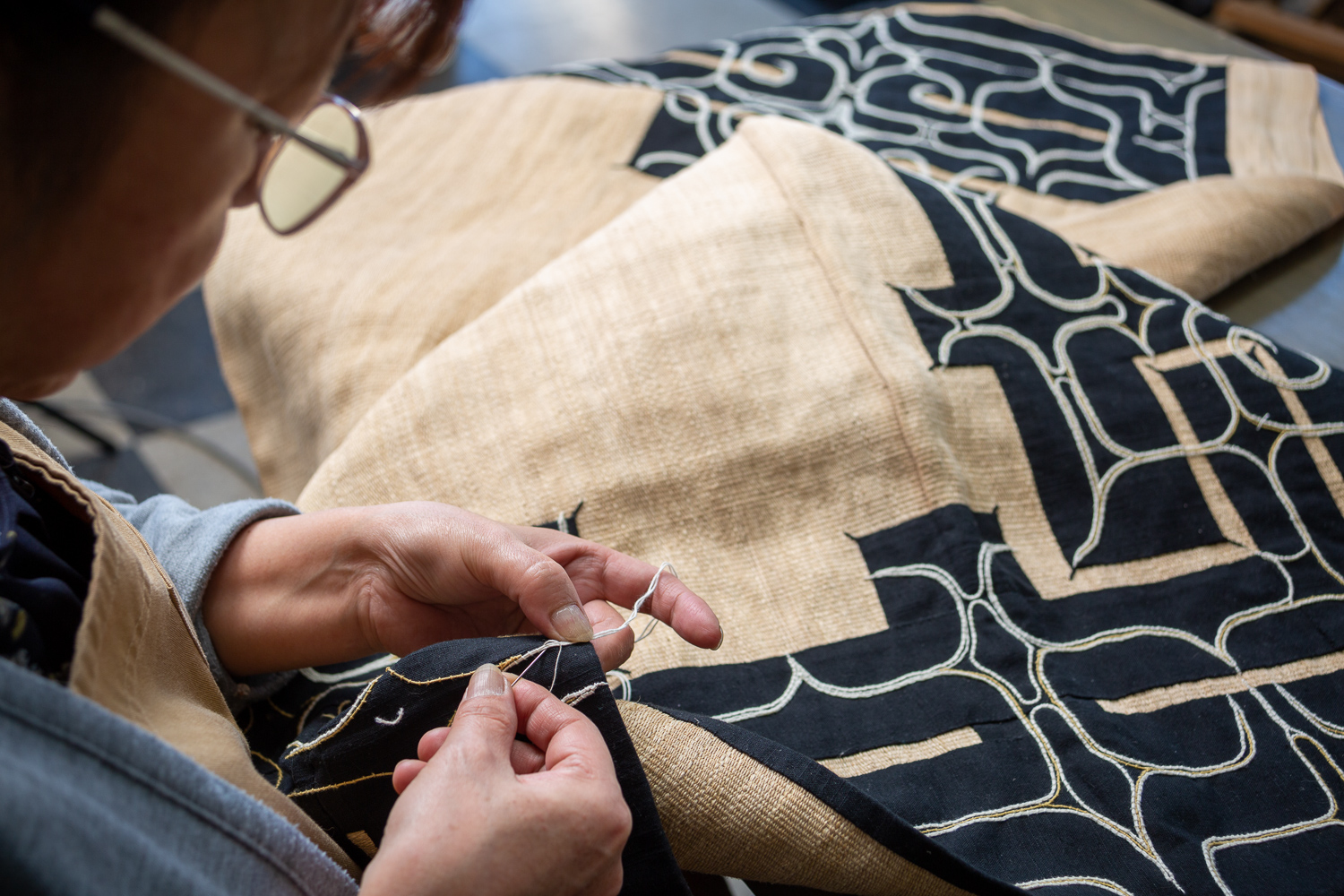
The resulting robes (amip) are adorned with elaborate embroidery and appliqué. There are various theories about why these patterns are embroidered, and some say they serve as spiritual shields. Ainu belief holds that evil can enter the body through openings, so the complex, beautiful patterns sewn onto the collars, cuffs and hems are meant to keep the wearer safe.

Key Sites to Visit in Nibutani
The culture of the Ainu in Nibutani isn’t about relics of the past; it’s a continuing tradition built on gratitude, respect and artistry. To truly appreciate a living tradition rooted in respect for nature, a visit to Nibutani is highly recommended. We recommend two key sites that embody heritage and ongoing cultural expression:
Nibutani Ainu Culture Museum
A fantastic place to start, this museum houses over 4,000 artifacts including everyday tools and the extensive collection of the late Ainu leader and researcher Shigeru Kayano. Inside, visitors can dive deeper into the Ainu worldview with exhibits that introduce the world of the kamuy, oral traditions like Yukar, and scenes of daily life and craftsmanship. Outside, several reconstructed traditional Ainu houses are set up, and from May to late October, you can watch artisans demonstrate their craft there.
Biratori Ainu Crafts and Heritage Center Urespa
Located along Takumi no Michi, this center is the heart of contemporary Ainu craftsmanship. Here, you can watch artisans carving or weaving in real time, experiencing traditional techniques in action. Around the surrounding Nibutani Kotan area and along Takumi no Michi, several craft shops offer authentic, ethically sourced Nibutani Ita and Nibutani Attus products, ensuring your support goes directly toward keeping these traditions alive for the future.
More Information
Address: Nibutani Kotan, 55-60 Nibutani, Biratori-cho, Saru-gun, Hokkaido 055-0101
Inquiries: Nibutani Ainu Craft Office, [email protected]
Website: https://www.nibutani-ainucraft.com/
Updated On November 28, 2025