
Standing in contrast to the relentless energy of Japan’s bustling cities, Fukui Prefecture is a sanctuary by the sea — one of the country’s best-kept secrets, where forests of Japanese cedar rise from misty valleys and rivers wind toward the coast. Small towns cling to the slopes, temples and shrines emerge quietly from the surrounding trees, and the air is scented with salt and pine.
Famous for its rich spiritual history, local cuisine and centuries-old craftsmanship, Fukui is perfect for travelers seeking depth and tranquility. In a single day, you can immerse yourself in two completely different, yet equally atmospheric worlds: Echizen Washi Village, home to Japan’s only shrine dedicated to the goddess of paper, and Heisenji Hakusan Shrine, often called the country’s most beautiful moss temple.
Here, you can press a sheet of paper by hand, follow moss-covered temple paths and take in landscapes so serene they feel suspended in time. Read on for a sample itinerary that will fully immerse you in Fukui.
Okamoto-Otaki Shrine: Home of Japan’s Paper Goddess
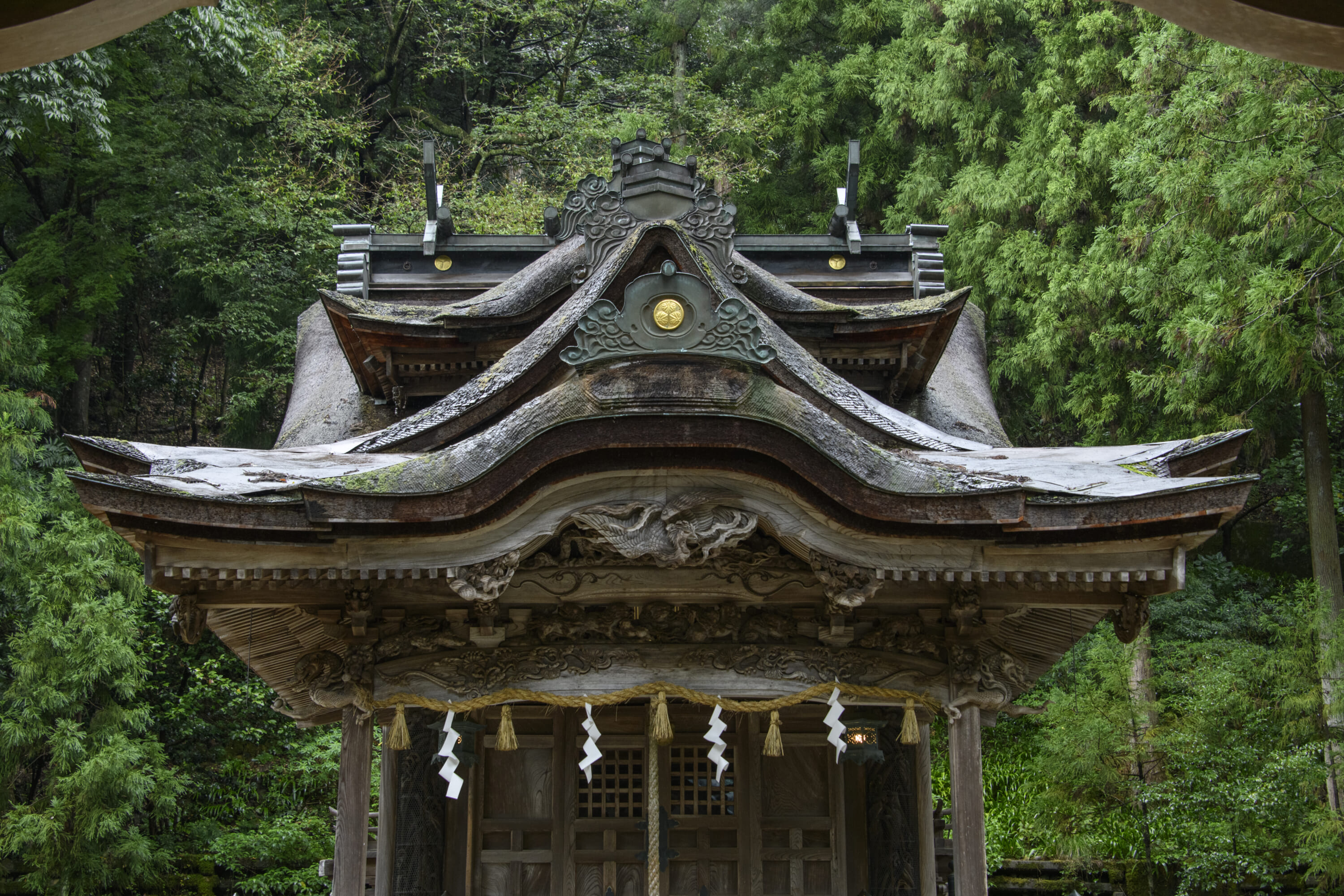
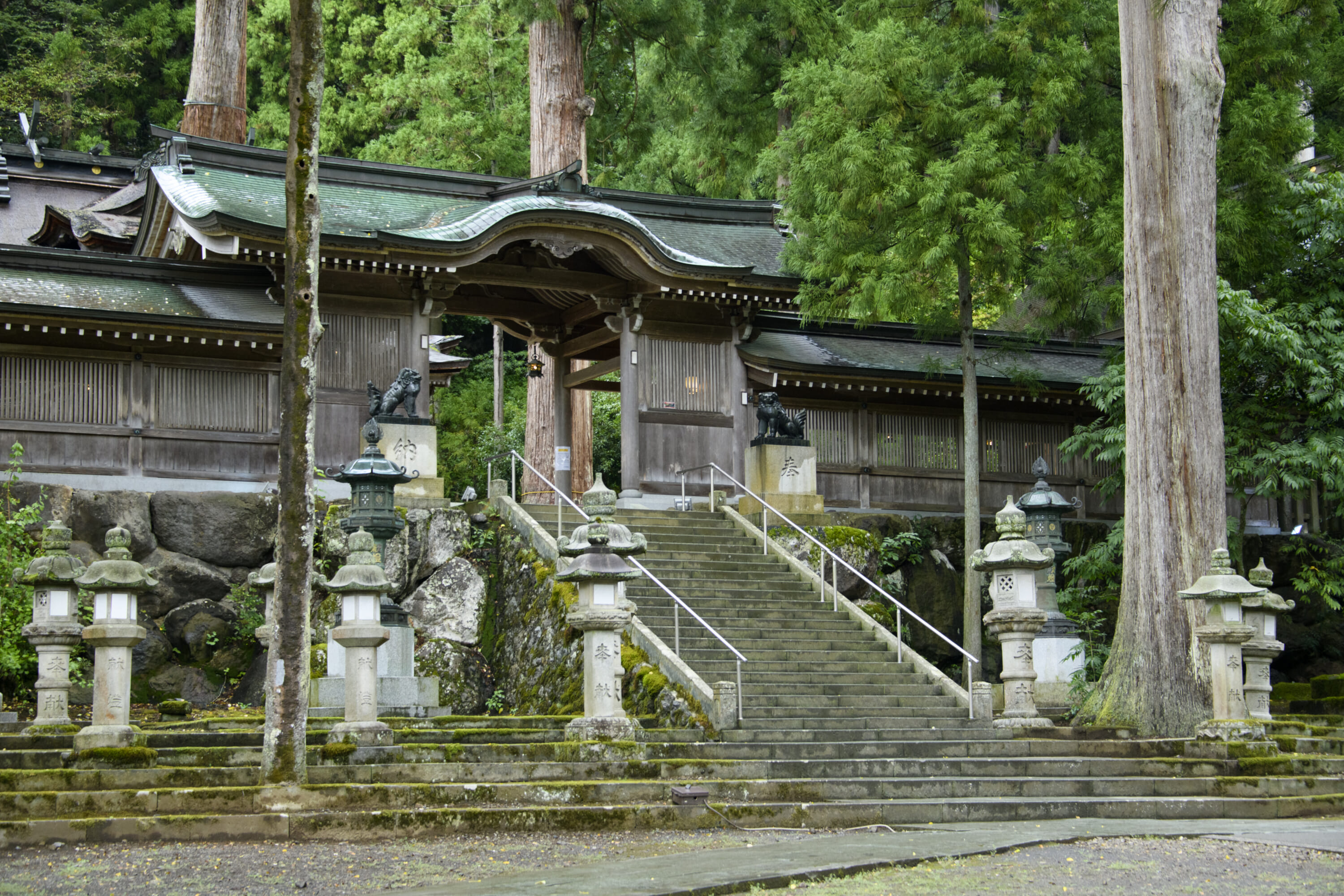
Start the day in Echizen, a region celebrated for its washi paper. Here, you’ll find Okamoto-Otaki Shrine, which has a history spanning over 1,500 years; it’s also the only shrine in Japan dedicated to Kawakami Gozen, the goddess of paper. According to legend, it was founded after a princess appeared upriver of the village of Otaki and taught the townspeople how to make washi. The current main hall, built in 1843, is recognized as an Important Cultural Property.
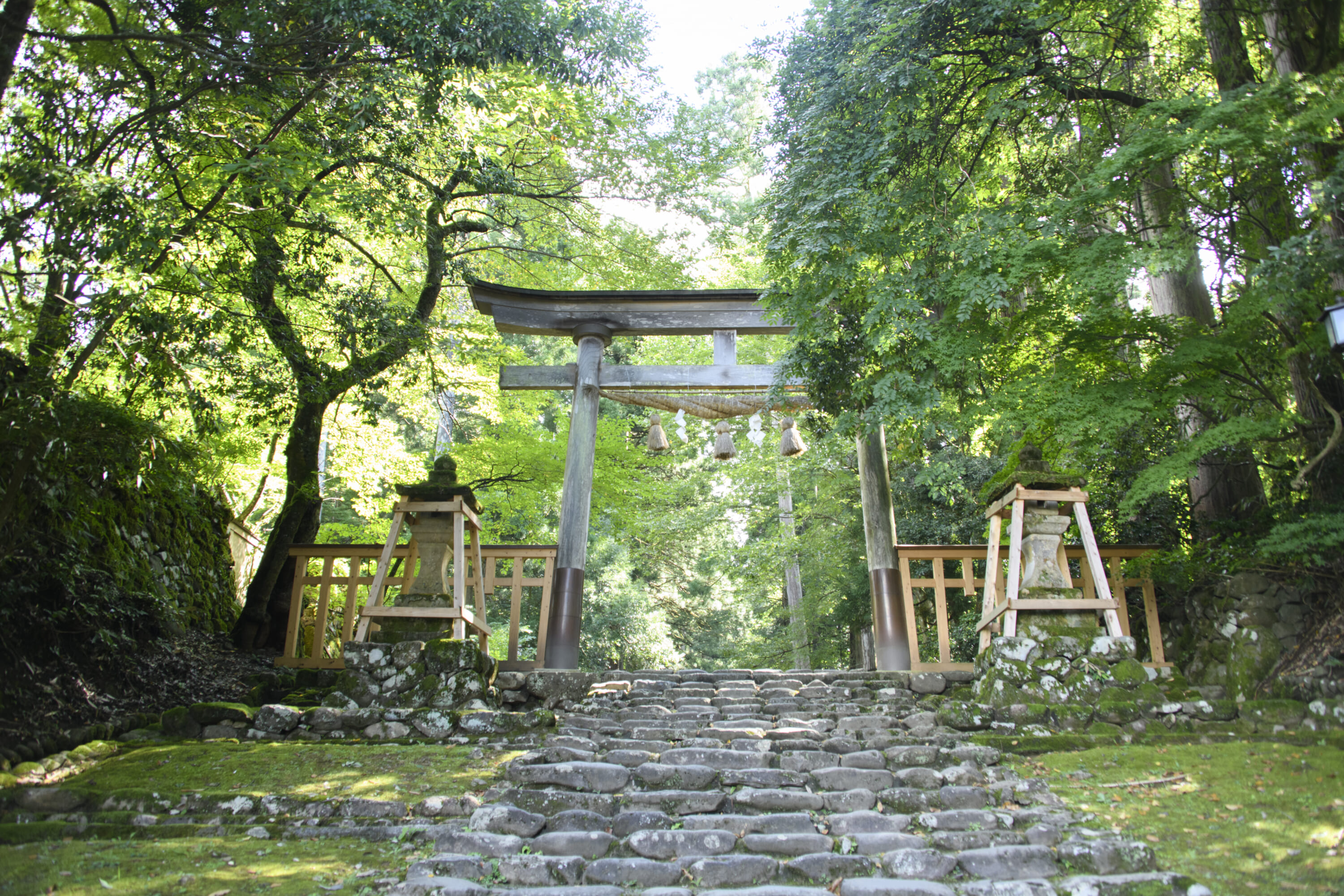
Passing through the main torii gate, the atmosphere shifts. Towering Japanese cedar trees filter the light, and moss clings to stone lanterns and steps. Locals often say the shrine is at its most beautiful in the rain, when the greenery deepens and the forest feels more still. From the front, the shrine building’s roofline appears intentionally misaligned — a design choice meant to avoid perfection, which could be seen as a slight to the gods.
Echizen Washi Experience at Ryozo Paper Mill
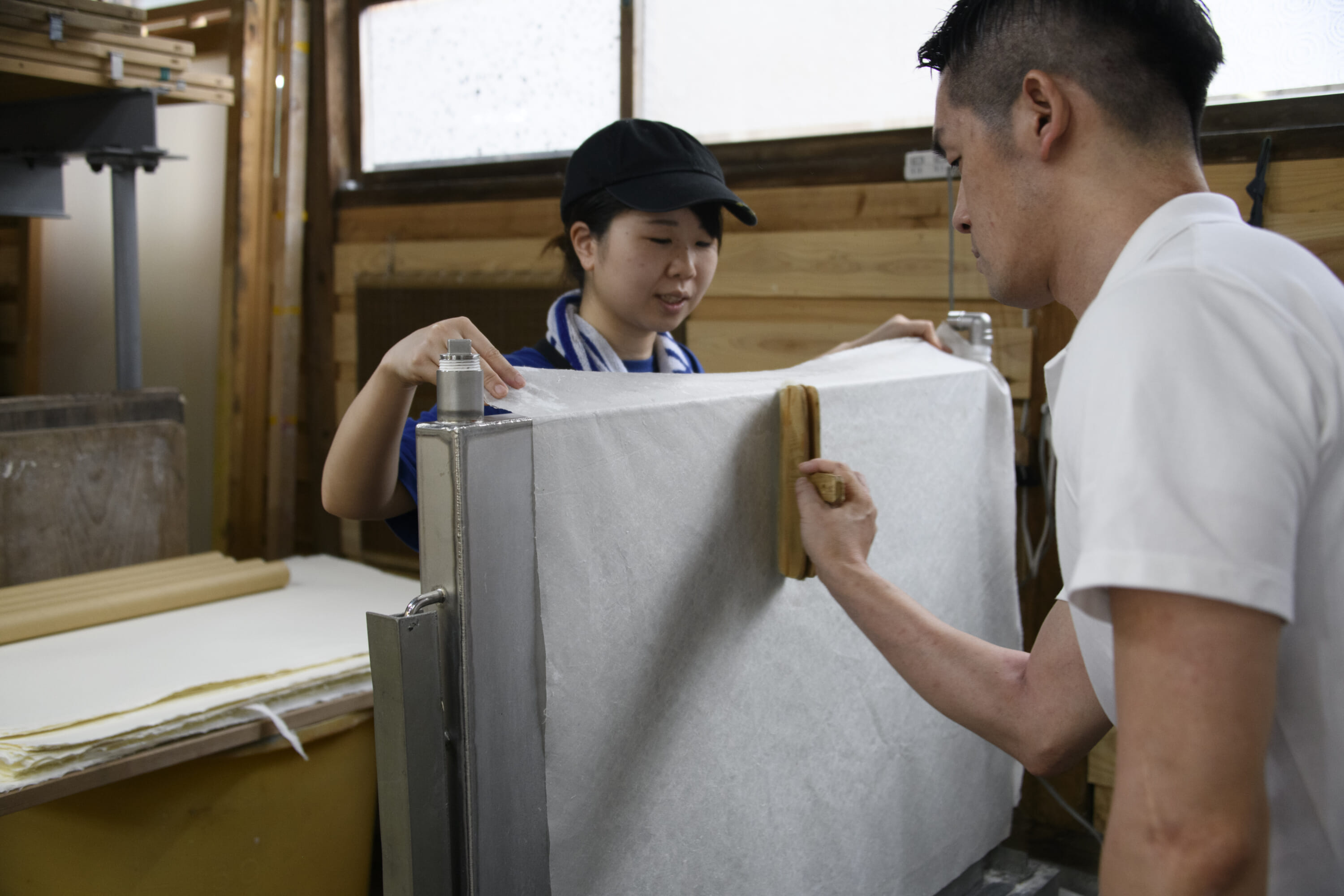
After visiting the shrine, walk down the street to Ryozo Paper Mill to try your hand at making washi, using traditional Echizen techniques that have been passed down through generations. Paper is made by carefully sifting a viscous pulp into a sheet, which is then patterned using molds. One particularly popular pattern evokes a spider’s web, thanks to the delicate holes that punctuate the paper.
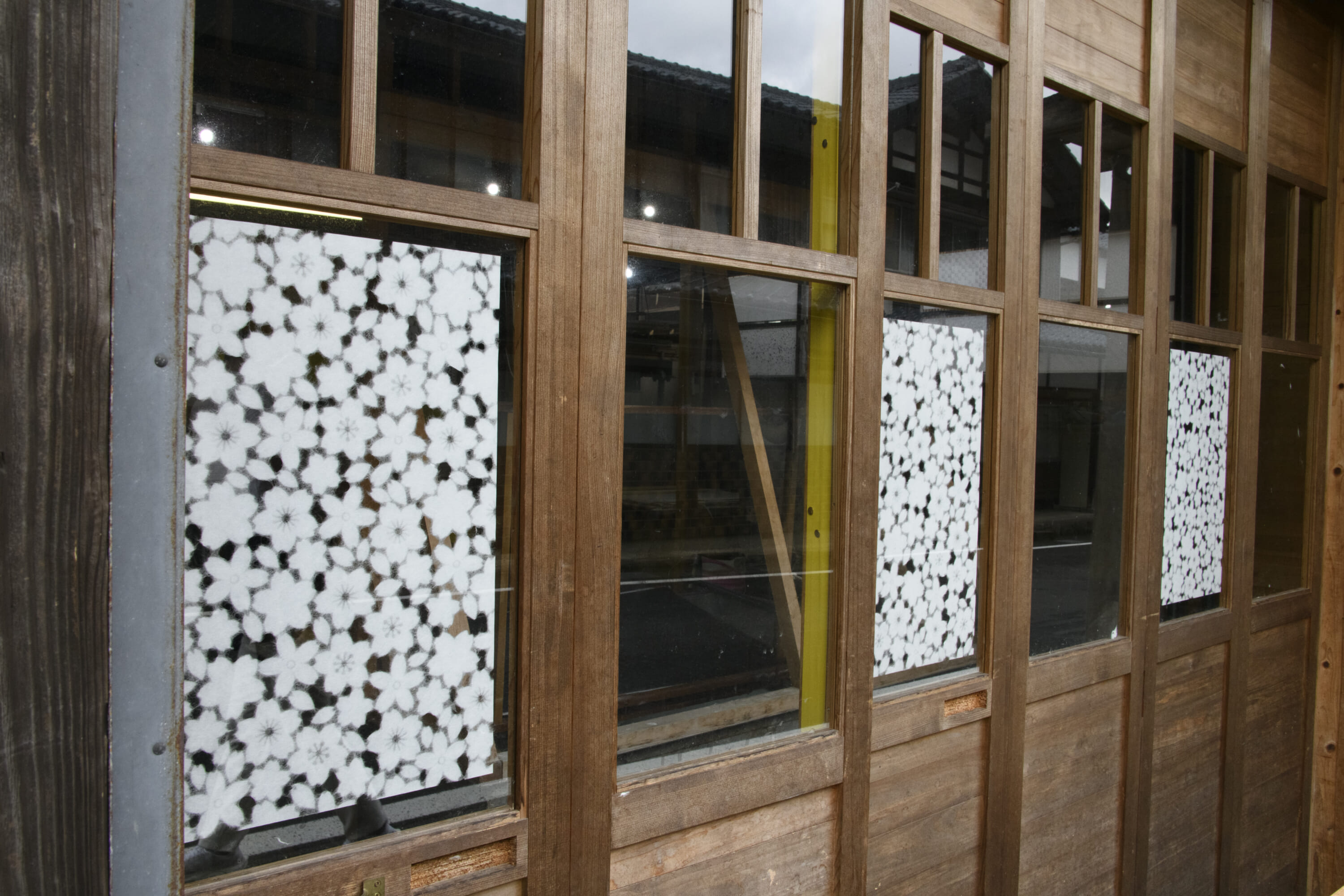
The end result is a unique piece of history that fits in the palm of your hands. Both functional and decorative, it can be used to adorn a window while still allowing light to pass through.
Finding Serenity at Heisenji Hakusan Shrine
The Moss Temple of Fukui
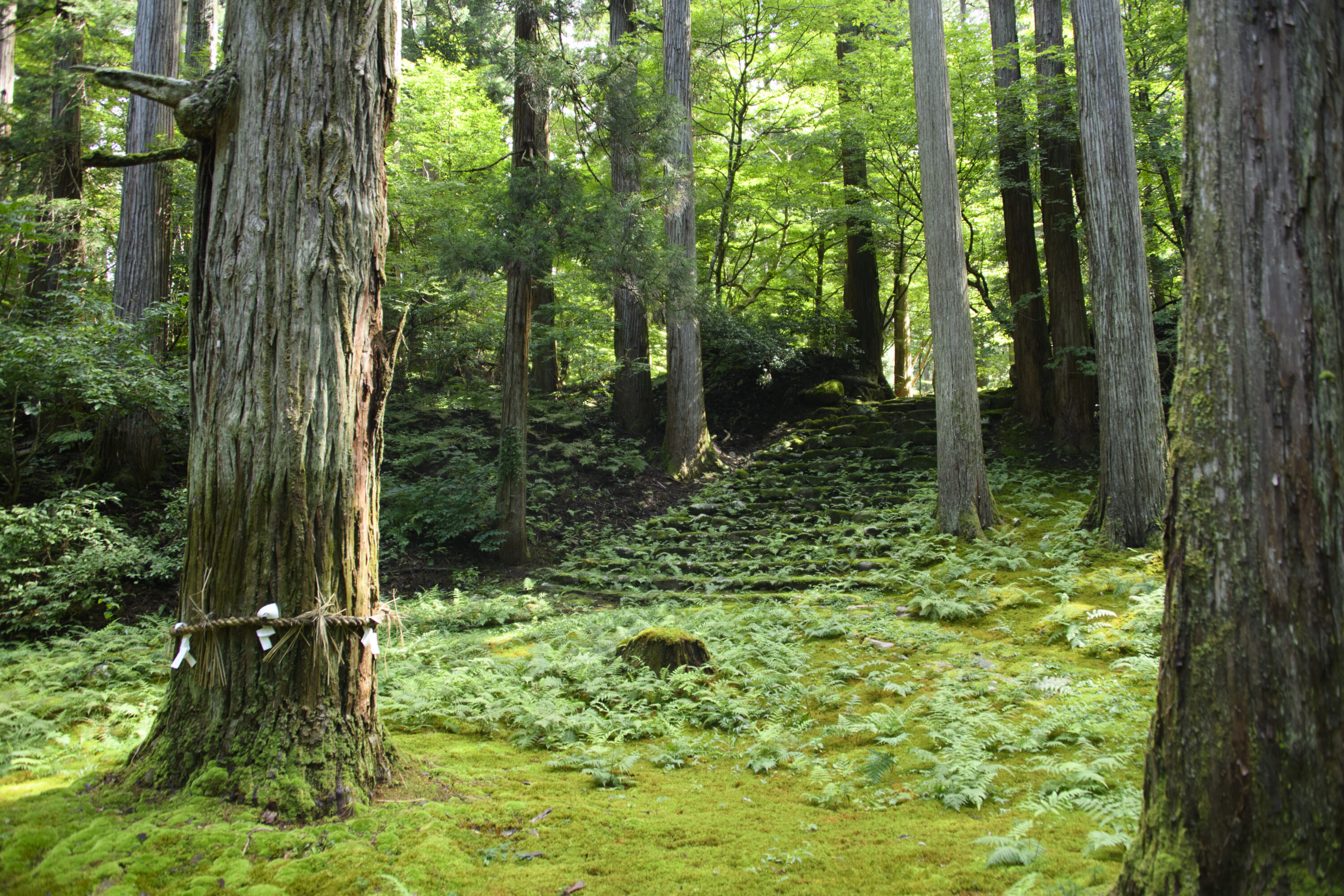
About an hour northeast via car lies Heisenji Hakusan Shrine. Known for its sprawling mossy landscape and ancient Japanese cedar trees, it’s one of the most serene “power spots” in Japan. Originally founded as a Buddhist temple in 717 by the monk Taicho, it became a Shinto shrine during the Meiji-era separation of Buddhism and Shinto. The shrine is dedicated to Mount Haku, one of Japan’s three sacred mountains.
More than 25 species of moss grow around the shrine, and over 200 can be found in the surrounding forest, creating a cool but humid environment. If you’re drawn to the aesthetic of moss growing on virtually everything, this shrine is a must-visit.
At the height of its power, Heisenji Hakusan housed dozens of shrines and temples, along with living quarters for thousands of monks and workers. Much of the site was destroyed in an uprising in 1574, but the surviving grounds retain a stillness and depth that make it one of Japan’s most atmospheric shrines.
Rokusai Cafe
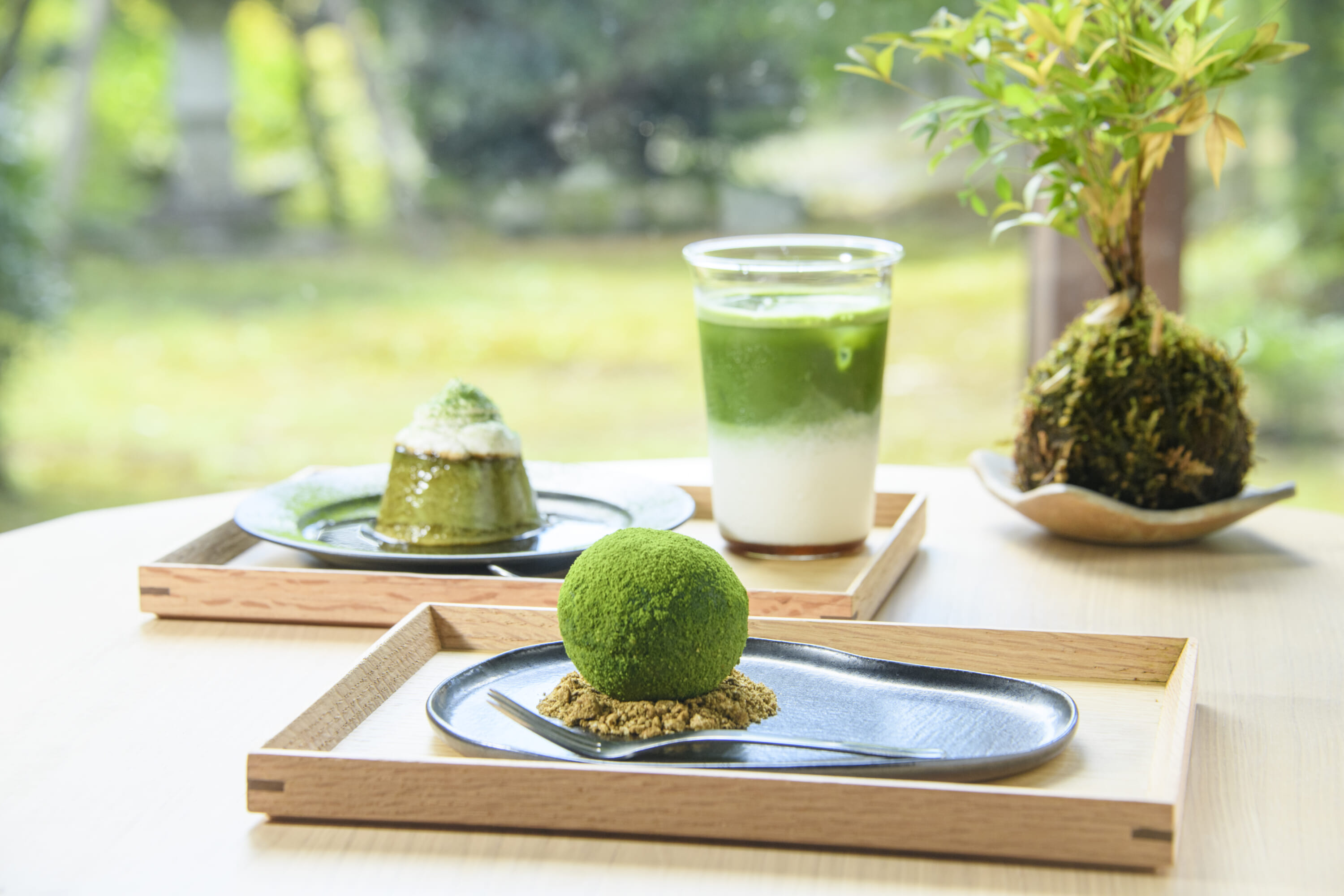
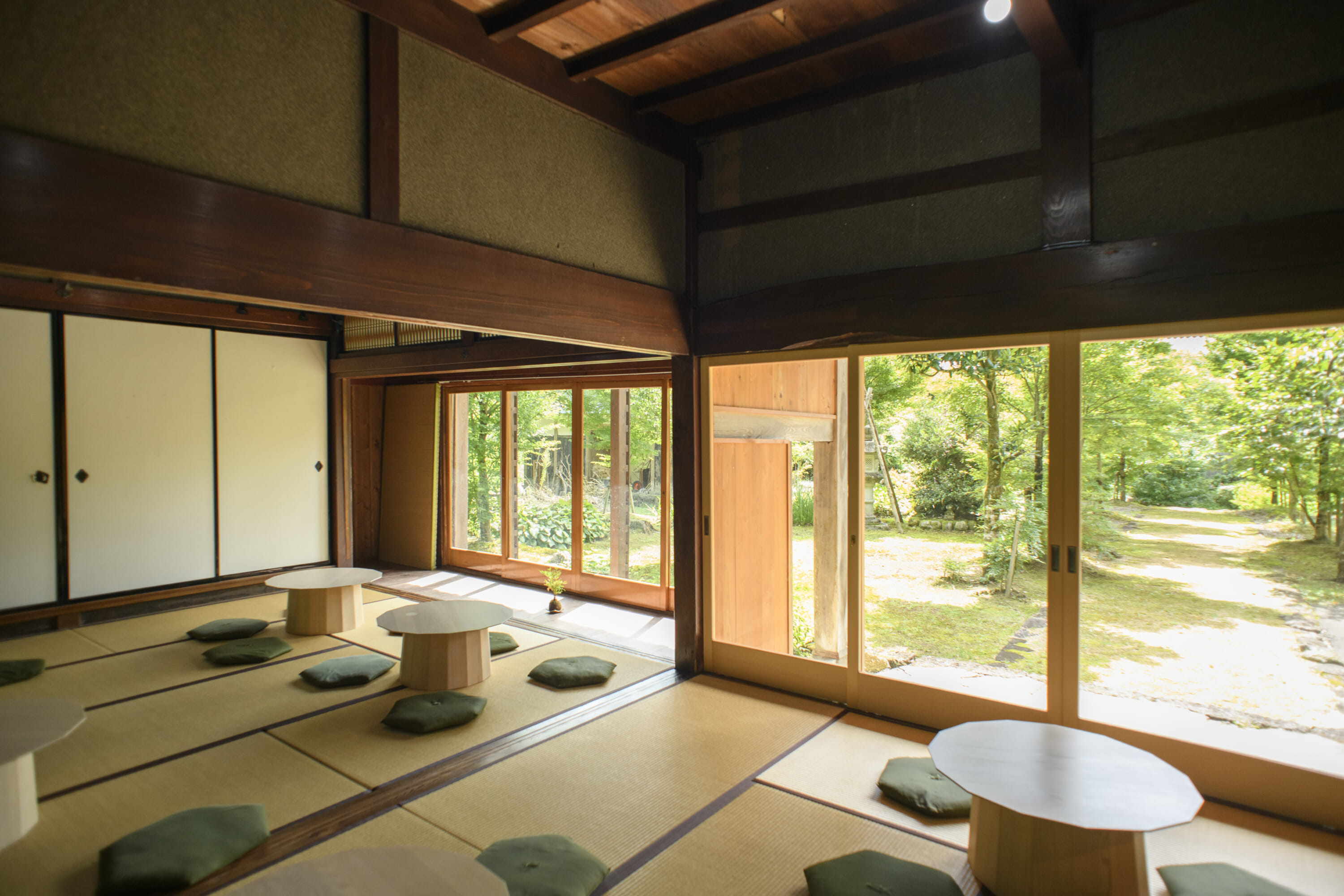
A small path from the shrine leads to Rokusai, a charming cafe. In keeping with the theme of Heisenji Hakusan, Rokusai primarily offers matcha-centric drinks and desserts, which recall the area’s mossy beauty — the moss ball cheesecake and matcha latte are especially memorable. The interior is relaxing and quaint, with a tatami mat room. It’s an ideal environment for sitting back and admiring the greenery outside.
Whether you’re making a fresh press of Echizen washi or sipping a rich matcha latte surrounded by a carpet of moss, Fukui’s secret sanctuaries prove that the most memorable travel moments often lie just a bit farther off the beaten path.
More Info
Thanks to the extension of the Hokuriku Shinkansen, Fukui is now easier to reach than ever.
From Tokyo or Ueno Station, take a direct-service Hokuriku Shinkansen (Kagayaki or Hakutaka) to Fukui Station. The trip takes between three and three and a half hours.
This route is fully covered by the Japan Rail Pass and the Hokuriku Arch Pass, offering excellent value for overseas visitors.
Updated On December 18, 2025