

Kumano Nachi Taisha Overview
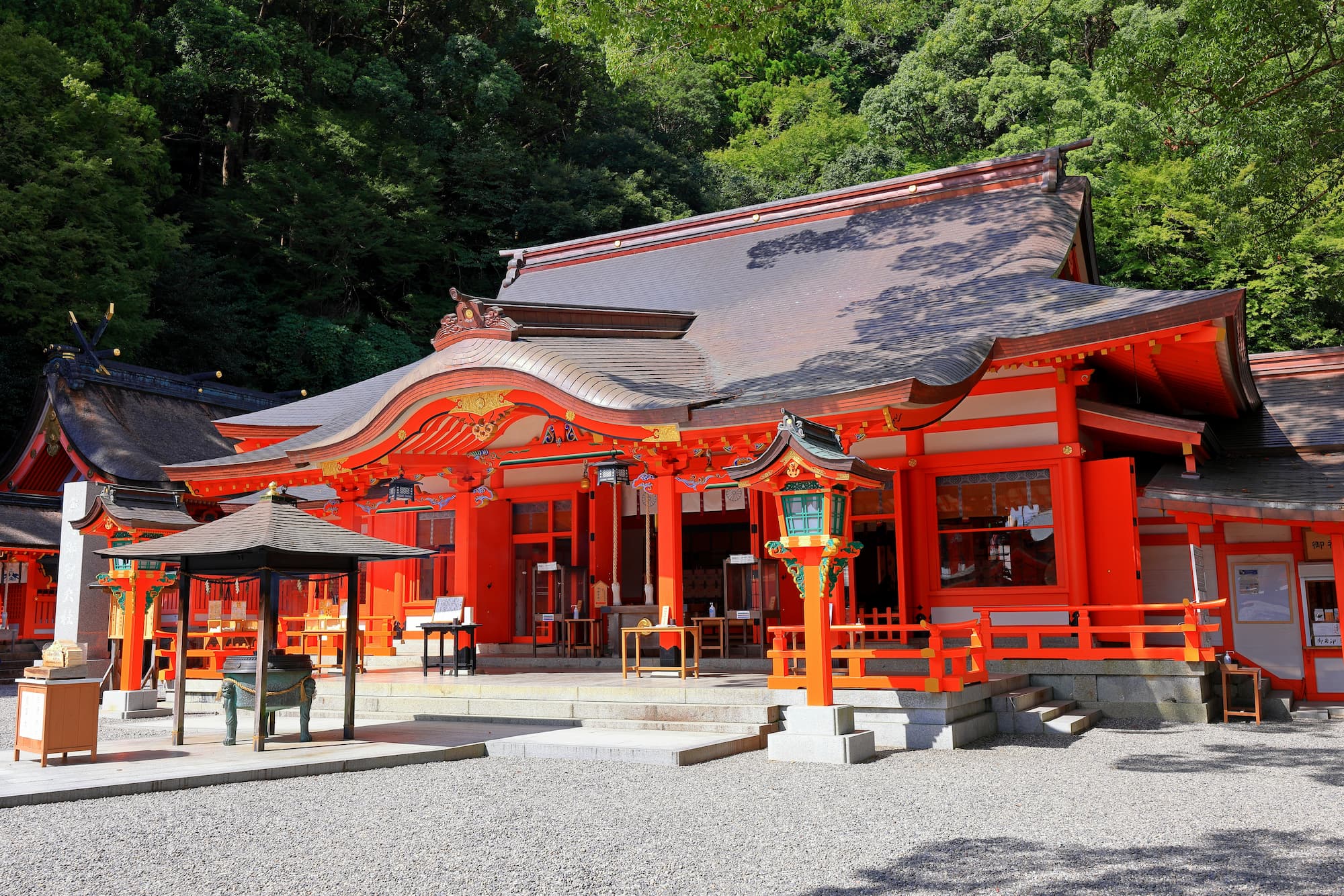
Perched halfway up Mt. Nachi at around 350 meters above sea level in Nachikatsuura, Wakayama Prefecture, Kumano Nachi Taisha is one of Japan’s most awe-inspiring Shinto shrines. It is one of the three Kumano Sanzan shrines — alongside Kumano Hongu Taisha and Kumano Hayatama Taisha — and forms a key stop on the Kumano Kodo, the ancient network of pilgrimage trails designated as a UNESCO World Heritage Site.
The shrine’s origins are rooted in nature worship dating back thousands of years. According to legend, the sacred site traces its beginnings to around 662 BC, when the future Emperor Jimmu landed at Nishikiura (present-day Nachi Beach) and enshrined the deity of Nachi Falls after witnessing its power. A permanent shrine structure was established on the mountainside in the early 4th century. During the Heian period, the imperial family and aristocrats made regular pilgrimages to the Kumano Sanzan, cementing the site’s status as one of Japan’s most revered spiritual destinations.
The shrine complex sits alongside the Buddhist temple Seigantoji, with the two religious institutions having been merged for much of their history before being officially separated during the Meiji period. Together, they continue to represent the harmonious coexistence of Shinto and Buddhism. The adjacent three-story pagoda, paired with the iconic backdrop of Nachi Falls, makes for one of the most photographed scenes in all of Japan.
Rising 133 meters, Nachi Falls is the tallest single-drop waterfall in Japan and remains a sacred object of worship in its own right. Within the shrine grounds, visitors can also find an 850-year-old sacred camphor tree said to have been planted by Taira no Shigemori. A passage runs through the base of the tree, which visitors can walk through for a small fee.
The Nachi Fire Festival, held annually on July 14, is one of Japan’s three great fire festivals. Participants dressed in white carry enormous torches down the path toward the falls in a ceremony expressing gratitude for the blessings of water and fire. The festival includes a performance of Nachi Dengaku, a form of ritual performing art recognized as a UNESCO Intangible Cultural Heritage.
Best Times To Visit Kumano Nachi Taisha
Kumano Nachi Taisha is open year-round and rewarding in every season, but spring and autumn offer the most pleasant conditions for exploring the mountainous terrain. Spring brings fresh greenery to the ancient cedars lining the Daimonzaka approach, while autumn transforms the surrounding forest into a tapestry of red and gold.
Summer visits coincide with the Nachi Fire Festival on July 14, a spectacular event that draws large crowds and is well worth planning around. Bear in mind that summers in Wakayama are hot and humid, so light, breathable clothing is recommended.
Winter can be quiet and atmospheric, though some trails may be slippery after rain. The Daimonzaka stone staircase, a 600-meter cobblestoned approach lined with towering old-growth trees, is especially striking during cooler months when mist settles through the forest.