

A Window Into Feudal Japan
Nestled in a mountain valley in Fukui Prefecture, the Ichijodani Asakura Clan Ruins offer visitors an extraordinary glimpse into 16th-century Japan. This archaeological site preserves the remains of a once-thriving castle town that served as the political and cultural center for the Asakura clan for over 100 years during the Sengoku (Warring States) period. At its peak, the settlement housed approximately 10,000 residents, including samurai warriors, merchants and craftspeople.
The site features meticulously reconstructed samurai residences, merchant houses and streets lined with traditional shops, all based on extensive archaeological excavations. Walking through the restored townscape, visitors can explore the daily life of feudal Japan, from the elegant gardens of samurai estates to the humble quarters of common townspeople. The ruins gained national recognition as a Special Historic Site and Special Place of Scenic Beauty, a rare dual designation in Japan.
Beyond the reconstructed areas, the valley contains the original stone foundations, walls and moats that remained hidden beneath centuries of soil until excavations began in 1967. The Asakura clan ruled this domain from 1471 until their defeat in 1573, when rival warlord Oda Nobunaga destroyed the town. Today, the Ichijodani Asakura Clan Ruins Museum showcases artifacts discovered during excavations, including pottery, weapons, and everyday items that illuminate life during this turbulent period of Japanese history.
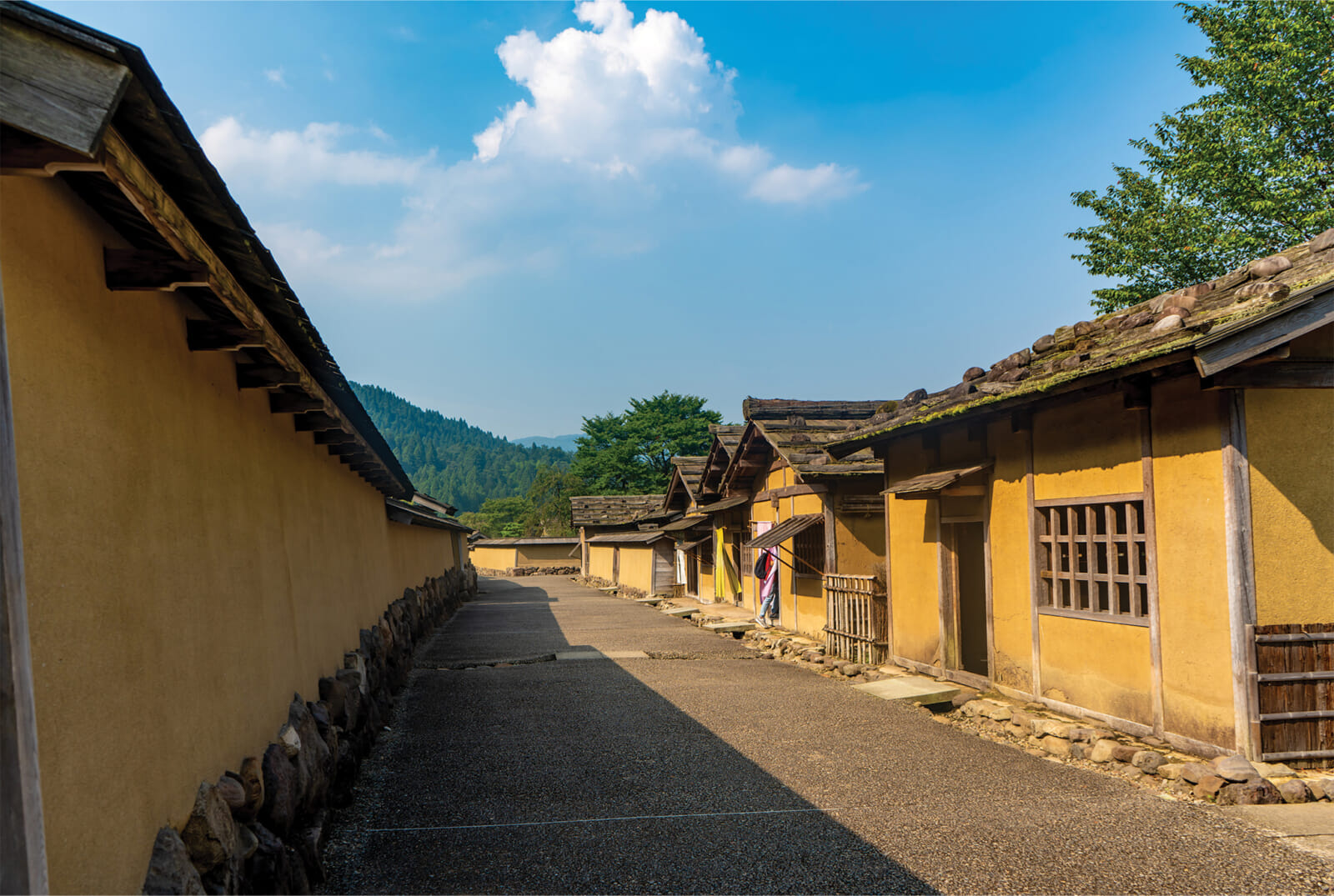
Best Times To Visit Ichijodani Asakura Clan Ruins
Spring (April to May) and autumn (October to November) are ideal for visiting Ichijodani. Cherry blossoms frame the reconstructed buildings in spring, while vibrant autumn foliage creates a stunning backdrop against the traditional architecture. Summer can be hot and humid in the valley, though the surrounding mountains provide some shade. Winter brings occasional snow, transforming the ruins into a serene, atmospheric landscape, though some outdoor areas may have limited access.
The ruins are open mostly year-round (with a small break during New Years). Weekdays tend to be less crowded, offering a more contemplative experience. Special illumination events occasionally take place during autumn, creating a magical nighttime atmosphere.