

Fukui Prefectural Dinosaur Museum Overview
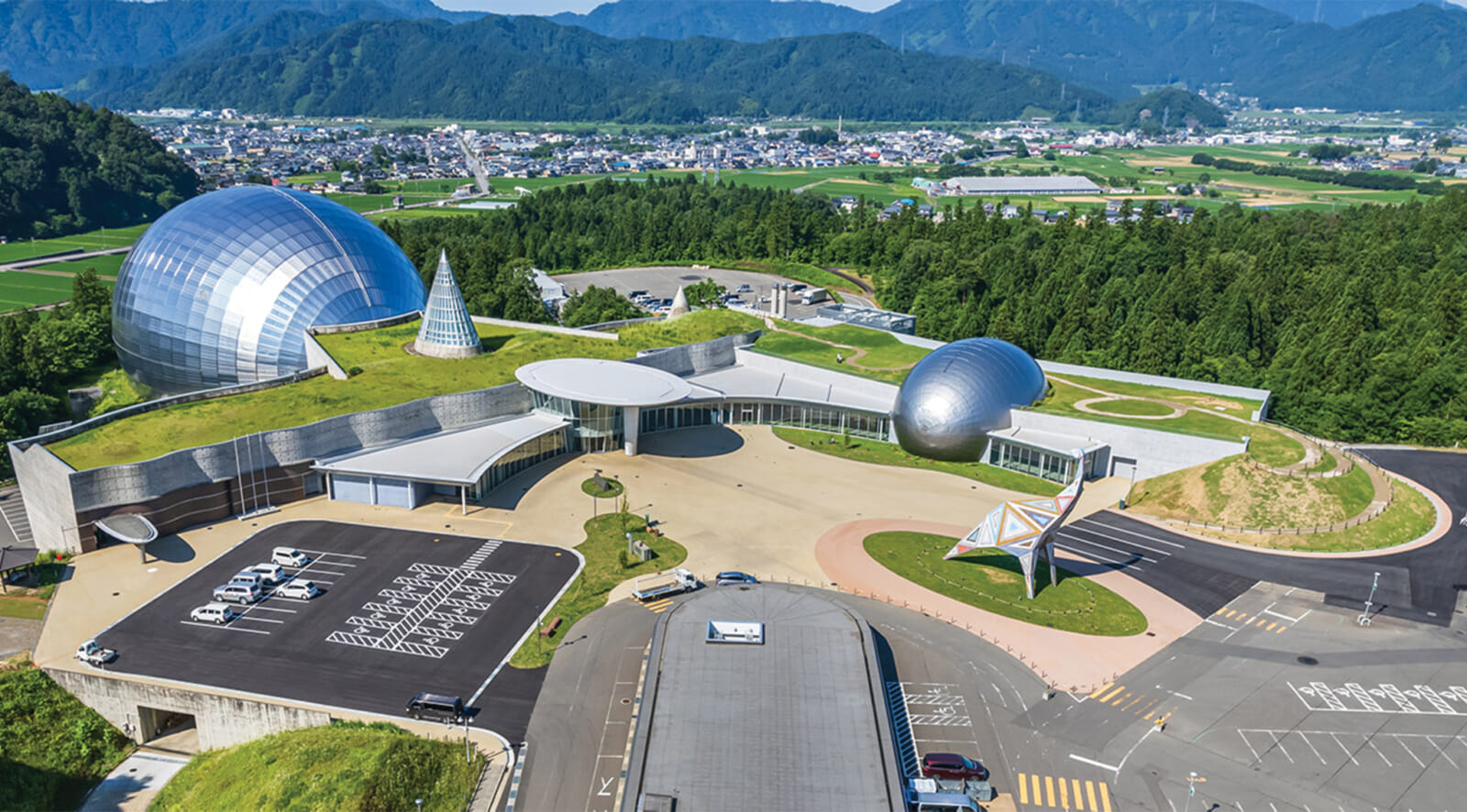
Nestled in the mountains of Fukui Prefecture, the Fukui Prefectural Dinosaur Museum stands as one of the world’s leading dinosaur museums and Japan’s premier destination for paleontology enthusiasts. The striking silver dome houses an impressive collection of over 50 dinosaur skeletons and more than 1,000 specimens, making it a must-visit attraction for families and science lovers exploring central Japan.
The museum’s connection to dinosaurs runs deep. Fukui Prefecture is known as Japan’s “Dinosaur Kingdom” due to the significant fossil discoveries made in the Katsuyama area since the 1980s. Several dinosaur species have been unearthed here, including Fukuiraptor, Fukuisaurus, and Fukuititan — all named after the prefecture. The museum brings these prehistoric creatures to life through full-scale dioramas, animatronic displays, and interactive exhibits that allow visitors to experience the Mesozoic Era up close.
Inside the museum’s distinctive dome structure, visitors descend a long escalator into the main exhibition hall, creating a journey-back-in-time effect. The three main exhibition areas cover the history of Earth and life, the world of dinosaurs and the history of life in Fukui Prefecture. Highlights include a moving Tyrannosaurus rex model, dinosaur skeletons (some made with actual fossils) and a dedicated children’s area. The museum also offers outdoor fossil excavation experiences during warmer months (reservation required), giving guests the chance to search for real fossils in the nearby quarry.
Best Times To Visit Fukui Prefectural Dinosaur Museum
The museum is open year-round except for the second and fourth Wednesday of each month and during the New Year holiday period. Peak seasons are summer vacation (July-August) and Golden Week (late April-early May), when families flock to the museum, resulting in longer wait times. For a more relaxed experience, visit on weekdays during spring (March-May) or autumn (September-November) when crowds are thinner and the surrounding mountain scenery is particularly beautiful. Winter visits (December-February) offer the quietest experience, though snow can affect travel to the area.