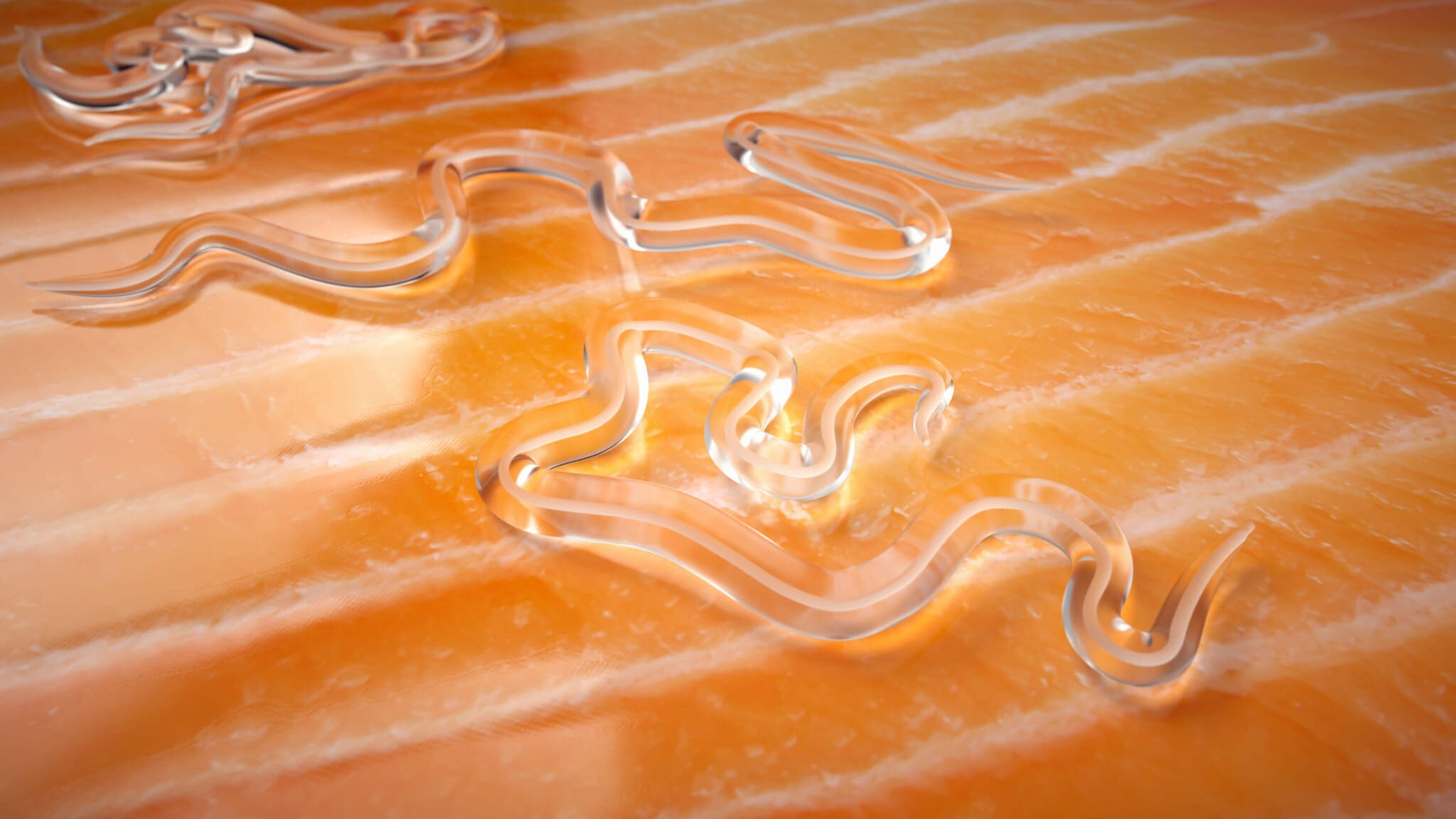
The tiny parasite Anisakis is making headlines in Japan, as cases of foodborne illness linked to raw fish are increasing. Known for causing sudden, severe abdominal pain and vomiting, anisakiasis is a growing public health concern across the country.
A Sharp Increase in Cases
According to the Sapporo City Health Center, reported cases of anisakiasis have increased tenfold in the city over the past decade. Experts estimate that as many as 20,000 people nationwide may be affected each year. The culprit is often sashimi or other raw seafood dishes, where the parasite, just a few centimeters in length, can survive if not properly handled.
TV announcer Ryutaro Yagi recently shared his experience of being jolted awake by “a pain like someone gripping my stomach tightly.” A hospital endoscopy revealed the cause: A live Anisakis worm lodged in his stomach lining after a sashimi dinner.
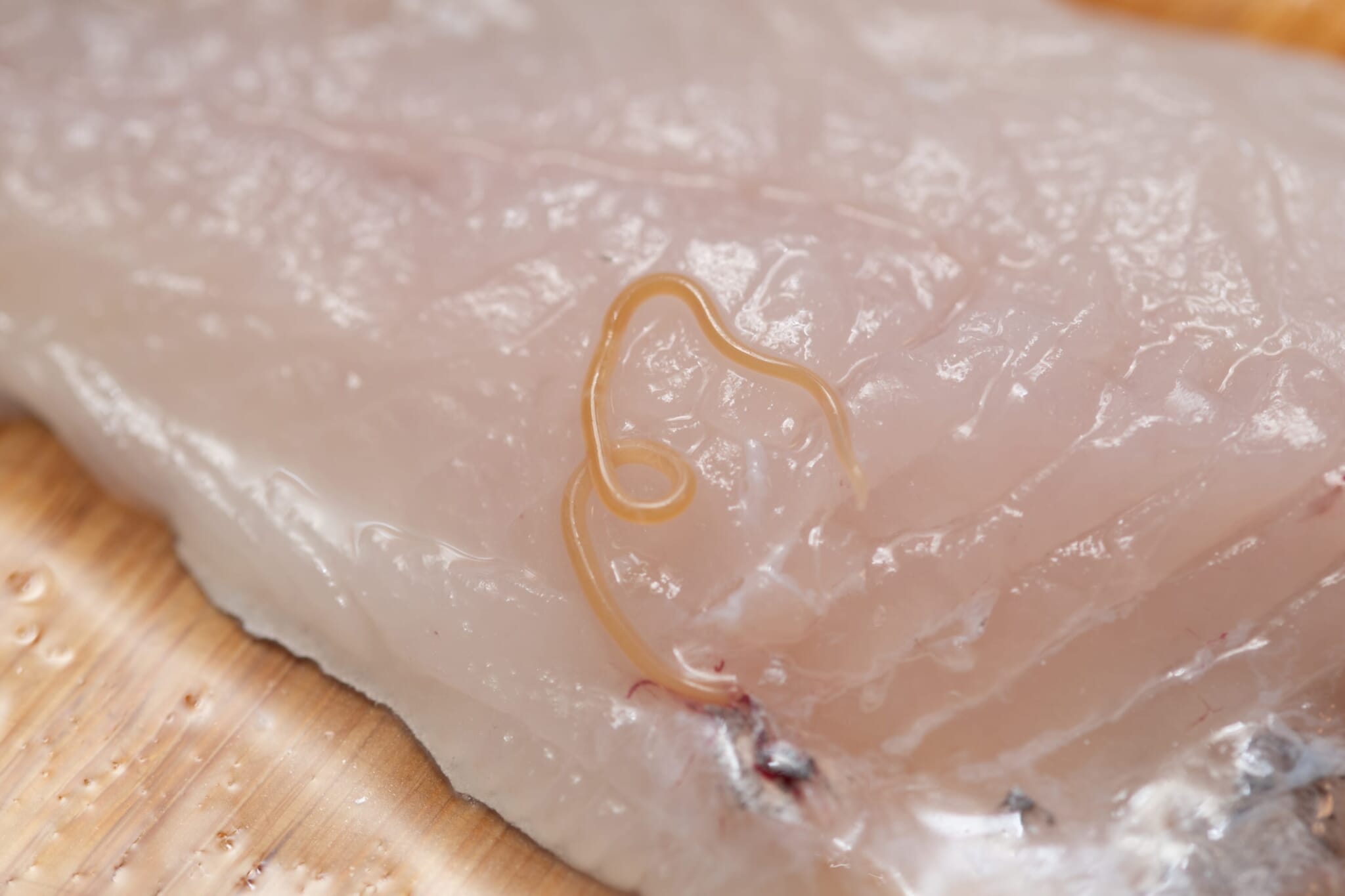
The parasite is found in a wide variety of seafood, including mackerel, flounder and squid. Once ingested, it can burrow into the stomach or intestines, leading to excruciating pain and nausea. While the worm doesn’t survive long in humans, the symptoms can last for days and often require hospital treatment.
How To Prevent Infection
Health authorities and seafood professionals stress the importance of prevention. Unsurprisingly, simply adding wasabi, soy sauce or vinegar does not prevent anisakiasis. Instead, the Ministry of Health recommends:
- Freezing: Keep fish at -20 degrees Celsius for at least 24 hours to ensure the parasite is dead.
- Cooking: Heat seafood to 70 degrees Celsius or higher to make it safe to eat.
- Visual Inspection: Professionals often hold fillets up to light to spot and remove the coiled worms before serving.
With raw fish being a culinary staple in Japan, awareness is key, though checking sashimi is generally not common practice in Japan. The rise of anisakiasis serves as a reminder that enjoying fresh seafood also comes with a responsibility for both diners and the food industry to handle it safely.