When you’re coming from a foreign land where toilet seats are ice-cold and suspicious stains are the norm, Japanese toilets feel like a rare luxury. They’re clean, cutting-edge and, most importantly, never face a weird door gap that ensures awkward eye contact with airport strangers. Equipped with warm water sprays for personal hygiene, heated seats and even ambient sounds to mask any noises, they can almost feel overwhelmingly advanced for the uninitiated.
This guide is here to help you navigate the initially intimidating world of Japanese toilets: common features, what all the buttons do and how to flush without accidentally pressing the emergency button.
Types of Toilets in Tokyo
The Western-Style Toilet (Yoshiki)
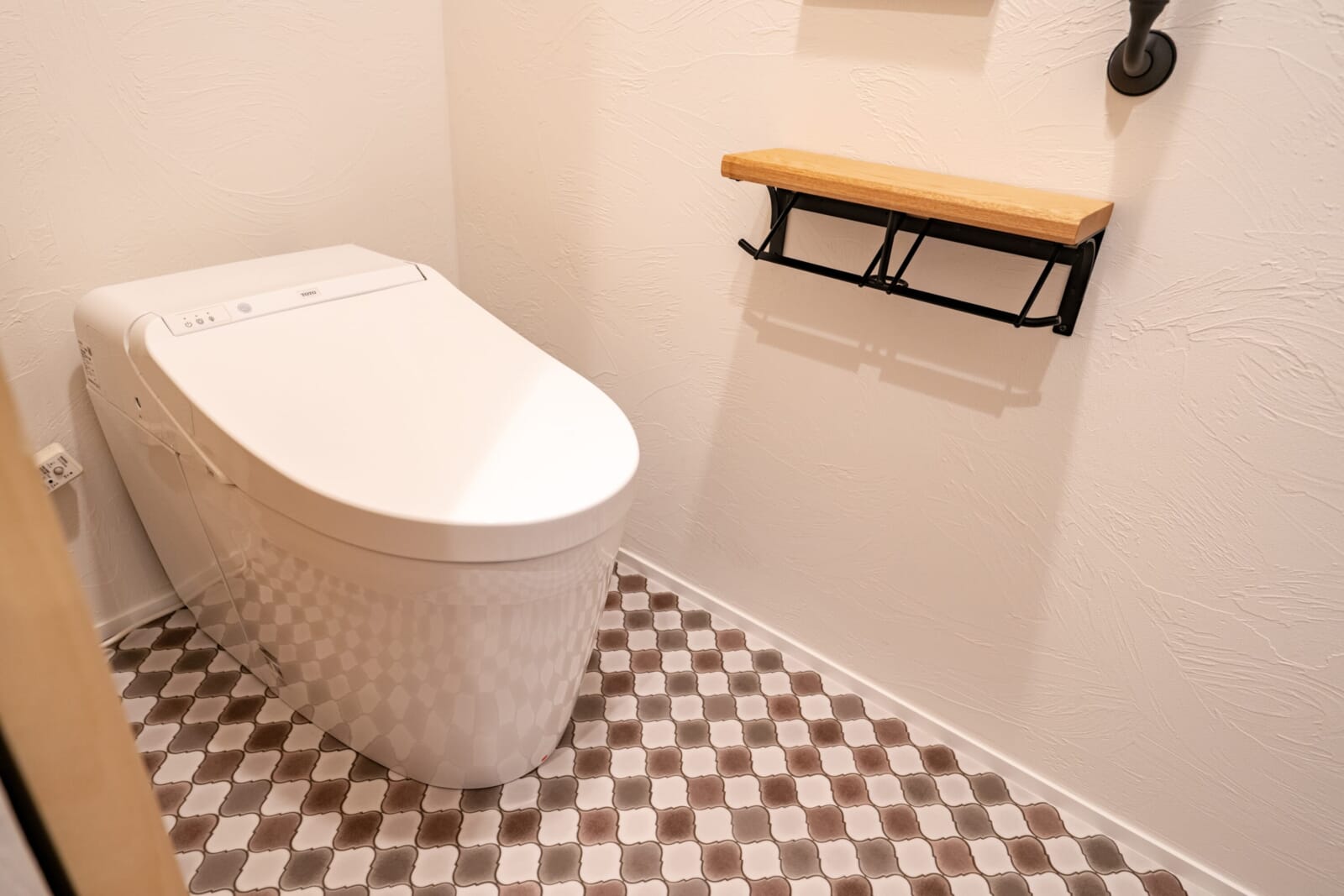
The Western-style toilet, known in Japanese as the yoshiki toire, is increasingly the norm in Tokyo’s homes, hotels and a growing number of public spaces. Resembling the seated flush toilets commonly found in Western countries, they offer a familiar experience for many foreigners.
You’ll find variations, from basic models with just a flush lever or buttons, to more advanced versions that incorporate some of the high-tech features Japan is famous for. These might include heated seats for added comfort during the colder months and basic bidet functions for washing.
How To Flush
Most often, you will find levers, buttons or sensor-activated flush mechanisms similar to Western toilets. Be mindful that there may sometimes be two buttons or two levers — full flush (dai) for solid waste, while the smaller button is for a partial or eco-flush (sho) for liquid waste.
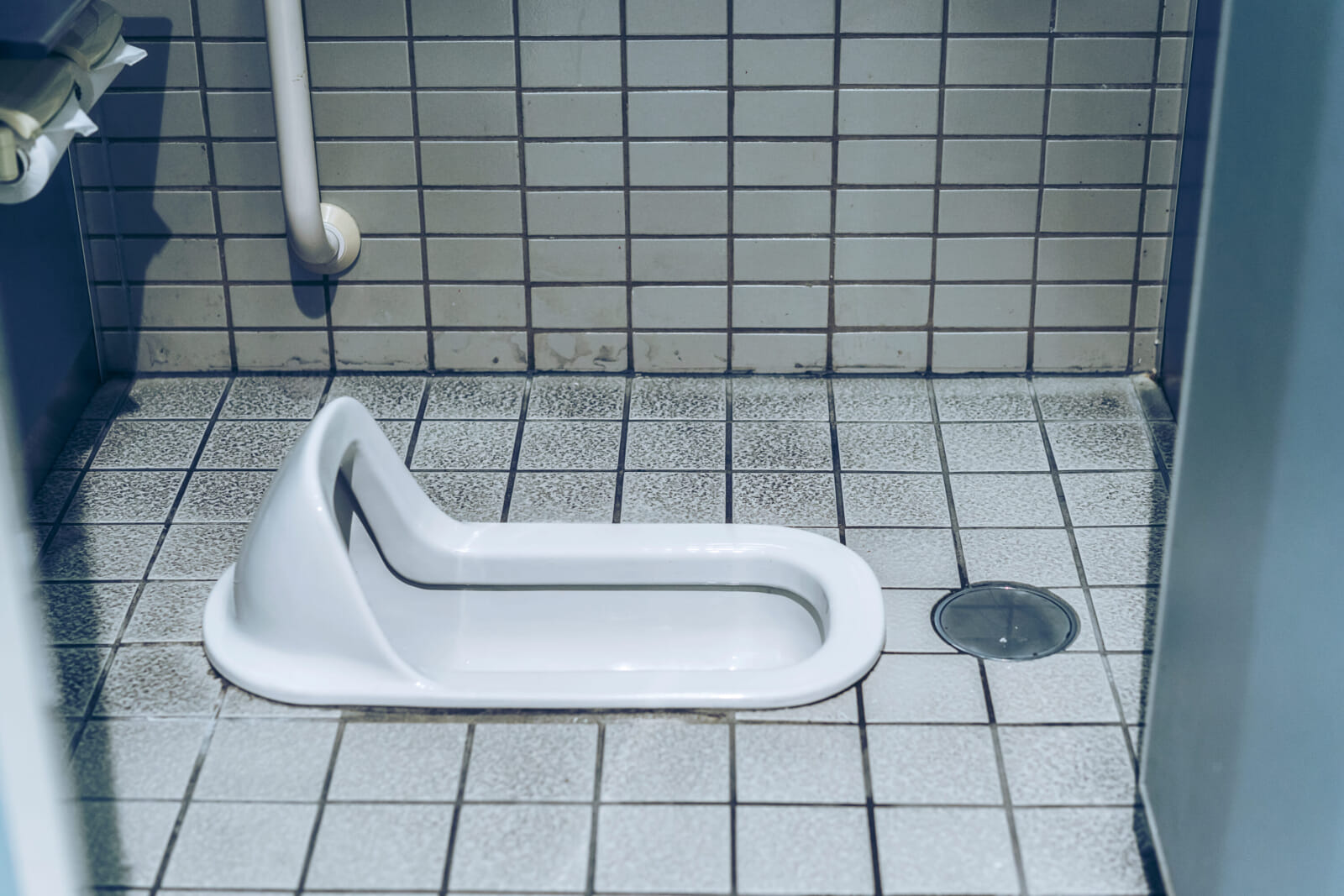
The Traditional Squat Toilet (Washiki)
While less common now, especially in newer buildings and tourist-centric areas, the traditional Japanese squat toilet, or washiki toire, can still be found in older establishments, some public parks and occasionally in more traditional restaurants or train stations in Tokyo.
Using a squat toilet might seem difficult at first, but it’s quite straightforward:
- Face the curved end, or hood: This is the opposite of how you would face a Western-style toilet. The drain opening will be on the floor in front of you.
- Position your feet: Place one foot on each of the designated footrests or textured areas on either side of the opening. These are usually marked.
- Squat and do your business: Lower yourself into a deep squat, keeping your weight balanced over your feet.
- Toilet Paper: Be mindful that some older systems may not handle paper well. Look for a small trash can to dispose of the paper if there is one provided. In some very traditional settings, you might find a small basin of water and a scoop for rinsing.
- Flushing: The flush mechanism can vary. It might be a handle on the side, a button on the floor or wall, or even a foot pedal.
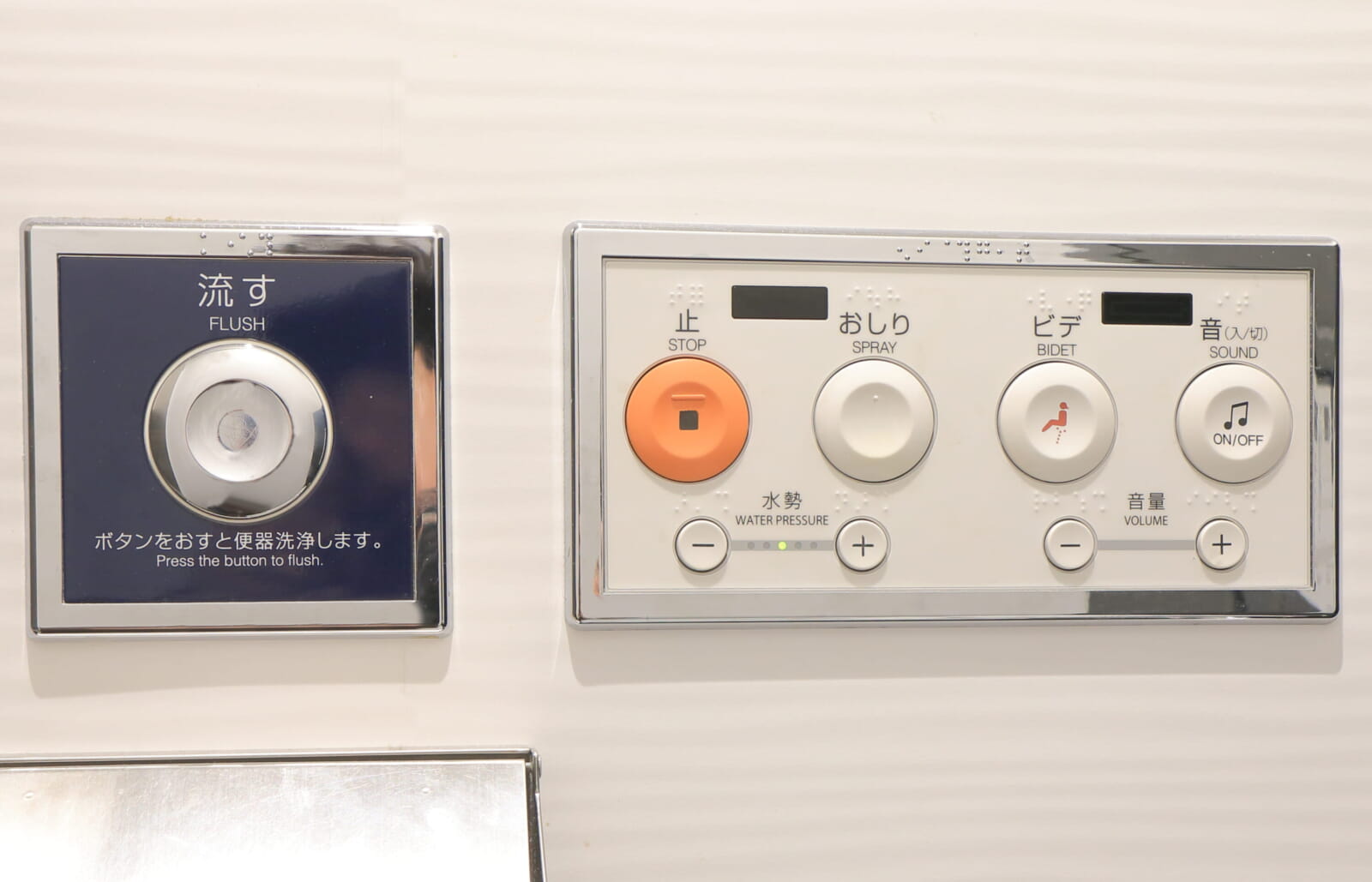
a typical wall control panel
Demystifying Advanced Toilet Features
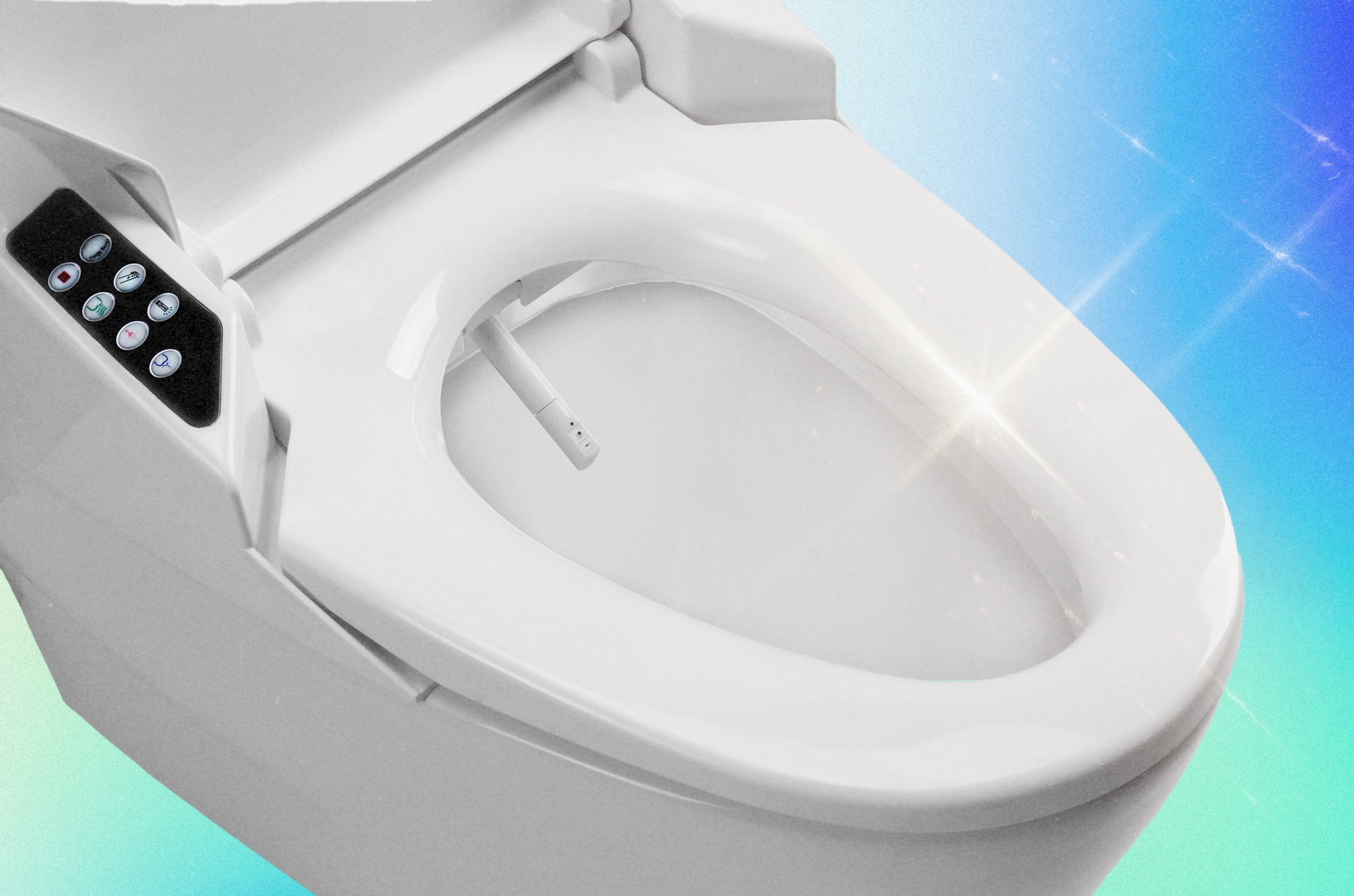
Modern Japanese toilets often feature washlets, bidet toilet seats with warm water sprays and other adjustable cleansing functions. The array of buttons on the control panel can initially feel intimidating to those unfamiliar with these high-tech conveniences. However, once understood, washlets are a wonderful daily luxury.
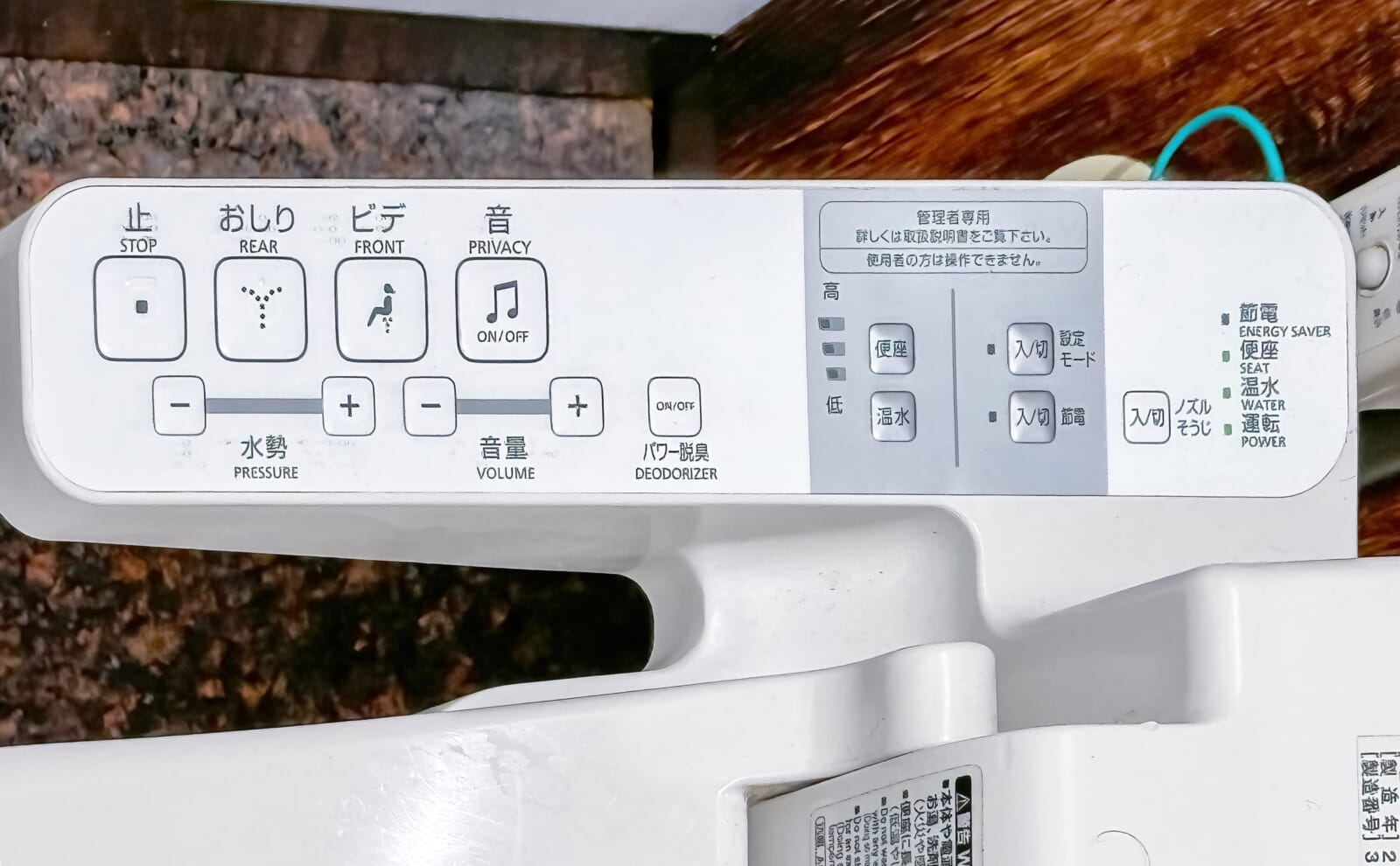
a typical attached control panel
Common Washlet Buttons and Functions
- おしり (Oshiri): Rear wash (often the blue button).
- ビデ (Bide): Front or feminine wash (often the pink button).
- やわらか (Yawaraka): Gentle wash.
- 止 (Tome): Stop (often the orange or red button).
- 流す (Nagasu): Flush (may be separate from the control panel).
- 水勢 (Suisei): Water pressure (with up and down arrows, as well as weak 弱 and strong 強 indicators).
- 位置 (Ichi): Nozzle position (front 前 and back 後).
- 乾燥 (Kansō): Dryer.
- 便座 (Benza): Heated seat (with temperature adjustment).
- 音/音姫 (Oto or Otohime): Sound masking feature (often a musical note symbol).
- 節電 (Setsuden): Energy saving mode.
- マッサージ (Massāji): Massage function.
Other Things To Note
Some homes, inns and restaurants have designated toilet slippers. Do not wear these outside the toilet area.
Related Posts
- An Essential Earthquake Survival Guide: How To Be Prepared for Japan’s Megaquake
- How To Experience a Japanese Tea Ceremony in Tokyo
- How to Use a Sento: Japanese Bathhouse Etiquette
Updated On June 17, 2025