
Japan has many New Year’s food traditions, from the beautifully assembled osechi ryori enjoyed in the first days of the new year to the humble bowl of toshikoshi soba served on New Year’s Eve. Osechi ryori marks the beginning of the year, while toshikoshi soba is about closing out the old one.
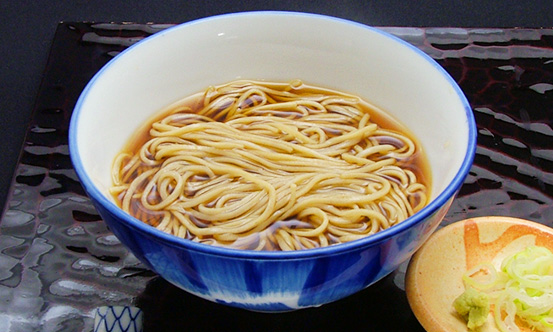
Soba, served hot or cold throughout the year, is considered a staple of Japanese cuisine. On December 31, however, the dish takes on special meaning, with its physical characteristics becoming auspicious symbols. The length of the noodles signifies a long life, while their brittle nature represents a clean break from the past year’s misfortunes. Finally, the hardy buckwheat plant, from which soba is made, symbolizes resilience and strength.
Traditions surrounding toshikoshi soba vary from region to region, as well as from household to household. However, most Japanese eat it at home, often late at night, waiting for the New Year’s arrival. While there’s quite a bit of flexibility when it comes to timing, people generally make sure to finish their bowl — right down to the last noodle remnant — before midnight. Leaving nothing to waste is said to prevent bad luck from following you into the next year.
How To Eat Toshikoshi Soba Like a Local
Toshikoshi soba is most often eaten at home, with many families buying ready-to-cook toshikoshi soba sets from their local supermarket, soba shop or specialty shop. Others choose to visit traditional soba restaurants for the occasion, often dining earlier in the evening, as most shops close before midnight and lines are common. No matter how you choose to savor your toshikoshi soba, however, we have you covered. Below, we introduce a handful of popular soba shops where you can experience this Japanese New Year’s tradition and end the year on a high note.
The Best Toshikoshi Soba in Tokyo
View this post on Instagram
Kanda Matsuya Honten
Founded in 1884, Kanda Matsuya is a long-established soba restaurant beloved by locals in the Kanda area. Rebuilt after the Great Kanto Earthquake of 1923 and designated a Tokyo Metropolitan Government Selected Historic Building, the two-story wooden structure immediately transports you to the early Showa era, making it a classic spot for traditional Japanese soba.
For New Year’s Eve, freshly made, uncooked soba can be preordered. Diners are also accepted on December 31, but expect long lines. This long-standing favorite is a classic choice for welcoming the new year in Tokyo.
For details, visit the website or the shop’s Instagram.
View this post on Instagram
Honmura An Ogikubo Honten
Honmura An, established in 1924, is a well-known traditional soba restaurant in Tokyo’s Ogikubo neighborhood that specializes in hand-cut noodles made from buckwheat flour milled in-house using traditional stone mills. The spacious restaurant, which seats around 80 and overlooks a small bonsai garden, maintains a calm atmosphere even during the year-end rush.
Particularly popular for toshikoshi soba, Honmura An accepts preorders for takeout sets as well as time slot-based priority reservations for in-store dining on December 30 and 31. Non-reserved seating is also available, with longer waits expected on New Year’s Eve. The restaurant will remain open until 10 p.m., making it a comfortable option for enjoying this New Year’s tradition before midnight.
For details, visit the website or the shop’s Instagram.
Muromachi Sunaba
Founded in 1869, Muromachi Sunaba is one of Tokyo’s oldest soba restaurants and is often credited as the birthplace of tenzaru and tenmori soba, dishes that pair cold noodles with a warm dipping broth and crisp tempura.
For New Year’s Eve, the main branch in Nihonbashi operates by reservation only. Those planning to eat at home can preorder toshikoshi soba sets through the Nihonbashi shop for pickup on December 30 and 31, making it an easy option for those who prefer to enjoy the year-end tradition at home.
For details, visit the website.
View this post on Instagram
Kanda Yabu Soba
Founded in 1880, Kanda Yabu Soba — just a short walk from Awajicho Station — is one of Tokyo’s most iconic soba restaurants and a key representative of Edomae yabu soba, one of the city’s three major soba varieties. Yabu noodles are known for their pale green color, a hue they acquire from the buckwheat berry’s green endocarp, and their signature salty dipping sauce. Yabu Soba’s richly seasoned, flavorful sauce has earned the restaurant generations of loyal customers.
For New Year’s Eve, Yabu Soba accepts reservations for in-store dining, though they’re known to fill up quickly. Takeout toshikoshi soba sets can also be reserved for pickup on December 31. As Kanda Yabu Soba is among the city’s most venerable soba shops, it’s a great spot to savor the flavor of old Tokyo — if you can get a seat.
For details, visit the website or the shop’s Instagram.
View this post on Instagram
Teuchi Soba Jiyu San
Teuchi Soba Jiyu San has gained widespread recognition for the exceptional quality of its handmade soba, even earning a Bib Gourmand commendation from the Michelin Guide. The shop, operated by the third-generation proprietor, is dedicated to crafting noodles of the highest quality. You’ll find juwari (100% buckwheat) soba, as well as the hearty inaka soba, made with buckwheat flour coarsely ground with a hand-operated stone mill. Fittingly, the shop’s soba is known for its excellent texture and aroma.
This year, Teuchi Soba Jiyu San will offer takeout toshikoshi soba only on December 30 and 31, with no in-store dining. Unfortunately, high demand has meant that all available soba set reservations have already been filled; however, a limited number of sets may be available for purchase on December 31. Check the website on New Year’s Eve day for information on same-day sales, and note that sets will be sold on a first-come, first-served basis.
With the exception of toshikoshi soba sales and pick up on December 30 and 31, the shop will be closed from December 21. Regular service resumes on January 13.
For details, visit the website or the shop’s Instagram.
Related Posts
- Celebrating Oshogatsu: An Introduction to Japanese New Year Traditions
- The Best Things To Do on New Year’s Eve in Tokyo: Countdown to 2026
- Osechi Evolution: How Japan’s New Year’s Feast Is Changing
Updated On December 29, 2025