For the longest time, Studio Ghibli was against making its catalog available for streaming. But when Hayao Miyazaki needed funds for his third “final” movie, The Boy and the Heron, the studio relented and Ghibli films began streaming around the world in 2020 — except for Japan, where Hayao Miyazaki preferred for Ghibli releases to be experienced primarily in cinemas. This will change on July 15, 2025, when Grave of the Fireflies comes to Netflix Japan.
There are many reasons why this 1988 war anime by Isao Takahata was chosen to break the Ghibli streaming fast, but the biggest one is probably Ghibli not actually owning the rights to it. They reside with Shinchosha, the publisher of the original story the movie is based on. It’s all for the best, though, since Grave of the Fireflies is the perfect movie for testing the streaming waters in Japan. After all, if people will flock to possibly the angriest entry in the entire Studio Ghibli collection, then all its other whimsical stuff should go down a treat!
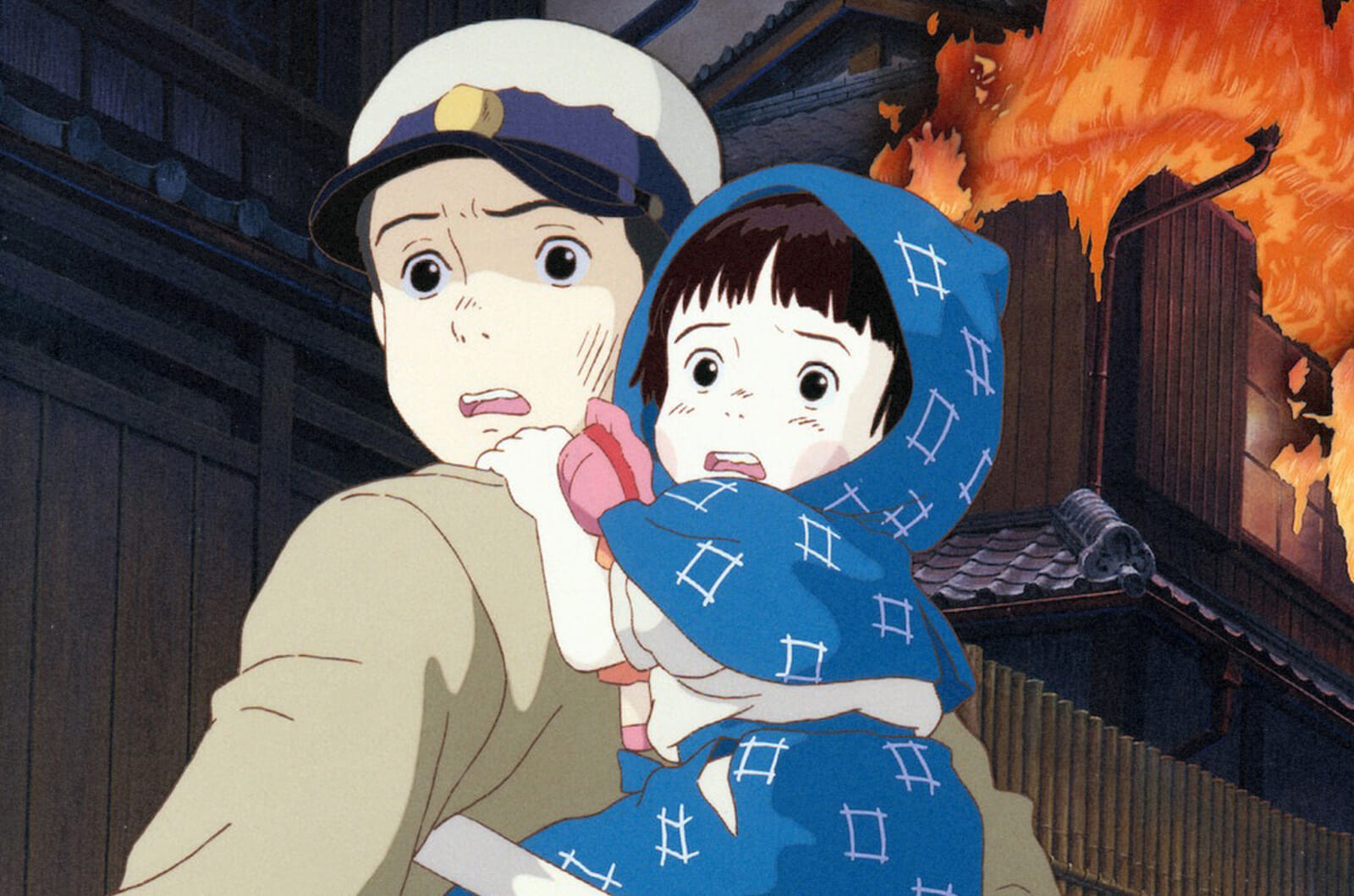
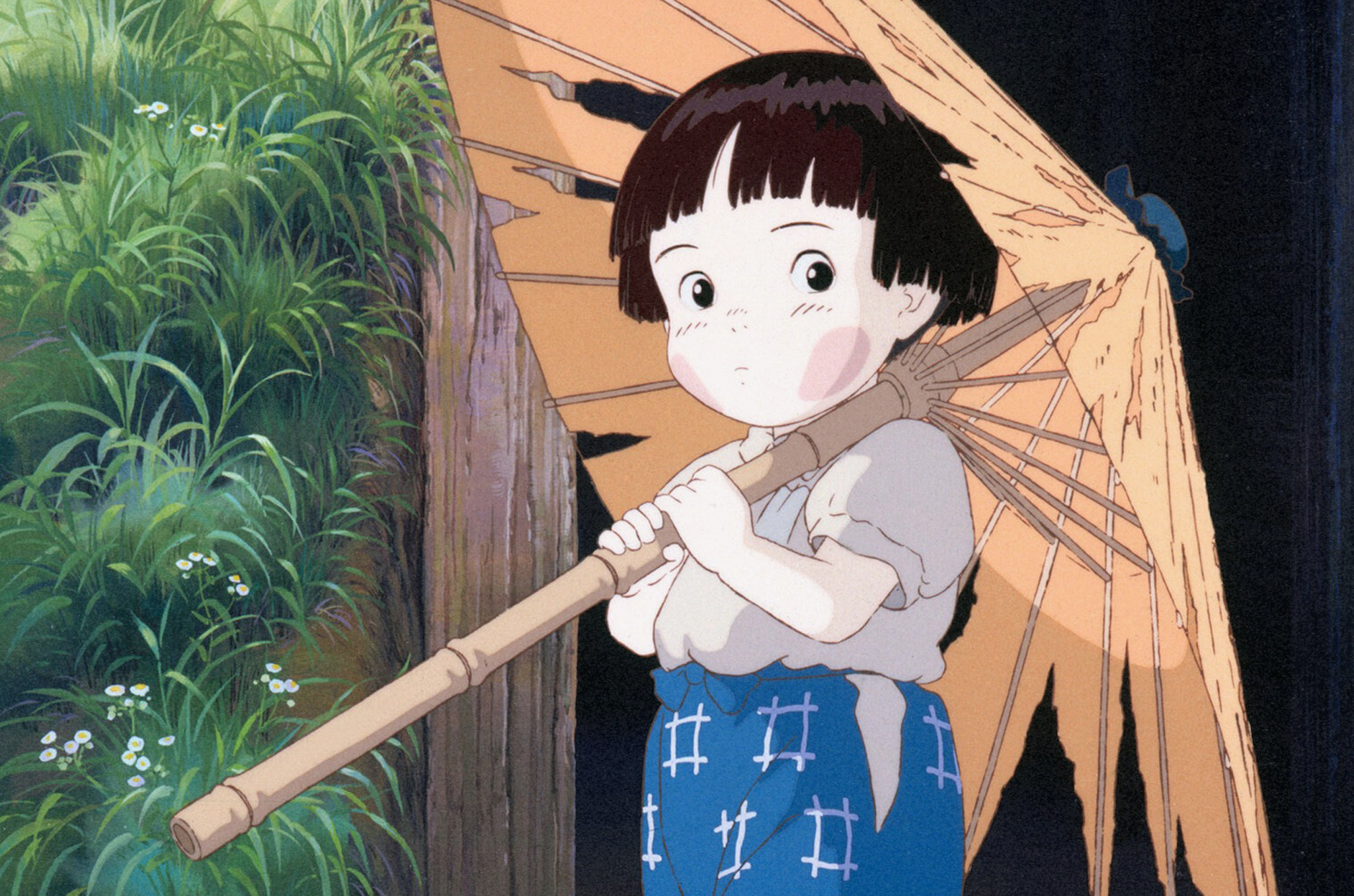
Image Courtesy of Netflix Media Center | © Akiyuki Nosaka / Shinchosha Publishing Co., 1988
A Sad Movie That Should Make You Furious
Grave of the Fireflies is about two children who die of starvation. That’s not a spoiler because the movie is almost 40 years old and, also, the film establishes the deaths of 14-year-old Seita and his 4-year-old sister Setsuko within the first few minutes. The movie may be one of the most infamously sad anime of all time, but if its goal was to make audiences cry, it would have toyed with our emotions more. It would have made us think that maybe Seita and Setsuko could’ve survived 1945 Japan on their own after the death of their mother in an air raid, only to then pull the rug out from under us.
Instead, we know what happens to them from the get-go. So, while the two children’s deaths are tragic and continue to be incredibly hard to watch, a closer look suggests that the movie wasn’t aiming for tears. Rather, it seems to want our fury. But not fury aimed at war, since it wasn’t war that killed Seita and Setsuko. It was a harsh, oppressive and uncaring society that utterly failed to stop its children from making a bunch of dumb, fatal mistakes.
The Movie HAS Villains: Most of Its Adult Characters
The vast majority of adults that Seita and Setsuko come across in the aftermath of their mother’s death are horrible people. While they may not be traditional “bad guys,” they nonetheless do function as antagonists and are ultimately responsible for two children dying of hunger. It wasn’t really what they did, though, but rather what they didn’t do.
Seita and Setsuko’s aunt, who takes them in but keeps calling them freeloaders — even after taking most of the food they bring with them and selling their mother’s kimono for rice — is undeniably unkind. But her biggest sin is not stopping the two when Seita decides to move out into an abandoned bomb shelter. Yes, it was late-stage World War II and rations were dwindling — but when adults don’t take care of kids, then what even is the point of society? Throughout the movie, we see many grownups who know that two children are roughing it out in inadequate living conditions, and no one lifts a finger to stop them.
A farmer urges Seita to apologize to his aunt and get help from neighborhood organizations (i.e. rely on society), but it’s not clear why he insists on talking to Seita as if he were an adult who has a say in the matter. Even the “kindly” policeman who doesn’t book Seita after he’s caught stealing crops drops the ball because he just lets him go, doing nothing to protect the boy from his own still-developing, pride-filled, stupid brain.
Children Are Not Small Adults
Seita cannot be held responsible for moving out, not seeking medical attention for Setsuko sooner or waiting too long to buy nutritious food for them. Because he is a child. He does an admirable job for a lot of the movie as Setsuko’s guardian, protecting her from air raids and keeping her spirits up. But that’s where his “adult” responsibilities should have ended. He should not be expected to know how to take care of himself, much less a 4-year-old, for the same reason we don’t expect kids to make their own dinner every day: They’d either burn the house down or rot their teeth out of their mouths from eating nothing but chocolate.
Seita and Setsuko should have been dragged, by force if necessary, back to their aunt, who should have been yelled at until she was shamed into acting like a human being. Then someone should have given Seita a serious talking to for thinking he had the right to risk not only his life, but also that of his little sister. Then another round of yelling at everyone who didn’t want to get involved in the matter because it “wasn’t their place.”
In the end, the bulk of Japanese society circa 1945 would get a dressing down for their astounding apathy, but maybe that was the point of the movie. Watch it for yourself when it premieres on Netflix on July 15 and see what you think.
Editor’s note: For those eager to delve deeper into Isao Takahata’s work, an exhibition celebrating the late Ghibli director is currently running at Azabudai Hills Gallery. Check it out before September 15.