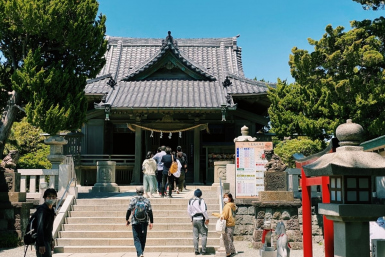
Kanagawa Prefecture sits directly south of Tokyo, stretching from the bustling port city of Yokohama to the ancient temples of Kamakura and the seaside resort town of Hakone. Despite its proximity to the capital, Kanagawa offers a remarkably distinct character — blending Japan’s feudal past with a cosmopolitan energy born from its long history as a gateway for international trade.
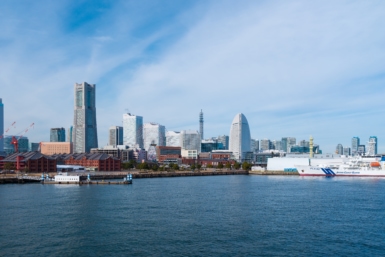
Yokohama, the prefecture’s largest city and Japan’s second-largest, is anchored by one of Asia’s most vibrant Chinatowns and a revitalized waterfront district known as Minato Mirai. The area is celebrated for its Western-influenced architecture, a legacy of the port’s forced opening to foreign trade in 1859 following the Convention of Kanagawa.
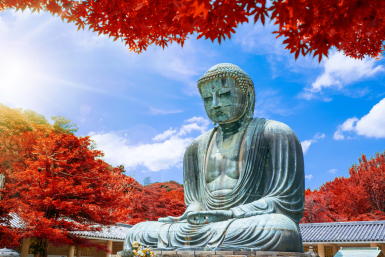
South along the coast, Kamakura served as Japan’s political center during the Kamakura period (1185–1333). Today it draws visitors from around the world to see the iconic Kotoku-in, home to the Great Buddha — a 13-meter bronze statue that has stood in the open air since the 14th century. The city’s network of hiking trails and Zen temples makes it a favorite for day-trippers and longer-stay visitors alike.
Inland, the Hakone area offers sweeping views of Mt. Fuji, relaxing onsen and the open-air Hakone Open-Air Museum. The Odakyu Romance Car, a classic limited express train, connects Tokyo to Hakone in under 90 minutes and remains one of the most scenic rail journeys in the Kanto region.
Kanagawa is also home to Enoshima, a small island connected to the mainland by a bridge, known for its shrines, sea caves and fresh seafood.