Every sport has a name that changed the game and became synonymous with it, like Babe Ruth with baseball or Wayne Gretzky with hockey. For Japanese horse racing, that name is Haiseiko, though he wasn’t a jockey or trainer — he was a horse. But he was such a great horse, he singlehandedly or perhaps single-hoofedly, helped transform the image of horse racing across Japan, capturing the imagination of fans nationwide. This is the story of the idol horse they called “Monster.”
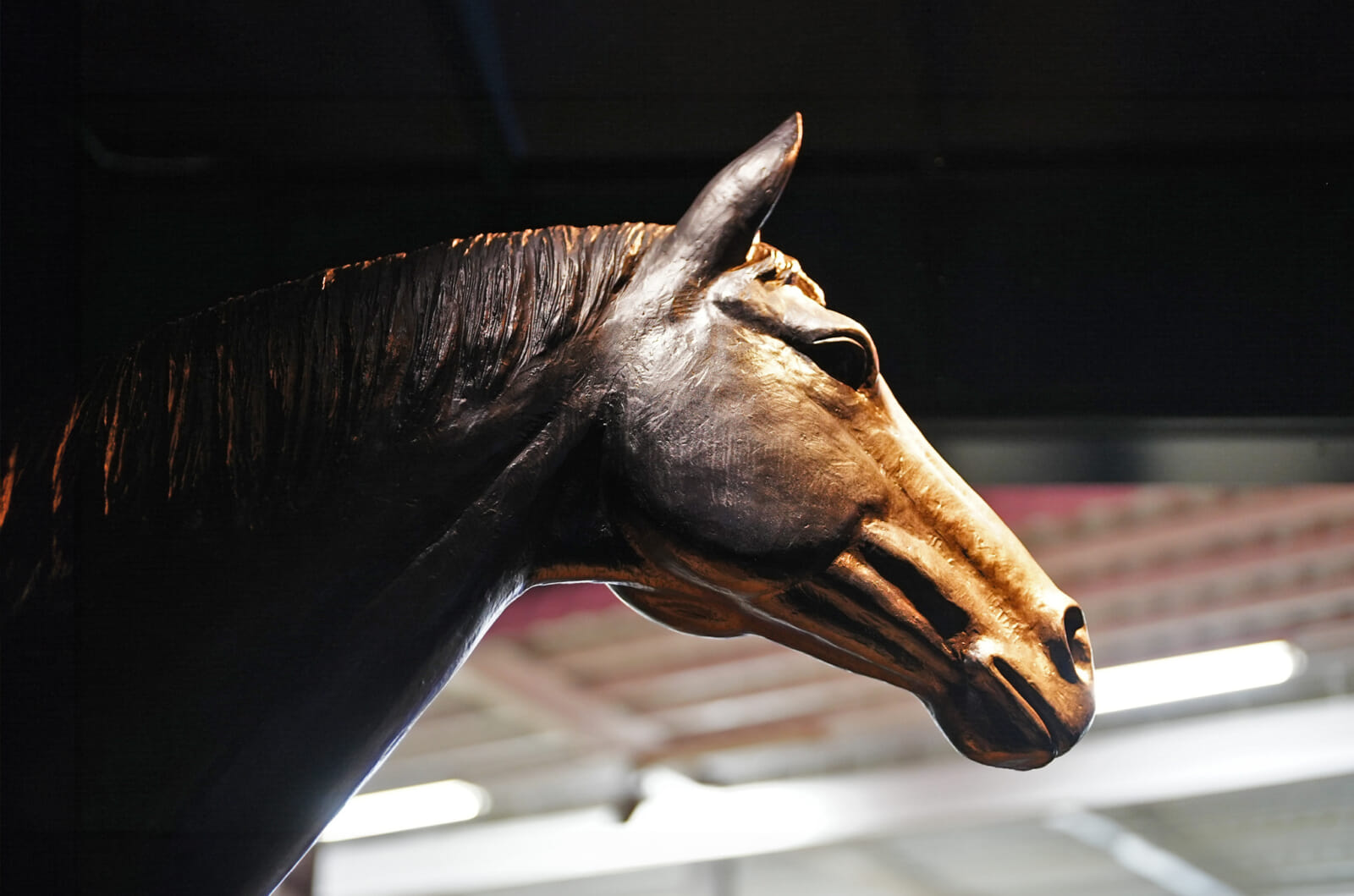
Statue of Haiseiko at Tokyo Megaillumi
The Haiseiko Boom
Modern horse racing was introduced to Japan during the Meiji period (1868–1912) by wealthy foreigners. It was initially an elite social event, more of an excuse to mingle and wager with fellow bluebloods than a sport to get excited about. Over the next few decades, Japanese horse racing paradoxically changed completely and not at all.
By the 1940s, it had become a working-class pastime for middle-aged office workers. The once palatial racehorse parlors turned into grubby dens littered with betting slips and cigarette butts. Yet, as before, it wasn’t about the sport, it was about the money. In Japan at the time, “horse racing” was just another word for “gambling.” Then Haiseiko appeared on the scene.
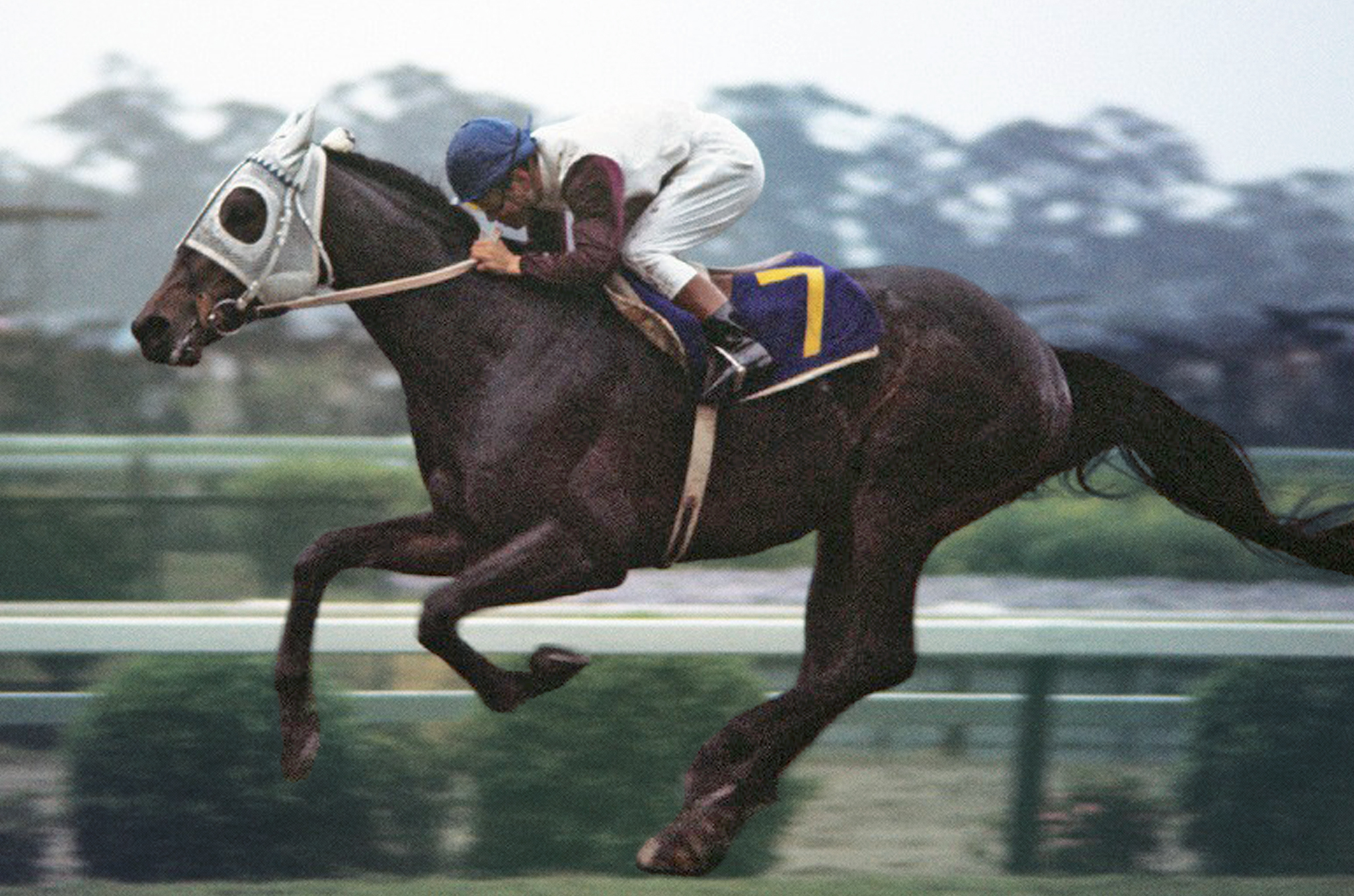
Debuting in 1972 at Oi Racecourse, also known as Tokyo City Keiba, he instantly dominated the circuit. Just a year later, he shocked the racing world by winning the prestigious Japanese 2,000 Guineas race. Then something equally amazing happened: Casual fans including families with children started coming to the track to watch him race. They cheered him, not the jockeys, bought merchandise, wrote fan chants, sang songs and cut out his picture from national newspapers. Soon, everyone in Japan knew his name.
In a matter of months, the “sport” that was once the shame and cause of financial woes for Japanese families became wholesome entertainment. Here’s how Haiseiko pulled that off:
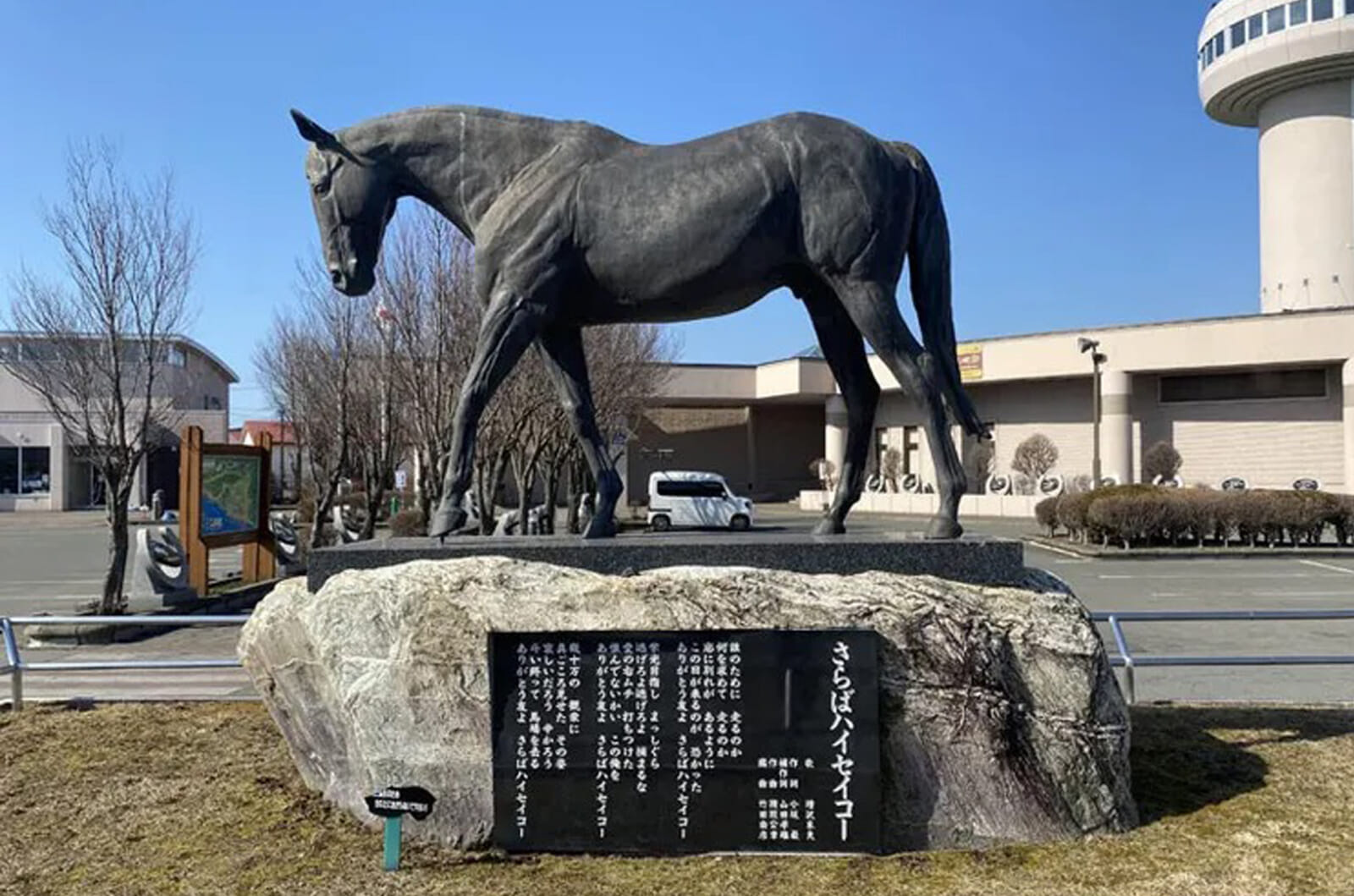
Statue of Haiseiko at Tokyo City Keiba
Everyone Loves an Underhorse
Haiseiko seemed almost tailor-made to capture the hearts of ordinary Japanese people. He started out in the National Association of Racing, a circuit of regional tracks with less prestige and smaller rewards. When he advanced to the more respected Japan Racing Association, he was seen as a scrappy contender taking on the sport’s elites. It might sound strange to attribute that kind of spirit to a horse, but a big part of the Haiseiko Boom was introducing mythmaking and storytelling to horse racing.
Pro-wrestling probably contributed to that. The 1970s were also when Antonio Inoki revitalized wrestling with his more powerful fighting style with a stronger emphasis on spectacle. It was an era of big personalities, dramatic (if scripted) story arcs and self-made lore. In that atmosphere, Haiseiko’s rise to popularity was inevitable.
It wasn’t just that he came from a working-class background and won. If you didn’t know any better, you might have sworn that he was playing to the crowd. Haiseiko was fast but he most often won through late finishing runs, speeding powerfully past his opponents in the final stretch to take the lead from behind, and all of it was real. Even if someone had scripted it, they couldn’t have written it any other way.
A Lasting Legacy
Haiseiko raced successfully until his retirement in 1975. He was put out to stud, though none of his offspring ever matched his popularity. The “People’s Horse” who brought in crowds of more than 100,000 and who made fans burst into tears of joy when he won, died in 2000. His funeral made national news. But Haiseiko lives on through the statue of him at Tokyo City Keiba, in the hearts of racing fans across Japan, and an anthropomorphized horse-racing media franchise, where he got a gender swap.
Uma Musume: Pretty Derby is a multimedia franchise of games, anime and even a stage show about bipedal horsegirls — human athletes with horse ears and tails — who compete in races much like in the real world. Each character is based on real historic and active racehorses, often gender-flipped since most racing horses are stallions. And yes, you better believe that also includes Haiseiko.
More importantly, Haiseiko helped shape the modern, family-friendly image of horse racing in Japan. There were other racing booms after 1975, but none had such a profound effect on the public perception as his. Even today, it’s common to see young people and parents with children at the track, who are there to get a closer look at their favorite horses and cheer them on as if they were rooting for a baseball team. And it’s all thanks to everyone’s favorite Monster.